Český Krumlov: UNESCO Medieval Bohemia, Baroque Theatre & Canoeing the Vltava
Step into Bohemia's most perfectly preserved medieval town—the second-largest castle in Czech Republic with a live-bear moat and 18th-century Baroque stage machinery frozen in time, the Vltava river's horseshoe meander perfect for canoeing, the Egon Schiele museum where the Expressionist painter was expelled for immorality, and the world's only rotating Baroque garden auditorium.
- 1
Český Krumlov Castle – Second Largest in Bohemia
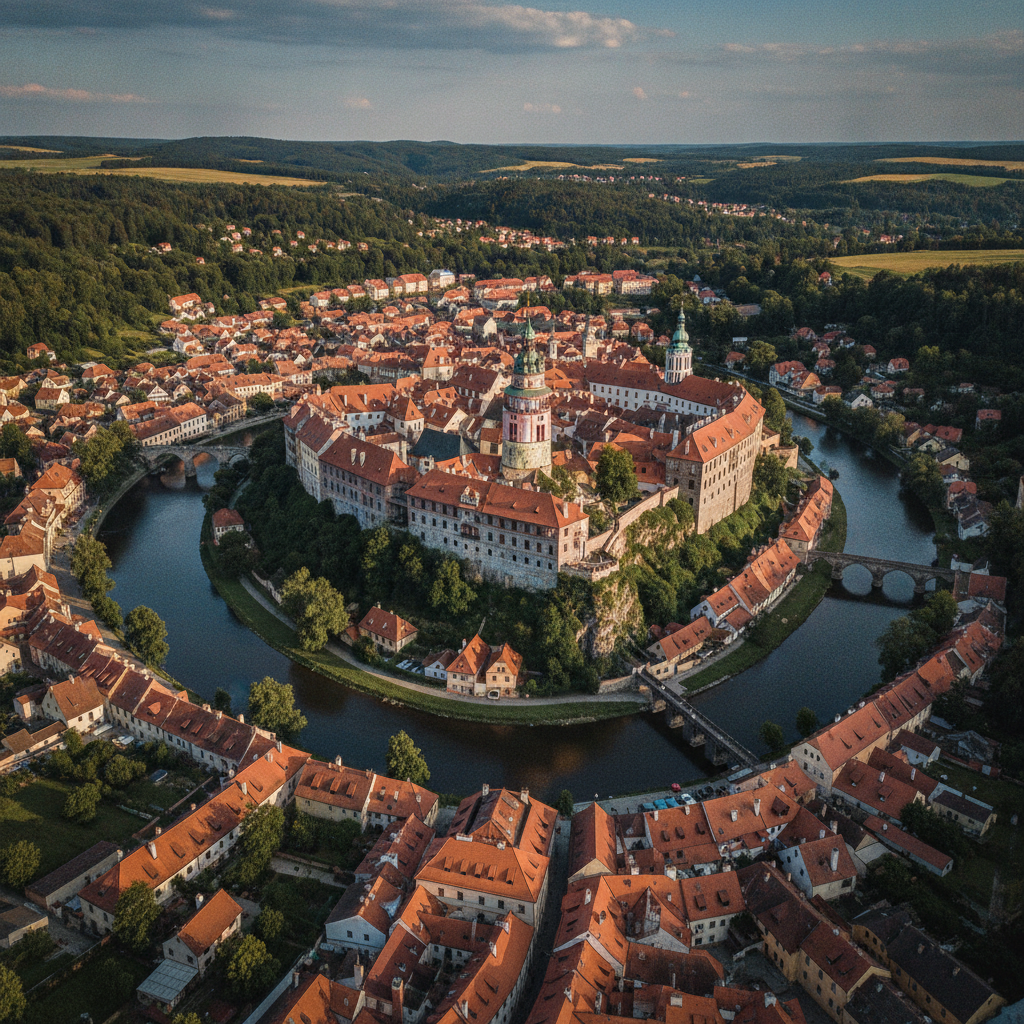
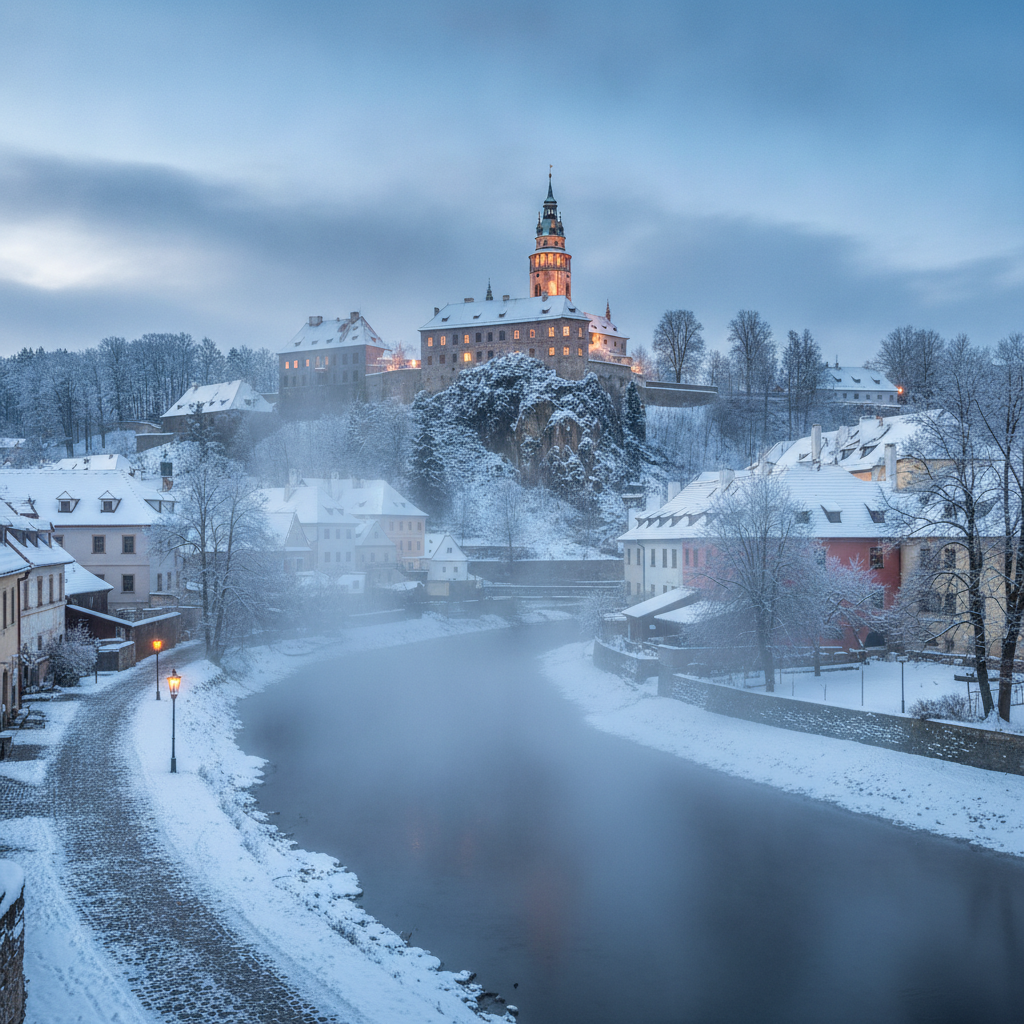
Český Krumlov Castle—the second largest castle complex in Bohemia after Prague Castle—rises on a rocky spur above the horseshoe meander of the Vltava river in one of medieval Europe's most dramatic urban settings. The castle complex spans 40 buildings across 17th–18th-century courtyards, including a Baroque theatre (1682, with intact original stage machinery), an extraordinary Baroque garden with a rotating auditorium, and a bear moat maintained by live bears since the 16th century.
- 2
The UNESCO Old Town – Perfectly Preserved Medieval Bohemia
The historic centre of Český Krumlov was inscribed on the UNESCO World Heritage List in 1992—a recognition of its extraordinary state of preservation as a medieval and Renaissance Bohemian market town. The town's development was frozen in time after the Schwarzenberg family (the castle's owners from 1719) halted industrialisation; the 20th century brought no significant new construction. The result is a town that looks almost exactly as it did in 1680.
- 3
The Vltava Meander – Canoeing the River Loop
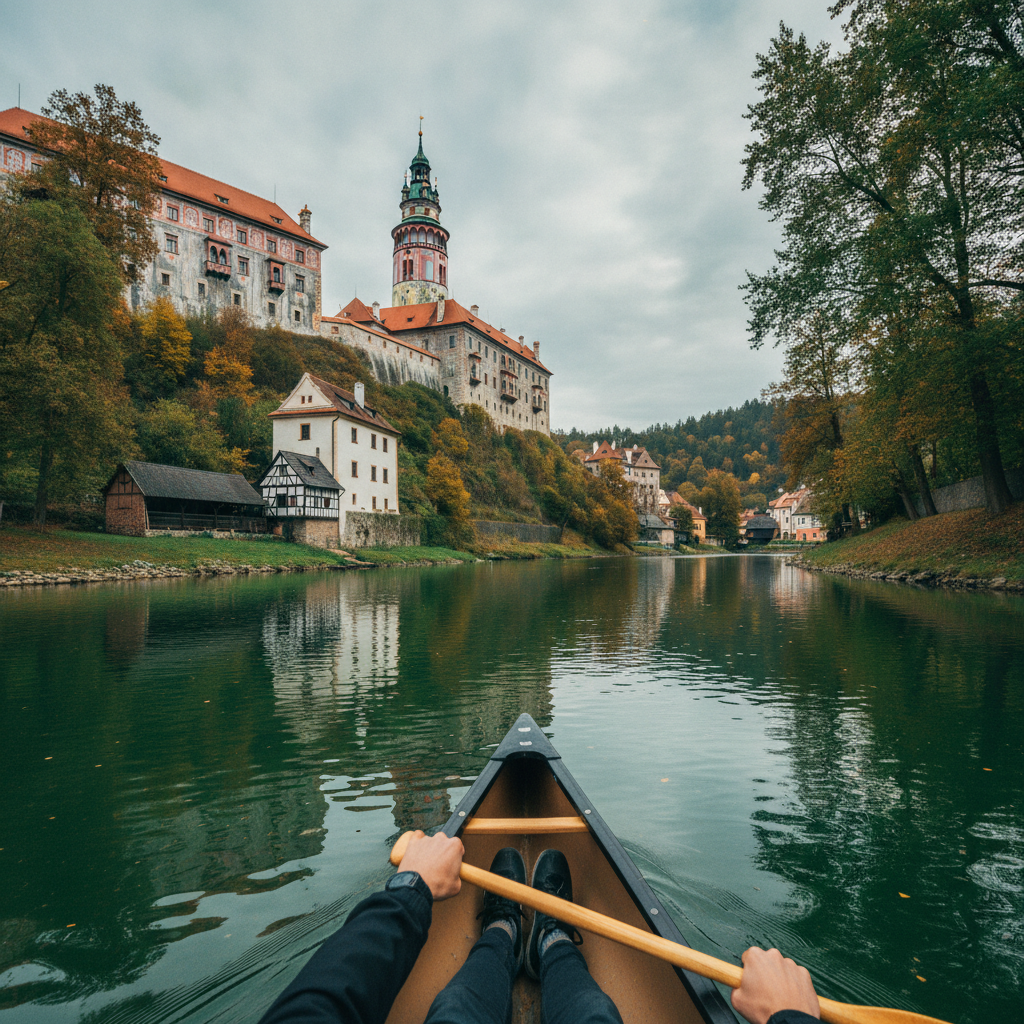
The Vltava river makes a nearly complete horseshoe loop around the old town peninsula—visible from the castle tower as one of Central Europe's most striking geographic formations. The river is calm enough for canoeing and kayaking; several outfitters in town rent canoes and inflatables for the classic circuit from Rožmberk nad Vltavou downstream to Zlatá Koruna (20 km). The most popular route simply paddles the horseshoe around the old town—a 2-hour float with the castle above.
- 4
The Baroque Theatre – Time-Frozen Stage Machinery
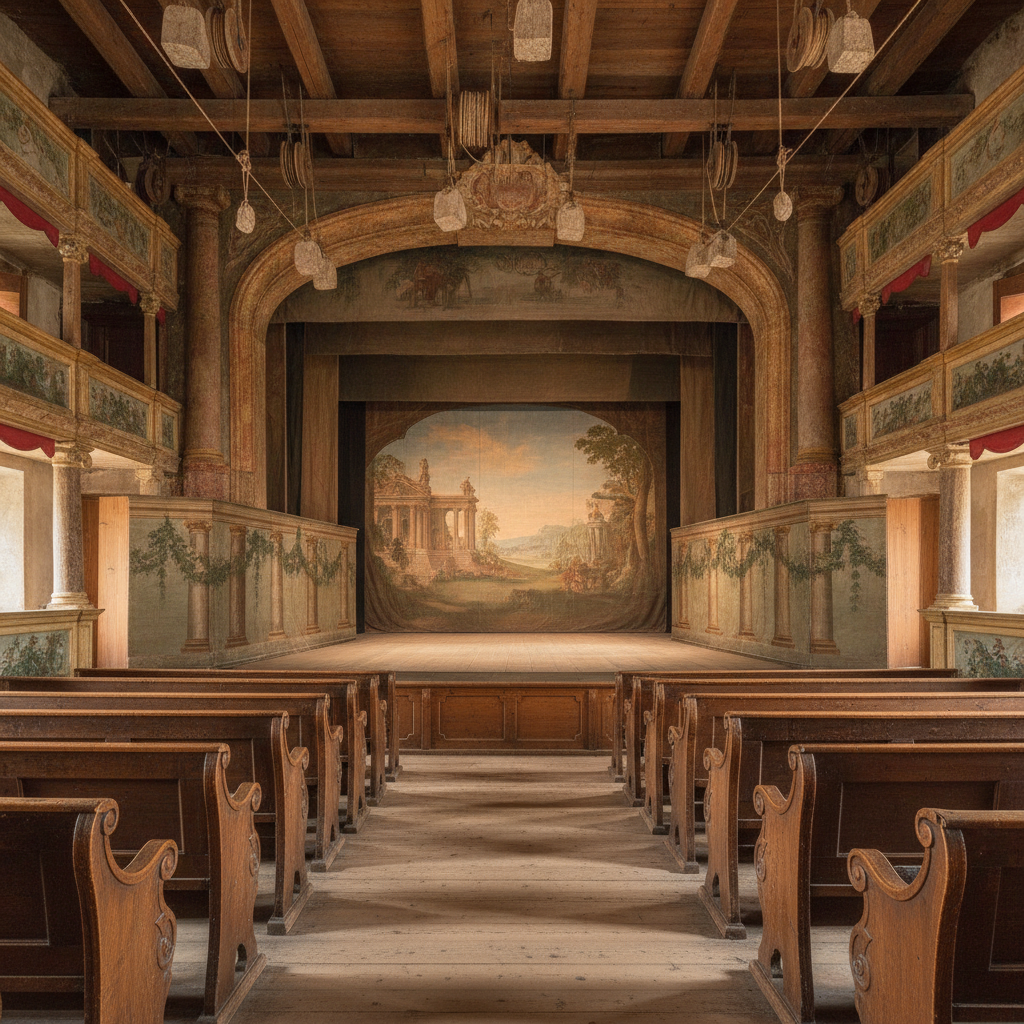
The Baroque court theatre of Český Krumlov Castle (1682, rebuilt 1766) is one of the world's best-preserved Baroque theatre interiors—original stage sets, costumes, props, and counterweight fly-tower machinery all intact from the 18th century. Only a handful of such theatres survive in Europe; Český Krumlov's is exceptional for the completeness of its technical equipment. The theatre is used for one annual performance in August (the Baroque Arts Festival); otherwise visits are by guided tour only.
- 5
Egon Schiele Art Centrum
The Egon Schiele Art Centrum in Český Krumlov is one of the most significant museums dedicated to the Austrian Expressionist painter Egon Schiele (1890–1918), who spent part of 1911 in the town (his mother was from nearby Krumau, as the town was known in German). The museum holds several Schiele originals alongside an international exhibition programme. Schiele's 1911 stay in Krumau ended when locals expelled him for alleged immorality; the town has since rehabilitated his legacy.
- 6
The Castle Gardens & the Baroque Revolving Auditorium
The Baroque castle gardens—laid out 1750–1790 in the French formal style above the fourth castle courtyard—contain a unique revolving auditorium (built 1958, the only one in the world in a Baroque garden setting) that rotates to face three different theatrical stages. Summer performances in the revolving theatre are staged against the backdrop of the Baroque garden and the castle; seeing a performance here is one of the most extraordinary theatrical experiences in Central Europe.
Walk this route with audio
Stories play automatically as you reach each stop — no tapping needed.
More in Český Krumlov
Český Krumlov Depth: Rožmberk Princes, Schwarzenberg Restoration & Avoiding Crowds
Český Krumlov Active: Canoeing Downstream, Via Ferrata & Šumava Ridge Hikes
Český Krumlov Events & Context: Baroque Nights, Rose Festival & Sudetenland History
Český Krumlov's Food & Beer: Svíčková, Budvar from the Source & Castle Brewery