Cebu's Five-Century Faith: 9 Daily Basilica Masses, the Simala Miracle Shrine's Neo-Gothic Ex-Votos & Bantayan's 'How Boracay Used to Be' Beach
The oldest street in the Philippines—Colon Street of 1565—now the most chaotic commercial artery in Metro Cebu where dried mango pasalubong shops occupy colonial foundations; Typhoon Haiyan's 315 km/h landfall killing 6,300 in Leyte and the MacArthur Landing Memorial 30 km south where the general waded ashore in 1944; piña fabric from pineapple leaf fibres woven in Kalibo for barong Tagalog formal shirts; the Basilica's 9 daily masses serving the 5,000 daily visitors who queue 3 hours to touch the Sto. Niño image Magellan gave as a baptism gift in 1521; the Camotes cave lakes where limestone pools are accessible only through underground passages with no tourist crowds; and the Puerto Princesa Subterranean River's 8.2-km cathedral cave—the New 7 Wonders site 1.5 hours by air from Mactan.
- 1
The Colon Street & Old Cebu's Historic Core
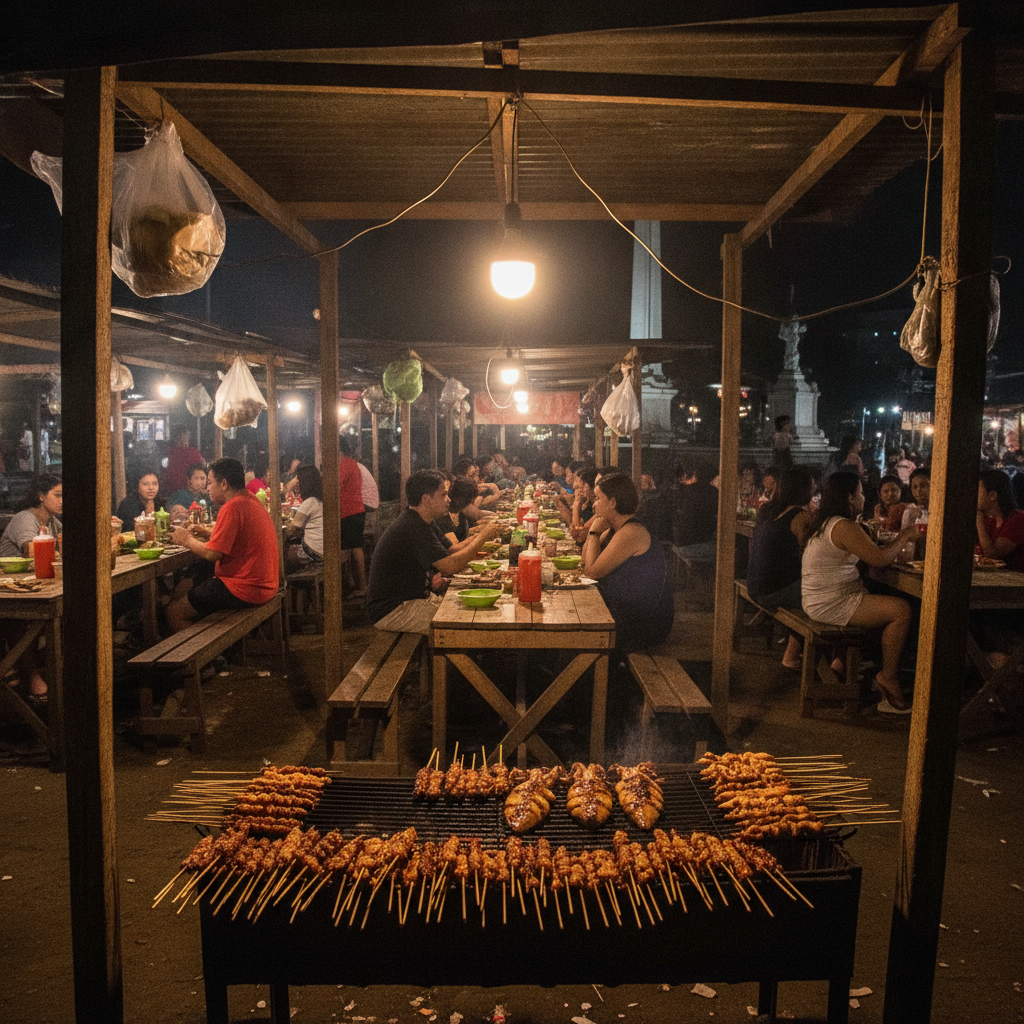
Colon Street (running north from the Cebu City Hall area through the oldest commercial district in the city—named after Columbus/Colón in the Spanish tradition of naming streets for the pioneers of colonial exploration)—is the oldest street in the Philippines, established in 1565 as the central axis of the first Spanish colonial settlement in the archipelago. The current Colon: unlike its Manila counterpart Escolta (which is in a state of managed decline and heritage revival), Colon Street is chaotically active—the most crowded commercial street in Metro Cebu, full of pasalubong (homecoming gift) shops (where Cebuanos buy the dried mangoes, otap biscuits, and uraro shortbread that they take home to relatives), pharmacies, clothing stores, and the street food vendors that fill the sidewalks from morning to midnight. The Colon Church (Sto. Rosario Parish Church): a working-class neighbourhood church in the Colon area, one of the oldest parish churches in Cebu. The Larsian BBQ: the most famous carinderia cluster in Cebu—a collection of open-air barbecue stalls in the Fuente Osmeña area (a few blocks from Colon, centred on the Osmeña Family Park fountain)—where grilled pork intestines, liempo (belly), and chicken are served with the Cebuano condiment (a spiced vinegar) until the early hours. The Cebu dried mango industry: Cebu is the Philippine centre of dried mango production—the Philippine dried mango (from the carabao mango variety, dried to a chewy consistency with high natural sweetness) is the most internationally recognised food product from the Philippines and the dominant item in Cebu's pasalubong economy.
- 2
Leyte & Tacloban – The Typhoon Haiyan Legacy
Tacloban City (the capital of Leyte province, accessible from Cebu by air in 50 minutes or by fast ferry in 7–8 hours)—is the most historically significant city in the eastern Visayas and the city most transformed by Typhoon Haiyan (Yolanda in the Philippines—the strongest tropical cyclone to make landfall in recorded history) in November 2013. Typhoon Haiyan: making landfall on the eastern coast of Leyte on 8 November 2013 with maximum sustained winds of 315 km/h and storm surges of 5–7 metres in Tacloban's low-lying coastal area (the San Juanico Bay configuration amplified the surge), Haiyan killed 6,300 people in Leyte alone (7,300+ total deaths across the Philippines) and displaced 4 million people; the Tacloban Convention Center and the Sto. Niño Shrine (the Marcos family mansion converted to a government building) served as the most photographed symbols of the disaster. The recovery: Tacloban was substantially rebuilt with international and national government assistance over 2014–2018; the city's population (approximately 250,000) largely returned; the storm surge monuments and the Yolanda Memorial at the Tacloban baywalk are the most visited heritage sites. The MacArthur Landing Memorial: Leyte Gulf's Palo beach (30 km south of Tacloban)—the site of General Douglas MacArthur's famous wade ashore return to the Philippines on 20 October 1944, after Japanese occupation; bronze statues of MacArthur and his staff mark the exact location of the landing, one of the most celebrated moments in Philippine-American WWII history.
- 3
Philippine Weaving & Piña Fabric – Cebu's Textile Heritage
The Philippines' textile tradition—one of the most diverse in Southeast Asia, with over 100 distinct weaving traditions across the archipelago—is centred in several specific geographic clusters, of which the Visayas (Cebu, Panay, and Negros) hosts the most commercially active and internationally recognised. Piña fabric: a textile made from pineapple leaf fibres (from the Spanish word for pineapple, 'piña')—extracted from the leaves of the red Spanish variety of pineapple (Ananas comosus)—woven into a sheer, lustrous fabric of extraordinary fineness; traditionally used for the barong Tagalog (the formal shirt of the Philippines—sheer, embroidered, worn untucked as formal wear) and the Maria Clara dress (the traditional Filipina formal dress). The piña weaving tradition is concentrated in the town of Kalibo, Aklan (Panay island—2 hours by ferry from Iloilo and accessible from Cebu by ferry); the traditional piña weaving families produce lengths of fabric used for high-end barong Tagalog commissions, formal table settings, and a growing luxury textile export market. The Cebu inabel: the handwoven cotton and abacá textiles of Cebu and northern Visayas—distinct from the silk-based textiles of Luzon, with a coarser texture but complex geometric patterns derived from pre-colonial Visayan weaving traditions. The Hablon (the handwoven fabric of Iloilo—from the word 'habol'—to weave): the most commercially active traditional weaving industry in the Visayas, with Iloilo hablon used for everyday and formal wear.
- 4
Cebu's Catholic Heritage – Pilgrimages & the Cebuano Faith
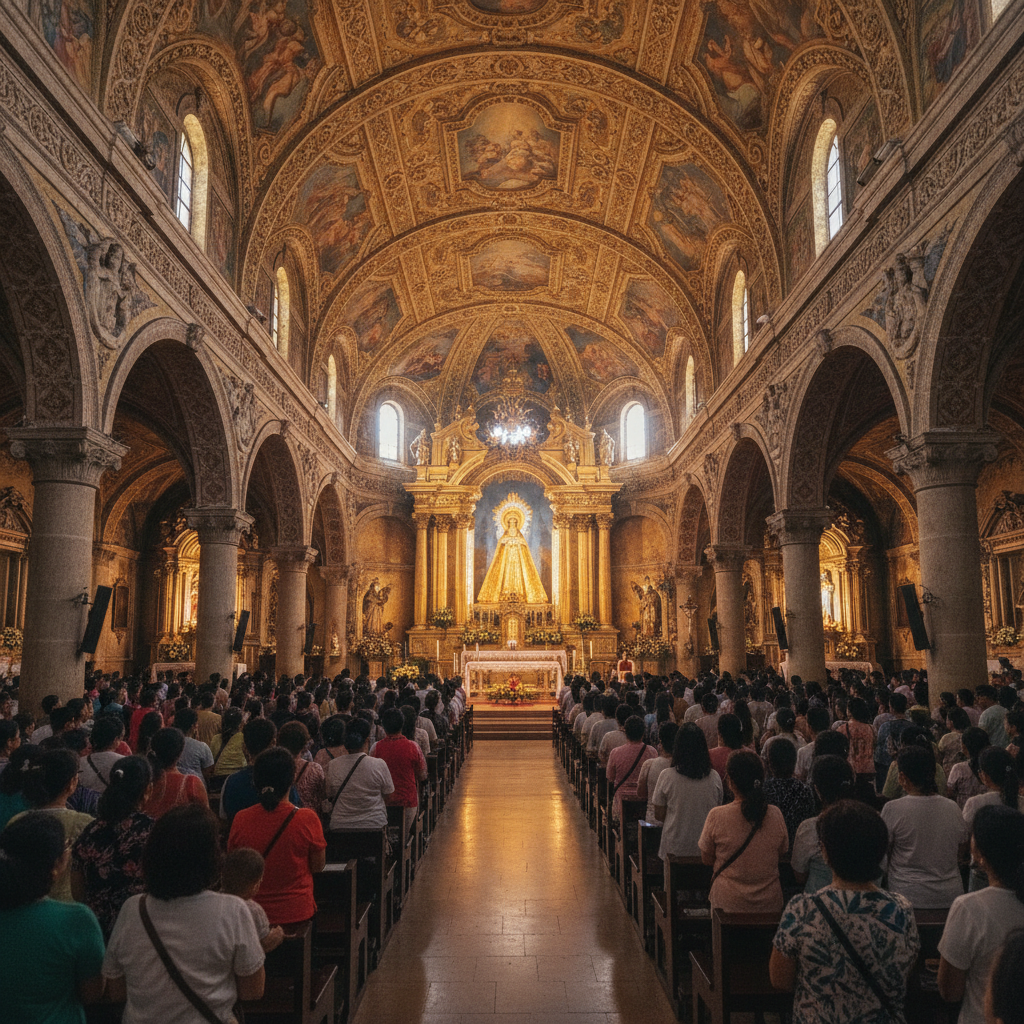
Cebu's Catholic religious life—with 500 years of uninterrupted Catholic practice dating to the 1521 baptism at Magellan's Cross—is the most historically deep Catholic culture in the Philippines, and the Cebuano devotion to the Sto. Niño is the most intense expression of popular Catholicism in the archipelago. The Basilica pilgrimage: the Basilica del Santo Niño receives approximately 5,000 visitors per day on ordinary weekdays (rising to 20,000+ on Sundays and 200,000+ during Sinulog week); the queue to touch or approach the Sto. Niño image can take 2–3 hours on major feast days. The novena masses: nine consecutive daily masses (6:00, 7:00, 8:00, 9:00, 10:00, 11:30 AM, 15:00, 17:00, 19:30—the 9 daily masses of the Basilica, the most scheduled daily masses of any parish church in Southeast Asia) serve the Basilica's extraordinary daily attendance. The Santo Niño parish feast (January 17—the feast day of the Sto. Niño, one week before the Sinulog festival): the most religiously significant day at the Basilica, with a pontifical mass celebrated by the Archbishop of Cebu and an afternoon procession. The other Cebuano pilgrimage sites: the Simala Shrine (in Sibonga, 50 km south of Cebu City—a hilltop complex of elaborate neo-Gothic architecture housing a miraculous image of the Virgin Mary—the most visited Catholic pilgrimage site in Cebu province outside the Basilica; the shrine is crowded with ex-voto offerings from those who received miraculous cures).
- 5
The Philippine Offshore Islands – Camotes, Bantayan & Malapascua
The islands accessible from Cebu by outrigger boat or fast ferry—within 2–4 hours of the city—constitute a varied collection of beach and diving destinations that most Cebu visitors never reach but that provide the most uncrowded island experience in the Visayas. Bantayan Island (75 km north of Cebu City—accessible by bus to Hagnaya pier, then 1-hour ferry): the most popular 'escape from Cebu' destination for Cebuano families—a flat coral island with 25 km of white sand beaches, clear water, and a small town (Santa Fe) with a reasonable selection of guesthouses and seafood restaurants. The Bantayan character: less developed than Boracay (the most commercial beach in the Philippines), more authentic than Mactan (more resort-dominated), and consistently described as 'how Boracay used to be' by Filipino beach travellers. Camotes Islands (approximately 2 hours by fast ferry from Cebu's North Pier): a group of four islands (Pacijan, Poro, Tulang, and Ponson) with a combined area of 130 km² and a small permanent population; Camotes is known for its cave lakes (Lake Danao, Santiago Cave—underground pools accessible through limestone cave systems), volcanic sand beaches, and the most complete absence of tourist crowds of any accessible island from Cebu. Malapascua (as previously noted)—the thresher shark diving island at the northern tip of Cebu: also recommended for its above-water qualities (the narrow streets of Logon village, the fresh seafood restaurants overlooking the strait, and the simplest small-island character surviving near a major Philippine city).
- 6
Leaving Cebu – The Southern Philippines & the Path to Palawan
Cebu's position in the centre of the Philippine archipelago makes it the most efficient hub for island-hopping through the southern Philippines—the Visayas, Mindanao, and Palawan. The Palawan route from Cebu: Cebu to Puerto Princesa (1.5 hours by air—the most convenient Palawan entry point); or Cebu to El Nido (2 hours via Manila or directly by charter). Puerto Princesa's Puerto Princesa Subterranean River (a UNESCO World Heritage Site and one of the New 7 Wonders of Nature): an 8.2-km navigable underground river flowing through a cathedral cave system—the longest such river in the world; accessible by boat tour from Sabang (1 hour from Puerto Princesa by van). El Nido's Bacuit Bay: the Calamian archipelago's limestone karst towers, hidden lagoons, and white sand beaches—voted repeatedly as the most beautiful islands in Asia in travel media surveys. The Mindanao option from Cebu: Davao City (1 hour by air from Mactan)—the gateway to the Philippine Eagle (Pithecophaga jefferyi—the largest eagle in the world by wingspan—the national bird of the Philippines, found only in Mindanao's rainforest, with approximately 800 individuals remaining; the Philippine Eagle Center in Calinan, Davao is the primary visitor site) and to the Mayon Volcano alternative—Mount Apo (2,954 metres—the highest mountain in the Philippines and a UNESCO Biosphere Reserve, a 2–3 day trekking experience comparable to Lombok's Rinjani). The ferry network: Cebu's ferry connections radiate to virtually every significant Philippine island, making it the most flexible hub for slow travel through the archipelago.
Walk this route with audio
Stories play automatically as you reach each stop — no tapping needed.
More in Cebu
Cebu's Full Complexity: Philippine Eagle's 800 Mindanao Survivors, the 1906 Sakada Recruitment That Built the Hawaiian Filipino Community & Boracay's Raw Sewage Closure Warning
Cebu's Other Depths: Bohol's 1,776 Chocolate Hills, Mactan's 90% Philippine Guitar Output & the Sardine Column Swirling Off Moalboal Shore
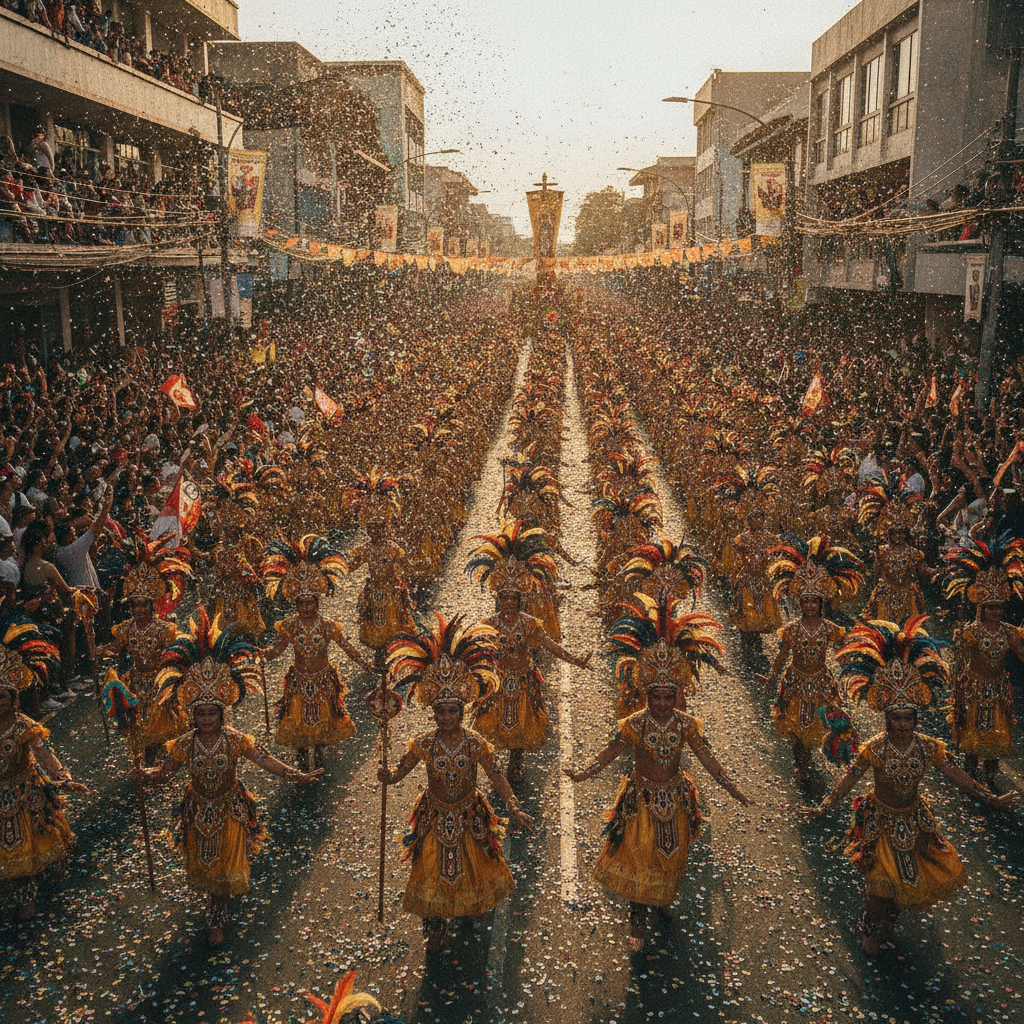
Cebu: Magellan's 1521 Cross, the Sto. Niño Devotion That Draws 2 Million to Sinulog & Anthony Bourdain's Lechón Crackling Revelation
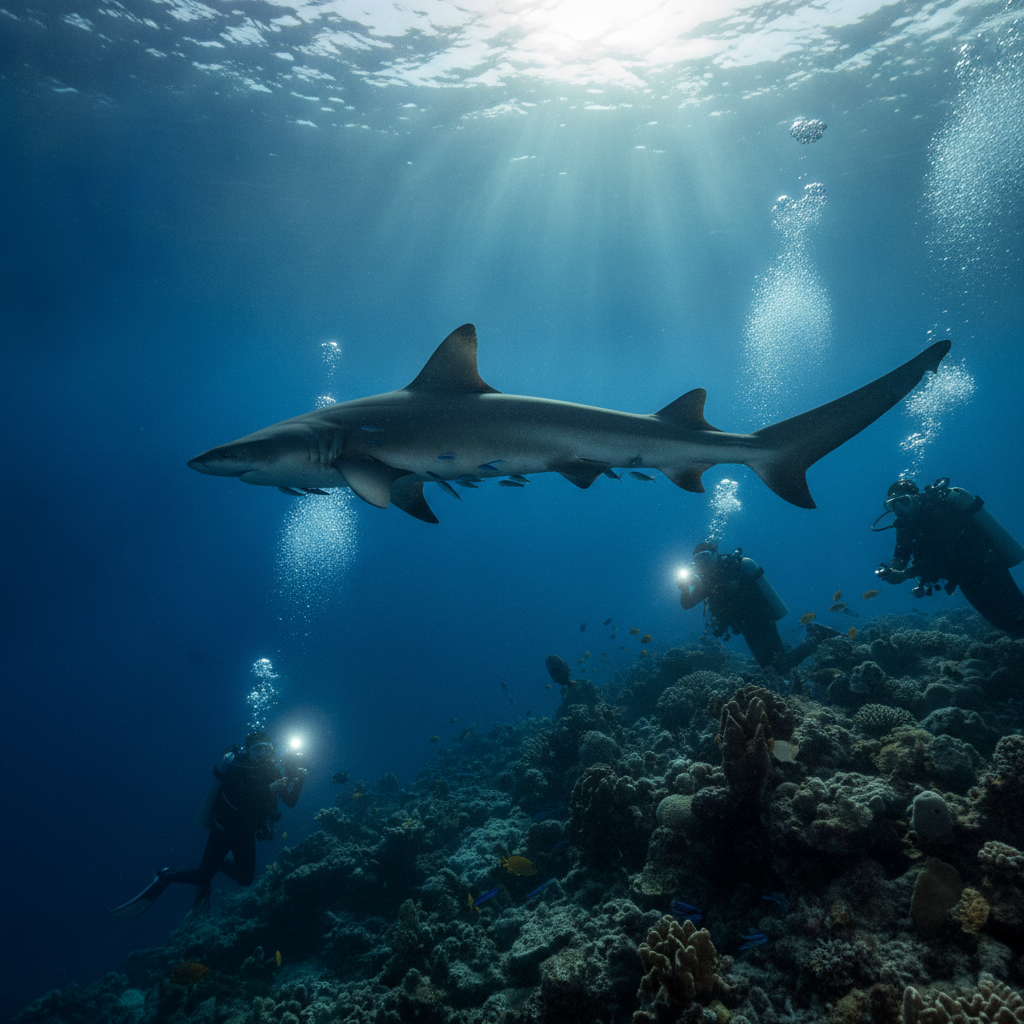
Cebu's Wider Visayas: Malapascua's Dawn Thresher Shark Cleanings, Siquijor's Good Friday Herbalist Gathering & Bacolod Chicken Inasal's Global Fast Food Expansion