Morocco Has 72-74% of World Phosphate Reserves Making OCP Group a Geopolitical Resource Power Analogous to Saudi Arabia in Petroleum; Mohammed V Was Exiled to Madagascar by the French in 1953 Which Backfired Catastrophically and Accelerated Moroccan Independence; El Jadida Portuguese Cistern's Gothic-Manueline Vaulting Reflected in Its Shallow Floor Water Is Among the Most Photographed Interior Spaces in Morocco
Morocco controlling 72-74% of world phosphate reserves and OCP Group as the world's largest phosphate rock exporter; Mohammed V's exile to Madagascar in 1953 massively strengthening the independence movement and accelerating French withdrawal by 1956; El Jadida Portuguese Cistern's UNESCO-listed Gothic-Manueline vaulting; the Amazigh Tamazight language recognized as co-official in 2011 and Yennayer New Year declared a national holiday in 2023; the Casablanca-Rabat twin capital relationship with Rabat's Hassan Tower (1195 Almohad minaret stopped at 44m when the sultan died); and the Oualidia lagoon oyster cultivation as Morocco's finest Atlantic oysters.
- 1
Casablanca's Phosphate Economy – OCP Group and Morocco's Resource Wealth
OCP Group (Office Cherifien des Phosphates) and Morocco's phosphate economy — the economic resource that underpins both Casablanca and the Moroccan state: the resource guide. The phosphate geology (Morocco has the world's largest phosphate reserves: estimated at 50 billion tonnes — approximately 72-74% of global phosphate reserves: the primary phosphate mining region is Khouribga (200 km southeast of Casablanca) and Youssoufia: the Moroccan phosphate deposits are sedimentary phosphates (phosphorite) deposited in a shallow marine environment during the Cretaceous and Eocene periods: the phosphate (phosphate (calcium phosphate rock — Ca3(PO4)2): the primary use of phosphate is fertilizer production: phosphate rock is processed into phosphoric acid and then diammonium phosphate (DAP) and monoammonium phosphate (MAP) fertilizers: without phosphate fertilizers global food production would collapse — phosphate is essential for plant growth and cannot be synthesized: OCP Group (OCP Group (Office Cherifien des Phosphates) — established 1920: state enterprise of Morocco: world's largest phosphate rock exporter and the largest phosphoric acid exporter: the OCP Group revenues in 2022: approximately USD 10.5 billion — approximately 15% of Moroccan GDP: the Jorf Lasfar complex (the Jorf Lasfar chemical complex on the Atlantic coast south of Casablanca — the world's largest phosphate processing complex: converts phosphate rock to fertilizer products: the green Morocco plan (OCP's Green Morocco Plan (Plan Maroc Vert) — the agricultural development strategy linking OCP's phosphate fertilizers to the modernization of Moroccan smallholder agriculture: the global food security significance (Morocco's control of phosphate reserves gives it a geopolitical position analogous to Saudi Arabia's position in petroleum: the peak phosphate debate — phosphate is a non-renewable resource).
- 2
Mohammed V – Morocco's Independence and the French Protectorate in Casablanca
Mohammed V and Moroccan independence — the story of how Morocco gained independence from the French Protectorate and the central role of Casablanca in the nationalist movement: the independence history guide. The French Protectorate (the French Protectorate of Morocco: established March 30, 1912 (Treaty of Fez): Morocco was divided between a French zone (the majority) and a Spanish zone (the north and southwest): the French zone capital was Rabat: the French developed Casablanca as the economic and port hub of Morocco: the protectorate (the protectorate status (as opposed to a full colony) theoretically preserved the sovereignty of the Moroccan Sultan (Makhzen): the French Resident-General governed alongside the Sultan: in practice French authority was absolute in the protectorate: Mohammed V (Mohammed V (1909-1961) — Sultan of Morocco (1927-1953, 1955-1957) and later King of Morocco (1957-1961): the central figure of Moroccan independence: Mohammed V was initially a figure the French expected would be compliant: Mohammed V increasingly aligned himself with the Istiqlal (Independence) Party founded in 1944: the exile (the French exiled Mohammed V to Madagascar in August 1953: the exile made him a martyr and massively strengthened the independence movement: the French installed a puppet sultan (Mohammed Ben Aarafa) who was rejected by the Moroccan population: the Casablanca riots (December 1952 Casablanca riots — the assassination of the Tunisian trade union leader Ferhat Hached triggered riots in Casablanca: French and Moroccan nationalist violence killed dozens: a turning point in the independence movement: the independence (France recognized Moroccan independence on March 2, 1956: Mohammed V returned from exile on November 16, 1955 — celebrated annually as Independence Day (Eid Al Arch)).
- 3
Casablanca Street Food – Moroccan Cuisine from the Atlantic Coast
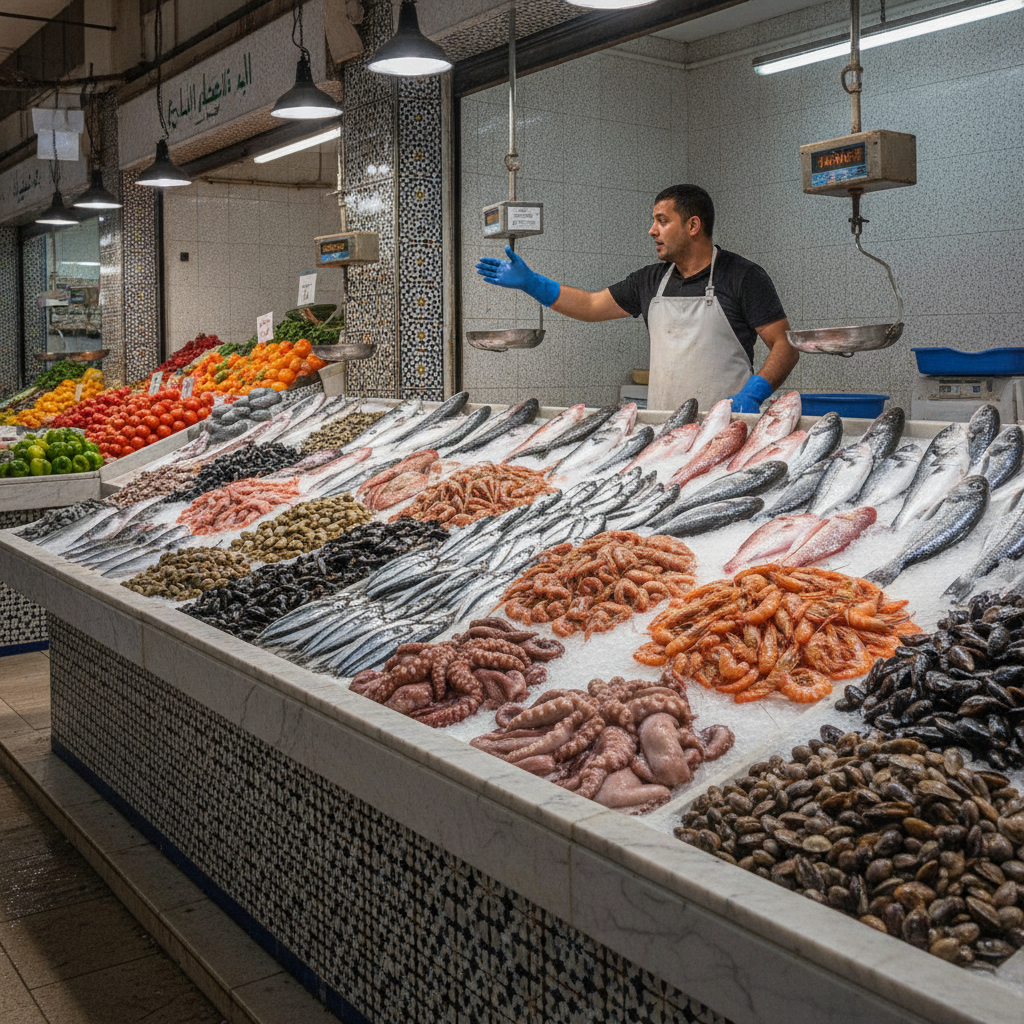
Casablanca street food and Moroccan Atlantic coast cuisine — the food culture of Morocco's largest city and the distinctive seafood traditions of the Atlantic coastal kitchen: the food guide. The Moroccan kitchen (Moroccan cuisine is among the most sophisticated of the Mediterranean and North African culinary traditions: the primary Moroccan flavors: the ras el hanout spice blend (a complex mixture of 10-35 spices — the name means head of the shop — the spice blend varies by each spice merchant: typical components: cinnamon, cumin, coriander, ginger, turmeric, black pepper, cardamom, allspice, dried rosebuds, mace: the preserved lemon (lemon preserved in salt and lemon juice for weeks to months — the peel becomes soft and the flavor mellows into an intensely lemony brine: used extensively in Moroccan tagines and salads: the argan oil (Moroccan argan oil (from the argan tree — Argania spinosa — endemic to the Souss region of southwestern Morocco): used in Moroccan cooking as a finishing oil for couscous and salads: the Casablanca seafood (the Atlantic coast location gives Casablanca the best seafood in Morocco: the Marche Central (Central Market) — the primary fish market of Casablanca: fresh Atlantic fish daily: the primary species: sardines (Morocco is the world's second largest sardine producer — Moroccan Atlantic sardines are particularly prized: the chermoula (the classic Moroccan fish marinade: fresh cilantro, garlic, cumin, paprika, preserved lemon, olive oil — the combination used to marinate fish before grilling or frying: the Casablanca dishes (Rfissa: lentils and chicken on msemen flatbread moistened with a fenugreek-scented broth: the Casablanca briouats (savory pastries filled with spiced ground meat or seafood): the Moroccan mint tea (gunpowder green tea poured from a height to create foam — the Moroccan whiskey).
- 4
The Twin Cities – Casablanca and Rabat, Morocco's Commercial and Political Capitals
Casablanca and Rabat — the twin capital relationship between Morocco's commercial capital and its political capital: the comparative guide. The relationship (Casablanca and Rabat — separated by 91 km and 45 minutes by train — function as a twin-capital system that is unusual in North Africa: Rabat is the political and administrative capital: Casablanca is the economic and commercial capital: the comparison (Casablanca: population 4.7 million: the Hassan II Mosque: the commercial center: Art Deco architecture: the port: industrial zone: the international airport: Rabat: population 580,000 city proper: 1.8 million Greater Rabat: the royal palace (Palais Royal — the primary residence of King Mohammed VI): the Mausoleum of Mohammed V (the mausoleum of Morocco's independence king and his son Hassan II — a masterpiece of contemporary Moroccan architecture designed by Vietnamese architect Vo Toan (completed 1971): white marble structure with pyramidal green ceramic roof and golden lantern: the Hassan Tower (Tour Hassan — an unfinished minaret begun in 1195 by the Almohad sultan Yaqub al-Mansur: planned to be the largest minaret in the world (the same sultan also began the Giralda in Seville and the Koutoubia in Marrakech): construction stopped at 44m when the sultan died in 1199 — the planned height was approximately 86m: the Chellah (the Chellah Necropolis — a walled necropolis in Rabat built on the ruins of the Roman city of Sala Colonia: the Marinid dynasty (14th century) built a mosque and royal necropolis within the Roman ruins: the Oudaya Kasbah (the Kasbah des Oudaias — a 12th century Almohad fortress at the mouth of the Bou Regreg river facing Rabat's twin city Sale).
- 5
Berber Heritage in Casablanca – The Amazigh Roots of Morocco's Largest City
Berber (Amazigh) heritage in Casablanca and the indigenous foundations of Moroccan civilization — the cultural and ethnic context of Morocco's largest city: the Amazigh guide. The Amazigh people (the Amazigh (Berbers) — the indigenous population of North Africa west of Egypt: self-designation Amazigh (plural Imazighen) — the word means free people: the Tamazight language (the Amazigh language family — spoken across North Africa from Morocco to Egypt and the Canary Islands: the primary Moroccan Tamazight dialects: Tashelhiyt (southwest Morocco — the Souss region and the High Atlas): Tamazight (central Morocco — the Middle Atlas): Tarifit (northern Morocco — the Rif mountains): Tamazight was recognized as a co-official language of Morocco (alongside Arabic) in the 2011 constitution: the Amazigh script (Tifinagh — the ancient Amazigh script used for 2,000-3,000 years across North Africa: Tifinagh was adopted as the official script for Tamazight in Morocco in 2003: the Amazigh New Year (Yennayer — the Amazigh New Year (corresponding to January 14 in the Julian calendar): declared a national holiday in Morocco in 2023: the Amazigh calendar year 2975 corresponds to 2025 CE: the Souss Amazigh (the Souss Amazigh (Chleuh/Shluh) — the primary Amazigh group in urban Casablanca: internal migrants from the Souss Valley of southwestern Morocco (around Agadir and Taroudant): many of the major Casablanca business families are of Souss Amazigh origin: the Amazigh cultural movement (the Royal Institute of Amazigh Culture (IRCAM) — established 2001 by royal decree of Mohammed VI: the primary state institution for Tamazight language development and cultural preservation).
- 6
Casablanca Day Trips – El Jadida Portuguese Cistern and Rabat Medina UNESCO
Casablanca day trips — the UNESCO-listed and historically significant sites accessible on day trips from Casablanca: the excursion guide. El Jadida (El Jadida (formerly Mazagan) — a UNESCO World Heritage Site 99 km south of Casablanca by the Atlantic: the Portuguese city of Mazagan (1502-1769): the Portuguese cistern (the Portuguese Cistern (Cisterna Portuguesa) — a subterranean water cistern built by the Portuguese in the 16th century: the cistern is a vaulted Gothic-Manueline structure: the thin layer of water on the floor creates perfect reflections of the vaulted ceiling — among the most photographed interior spaces in Morocco: the Portuguese ramparts (the star-shaped bastion fortifications (the trace italienne system) constructed by the Portuguese to protect the harbor city: Mazagan was the last Portuguese colonial outpost on the Moroccan Atlantic coast — the Portuguese abandoned it in 1769 and the Moroccan population flooded in: the Sultan Mohammed III renamed it El Jadida: Oualidia (Oualidia — a coastal lagoon and resort town 175 km south of Casablanca — famous as the primary oyster production area of Morocco: the Oualidia oysters are among the finest Atlantic oysters: cultivated in the calm waters of the Oualidia lagoon protected from the Atlantic swell by a barrier beach: Mohammedia (Mohammedia — 30 km northeast of Casablanca: a coastal resort and industrial city: the Mohammedia refinery (the largest petroleum refinery in Morocco): the beach resort district: a popular weekend escape for Casablancans: the Azemmour route (Azemmour — 77 km south of Casablanca: a small town on the Oum Er-Rbia river: a semi-preserved Portuguese fortified town with a medina: the birthplace of Estevanico (the first African (enslaved Moroccan) to explore North America (Arizona and New Mexico in 1539)).
Walk this route with audio
Stories play automatically as you reach each stop — no tapping needed.
More in Casablanca
Casablanca Lifestyle: Ain Diab Beach, the Corniche Restaurant Scene, the Morocco Nightlife Capital, the Luxury Hotel Strip, and the Casablanca Urban Middle Class Culture
Casablanca Jewish Heritage: The Mellah District, the Miara Cemetery, the Museum of Moroccan Judaism, the Sephardic Cultural Legacy, and the Moroccan Jewish Community Today
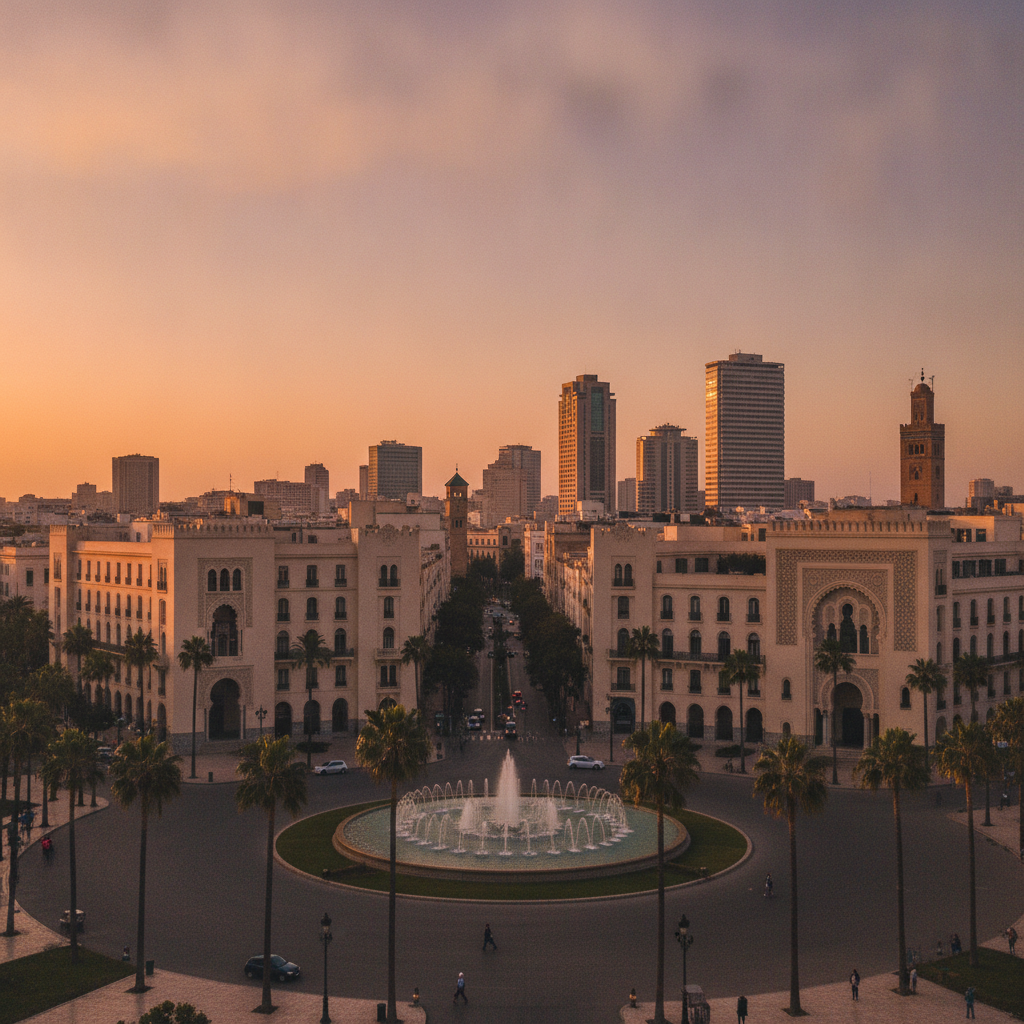
Casablanca Modern City: Mohammed V Square, the Habous New Medina, the Villa des Arts, the Casablanca Financial Centre, and the Contemporary Moroccan Art Scene
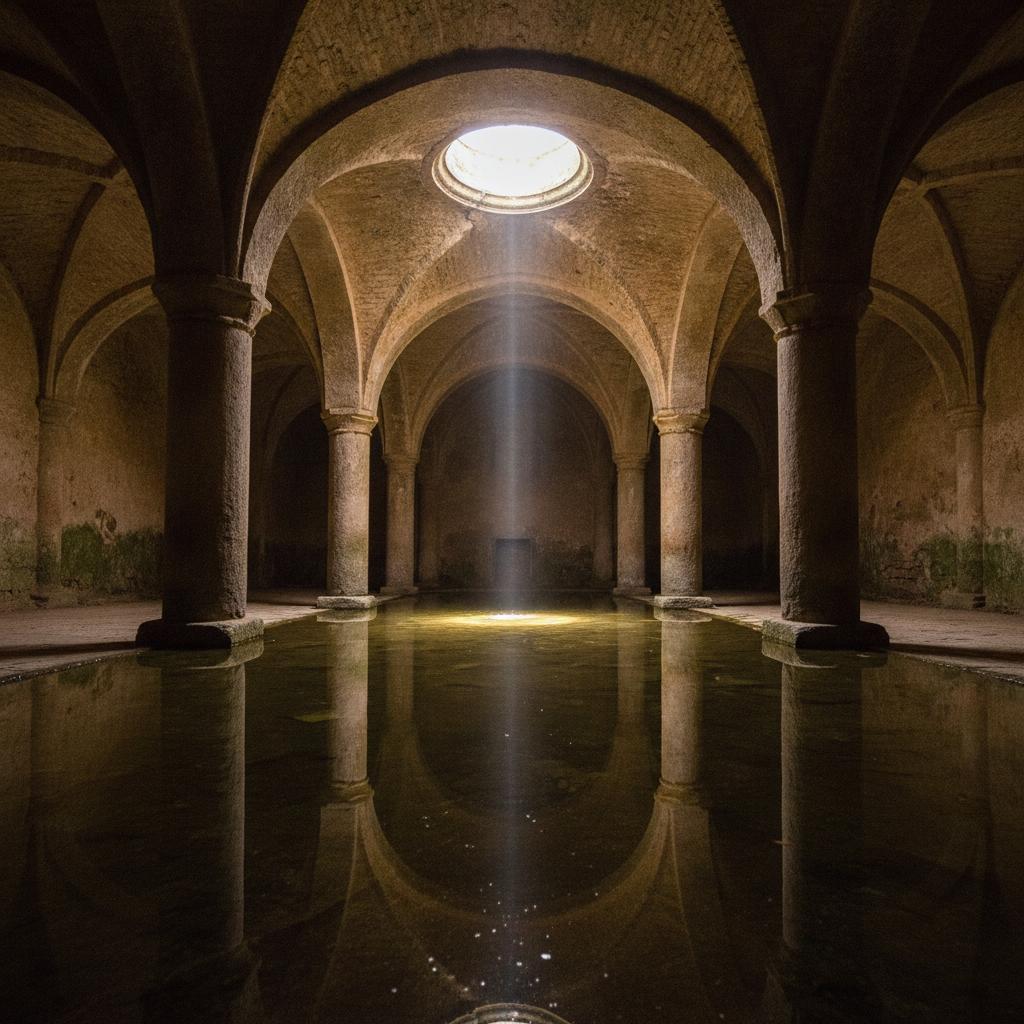
Casablanca Region: El Jadida and the Portuguese Cistern, the Mazagan Coastal Drive, the Oualidia Oyster Lagoon, and the Atlantic Coast South of Casablanca
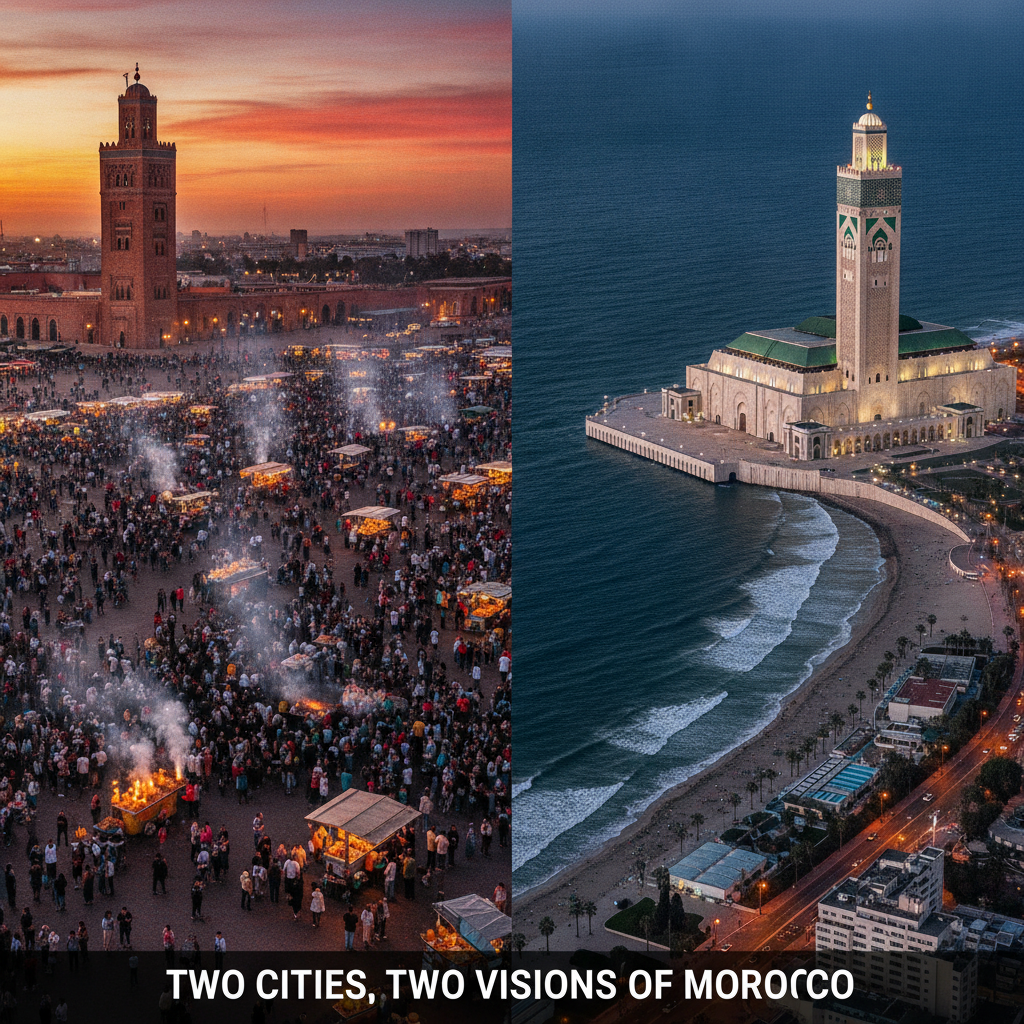
The 1942 Casablanca Film Was Shot Entirely in Hollywood by Filmmakers Who Had Never Visited Morocco Yet Accidentally Captured a Real Wartime Dynamic; The Bou Craa Phosphate Mine in Moroccan-Administered Western Sahara Is One of the World's Largest Phosphate Deposits; Moroccan Argan Oil Has Grown From a Cottage Industry to an Approximately USD 10 Billion Annual Global Market