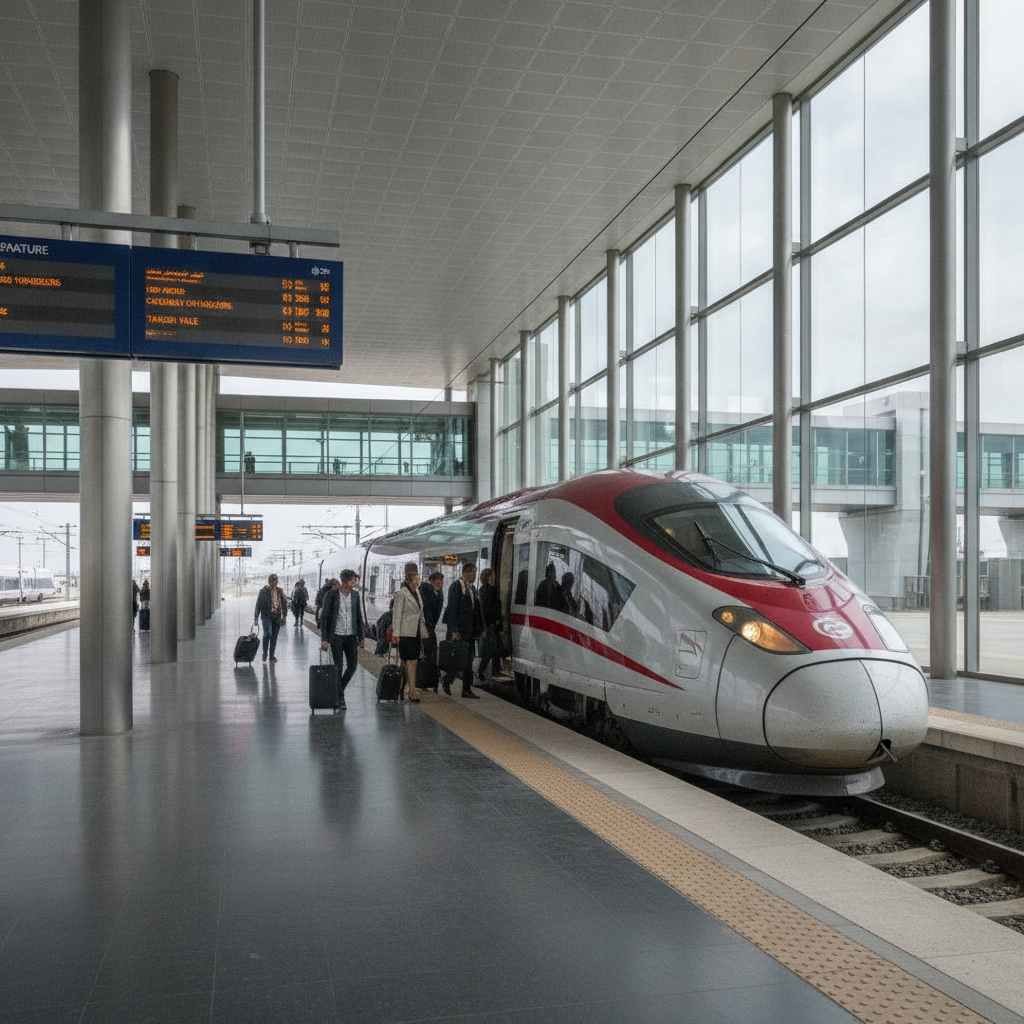
The Casablanca Anfa Conference of January 1943 Produced the Unconditional Surrender Policy That Shaped All of World War II; Hassan II Survived Two Military Coup Attempts in 1971 and 1972 and Organized the 1975 Green March of 350,000 Civilians Into Spanish Sahara; Morocco's Moroccan Jewish Population Declined From 265,000 in 1948 to Approximately 2,500 Today
The 1943 Anfa Conference unconditional surrender policy; Hassan II surviving two coup attempts and the 1975 Green March; the Moroccan Jewish community declining from 265,000 to 2,500; Casablanca Finance City twin towers as Africa's tallest west of Cairo; Attijariwafa Bank in 23 African countries; and Casablanca's Atlantic position as the primary connector between Europe and West Africa in the 21st century.
- 1
The Almoravids and Almohads - The Berber Empires That Built Morocco
The Almoravid dynasty (al-Murabitun) founded approximately 1040 by Abdullah ibn Yasin among the Sanhaja Berber confederation of the western Sahara: the Almoravids established Marrakech as their capital (1070) and crossed the Strait of Gibraltar to conquer al-Andalus in 1086: Yusuf ibn Tashfin defeated King Alfonso VI of Castile at the Battle of Sagrajas (1086) preventing the Christian reconquest for another century: the Almohad dynasty (al-Muwahhidun) founded by the Moroccan Berber scholar Ibn Tumart (1080-1130) among the Masmuda Berber tribes of the High Atlas: the Almohads overthrew the Almoravids and captured Marrakech in 1147: the Almohad empire at its peak was the largest Islamic empire in the western Mediterranean covering Morocco, Algeria, Tunisia, Libya, and al-Andalus: the three great Almohad minarets built under Yaqub al-Mansur (1184-1199): the Hassan Tower in Rabat (stopped at 44m when the sultan died in 1199 - planned to be 86m), the Giralda in Seville (now a bell tower), and the Koutoubia in Marrakech (70m - the tallest Almohad minaret completed): the Almohad collapse after the decisive defeat at Las Navas de Tolosa (1212) which ended Almohad power in Spain permanently.
- 2
The Casablanca Conference 1943 - Churchill, Roosevelt, and the Unconditional Surrender Policy
The Anfa Conference (code name Symbol) January 14-24 1943 held in the Anfa Hotel and villas in the Anfa suburb of Casablanca: President Franklin D. Roosevelt (USA), Prime Minister Winston Churchill (UK), and the Combined Chiefs of Staff attended: General Charles de Gaulle and General Henri Giraud (competing leaders of Free France) were also present: Joseph Stalin was invited but declined citing the Battle of Stalingrad then in progress: the primary decisions: Roosevelt announced the unconditional surrender policy - the Allies would accept nothing less than the unconditional surrender of Germany, Italy, and Japan - a policy that shaped the entire subsequent course of the war: the decision to invade Sicily (Operation Husky) rather than France as the next operation: the Combined Bomber Offensive decision (USAAF by day, RAF Bomber Command by night against Germany): the famous forced handshake between de Gaulle and Giraud brokered by Roosevelt and Churchill: the Anfa Hotel was demolished in the 1960s and a luxury apartment complex now occupies the site: the conference made Casablanca temporarily the center of Allied strategic planning for World War II.
- 3
Hassan II and Morocco's Years of Lead - 38 Years of Authoritarian Modernization
Hassan II (1929-1999) ruled Morocco for 38 years (1961-1999) through a combination of modernization, authoritarianism, and skilled political maneuvering: the Years of Lead (Les Annees de Plomb) - the period of political repression primarily in the 1960s-1980s: victims included leftist politicians, Marxist student activists, Islamists, and Berber cultural activists: the secret detention centers: Derb Moulay Cherif in Casablanca, Kenitra Central Prison, Agdez in the Sahara, and Kalaat M'gouna: the two military coup attempts: July 1971 at the Skirat birthday party where generals staged a coup killing 92 guests - Hassan II survived by hiding in a bathroom: August 1972 when General Mohammed Oufkir ordered the Moroccan Air Force to shoot down the royal plane (the plane landed with 7 bullet holes - Oufkir was found dead the next day officially a suicide): the Green March (November 6 1975) - Hassan II organized 350,000 Moroccan civilians to march into Spanish Sahara waving Moroccan flags and Qurans forcing Spain to transfer the territory before Franco died November 20 1975: the Equity and Reconciliation Commission (IER 2004-2006) under Mohammed VI - Morocco's truth commission documenting human rights abuses: the first such process in the Arab world.
- 4
Casablanca Finance City and Morocco as Africa's Business Hub
Casablanca Finance City (CFC) established 2010: a special economic zone in the twin-tower CFC complex (the two towers are the tallest buildings in Africa west of Cairo): the CFC hosts Africa headquarters of major global financial institutions and grants tax exemptions for the first 5 years plus free transfer of funds: Attijariwafa Bank (Morocco's largest bank) operates in 23 African countries: Banque Centrale Populaire has similarly expanded across Sub-Saharan Africa in the 2000s-2020s: Morocco is the second largest African investor in Africa after South Africa: Moroccan companies are leading investors in West Africa (Senegal, Ivory Coast, Cameroon) in telecommunications, banking, and construction: OCP Group's Africa strategy provides Moroccan phosphate fertilizers to African smallholder farmers at subsidized prices through fertilizer blending plants in Nigeria, Ethiopia, Ghana, and other African countries: the Bourse de Casablanca (established 1929) has a market capitalization of approximately 60 billion USD (2024) making it the primary North African exchange outside Egypt: Mohammed VI's vision of leveraging Casablanca's position at the geographic crossroads of Europe and Africa to become Africa's primary financial services hub.
- 5
Moroccan Jewish Heritage - The Casablanca Mellah and the Mimouna Tradition
Morocco has one of the world's most ancient Jewish communities tracing its origins to the 2nd-3rd century CE Jewish diaspora from Judea: the community grew dramatically with the influx of Jews expelled from Spain in 1492 (the Alhambra Decree of Ferdinand and Isabella): the Mellah (the Jewish quarter of Moroccan cities - from the Arabic for salt): the Casablanca Jewish quarter was established in the 19th century concentrated in the Belvere and Maarif districts: the Beth-El Synagogue is the primary surviving synagogue: the emigration (the Moroccan Jewish population declined from approximately 265,000 in 1948 - the largest Jewish population in the Arab world - to approximately 2,500-3,000 today primarily elderly Casablancans): primary emigration destinations were Israel (approximately 50%), France (approximately 30%), and Canada and the United States: the Mimouna - the traditional Moroccan Jewish celebration held the evening after Passover ends: a festive gathering featuring mofleta pancakes, honey, fresh butter, and amlou almond paste: the Mimouna is celebrated in Israel by Moroccan Jewish communities as a major national celebration: King Mohammed VI consistently honors Moroccan Jewish heritage as an integral part of Moroccan national identity including the Museum of Jewish Moroccan Heritage in Casablanca.
- 6
Casablanca's Atlantic Legacy - The Engine of Modern Morocco and Africa's Future Hub
Casablanca's fundamental geographic advantage: the Atlantic coast position gives access to both the North Atlantic shipping lanes (Europe and North America) and the South Atlantic (West Africa and South America) - distinguishing it from all other North African cities which are Mediterranean ports: the colonial transformation from a town of 20,000 in 1900 to the largest city in North Africa west of Cairo within one human lifetime - one of the most remarkable urbanization events of the 20th century: Casablanca generates approximately 30-35% of Moroccan GDP: the primary tax base of the Moroccan state: the Hassan II Mosque as Mohammed VI's declaration of Morocco's Islamic identity and international ambition - the largest mosque in Africa built over the Atlantic: Morocco's phosphate reserves (72-74% of world reserves) position it as a primary geopolitical resource power of the 21st century as global agriculture faces phosphate depletion: Casablanca is the destination of internal migration from all regions of Morocco - Souss Amazigh, Rif Berbers, Arabs of the interior, and Sahrawis all meet in Casablanca creating a microcosm of Morocco's social tensions and urban energy: the Atlantic position connecting Europe and North America to the growing economies of West Africa makes Casablanca the most strategically positioned Atlantic African city of the 21st century.
Walk this route with audio
Stories play automatically as you reach each stop — no tapping needed.
More in Casablanca
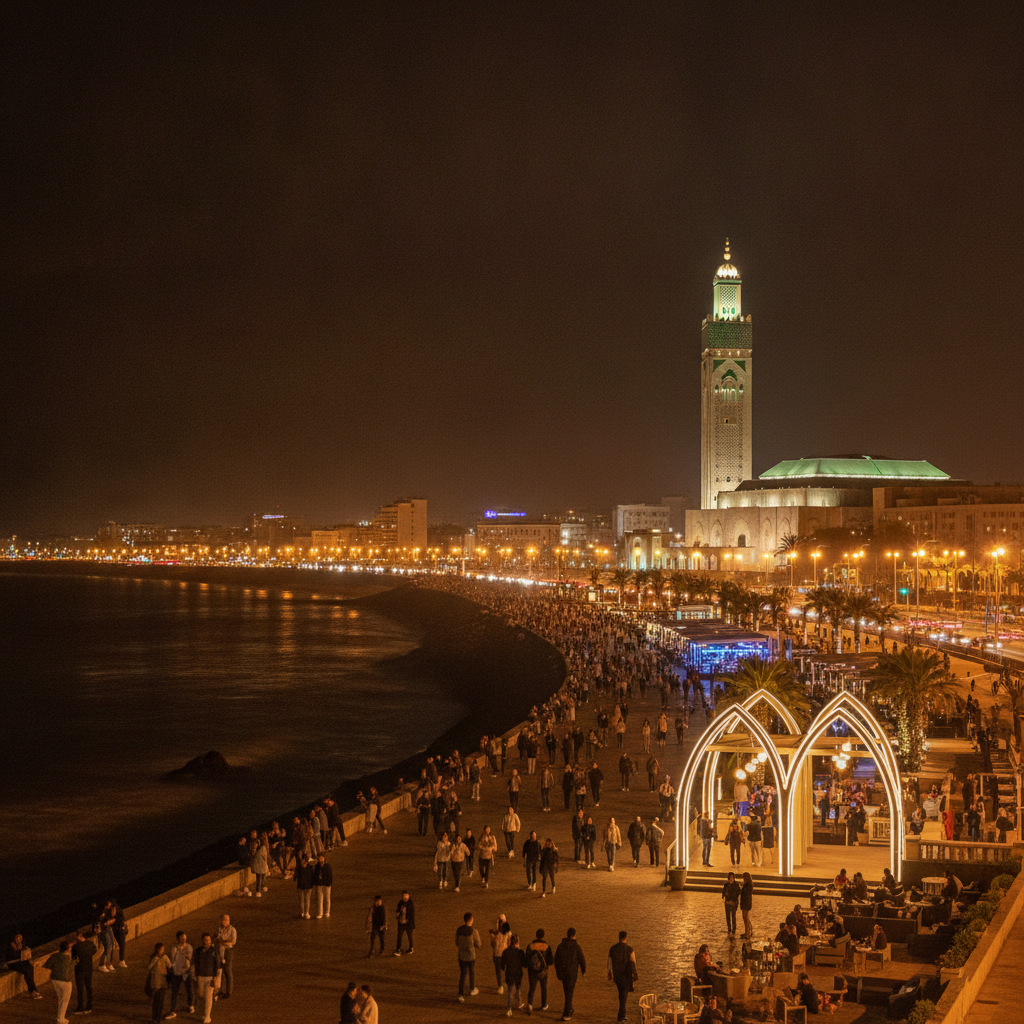
Casablanca Lifestyle: Ain Diab Beach, the Corniche Restaurant Scene, the Morocco Nightlife Capital, the Luxury Hotel Strip, and the Casablanca Urban Middle Class Culture
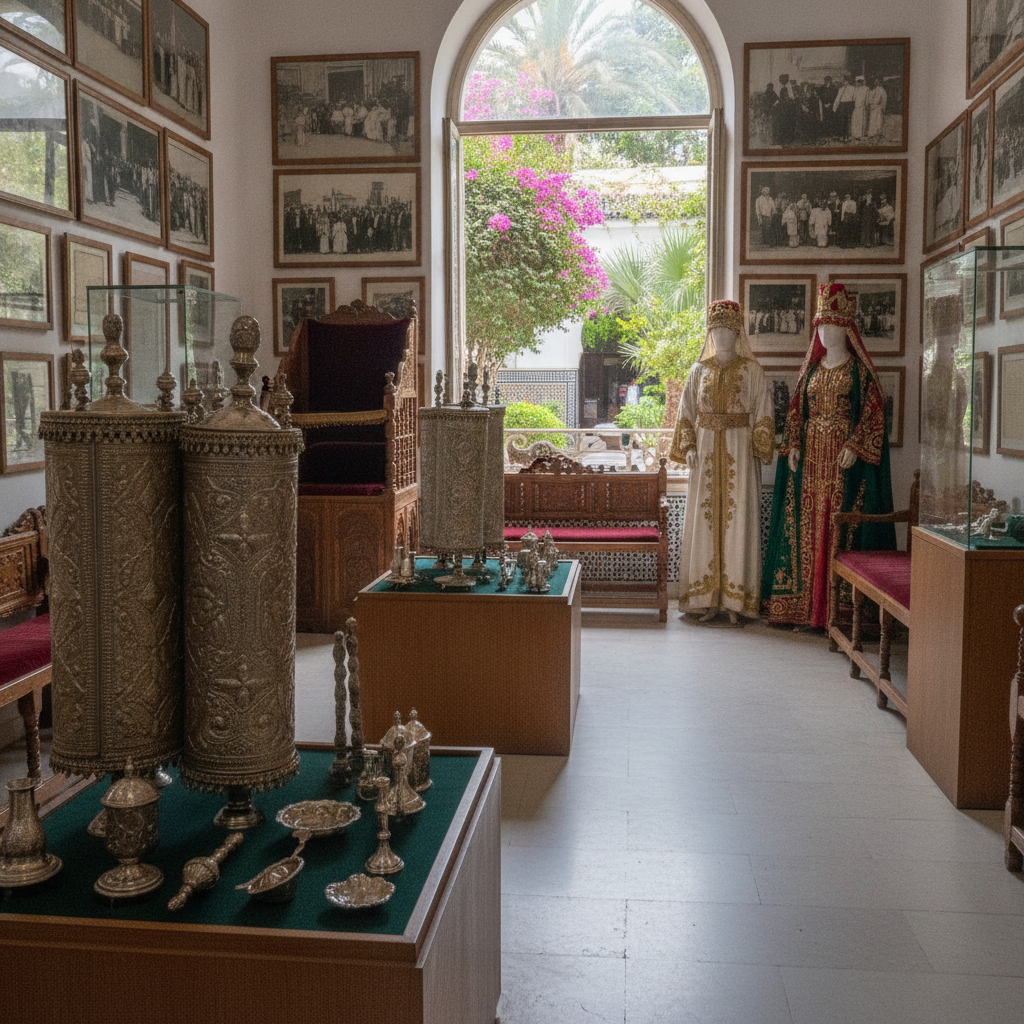
Casablanca Jewish Heritage: The Mellah District, the Miara Cemetery, the Museum of Moroccan Judaism, the Sephardic Cultural Legacy, and the Moroccan Jewish Community Today
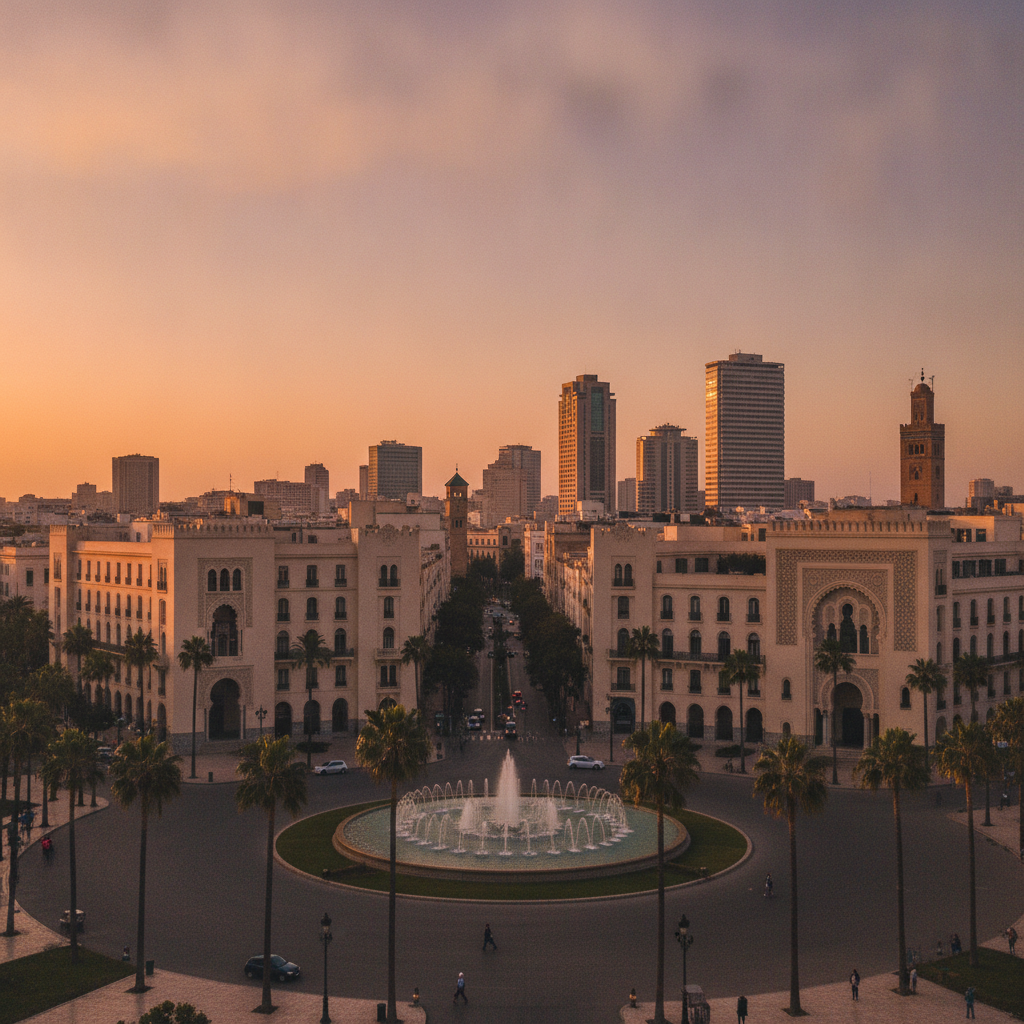
Casablanca Modern City: Mohammed V Square, the Habous New Medina, the Villa des Arts, the Casablanca Financial Centre, and the Contemporary Moroccan Art Scene
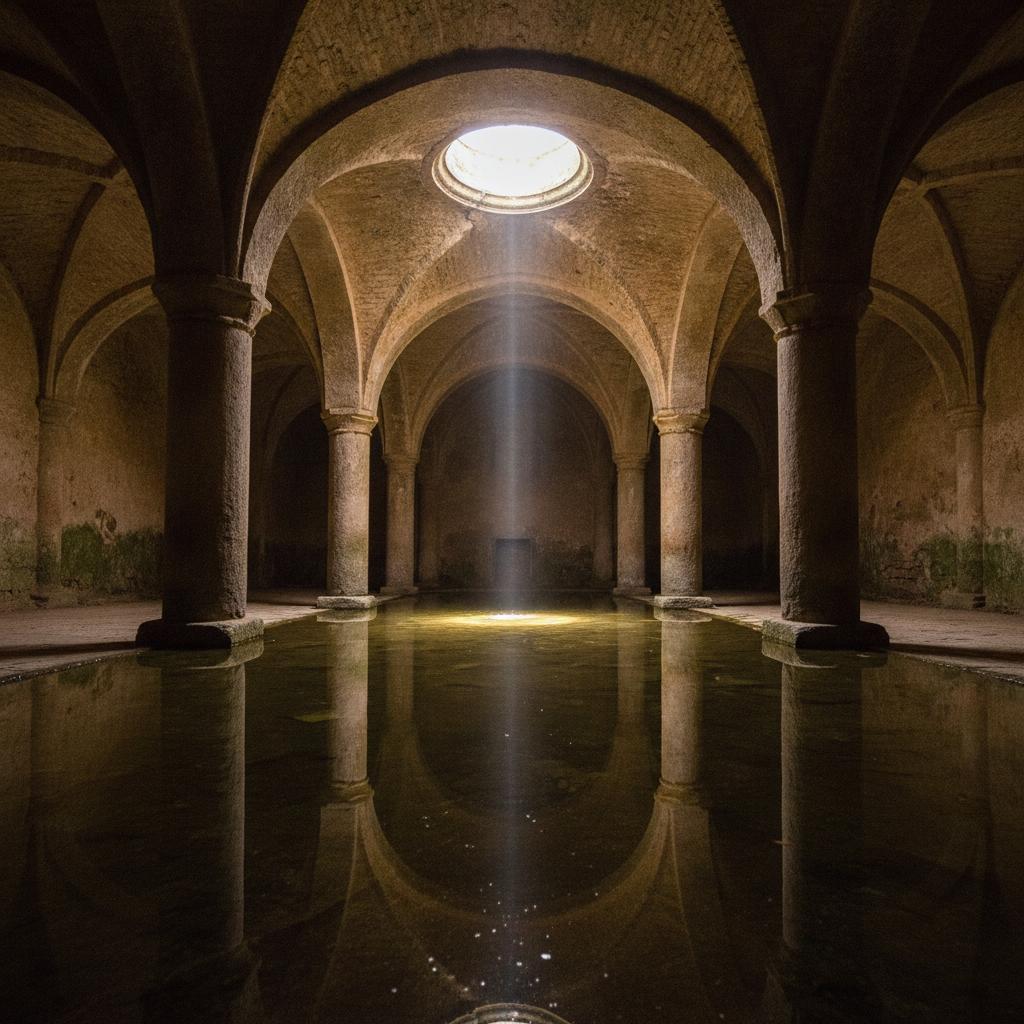
Casablanca Region: El Jadida and the Portuguese Cistern, the Mazagan Coastal Drive, the Oualidia Oyster Lagoon, and the Atlantic Coast South of Casablanca
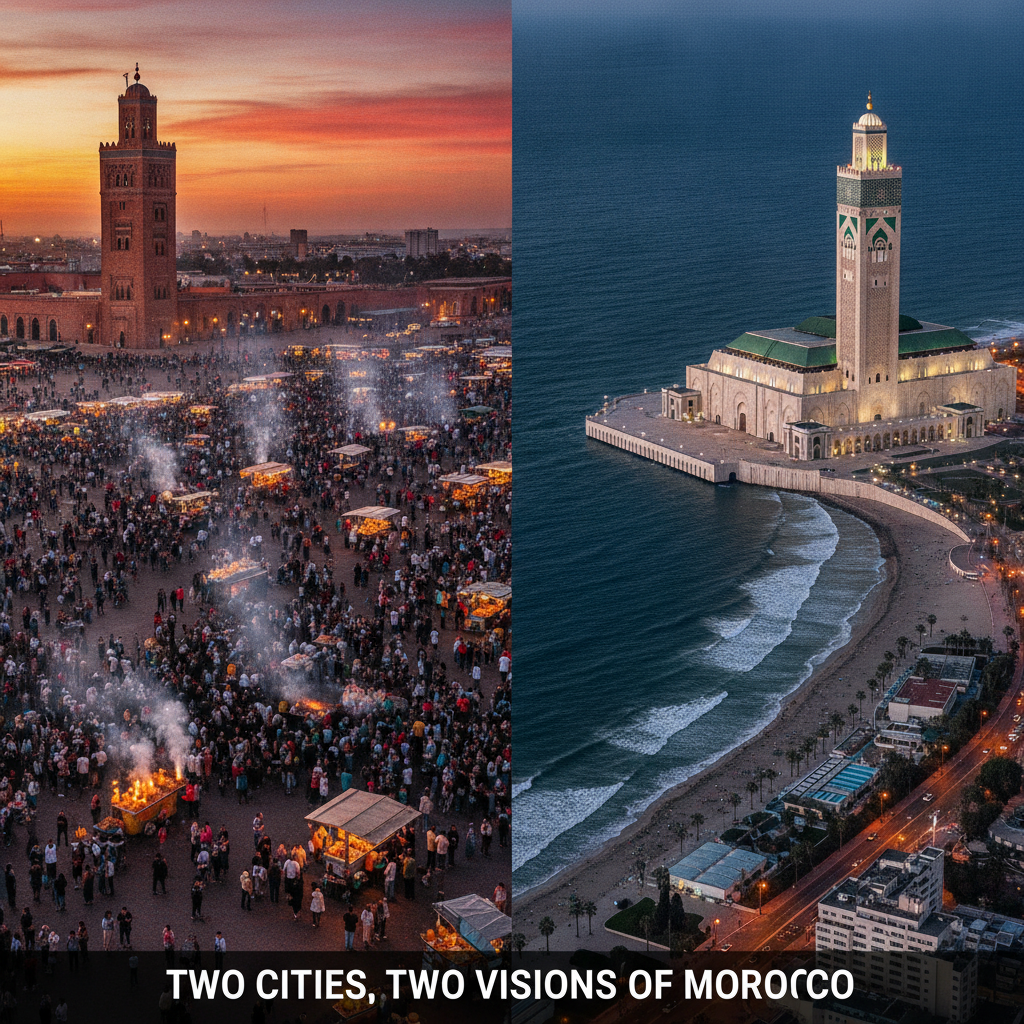
The 1942 Casablanca Film Was Shot Entirely in Hollywood by Filmmakers Who Had Never Visited Morocco Yet Accidentally Captured a Real Wartime Dynamic; The Bou Craa Phosphate Mine in Moroccan-Administered Western Sahara Is One of the World's Largest Phosphate Deposits; Moroccan Argan Oil Has Grown From a Cottage Industry to an Approximately USD 10 Billion Annual Global Market