The Word Africa Derives From Afri the Berber-Punic People Near Carthage Making the Entire African Continent Named for a Carthaginian-Adjacent People; Purcell's Dido and Aeneas (1689) Aria When I Am Laid in Earth Is One of the Most Celebrated Baroque Arias; Tertullian of Carthage Coined Trinity, Person, and Sacrament and Cyprian's Extra Ecclesiam Nulla Salus (Outside the Church No Salvation) Shaped Catholic Theology for 1,600 Years
The word Africa deriving from Afri (Berber-Punic people near Carthage) naming the entire continent; Purcell's When I am laid in earth from Dido and Aeneas (1689) as one of the most celebrated baroque arias; Tertullian coining Trinity, Person, and Sacrament while Cyprian's Extra ecclesiam nulla salus shaped Catholic theology; Flaubert visiting Carthage in 1858 to research Salammbo; the Gorilla genus named for Hanno's word gorillai from 500 BCE; and the complete Carthaginian legacy in agriculture, navigation, language, religion, military tactics, and literature.
- 1
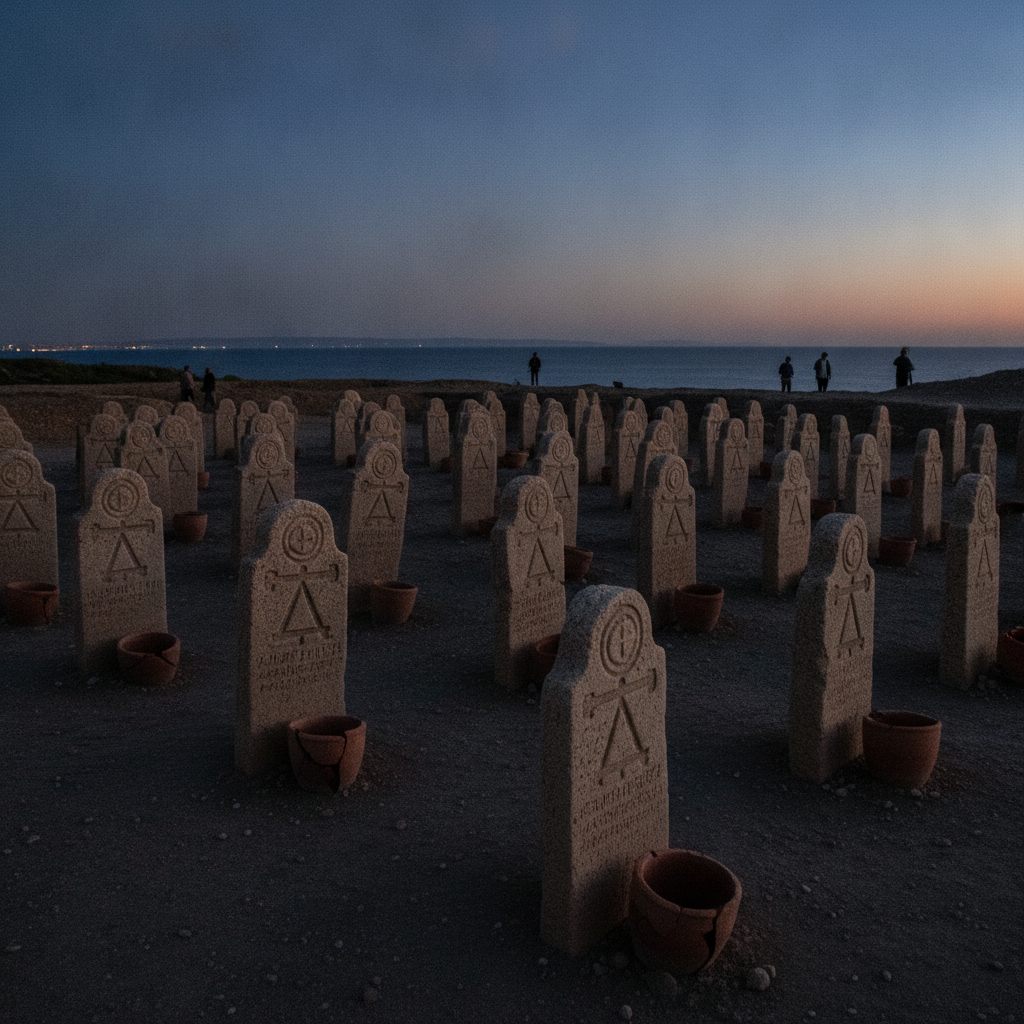
The Punic Religion After Carthage – Survival in Roman Africa
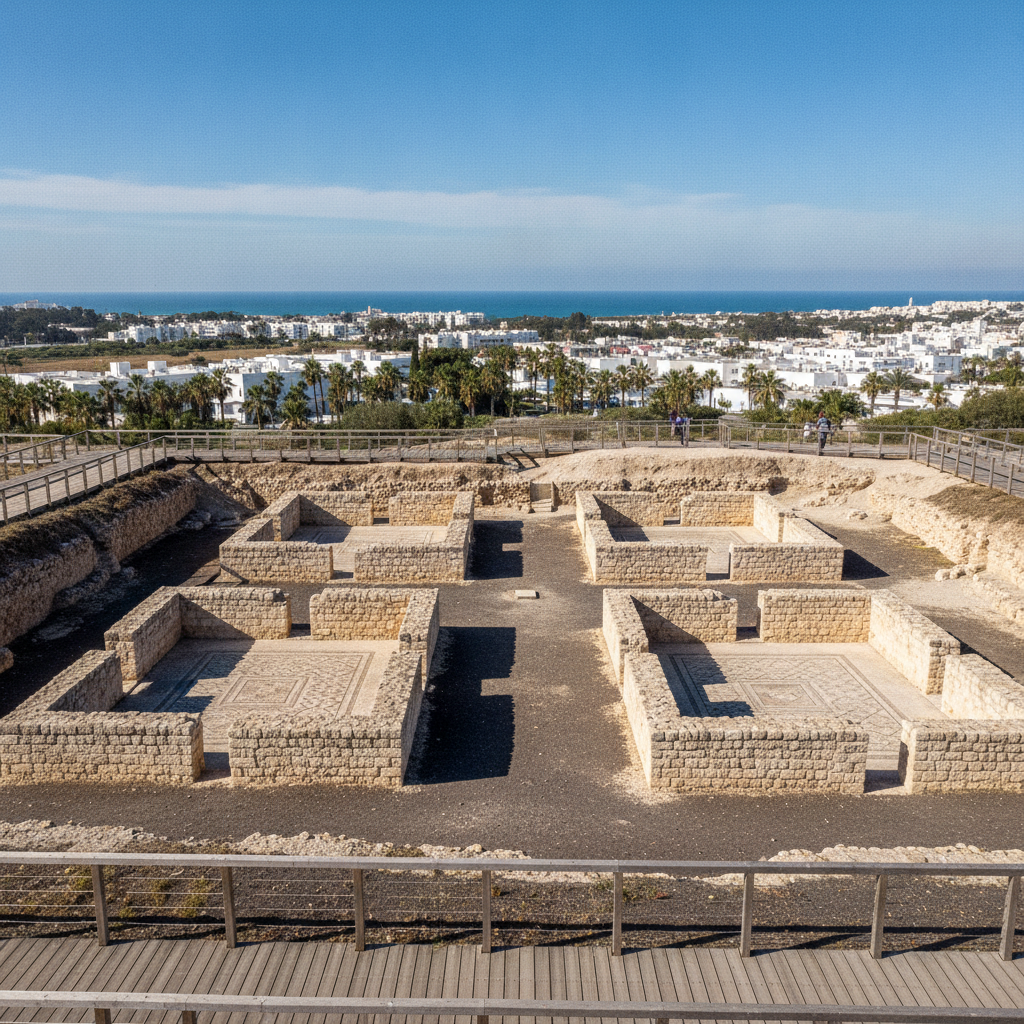
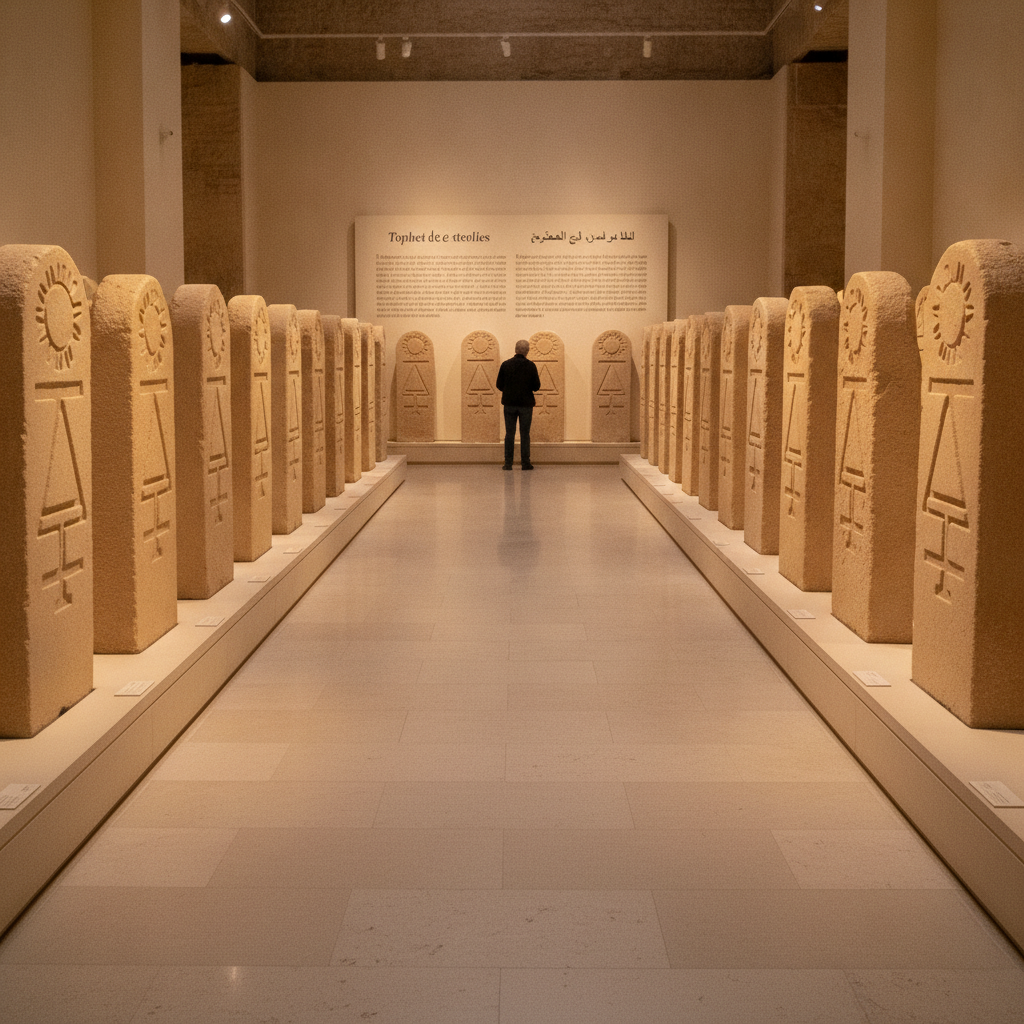
The survival of the Punic religious tradition after the destruction of Carthage (146 BCE) — the continuation of Punic religious practices, deities, and sanctuaries in Roman North Africa for over 500 years after the city's destruction: the religious history guide. The survival (the destruction of the city of Carthage in 146 BCE did not end Punic culture in North Africa: the rural Punic-speaking population of the Tunisian interior continued to practice their traditional religion for centuries: the Roman interpretation (the Romans did not suppress Punic religion outright: instead the Punic deities were absorbed into the Roman pantheon through the process of interpretatio romana: Baal Hammon = Saturn: Tanit = Juno Caelestis: Eshmoun = Asclepius/Aesculapius: Melqart = Hercules: the Juno Caelestis cult (the Roman goddess Juno Caelestis — the Roman form of Tanit — was one of the most widely worshipped deities in Roman Africa: the Juno Caelestis temple on the Byrsa Hill at Carthage was one of the primary temples of Roman Carthage: the Juno Caelestis cult spread throughout Roman North Africa and even to Rome itself: the Saturn-Baal cult (the Saturn cult in Roman Africa was distinct from the Italian Saturn: the African Saturn was a fusion of Roman Saturn and Punic Baal Hammon: African Saturn sanctuaries continued to offer sacrificial animals in ways that closely paralleled the pre-Roman Baal Hammon ritual: the Tofet tradition (the tofet (the sanctuary type characterized by votive stelae and burial urns) appears to have continued to be used in modified form in Roman Africa: votive stelae dedicated to Saturn and Tanit/Juno Caelestis have been found at multiple Roman-period sites in Tunisia: the Punic personal names (Punic personal names continued to be used in North Africa through the Roman period: the name Hanno: the name Hamilcar: the name Hannibal continued to be used as a personal name in Roman Africa for centuries after the destruction of Carthage).
- 2
Carthage and the Bible – Tyre, Sidon, and the Phoenician Heritage
The biblical connections of Carthage (the links between the Phoenician cities of Tyre and Sidon — the Mother Cities of Carthage — and the Hebrew Bible (Old Testament) and the New Testament): the biblical heritage guide. The Tyre connection (Tyre is the most frequently mentioned Phoenician city in the Hebrew Bible: the key passages: 1 Kings 5 — the alliance between King Solomon and Hiram I of Tyre for the construction of Solomon's Temple: the Temple was built from Lebanese cedar supplied by Hiram I of Tyre: the Ezekiel lament (Ezekiel 26-28 — the extended prophetic lament over Tyre: Ezekiel describes Tyre as the merchant of nations: Ezekiel describes the merchandise of Tyre (silver, iron, tin, lead, wine, wool, horses, chariots, ebony, ivory, emeralds, purple fabric, embroidered work, fine linen, coral, and rubies): Ezekiel 27:8 names Sidon's mariners: the New Testament (the Phoenician coast in the New Testament: Matthew 15:21-28 and Mark 7:24-30 — Jesus travels to the region of Tyre and Sidon and heals the daughter of the Syrophoenician (Canaanite) woman: this is one of the rare episodes where Jesus is described as operating outside Jewish territory: the Dido connection (the Hebrew Bible does not mention Dido or the founding of Carthage: the Hebrew word for Tyre is Tzor (rock): the Bible calls the people of Tyre Tzirim (Tyrians) or Kena'anim (Canaanites — the same word): the Carthaginian religion in the Bible (the Baal and Molech worship condemned by the Hebrew prophets: Molech (or Moloch) — the deity associated with child sacrifice in the Hebrew Bible: the connection between Molech and the Tophet of Carthage has been debated but most scholars see the Molech passage in Jeremiah as referring to a practice in the Hinnom Valley outside Jerusalem rather than at Carthage).
- 3
World War II at Carthage – The North African Campaign Endgame
World War II and Carthage (the North African Campaign of World War II ended near Carthage in May 1943 — the final Allied victory that ended Axis presence in Africa and enabled the Allied invasion of Sicily and Italy): the military history guide. The campaign (the North African Campaign (1940-1943): the Italian invasion of Egypt (September 1940): the British counteroffensive (Operation Compass, December 1940 — January 1941): the German intervention (Rommel's Afrika Korps arrives, February 1941): the back-and-forth desert campaign (1941-1942): El Alamein (the Second Battle of El Alamein, October-November 1942 — Montgomery's decisive victory that turned the tide in North Africa: Operation Torch (the Allied landing in Northwest Africa — Morocco and Algeria — November 8, 1942): the Tunisia campaign (the Tunisia Campaign (November 1942 - May 1943) was the final phase of the North African Campaign: the Allied forces from Morocco and Algeria advancing east met the British Eighth Army advancing west from Egypt: the German-Italian forces were trapped in the Tunisian bridgehead: the fall (the German-Italian forces in Tunisia capitulated on May 13, 1943: approximately 275,000 Axis prisoners were taken — the largest Axis military surrender before Stalingrad: Churchill called it the end of the beginning: the Tunisian campaign (the Allied forces advanced through the Tunisian countryside toward Tunis and Bizerte: the final breakthrough came through the Medjerda Valley: Tunis and Bizerte fell on May 7, 1943 — 5 days before the final surrender: the Carthage connection (the Allied commanders used the Villa Sebastiani in Hammamet (previously Rommel's headquarters) and other Tunisian villas as their headquarters: Churchill visited the Tunisian battlefield after the campaign: Eisenhower had his headquarters at the Maison Blanche near Tunis).
- 4
Quantum Mechanics and Carthage – What the Ancient City Teaches Science
The legacy of Carthage in modern scientific culture (the surprising connections between the ancient civilization of Carthage and modern science, philosophy, and culture — from the naming of the Gorilla to the origins of European metallurgy): the intellectual legacy guide. The Gorilla (the great ape genus Gorilla is named for the word gorillai in Hanno the Navigator's Periplus (c.500 BCE): Hanno described hairy wild people at the furthest point of his voyage: in 1847 the American missionary physician Thomas Savage used Hanno's word when he first scientifically described the mountain gorilla: the agricultural tradition (the Mago agricultural treatise (28 books) directly influenced Roman agronomy through Columella and Varro: Columella's De Re Rustica (1st century CE) — the most comprehensive surviving Roman agricultural text — repeatedly cites Mago as the primary authority: the purple dye (Tyrian purple (dibromoindigo) — the primary Phoenician product — remained the most expensive colorant in Europe until the development of synthetic aniline dyes in 1856: the 1856 synthesis of mauveine by William Henry Perkin (accidentally in his kitchen while trying to synthesize quinine) triggered the synthetic dye revolution that ended the Tyrian purple trade: the alphabet (the Phoenician-Punic alphabet is the direct ancestor (through the Greek alphabet) of the Latin alphabet: the Latin alphabet derived from the Greek: the Greek derived from the Phoenician: the Phoenician was derived from the Proto-Sinaitic script (approximately 1800 BCE — the world's first alphabet): the genealogy of the Latin alphabet: Proto-Sinaitic (1800 BCE) — Phoenician (1050 BCE) — Greek (800 BCE) — Latin (650 BCE) — all European alphabets: the place names (the English word Africa derives from the Latin Africa terra (Land of the Afri — the name the Romans gave to the Berber people near Carthage): the word is preserved in the name of the entire continent).
- 5
Carthage in Literature and Film – From Flaubert to Hollywood
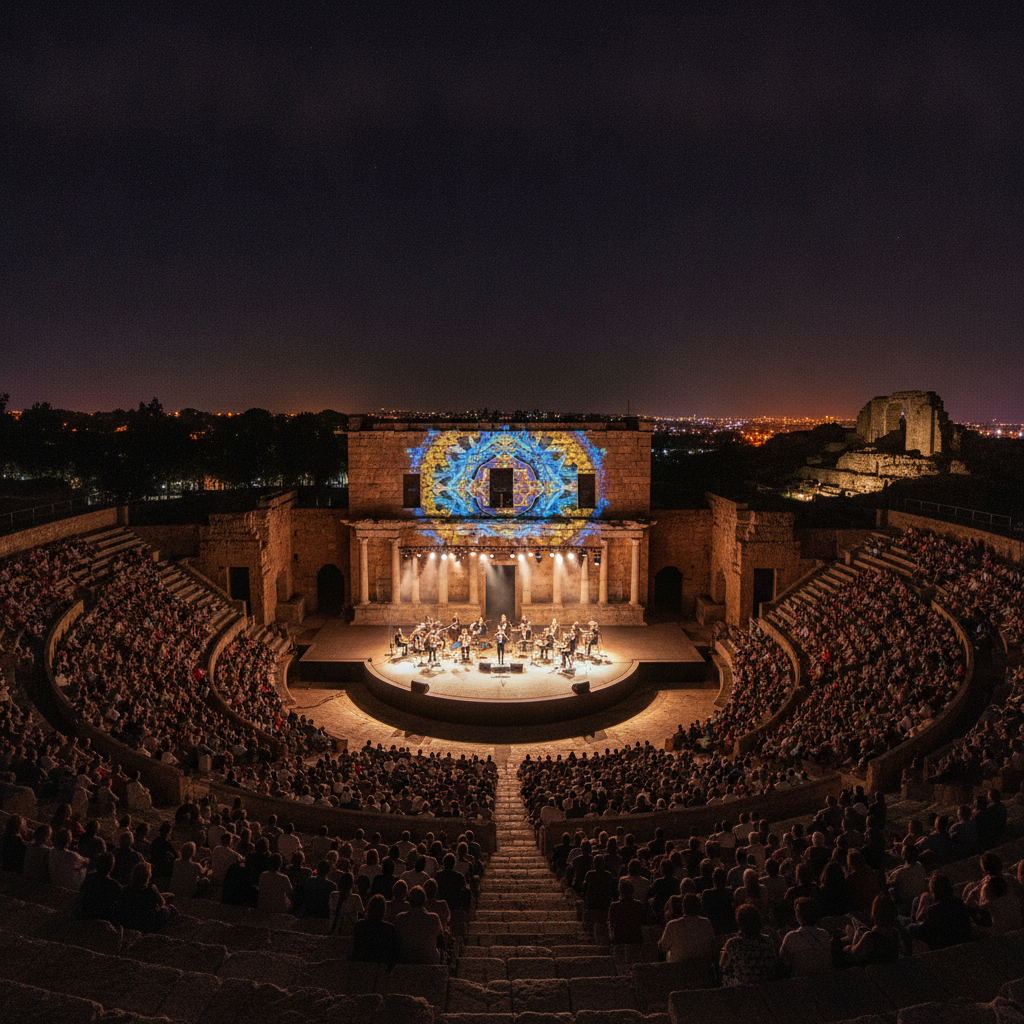
Carthage in Western literature, art, and film (the influence of the Carthage myth on Western cultural production from the Renaissance to the 21st century): the cultural legacy guide. The Aeneid (Virgil's Aeneid (29-19 BCE) established the Dido-Aeneas love story as one of the founding myths of Western literature: the Dido character in the Aeneid is the most fully realized female character in Latin epic: her death speech (Aeneid IV, 651-658) and her confrontation with Aeneas (IV, 305-330) are among the most frequently quoted passages in Latin literature: Flaubert (Gustave Flaubert's historical novel Salammbo (1862) — a fictional account of the Mercenary War (240-238 BCE — the war between Carthage and its mercenaries that followed the First Punic War): Flaubert researched the novel by visiting Carthage in 1858: the novel was condemned for its sexual content (the relationship between the Carthaginian princess Salammbo and the mercenary leader Matho) and praised for its archaeological detail: Salammbo created a 19th century European fascination with the Orient and with ancient Carthage: the opera (the Purcell opera Dido and Aeneas (1689) — the primary operatic treatment of the Dido-Aeneas legend: the Lament of Dido (When I am laid in earth) is one of the most celebrated arias in the baroque repertoire: the Hollywood (Cabiria (1914 — Italian silent film set in the Second Punic War: one of the first Hollywood epic productions: Scipio Africanus (1937 — Italian fascist epic celebrating the Roman conquest of Carthage: Jupiter's Wife (2011): the Tunisian film (the Carthage setting has been used in multiple Tunisian and international productions including scenes for BBC and National Geographic documentary series).
- 6
Carthage Complete Legacy – What the Destroyed City Left to the World
The complete legacy of Carthage (what the civilization that was deliberately destroyed left to the world — a summary of Carthaginian contributions to agriculture, navigation, language, religion, and culture): the legacy guide. The agricultural legacy (the Mago agricultural treatise — preserved in Latin through Roman agricultural writers: the olive oil economy of Tunisia — directly continuous from the Carthaginian period: the techniques of intensive Mediterranean polyculture (olives, vines, cereals together) that Carthage pioneered and Rome adopted: the nautical legacy (Hanno the Navigator's circumnavigation of West Africa approximately 500 BCE — the greatest voyage of exploration in the ancient world: the Punic harbor technology (the cothon — the circular military harbor with covered shipsheds) was the most advanced harbor engineering of the ancient world: the linguistic legacy (the Punic language — the direct ancestor of the Tifinagh script used today by the Tuareg of the Sahara: the Punic personal names in use in North Africa for centuries after 146 BCE: the word Africa itself (from Afri — the Berber-Punic people near Carthage): the religious legacy (the Tanit cult — one of the most widely documented goddess cults of the ancient world: the Sign of Tanit — found on thousands of stelae and amulets: the Christian Church Fathers of Carthage (Tertullian, Cyprian, Augustine) whose theology shaped Western Christianity for 1,600 years: the military legacy (the Punic Wars (264-146 BCE): the three conflicts that transformed Rome from a regional Italian power to a Mediterranean empire: the double-envelopment tactic of Hannibal at Cannae (216 BCE) — still the most studied tactical maneuver in military history: the literary legacy (Dido and Aeneas — one of the most influential love stories in Western literature: the political legacy (the debate over whether Delenda est Carthago was justified — the first recorded Western debate about the ethics of imperial destruction — continues in contemporary moral and political philosophy).
Walk this route with audio
Stories play automatically as you reach each stop — no tapping needed.
More in Carthage
Hanno the Navigator Led a Fleet of 60 Galleys with 30,000 Colonists Along West Africa Around 500 BCE and His Word Gorillai Became the Scientific Name Gorilla Gorilla in 1847; Tertullian of Carthage Invented the Latin Theological Words Trinity, Person (in the theological sense), and Sacrament; Dido's Curse in Virgil's Aeneid (Let There Arise From My Bones Some Avenger) Is Read as Predicting Hannibal
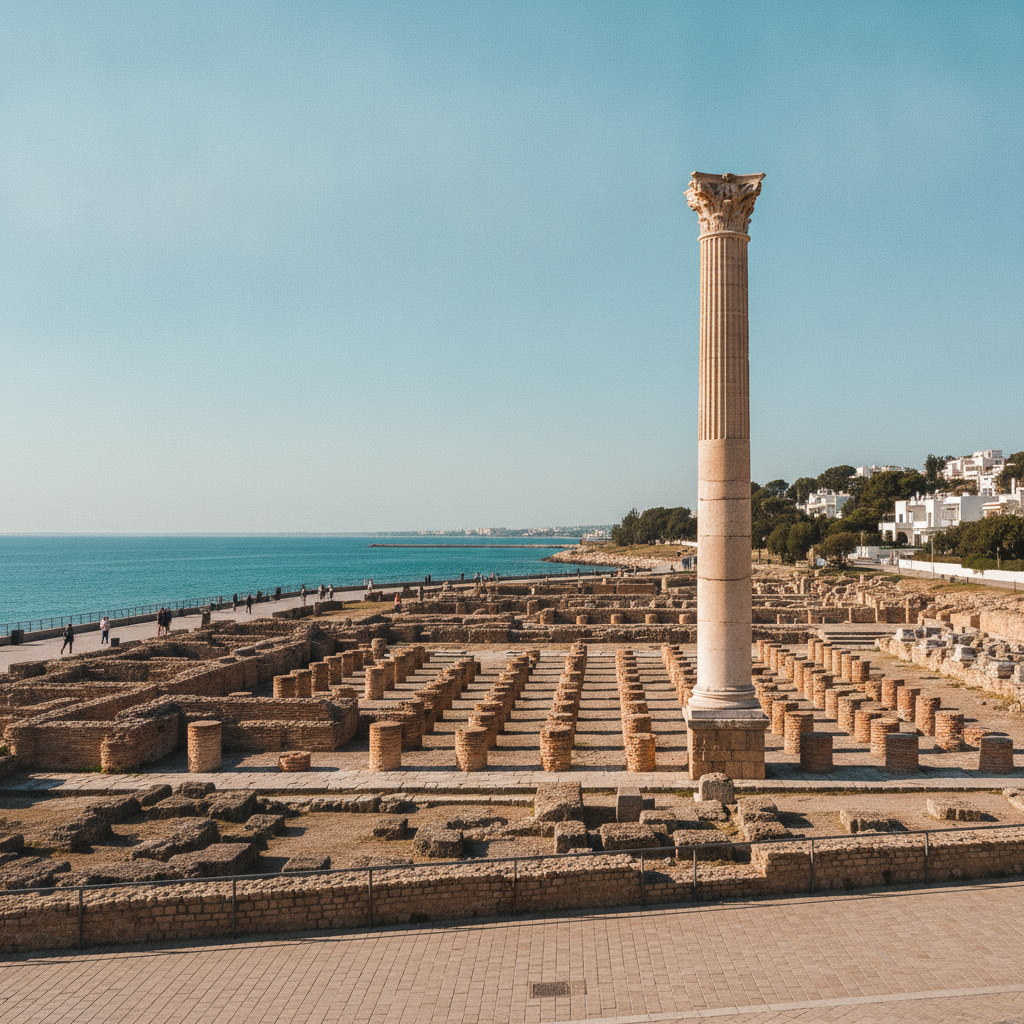
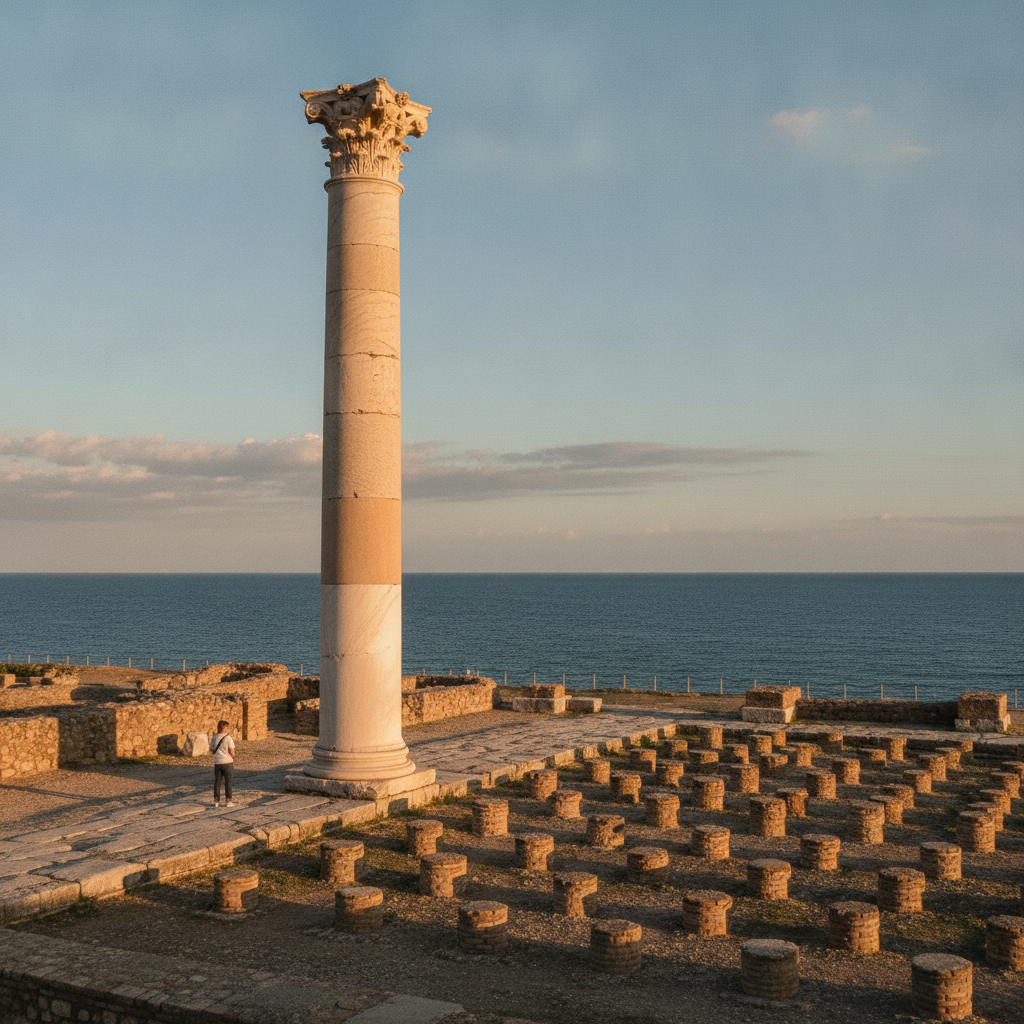
Dido Cut an Ox-Hide Into the Thinnest Possible Strips to Encircle Carthage's Founding Hill (Byrsa) and the Tophet Contains the Most Controversial Archaeological Debate in Mediterranean History; The Antonine Baths Were the Third Largest Roman Baths in the Empire and Their Single Re-Erected Column Represents a Frigidarium Once 52m x 42m; Perpetua's Prison Diary (203 CE) Written Before Her Execution in the Carthage Amphitheatre Is the Earliest Known Text Written by a Christian Woman
The Romans Captured a Beached Carthaginian Quinquereme and Built 120 Copies in 60 Days to Create the Navy That Won the First Punic War; Augustine of Hippo Wrote the First Autobiography in Western Literary Tradition (Confessions, 397 CE) Having Studied Rhetoric in Carthage; Cato the Elder Reportedly Ended Every Senate Speech With Carthage Must Be Destroyed After Returning With Fresh Carthaginian Figs to Show the Senate How Close Carthage Was to Rome
The Roman Senate Ordered the Mago Agricultural Treatise Translated Into Latin After Destroying Carthage Because It Was Too Valuable to Lose; Gaiseric's Vandals May Have Brought the Jerusalem Temple Menorah to Carthage in 455 CE Before Belisarius Captured It for Constantinople in 533 CE; Cato the Younger at Utica Re-Read Plato's Phaedo on the Immortality of the Soul Then Stabbed Himself Rather Than Submit to Julius Caesar