Dido Cut an Ox-Hide Into the Thinnest Possible Strips to Encircle Carthage's Founding Hill (Byrsa) and the Tophet Contains the Most Controversial Archaeological Debate in Mediterranean History; The Antonine Baths Were the Third Largest Roman Baths in the Empire and Their Single Re-Erected Column Represents a Frigidarium Once 52m x 42m; Perpetua's Prison Diary (203 CE) Written Before Her Execution in the Carthage Amphitheatre Is the Earliest Known Text Written by a Christian Woman
Dido encircling Carthage's Byrsa Hill with ox-hide strips in the founding legend; the Tophet as the site of the most controversial archaeological debate (child sacrifice vs natural infant burials) with the 2014 Oxford Journal of Archaeology study supporting limited sacrifice alongside natural deaths; the Antonine Baths being the third largest in the Roman Empire (35,000 square meters); Perpetua's prison diary (203 CE) as the earliest known text by a Christian woman before her execution in the Carthage amphitheatre; the Punic military harbor's 220 warship shipshed capacity; and the complete Carthage practical guide using the TGM suburban railway.
- 1
The Byrsa Hill – Carthage's Citadel and the Phoenician Foundation
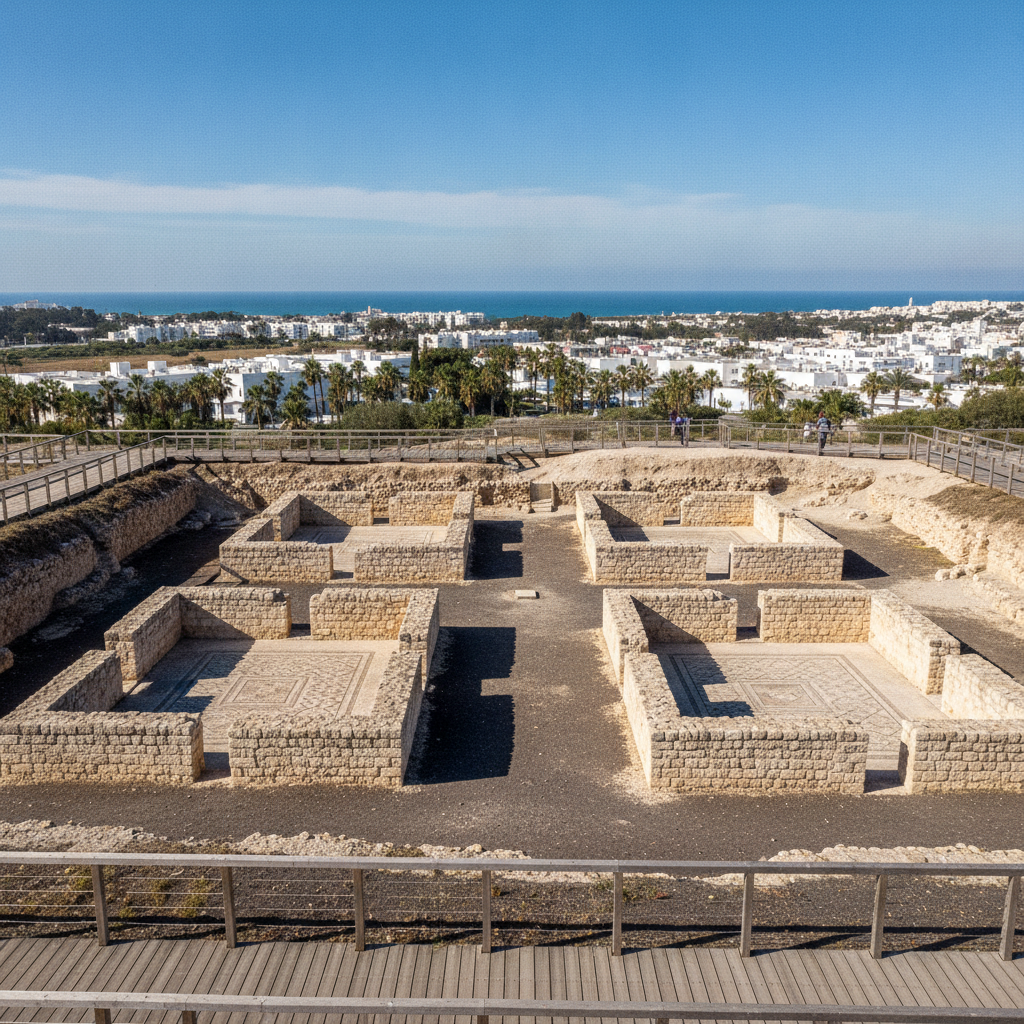
The Byrsa Hill (Colline de Byrsa) — the citadel hill at the heart of ancient Carthage: the founding legend and the primary archaeological site of the Punic city: the guide. The founding legend (the founding legend of Carthage: Dido (Elissa) — a Tyrian princess who fled Tyre after the murder of her husband by her brother Pygmalion: Dido requested from the Berber king Iarbas as much land as could be covered by a single ox-hide: Dido cut the ox-hide into the thinnest possible strips and used them to encircle the Byrsa Hill: the word Byrsa may derive from the Greek word for ox-hide (byrsa) — though the Punic name for the citadel hill was probably different: the archaeological evidence (the Byrsa Hill has been excavated by French archaeologists since the 1840s: the primary finds: the Punic residential quarter on the southern slope of the Byrsa Hill (the best surviving Punic domestic architecture: a 2nd century BCE Punic city block with four small houses, each built around a central courtyard, with mosaic floors and storage installations — visible at the open-air site): the Carthage National Museum (the Musee National de Carthage on the Byrsa Hill — the primary collection of Punic artifacts: Punic stelae (stone monuments): terracotta figurines: Punic masks: the tophet offerings (terracotta urns containing cremated remains from the Tophet sanctuary): the Roman capping (the Romans leveled the Byrsa Hill by approximately 10m to build the forum of Roman Carthage: the Roman fill dumped off the sides of the hill preserved the Punic residential quarter beneath: the view (the Byrsa Hill is the highest point in the Carthage archaeological zone with panoramic views over the Gulf of Tunis to the north and the lagoons and the modern city of Tunis to the southwest).
- 2
The Tophet of Carthage – The Most Controversial Sacrifice in Ancient History
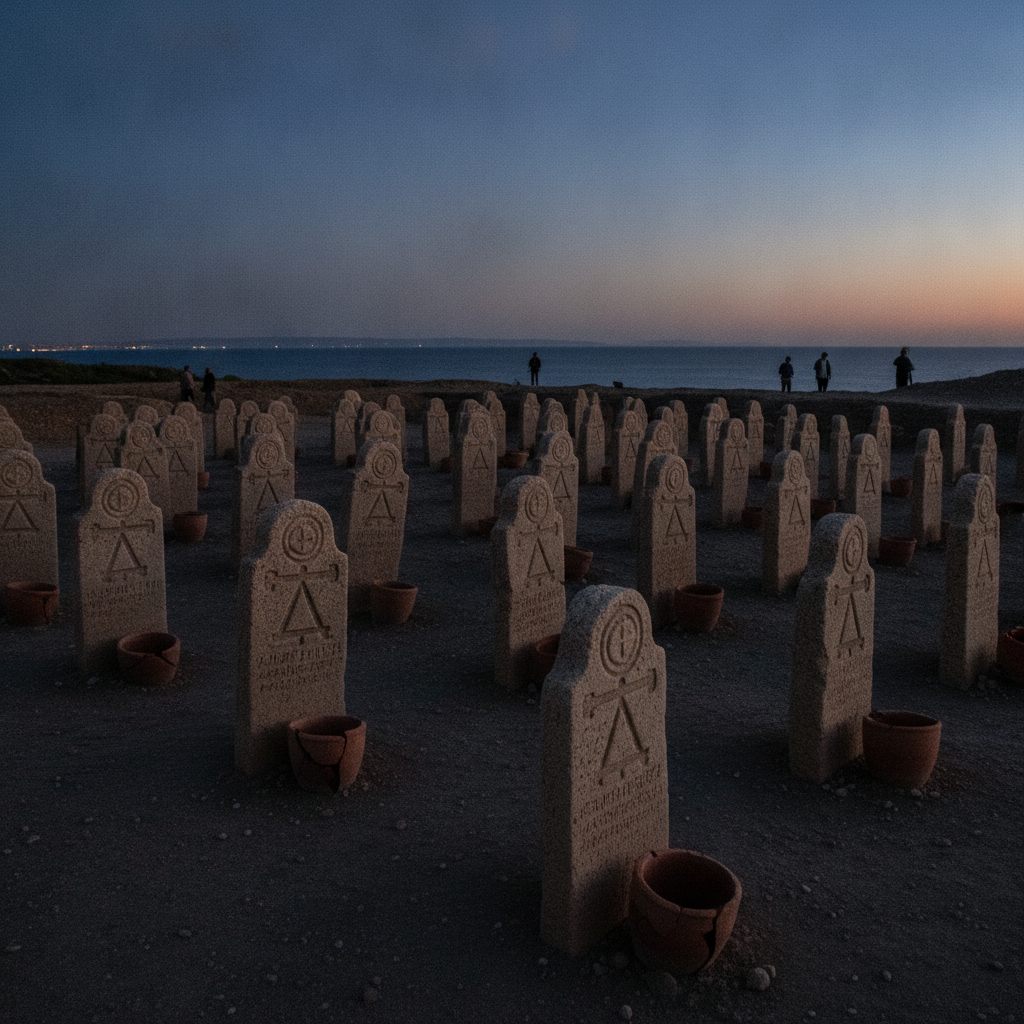
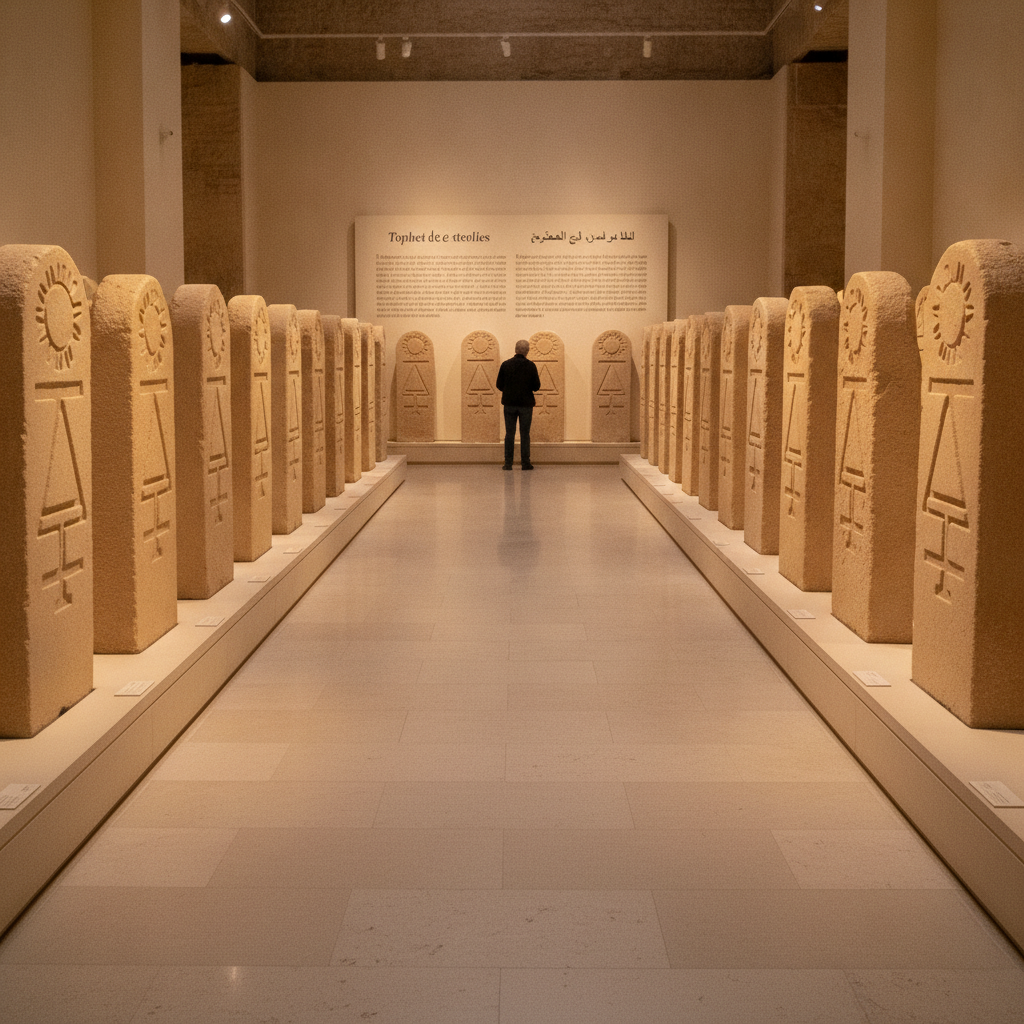
The Tophet of Carthage (the sacred precinct of Carthage where infants were sacrificed or cremated and buried — the most controversial and debated practice in ancient Carthaginian religion): the archaeological and historical analysis. The discovery (the Tophet (from the Hebrew Bible word for a sanctuary of child sacrifice) was excavated beginning in 1921: the site is a sacred precinct with a dense accumulation of burial urns (tophets) extending over 6,000 square meters: the urns contain cremated bones: the debate (the child sacrifice debate (the primary historical debate about the Tophet): the pro-sacrifice argument: the ancient literary sources (Diodorus Siculus, Plutarch, Cleitarchus) explicitly describe Carthaginian child sacrifice to the gods Baal Hammon and Tanit: the urns contain the cremated bones of infants and young children: the contra-sacrifice argument: the revisionist interpretation (scholars including Shelby Brown and Josephine Quinn argue the Tophet was primarily a cemetery for infants who died naturally or in utero — child sacrifice was exaggerated or invented by hostile Roman and Greek sources: the most recent scientific analysis (a 2014 study in the Oxford Journal of Archaeology re-analyzed the Tophet bones and concluded that sacrifice of healthy children did occur alongside natural infant burials — the majority interpretation now accepts some level of child sacrifice while noting the ancient sources may have exaggerated its frequency: the Tanit symbol (the sign of Tanit — a triangular figure with outstretched arms surmounted by a circle — is the primary religious symbol of Carthage: the sign appears on thousands of Punic stelae from across the western Mediterranean: the Tanit stelae (the Tophet site is marked by rows of upright stone stelae inscribed with the sign of Tanit and the sign of Baal Hammon — votive monuments placed by parents who had fulfilled their religious vows to the gods).
- 3
The Antonine Baths – The Third Largest Roman Baths in the World
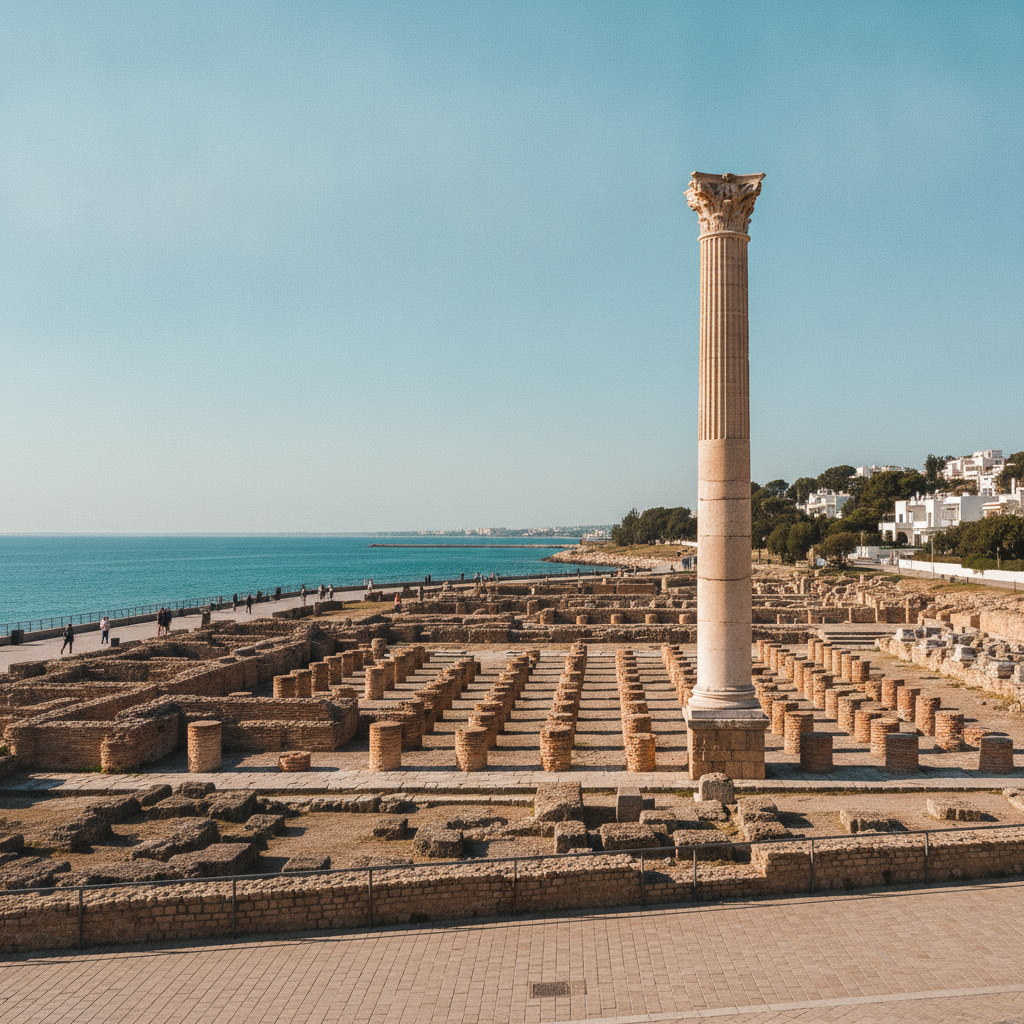
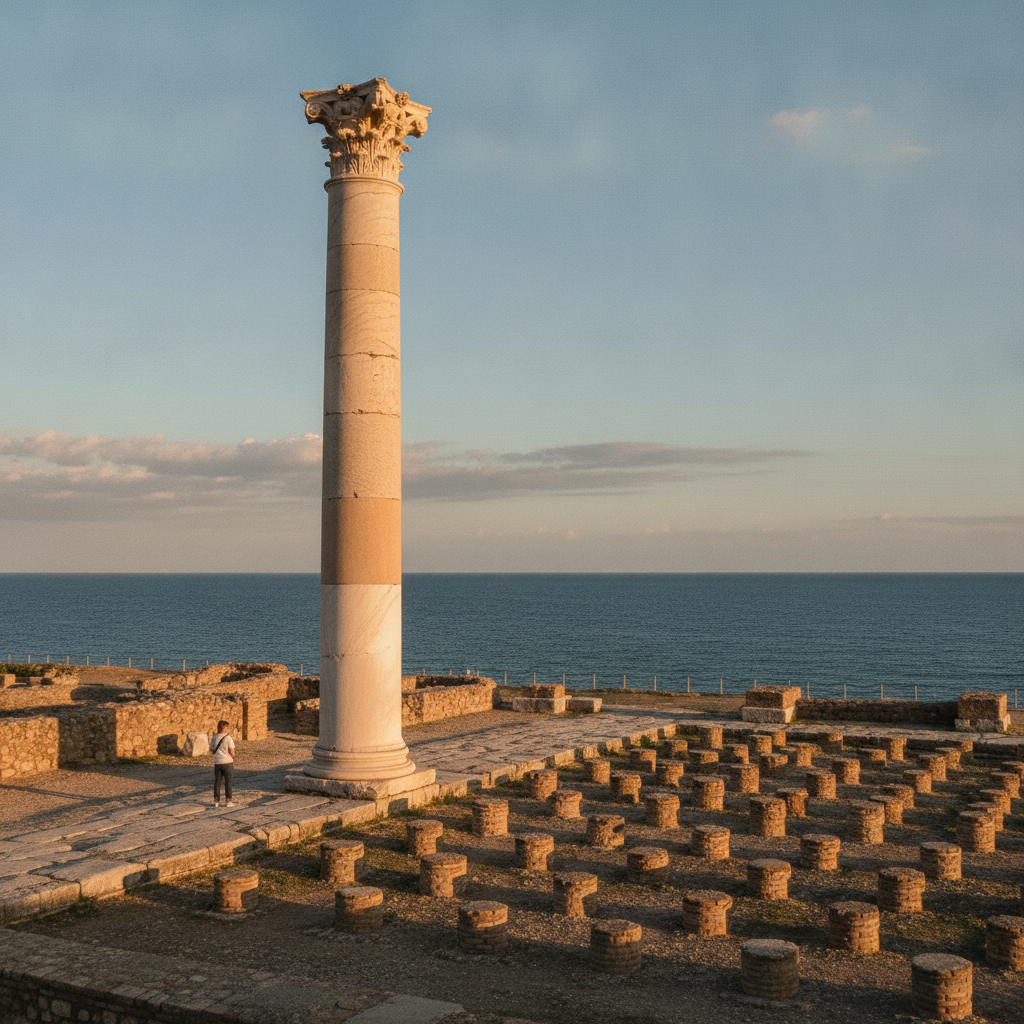
The Antonine Baths of Carthage (the Thermes d'Antonin) — the largest Roman bath complex in Africa and the third largest in the Roman Empire: the archaeological guide. The baths (the Antonine Baths were built in the reign of Emperor Antoninus Pius (138-161 CE) — the most prosperous period of Roman Carthage: the baths were dedicated in 162 CE by Marcus Aurelius: the scale (the Antonine Baths covered approximately 35,000 square meters: the main hall (frigidarium — cold room) measured 52m x 42m: the columns of the frigidarium (approximately 14m tall — one column capital has been re-erected on its column base at the site as the largest surviving symbol of the ruins): the comparison (the Antonine Baths are third in scale after: the Baths of Diocletian in Rome (80,000 square meters): the Baths of Caracalla in Rome (approximately 33 hectares): the heating system (the Roman hypocaust heating system: a raised floor supported on pilae (short brick columns) through which hot air from a furnace was circulated: at the Antonine Baths the hypocaust system was of extraordinary scale: the praefurnium (furnace room) at the seaward end of the baths was 40m long: the site today (the Antonine Baths site occupies the most dramatic location in the Carthage archaeological zone — on the seafront cliff above the Mediterranean: the views from the bath site over the Gulf of Tunis are exceptional: the ruins are primarily at the subterranean level (the service corridors, the hypocaust, the underground cisterns) with only one re-erected column representing the scale of the original structure above ground).
- 4
The Punic Ports – Carthage's Commercial and Military Harbors
The Punic Ports of Carthage (the twin harbors of ancient Carthage — the commercial harbor and the circular military harbor — that were the foundation of Carthaginian maritime power and the key to understanding the city's Mediterranean dominance): the archaeological guide. The ports (the Punic Ports of Carthage occupied the southern waterfront of the city: the commercial harbor (the rectangular outer harbor for merchant ships: the military harbor (the circular inner harbor (the cothon) — the most distinctive element of the Punic harbor system: the circular harbor measured approximately 325m in diameter with a central circular island: the island contained the shipsheds and the headquarters of the Carthaginian admiral: the shipshed capacity (the ancient sources describe the Punic military harbor as able to shelter 220 warships in covered shipsheds (neosoikoi): the shipsheds had wooden roofs and columns to support them — each shed holding one trireme or quinquereme: the excavations (the International Congress of Classical Archaeology has been excavating the Punic Ports since the 1970s: the current state of the ports (both harbors are now largely silted up and filled: the commercial harbor is now a partially filled lagoon: the circular military harbor has been archaeologically confirmed as the circular lagoon (approximately 300m diameter) directly south of the commercial harbor: the Punic shipsheds have been partially confirmed in excavation: the Oceanographic Museum (the Oceanographic Museum on the northern edge of the circular harbor island: a small museum with the primary Punic port archaeological finds): the strategic significance (the Punic ports were the most sophisticated harbor installations in the western Mediterranean in the 3rd-2nd centuries BCE: the ability to rapidly deploy 220 warships gave Carthage naval superiority over most opponents).
- 5
Roman Carthage – The Refounded City and the Church Fathers
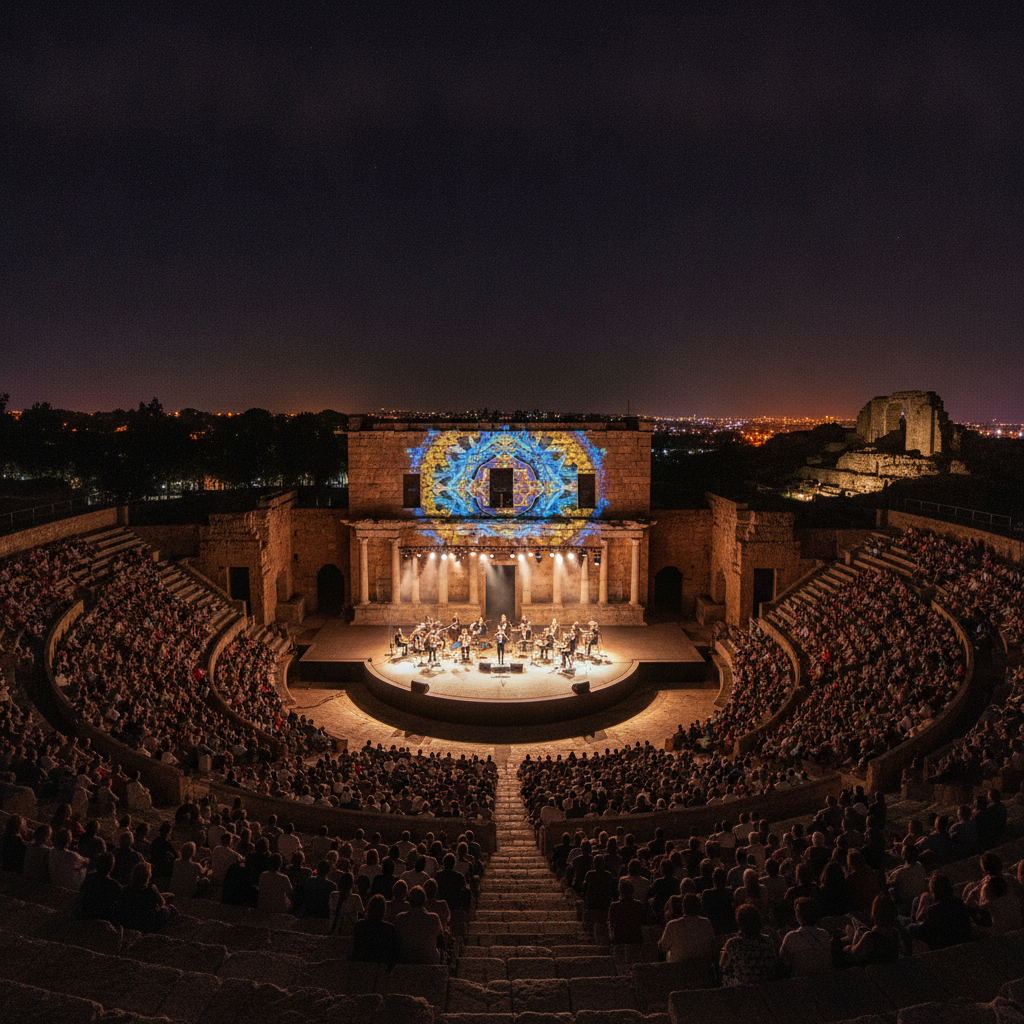
Roman Carthage (the Roman colony founded on the ruins of destroyed Carthage in 44 BCE by Julius Caesar and completed by Augustus — a city that became the fourth most important in the Roman Empire): the historical guide. The refounding (Julius Caesar ordered the refounding of a Roman colony on the site of destroyed Carthage in 44 BCE: Caesar was assassinated before the colony was established: Augustus established the Colonia Julia Concordia Carthago in approximately 29 BCE: Roman Carthage grew rapidly on the ruins of the Punic city: the Cardo and Decumanus (the primary streets of the Roman city grid: the Cardo Maximus ran north-south and the Decumanus Maximus ran east-west: the forum on the Byrsa Hill: the Antonine Baths on the seafront: the odeum (small theatre for musical performances): the theatre (the Roman theatre of Carthage — now partially reconstructed and used for the annual Carthage International Festival): the amphitheatre (the Roman amphitheatre of Carthage — more recently excavated: the primary gladiatorial site of Roman Africa: the Christian martyrs (the primary Christian martyrdoms in Roman Carthage: the Scillitan Martyrs (180 CE — the first recorded Christian martyrdom in North Africa: 12 Christians from Scilli brought to Carthage: they refused to renounce Christianity and were executed: the Martyrs Perpetua and Felicitas (203 CE — the most celebrated early Christian martyrdom document: Perpetua's prison diary (Passio Perpetuae et Felicitatis) is the earliest known text written by a Christian woman: Perpetua was a young Carthaginian noblewoman who refused to renounce Christianity and was killed by wild animals in the amphitheatre: her diary describes her visions and her preparations for martyrdom: the Church Fathers (Carthage produced four of the most important Latin Church Fathers: Tertullian (155-240 CE): Cyprian (200-258 CE): Arnobius: Lactantius: Augustine studied rhetoric in Carthage before moving to Milan where he was baptized by Ambrose in 387 CE).
- 6
Carthage Practical Guide – TGM Train, Sites Circuit, and the Modern Suburb
The Carthage practical guide (essential visitor information for visiting the Carthage archaeological zone from Tunis): the visitor guide. The location (Carthage (UNESCO World Heritage Site 1979) is not a single site but a scattered zone of archaeological remains within a modern residential suburb 15 km northeast of Tunis: the city of Carthage today is an upscale residential neighborhood built directly over and between the ancient ruins: the TGM railway (the TGM (Tunis-Goulette-Marsa) suburban railway is the primary transport from central Tunis to Carthage: trains depart from Tunis Marine station (adjacent to the medina gate at Place Barcelone) every 15-20 minutes: the primary Carthage stops: Carthage-Salambo (nearest to the Tophet and Punic Ports): Carthage-Hannibal (nearest to the Antonine Baths and the site entrance): Carthage-Dermech (nearest to the Roman theatre and the Amphitheatre): Carthage-Byrsa (nearest to the Byrsa Hill and the National Museum): the tickets (TGM tickets: approximately 1-2 TND single from Tunis to Carthage): the site circuit (the Carthage sites circuit — 8 separate UNESCO sites within the archaeological zone each requiring a ticket (or covered by a combined ticket): the combined ticket (approximately 12 TND for the combined site ticket in 2025: the primary sites: the Byrsa Hill and National Museum: the Antonine Baths: the Punic Ports: the Tophet: the Roman Theatre: the Roman Villa of the Aviary: the paleo-Christian museum: the Amphitheatre: the timing (a full Carthage circuit takes a full day: the recommended sequence (proceed counterclockwise from the Tophet): the Carthage International Festival (the Carthage International Festival uses the Roman Theatre as its primary venue for concerts and performances each summer (July-August).
Walk this route with audio
Stories play automatically as you reach each stop — no tapping needed.
More in Carthage
Hanno the Navigator Led a Fleet of 60 Galleys with 30,000 Colonists Along West Africa Around 500 BCE and His Word Gorillai Became the Scientific Name Gorilla Gorilla in 1847; Tertullian of Carthage Invented the Latin Theological Words Trinity, Person (in the theological sense), and Sacrament; Dido's Curse in Virgil's Aeneid (Let There Arise From My Bones Some Avenger) Is Read as Predicting Hannibal
The Romans Captured a Beached Carthaginian Quinquereme and Built 120 Copies in 60 Days to Create the Navy That Won the First Punic War; Augustine of Hippo Wrote the First Autobiography in Western Literary Tradition (Confessions, 397 CE) Having Studied Rhetoric in Carthage; Cato the Elder Reportedly Ended Every Senate Speech With Carthage Must Be Destroyed After Returning With Fresh Carthaginian Figs to Show the Senate How Close Carthage Was to Rome
The Roman Senate Ordered the Mago Agricultural Treatise Translated Into Latin After Destroying Carthage Because It Was Too Valuable to Lose; Gaiseric's Vandals May Have Brought the Jerusalem Temple Menorah to Carthage in 455 CE Before Belisarius Captured It for Constantinople in 533 CE; Cato the Younger at Utica Re-Read Plato's Phaedo on the Immortality of the Soul Then Stabbed Himself Rather Than Submit to Julius Caesar
The Word Africa Derives From Afri the Berber-Punic People Near Carthage Making the Entire African Continent Named for a Carthaginian-Adjacent People; Purcell's Dido and Aeneas (1689) Aria When I Am Laid in Earth Is One of the Most Celebrated Baroque Arias; Tertullian of Carthage Coined Trinity, Person, and Sacrament and Cyprian's Extra Ecclesiam Nulla Salus (Outside the Church No Salvation) Shaped Catholic Theology for 1,600 Years