Cappadocia History: Hittite Origins, Kaymakli Underground City Interior, the Caravanserai at Sultan Han, Byzantine to Seljuk Transition, the Silk Road Heritage, and the Historical Layers of Anatolia
The Cappadocia history route covers the Hittite origins of the Cappadocia landscape, the Kaymakli underground city with its distinctive layout, the Sultan Han Seljuk caravanserai on the Silk Road, the Byzantine to Seljuk transition in Cappadocia, and the extraordinary 4,000-year historical continuity of the Cappadocia human landscape.
- 1
Hittite Cappadocia: The 4,000-Year Beginning
The Cappadocia area, known in the Hittite period as Kizzuwatna and later as the core of the Hittite empire centered on Hattusa 150 kilometers north, contains the Assyrian trading colony karum at Kultepe near Kayseri that is the earliest documented trading settlement in Anatolia and the site where the oldest cuneiform texts from Asia Minor were discovered. The Hittite presence in Cappadocia from 1650 to 1180 BC established the territorial and cultural framework within which the subsequent Persian, Greek, Roman, Byzantine, and Ottoman civilizations operated.
- 2
Kaymakli: The Underground City Layout
Kaymakli underground city, 10 kilometers north of Derinkuyu and the most visited of the Cappadocia underground cities because of its accessible layout and its proximity to the main tourist circuit, was the residential complement to Derinkuyu with the two cities connected by a 9-kilometer underground tunnel that allowed the population to move between the two complexes without emerging to the surface. The Kaymakli layout on 4 accessible levels demonstrates the complete domestic organization of the underground community with the stabling area on the first level, the storage on the second, and the living quarters and the churches on the deeper levels.
- 3
Sultan Han: The Seljuk Silk Road Caravanserai
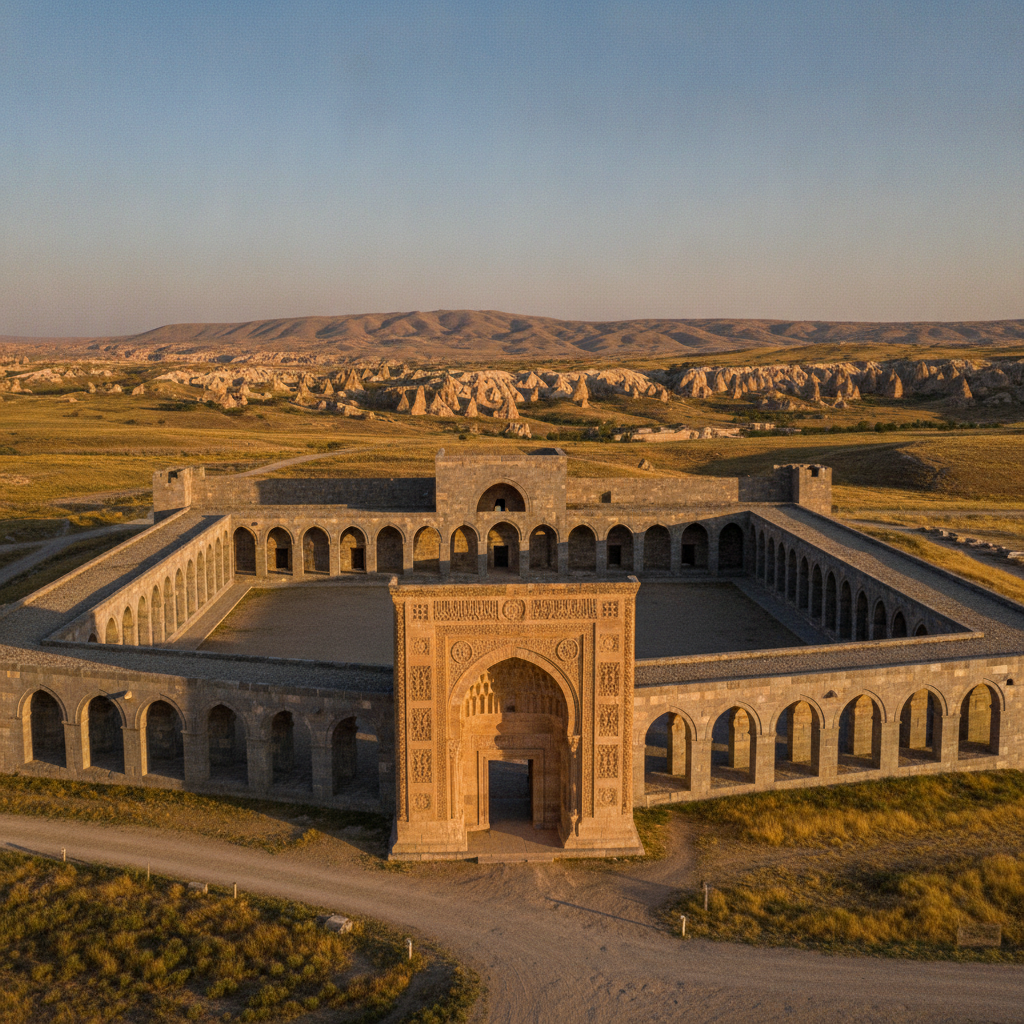
The Sultan Han caravanserai 40 kilometers west of Aksaray on the historic Silk Road route between Konya and Sivas, built by the Seljuk sultan Alaeddin Keykubad in 1229, is the largest and best-preserved Seljuk caravanserai in Turkey with the ornately carved portal, the covered hall where the caravans sheltered in winter, and the open courtyard with the central mescit mosque providing the complete facilities of the Silk Road staging post that the Seljuk government maintained at 40-kilometer intervals across the Anatolian plateau. The Sultan Han restoration provides the most complete picture of the Seljuk architectural achievement in Turkey.
- 4
Byzantine Cappadocia: The Peak Christian Period
The Byzantine period from the 4th to the 11th centuries was the most intensive period of cave church construction in Cappadocia, when the increasing Arab raids from the 7th century drove the Christian communities from the open countryside into the cave settlements and the underground cities that provided the most defensible refuge in the volcanic tuff landscape. The Byzantine church construction in Cappadocia reached its artistic peak in the 10th and 11th centuries under the patronage of the Cappadocian aristocracy before the Seljuk conquest of 1071 at Manzikert transformed the demographic and cultural character of the region.
- 5
Seljuk and Ottoman Transition: The Turkish Cappadocia
The Seljuk conquest of Cappadocia after the Battle of Manzikert in 1071 gradually replaced the Byzantine Christian population with the Turkish-speaking Muslim communities that the Ottoman period further consolidated, while the cave churches continued to be used in some cases by the remaining Christian communities until the population exchange of 1923 that removed the Greek Orthodox Cappadocians to Greece. The Cappadocia Greek Orthodox heritage - the cave churches, the town names, the wine tradition - is the legacy of the pre-1923 population that the Turkish state now presents as a universal historical heritage.
- 6
Anatolian Historical Layers: The Cappadocia Palimpsest
Cappadocia, where the geological landscape provided the raw material that every successive civilization carved and painted and inscribed in the tuff, is the most complete historical palimpsest in Turkey - the Hittite, the Phrygian, the Persian, the Hellenistic, the Roman, the Byzantine, the Seljuk, and the Ottoman layers all visible in the same carved rock that the volcanic eruptions of 9 million years ago deposited as the foundation material. The visitor who traces this sequence discovers in Cappadocia the most condensed history of Anatolia available in a single landscape.
Walk this route with audio
Stories play automatically as you reach each stop — no tapping needed.
More in Cappadocia
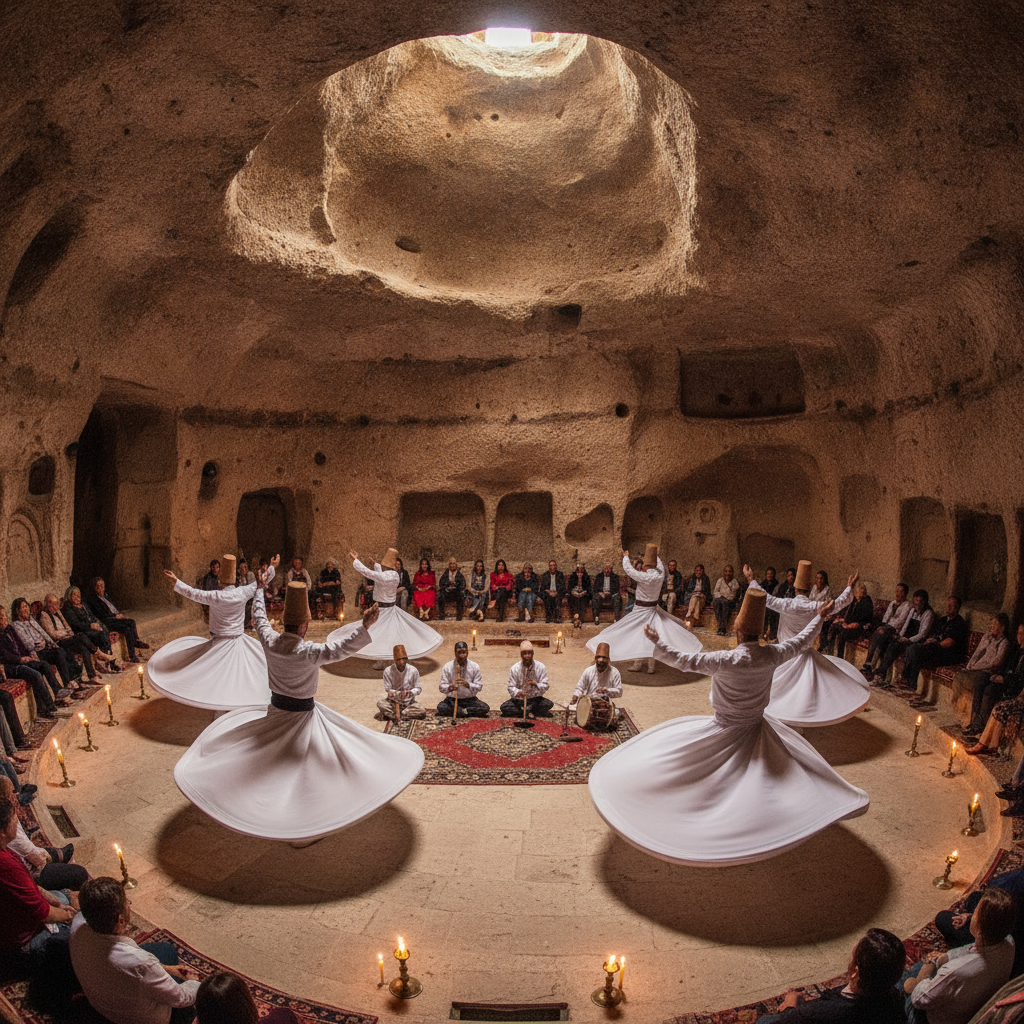
Cappadocia Culture and Departure: Turkish Night Folk Dancing, Cappadocia Pottery Workshop, Hamam Experience, Whirling Dervish Sema Ceremony, Konya Day Trip, and the Cappadocia Practical Departure Summary
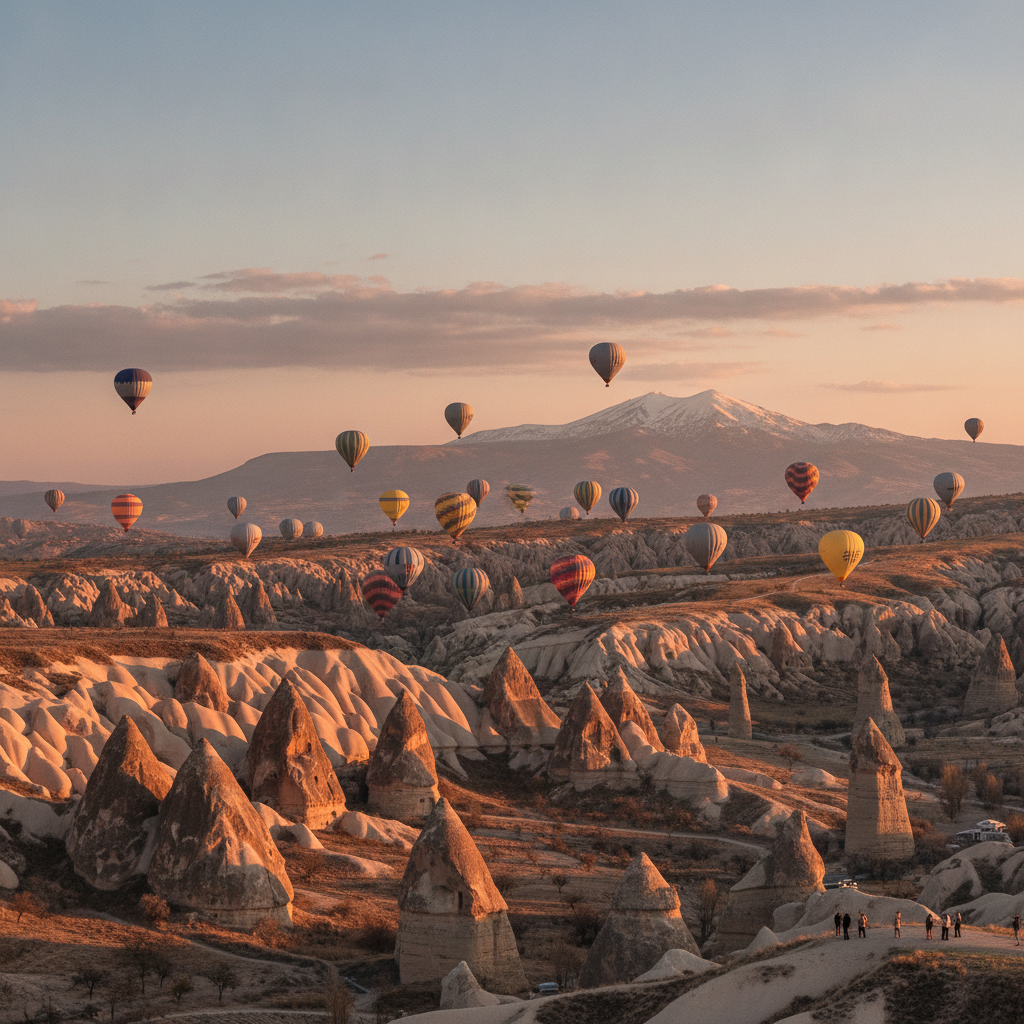
Cappadocia Essential: Hot Air Balloon at Sunrise over Goreme, Fairy Chimneys, Underground City of Derinkuyu, Cave Church Frescoes, Uchisar Castle Rock Fortress, and the Volcanic Landscape Origins
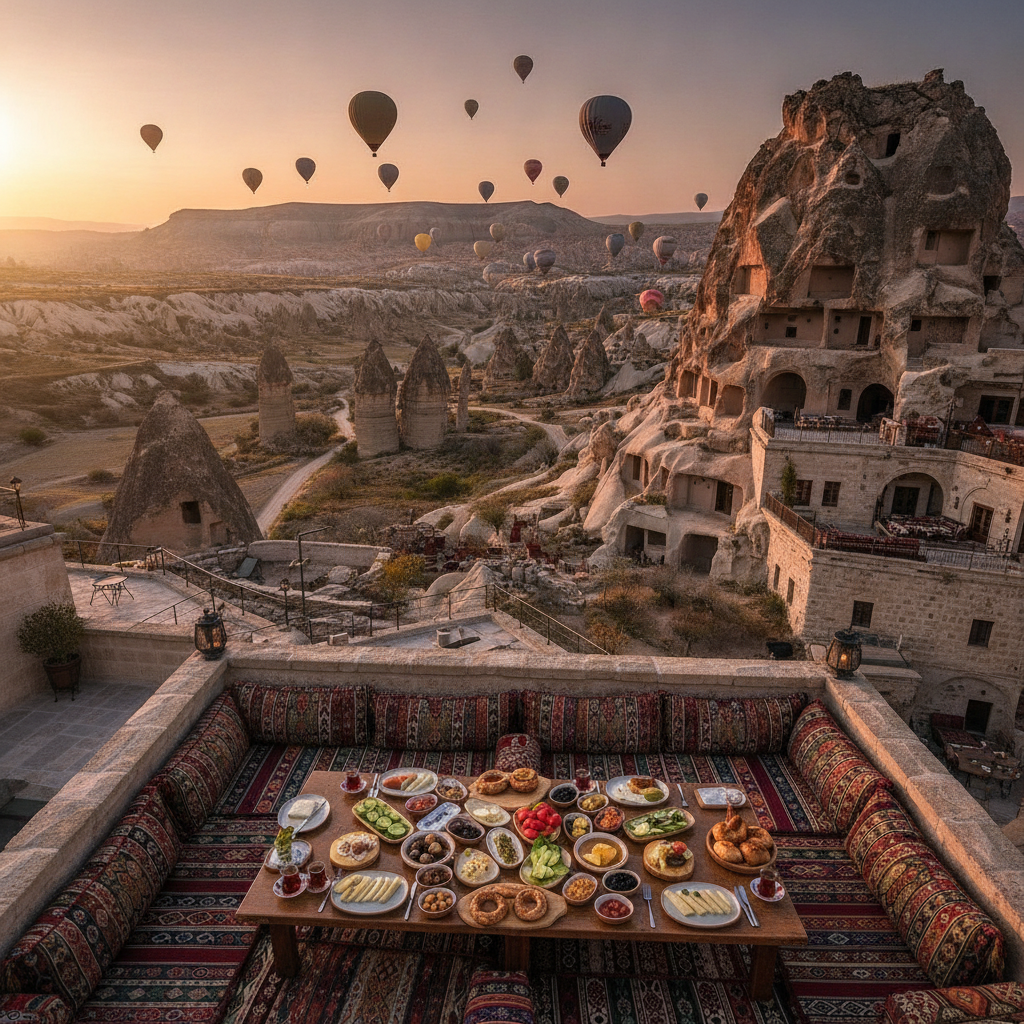
Cappadocia Cave Hotels: Underground Luxury at Goreme and Uchisar, Kayakapi Premium Cave Hotel at Urgup, Ortahisar Castle Village, the Cave Hotel Breakfast Terrace Experience, and Cappadocia Overnight Circuit
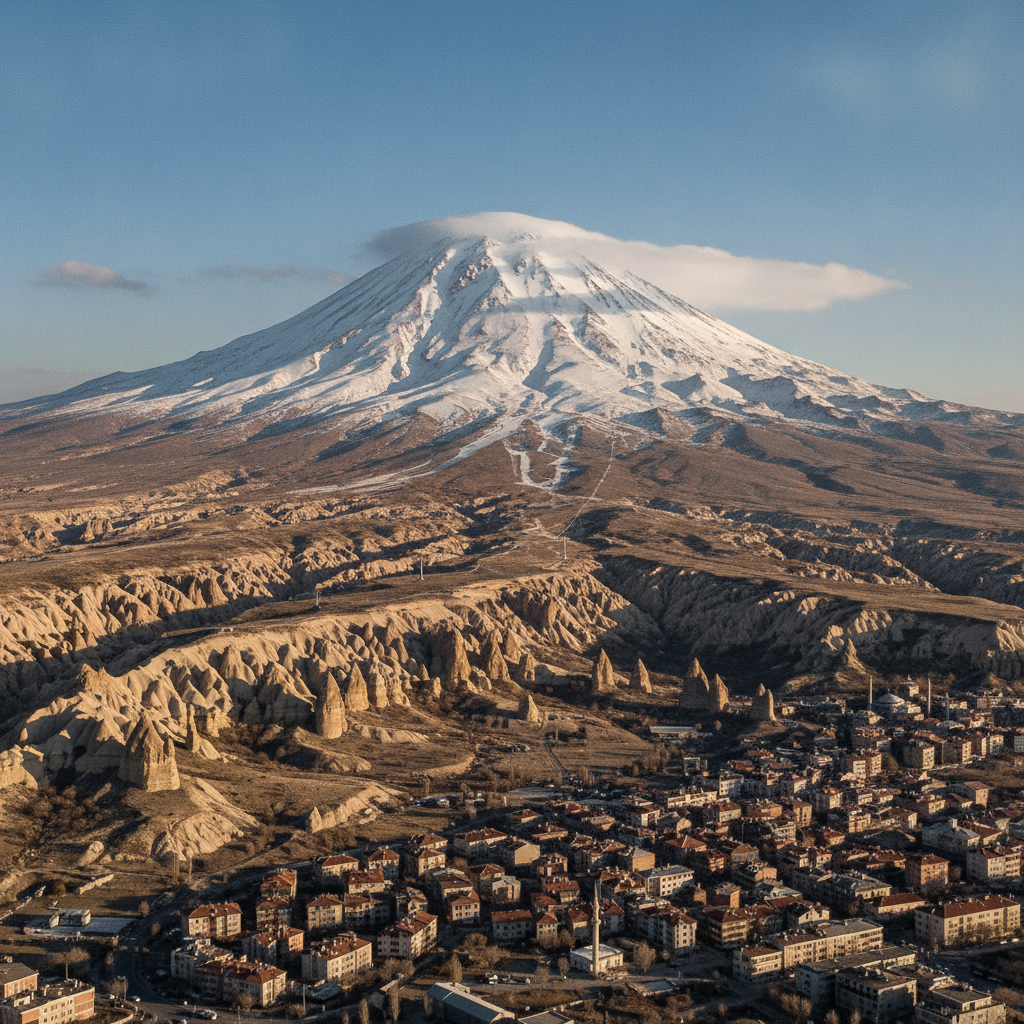
Kayseri and Erciyes: The Seljuk City, Erciyes Volcano Skiing Resort, Kultepe Assyrian Trading Colony, Kayseri Castle and Bazaar, Mount Erciyes Summit, and the Gateway City to Cappadocia
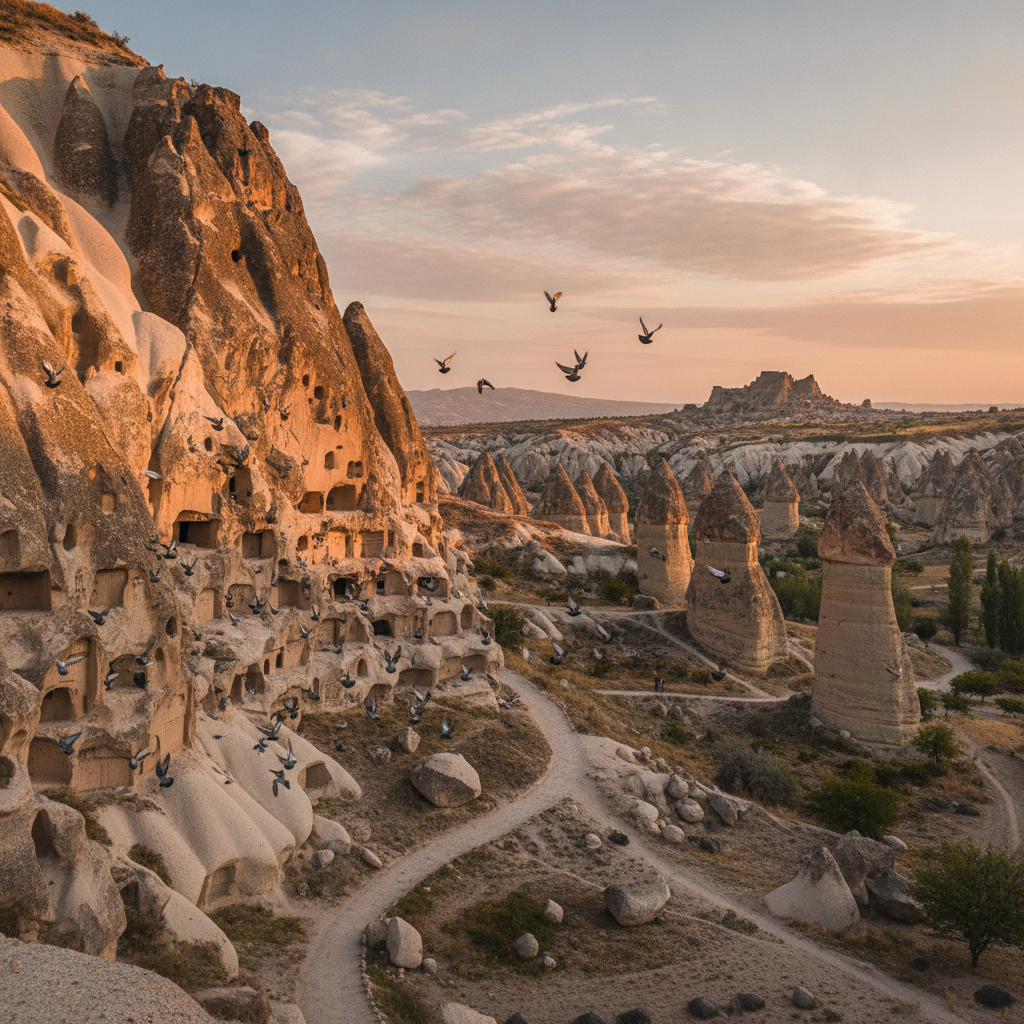
Cappadocia Villages and Valleys: Pigeon Valley Dovecotes, Horse Riding on the Plateau, Soganli Valley Byzantine Churches, Mustafapasa Greek Heritage Houses, and the Cappadocia Agricultural Life