Chichén Itzá, the Maya Pyramid & the Ancient Civilization of Yucatán
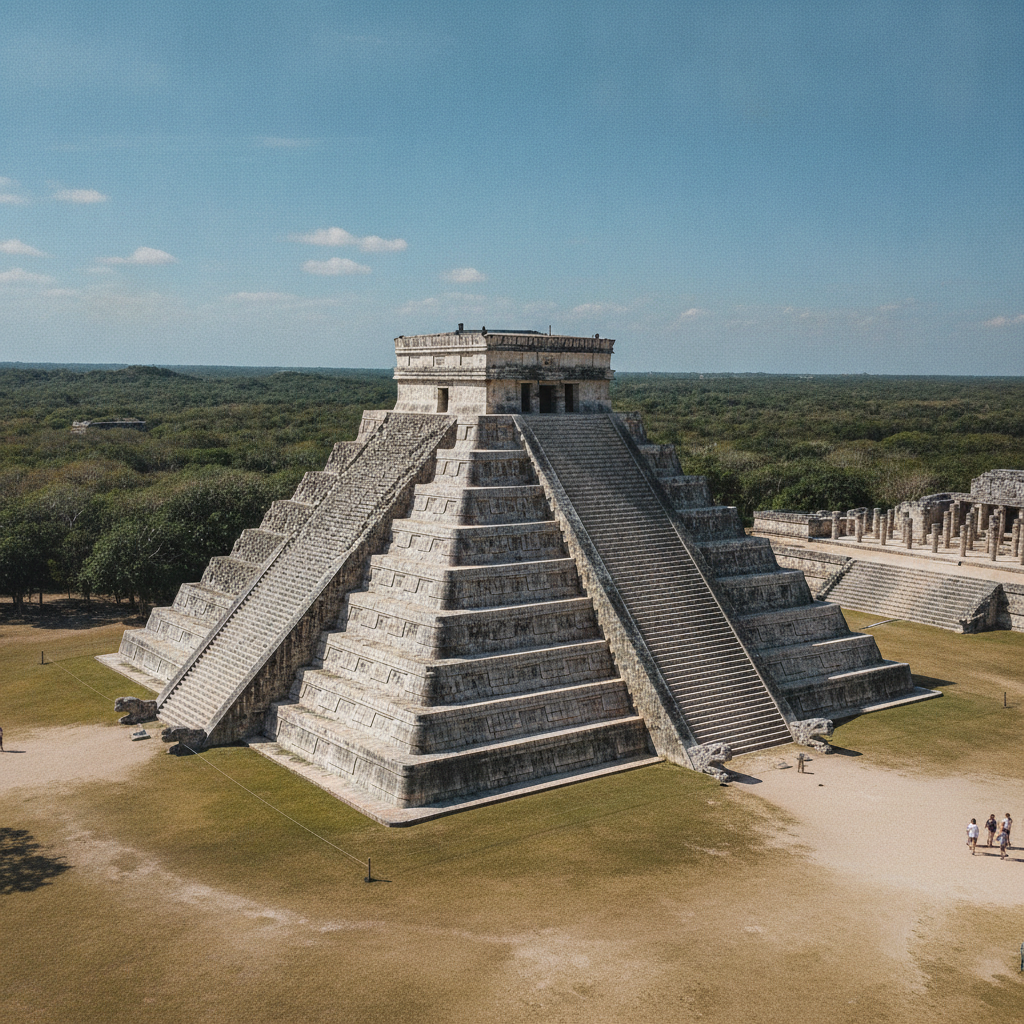
Chichén Itzá (the UNESCO World Heritage Site and New Seven Wonders of the World site in the interior of the Yucatán Peninsula, 180 km (112 miles) west of Cancún — 2.5 hours by bus or car): the El Castillo pyramid (the 'Pyramid of Kukulcán' — the most important Maya pyramid in Mexico and the most visited archaeological site in Mexico, with approximately 2.5-3 million visitors per year) and the other structures of the Chichén Itzá site together represent the most accessible and most spectacular Maya archaeological experience available from Cancún.
- 1
El Castillo — The Pyramid of Kukulcán
El Castillo (the 'Castle' — the Pyramid of Kukulcán, the approximately 24-metre (79-foot) high stepped pyramid at the heart of the Chichén Itzá archaeological site): the architecture (the El Castillo pyramid — a four-sided step pyramid, each side with a stairway (91 steps per stairway × 4 stairways = 364 steps + 1 step for the top platform = 365 steps total — corresponding to the 365 days of the Mayan solar calendar, the 'haab'): the serpent descent (the equinox phenomenon of El Castillo — the 'serpent of light' shadow effect that occurs on the northwest corner of the pyramid during the spring equinox (March 21) and autumn equinox (September 21), when the setting sun creates a series of triangular shadows on the balustrade of the north stairway that form the appearance of a feathered serpent (the Kukulcán — the Mayan equivalent of the Aztec Quetzalcóatl) descending the pyramid — the phenomenon that draws tens of thousands of visitors to Chichén Itzá for the equinox weekends): the astronomical orientation (the precise astronomical orientation of El Castillo to the cardinal points, the equinox sunrise and sunset, and the zenith passage of the sun (the moment when the sun passes directly overhead at noon on April 23 and August 19 at the latitude of Chichén Itzá) — the astronomical knowledge of the Maya that makes El Castillo one of the most precisely oriented buildings ever constructed): the UNESCO status (Chichén Itzá designated a UNESCO World Heritage Site in 1988 and named one of the New Seven Wonders of the World in the 2007 global internet vote, receiving 100 million votes).
- 2
The Great Ball Court & Maya Ritual
The Gran Juego de Pelota (the 'Great Ball Court' — the Mesoamerican ball court at Chichén Itzá, the largest ball court in Mesoamerica, 168 metres (551 feet) long and 70 metres (230 feet) wide): the ball game (the 'pok-a-tok' (the Mayan name for the Mesoamerican ball game) — the ritual ball game played throughout Mesoamerica for approximately 3,500 years (from approximately 1650 BCE to the Spanish Conquest): the game equipment (the solid rubber ball ('bul') approximately 20-30 cm (8-12 inches) in diameter and weighing approximately 2-4 kg (4-9 lbs), made from the latex of the rubber tree (Castilla elastica) — the oldest known rubber product in the world, the rubber ball that gave the rubber tree (Hevea brasiliensis) its commercial value to the European colonists): the court (the I-shaped Chichén Itzá ball court — the two parallel stone walls 8 metres (26 feet) high with the ring (the stone ring on the wall through which the ball had to pass without the use of hands or feet, only hips, knees, and elbows) mounted vertically (at right angles to the wall, at a height of 8 metres / 26 feet) on each side wall): the acoustic phenomenon (the acoustics of the Great Ball Court at Chichén Itzá — the extraordinary acoustic properties that allow a person standing at one end of the 168-metre court to hear a whisper from the other end, the sound reflected perfectly from the parallel stone walls): the carved reliefs (the carved stone reliefs on the lower walls of the ball court — the panels depicting the ritual of the ball game, including the decapitation of the losing (or winning) team's captain, the offering of the blood to the gods, and the Feathered Serpent (Kukulcán) consuming the blood).
- 3
Tulum — Cliff-Top Maya Ruins Above the Caribbean
Tulum (the Zona Arqueológica de Tulum — the Late Post-Classic Maya walled city on the cliff above the Caribbean Sea, 130 km (81 miles) south of Cancún, accessible by ADO bus (2 hours) or by car (1.5 hours on the Cancún-Chetumal highway)): the site (the Tulum archaeological site — a walled Maya city of the Late Post-Classic period (approximately 1200-1550 CE), occupied at the time of the Spanish arrival in the Yucatán (Hernández de Córdoba expedition, 1517) and the most visited Maya site in Mexico by volume (approximately 3.5-4 million visitors per year) due to its extraordinary location on the cliff above the turquoise Caribbean): the El Castillo Tulum (the 'Castle of Tulum' — the main temple of the Tulum site, built on the highest point of the clifftop above the Caribbean Sea, the building whose silhouette against the blue Caribbean sky is the most photographed image in Tulum): the beach (the Playa Tulum — the white sand beach below the Tulum cliff, with the turquoise Caribbean water and the Maya ruins visible on the cliff above — the most photogenic beach-and-ruins combination in Mexico): the cenotes (the 'Gran Cenote' and the 'Dos Ojos' cenote — the famous cenotes (the natural sinkholes in the limestone karst of the Yucatán Peninsula, filled with the crystal-clear fresh water that percolates through the karst from rainfall) accessible on the road between the Tulum ruins and the Tulum beach, the most popular snorkelling and diving sites in the Yucatán).
- 4
Playa del Carmen & the Riviera Maya
The Riviera Maya (the 'Mayan Riviera' — the stretch of Caribbean coastline south of Cancún, from Puerto Morelos (30 km / 19 miles south of Cancún) to Tulum (130 km / 81 miles south of Cancún), the coastline that has been developed as the alternative to the Cancún Hotel Zone for visitors seeking a more boutique and less mass-market Caribbean experience): Playa del Carmen (the city 68 km (42 miles) south of Cancún, the main urban centre of the Riviera Maya — the city that grew from a small fishing village (population approximately 1,500 in 1990) to a city of approximately 250,000 inhabitants in 2020, driven by the growth of the Riviera Maya tourism industry): the Quinta Avenida (the 'Fifth Avenue' — the 5-kilometre (3-mile) pedestrianized commercial street of Playa del Carmen, lined with the boutique shops, the international restaurants, the rooftop bars, and the open-air nightclubs that give Playa del Carmen its bohemian European character (the large European (particularly Italian, French, and German) expatriate population that has given Playa del Carmen the cosmopolitan atmosphere that distinguishes it from the American-resort atmosphere of the Cancún Hotel Zone)): the ferry to Cozumel (the Ultramar or Winjet ferry from the Playa del Carmen ferry terminal to Cozumel Island (21 km / 13 miles offshore) — the 45-minute crossing to the island that is considered one of the finest scuba diving destinations in the world (the Palancar Reef — the section of the Mesoamerican Barrier Reef off Cozumel's southwestern coast, with the extraordinary underwater visibility (often exceeding 60 metres / 197 feet) and the drift diving on the currents of the Cozumel Channel)).
- 5
Cenotes — The Sacred Sinkholes of the Yucatán
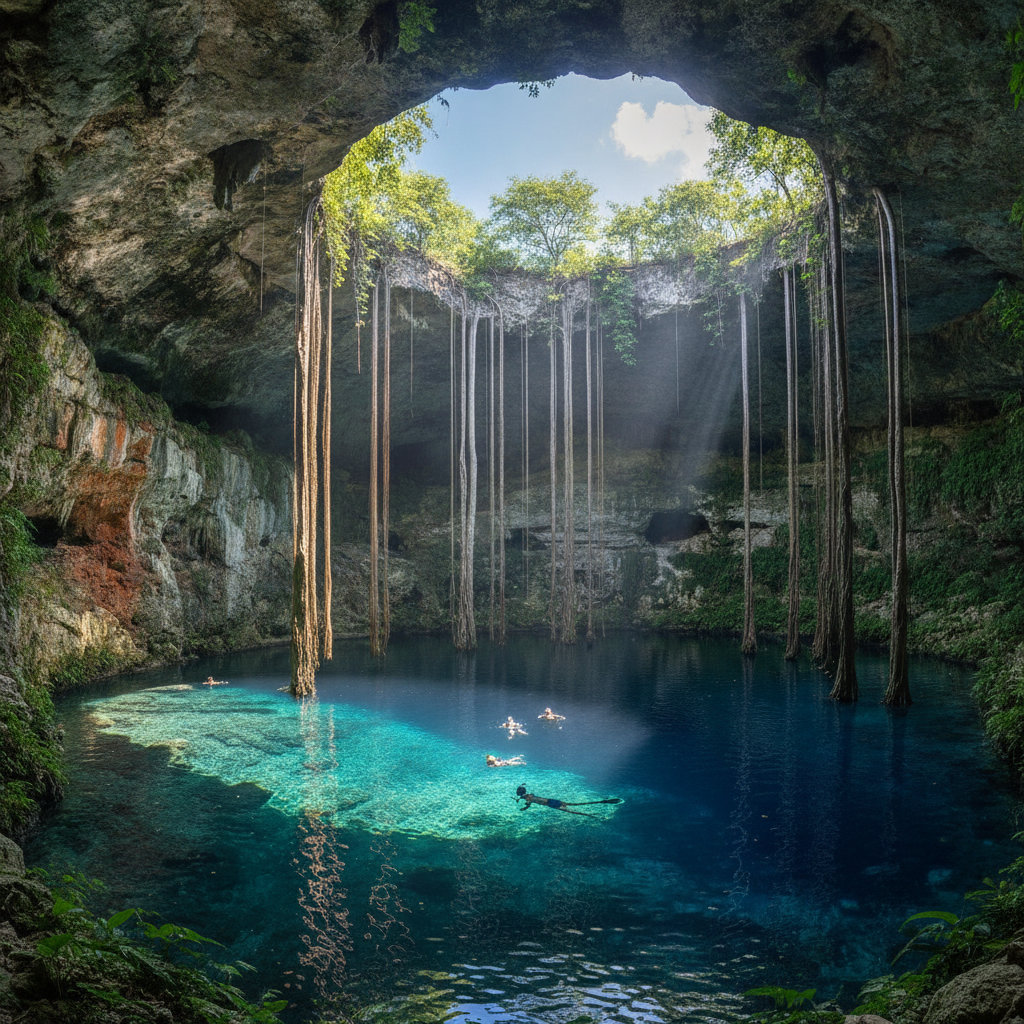
Cenotes (the 'ts'onot' in Mayan — the natural sinkholes in the limestone karst of the Yucatán Peninsula, formed when the roof of an underground river cave collapses, exposing the cave system to the surface): the Yucatán cenote system (the Yucatán Peninsula has no surface rivers — all the freshwater drainage is underground, through the karst system of caves and underground rivers that underlie the entire peninsula: the Sistema Sac Actun (the 'Sistema Sac Actun' — the world's longest known underwater cave system (364 km / 226 miles of mapped passages as of 2022), running beneath the Yucatán coastline between Tulum and Chemuyil, connected to the Sistema Dos Ojos and several other cave systems in the largest interconnected underwater cave network in the world)): the Cenote Ik Kil (the most famous cenote near Chichén Itzá — the circular open cenote (the 'pit' cenote type) 26 metres (85 feet) in diameter and 40 metres (131 feet) deep, with the hanging roots of the tropical trees cascading down the limestone walls into the turquoise water below, the cenote located 3 km (2 miles) from the Chichén Itzá entrance gate): the Maya sacred use (the use of cenotes in Maya religious practice — the cenotes were the primary source of freshwater on the Yucatán Peninsula and were therefore considered sacred (the 'ch'e'en' — the 'well' in Mayan, a term also used for the cave that contains a cenote), the entrance to the underworld ('Xibalba') and the home of the rain god Chaac): the Cenote Sagrado (the 'Sacred Cenote' at Chichén Itzá — the large natural cenote into which the Maya threw offerings (jade objects, gold, pottery, incense, and human sacrificial victims) to propitiate the rain god Chaac, the cenote excavated by the American explorer Edward Thompson in the early 20th century (Thompson purchased the Chichén Itzá hacienda for $500 in 1894 and dredged the Sacred Cenote between 1904 and 1910, recovering thousands of Maya artefacts that are now divided between the Peabody Museum of Harvard University and the Museo Nacional de Antropología in Mexico City)).
- 6
Mexican Cuisine — Yucatecan Food & Cancún's Restaurants
Yucatecan cuisine (the regional cuisine of the Yucatán Peninsula — one of the most distinctive and most historically rooted regional cuisines in Mexico, reflecting the unique cultural heritage of the Maya Yucatecan people and the Spanish colonial period, with very limited influence from the Central Mexican (Aztec) cuisine that dominates most of Mexico outside the peninsula): the cochinita pibil (the 'roasted baby pig' — the most important dish of Yucatecan cuisine, the slow-roasted pork dish marinated in 'achiote' (the annatto seed paste that gives the dish its characteristic reddish-orange colour) and 'sour orange juice' (the juice of the naranja agria — the bitter Seville orange (Citrus aurantium) that is the defining flavouring of Yucatecan cooking), wrapped in banana leaves and cooked underground in the 'pib' (the underground clay oven) for 8-12 hours until the meat falls apart): the sopa de lima (the 'lime soup' — the light chicken broth seasoned with the juice of the 'lima' (the Key lime — Citrus aurantifolia — the small, thin-skinned, intensely aromatic lime that is the defining flavouring of Yucatecan cooking), garnished with the crispy fried tortilla strips (the 'totopos') and served with the half of a charred lime): the papadzules (the 'tortillas for the lords' — the rolled tortillas filled with hard-boiled egg and bathed in the pumpkin seed sauce (the 'pipián verde') and the tomato and habanero sauce (the two sauces served in alternating spoonfuls over the tortilla rolls) — one of the most ancient dishes of Yucatecan pre-Columbian cuisine): the habanero pepper (the 'chile habanero' — the world's most widely grown super-hot pepper variety (the Capsicum chinense 'Habanero' — the pepper of the 'Orange Habanero' variety that is the most important ingredient in the Yucatecan chile sauce culture, with a Scoville heat unit range of 100,000-350,000 SHU).
Walk this route with audio
Stories play automatically as you reach each stop — no tapping needed.
More in cancun
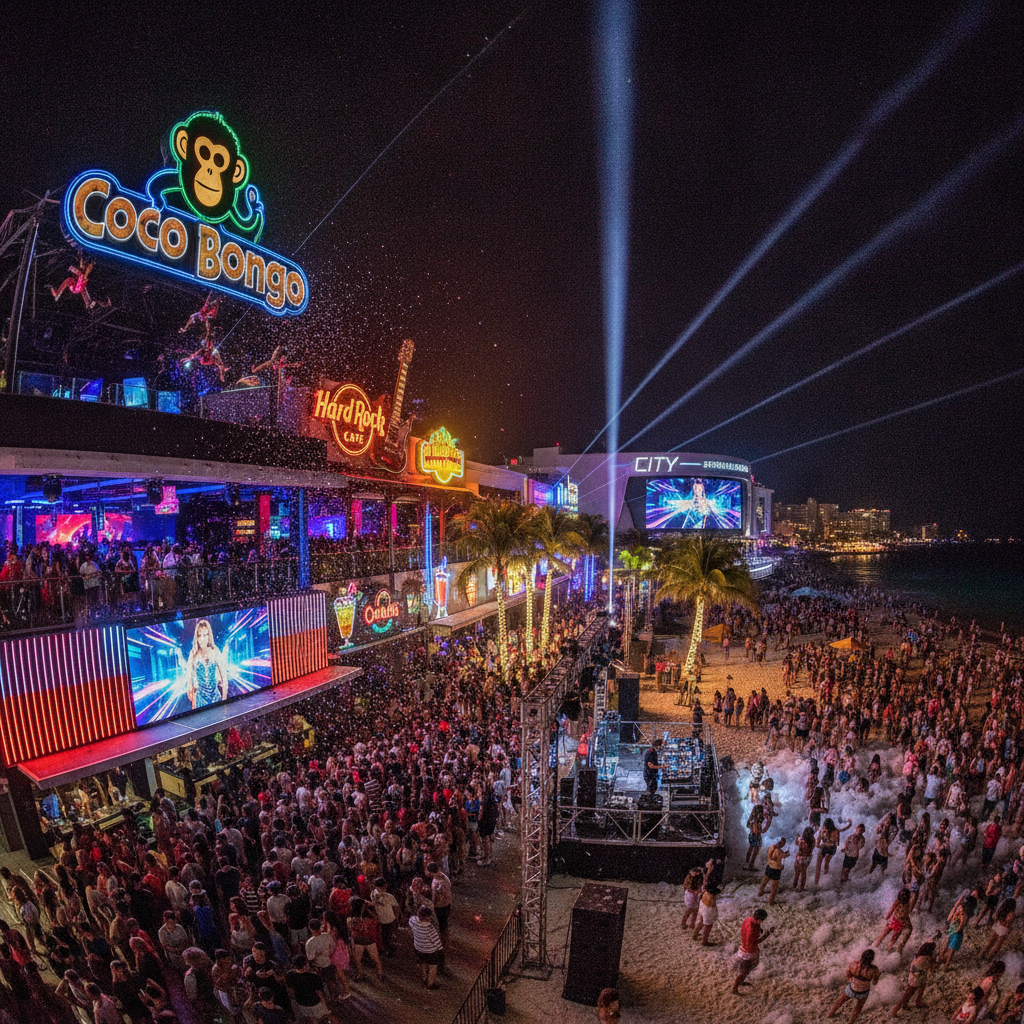
Cancún Spring Break, Music Festivals & Beach Party Culture
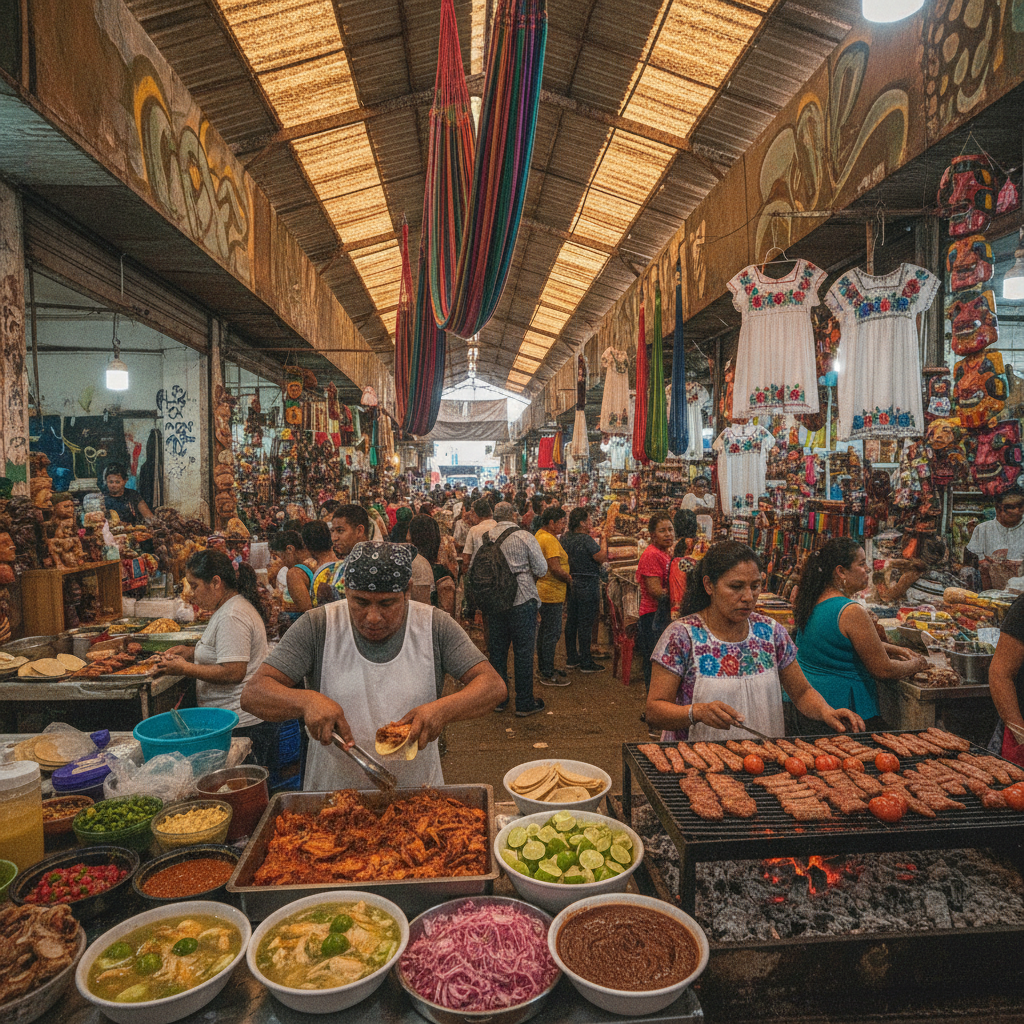
Downtown Cancún, Mexican Street Food & Local Life
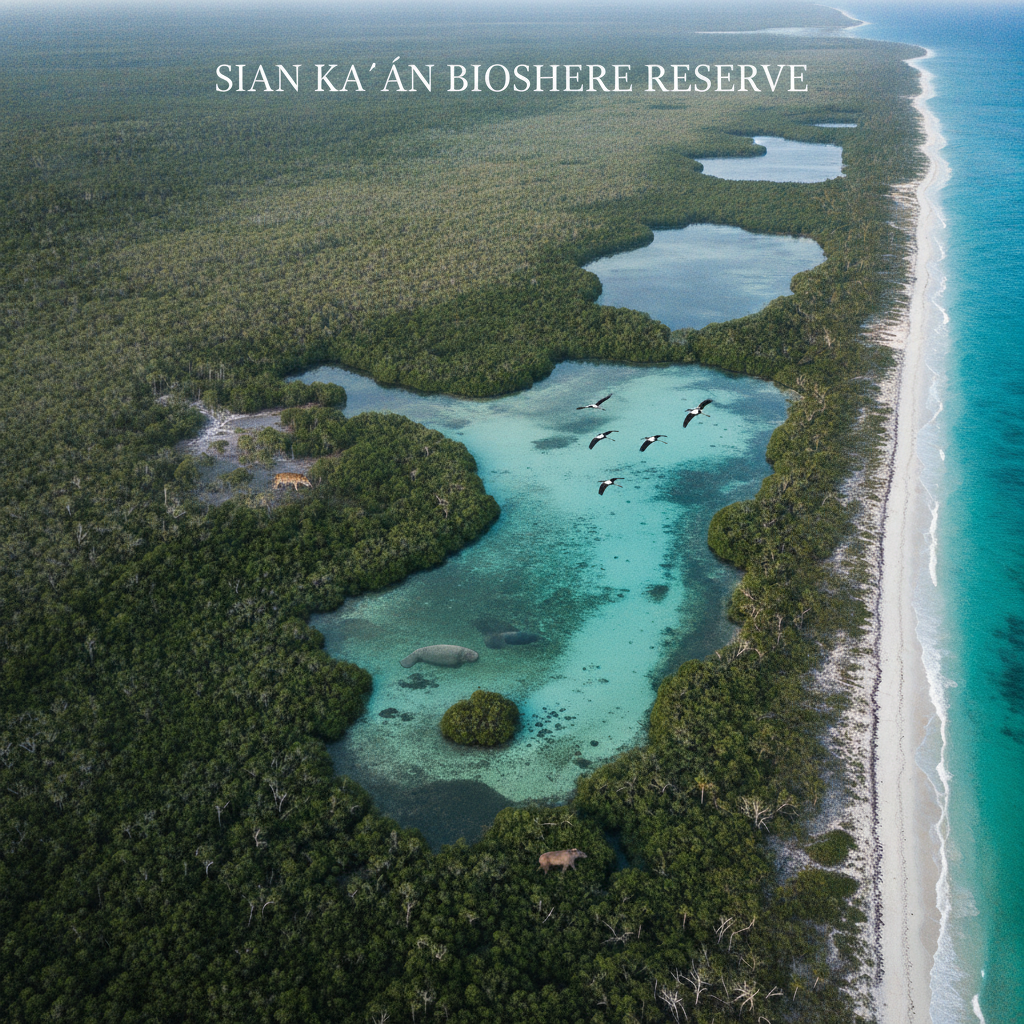
Sian Ka'an Biosphere Reserve & Mayan Jungle Wilderness
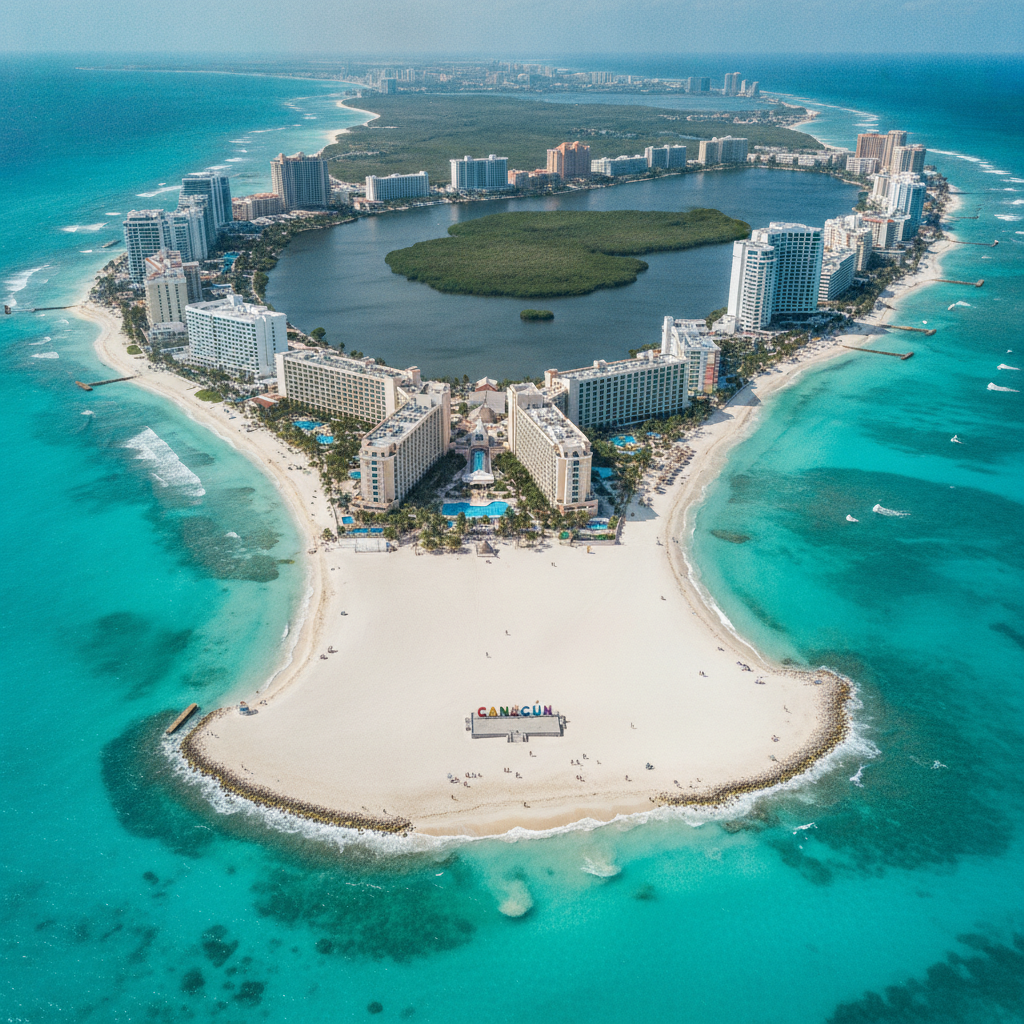
Cancún's Hotel Zone, Caribbean Beaches & Turquoise Waters
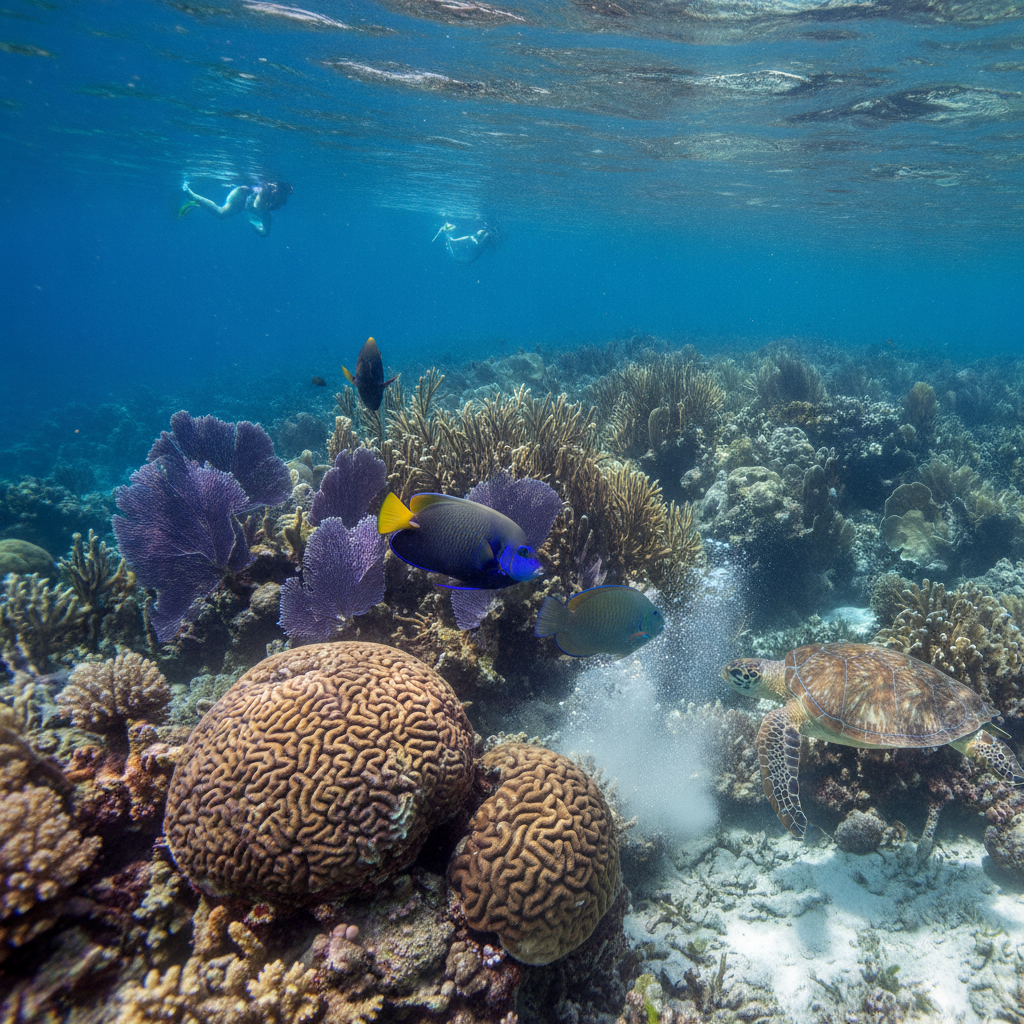
The Mesoamerican Reef, Snorkelling & Cancún's Marine World