Cameron Highlands Cactus & Flower Garden Walk
Explore Cameron Highlands' flower and garden culture — the cool highland temperatures that allow temperate-climate flowers to thrive have produced a cut flower industry supplying florists throughout Malaysia and Singapore, alongside the cactus farms, rose gardens, and butterfly parks that cater to the highland tourism industry.
- 1
Cactus Valley Farm
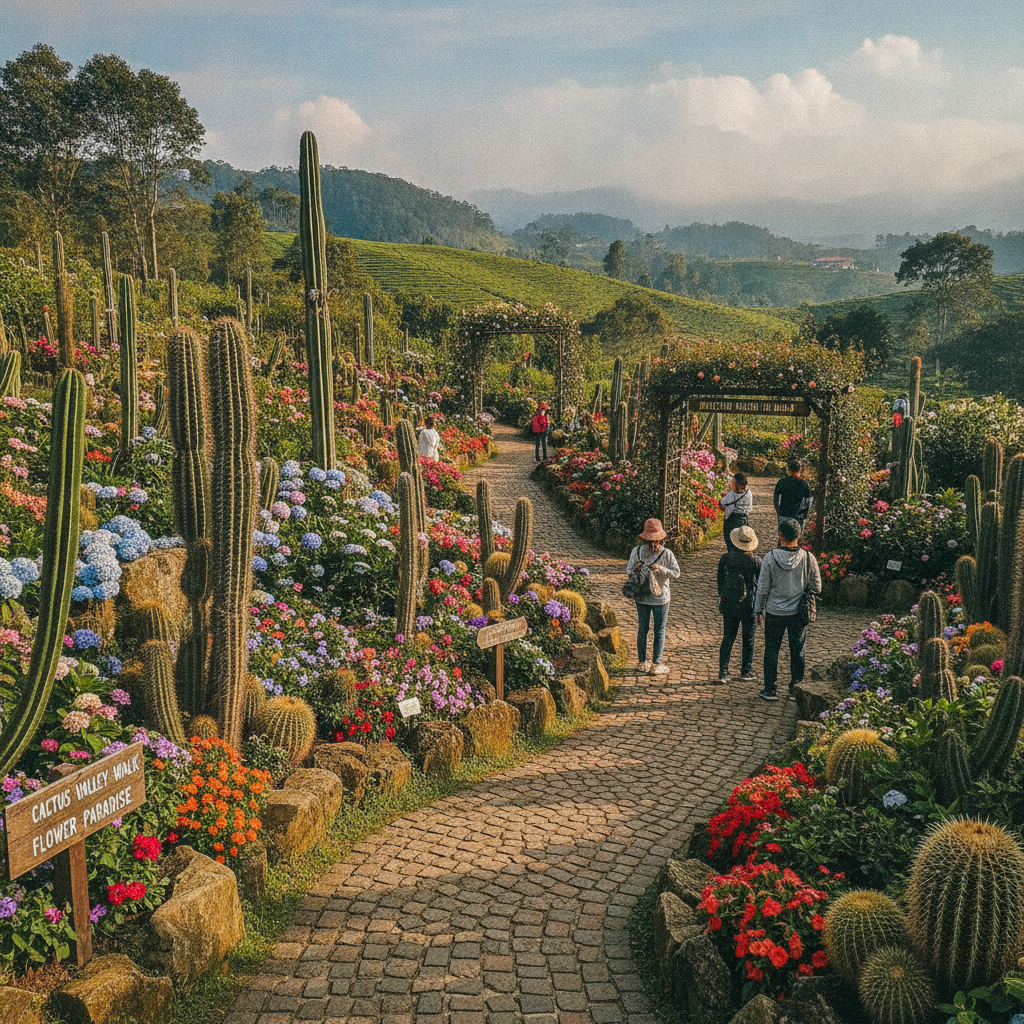
The cactus farms of Cameron Highlands grow over 100 species of cacti and succulents in the cool highland air — the cactus farms that have become one of the unexpected tourist attractions of the highlands take advantage of the well-drained soils and the cool, dry conditions of the highland evenings to grow species from the Sonoran Desert and the Andes that are otherwise difficult to cultivate in the humid tropical lowlands. The cactus collections, including columnar cacti, barrel cacti, and the flowering epiphytic cacti that produce spectacular blooms, create a garden atmosphere very different from the surrounding tea and vegetable agricultural landscape.
- 2
Rose Garden Cameron Highlands
The highland rose gardens of Cameron Highlands grow varieties of Rosa that require cool temperatures to produce their best blooms — the English hybrid tea roses, the David Austin varieties, and the climbing roses that cover the trellises of the highland gardens produce flowers of a size and fragrance that would be impossible to achieve in the lowland tropics. The rose gardens, attached to several of the highland resorts and maintained as both ornamental gardens and cut flower production facilities, are at their best from November to February when the northeast monsoon brings mist and cool temperatures to the highlands.
- 3
Lavender Garden
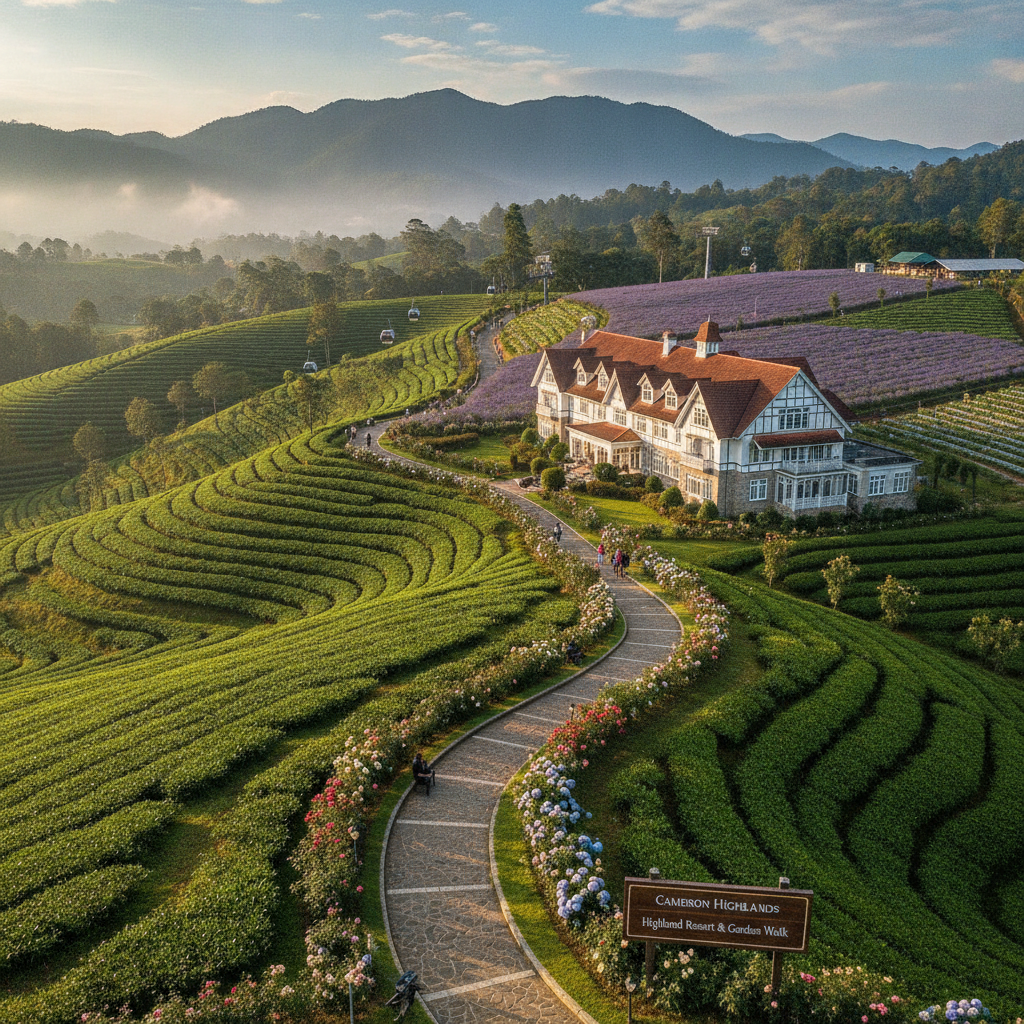
The lavender gardens that have been established in Cameron Highlands are among the few places in Southeast Asia where Mediterranean lavender can be grown successfully — the lavender fields in the highland valley near Tanah Rata produce the fragrant herbs that supply the souvenir shops of the highlands with lavender sachets, dried flower arrangements, and the lavender-infused products (soap, honey, tea) that have become signature Cameron Highlands souvenirs. The sight of the purple lavender fields against the green backdrop of the tea plantations and highland forest creates one of the most photographed landscape juxtapositions in the highlands.
- 4
Highland Cut Flower Farms
Cameron Highlands is Malaysia's most important cut flower production area — the chrysanthemums, carnations, gladioli, gerbera daisies, and anthuriums grown in the highland polytunnel greenhouses supply florists in Kuala Lumpur, Penang, and Singapore with fresh cut flowers year-round. The flower farms visible from the main highland road, with their rows of polytunnels covering the hillside fields, represent a significant horticultural industry that developed from the hobby flower gardens of the early colonial settlers into a commercially important agricultural sector supplying the Malaysian flower market.
- 5
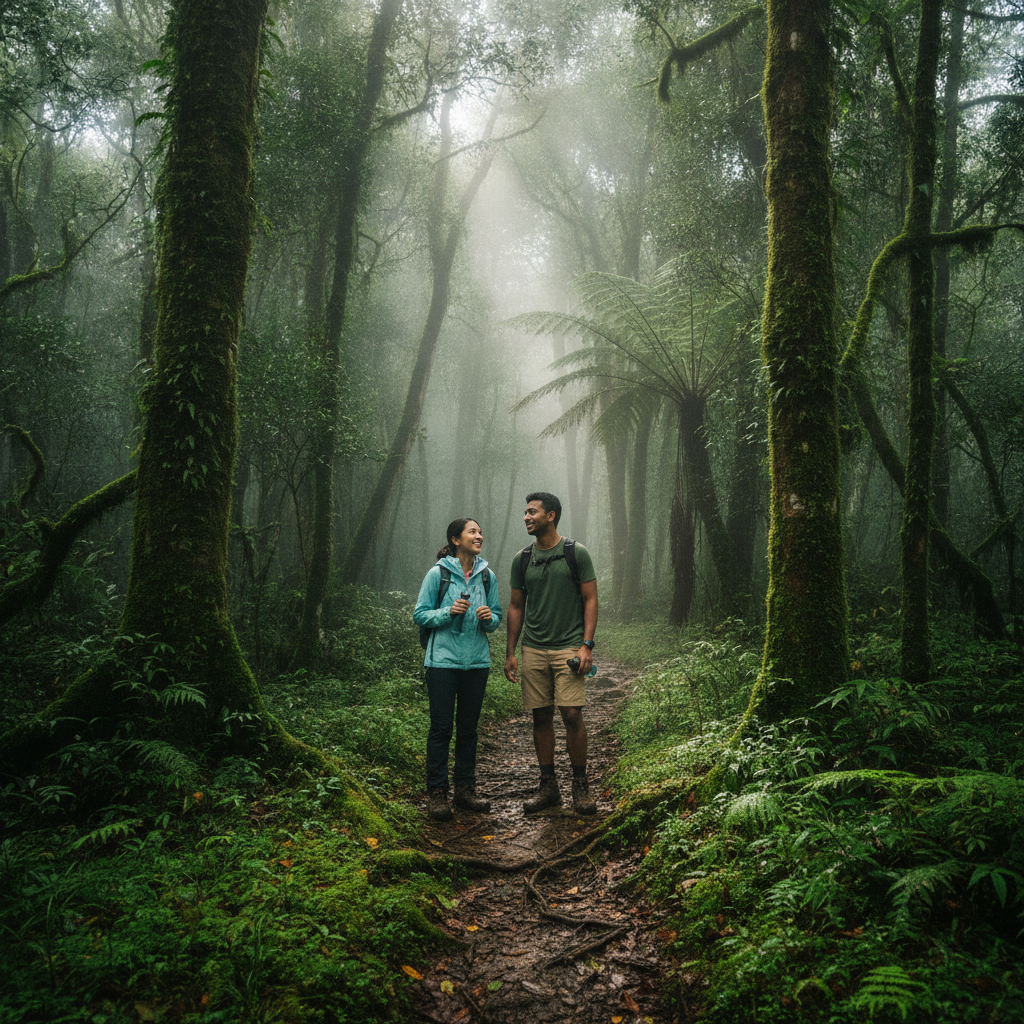
Mossy Forest Orchid Trail
The montane forest of Cameron Highlands supports an extraordinary diversity of wild orchids — the cloud forest environment with its persistent mist, high humidity, and cool temperatures provides ideal conditions for the epiphytic and terrestrial orchids that grow on the mossy tree branches and in the leaf litter of the highland forest. The orchid diversity of the Cameron Highlands forest (over 800 species of orchid have been recorded in Peninsular Malaysia, with the highlands supporting a significant proportion of these) makes the Brinchang mossy forest trail the best location for observing wild orchids in the Malaysian highlands.
- 6
Ee Feng Gu Honey Bee Farm
The Ee Feng Gu Honey Bee Farm is one of the largest honey production facilities in the Cameron Highlands — the farm established by a local Chinese family in the 1990s has grown from a small backyard beekeeping operation into a major honey production and tourism facility with demonstration hives, honey processing equipment, and a retail centre selling highland honey, propolis, royal jelly, and beeswax products. The farm's guided tours demonstrate the lifecycle of the honey bee colony, the extraction process, and the quality testing that distinguishes the highland wildflower honeys by their distinct flavour profiles from different flower sources.
Walk this route with audio
Stories play automatically as you reach each stop — no tapping needed.