Cali: The Salsa Capital of the World and the Cauca Valley City
Cali, the third-largest city in Colombia with approximately 2.4 million people, sits in the Cauca Valley at 995 meters altitude, giving it a consistently warm climate that has shaped both its agricultural economy and its reputation as the city where Colombians go to enjoy life. The city is unambiguously the world capital of salsa dancing, having developed its own distinct style called Cali-style salsa over the 1960s and 1970s from Cuban son and mambo influences brought by the Pacific coast Caribbean musical currents that flowed through the port city of Buenaventura to the west. The Feria de Cali, the New Year festival held from December 25 to 30 each year, is one of the most intense salsa festival experiences in the world. The Cauca Valley that surrounds the city has been the most productive agricultural zone in Colombia for sugar cane, which has made the region both wealthy and deeply marked by the history of African slavery and subsequent Afro-Colombian culture.
- 1
Cali-Style Salsa: The Footwork That Defines the City
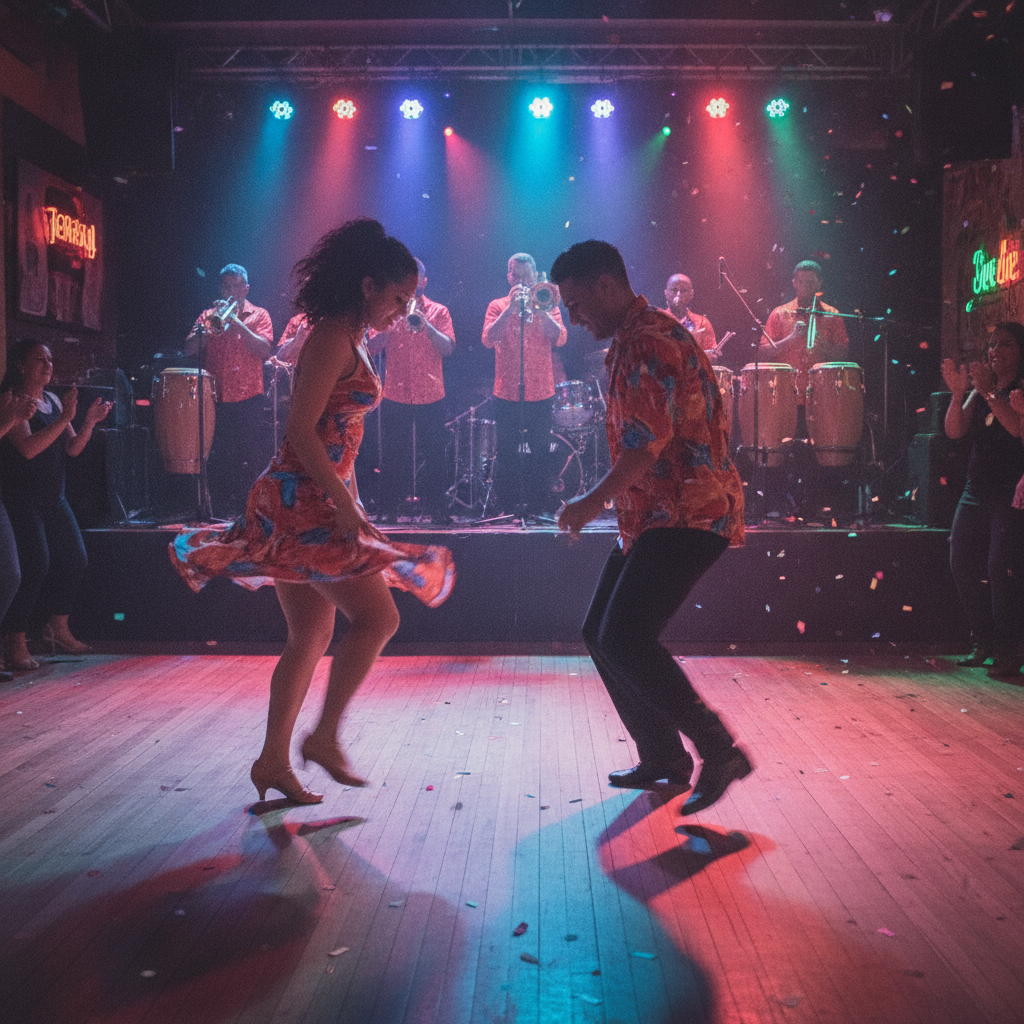
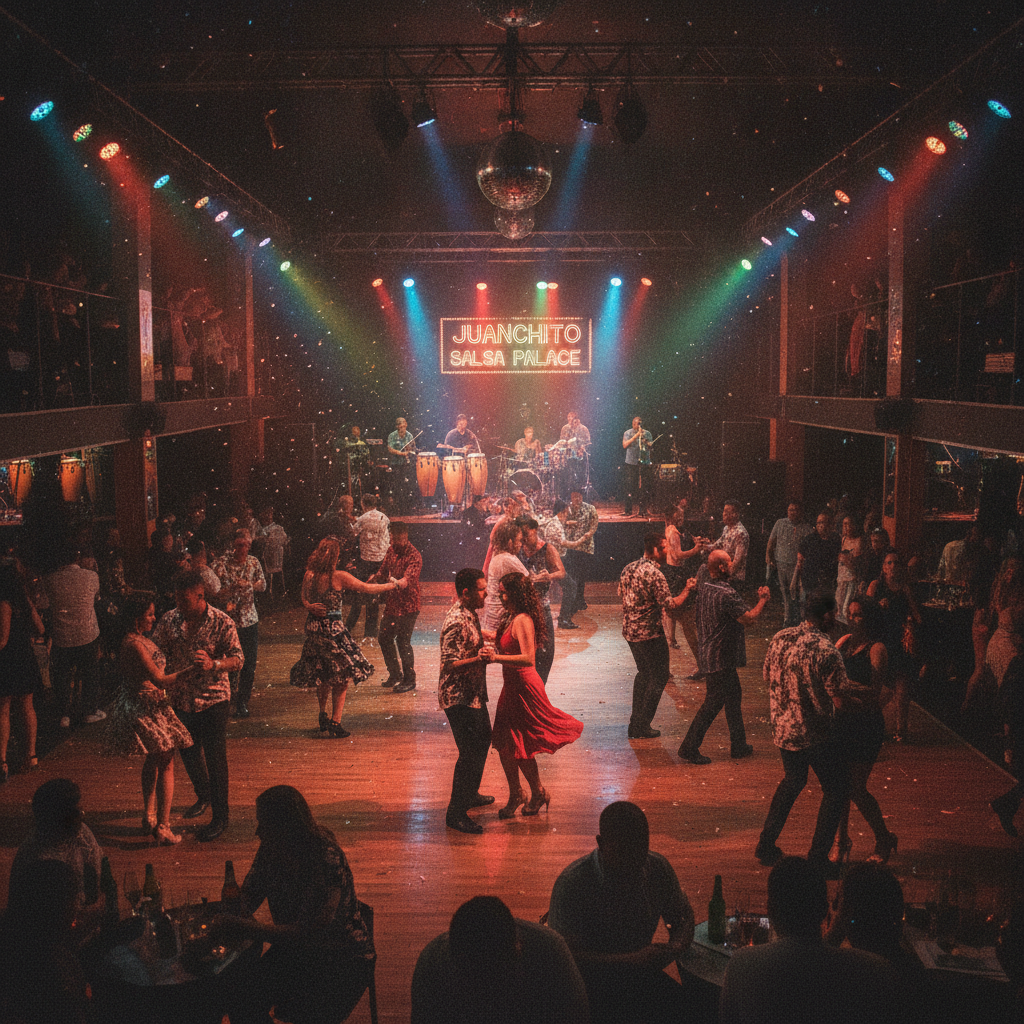
Cali-style salsa, the distinctive form of salsa dancing developed in Cali from the 1960s onward, is distinguished from other salsa styles primarily by its emphasis on rapid, intricate footwork performed close to the ground, the partners dancing in a tighter hold and with less upper body movement than New York or Miami styles, and a characteristic back-and-forth rocking motion on the beat that gives the style its visual identity. The style developed when Cuban son and mambo records arrived in Cali via the Pacific coast port connection to the Caribbean, and local dancers adapted the music to their own physical and aesthetic preferences, creating a form that Caleños consider more elegant, precise, and musically sophisticated than the shows-off shoulder rolls of other styles. The Cali salsa school system, operating in dozens of academies throughout the city, is one of the most developed salsa education infrastructures in the world; many international salsa students travel specifically to Cali for intensive instruction. The Salsotecas of the Granada neighborhood and the Juanchito entertainment zone outside the city are the primary venues for authentic Cali salsa dancing, with live bands and DJs playing the classic salsa dura and boogaloo recordings that the style favors alongside contemporary productions.
- 2
The Feria de Cali: Five Days of Salsa at New Year
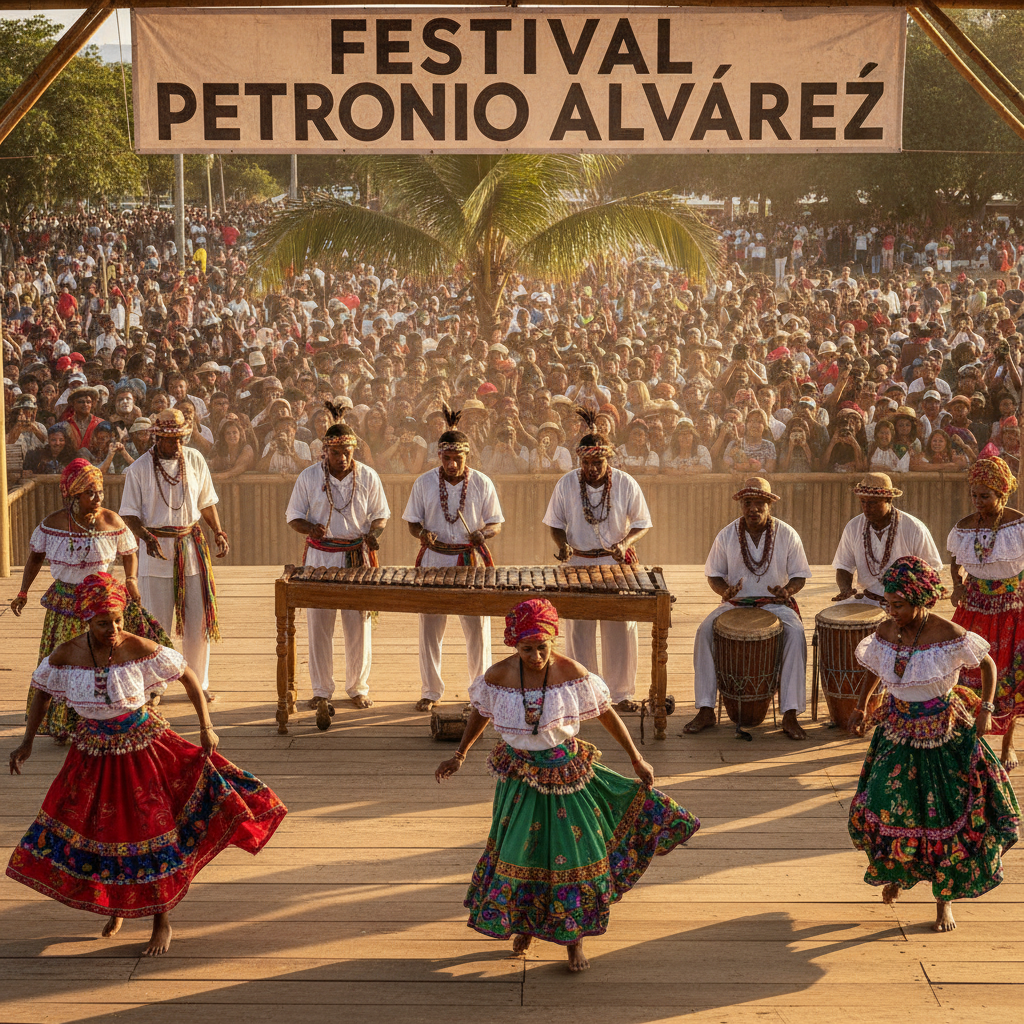
The Feria de Cali, held from December 25 to 30 each year, is the largest annual event in the Colombian south and one of the most intense salsa and cultural festivals in Latin America, drawing over two million visitors for a week of salsa shows, cattle exhibitions, bullfighting in the Plaza de Toros, concerts, and the street party culture that makes Cali evenings during the Feria unlike anywhere else in the world. The Salsódromo parade, held on the opening day of the Feria along the Avenida Colombia, is the salsa equivalent of the Oruro Carnival procession: hundreds of costumed salsa school groups perform synchronized routines as they move through the parade route, watched by tens of thousands of spectators. The Feria concentrates the best salsa orchestras and DJs from Cali, Colombia, Puerto Rico, New York, and internationally for concerts in multiple venues simultaneously; the choice of where to spend each evening requires research into the lineups. The Petronio Alvarez Pacific Music Festival, held separately in August each year, celebrates the African-influenced music of the Colombian Pacific coast including marimba, currulao, and chirimia, and has grown into one of the most significant Afro-Colombian cultural events in the country.
- 3
San Antonio Hill: Colonial Cali and the Historic Neighborhoods
The San Antonio hill neighborhood in the central-western section of Cali is the oldest and most architecturally preserved section of the city, with a concentration of colonial-era and early Republican buildings, cobblestone streets, and the whitewashed Ermita chapel at the hilltop that offers the most photographed view over the Cauca Valley. The neighborhood has been gentrified into a bohemian arts and café district while retaining its historic character, with independent galleries, coffee shops in colonial buildings, and weekend crafts markets drawing visitors from across the city. The Barrio Granada, north of the historic center, is the primary upscale restaurant and bar neighborhood of Cali, with the highest concentration of salsotecas, cocktail bars, and restaurants frequented by the Cali professional class and international visitors. The historic city center around the Plaza Caycedo contains the main cathedral, the colonial government buildings, and the commercial district, which is a working urban center rather than a primarily tourist-oriented zone. The Barrio El Peñón adjacent to the Pance River in the south is another restored historic neighborhood with independent businesses and a creative community.
- 4
The Cauca Valley Sugar Industry: Wealth, Slavery, and Afro-Colombian Heritage
The Cauca Valley, the flat agricultural valley extending north and south of Cali between the western and central Andes ranges, has been the most productive sugar-producing region in Colombia for over a century, with the large ingenios, sugar mills, dominating the landscape and the regional economy. The sugar economy was built on the labor of enslaved Africans brought to the valley by Spanish colonial landowners from the 16th century onward, and the Afro-Colombian population descended from these enslaved workers constitutes the majority of the population in several municipalities of the valley floor. The city of Palmira, Candelaria, and the corregimientos along the Cauca River have Afro-Colombian communities whose cultural expressions including the alabaos funeral songs, currulao drumming, and Pacific coast musical traditions preserved in the Cauca Valley context are central to the UNESCO Intangible Cultural Heritage recognition of Afro-Colombian cultural expressions. The Museum of Sugar Cane Maquinaria in Palmira and the Hacienda Piedechinche historical museum document both the industrial history of the sugar economy and the social history of slavery and freedom in the valley. The discrimination experienced by Afro-Colombian communities in the Cauca Valley, including in access to employment and formal urban services in Cali itself, is a continuing political issue in Colombian civil rights discourse.
- 5
Cristo Rey and the Miradores: Views Over Cali
The Cristo Rey statue, a 26-meter reinforced concrete Christ figure erected on a hill west of central Cali in 1953 to commemorate the 50th anniversary of the end of the War of the Thousand Days, is the most visited landmark in the city and the viewpoint from which the full extent of the Cauca Valley and the surrounding Andes is most clearly visible. The statue is reached by road through a residential western neighborhood and has a small plaza with vendors; the views on clear days extend from the city to the western Cordillera beyond. The Cerro de las Tres Cruces, a higher ridge to the northwest with three cross monuments, is accessible by hiking trail or road and offers even more expansive views; the walk up from the Normandia neighborhood is a popular early morning exercise route for Caleños. The Pance River gorge on the southern outskirts of Cali, where the river descends from the western Andes into the valley, has become a weekend recreation area with swimming holes and walking trails in the river canyon; the area is particularly popular on hot afternoons. The El Paraíso Hacienda, the 19th century home of Jorge Isaacs where he wrote the romantic novel María, one of the most important works of 19th century Latin American literature, is located in the Cauca Valley north of Cali and is preserved as a museum.
- 6
Cali Zoo and the Biological Diversity of the Cauca Valley
The Cali Zoo, located in the San Antonio sector of the city along the Cali River, is considered one of the best zoos in Latin America and focuses specifically on the native fauna of Colombia and the broader Neotropical region rather than attempting to represent global fauna. The zoo contains significant populations of endangered Colombian species including the mountain tapir, spectacled bear, giant anteater, giant river otter, and various endemic bird species in naturalistic enclosures. The zoo's conservation and breeding programs contribute to the survival of several Colombian endemic species including the cotton-top tamarin, the most endangered primate in the world, and various parrot and macaw species. The broader Cauca Valley and its surrounding mountains represent a major biodiversity hotspot: the western Andes and Cauca Valley encompass multiple endemic bird areas and the transition zones between the Choco biogeographic region to the west, one of the world's most biodiverse areas, and the inter-Andean valleys. The Farallones de Cali National Park, in the western Andes mountains visible from the city, protects the water sources for Cali and harbors one of the highest concentrations of endemic plant and bird species in Colombia within its cloud forest and paramo ecosystems.
Walk this route with audio
Stories play automatically as you reach each stop — no tapping needed.
More in Cali
Cali History: Colonial Foundation, Independence, and the Cauca Valley Economy
Cali Afro-Colombian Culture: Music, Identity, and the Pacific Heritage
Cali Nightlife and the Salsoteca Culture: Dancing Until Dawn
Cali Practical Guide: Getting There, Neighborhoods, Safety, and the Colombia Southwest
Cali Day Trips: Buenaventura, San Cipriano, Farallones, and the Coffee Towns