Cali Nightlife and the Salsoteca Culture: Dancing Until Dawn
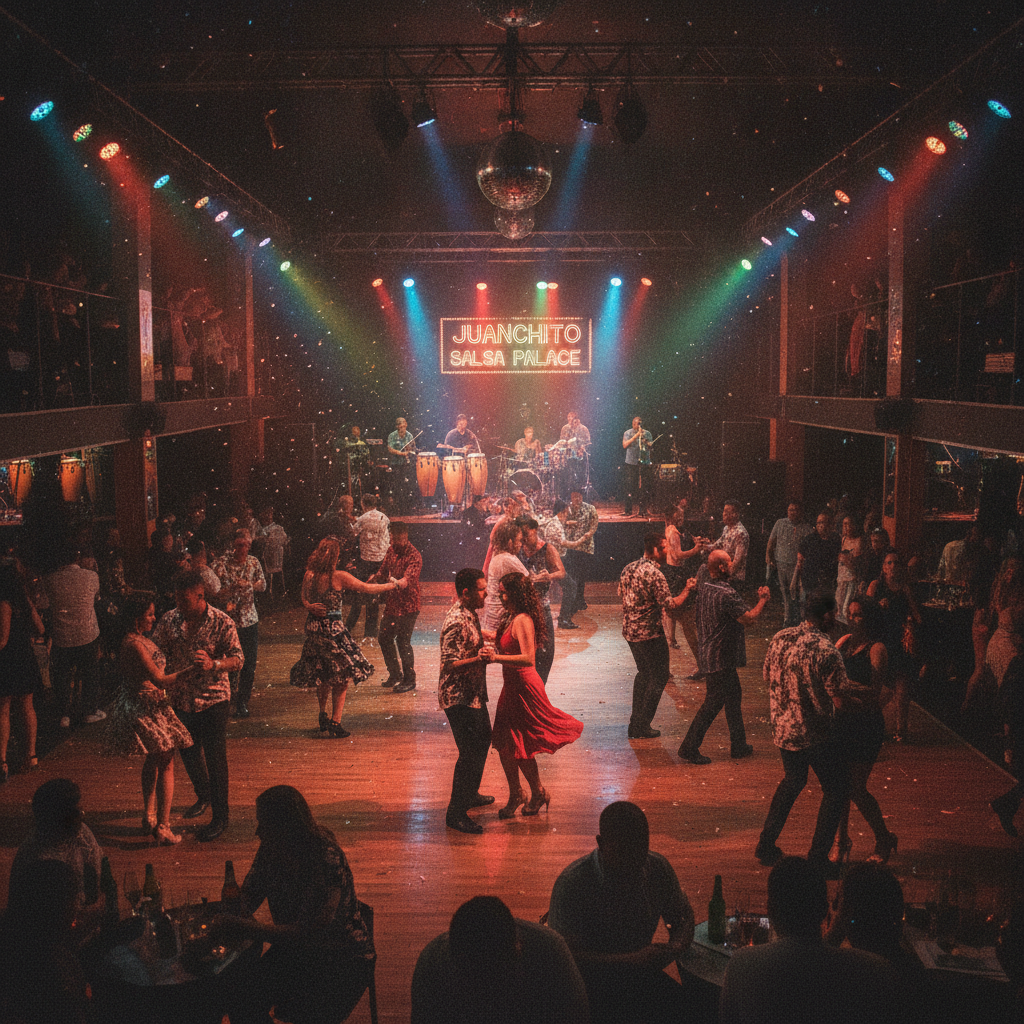
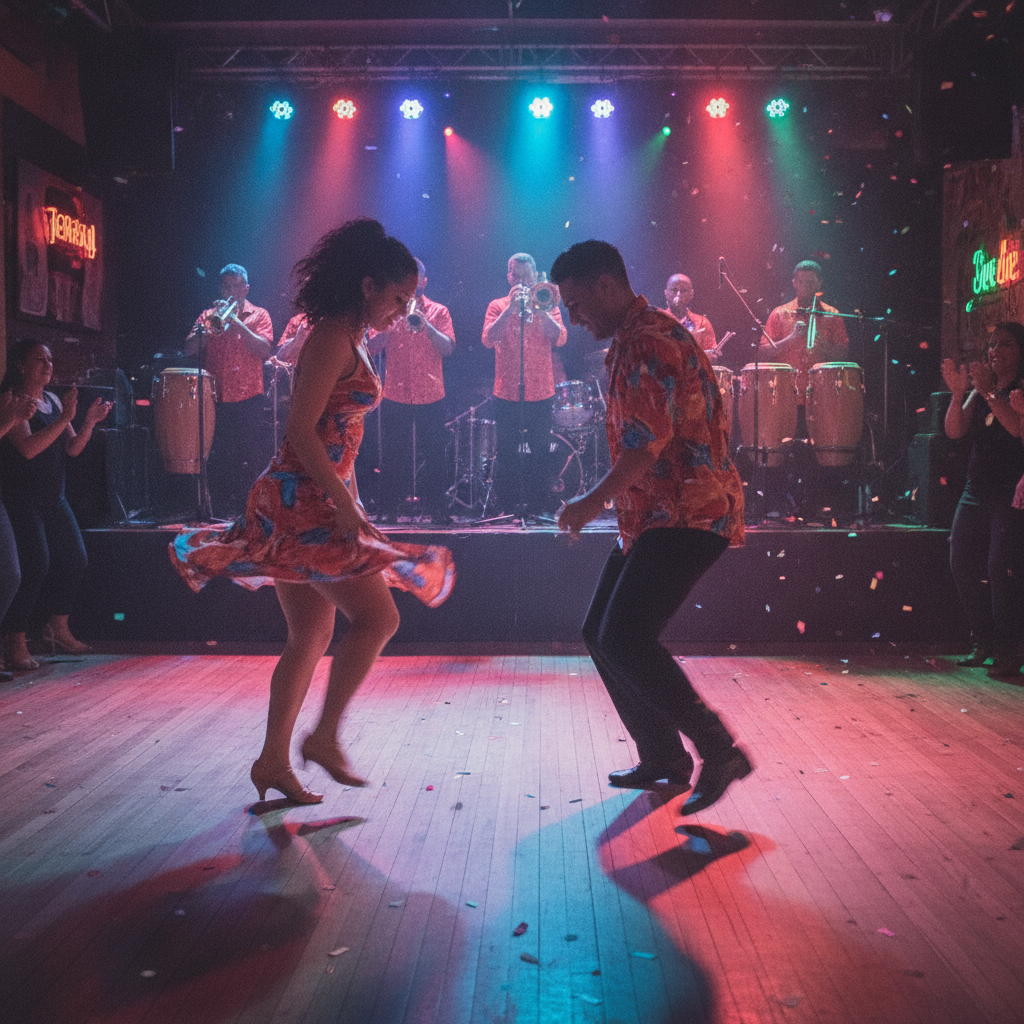
The nightlife culture of Cali is built around salsa in a way that no other city in the world replicates, with the salsotecas, the salsa-specific dance clubs, serving as the primary social institution of Cali after dark. Unlike nightclubs in most cities that play varied music, the salsoteca is devoted exclusively or almost exclusively to salsa, with DJs or live bands playing classic salsa dura recordings and contemporary productions throughout the night while the dance floor is occupied by couples performing Cali-style footwork. The Juanchito entertainment zone east of the city, a strip of large salsotecas operating in sprawling venues on the flat Cauca floodplain, is the most intense concentration of Cali salsa nightlife and the experience most often described by visitors as the purest form of the culture.
- 1
Juanchito: The Salsa Epicenter on the Cauca River
Juanchito is a corregimiento, a peri-urban settlement, on the eastern bank of the Cauca River approximately ten kilometers from central Cali, connected to the city by a bridge and a road through the sugar fields of the valley floor. The area developed as a nightlife zone from the 1940s and 1950s when Afro-Colombian communities from the Cauca Valley established the riverside dancehalls that played the Cuban music arriving through the Pacific coast connection, and grew through the following decades as the salsotecas expanded in size and the Juanchito strip became the destination for serious Cali salsa dancing. The major venues of Juanchito including the Tin Tin Deo and La Topa Tolondra occupy large buildings with multiple dance floors and bars, operating from Thursday through Sunday nights from approximately 8 PM until 4 or 5 AM. The music at Juanchito tends toward the classic salsa dura sound of the 1970s New York and Puerto Rican productions that Cali dancers consider the best music for their footwork style, alongside Colombian productions by Cali orchestras. The social atmosphere is intensely local: Juanchito draws primarily Caleño residents rather than international visitors, and the dancing is at a level that makes casual participation intimidating for non-practitioners.
- 2
The Granada Neighborhood: Upscale Salsa and the Modern Scene
The Barrio Granada, in the northern section of the Cali flat near the river, is the primary upscale entertainment zone of the city, with the highest concentration of restaurants, cocktail bars, and salsotecas oriented toward the Cali professional class and international visitors. The Granada salsotecas tend toward more accessible environments than Juanchito, with better lighting, more varied clientele, and some venues mixing salsa with other music styles in a more tourist-friendly format. The Cali-style salsa schools in the Granada area and adjacent neighborhoods offer group and private classes for visitors wanting to learn the style before attempting the salsotecas; several schools offer intensive programs over several days that bring serious students from Argentina, Europe, and North America specifically to learn Cali-style footwork from local masters. The restaurant scene in Granada covers the full range from traditional Cali cuisine including the corrientazos inexpensive fixed-price lunch restaurants to upscale contemporary Colombian cooking. The Avenida 6N, the primary restaurant and entertainment strip of Granada, is walkable on weekend evenings and has the kind of outdoor seating culture that the warm Cali climate permits year-round.
- 3
Cali Salsa Schools: Learning the Cali Style
The salsa school infrastructure of Cali is among the most developed dance education systems in Latin America, with hundreds of registered academies operating across the city at every level from beginner group classes to professional training programs for competition dancers. The Cali salsa style is technically demanding: the characteristic back-and-forth rock step on 1 and 2 of the 8-count phrase, the rapid intricate footwork called el cepillo requiring independence between upper and lower body, and the close-hold partnering style require systematic instruction rather than casual copying. Established schools including Son de Luz, Swing Latino, and Cali Dance have programs specifically designed for international visitors, ranging from single two-hour group sessions to intensive week-long programs. The best schools integrate dancing with the musical education that makes Cali salsa meaningful: understanding the clave rhythm, the orchestral structure of classic salsa, and the specific recordings that define the style is as important as the footwork. The World Salsa Cali Festival held in December, concurrent with the Feria de Cali, includes international salsa competitions that bring the best Cali-style dancers from Colombia, Europe, and the Americas and function as an aspirational showcase for salsa school students.
- 4
Live Music and the Cali Orchestra Tradition
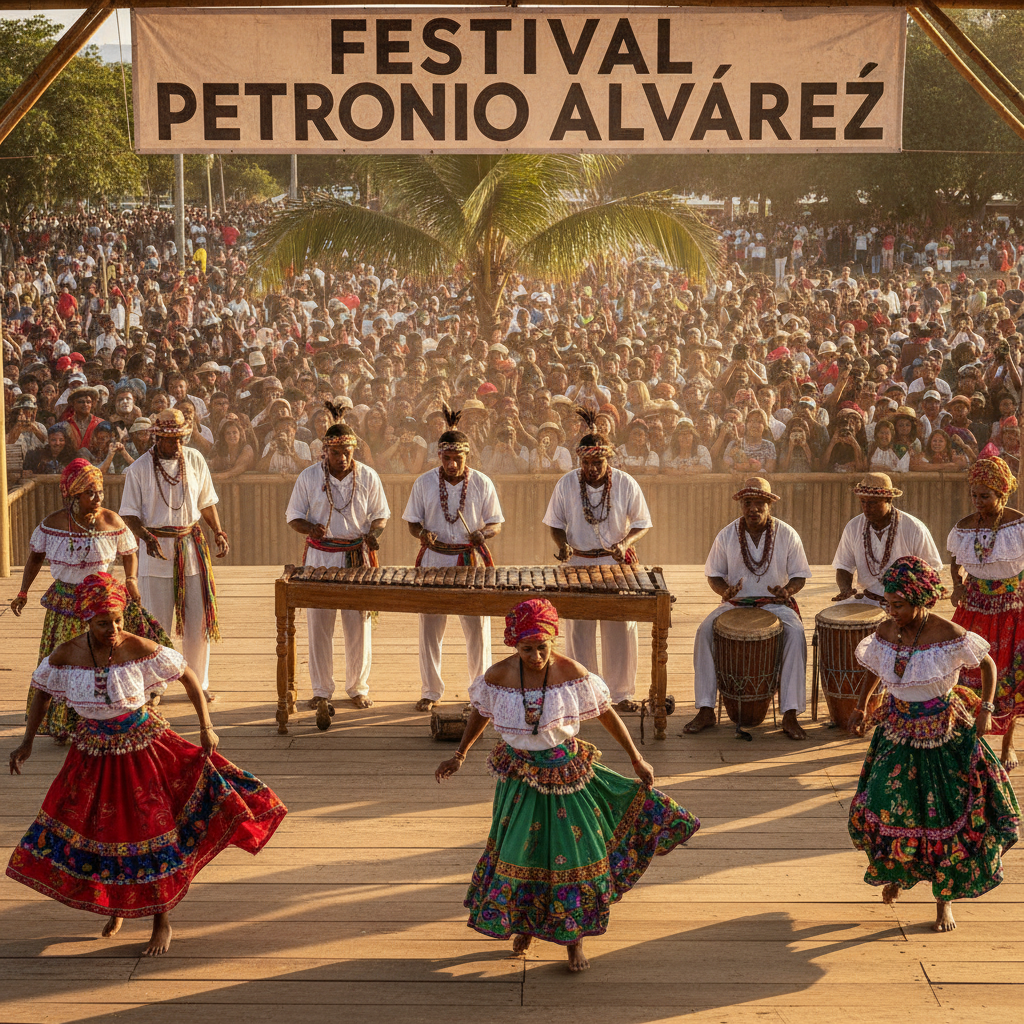
The tradition of live salsa orchestras in Cali extends from the Cuban orquestas that played in the early social clubs to the specifically Caleño musical productions that began in the 1970s and 1980s. The Grupo Niche, founded in Cali in 1980 by Jairo Varela, became the most commercially successful and internationally known of the Cali salsa orchestras, with recordings that defined the Cali sound and charted across Latin America. The album A Prueba de Fuego from 1985 and the song Cali Pachanguero are among the most recognized products of the Cali musical tradition internationally. The Orquesta Guayacan, also founded in the 1980s, and more recent groups have continued the tradition of Cali-produced salsa. Live orchestra events in Cali occur at the major salsotecas on special evenings, at the Feria de Cali where multiple orchestras perform simultaneously in different venues over the five festival days, and at the Petronio Alvarez festival where Pacific coast orchestras perform alongside the marimba and currulao ensembles. The Cali salsa sound, characterized by the tumbao bassline, the precise brass arrangements, and the integration of Pacific coast Afro-Colombian musical elements, is a specifically identifiable regional style within the broader Caribbean salsa tradition.
- 5
Beyond Salsa: Vallenato, Champeta, and the Full Cali Music Map
While salsa defines Cali's global reputation, the actual music culture of the city is more diverse and includes several genres that are as embedded in local social life as salsa, though less internationally recognized. Vallenato, the accordion-driven music of the Colombian Caribbean coast, is as beloved in Cali as in any Colombian city and fills bars and party events alongside salsa. Champeta, a music genre rooted in the African-Caribbean musical traditions of Cartagena and the Colombian Caribbean coast, has been adopted intensely by Afro-Colombian communities in Cali and is the primary music of the dance halls in the Aguablanca district; champeta has a complex status in Colombian society, having been stigmatized as the music of poor Afro-Colombian communities and simultaneously embraced as a form of cultural pride by those same communities. Currulao and Pacific coast music beyond the formal festival context circulates among the Pacific migrant communities of Cali in informal settings. The urban musical fusion genres including Afro-Colombian hip-hop, reggaeton, and electronic music productions that incorporate Afro-Colombian rhythmic elements are active in Cali alongside the traditional forms.
- 6
The Social Function of Salsa: Dance as Community Practice
The social function of salsa in Cali extends beyond entertainment into a community practice that structures social relationships across age, class, and neighborhood in ways that few other cities have around a single cultural form. Dancing is not a specialized activity in Cali reserved for those who have taken classes: it is a basic social skill expected of all Caleños from childhood, practiced at family gatherings, neighborhood parties, school events, and workplace celebrations as naturally as conversation. The salsa academy system in Cali begins teaching children from approximately three years of age, and the school competitions that appear in the Feria parade include highly skilled child performers as young as five. The emotional and social significance of salsa in Cali is communicated by Caleños in terms that go beyond describing a musical preference: the dance is described as an expression of Cali identity, as a coping mechanism for economic hardship, and as a connective tissue of community that has survived violence, poverty, and displacement. The literature on Cali salsa in Colombian social science documents this function extensively, and the city's own cultural promotion has centered salsa as the primary element of Cali identity in national and international contexts. The tension between this authentic social function and the commercialization of salsa for tourism consumption is recognized by Caleño cultural analysts as a live issue in the preservation of the tradition.
Walk this route with audio
Stories play automatically as you reach each stop — no tapping needed.
More in Cali
Cali History: Colonial Foundation, Independence, and the Cauca Valley Economy
Cali Afro-Colombian Culture: Music, Identity, and the Pacific Heritage
Cali: The Salsa Capital of the World and the Cauca Valley City
Cali Practical Guide: Getting There, Neighborhoods, Safety, and the Colombia Southwest
Cali Day Trips: Buenaventura, San Cipriano, Farallones, and the Coffee Towns