Cali Food: Cholado, Lulada, Sancocho, and the Flavors of the Cauca Valley
Cali food culture is distinct from both the Antioqueño tradition of Medellin and the cooler highland cuisine of Bogota, reflecting the warm valley climate, the Afro-Colombian agricultural heritage, the Pacific coast culinary influences from Buenaventura, and the abundance of tropical fruits and sugarcane products in the surrounding valley. The cholado shaved ice dessert, the lulada lulo-based drink, and the champús corn and fruit beverage are iconic Cali street foods unknown outside the city's cultural sphere. The sancocho de gallina, chicken soup cooked with local herbs and root vegetables, is the Sunday family meal throughout the Cauca Valley. The Pacific coast seafood tradition, accessible via the highway to Buenaventura, provides fresh fish and shellfish to Cali markets and restaurants.
- 1
Cholado and Lulada: The Iconic Street Foods of Cali
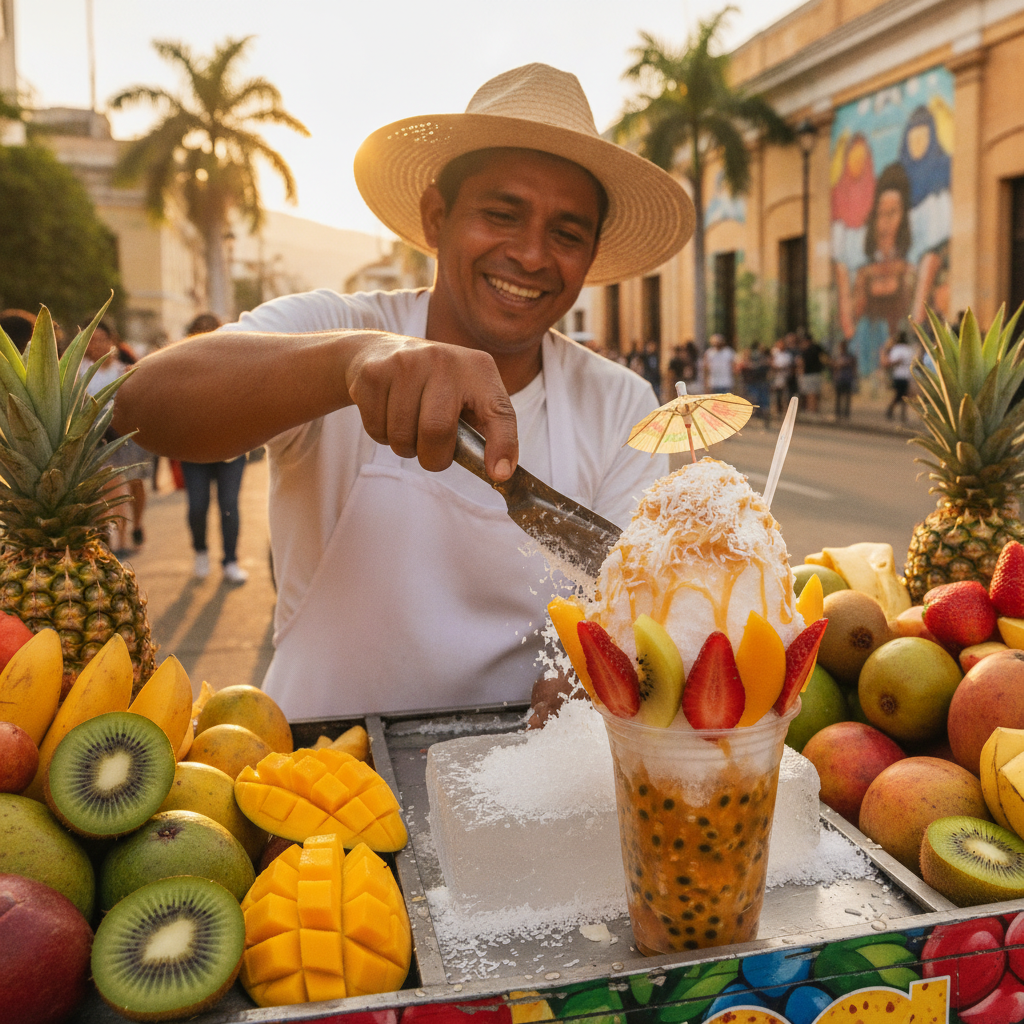
The cholado is the most distinctive street food of Cali, a layered shaved ice dessert built up from crushed ice at the base, topped with a mixture of fresh tropical fruit pieces including mango, pineapple, and blackberry, drizzled with condensed milk and flavored syrup, and finished with grated coconut. The cholado originated in the Pasoancho area of Cali and is sold from carts and small stands throughout the city; the best-known concentration of cholado vendors is on the Avenida 6N and in the Chipichape area. The lulada is a drink made from the lulo fruit, a citrus-adjacent tropical fruit with bright green interior flesh and intensely tart flavor, crushed with sugar and water into a cold refreshment that is the signature soft drink of Cali and unavailable in its authentic form outside the Cauca Valley where the lulo grows. The champús, a fermented corn and fruit drink traditional to the Pacific coast and Cauca Valley, combines cooked maize, lulo, pineapple, and panela raw cane sugar in a thick cold drink served at street stalls and festivals. The cholado, lulada, and champús together represent the trinity of iconic Cali street beverages and foods that no serious food visitor should leave without trying.
- 2
Sancocho de Gallina: The Sunday Ritual of the Cauca Valley
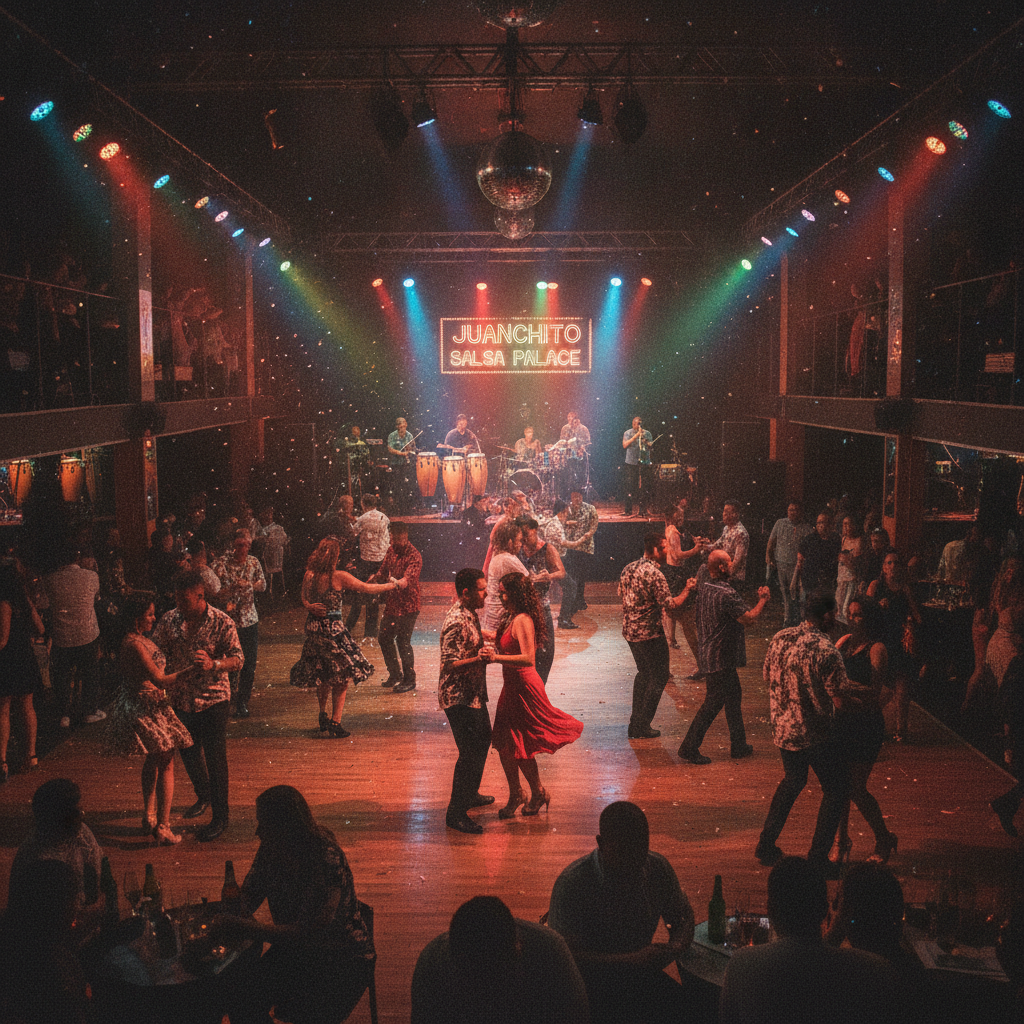
The sancocho de gallina, a slow-simmered soup of free-range hen with yuca, corn, papa criolla, plantain, and fresh cilantro and ají herbs, is the definitive Sunday meal of the Cauca Valley and the dish most associated with Cali family culture. The gallina, the older free-range hen rather than the commercial broiler chicken, contributes a more intense flavor to the broth from the longer cooking required by the tougher meat, producing a deeper and more complex soup than a younger bird would achieve. The sancocho is served with white rice, avocado, and ají hogao sauce on the side, and is consumed as a complete midday meal. The sancocho restaurants called fondas outside the city along the Pance and Cali rivers are weekend institutions for Caleño families who drive out of the city on Sunday mornings to sit at long communal tables under shade trees and eat sancocho followed by an afternoon of swimming in the river. The Juanchito area east of the city on the Cauca River, primarily known for its salsotecas and nightlife, also has a tradition of riverside sancocho fondas that combine the two primary Cali leisure experiences of eating and dancing. The sancocho culture is inseparable from the Cali Sunday social ritual.
- 3
Pacific Coast Seafood in Cali: The Buenaventura Connection
The port city of Buenaventura on the Pacific coast, approximately 150 kilometers west of Cali via a dramatic mountain highway that descends from the Andes to sea level, supplies Cali's markets and restaurants with Pacific seafood including corvina sea bass, red snapper, shrimp, crab, and the various shellfish of the Colombian Pacific coast. The seafood arrives in Cali via the highway overnight, and the city's Pacific-style seafood restaurants serve preparations from the Afro-Colombian culinary tradition of the coast including encocado, fish or shellfish cooked in coconut milk with tomato and spices, and sudado, a steamed fish preparation. The Galería Alameda market in the northern section of Cali has the best concentration of Pacific seafood vendors in the city, operating from early morning with the fresh arrivals from the coast. The Pacific coast culinary tradition, rooted in the Afro-Colombian communities of Buenaventura and the surrounding coast, uses coconut milk, aji chombo hot pepper, and tropical fruits in ways that distinguish it sharply from the highland Colombian cuisine. Several Cali restaurants specializing in Pacific coast cuisine have gained national recognition for their work bringing this regional tradition to a wider Colombian audience.
- 4
Cali Market Culture: Galeria Alameda and the Fruit Abundance
The Galería Alameda, the main covered market of Cali, is one of the most visually spectacular food markets in Colombia, with long rows of vendors selling the extraordinary range of tropical, subtropical, and highland fruits that converge in the Cauca Valley from the surrounding production regions. The market receives produce from the Pacific lowlands including exotic tropical fruits, from the Cauca Valley sugar and citrus farms, from the Andean slopes above with coffee and temperate fruits, and from further afield in Colombia. The fruit abundance of the Cali market reflects the city's position at the junction of multiple climatic zones within a short travel distance: tropical, subtropical, and Andean fruits are all seasonally available. The ñame, an Afro-Caribbean root vegetable introduced by enslaved Africans and now widely grown in the Pacific lowlands, is one of the distinctive starchy vegetables of Cali cuisine alongside yuca and plantain. The market's prepared food section serves the full range of Cali street food including tamales vallecaucanos, corn masa parcels stuffed with chicken, pork, rice, potato, carrot, and peas wrapped in plantain leaves and steamed; the Cali tamale is larger and more complex than the Bogota variety. The juice bars in and around the market produce fresh combinations of the tropical fruits available daily.
- 5
Sugar Cane and Panela: The Sweet Economy of the Valley
The Cauca Valley is Colombia's sugar belt, with the major ingenios sugar mills of Incauca, Manuelita, Providencia, and others stretching along the flat valley floor and providing the economic foundation of the regional commercial class. Colombia is among the world's largest sugar producers per capita and the Cauca Valley accounts for the vast majority of national production. Beyond refined white sugar for export and industrial use, the valley produces panela, the unrefined compressed block of raw cane juice that is the primary sweetener in rural and traditional Colombian cooking. Panela dissolves in hot water to make aguapanela, the standard hot sweet drink of Colombian households, available at every temperature from the hot highland morning drink to the cold aguapanela con leche served as a bedtime drink. The aguardiente distilled from cane juice, the national spirit of Colombia, is produced commercially using Cauca Valley sugarcane. The traditional trapiches, small family-operated sugar mills using animal or mechanical power to press fresh cane, still operate in the hills above the valley floor and occasionally offer visits showing the traditional panela production process from cutting fresh cane to molding the finished blocks. The economic concentration of the sugar industry in the hands of a small number of valley families has been a persistent political tension in the region.
- 6
Cali Restaurants and Contemporary Colombian Cuisine
The contemporary restaurant scene in Cali, concentrated in the Granada neighborhood and the El Peñón and San Antonio districts, includes several restaurants working with local and regional Colombian ingredients in contemporary culinary frameworks that have received national recognition. The combination of Pacific coast seafood, Cauca Valley fruits and sugarcane products, and the Afro-Colombian culinary heritage provides a distinctive ingredient set that separates Cali's best cooking from the Bogota fine dining scene. Lú Cali, Platillos Voladores, and several other Cali restaurants have been featured on national best restaurant lists for their work with local produce and Cali-specific recipes. The aguardiente culture of Cali, in which the anise-flavored spirit is consumed in social groups at the table rather than at the bar, shapes the restaurant experience; ordering a bottle of Néctar, the Antioqueño variety, or the more popular Aguardiente Cristal with its slightly different formula for Caleños, and sharing it through dinner is the Cali dining social ritual. The street food circuit of Cali, including the empanadas of the San Fernando area, the pinchos grilled skewers along the Avenida Colombia, and the natilla and buñuelos traditional sweets concentrated in December, provides the more affordable and culturally embedded food experience alongside the formal restaurant scene.
Walk this route with audio
Stories play automatically as you reach each stop — no tapping needed.
More in Cali
Cali History: Colonial Foundation, Independence, and the Cauca Valley Economy
Cali Afro-Colombian Culture: Music, Identity, and the Pacific Heritage
Cali: The Salsa Capital of the World and the Cauca Valley City
Cali Nightlife and the Salsoteca Culture: Dancing Until Dawn
Cali Practical Guide: Getting There, Neighborhoods, Safety, and the Colombia Southwest