Calgary: The Museum With the Most Dinosaur Skeletons on Earth 130 Kilometres Away, the National Energy Program That Alberta Still Calls Theft and the Elk You Meet Inside the Town of Banff
Drive 130 kilometres east to Drumheller to see more complete mounted dinosaur skeletons in one building than anywhere else on earth in a landscape where the same rock eroded into hoodoo formations because it sat above a glacier during the ice age, slow down at dawn on the Bow Valley Parkway where wolves and grizzlies and elk cross between the wildlife corridor slopes because the national park was created in 1885 specifically to protect the hot springs that railway workers found, understand that the National Energy Program of 1980 is still called theft in Alberta and that this wound explains most of the province political direction 40 years later, attend the Folk Music Festival in Princes Island Park where 70,000 people bring their own chairs and listen across multiple stages simultaneously, appreciate the Plus 15 walkway that allows 18 kilometres of downtown movement in indoor winter comfort, and drive the 90 minutes to Banff to walk among the elk in town because they stopped being afraid of people and nobody does anything about it.
- 1
Calgary Zoo and Prehistoric Park
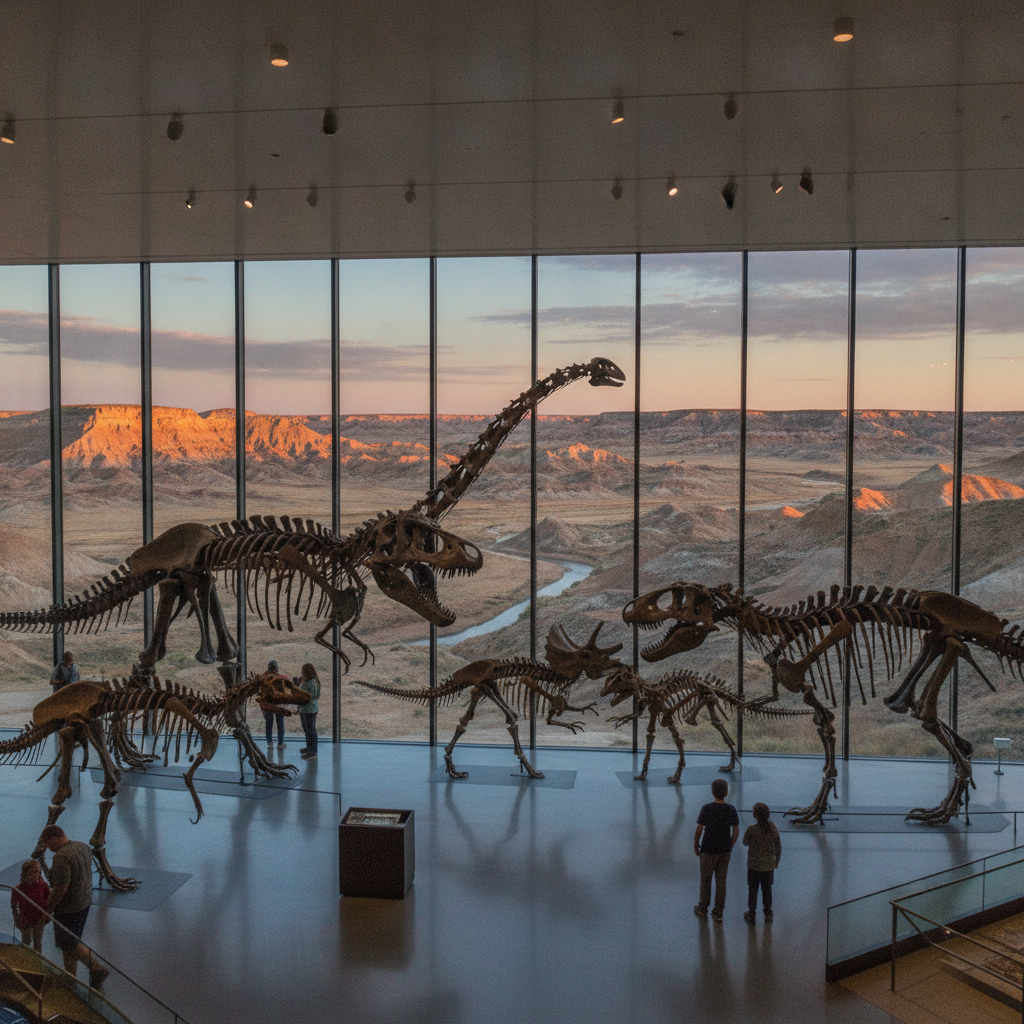
The Calgary Zoo, established in 1929 on St. Georges Island in the Bow River and expanded to its current 120-acre footprint, is one of the largest and most visited zoos in Canada, with approximately 1 million visitors annually and collections of over 1,000 animals representing 270 species. The zoo is noted for its Canadian Wilds exhibit, which presents grizzly bears, wolves, bison, mountain lions, and other Canadian wildlife in landscape-themed enclosures. The Prehistoric Park, a separate area of the zoo grounds featuring life-size dinosaur models in a garden setting, opened in 1987 and has been a Calgary institution for generations of school children. Alberta is one of the most significant dinosaur fossil regions in the world, with the Badlands of Drumheller 130 kilometres east of Calgary producing Cretaceous period dinosaur fossils since the 1880s. The Royal Tyrrell Museum of Palaeontology in Drumheller, opened in 1985, holds the largest display of dinosaur skeletons in the world with over 40 mounted specimens including complete Tyrannosaurus, Albertosaurus, and Troodon skeletons in a building designed to convey the landscape of the Cretaceous period. The Drumheller Badlands themselves, with their eroded hoodoo rock formations and canyon landscapes, are one of the most unusual and dramatic natural landscapes in Canada.
- 2
Calgary Bow Valley Parkway Wildlife
The Bow Valley Parkway, the historic highway running parallel to the Trans-Canada from Banff to Lake Louise 90 to 130 kilometres west of Calgary, was the original route through Banff National Park and is now designated a wildlife corridor and scenic drive with restricted vehicle access at dawn and dusk to allow large mammals including wolves, grizzly bears, elk, bighorn sheep, and mountain goats to move through the valley undisturbed. The parkway is one of the best wildlife viewing drives in the Canadian Rockies, particularly in the shoulder seasons when the Trans-Canada is heavy with through traffic. Elk are reliably visible throughout the Banff townsite and along the Bow River within Banff National Park. The Banff Upper Hot Springs, a natural sulfur hot spring at the base of Sulphur Mountain, was the discovery that catalyzed the creation of Banff National Park in 1885, when Canadian Pacific Railway workers discovered the hot spring and the government set aside the surrounding land as a public reserve, creating the first national park in Canada. The gondola to the summit of Sulphur Mountain at 2,281 metres provides panoramic views of the Bow Valley, the town of Banff, and the surrounding peaks of the Main and Front ranges.
- 3
Calgary Southern Alberta Landscape
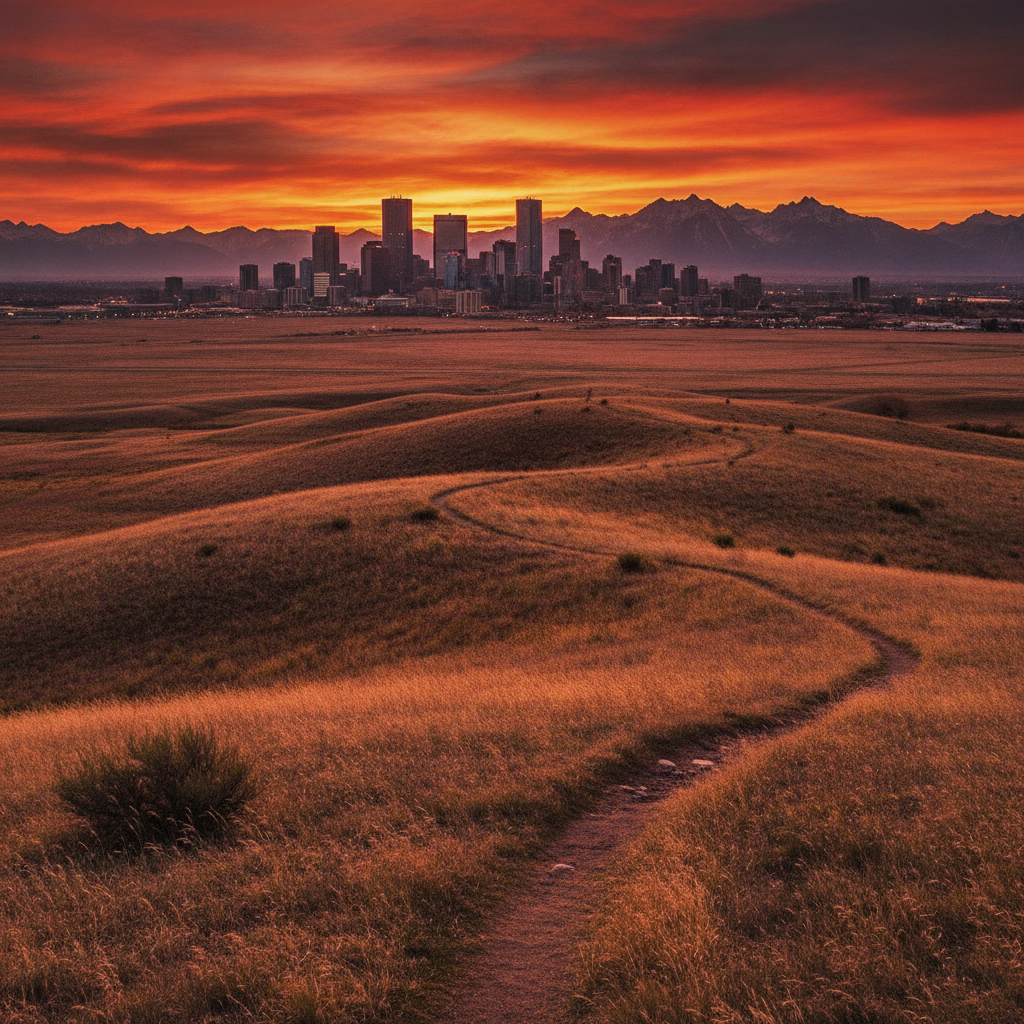
The landscape of southern Alberta within an hour of Calgary encompasses one of the most geologically and ecologically diverse regions in Canada: the Rocky Mountain front ranges and foothills to the west, the semi-arid prairie grassland extending to the southeast and east, the Badlands canyon system at Drumheller, and the transition zone of the aspen parkland in which Calgary itself sits. The Waterton Lakes National Park on the Alberta-Montana border 250 kilometres south of Calgary, which forms the Canadian side of the Waterton-Glacier International Peace Park jointly designated a World Heritage Site, contains some of the most accessible and dramatic mountain terrain in the Canadian Rockies. The Bar U Ranch National Historic Site south of High River preserves the physical heritage of the ranching era that created Calgary, with original ranch buildings and a heritage interpretive program. The Writing-on-Stone Provincial Park in the Milk River valley south of Lethbridge preserves one of the largest concentrations of Indigenous rock art in North America, with petroglyphs and pictographs on the sandstone walls of the Milk River canyon. The Cypress Hills Interprovincial Park on the Saskatchewan border is the highest point of land between the Rockies and Labrador and sheltered a unique ecosystem that survived the last ice age above the glacier line.
- 4
Calgary Political Culture and Alberta Identity
Alberta politics have been characterized since 1935 by a series of one-party dominance periods: the Social Credit party governing uninterrupted from 1935 to 1971, the Progressive Conservatives from 1971 to 2015, the New Democrats from 2015 to 2019, and the United Conservative Party from 2019 onward. The consistency of conservative governance in Alberta reflects the ranching and oil industry heritage that shaped Alberta culture, the sense of regional grievance against federal governments perceived as favoring central Canadian interests at Alberta expense, and the economic self-sufficiency of a province with enormous natural resource wealth. The National Energy Program of 1980, introduced by Pierre Trudeau to transfer a portion of Alberta oil revenues to the federal government during the energy crisis, is referred to in Alberta as theft and remains a defining political wound 40 years later. Alberta has periodic Western separatist movements that advocate separation from Canada entirely, driven by the perception that Confederation does not serve Alberta interests. Calgary as the business capital of Alberta has generally been more business-conservative than rural Alberta, with a Liberal-leaning downtown professional class coexisting with a predominantly conservative business and oil industry culture. Mayor Naheed Nenshi, in office from 2010 to 2021, was the first Muslim mayor of a major Canadian city and governed Calgary through the 2013 flood with widely praised effectiveness.
- 5
Calgary Music and Performing Arts Scene
Calgary has a thriving live music scene anchored by the National Music Centre and various independent venues, with a particular strength in country and roots music reflecting the western heritage of the city and in alternative rock and indie music developed by a young urban professional demographic. The Calgary Folk Music Festival, held annually since 1980 in Princes Island Park over four days in July, draws 70,000 attendees to a venue that creates one of the most intimate large festival environments in Canada, with multiple performance stages throughout the park and the tradition of audience members bringing their own chairs. The Calgary Philharmonic Orchestra performs at Arts Commons and has maintained a strong subscription base despite the economic cycles that have periodically contracted private sector arts funding. Theatre Calgary, the primary flagship theatre company, performs in the Max Bell Theatre at Arts Commons. The rapidly changing Inglewood neighborhood hosts independent music venues, galleries, and monthly gallery nights that bring cultural visitors to the eastern edge of the downtown. The Saddledome and the new BMO Centre expansion at Stampede Park accommodate major touring concerts and events. The Calgary International Film Festival in September is the largest public film festival in Alberta and one of the larger ones in western Canada.
- 6
Calgary Winter City Strategy and Cold Adaptation
Calgary has one of the more aggressive Winter City strategies among Canadian municipalities, recognizing that 5 to 6 months of cold weather makes the quality of winter public space a fundamental quality-of-life issue. The Plus 15 network of enclosed elevated walkways covering 18 kilometres and 90 buildings allows indoor movement through the downtown core throughout the year. The city also invests in outdoor winter spaces through natural ice skating rinks in neighborhood parks, winter lighting on major commercial streets, and the winter programming at Princes Island and Eau Claire Plaza. The Calgary winter commuting culture is shaped by the automobile dominance of the city: unlike Ottawa, where canal skating is a primary commuting mode, or Montreal with its underground PATH system, Calgary commuting in winter is overwhelmingly by car. The cycle of chinook warmth followed by cold returns makes outdoor winter life manageable in a way that the monotonous cold of Winnipeg does not, and Calgary residents develop a relationship with winter that is simultaneously pragmatic and appreciative of the dramatic weather cycles the chinook produces. Ski culture binds Calgary to its mountain geography: a significant proportion of the population skis regularly at Kananaskis, Lake Louise, Banff, and Nakiska, and ski culture is embedded in the professional and family social life of the city.
Walk this route with audio
Stories play automatically as you reach each stop — no tapping needed.
More in Calgary
Calgary: The Wind That Raises Temperature 25 Degrees in One Hour, the Buffalo Jump Used for 5700 Years and the No-Tax Province That Explains Everything About Alberta Politics

Calgary: The Stampede That Calls Itself the Greatest Outdoor Show on Earth, the Boom-Bust City Built on Beef and Oil and the Rockies 90 Minutes Away
Calgary: The Saddle-Shaped Arena That Is a Structural Engineering Record, the Glacier Marked With Its Own Retreat in Decade Intervals and the Most Successful Franchise in Canadian Football History
Calgary: The 2013 Flood That Filled the Hockey Arena to Row 4 and Was Followed by the Stampede Two Weeks Later, the Fastest Growing City in Canada and the Office Capital With More Space Per Person Than Anyone Else
Calgary: The 110-Year-Old Indigenous Village at the Stampede That Is Simultaneously Cultural Celebration and Contested Display, the Wind-Powered Light Rail and the City Trying to Figure Out What Comes After Oil