Calgary: The Stampede That Calls Itself the Greatest Outdoor Show on Earth, the Boom-Bust City Built on Beef and Oil and the Rockies 90 Minutes Away
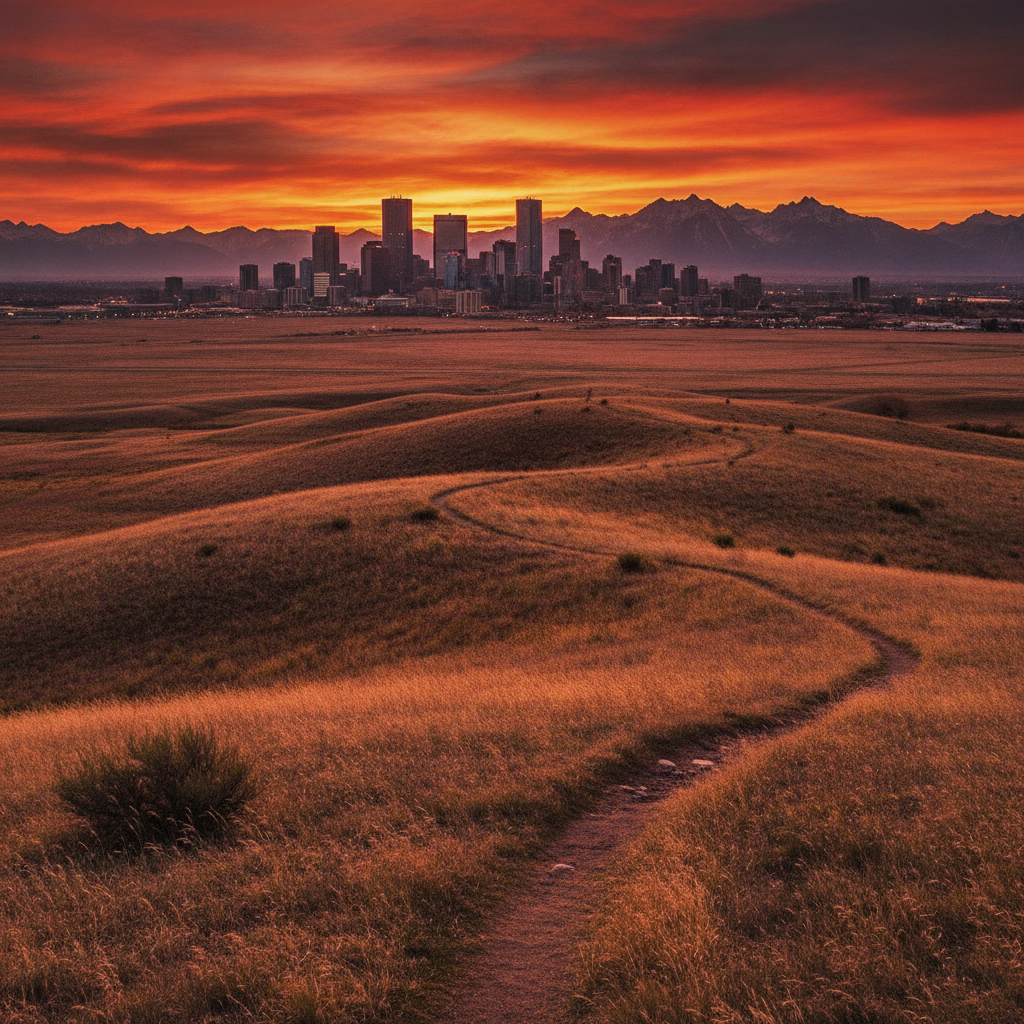
Stand in a downtown that went from frontier cattle town to glass tower skyline in 80 years by converting beef wealth into oil wealth into a financial capital whose hockey team and Stampede are the two things that define it everywhere else in Canada, watch 100 world champion rodeo competitors arrive for 10 days in July that transform the entire city into a costume party with free pancake breakfasts on every street corner, understand that the Heritage Park reconstructed frontier village is operating on the shore of a reservoir that barely existed when some of the buildings in it were new, walk the Bow River pathway network that weaves 210 kilometres through a city that did not exist in 1870, take the 90-minute drive to Banff and understand why Calgary exists at all, and look at the mountain skyline visible from downtown on clear days and know that the Rockies were the reason the railway came through and the railway was the reason the city is here.
- 1
Calgary Stampede Greatest Outdoor Show
The Calgary Stampede, held each July since 1912 and drawing over 1 million visitors in its 10-day run to Stampede Park southeast of downtown, bills itself as the Greatest Outdoor Show on Earth, a claim based on the world championship rodeo competitions offering the largest prize money in professional rodeo, the chuckwagon races in which teams of four horses pull covered wagons around a track in the most dangerous event in professional horse racing, and the free pancake breakfasts served at makeshift griddles on streets, parking lots, and office forecourts across the entire city for the full 10 days. The Stampede grew from an agricultural exhibition organized by American showman Guy Weadick in 1912 to celebrate the cattle ranching era of the West, just as that era was ending. It was cancelled from 1917 to 1922 due to war and economic disruption and revived in 1923, growing continuously since. The evening grandstand show, the midway, the Indigenous village presenting First Nations culture and performers, and the rodeo competitions make the Stampede one of the most visited annual events in Canada. Visitors to the Stampede wear cowboy hats and boots regardless of their usual attire, and the entire city adopts a Western dress code and heightened festivity for the duration.
- 2
Calgary Downtown and Oil Economy
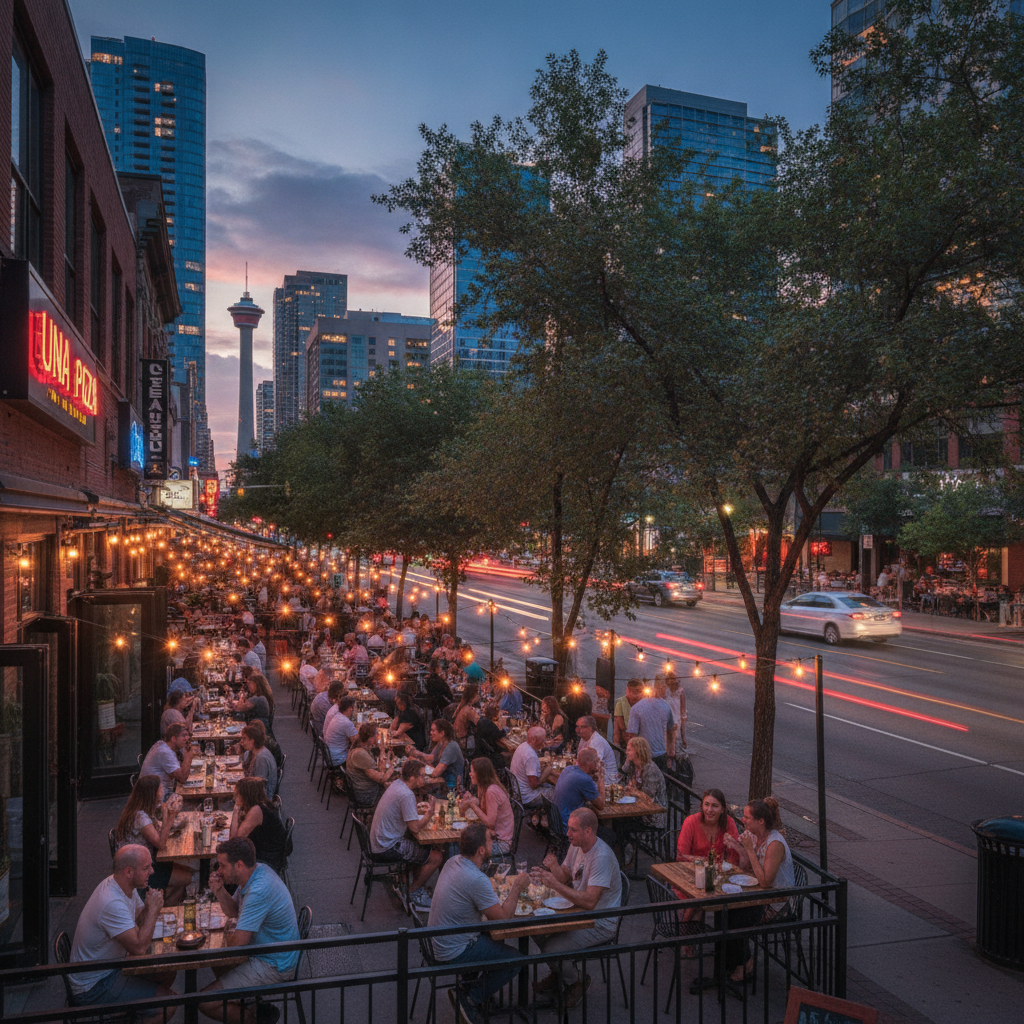
Calgary is the oil capital of Canada, the headquarters city of the Canadian petroleum industry that has shaped the Alberta economy since the Leduc discovery in 1947 that confirmed the scale of the Alberta oil reserves and triggered massive investment in exploration and production across the province. The downtown Calgary skyline, with over 30 towers above 100 metres concentrated in a downtown core smaller than comparable American cities, was largely built in the 1970s and early 1980s during the last major oil boom and reflects the confidence of a resource-extraction economy at its peak. The boom-bust cycle of oil prices has shaped Calgary culture profoundly: the city contracted sharply in the 1980s oil bust, expanded again in the 2000s boom, and contracted again when oil prices collapsed in 2014. The Plus 15 network, a system of enclosed elevated walkways connecting 90 buildings in downtown Calgary across 18 kilometres, was built partly as a response to the severe winter climate that makes street-level pedestrian activity uncomfortable for much of the year. The Plus 15 allows downtown workers to move between office towers, hotels, and shops without exposure to the outdoor weather.
- 3
Princes Island Park and Bow River
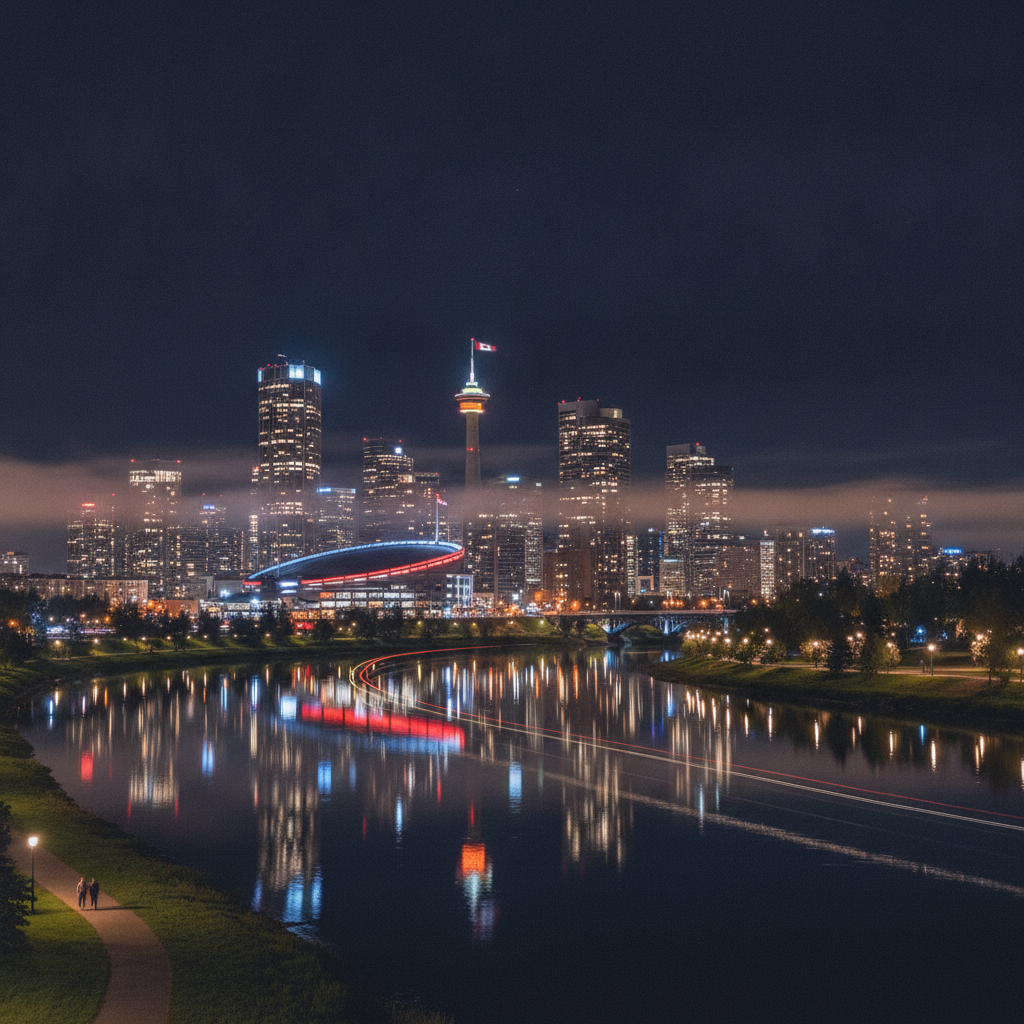
Princes Island Park, a 20-hectare island in the Bow River immediately north of downtown Calgary, was created when a side channel of the river was dredged in the 1880s by Princes Lumber Mill and became a park in 1945 after the mill closed, providing the most accessible green space to the downtown core and hosting the annual Folk Festival, Blues Festival, and numerous other events on its meadows and riverside paths. The park is connected to the south bank by a pedestrian bridge at the end of 3rd Street and to the north bank by several crossings. The Bow River pathway, a 210-kilometre paved cycling and walking network following the Bow River through the entire Calgary urban area, is one of the longest urban river pathway systems in North America and forms the spine of the Calgary cycling network. The Bow River itself flows from the Rocky Mountains through Calgary, carrying glacial meltwater that gives it a distinctive blue-green color in summer. The river is a popular fly-fishing destination for brown trout and rainbow trout within the city limits, with several access points for wade fishing in urban Calgary. The Louise Bridge over the Bow at the north end of downtown is a 1921 steel through-truss bridge designated a provincial historic resource.
- 4
Heritage Park Historical Village
Heritage Park Historical Village in southwest Calgary, a living history museum operating on the shore of Glenmore Reservoir since 1964 with over 180 historic structures on 127 acres, is the largest living history museum in Canada and presents the history of western Canada from 1860 to 1950 through reconstructed and relocated historic buildings including a 1905 grain elevator, an 1890s town streetscape, a working steam railway, a functioning antique midway, and costumed interpreters demonstrating period trades and crafts. The buildings at Heritage Park include the oldest structure, the 1864 Canmore Hotel, transported from the nearby mountain town. The site on Glenmore Reservoir is evocative because the reservoir itself dates only to 1933, meaning the landscape in which the historical village sits is younger than the oldest buildings it preserves. The Gasoline Alley Museum at Heritage Park contains the largest collection of antique gas station equipment and petroleum trade artifacts in Canada, reflecting the oil industry heritage that is inseparable from Calgary identity. Visitors to Heritage Park can ride a restored 1905 sternwheeler steamboat on the reservoir, eat at a period lunch counter, and operate an antique midway carousel.
- 5
Calgary Olympic Legacy and Ski Jumping
Calgary hosted the 1988 Winter Olympics, the first Canadian city to host the Winter Olympics, at venues including the Olympic Oval at the University of Calgary, the Canada Olympic Park ski jump and bobsled complex on the western edge of the city, and the Nakiska ski area in Kananaskis Country for alpine skiing and the Canmore Nordic Centre for cross-country skiing and biathlon. The Canada Olympic Park, now rebranded WinSport, remains operational as a public recreation facility where visitors can ride the bobsled track in summer, take ski lessons in winter, and use the luge track. The Olympic Oval at the University of Calgary is a speed skating venue that set 9 world records during the 1988 Games due to the altitude advantage of Calgary at 1,045 metres above sea level, which reduces air resistance for speed skaters and has made the oval a preferred training venue for speed skaters from around the world. The 1988 Olympics are remembered internationally primarily through the story of the Jamaican Bobsled Team, who competed for the first time and came to represent the spirit of Olympic participation beyond competitive achievement, inspiring the 1993 film Cool Runnings.
- 6
Banff and the Rocky Mountain Gateway
Calgary is the primary gateway city to the Canadian Rocky Mountains, with Banff National Park beginning 128 kilometres west of downtown via the Trans-Canada Highway, a drive taking approximately 90 minutes. The decision by the Canadian Pacific Railway to route the transcontinental through the Kicking Horse Pass in 1881 determined the location of the Calgary settlement and created the tourism infrastructure of Banff that followed. The mountain skyline of the Rocky Mountains is visible from downtown Calgary on clear days, a visual reminder of the proximity that drives significant day-trip and weekend traffic from the city to the mountains throughout the year. Canmore, a former coal mining town at the eastern edge of the Rockies 100 kilometres from Calgary, has become a major mountain resort community with a residential base of Calgary professionals who commute on weekends. The Icefields Parkway, a 232-kilometre highway running north from Lake Louise to Jasper through the Rocky Mountain alpine zone, is consistently rated among the most scenic drives in the world and is accessible as a day excursion from Calgary with an early start. The Columbia Icefield at the halfway point of the Icefields Parkway is the largest icefield in the Rocky Mountains accessible by road.
Walk this route with audio
Stories play automatically as you reach each stop — no tapping needed.
More in Calgary
Calgary: The Wind That Raises Temperature 25 Degrees in One Hour, the Buffalo Jump Used for 5700 Years and the No-Tax Province That Explains Everything About Alberta Politics
Calgary: The Museum With the Most Dinosaur Skeletons on Earth 130 Kilometres Away, the National Energy Program That Alberta Still Calls Theft and the Elk You Meet Inside the Town of Banff
Calgary: The Saddle-Shaped Arena That Is a Structural Engineering Record, the Glacier Marked With Its Own Retreat in Decade Intervals and the Most Successful Franchise in Canadian Football History
Calgary: The 2013 Flood That Filled the Hockey Arena to Row 4 and Was Followed by the Stampede Two Weeks Later, the Fastest Growing City in Canada and the Office Capital With More Space Per Person Than Anyone Else
Calgary: The 110-Year-Old Indigenous Village at the Stampede That Is Simultaneously Cultural Celebration and Contested Display, the Wind-Powered Light Rail and the City Trying to Figure Out What Comes After Oil