Calgary: The Only NHL Arena Roof Shaped Like a Saddle, 200000 Free Pancakes a Day for 10 Days and the Old Skid Row That Became the Most Ambitious Urban Renewal in the City
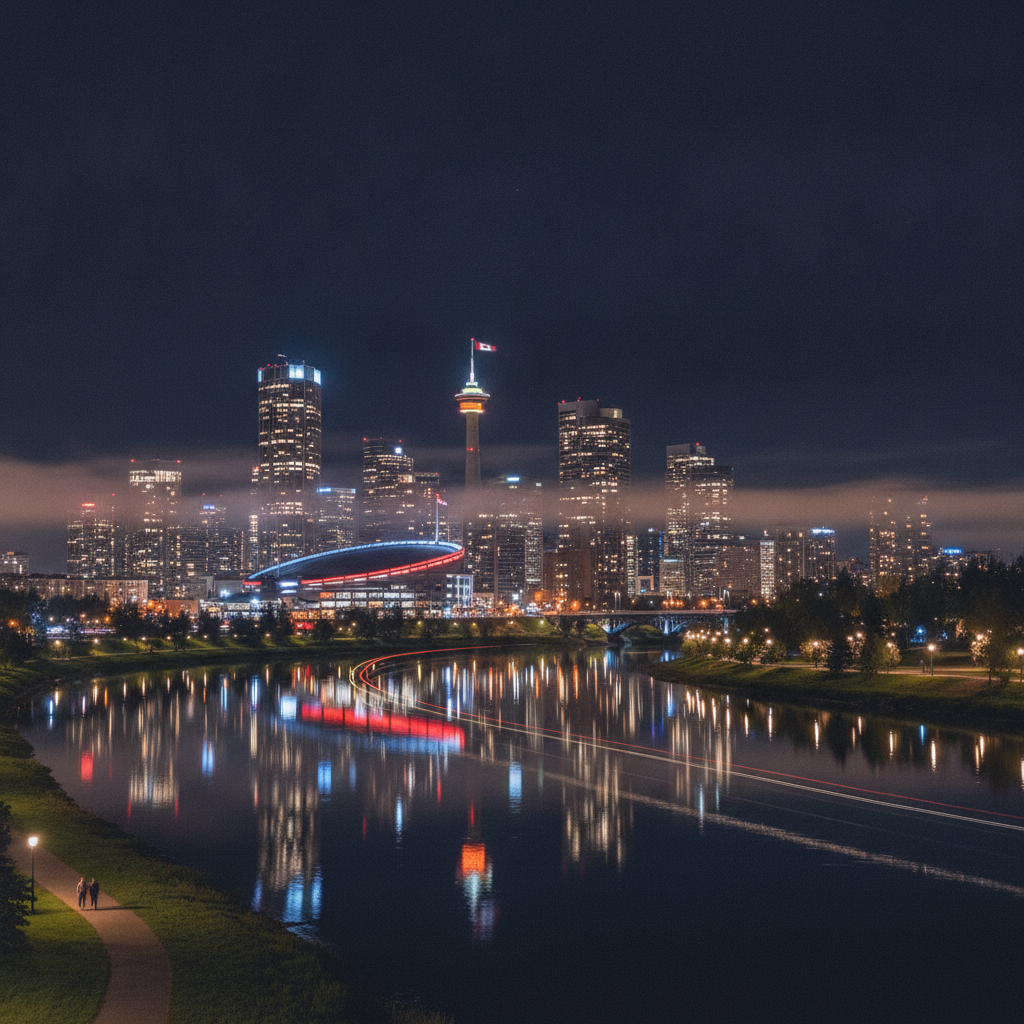
Watch the Stanley Cup run of 2004 that a nation watched and Calgary still talks about despite losing Game 7 while the Saddledome roof shaped like the rodeo equipment the city is famous for sits waiting for the next playoff, stand in East Village where a skid row of surface parking lots became a cultural district anchored by one of the finest library buildings in North America designed by a Norwegian firm, eat Alberta beef that arrived at the restaurant within hours of the farm where it was raised and drink craft beer brewed in the Inglewood industrial buildings where the city originally had its mounted police post, cycle 900 kilometres of pathway including the Bow River route through the largest urban park in North America at Fish Creek, understand that during Stampede 200,000 free pancakes a day are served from sidewalk griddles by businesses and churches and fire stations in a hospitality tradition that started in 1923, and accept a cowboy hat from an office worker in a costume they would never otherwise wear and call it a civic celebration rather than cosplay.
- 1
Kananaskis Country and Foothills
Kananaskis Country, a multi-use provincial recreation area west of Calgary covering 4,250 square kilometres of mountain and foothills terrain, was developed from the 1970s as an alternative destination to absorb recreational pressure from Banff National Park, with camping, hiking, skiing, mountain biking, and equestrian trails accessible to Calgary residents within 60 to 90 minutes. Nakiska ski area in Kananaskis hosted the alpine skiing events of the 1988 Winter Olympics and continues as a mid-sized ski destination popular with Calgary families. The Canmore Nordic Centre in Kananaskis hosted the cross-country skiing and biathlon events of the 1988 Games and operates year-round as a trail network for Nordic skiing, cycling, and trail running. Kananaskis Village, built for the 1988 Olympics, provides hotel accommodation within the provincial recreation area. The Barrier Lake Field Station operated by the University of Calgary conducts ecological research in the Kananaskis valley. The 2013 floods that devastated High River and Canmore caused significant damage to Kananaskis infrastructure including the main highway into the valley, with roads and bridges requiring several years of reconstruction. The foothills ecosystem between Calgary and the Rocky Mountain front, characterized by aspen parkland and mixed forest, is among the most biodiverse transitional zones in Alberta with cougars, black bears, grizzly bears, elk, and wolves present.
- 2
Calgary Flames and Hockey Culture
The Calgary Flames NHL franchise, established in Atlanta as the Atlanta Flames in 1972 and relocated to Calgary in 1980, won the Stanley Cup in 1989, the only Stanley Cup won by a Calgary franchise in NHL history, in a dramatic Game 6 victory in Montreal. The Saddledome, the distinctive arena with a saddle-shaped hyperbolic paraboloid roof built for the 1988 Olympics and renamed the Scotiabank Saddledome, has been the Flames home since 1983 and is the only NHL arena with a roof design that references the rodeo culture of the host city. The Flames-Oilers rivalry, based on the geographical and cultural competition between Calgary and Edmonton as the two major Alberta cities, is considered the most intense provincial rivalry in Canadian hockey. The 2004 Flames run to Game 7 of the Stanley Cup Finals, when the Flames lost to Tampa Bay after a seven-game series watched by the entire country with near-universal support, is one of the most celebrated playoff runs in Canadian hockey history despite ending in defeat. Hockey in Calgary is both sport and civic identity, with Stampede and Flames being the two cultural anchors through which most Canadians define the city.
- 3
Calgary East Village and Urban Renewal
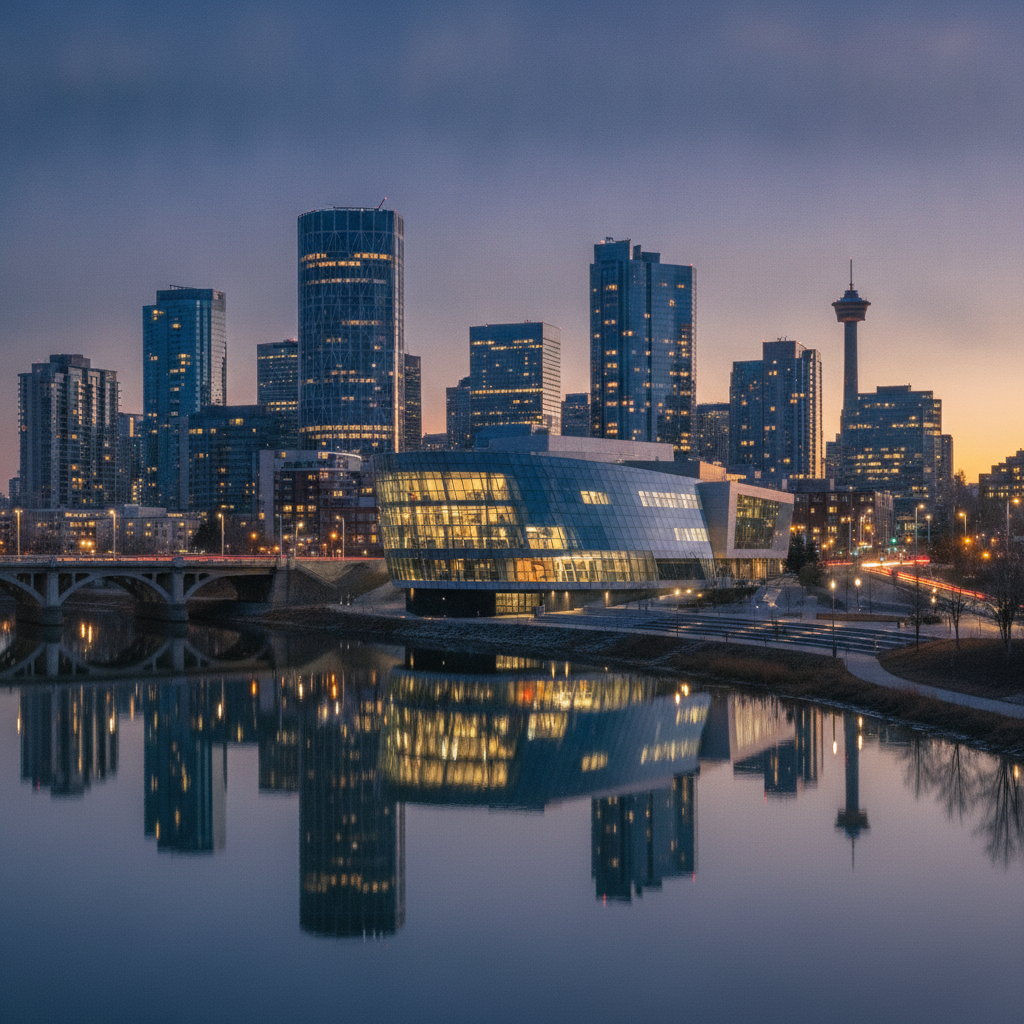
The East Village, the 49-acre former skid row district immediately east of the Calgary downtown core at the confluence of the Bow and Elbow rivers, underwent the most ambitious urban renewal in Calgary history beginning in 2010 under the East Village Urban Renewal Strategy coordinated by the Calgary Municipal Land Corporation, transforming a derelict area of surface parking lots and marginal land uses into a mixed-use residential and cultural district. The Central Library, opened in 2018 and designed by Snohetta architects with a glass drum rotating on a stem above the CTrain light rail line, is considered one of the finest library buildings in North America and the centerpiece of the East Village cultural investment. The National Music Centre studio complex houses a recording studio used by professional musicians and educational programs. The RiverWalk, a riverside promenade connecting East Village to the Bow River pathway system, provides continuous pedestrian and cycling access along the river. The 2013 Bow and Elbow river floods caused significant damage to the East Village area during a period of active construction. The Fort Calgary National Historic Site, at the original 1875 NWMP post location at the confluence of the rivers, anchors the eastern end of the East Village with a visitor center and reconstructed fort.
- 4
Calgary Food and Craft Beer Scene
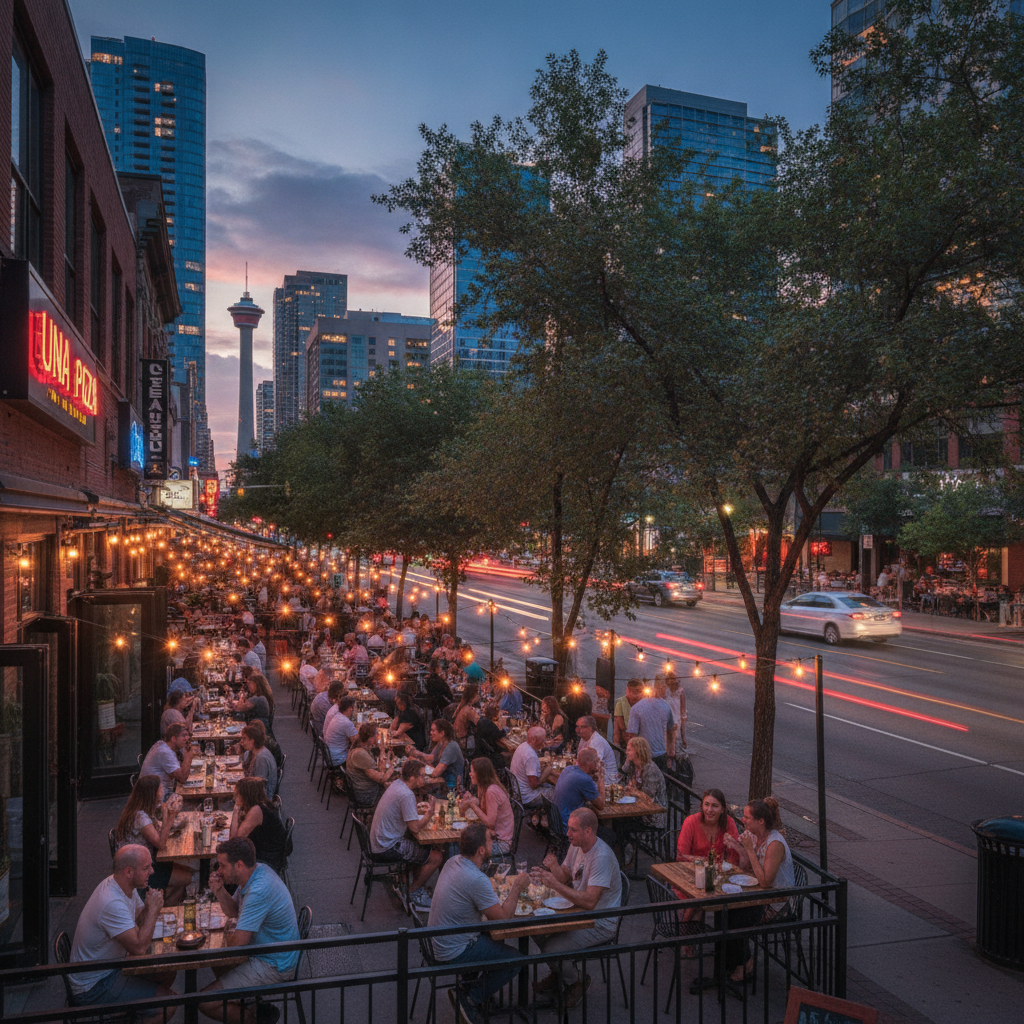
Calgary food culture has evolved rapidly since 2005 from a steak-and-potato culture driven by beef industry wealth to a diverse restaurant and food market scene reflecting the immigration patterns of a city that has grown from 600,000 to 1.3 million in 30 years through internal and international migration. The Calgary Farmers Market on Blackfoot Trail south of downtown and the newer North Market are primary sources of Alberta produce, artisan cheeses, and prepared foods. The craft brewery movement in Calgary has made it one of the most active brewing cities in western Canada, with breweries including Tool Shed Brewing, Village Brewing, Born Colorado, and Annex Ale Project concentrated in the Inglewood industrial district east of downtown. The Inglewood neighborhood on 9th Avenue SE, the oldest commercial district in Calgary and the site of the original Mounted Police post, has been revitalized through independent restaurants, vintage shops, and galleries in the late 19th and early 20th century buildings. Alberta beef, which includes premium natural and organic beef operations producing grass-fed products for premium restaurant markets, gives Calgary steakhouses access to some of the finest beef in North America within hours of the farms where the cattle are raised.
- 5
Calgary Urban Pathway Network and Cycling
Calgary has invested heavily in cycling infrastructure since 2015, with a protected lane network covering major arterials in the downtown and inner city and a comprehensive pathway system of over 900 kilometres including the Bow River pathway system and numerous creek valley trails. The inner city protected lane network, built rapidly in 2015 on 7th Street and 8th Avenue, generated significant controversy from business owners who feared customer access impacts before demonstrating through traffic counts that cycling infrastructure increased pedestrian and cycling traffic to businesses. The Elbow River pathway follows the Elbow River from the downtown through the residential neighborhoods of Inglewood, Mission, and Erlton to Heritage Park and beyond. The Fish Creek Provincial Park, at the southern edge of the Calgary urban area, is one of the largest urban parks in North America at 13.5 square kilometres, with an extensive trail network, a preserved slice of prairie grassland, and the Bow River frontage. Fish Creek creek is one of the best urban fisheries in Alberta. The pathway network is used year-round by cyclists, including a significant winter cycling community that uses studded tires on ice-covered paths. The city has invested in pathway lighting for winter use when daylight is limited at Calgary latitude.
- 6
Calgary Stampede Pancake Breakfasts and Traditions
The free pancake breakfast tradition of the Calgary Stampede, in which businesses, community organizations, churches, fire stations, and individuals set up outdoor griddles on sidewalks, parking lots, and vacant land throughout the city and serve free pancakes, sausage, coffee, and orange juice to any passerby for the full 10 days of the Stampede, has become one of the most distinctive mass hospitality traditions in Canada, with an estimated 200,000 pancakes served daily during the Stampede period at hundreds of locations across the metropolitan area. The breakfast tradition began in 1923 when returning cowboy Guy Weadick invited people to a Western-style breakfast as part of the Stampede revival. The tradition of wearing Western attire during the Stampede, with cowboy hats, boots, and plaid shirts worn by office workers, politicians, and visitors who would never otherwise adopt this dress, is called Cowtown cosplay by critics and a civic celebration by supporters. The Stampede parade on the first Friday, a 90-minute procession of bands, floats, First Nations performers, and antique vehicles through the downtown streets, draws over 250,000 spectators along the route. The chuckwagon race finals, called the Rangeland Derby, are the highest-prize event of the Stampede and the most dangerous horse racing event in the world, with deaths of horses and drivers occurring periodically.
Walk this route with audio
Stories play automatically as you reach each stop — no tapping needed.
More in Calgary
Calgary: The Wind That Raises Temperature 25 Degrees in One Hour, the Buffalo Jump Used for 5700 Years and the No-Tax Province That Explains Everything About Alberta Politics

Calgary: The Stampede That Calls Itself the Greatest Outdoor Show on Earth, the Boom-Bust City Built on Beef and Oil and the Rockies 90 Minutes Away
Calgary: The Museum With the Most Dinosaur Skeletons on Earth 130 Kilometres Away, the National Energy Program That Alberta Still Calls Theft and the Elk You Meet Inside the Town of Banff

Calgary: The Saddle-Shaped Arena That Is a Structural Engineering Record, the Glacier Marked With Its Own Retreat in Decade Intervals and the Most Successful Franchise in Canadian Football History
Calgary: The 2013 Flood That Filled the Hockey Arena to Row 4 and Was Followed by the Stampede Two Weeks Later, the Fastest Growing City in Canada and the Office Capital With More Space Per Person Than Anyone Else