Cairns: Gateway to the Great Barrier Reef, Daintree Rainforest and Cape Tribulation, Kuranda Scenic Railway and Skyrail, Atherton Tablelands Waterfalls and Crater Lakes, Complete Practical Guide for the Tropical North
Cairns: Great Barrier Reef pontoon and liveaboard diving (reef bleaching context), Daintree National Park and Cape Tribulation UNESCO (two World Heritage Sites meeting), Kuranda Scenic Railway through Barron Gorge and Skyrail rainforest cableway, Atherton Tablelands waterfalls circuit and platypus at Yungaburra, and the complete Cairns practical guide (stingers, dive certification, adventure sports).
- 1
Cairns - Gateway to the Great Barrier Reef and Wet Tropics
Cairns (population approximately 170,000): the primary gateway city for the Great Barrier Reef and the Wet Tropics World Heritage Area, in tropical north Queensland. Cairns climate: tropical monsoonal — the wet season (November to April) brings heavy rainfall (up to 2,000 mm in January-February) and the build-up heat (35+ degrees C, high humidity); the dry season (May to October) is warm, dry, and the primary tourist season. Cairns Airport (CNS): the primary air gateway for tropical north Queensland, with direct flights from Sydney (3 hours), Melbourne (3.5 hours), Brisbane (2.5 hours), and international flights from Tokyo, Seoul, Singapore, and Auckland. The Cairns Esplanade and Lagoon (the artificial swimming lagoon on the Cairns waterfront): the primary free attraction of Cairns, providing swimming in the city (the Cairns sea is shallow mud flat, unsuitable for beach swimming, and may contain box jellyfish and crocodiles in the wet season). The Cairns Night Markets (on the Esplanade, open every evening): the primary shopping and food experience in Cairns, popular with tourists. The Cairns population: significant Aboriginal and Torres Strait Islander communities (the Gimuy Walubara Yidinji people are the traditional owners of the Cairns area), a large backpacker and diving community, and the permanent resident population supporting the tourism industry.
- 2
The Great Barrier Reef from Cairns - Pontoon and Liveaboard Diving
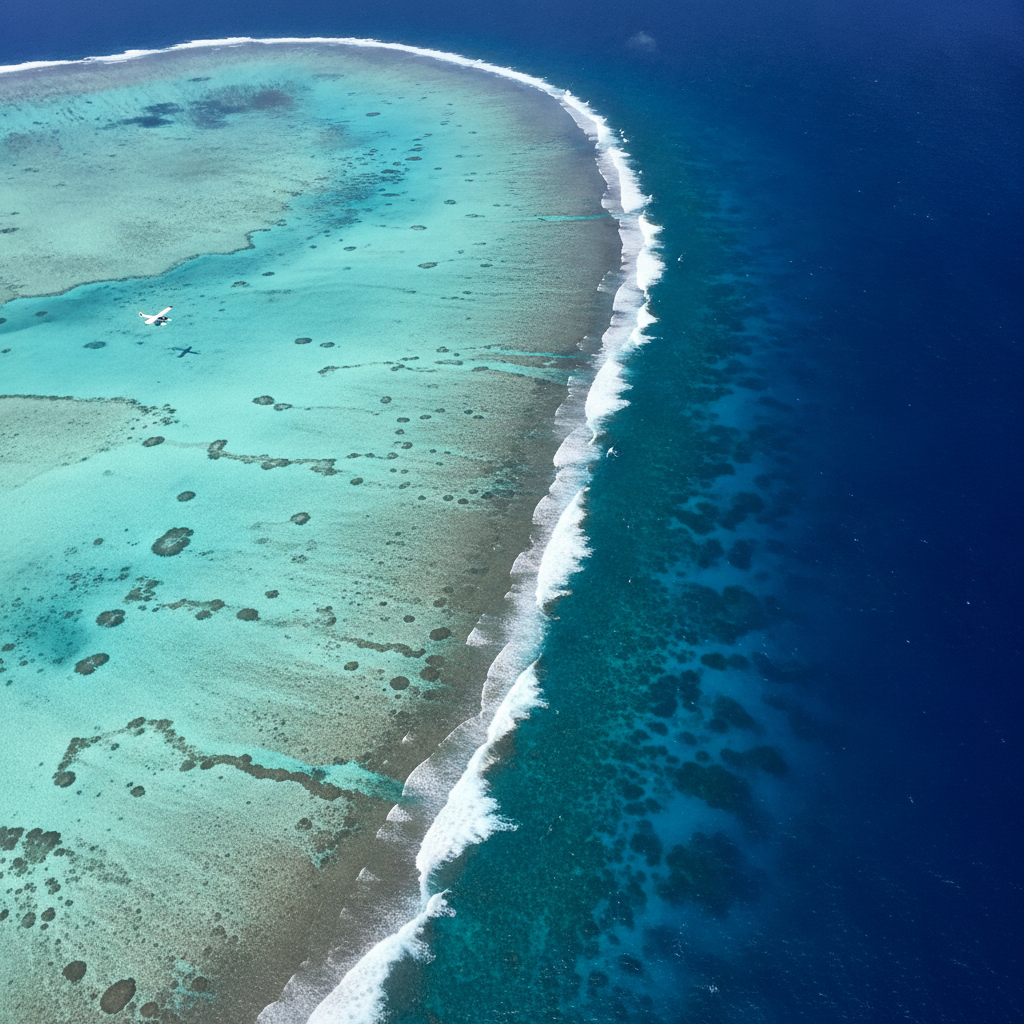
The Great Barrier Reef (UNESCO World Heritage Site 1981, approximately 50-90 minutes by high-speed catamaran from Cairns): the largest coral reef system in the world, covering 344,400 sq km along the northeast coast of Queensland. The outer reef experience from Cairns: the primary reef experiences are the pontoon day trips (the large floating platforms moored at the outer reef 70-90 minutes from Cairns, with multiple dive and snorkel sites around the pontoon) and the liveaboard dive trips (staying on the boat overnight, accessing the more remote reef sections). The Agincourt Ribbon Reefs (the outer reef ribbons north of Port Douglas): the most pristine section of the Great Barrier Reef accessible from Cairns, with the Cod Hole (the famous dive site with the resident potato cod, Murray eel, and reef fish). The reef bleaching crisis: the Great Barrier Reef has experienced unprecedented mass bleaching events in 2016, 2017, 2020, 2022, and 2024, driven by elevated ocean temperatures caused by climate change. The northern sections of the reef (from Cairns northward) have been most severely affected. The southern sections (near the Whitsundays and Heron Island) have recovered more fully. The current reef health: the reef is still spectacular and worth visiting, but the visitor should have realistic expectations; the most pristine sections require liveaboard trips to the Coral Sea (Osprey Reef, Holmes Reef).
- 3
Daintree National Park and Cape Tribulation from Cairns
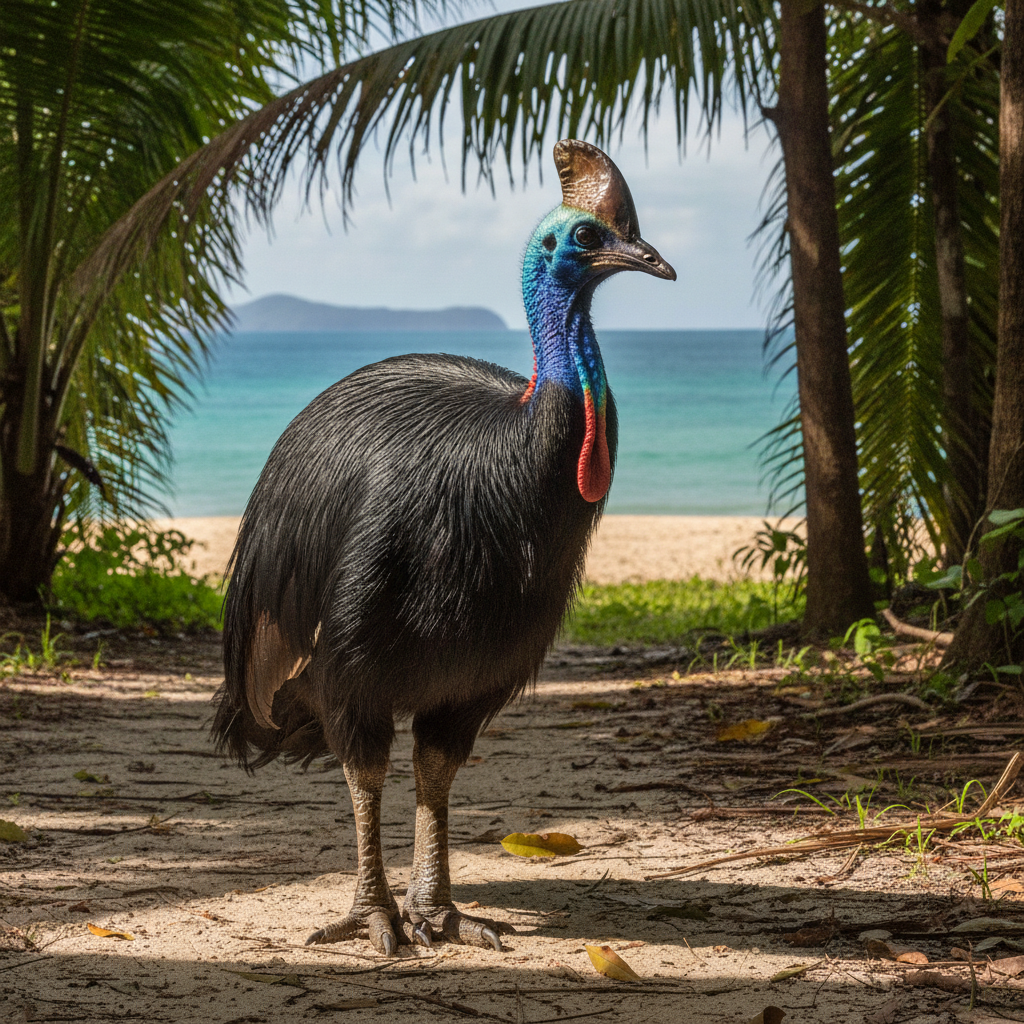
Daintree National Park (approximately 110 km north of Cairns, 2 hours by road via Port Douglas): the primary tropical rainforest experience from Cairns. The Daintree Rainforest (part of the Wet Tropics of Queensland UNESCO World Heritage Area): the oldest continuously surviving tropical rainforest on earth, approximately 180 million years old, predating the separation of Australia from Gondwana. The Daintree River crocodile cruise (departing from the Daintree village, 90 minutes from Cairns): the most accessible estuarine crocodile viewing in Australia; the saltwater crocodile (Crocodylus porosus) population of the Daintree River is estimated at approximately 100 individuals. Cape Tribulation (30 km north of the Daintree River ferry crossing): the famous point where the rainforest meets the Great Barrier Reef — the only place on earth where two UNESCO World Heritage Sites are in direct contact. The Cape Tribulation beach: the tropical beach backed by the dense rainforest, with the Myall Beach and the Noah Beach camping area. The cassowary in the Daintree: the southern cassowary (the large flightless bird with the blue neck and the bony casque) is regularly encountered on the roads of the Daintree and Cape Tribulation area; drive slowly at dawn and dusk. The Mossman Gorge (20 km north of Port Douglas, 90 km from Cairns): the crystal-clear mountain stream in the Daintree National Park, with the guided Mossman Gorge Cultural Centre tours.
- 4
Kuranda - Rainforest Village by Scenic Rail and Skyrail
Kuranda (the rainforest village in the Atherton Tablelands, 25 km northwest of Cairns by road, or 34 km by the Kuranda Scenic Railway): the primary half-day or full-day excursion from Cairns. The Kuranda Scenic Railway (the heritage railway from Cairns Railway Station to Kuranda, 34 km, 1 hour 45 minutes): one of the most scenic short railway journeys in Australia, passing through 15 tunnels and over 40 bridges as it climbs the Macalister Range from sea level to 328 m. The railway was built in 1891 by hand labour (mostly Irish and South Sea Islander workers); the route through the Barron Gorge required extraordinary engineering under extreme conditions. The Skyrail Rainforest Cableway (from Smithfield, 15 km north of Cairns, to Kuranda): the 7.5 km gondola cable car over the rainforest canopy, with two mid-stations at Barron Falls and Red Peak (both within the Barron Gorge National Park). The standard Kuranda excursion: go up on the Scenic Railway and return on the Skyrail (or reverse), combining both experiences in a single day. Kuranda village: the permanent arts and crafts markets, the Kuranda Koala Gardens, the Australian Butterfly Sanctuary (the largest butterfly sanctuary in the southern hemisphere), and the Rainforestation Nature Park (the army duck ride through the rainforest, the Aboriginal cultural show).
- 5
Atherton Tablelands and the Waterfalls Circuit
Atherton Tablelands (the fertile plateau above the Cairns coastal strip, 30-60 km west of Cairns, elevation 700-1,000 m): the primary agricultural region of north Queensland, with the dairy farming, the tropical fruit farms, and the waterfalls. The Tablelands climate: significantly cooler and wetter than Cairns (elevation provides relief from the coastal tropical heat); ideal for the hot season escape from Cairns. The Tablelands waterfalls: Millaa Millaa Falls (the most photogenic waterfall in the Tablelands, with the perfect horseshoe shape and the swimming hole directly in front of the falls), Zillie Falls, Ellinjaa Falls, and Mungalli Falls (the Waterfalls Circuit driving route connecting the primary falls). Lake Eacham and Lake Barrine (the two crater lakes in the Crater Lakes National Park, on the Atherton Tablelands): the volcanic crater lakes with crystal-clear freshwater, giant water lilies (Victoria amazonica), and the freshwater turtles. The Lake Barrine tea house (the historic 1932 tea house overlooking Lake Barrine): the afternoon tea and scone tradition at the lake edge. The curtain fig tree (near Yungaburra): the strangler fig tree with the curtain of aerial roots hanging from the main trunk; the tree is growing on the fallen trunk of a previous host tree, creating the curtain effect. The platypus at Yungaburra: the Peterson Creek in Yungaburra is one of the most reliable platypus viewing spots in Queensland.
- 6
Cairns Practical Guide and Adventure Sports Capital of Australia
Cairns practical: the best season is May to October (the dry season) when the weather is reliably sunny and dry, the water visibility on the reef is best, and the outdoor activities are most accessible. The wet season (November to April) brings rain and humidity but also fewer tourists, lower prices, and the extraordinary green of the tropical vegetation after the rain. Marine stingers (box jellyfish and Irukandji jellyfish): present in the Cairns waters from October to May; swim only in stinger-proof enclosures or wear a full stinger suit for reef snorkeling in this period. The Cairns adventure sports: white water rafting on the Tully River (Grade 4 rapids, 130 km south of Cairns, 2 hours), the bungy jumping and giant swing at Cairns Zoom (in the city center), skydiving over the Great Barrier Reef (dropping from 14,000 ft, landing at Mission Beach or Palm Cove), and the ATV quad bike and horse riding tours in the Cairns Hinterland. The Cairns dive certification: Cairns is one of the best places in the world to complete an Open Water PADI certification, with many dive schools offering the 3-4 day course ending with dives on the outer reef. The Cairns accommodation strip: the main backpacker and resort hotels are clustered on the Esplanade and within 500 m of the waterfront. Budget: AUD 30-50 per night for dorms; AUD 80-150 for mid-range rooms; AUD 300+ for luxury. The reef day trip: budget AUD 200-280 per person for the full pontoon day trip including snorkeling and one introductory dive.
Walk this route with audio
Stories play automatically as you reach each stop — no tapping needed.
More in cairns
Cairns: Cooktown Captain Cook History and Guugu Yimithirr Kangaroo Word, Gimuy Walubara Yidinji Country, Cairns as World Learn-to-Dive Capital, Wet Season Wildlife, North Queensland Tropical Produce, and Four-Route Final Complete Summary
Cairns: Kakadu National Park and Yellow Water Billabong, Litchfield Swimming Holes, Darwin Tropical City, Coral Sea Liveaboard Diving and Osprey Reef, Great Barrier Reef Marine Conservation, Cairns Arts Scene, and Four-Route Complete Verdict