Buffalo: Niagara Falls, grain elevators, Buffalo wings, architecture, Erie Canal, and sports heartbreak
Buffalo overview: grain elevators world's first 1843 Joseph Dart steam bucket conveyor, Le Corbusier Vers une Architecture 1923 magnificent first fruits, population 580,000 1950 to 280,000 52% decline urban revival; Niagara Falls 30M visitors/year 2832 cubic meters/second Horseshoe Falls 792m wide 57m tall 90% flow, Maid of Mist since 1846, Charles Blondin tightrope 1859 17 crossings, Annie Edson Taylor October 24 1901 first barrel survivor her 63rd birthday; Buffalo wing Anchor Bar 1064 Main Street Teressa Bellissimo 1964 Frank's RedHot improvised late night, beef on weck kummelweck German immigrants natural jus horseradish; Pan-American Exposition 1901 Electric Tower brightest illumination world, McKinley assassinated September 6 1901 Czolgosz anarchist Roosevelt Ansley Wilcox House 641 Delaware inaugural site; Darwin Martin House FLW 1904-1905 Prairie Style, Guaranty Building Sullivan 1895-1896 skyscraper masterpiece, Buffalo City Hall 1931 120m, Richardson Olmsted Campus H.H. Richardson 1870-1880 Hotel Henry; Erie Canal 1825 USD 100 to USD 10/ton overnight Buffalo boom, Olmsted park system oldest single-designer US comprehensive Delaware Park 350 acres; Bills 4 consecutive Super Bowls lost 1991-1994 Norwood missed 47-yd 8sec, Sabres no-goal Brett Hull crease 1999 NHL changed rule quietly.
- 1
Buffalo - Niagara Falls, Wings, and Rust Belt Resilience
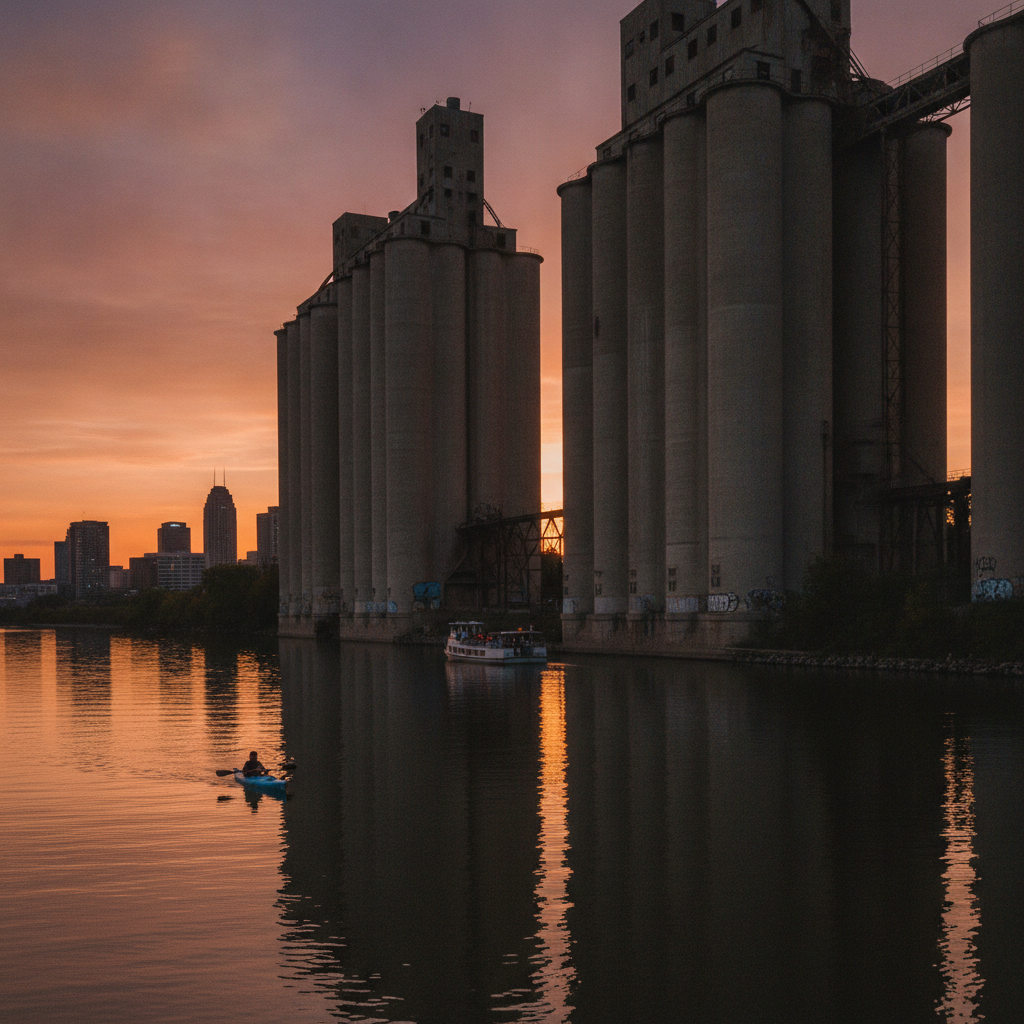
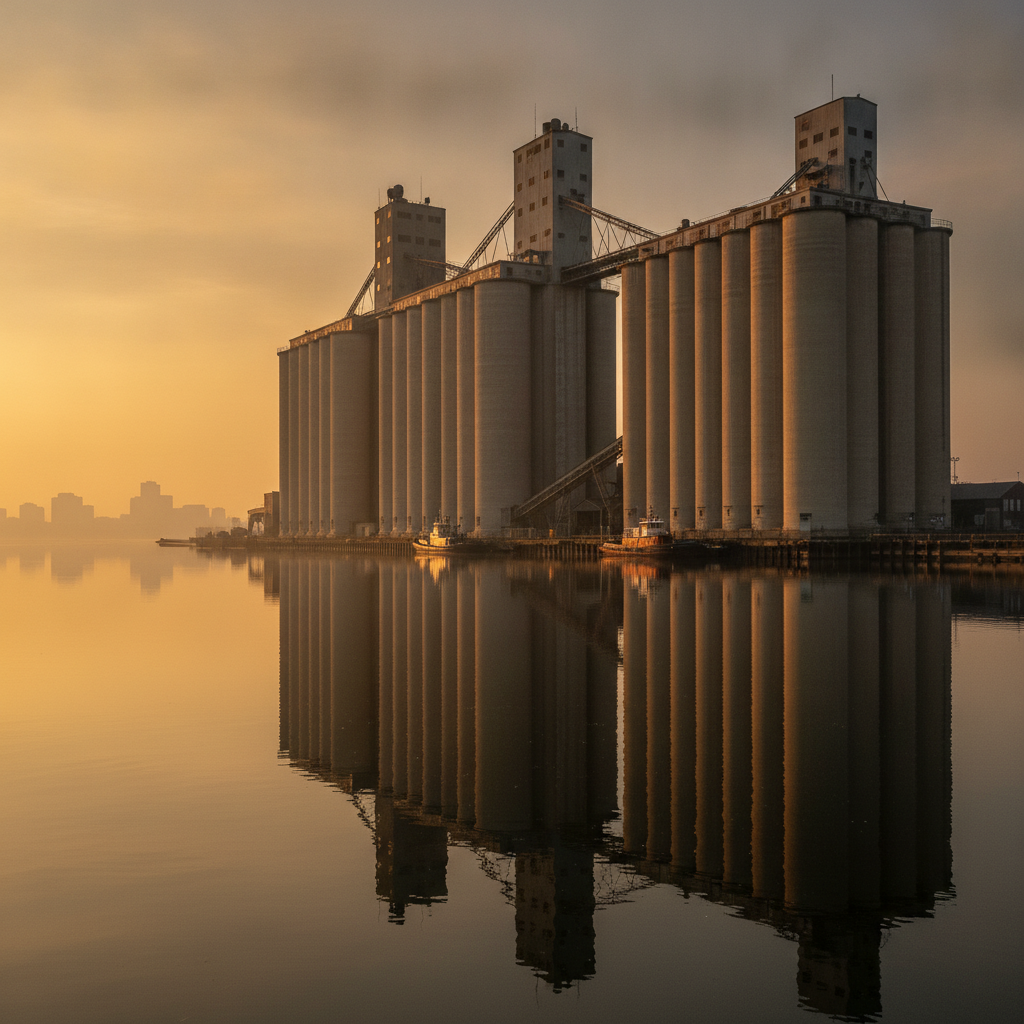
Buffalo, New York (population approximately 280,000 city, 1.15 million metro) occupies the eastern shore of Lake Erie at the head of the Niagara River, making it one of the most dramatically situated cities in the United States — 27 km from Niagara Falls, at the transition point between the Great Lakes and the St. Lawrence River drainage. Buffalo's economic history: Buffalo was the most important grain transshipment port in the world from approximately 1843 (when the first steam-powered grain elevator was built) to 1959 (when the St. Lawrence Seaway opened, routing Great Lakes shipping directly to the Atlantic without stopping in Buffalo), growing from a frontier village of 8,000 in 1830 to the 8th-largest city in the United States in 1900 (with 350,000 people). The Buffalo grain elevators (the massive concrete silos along the Buffalo waterfront, most abandoned): the first grain elevators in the world (the first was designed by Joseph Dart and Robert Dunbar and completed at the foot of Commercial Street in 1843, using a steam-powered bucket conveyor to unload grain from lake vessels at unprecedented speed) defined the industrial architecture of the American Midwest and directly inspired the European modernists who visited them in the 1920s (Le Corbusier called them the magnificent first fruits of the new age and featured them in Vers une Architecture, 1923, as examples of the machine aesthetic that should inspire modern architecture). Buffalo today: the city has experienced one of the most severe population declines of any major American city (from 580,000 in 1950 to 280,000 in 2024 — a 52% decline) but has also experienced one of the most significant urban revivals in recent years, driven by a healthcare and higher education economy, the expansion of the University at Buffalo, a growing tech sector, and a civic pride that is both genuine and defiant.
- 2
Niagara Falls - The Most Famous Waterfall in the World
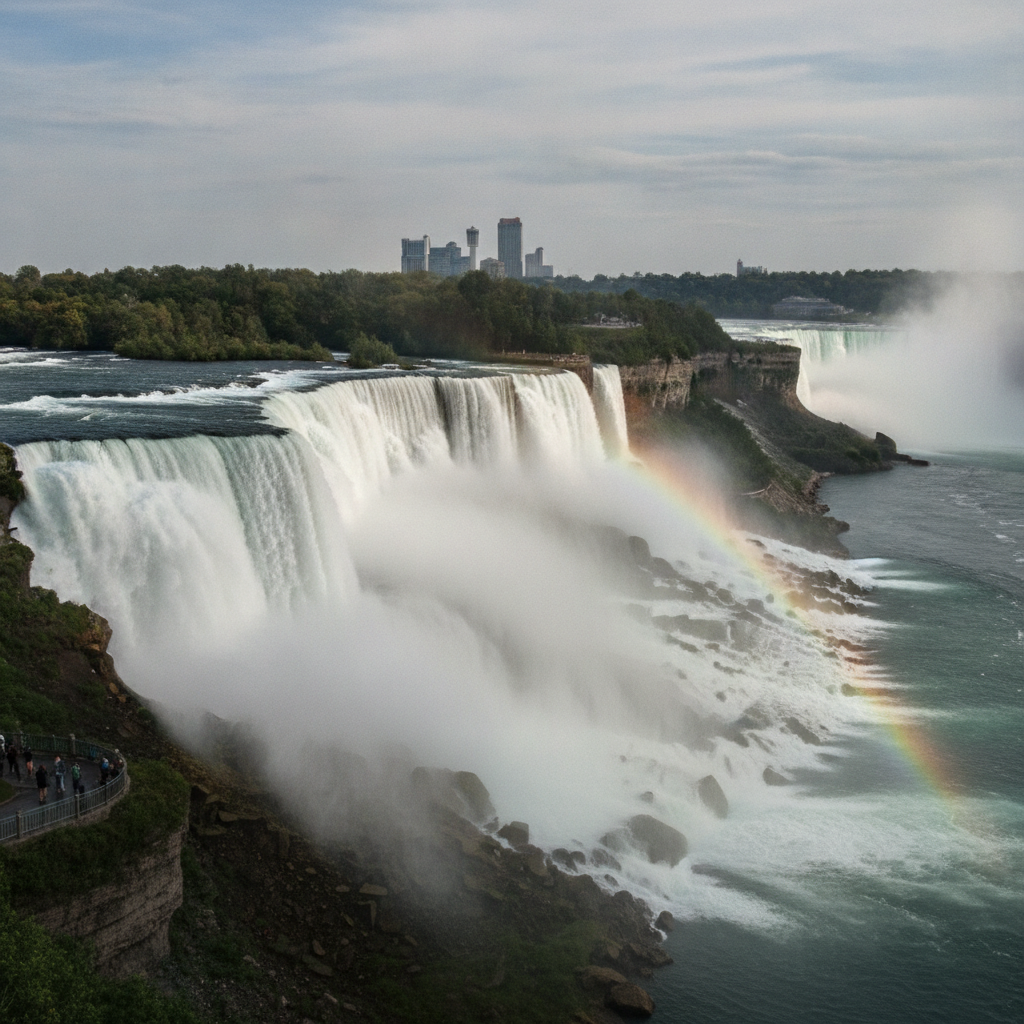
Niagara Falls (the falls straddling the US-Canada border, 27 km north of downtown Buffalo): the most visited waterfall in the world (approximately 30 million visitors per year, most arriving on the Canadian side), the second-largest waterfall by flow volume in the world (after Iguazu Falls), and the most important natural landmark in northeastern North America. The Niagara Falls statistics: the combined flow of the American Falls, Bridal Veil Falls, and Horseshoe Falls (on the Canadian side) is approximately 2,832 cubic meters per second during peak summer tourist hours (the flow is regulated by a 1950 US-Canada treaty that diverts a significant portion of the Niagara River flow into hydroelectric tunnels during night hours and low-tourist season). The Horseshoe Falls (the Canadian portion, the largest and most dramatic): 792 m wide, 57 m tall, with approximately 90% of the total Niagara flow — the most powerful waterfall in North America by volume. The Maid of the Mist boat tours (departing from the Niagara Falls State Park boat dock, 25 Prospect Street, Niagara Falls, New York): the most famous single tourist experience in the northeastern United States, operating since 1846 (the same boats have served the same route for nearly 180 years). The daredevils: Niagara Falls has attracted daredevils since Charles Blondin first crossed the gorge on a tightrope in 1859 (subsequently crossing 17 more times, including while pushing a wheelbarrow, on stilts, and carrying a man on his back). Annie Edson Taylor (born October 24, 1838, Adams, New York; died April 29, 1921, Lockport, New York) was the first person to go over the falls in a barrel and survive, on October 24, 1901 — her 63rd birthday.
- 3
The Buffalo Wing and Food Culture
The Buffalo wing (the deep-fried chicken wing section tossed in Frank's RedHot cayenne pepper sauce and butter, served with celery and blue cheese dressing): the most successful single food innovation in American culinary history measured by economic impact, invented at the Anchor Bar (at 1047 Main Street, Buffalo, New York) by Teressa Bellissimo in 1964 (the traditional story: Teressa's son Dominic and his friends came into the bar late at night hungry, and Teressa improvised by deep-frying the wings she had been saving for stock, tossed them in hot sauce, and served them — the hot sauce she used was Frank's RedHot, a Louisiana-style hot sauce that had been on the market since 1920). Buffalo wing economics: the chicken wing (which is derived from a part of the chicken that was previously discarded or sold cheaply for soup stock) has become, due entirely to the Buffalo wing's popularity, one of the most expensive cuts of chicken in the United States — wholesale chicken wing prices are tracked as an economic indicator of food inflation. The beef-on-weck sandwich: the other defining Buffalo food, consisting of thinly sliced roast beef on a kummelweck roll (a hard roll topped with coarse salt and caraway seeds, the dough dipped in water before the seeds are applied — a German-immigrant tradition brought to Buffalo by the large German community in the late 19th century), served with natural jus for dipping and sharp horseradish. Beef on weck is to Buffalo what the cheesesteak is to Philadelphia — the regional sandwich that defines the city's food identity. Bocce Club Pizza (at 4174 Bailey Avenue, the original Bocce Club): the pizza style of Buffalo — a large, thick, doughy pie topped with a sweet tomato sauce and generous cheese, baked in a pan — that is distinct from both New York thin-crust and Sicilian pizza.
- 4
The Pan-American Exposition, the Elmwood Village, and Architecture
The Pan-American Exposition of 1901 (held May 1 to November 2, 1901, in Delaware Park, Buffalo): the world's fair that showcased the age of electricity and hydroelectric power from Niagara Falls, with buildings designed in the Spanish Renaissance style and illuminated by a 400-foot tower of electric lights — the Electric Tower, which was the brightest artificial illumination in the world at the time. The assassination of President McKinley: on September 6, 1901, President William McKinley (born January 29, 1843, Niles, Ohio; died September 14, 1901, Buffalo) was shot at point-blank range by the anarchist Leon Czolgosz at the Temple of Music at the Pan-American Exposition. McKinley died 8 days later, making Theodore Roosevelt (the Vice President, who was hiking in the Adirondacks when he received word of McKinley's critical condition) the 26th President of the United States. Roosevelt took the oath of office at the Ansley Wilcox House (at 641 Delaware Avenue, Buffalo, now the Theodore Roosevelt Inaugural National Historic Site). Buffalo architecture: Buffalo has some of the finest 19th and early 20th century architecture in the United States, including the Darwin D. Martin House Complex (at 125 Jewett Pkwy, designed by Frank Lloyd Wright 1904-1905, his most important early Prairie Style commission), the Guaranty Building (at 28 Church Street, designed by Louis Sullivan 1895-1896, one of the masterpieces of early American skyscraper design), the Buffalo City Hall (at 65 Niagara Square, 1931, the tallest municipal building in New York State at 120 m), and the Richardson Olmsted Campus (at 400 Forest Avenue, the former Buffalo State Hospital designed by H.H. Richardson 1870-1880, now restored as Hotel Henry).
- 5
Niagara River, the Erie Canal, and the Olmsted Parks
The Erie Canal (opened October 26, 1825, connecting the Hudson River at Albany to Lake Erie at Buffalo, 584 km): the most important infrastructure project in American history, which transformed Buffalo from a frontier village into the most important inland port in the world almost overnight. The canal's impact: before the Erie Canal, it cost approximately USD 100 per ton to ship goods overland from New York City to the Great Lakes; after the canal opened, the cost fell to approximately USD 10 per ton, making Buffalo the most economical transit point between the agricultural and mineral resources of the interior and the markets of the eastern seaboard and Europe. Frederick Law Olmsted (born April 26, 1822, Hartford, Connecticut; died August 28, 1903, Waverley, Massachusetts): the designer of Central Park in New York, who designed the Buffalo park system (the oldest comprehensive urban park system designed by a single designer in the United States, predating even the Chicago park system) — including Delaware Park (the 350-acre centerpiece park, modeled on the English landscape park tradition), Front Park, South Park, and Martin Luther King Jr. Park. Buffalo's Olmsted parks are now designated a National Historic Landmark District — the finest surviving example of Olmsted's urban park design vision. The Niagara River Greenway (the 56-km greenway connecting Buffalo to Niagara Falls along the Niagara River): the most complete waterfront linear park in western New York, with the Riviera-like limestone gorge of the Niagara River below the falls (the best-kept secret in the Niagara region, with cliffs, whitewater rapids, and nesting peregrine falcons visible from the Gorge Trail).
- 6
Buffalo Bills, Sabres, and the Buffalo Sports Tragedy
Buffalo's sports heartbreak: no city in American professional sports history has experienced more dramatic playoff defeats than Buffalo, which has earned a designation as the most heartbreaking sports city in America. The Buffalo Bills (the NFL franchise, founded 1960 as a charter member of the American Football League): the Bills won 4 consecutive American Football Conference championships from 1990 to 1993 (under head coach Marv Levy and quarterback Jim Kelly) — and lost 4 consecutive Super Bowls (Super Bowl XXV, January 27, 1991, to the New York Giants 20-19 on Scott Norwood's missed 47-yard field goal with 8 seconds left — the most famous missed kick in American sports history; Super Bowl XXVI, January 26, 1992, to the Washington Redskins 37-24; Super Bowl XXVII, January 31, 1993, to the Dallas Cowboys 52-17; Super Bowl XXVIII, January 30, 1994, to the Dallas Cowboys 30-13). Four consecutive Super Bowl appearances (all losses) is the only such record in NFL history. The Music City Miracle (January 8, 2000, Wild Card Playoff): the lateral pass (ruled a legal forward pass by the officials) from Lorenzo Neal to Frank Wycheck to Kevin Dyson, running 75 yards for a touchdown with 16 seconds left in the game, defeating the Buffalo Bills and sending the Tennessee Titans to the next round. The Buffalo Sabres (the NHL franchise founded 1970): famous for the May 26, 1999 goal (the no-goal, in which Brett Hull's foot was in the crease when he scored the championship-winning goal for the Dallas Stars in triple overtime of Game 6 of the Stanley Cup Finals, in a ruling so controversial that the NHL quietly changed the crease rule the following season).
Walk this route with audio
Stories play automatically as you reach each stop — no tapping needed.
More in buffalo
Buffalo: Olmsted Parks, Industrial Giants and a City Rebuilt
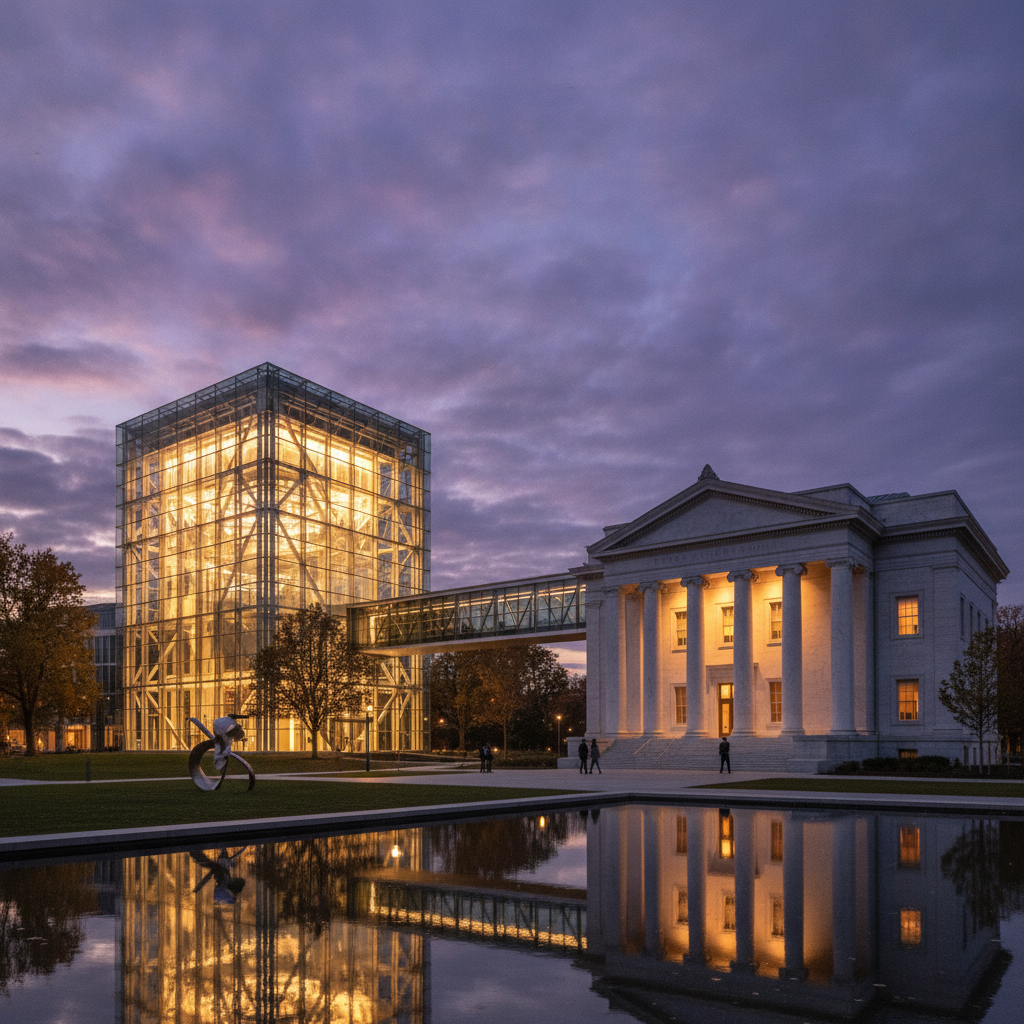
Buffalo R2-R6: AKG Museum (8500 works finest modern art NY to Chicago, Abstract Expressionism Pollock Rothko Kline Still de Kooning, OMA Shigematsu Gundlach Building 2023 USD 230M 21,000 sqm, Kleinhans Music Hall Saarinen father-son 1940 best acoustics NY after Carnegie Hall, Burchfield Penney Charles Burchfield 1893-1967 visionary watercolorist); Architecture (Darwin Martin House FLW 1904-1905 Prairie Style 6 structures USD 50M restoration 2007, Guaranty Building Sullivan Adler 1896 finest US office building terra-cotta vegetative, City Hall 1931 Art Deco tallest NY municipal 120m 28th floor free 360 views, Richardson Olmsted Campus HH Richardson 1870-1880 greatest 19th century collaboration Hotel Henry), Neighborhoods (Elmwood Village most desirable, Allentown Art Festival oldest outdoor juried eastern US 70,000 Father's Day weekend, Polish Broadway East Side Tops massacre May 14 2022 10 killed white supremacist NY worst, First Ward Irish dockworkers); Lake Effect (230cm average 500cm suburbs belt, cold Arctic -20/-30C over warm Erie lake moisture dump, November 2014 177cm 24hrs 14 dead, Bills Mafia table-jumping tailgate Highmark Stadium Orchard Park culture); Seneca Nation (Haudenosaunee Confederacy Six Nations Guardians Western Door, US Constitution influence Grinde Johansen Exemplar Liberty 1991 disputed, Laura Secord 30km walk June 24 1813 Canadian hero, Seneca Nation Salamanca casinos, Sullivan-Clinton 1779 40 villages scorched earth); Practical (BUF 5.5M passengers 40 destinations, Niagara Falls State Park 1885 oldest US state park, Toronto 150km 90min Peace Bridge, Niagara icewine, Hotel Henry HH Richardson).
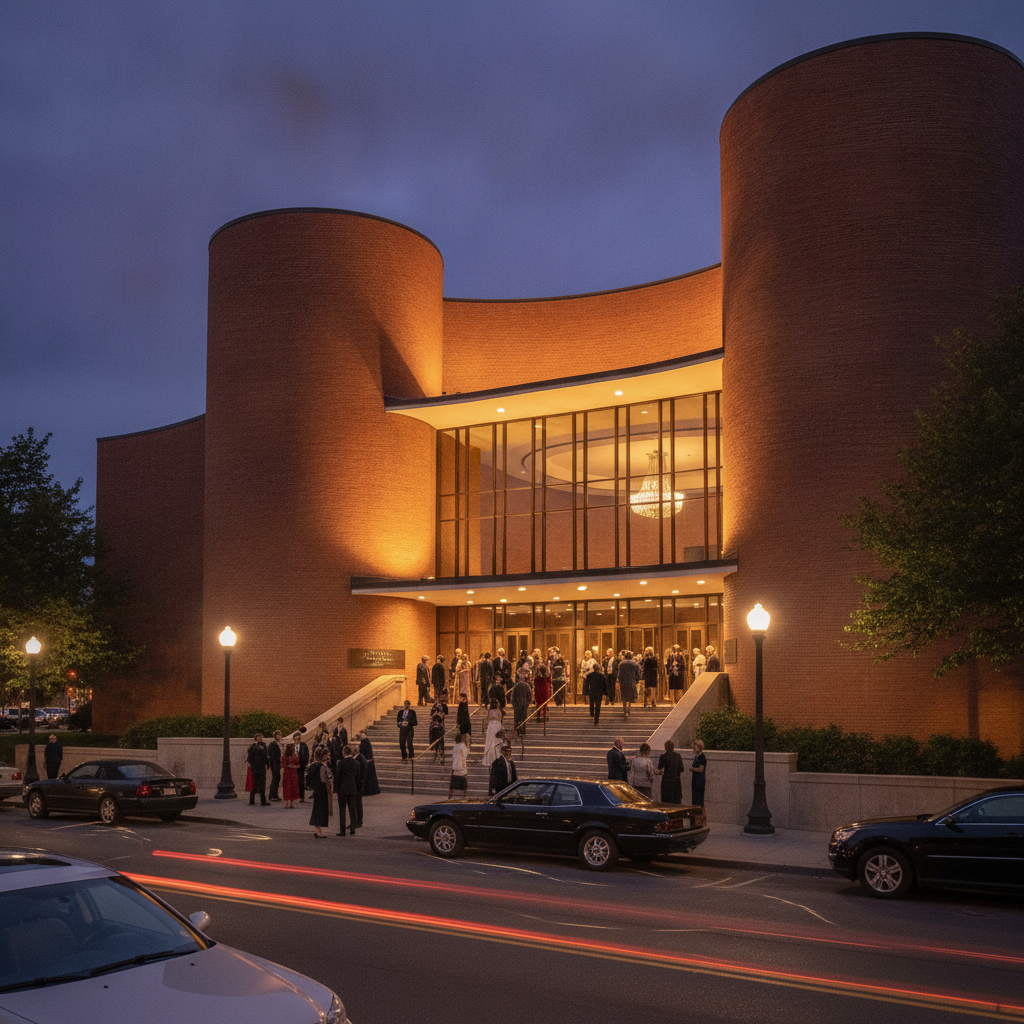
Buffalo: Haudenosaunee Roots, Snow Records and a Symphony in a Landmark Hall
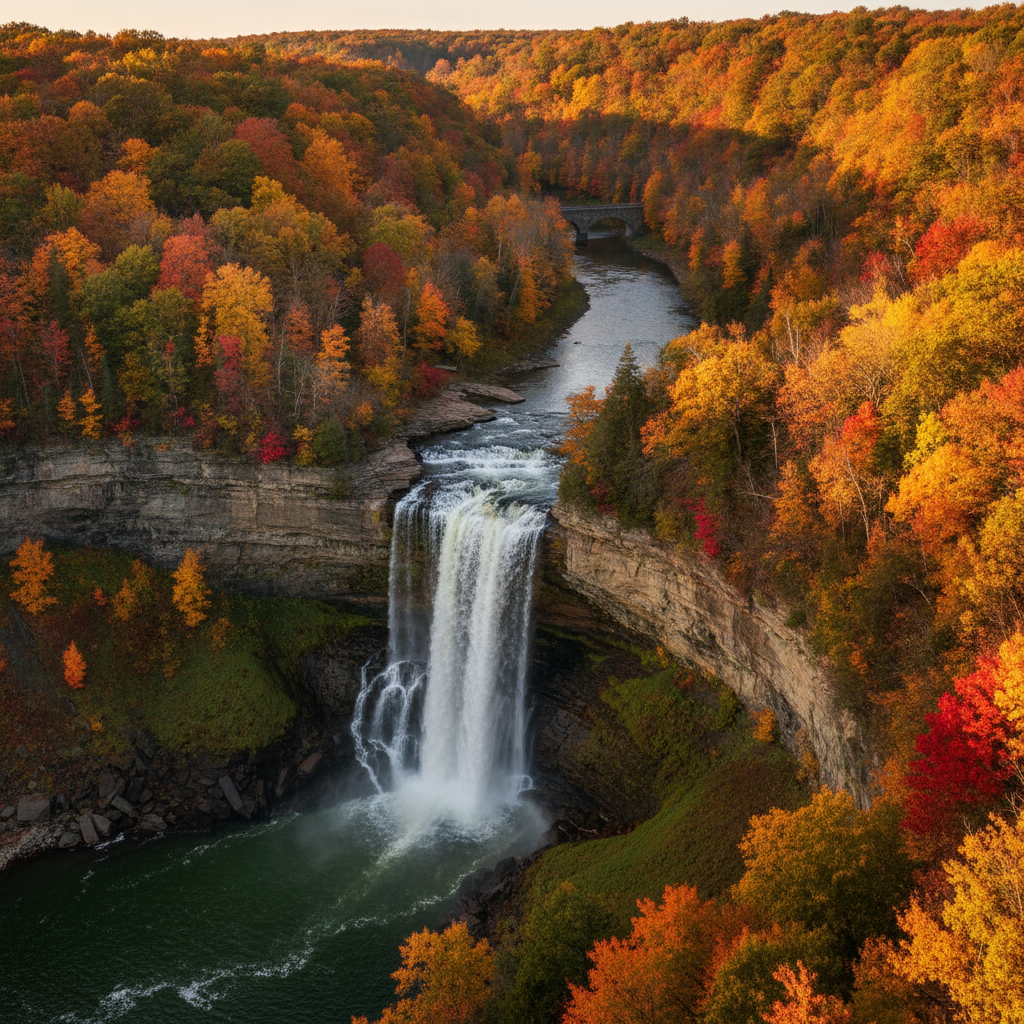
Buffalo R5: Letchworth (90km southeast, 25km gorge 180m deep, three waterfalls Upper 26m Middle 30m Lower 23m, Portage Viaduct 1903 72m above river, October foliage most beautiful inland eastern US, Mary Jemison captured 1755 age 12 lived as Seneca died 1833 age 90 buried in park, Senator Letchworth donated 1906); First Ward (Irish Famine 1840s dockworkers canal laborers, Swannie House 1880 oldest bar, grain elevator kayak tours Riverline, Seneca One Tower 38 stories USD 500M conversion, Statler Hilton 1923 Ellsworth Statler 1863-1928 invented in-room bath 1908 in-room phone 1911 doorknob menu Father Modern Hotel); Erie Canal (584km Albany to Buffalo, 57 locks 524km navigable, Lockport 40km engineers overcame Niagara Escarpment 5 pairs locks most remarkable feat, Annie Taylor born Lockport 1838, Rochester 150km Eastman Kodak 1892 George Eastman suicide note My work is done, Strong Museum of Play worlds only); Theater (Shea's 1926 C.W. Rapp 3083 seats Broadway Series, Irish Classical Theatre, Kleinhans 1940 Saarinen father-son one of finest concert hall acoustics US, Buffalo bar culture Ulrichs 1868 Pan American Toutant Southern); Canadian connections (Peace Bridge 1927 8M vehicles/year 4th busiest land crossing, Canadian side superior face-on Horseshoe view, Fallsview Casino most visited Canada, Niagara-on-the-Lake Shaw Festival 10 plays 4 theaters, Inniskillin icewine 1989 Grand Prix Bordeaux 1991, Fort George War 1812); Revival (population 258,000 to 279,000 2010-2020 first growth since 1950, USD 175-200K median home most affordable NE, Tesla Gigafactory USD 750M Solar Roof, Josh Allen 5 Pro Bowls Sean McDermott, Green Code 2016 first zoning update since 1953).
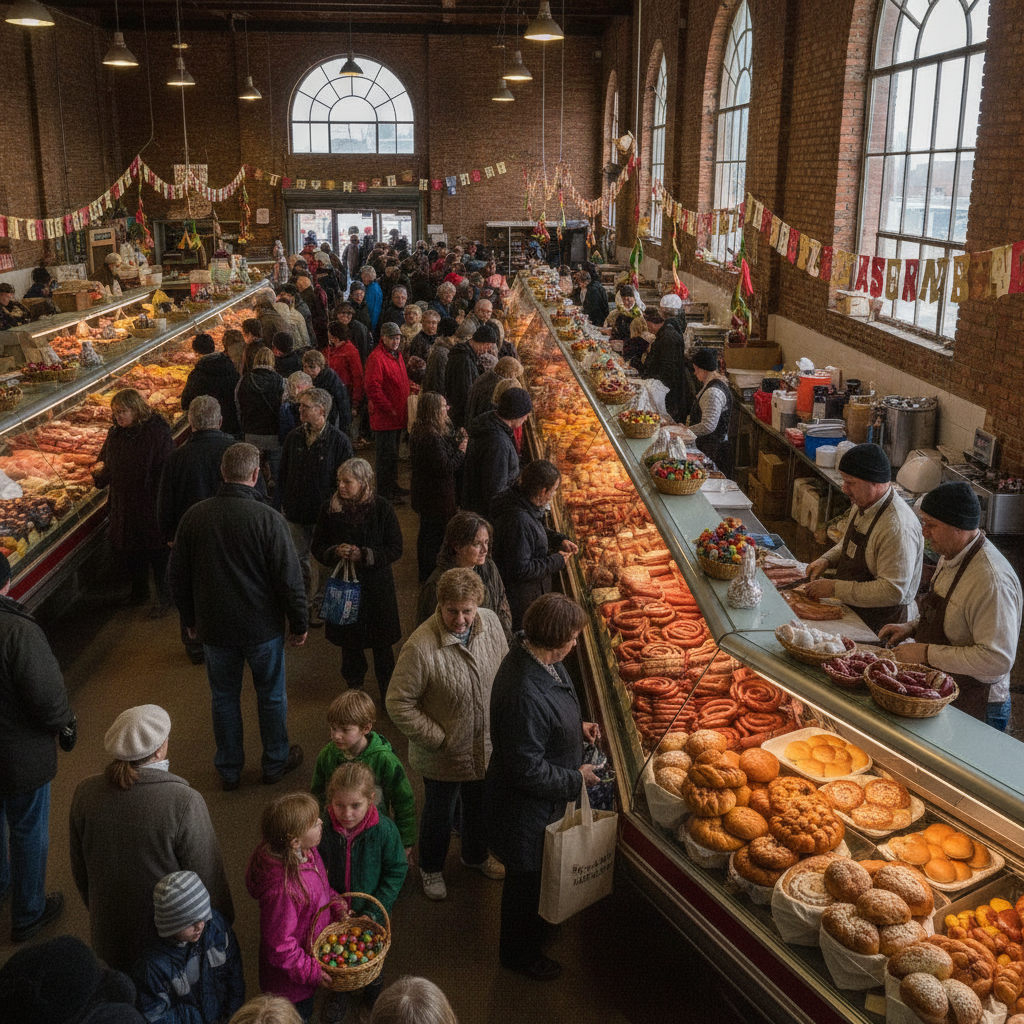
Buffalo R4: Polish community (400,000 Polish-American largest US after Chicago, Broadway Market 1888 52 vendors kielbasa pierogi czarnina babka, Easter season lines around block 3-4 generation vendors, Dyngus Day Monday after Easter water-sprinkling 50,000 participants most unique local US celebration); Roosevelt Inaugural (641 Delaware Ave Ansley Wilcox House September 14 1901 50 witnesses most informal inauguration, Roosevelt 1901-1909 Standard Oil Sherman Antitrust 150 national forests FDA Progressive Era, BEC Historical Society only surviving Pan-Am 1901 building, Forest Lawn Cemetery Fillmore Red Jacket Rick James); Food revival (Taste of Buffalo first weekend July 400,000 largest 2-day US food festival 60 restaurants 1.6km, Hertel Avenue diverse Italian Polish Jamaican Thai Indian, Swannie House 1880 oldest continuously operating western NY, Ted's Hot Dogs 1927 charcoal Sahlen's franks 1869, food trucks BNMC Canalside); Green spaces (Elmwood-Bidwell Farmers Market open year-round Saturday 80 vendors 100-mile radius, Bidwell Parkway Olmsted grass median Victorian Arts-Crafts, Botanical Gardens 1898 12m dome tropical, Tifft Nature Preserve 264 acres 230 bird species former landfill reclaimed, Reinstein Woods old-growth last pre-settlement forest Erie County); Fillmore (13th President 1800-1874 UB founding donor, Compromise 1850 California free Fugitive Slave Law enforced worst president rankings, Millard Fillmore House East Aurora, Grover Cleveland Mayor Buffalo 1882 Veto Mayor 22nd and 24th President non-consecutive unique); Practical (summer Taste Buffalo Allentown Art Festival Bills training camp, fall Highmark Stadium Letchworth Grand Canyon East 90km 60m gorge 3 waterfalls October foliage, winter Holiday Valley skiing Kissing Bridge, Hotel Henry Curtiss Hotel Statler City).