Plaza de Mayo, the Casa Rosada & the Historic Centre of Buenos Aires
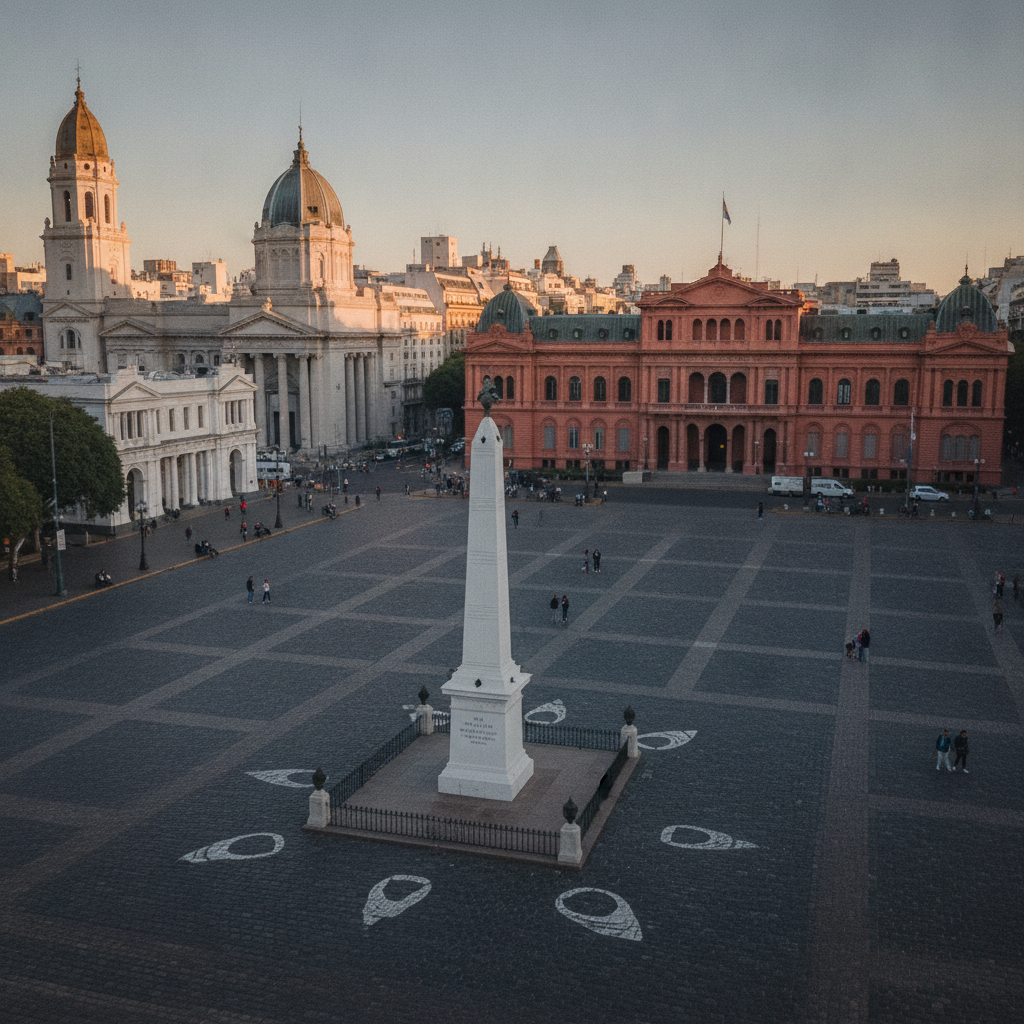
Plaza de Mayo (the central plaza of Buenos Aires, established 1580 at the founding of the city, scene of virtually every major event in Argentine history from independence in 1816 to the military coups of the 20th century and the return of democracy in 1983 — surrounded by the Casa Rosada (the Pink House, seat of the Argentine executive), the Metropolitan Cathedral, and the Cabildo) is the symbolic and historical heart of Argentina and the essential starting point for understanding Buenos Aires.
1. Casa Rosada — The Pink House & Seat of Argentine Power
- 1
Casa Rosada — The Pink House & Seat of Argentine Power
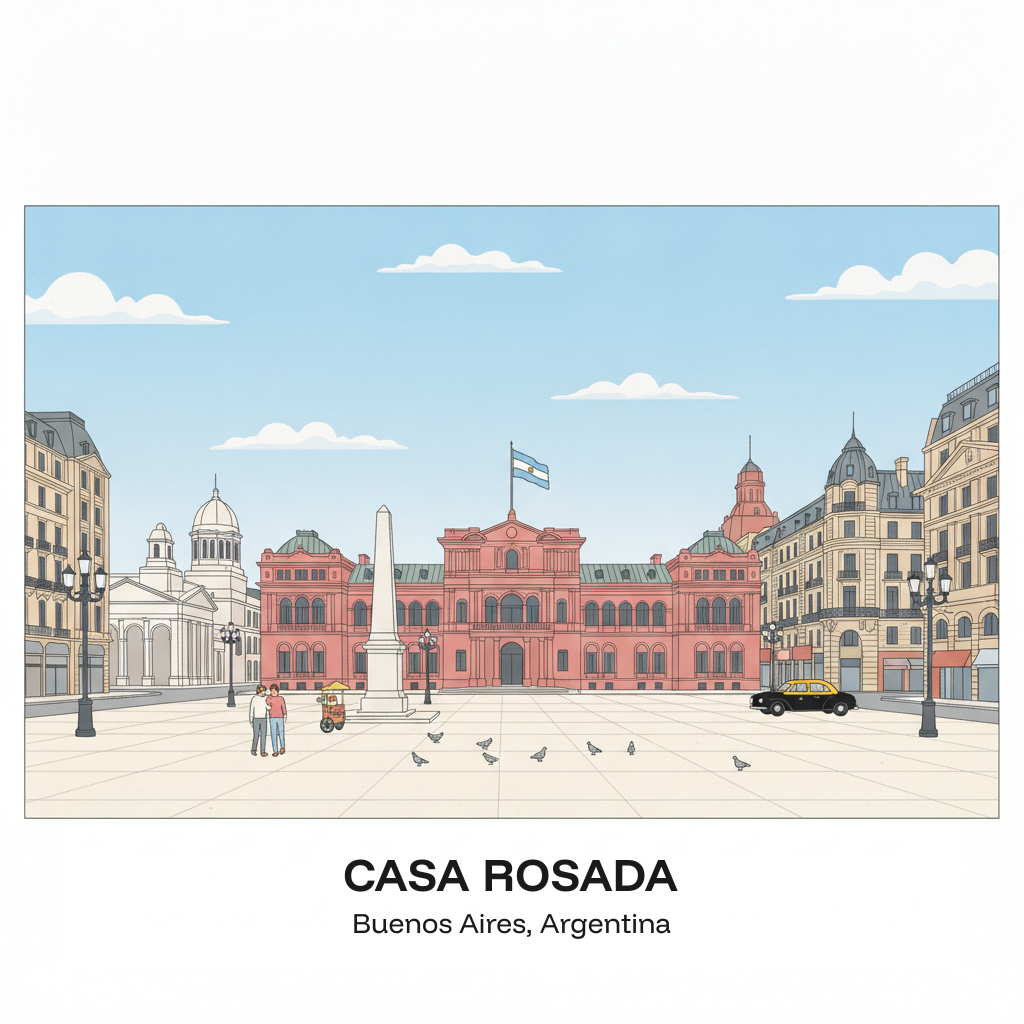
Casa Rosada (the Presidential Palace and executive office building facing the eastern end of Plaza de Mayo — the distinctive pink-painted neoclassical building with its central portico and balcony, from which Eva Perón addressed massive crowds, and from which President Leopoldo Galtieri announced the invasion of the Falkland Islands in April 1982): the current Casa Rosada (built 1873-1898) incorporates parts of earlier structures on the same site, including the colonial-era fort (Fuerte de Buenos Aires); the characteristic pink colour (originally applied in the 1870s) is traditionally explained by the use of ox blood as a paint binding agent, though this is disputed; the balcony (El Balcón) is one of the most significant political spaces in South America — the famous speeches of Juan Perón and Eva Perón were delivered from this balcony to the massive crowds in the plaza below; the Museo de la Casa Rosada (in the basement) displays the archaeological remains of the colonial fort and exhibits on the history of the building and its occupants.
- 2
May Pyramid & the Mothers of the Plaza de Mayo
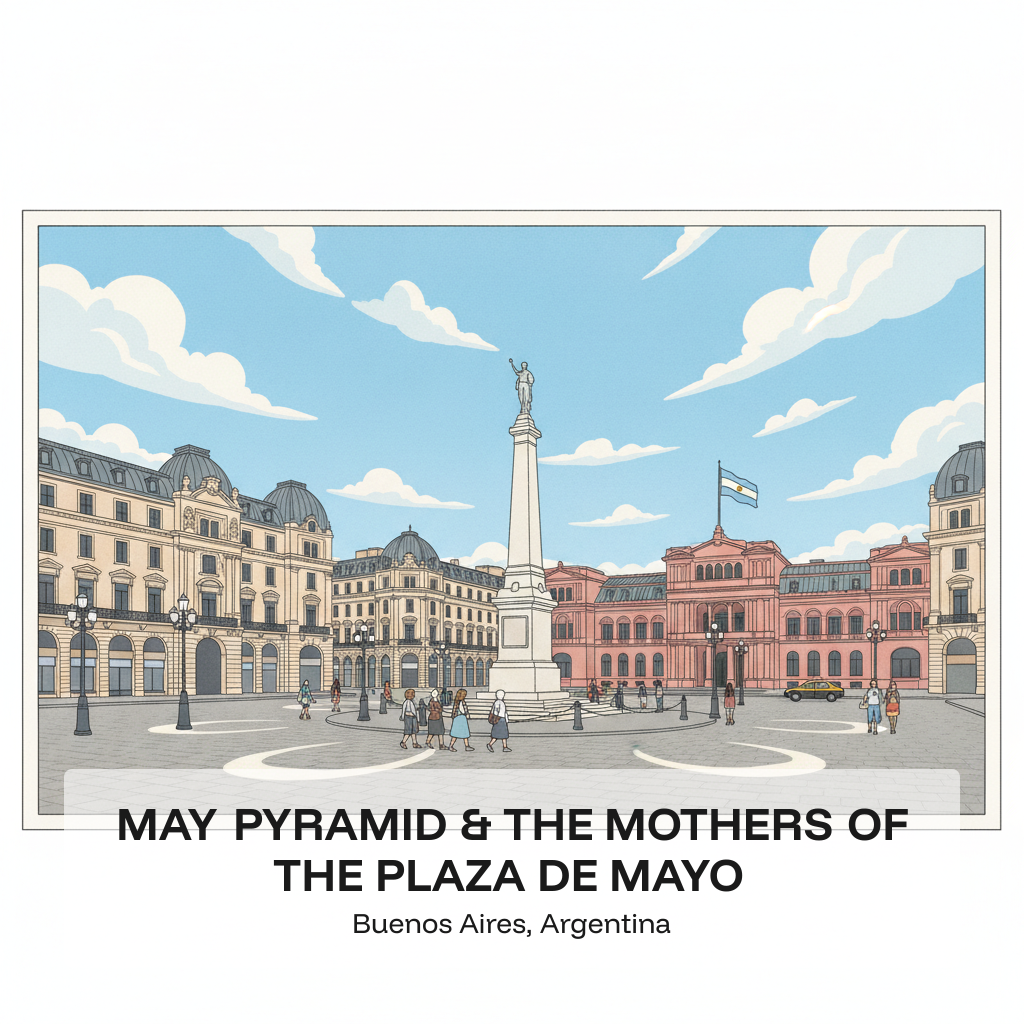
Pirámide de Mayo (the May Pyramid — the white obelisk at the centre of Plaza de Mayo, built 1811 to commemorate the first anniversary of the May Revolution of May 25, 1810, which initiated Argentina's independence process — the oldest national monument in Buenos Aires): every Thursday at 3:30pm since April 30, 1977, the Mothers of the Plaza de Mayo (Madres de Plaza de Mayo — the human rights organization founded by mothers of the 'desaparecidos,' the approximately 30,000 people who were disappeared by the Argentine military dictatorship (1976-1983)) have marched in silent circles around the May Pyramid wearing their distinctive white headscarves; the white headscarf silhouettes are permanently painted on the cobblestones around the pyramid; the Mothers' Thursday marches (still ongoing) are one of the most enduring acts of civil protest in South American history and an expression of collective memory that has become central to Argentine national identity.
- 3
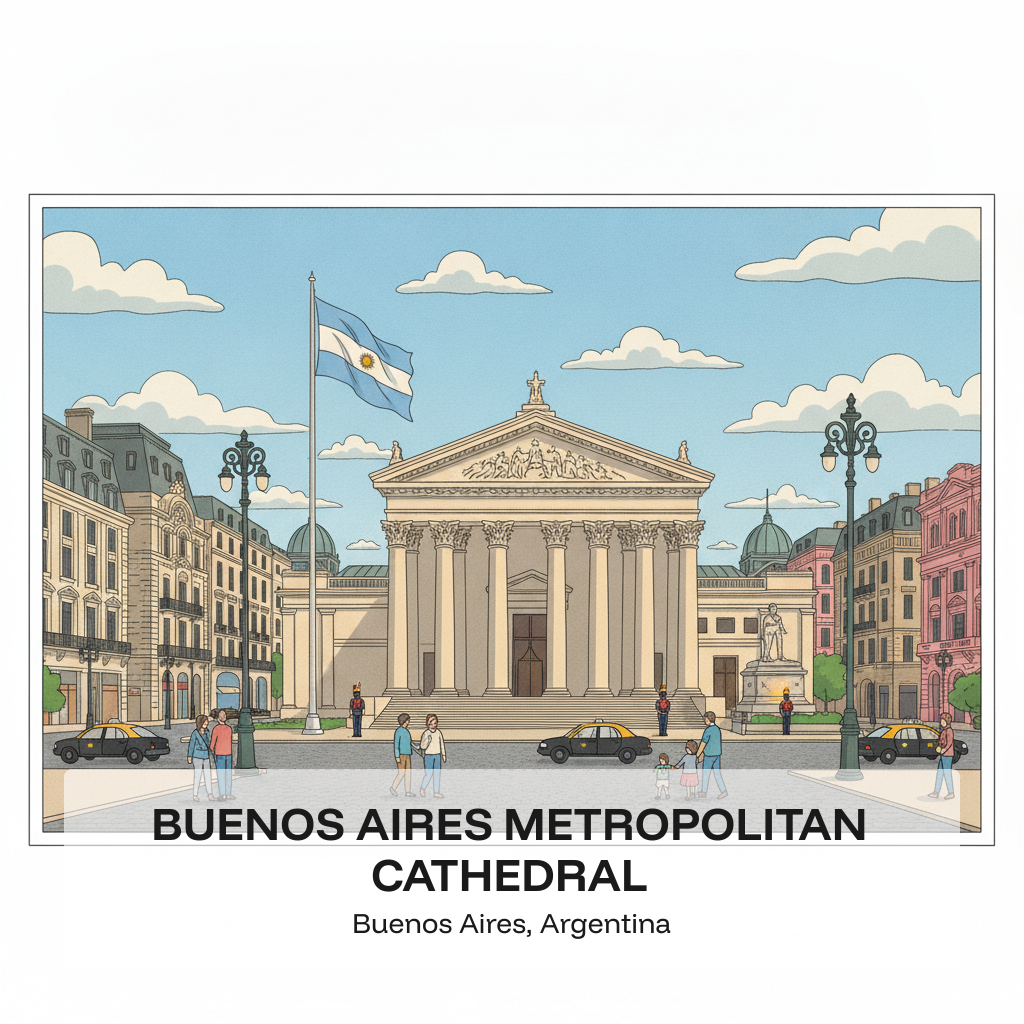
Buenos Aires Metropolitan Cathedral — San Martín's Mausoleum
Buenos Aires Metropolitan Cathedral (Catedral Metropolitana de Buenos Aires — the neoclassical cathedral on the northern side of Plaza de Mayo, the seat of the Archbishop of Buenos Aires (a position held by Jorge Mario Bergoglio, later Pope Francis, from 1998-2013), built on the site of the original 1593 church, with the current neoclassical facade (modelled on the Panthéon in Paris) completed 1827 and the interior substantially modified in the 19th century): the most significant object in the cathedral is the mausoleum of José de San Martín (1778-1850) — the Liberator of Argentina, Chile, and Peru, one of the principal leaders of Spanish American independence and the most revered figure in Argentine history; San Martín's marble tomb (in the right transept, perpetually guarded by an honour guard of Argentine soldiers) is Argentina's most visited site of national pilgrimage; the Eternal Flame burning beside the tomb has been continuously lit since 1880.
- 4
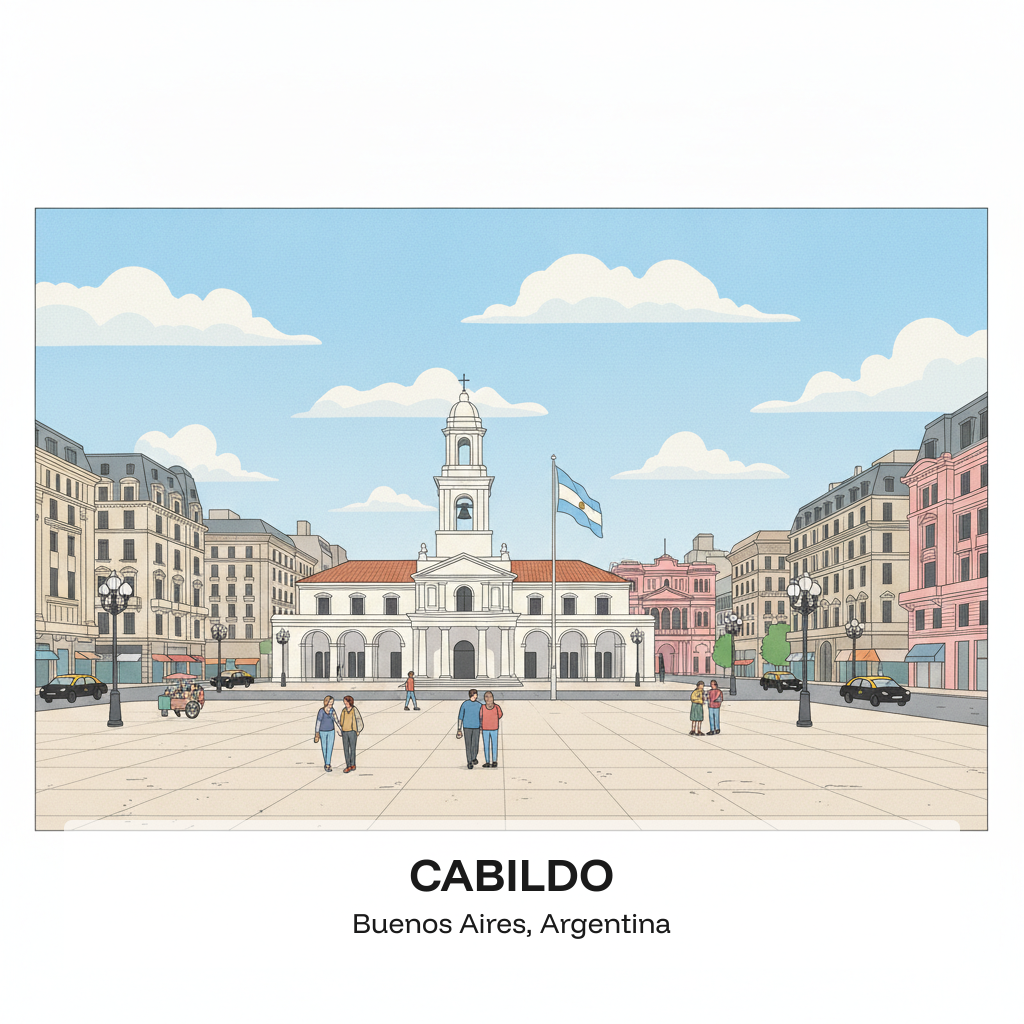
Cabildo — The Colonial Town Hall of Buenos Aires
Cabildo (the Buenos Aires Cabildo — the colonial-era town hall on the western side of Plaza de Mayo, built 1725, one of the few surviving examples of colonial architecture in the Buenos Aires city centre after the extensive demolitions of the late 19th and early 20th centuries): the Cabildo (now a museum) was the seat of local government in colonial Buenos Aires and the site of the open cabildo (cabildo abierto) of May 22, 1810, the meeting at which the citizens of Buenos Aires voted to remove the Viceroy Baltasar Hidalgo de Cisneros and establish a local governing junta — the first step in Argentina's independence process; the current building is substantially reduced from the original (the colonnaded wings on either side of the central tower were demolished to make way for the Avenida de Mayo in 1894 and Diagonal Norte in 1931); the Museo del Cabildo (inside the building) displays colonial-era objects, documents, and scale models showing the original extent of the building.
- 5
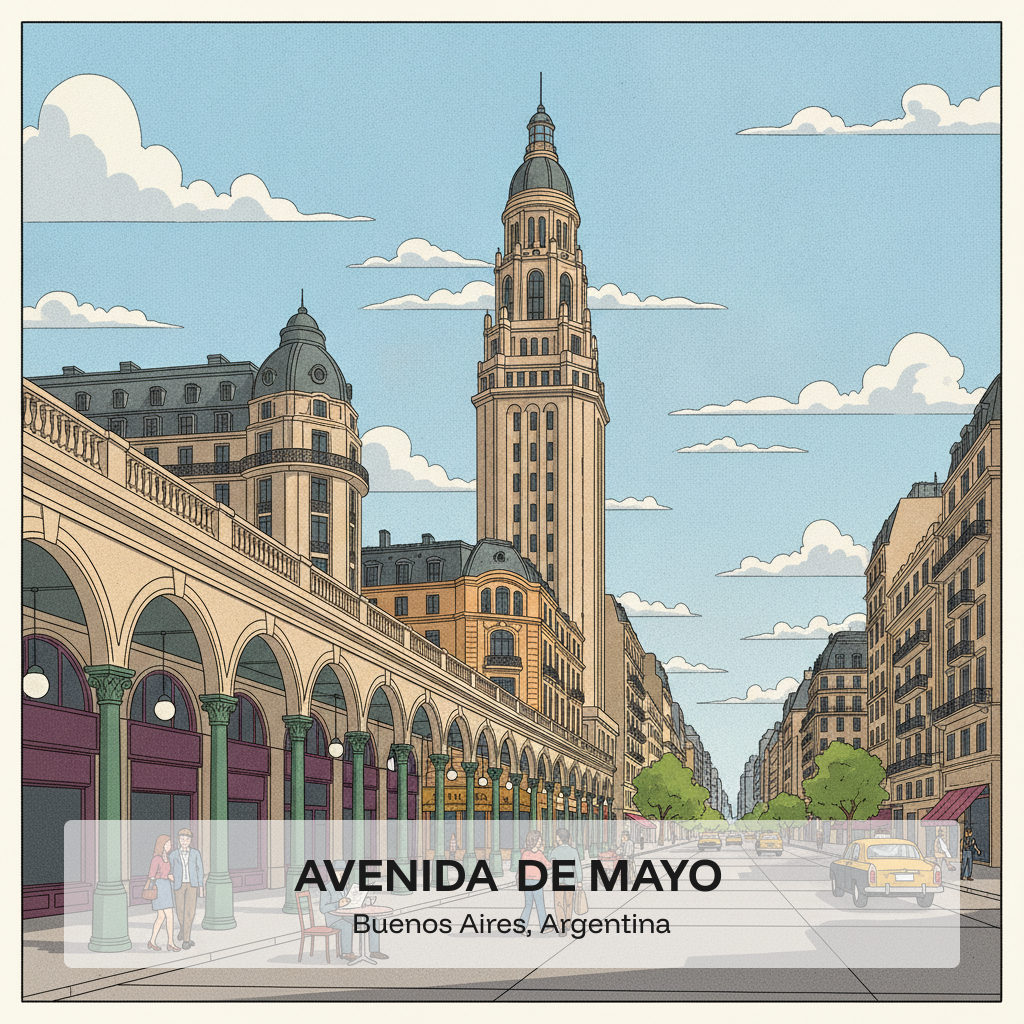
Avenida de Mayo — Paris of South America
Avenida de Mayo (the 1.4-kilometre grand boulevard running west from Plaza de Mayo to the Plaza del Congreso, built 1894, designed to replicate the Haussmann boulevards of Paris — lined with Beaux-Arts and Art Nouveau buildings, arcaded footpaths, and the historic Café Tortoni): the Avenida de Mayo is the ceremonial axis of Buenos Aires and the architectural expression of the city's 'Paris of South America' self-image in the Belle Époque period (1880-1930), when Buenos Aires was one of the ten wealthiest cities in the world and attracted hundreds of thousands of European immigrants; the Café Tortoni (Avenida de Mayo 825 — the most famous café in Argentina, opened 1858, the meeting place of the Buenos Aires literary and artistic intelligentsia through the 20th century, where Jorge Luis Borges, Federico García Lorca, and Albert Einstein all reportedly sat) is an essential stop; the Palacio Barolo (Avenida de Mayo 1370 — the 100-metre office tower designed by Italian architect Mario Palanti, 1923, inspired by Dante's Divine Comedy and once the tallest building in South America) is the architectural jewel of the avenue.
- 6
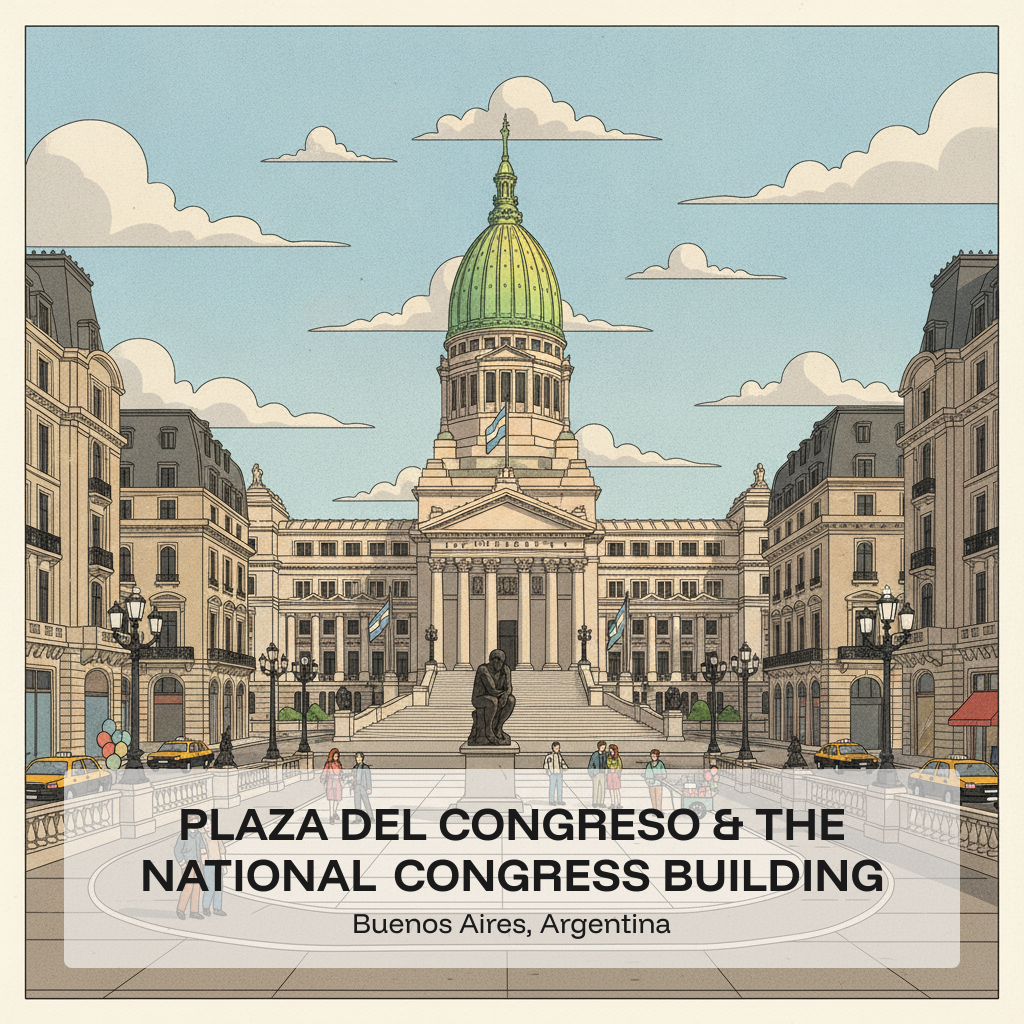
Plaza del Congreso & the National Congress Building
Plaza del Congreso (the large public square at the western end of Avenida de Mayo, facing the Argentine National Congress building) and the Palacio del Congreso (the Argentine National Congress, built 1898-1906, designed by architect Víctor Meano in the neoclassical style inspired by the United States Capitol, with a copper dome 80 metres high): the Congress building and its plaza form the western anchor of the Avenida de Mayo axis, exactly 1.4 kilometres from the Casa Rosada on Plaza de Mayo, creating a symbolic connection between the executive and legislative powers; the Rodin Sculpture 'The Thinker' (a bronze cast of the famous Auguste Rodin sculpture, gifted to Argentina by France) stands in the Plaza del Congreso; the plaza has been the site of major political demonstrations throughout Argentine history, including the massive protests of December 2001 (during the Argentine economic crisis) that resulted in the resignation of four consecutive presidents in a period of two weeks.
Walk this route with audio
Stories play automatically as you reach each stop — no tapping needed.
More in buenos-aires
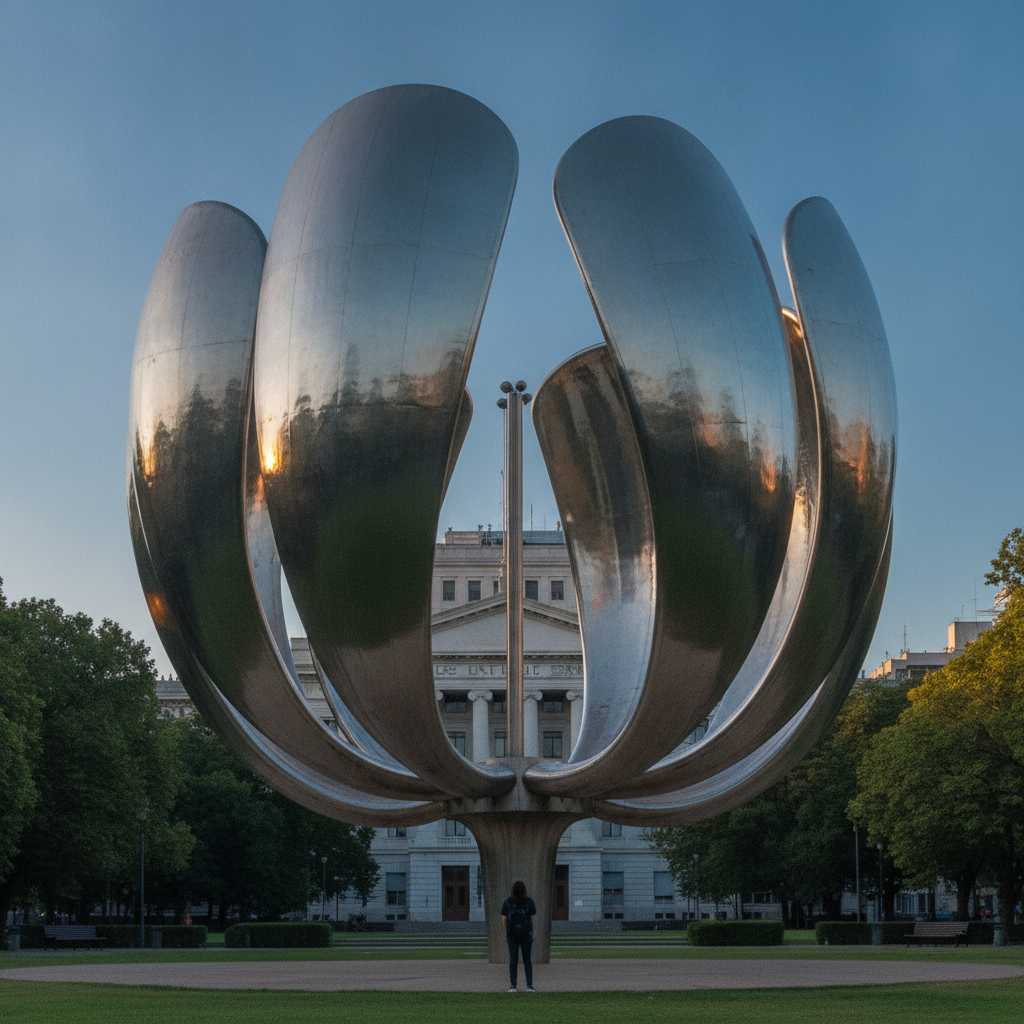
Floralis Genérica, Monumental Sculptures & Modern Buenos Aires
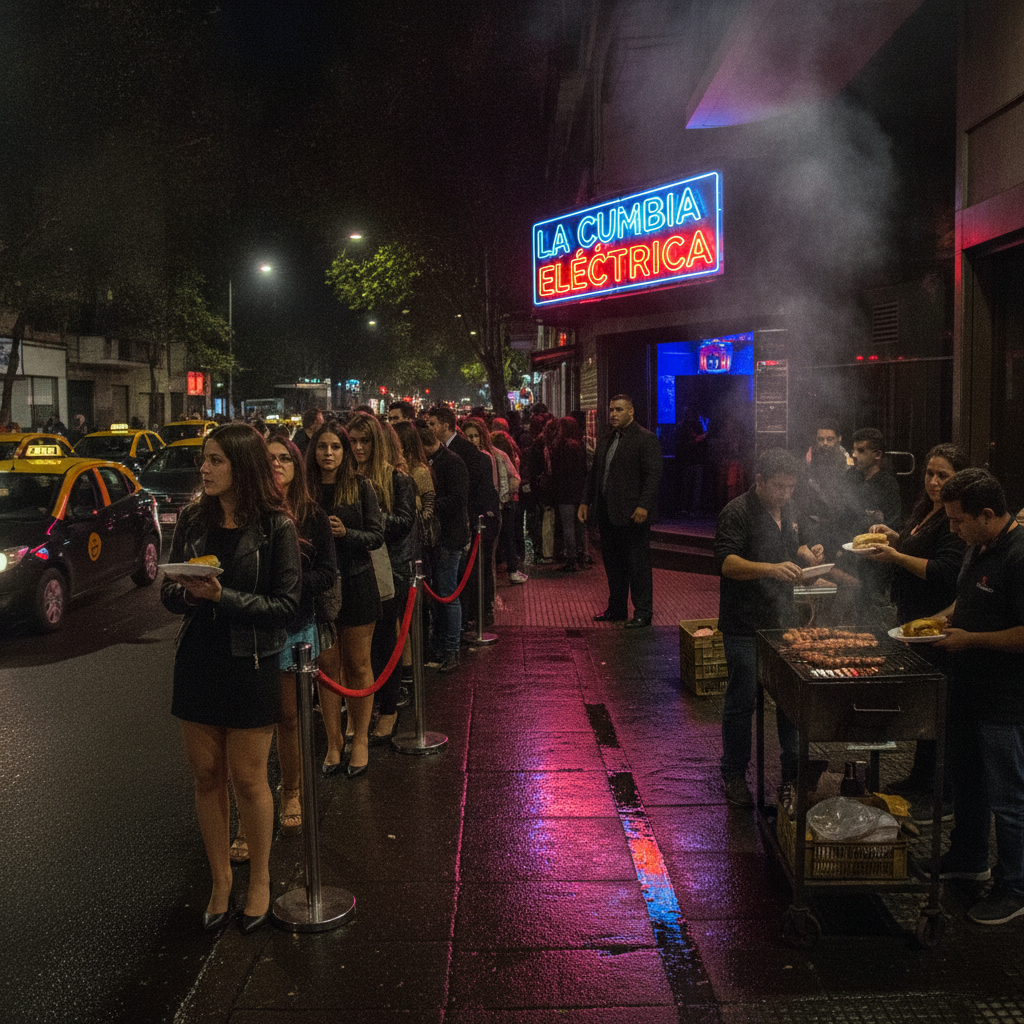
Buenos Aires Nightlife — The City That Never Sleeps Before 4am
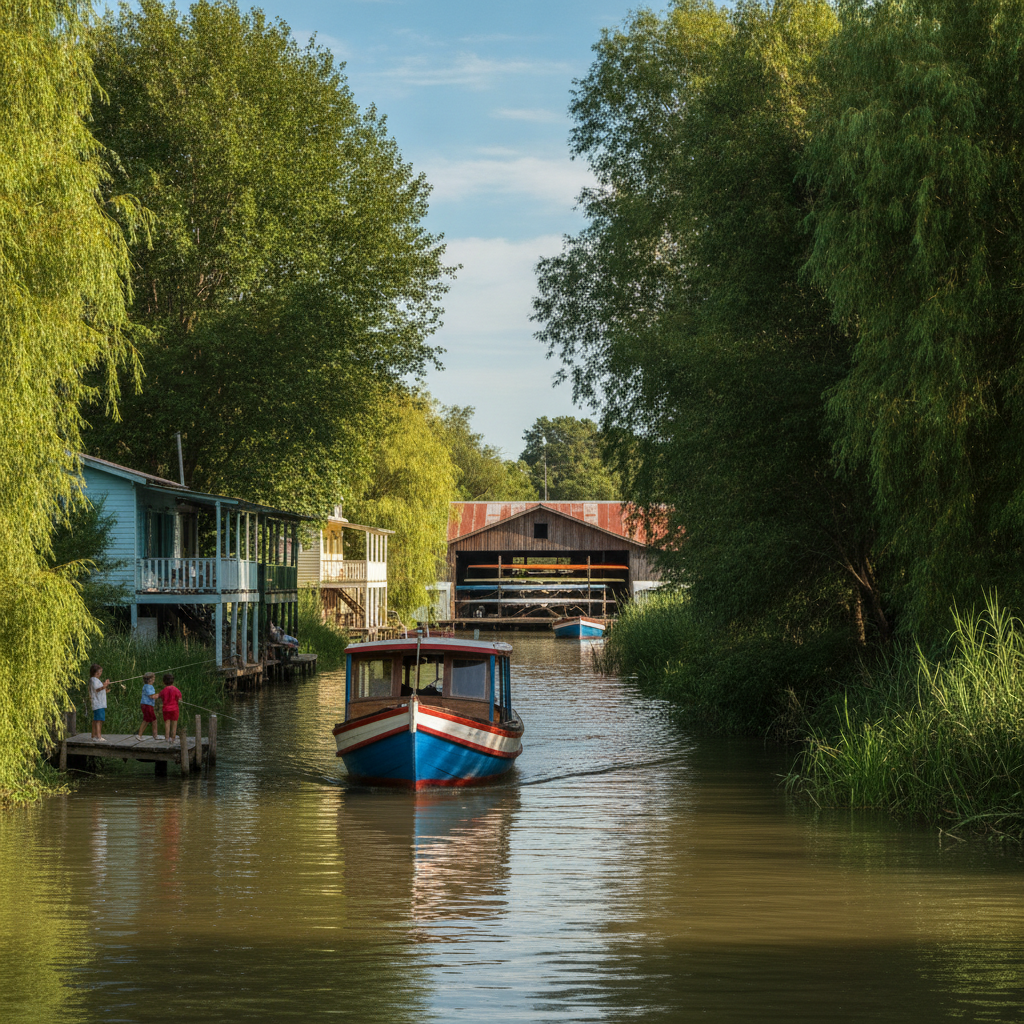
Tigre & the Paraná Delta — Waterways, Rowing Clubs & Weekend Escapes
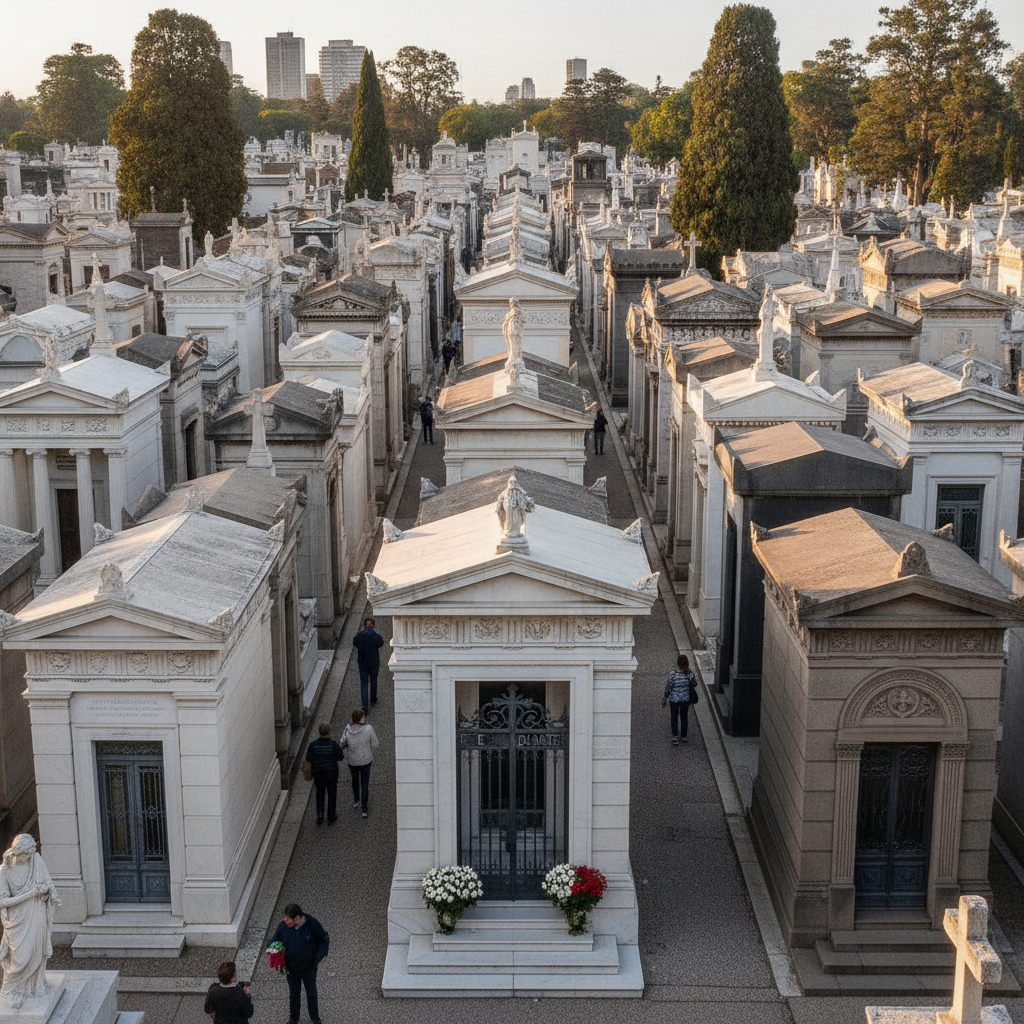
Recoleta Cemetery, Evita's Tomb & the Palermo Parks
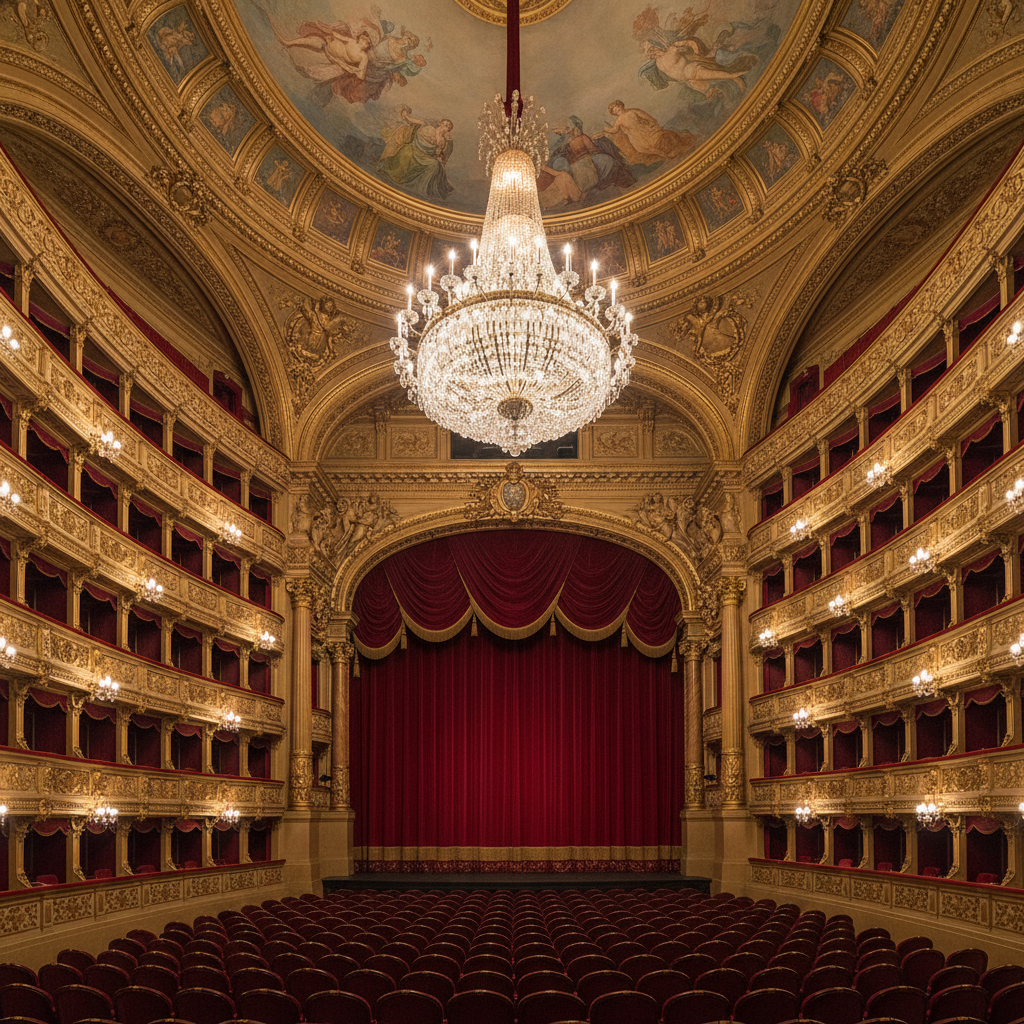
Teatro Colón — One of the World's Great Opera Houses