Bucharest Practical Guide: Airport, Metro & Budget Tips
Navigate Bucharest like a local—cheap Wizz Air flights from across Europe, a €0.50 metro to everywhere, the most affordable restaurant and hotel scene in the EU, choosing between old town noise and quieter northern villa districts, and practical tips on Romanian customs and why spring and autumn beat the crowds.
- 1
Bucharest Henri Coandă Airport & Arrival
Bucharest Henri Coandă International Airport (OTP), 16 km north of the city centre, is Romania's main international hub—served by Ryanair, Wizz Air, easyJet, TAROM, and most major European carriers. The 783 Express bus runs to Piața Unirii in the city centre (45 min, very cheap); taxis should be booked via the Uber or Bolt apps to avoid overcharging at airport ranks. A train link opened in 2024.
- 2
Bucharest Metro & Getting Around
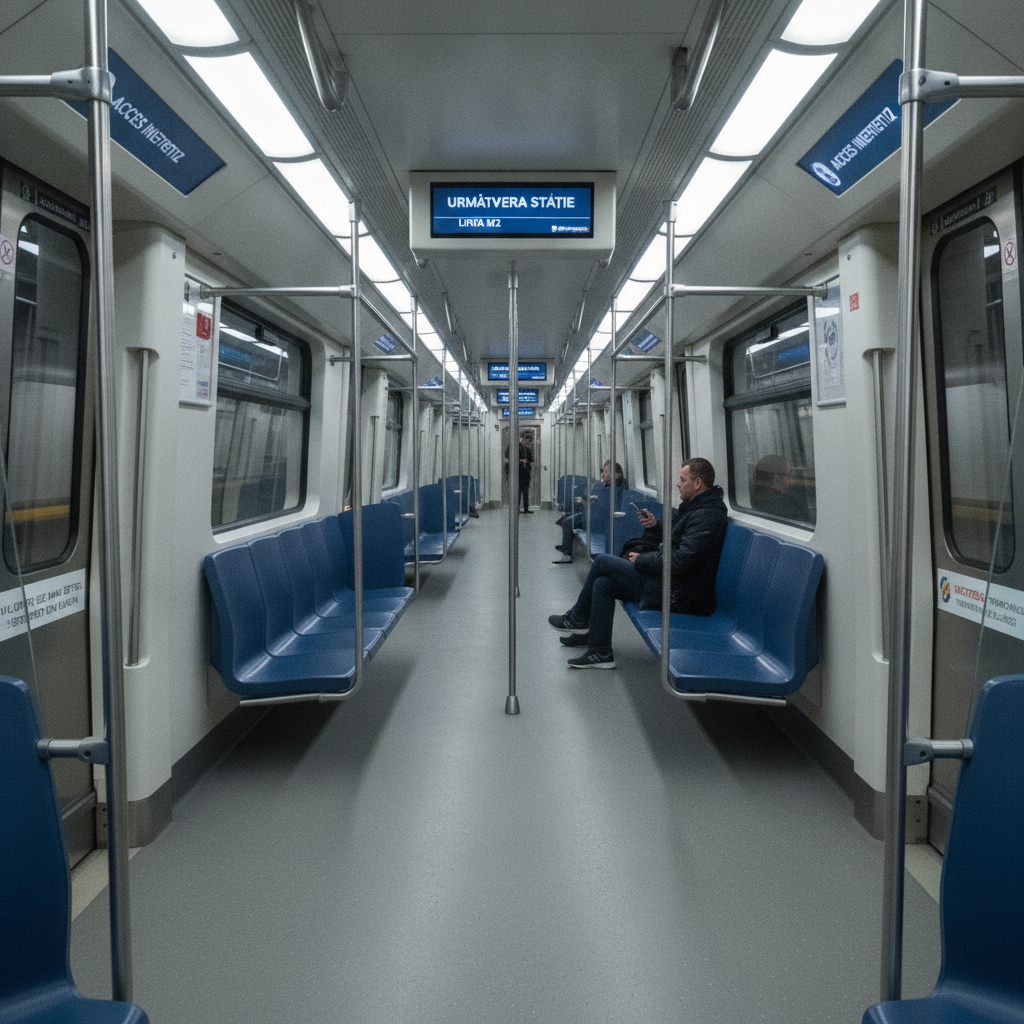
Bucharest's metro, opened in 1979, has 5 lines covering most of the city including the airport. A standard ticket costs around €0.50—the cheapest in the EU. Surface transport is provided by an extensive tram, trolleybus, and bus network. Uber and Bolt are well established and very cheap by western European standards; traditional taxis should always be called by app (Star Taxi, SpeedTaxi) to get a metered fare.
- 3
Budget Bucharest – The Most Affordable EU Capital
Bucharest competes with Sofia for the title of the EU's most affordable capital. A restaurant meal costs €5–12; a craft beer €2–3; a hostel bed €12–18; a mid-range hotel double room €35–60. The metro and bus are practically free; the Palace of the Parliament tour is €8; most parks and markets cost nothing. A weekend in Bucharest comfortably costs less than one night in Paris.
- 4
Accommodation: Old Town vs Northern Districts
Staying in or near the Lipscani old town gives walking access to the main historic sights and nightlife but can be noisy on weekends. The Dorobanți and Floreasca neighbourhoods to the north are quieter and more residential, with better restaurants but requiring metro or taxi to the historic centre. Several excellent boutique hotels occupy inter-war villas in the northern districts at mid-range prices.
- 5
Best Times to Visit & Seasonal Tips
Spring (April–May) and autumn (September–October) offer the best weather (18–25°C), fewer tourists, and the George Enescu Festival in September. Summers are hot (30–35°C) but festivals and rooftop bars make the city lively. Winters are cold (often below freezing) but Christmas markets in Piața Constituției and Cișmigiu park are atmospheric and hotel prices drop to rock bottom. Avoid Orthodox Easter weekend for accommodation—Romania is extremely domestic-travel-focused at this time.
- 6
Romanian Language & Practical Customs
Romanian is a Romance language directly descended from Latin—speakers of Italian, Spanish, or Portuguese find it partially intelligible. English is widely spoken by Bucharest's under-40 population. The currency is the Romanian Leu (RON)—Romania has not adopted the euro. Tipping of 10% is customary in restaurants. Orthodox customs are important: dress modestly when visiting churches, and be aware that many Romanians observe Orthodox fasting on Wednesdays and Fridays.
Walk this route with audio
Stories play automatically as you reach each stop — no tapping needed.
More in Bucharest
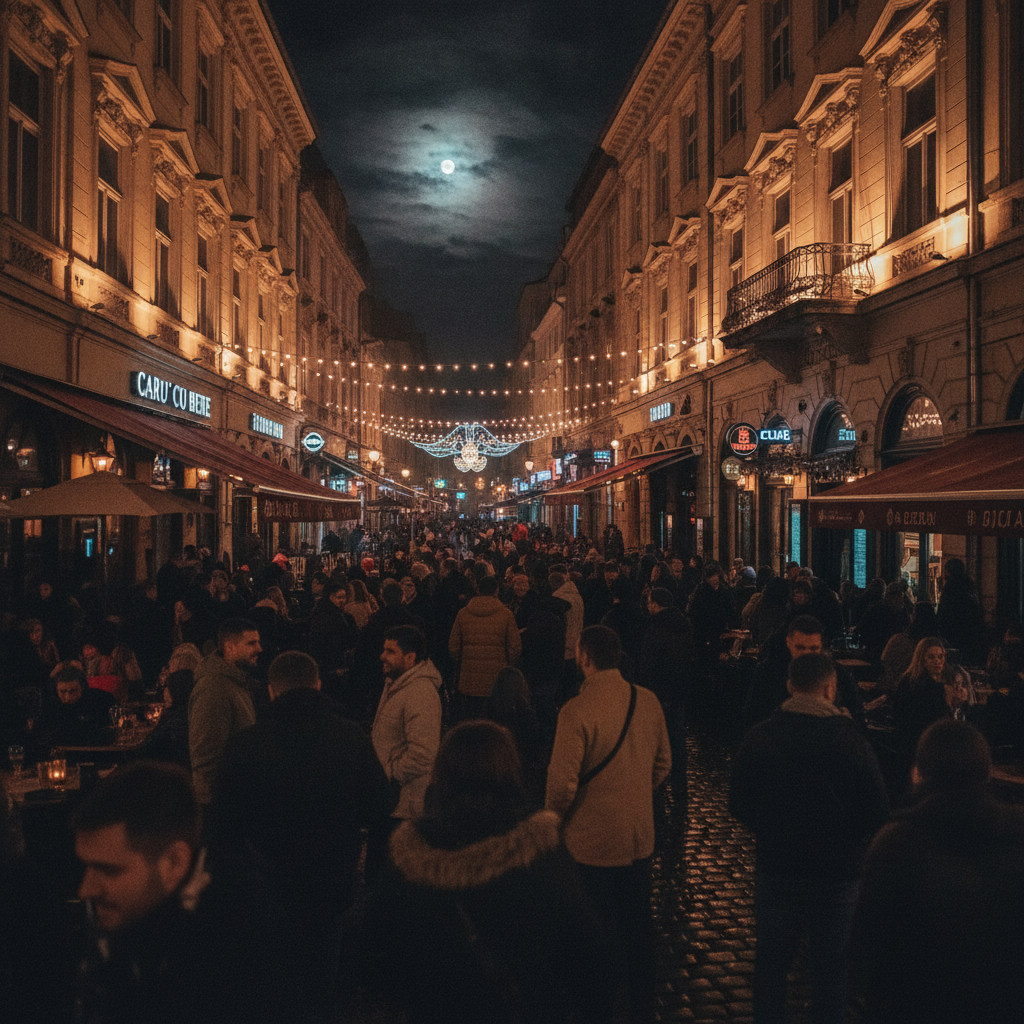
Bucharest Nightlife, Cinema & Contemporary Culture
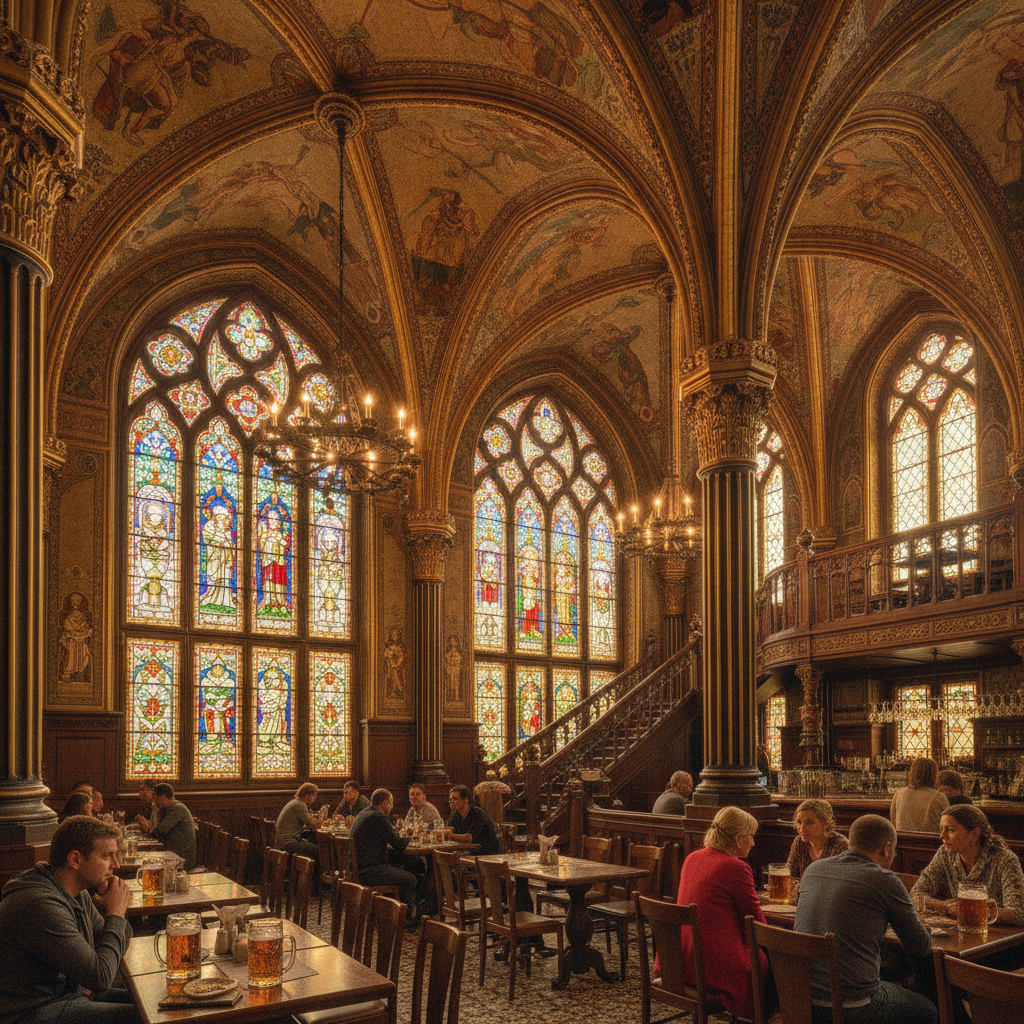
Bucharest on a Plate: Sarmale, Beer Halls & Romanian Wine
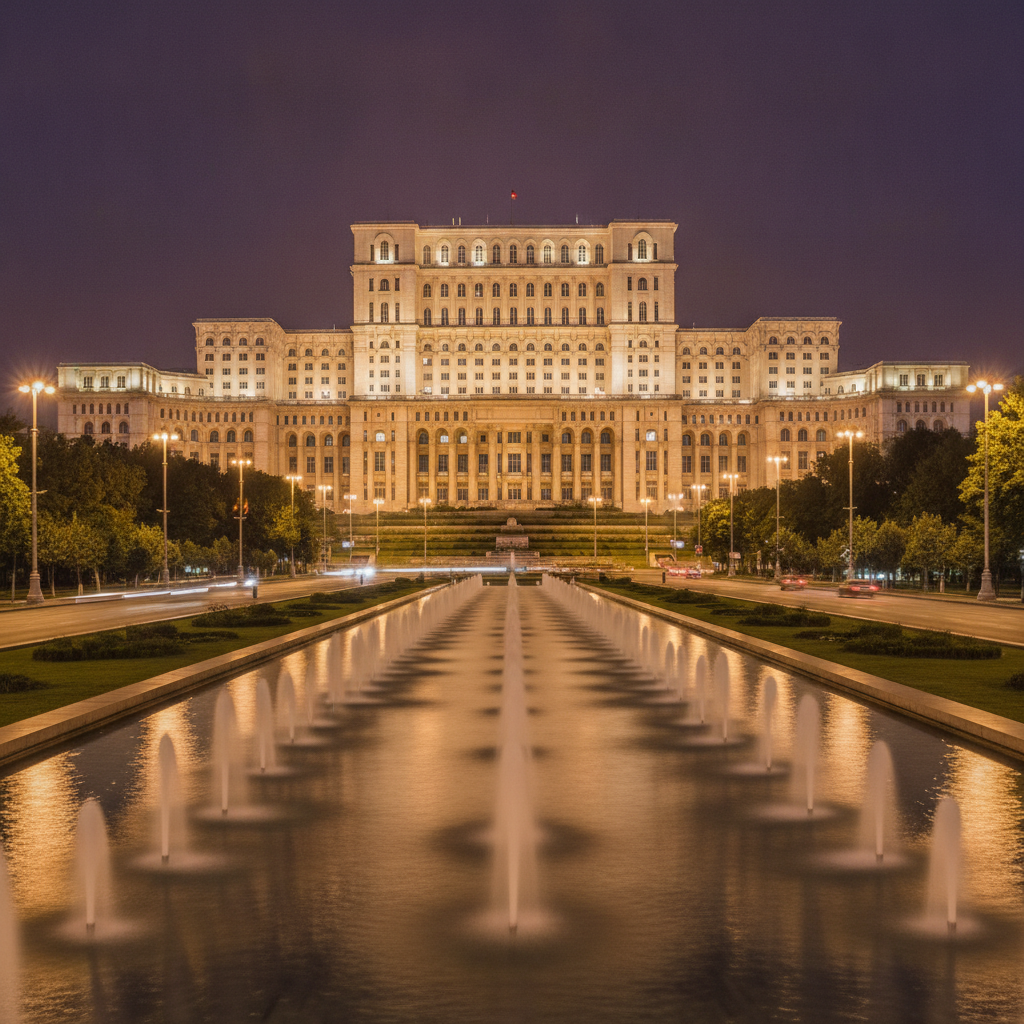
Bucharest Essentials: Parliament Palace, Old Town & Village Museum
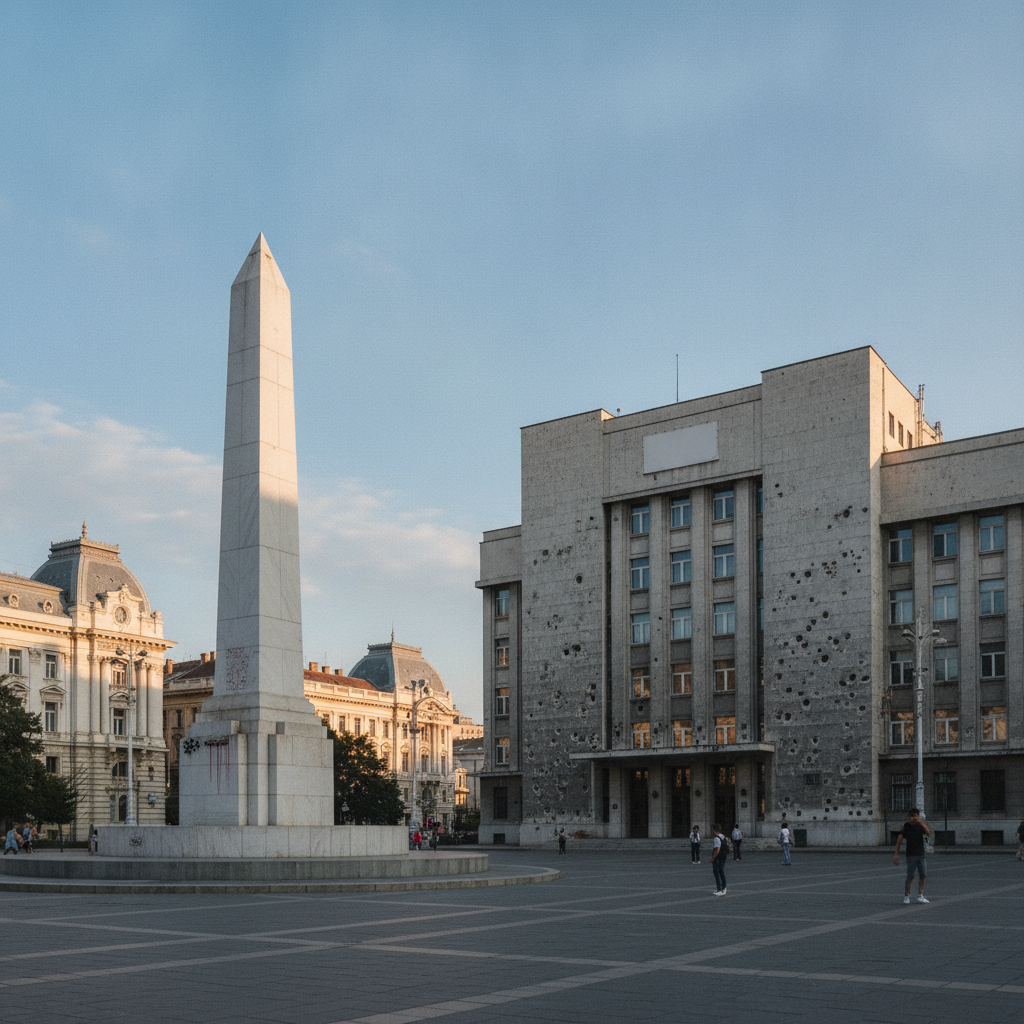
Bucharest History: Ceaușescu, Revolution Square & Little Paris