Bratislava on a Plate: Bryndzové Halušky, Little Carpathians Wine & Slovak Beer
Taste Central Europe at its most affordable—bryndzové halušky (potato gnocchi with Slovakia's unique sheep's cheese), the Little Carpathians wine route 30 minutes from the capital, Slovak Tokaj eszencia among the world's rarest sweet wines, and Bratislava's student beer culture where a half-litre costs €1.50.
- 1
Slovak Cuisine – Bryndzové Halušky & Kapustnica
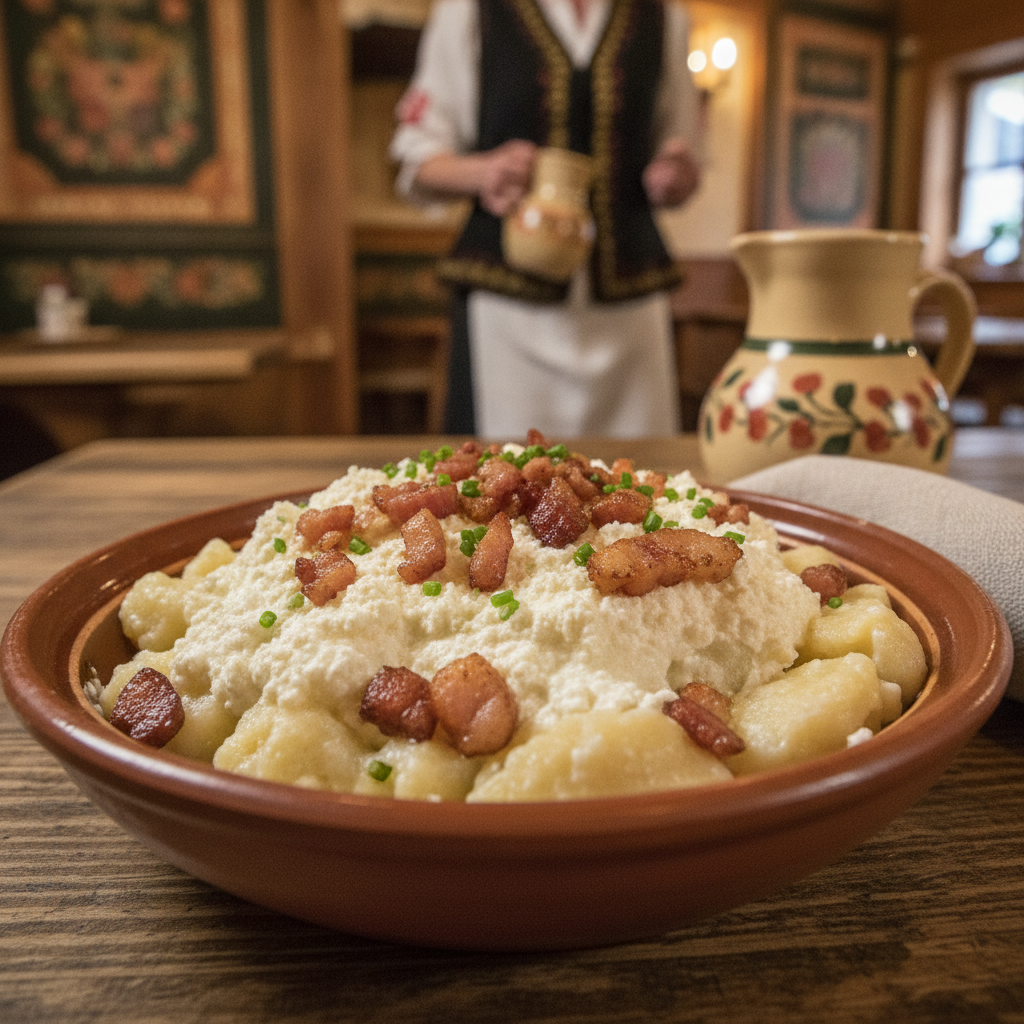
Slovak cuisine centres on bryndzové halušky—potato gnocchi with bryndza (a sharp, spreadable sheep's cheese unique to Slovakia) and crispy bacon—declared Slovakia's national dish and the subject of a national championship held annually in Turecká village. Kapustnica (sauerkraut soup with smoked sausage and mushrooms) is the Christmas Eve soup. Lokše (thin potato pancakes with poppy seeds or duck fat) and zemiakový guláš (potato goulash) are everyday staples.
- 2
Slovak Wine – Little Carpathians & Tokaj
Slovakia's two main wine regions are the Little Carpathians (Malé Karpaty), immediately north of Bratislava—producing crisp Welschriesling, Müller-Thurgau, and St Laurent—and the Tokaj region in the far east, which shares its famous botrytized Tokaj appellation with Hungary. Bratislava's wine bars (vinárne) serve the Little Carpathians wines by the glass at €2–4; the Slovak Tokaj eszencia (the rarest expression, with natural sugar up to 850 g/L) is among the world's most extraordinary sweet wines.
- 3
Bratislava's Restaurant Scene
Bratislava's dining scene has improved dramatically since EU accession in 2004. The old town contains excellent Slovak restaurants—Modrá Hviezda (Blue Star) for traditional cooking in a 1700s cellar; Zylinder for modern Slovak cuisine; UFO Restaurant for city views. Slovak beer (Zlatý Bažant, Topvar) is excellent and very cheap—€1.50–2 for a half-litre in most venues. The city's Christmas market (December) serves trdelník, mulled wine, and lokše from wooden stalls along the old town streets.
- 4
Čachtice Wine Route & the Little Carpathians
The Little Carpathians Wine Route (Malokarpatská vínna cesta) runs 70 km north from Bratislava through 40 wine villages—a designated tourist route through Slovakia's most important wine region. The wine cellars of Pezinok, Modra, and Svätý Jur are open for tastings on weekends; the Červený Kameň (Red Stone) Castle sits above the vineyards and has a museum of the Pálffy family who owned much of the region. Accessible by train from Bratislava in 30 minutes.
- 5
Slovak Coffee Culture & Café Life
Bratislava has a distinctive Central European café culture—the kaviarňa (coffee house) tradition inherited from Vienna. The Roland Café on Hlavné námestie has operated continuously since 1937; Café Antique in the old town serves espresso in Art Nouveau surroundings. The current generation of specialty coffee shops (Štúrovo 14, Café Grata) has brought third-wave coffee culture to the Slovak capital. Slovak coffee culture is slower-paced and more conversational than Western European express espresso.
- 6
Slovak Craft Beer & Nightlife
Bratislava's craft beer scene has grown rapidly since 2010—Pivovar Rača (brewing since 1712), the Bratislava Flagship Brewery, and a dozen newer craft breweries serve taprooms and bars throughout the city. The Zámocká and Obchodná streets are the centres of nightlife; the Subclub electronic music venue (in a former nuclear bunker) and the Randal Pub (punk-metal) represent the alternative scene. Student nightlife is energetic and cheap—beer costs €1.50–2.50 in most venues.
Walk this route with audio
Stories play automatically as you reach each stop — no tapping needed.
More in Bratislava
Bratislava Essentials: Habsburg Capital, Coronation Cathedral & the UFO Bridge
Bratislava Day Trips: Vienna in 60 Minutes, the Blood Countess & the High Tatras
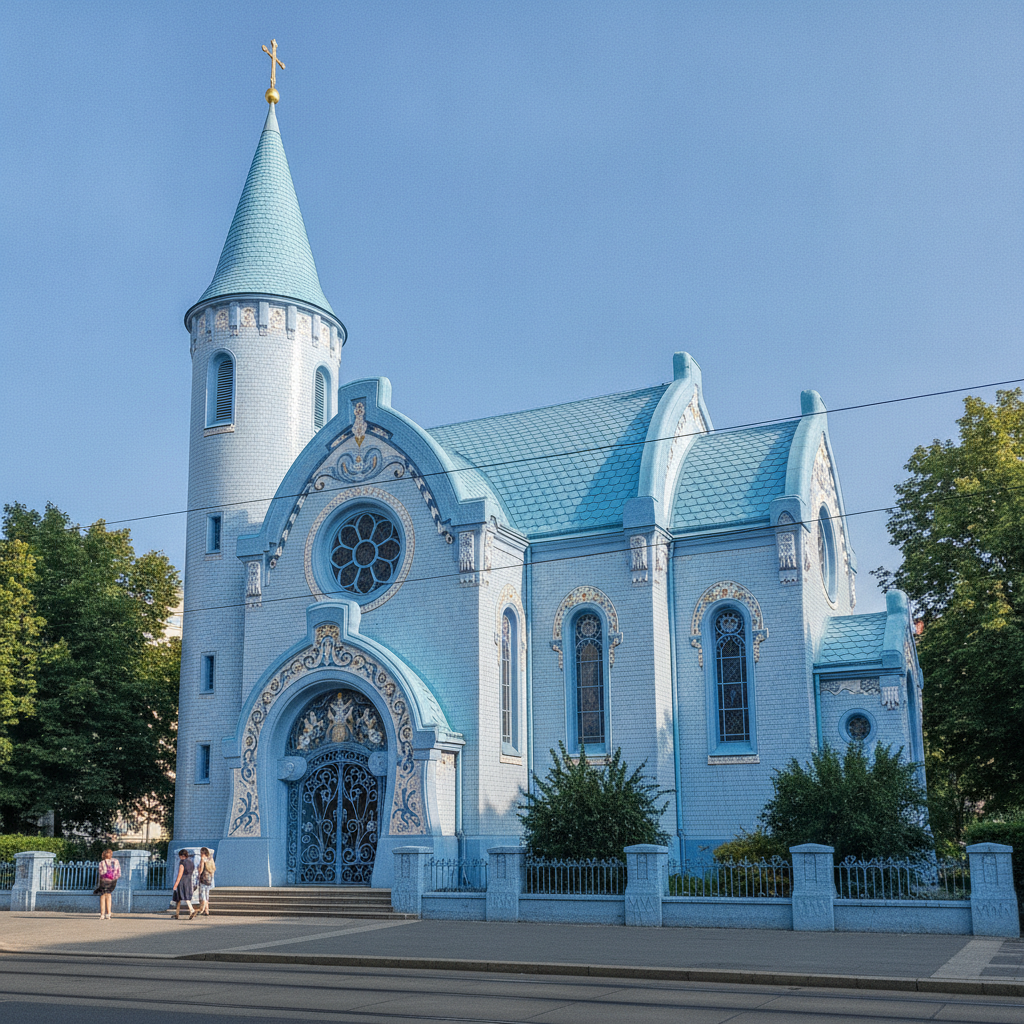
Bratislava's Quirks: Bronze Sewer Workers, the Blue Church & Art Nouveau Gems
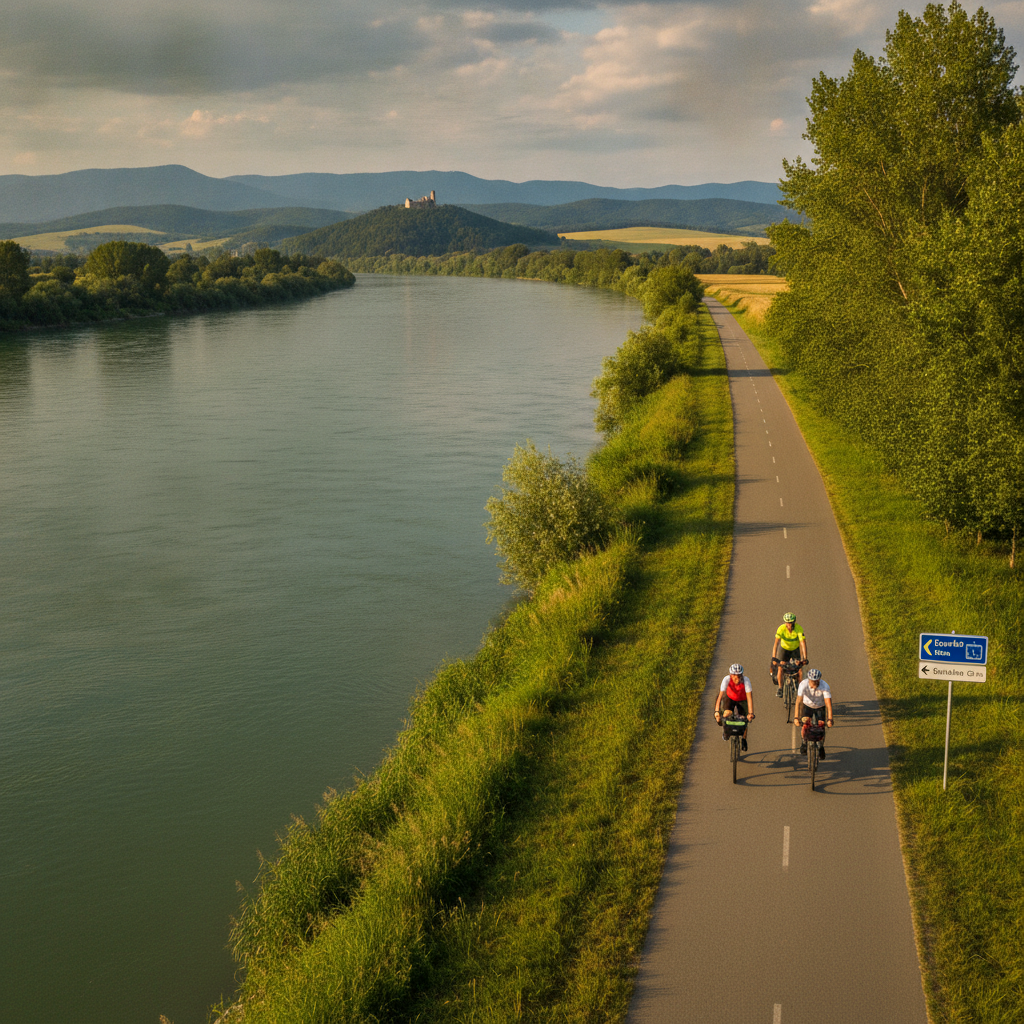
Bratislava Practical Guide: Vienna Airport, Cheap Trams & Cycling the Danube