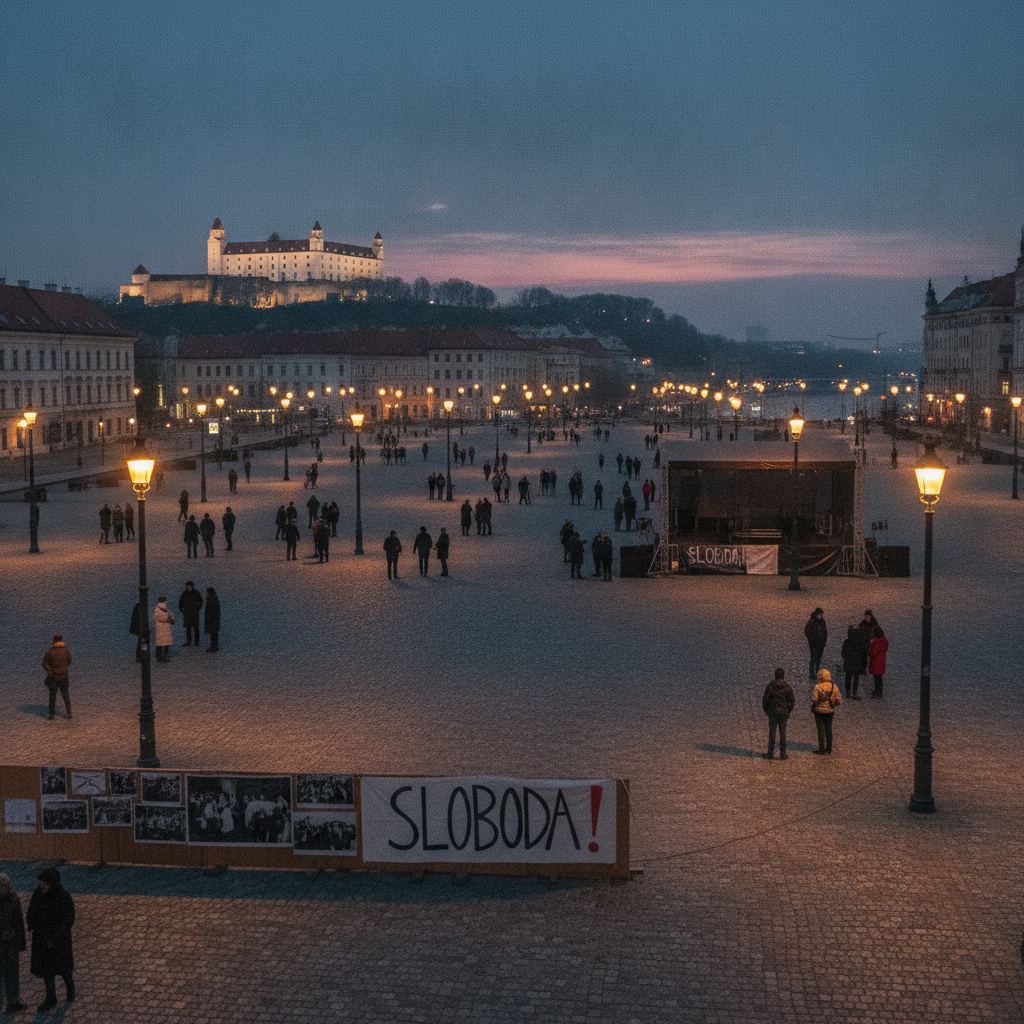
Bratislava's Quirks: Bronze Sewer Workers, the Blue Church & Art Nouveau Gems
Discover Bratislava's eccentric personality—Čumil the sewer worker peeking from a manhole, the Museum of Clocks in an 18th-century bourgeois home, the Rococo palace where child-prodigy Liszt performed for Maria Theresa, the astounding blue-tiled Art Nouveau church by Hungary's greatest architect, and Slavín's monumental Soviet memorial above the city.
- 1
Bratislava's Bronze Statues & Street Humour
Bratislava's old town is dotted with bronze statues with quirky personalities—Čumil the sewer worker peering from a manhole cover (Rybárska brána corner), the Napoleonic soldier leaning on a bench (Hlavné námestie), and the Schöner Náci dandy statue (a tribute to Ignác Lamár, an eccentric city character who greeted women with flowers until his death in 1967). The statues are a self-aware tourism phenomenon; locals treat them with affectionate irony.
- 2
The Museum of Clocks & Quirky Museums
Bratislava's old town contains an unusually high density of specialist museums. The Museum of Clocks (Múzeum hodín) in the Gothic House of the Good Shepherd presents 3 centuries of Central European horology in an exquisitely decorated 18th-century bourgeois home. The Municipal Museum (Mestské múzeum) in the Old Town Hall contains the city's history from Celtic settlement through Habsburg rule. The Pharmacy Museum in the 17th-century Red Crab apothecary is one of Central Europe's best preserved.
- 3
Grassalkovich Palace & Presidential Bratislava
Grassalkovich Palace (1760)—a Rococo masterpiece built for Anton Grassalkovich, Maria Theresa's treasury president—is now the Slovak Presidential Palace. The formal garden behind the palace is open to the public and is the city's most elegant green space. The palace was the venue for Empress Maria Theresa's frequent visits; Franz Liszt performed here in 1820 as a child prodigy. The guard-changing ceremony at the palace gates takes place daily at noon.
- 4
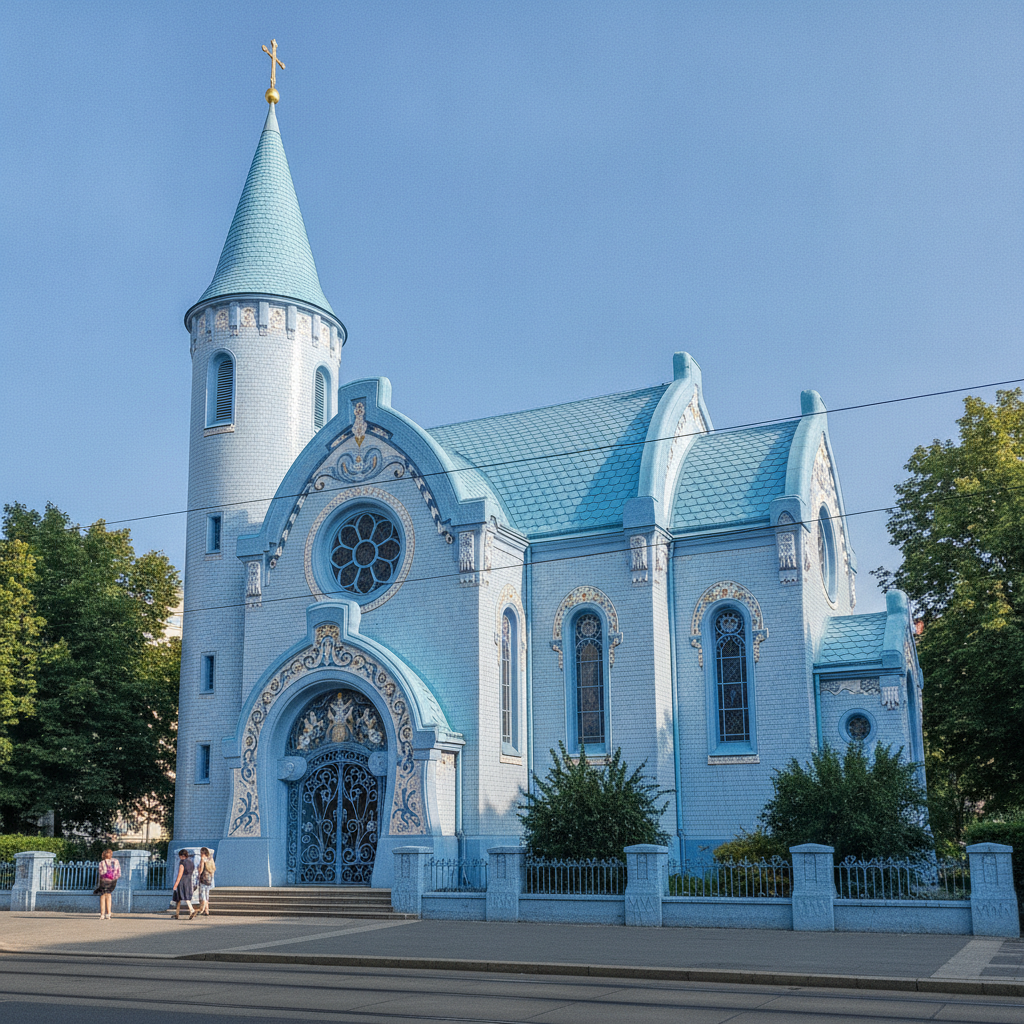
Blue Church – Bratislava's Art Nouveau Masterpiece
The Church of St Elizabeth (locally 'the Blue Church'), built 1909–1913 by Hungarian architect Ödön Lechner, is one of Central Europe's most remarkable Art Nouveau religious buildings—entirely clad in pale blue majolica tiles, with a curved roof and elaborate ornamental façade. Lechner combined Hungarian folk motifs with Viennese Secessionist forms in a way that influenced Czech and Slovak architecture throughout the 20th century. The church is still an active parish.
- 5
Slavín Memorial & Views from the Hills
The Slavín war memorial (1960) on the highest hill of Bratislava honours 6,845 Soviet soldiers who died in the liberation of Bratislava in April 1945. The 39-metre obelisk topped by a bronze soldier is visible across the city; the surrounding park commands the best panoramic view of Bratislava, the Danube, Petržalka, and the Little Carpathians. The memorial's Soviet aesthetic—monumental socialist realism at its most ambitious—is now a heritage site regardless of the political complications.
- 6
Bratislava as a European Capital of Culture
Bratislava bid (unsuccessfully) for European Capital of Culture status but has developed a credible alternative cultural scene—the New Synagogue cultural centre, the Kunsthalle Bratislava contemporary art space, and the Nová Cvernovka creative quarter (in a former spinning factory) have created venues for contemporary art, design, and performance that rival similar spaces in Vienna or Prague. The Design Week Slovakia (October) and the Film Festival Bratislava (November) are the largest annual cultural events.
Walk this route with audio
Stories play automatically as you reach each stop — no tapping needed.
More in Bratislava
Bratislava Essentials: Habsburg Capital, Coronation Cathedral & the UFO Bridge
Bratislava on a Plate: Bryndzové Halušky, Little Carpathians Wine & Slovak Beer
Bratislava Day Trips: Vienna in 60 Minutes, the Blood Countess & the High Tatras
Bratislava Practical Guide: Vienna Airport, Cheap Trams & Cycling the Danube