Brasilia History: Kubitschek, Lucio Costa, Niemeyer, the Candango Workers, and the Satellite Cities
The history of Brasilia is the story of a president's audacious vision, two great architects' most complete collaboration, the 60,000 migrant workers who built the capital in 41 months, and the parallel satellite city reality that houses the working population excluded from the utopian plan.
- 1
Juscelino Kubitschek: The President who Built a Capital
Juscelino Kubitschek, whose presidential slogan of 50 years in 5 expressed his program of rapid industrial and infrastructure development, made the construction of Brasilia the central achievement of his 1956 to 1961 presidency and the defining act of Brazilian developmental nationalism. Kubitschek's decision to move the capital from Rio de Janeiro to the empty cerrado interior, despite the enormous cost and the near-impossibility of the timeline, was the most audacious act of political will in the history of Brazilian urbanism.
- 2
Lucio Costa and the Plano Piloto
Lucio Costa's winning entry in the 1956 Brasilia urban design competition, submitted on five index cards in the style of a sketch rather than a technical drawing, proposed the Plano Piloto on the basis of the crossed axis urban structure: the Monumental Axis of public and government buildings crossing the Residential Axis of superquadras, with the intersection at the bus terminal and commercial center that is the heart of the plan. Costa's concept was simultaneously utopian and pragmatic.
- 3
Oscar Niemeyer: The Architect of the Future
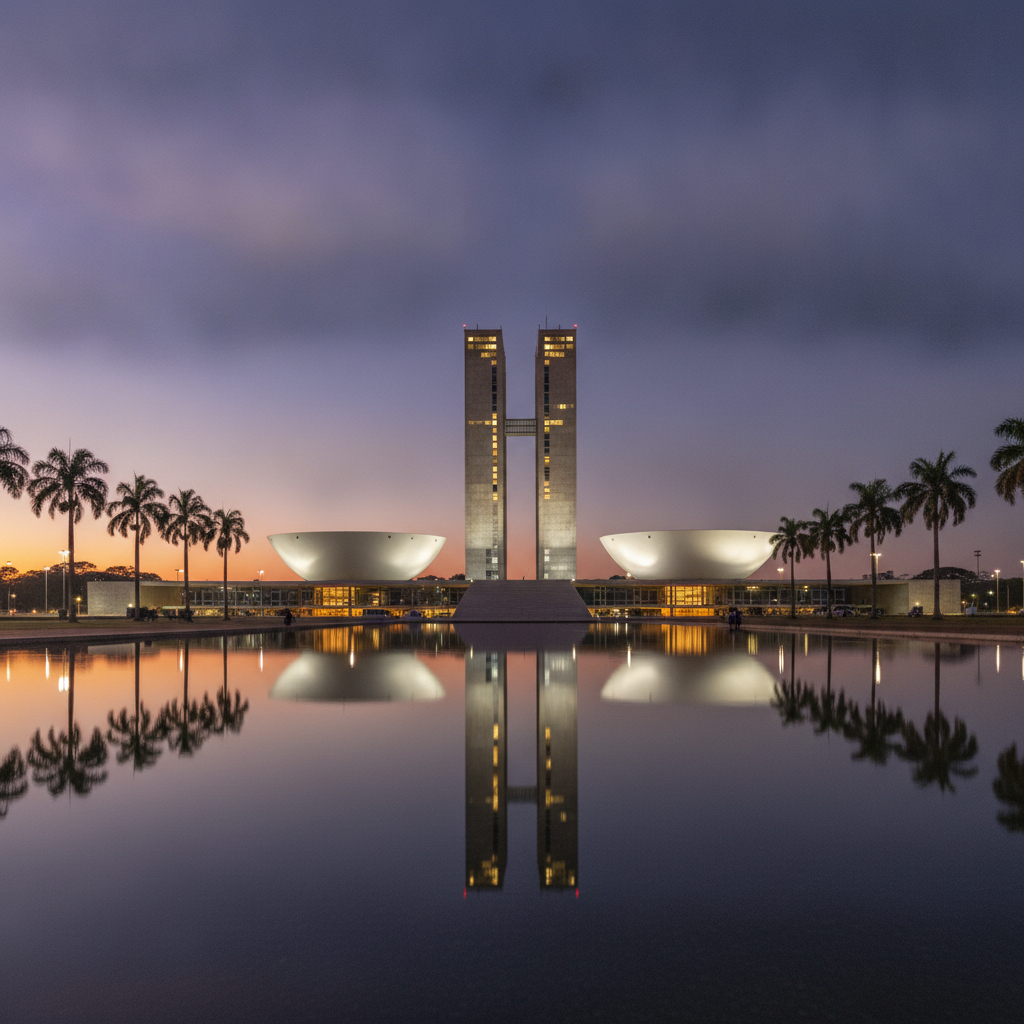
Oscar Niemeyer, the Brazilian architect whose curvaceous concrete buildings at Brasilia represented the most complete and consistent architectural vision ever realized in an entire city, worked from 1957 to 1970 on the principal buildings of the capital in a collaboration with Lucio Costa's plan that produced the finest body of modernist civic architecture in the world. Niemeyer lived to 104 and continued designing into his final decade.
- 4
UNESCO World Heritage: The Modern City
Brasilia was inscribed on the UNESCO World Heritage List in 1987, only 27 years after its construction, making it the youngest city ever inscribed and the only modern planned city on the list. The inscription recognized the exceptional universality of the Lucio Costa plan and the Niemeyer buildings as a complete artistic and urban achievement, protecting the central Plano Piloto from the modifications that would compromise its integrity.
- 5
The Candangos: Who Built Brasilia
The candangos, the 60,000 migrant workers who left the northeast and the interior of Brazil to build the new capital in the cerrado, lived in temporary worker camps that were demolished or excluded from the Plano Piloto after the city was completed, becoming the first residents of the satellite cities that now house the majority of the Brasilia metropolitan population. The Monument to the Candangos in the Esplanada dos Ministerios is the only public recognition in the central city of the people who built it.
- 6
Satellite Cities: The Other Brasilia
The satellite cities of the Brasilia metropolitan region, including Taguatinga, Ceilandia, Samambaia, and dozens of other planned and unplanned suburbs that house more than 2.5 million people, represent the real social character of the capital: the majority-black, working-class population descended from the candango builders and subsequent internal migrants, who service the government and professional classes of the Plano Piloto but live in a fundamentally different urban environment without the modernist planning heritage.
Walk this route with audio
Stories play automatically as you reach each stop — no tapping needed.
More in Brasilia
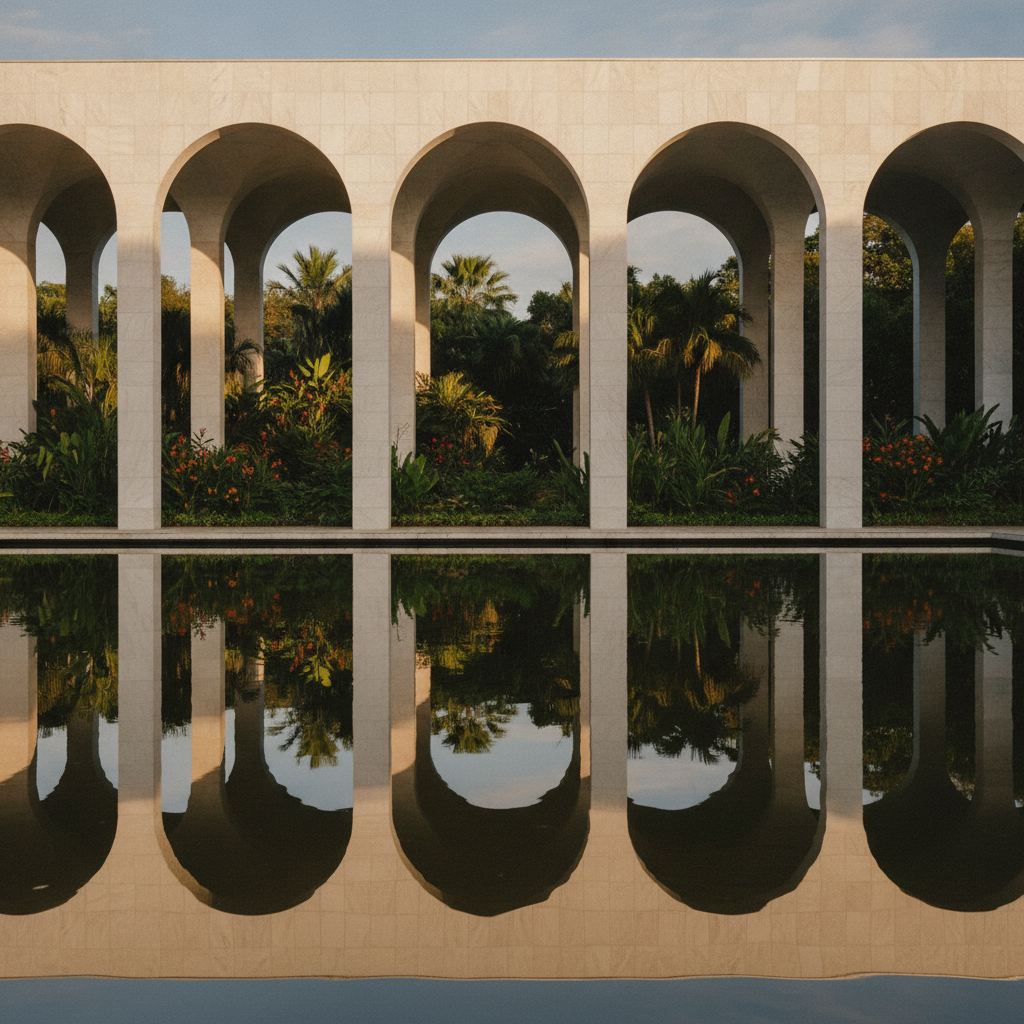
Brasilia Architecture Deep Dive: Three Powers Plaza, the Itamaraty Ministry, Burle Marx Gardens, and the Planned City Paradox
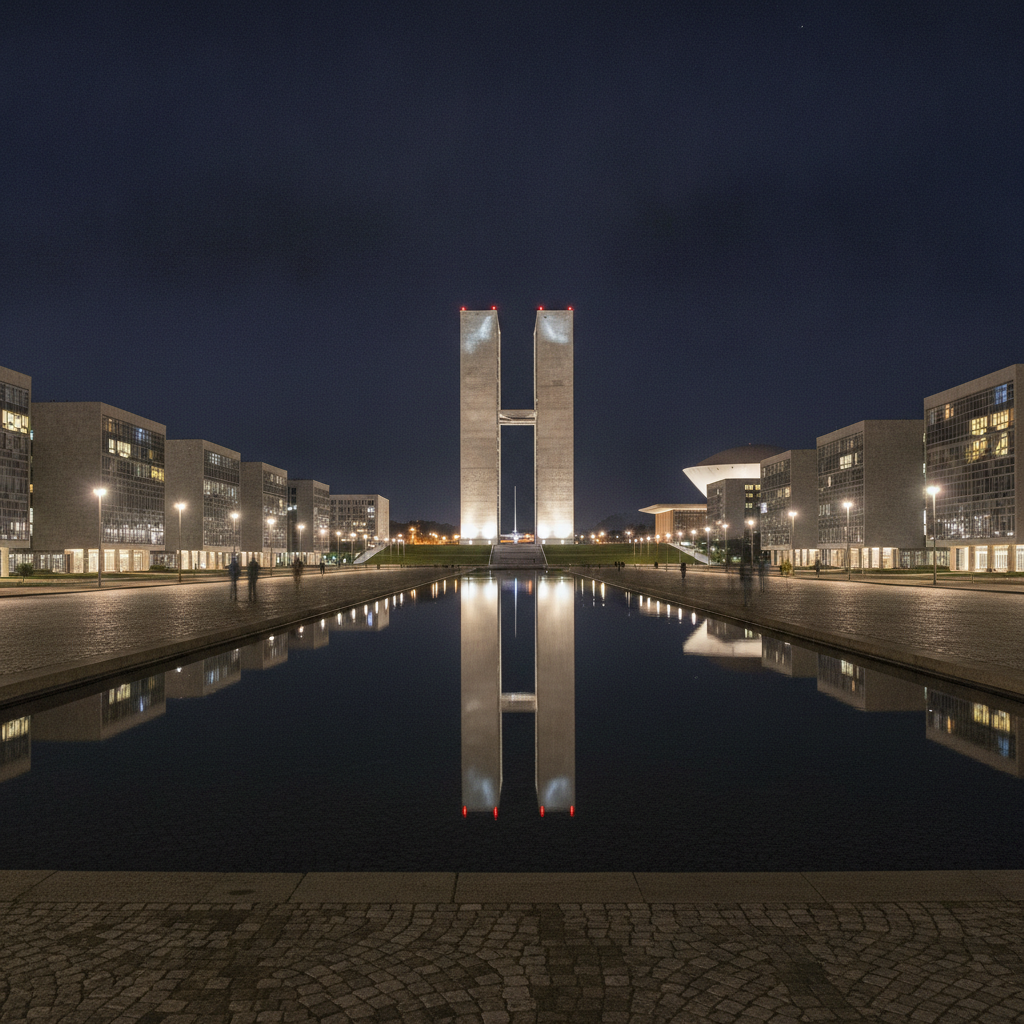
Brasilia by Night and Day Trips: Illuminated Architecture, Palacio do Planalto, Pirenopolis, and Chapada dos Veadeiros
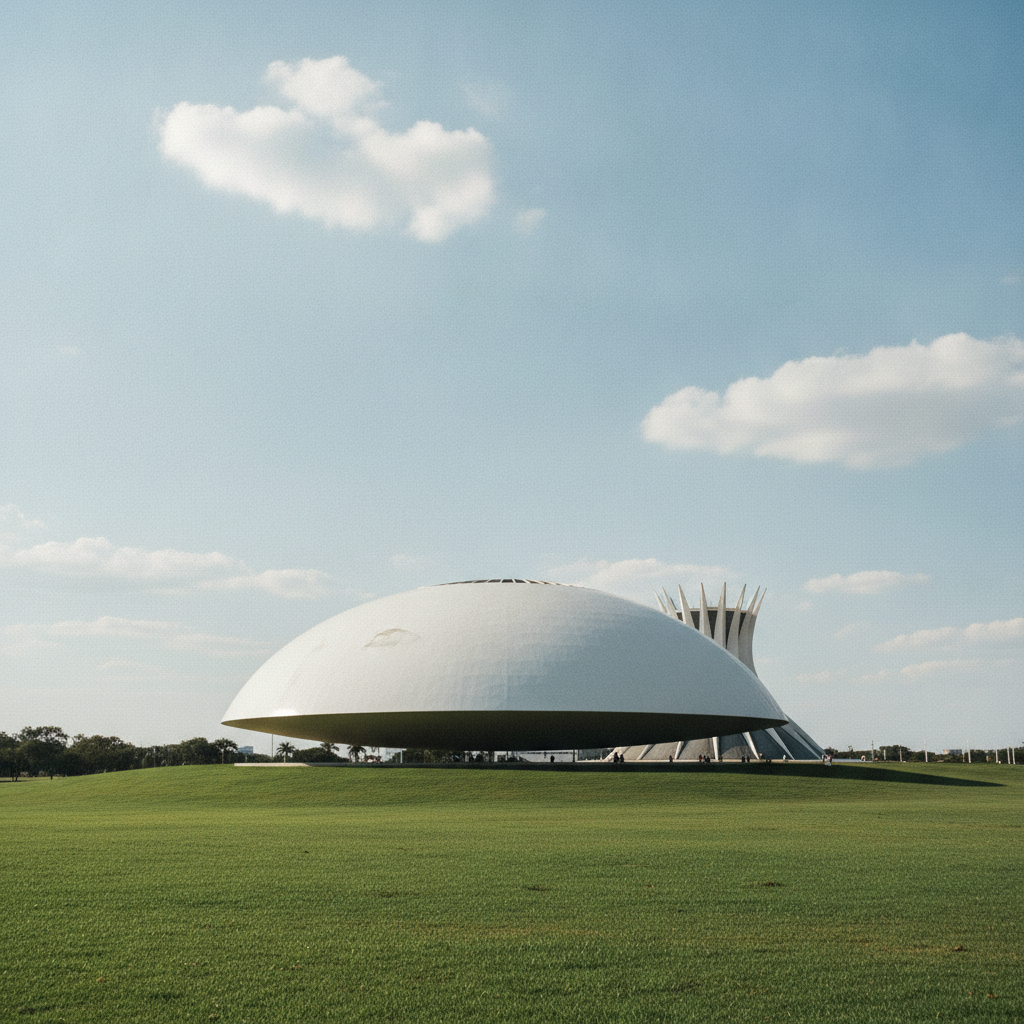
Brasilia Culture and Politics: The JK Memorial, Clarice Lispector, January 2023, and the National Theater
Brasilia: Niemeyer's Modernist Capital, the National Congress, the Cathedral, and the Superquadra Utopia
Brasilia Practical Guide: JK Airport, Dry vs Wet Season, Accommodation in the Plan Piloto, and Getting Around