Brasilia and the Cerrado: National Park, Botanical Garden, Maned Wolf, and the Native Food System
The cerrado savanna that surrounds and penetrates the Brasilia urban fabric is the most biodiverse savanna on Earth and the hydrological heart of South America, providing within the metropolitan area the maned wolf and giant anteater sightings, the cerrado botanical collections, and the native fruits that define the Central West Brazilian food culture.
- 1
Cerrado: The Savanna in the Capital
The cerrado, the Brazilian tropical savanna that occupies the central plateau where Brasilia was built, is the most biodiverse savanna ecosystem in the world and the origin point of the major river systems that drain to the Amazon, the Plate, and the Sao Francisco basins, making it the hydrological heart of South America. The cerrado fragments preserved within the Brasilia National Park and the Ecological Station of Agua Emendada within the metropolitan area provide accessible encounters with the native ecosystem of the central plateau.
- 2
Brasilia National Park: The Cerrado Reserve
The Parque Nacional de Brasilia, known locally as the Agua Mineral park for its natural springs, is a 28,000-hectare cerrado reserve on the western edge of the urban area that provides habitat for the maned wolf, the giant anteater, and dozens of cerrado-endemic bird species within 20 kilometers of the Congress building. The park's swimming pools fed by the natural springs are the most popular recreation destination in the metropolitan area.
- 3
Jardim Botanico: Research and Public Garden
The Botanical Garden of Brasilia, covering 4,500 hectares of cerrado on the Lake Paranoa shoreline, is the most important botanical research institution in the central Brazilian cerrado and maintains a public visiting area with educational trails through the native cerrado vegetation. The botanic garden is the finest introduction to the native cerrado flora for visitors who want to understand the landscape that Brasilia was built within.
- 4
Maned Wolf: The Cerrado Fox
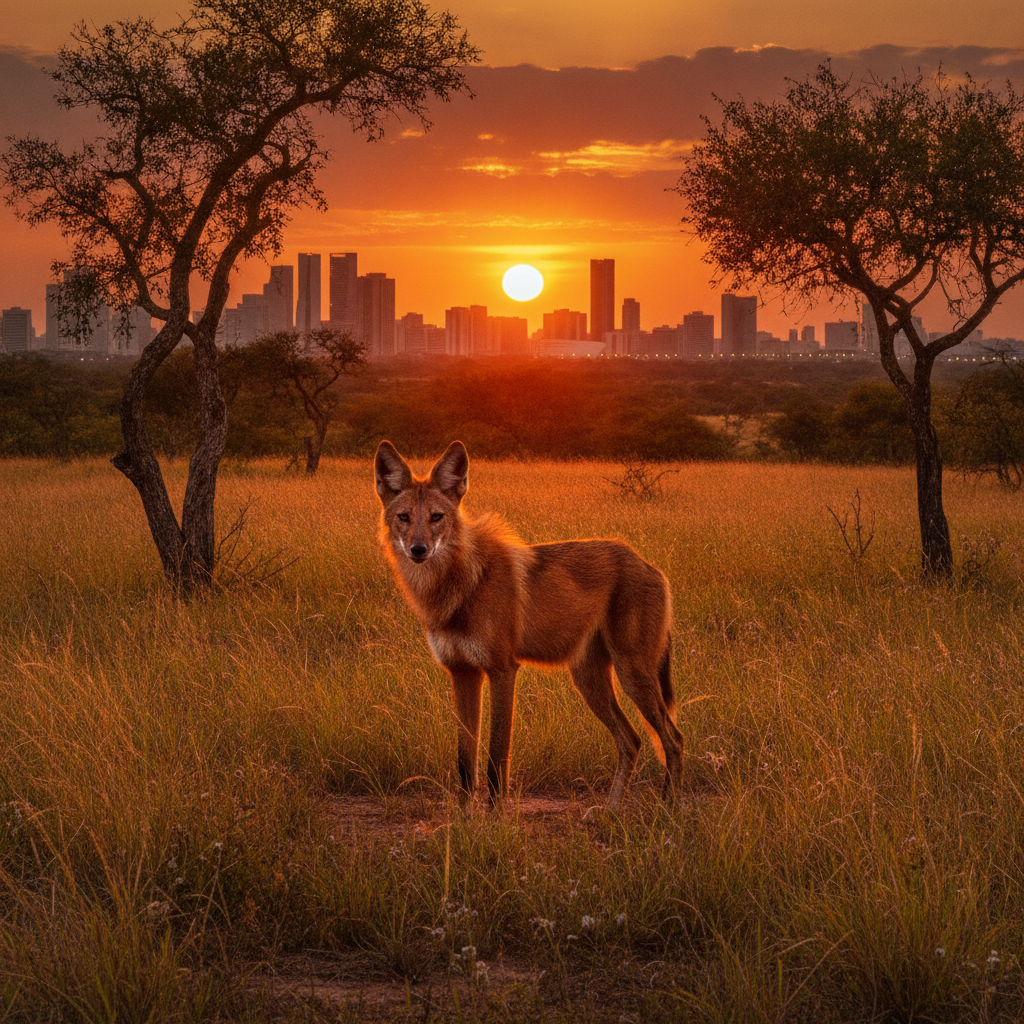
The maned wolf, the long-legged solitary canid of the Brazilian cerrado whose distinctive red coat and black mane give it a resemblance to a fox on stilts, is visible in the cerrado fragments of the Brasilia metropolitan area including the Parque Nacional and the Botanical Garden, where individuals have become accustomed to human presence and are occasionally seen foraging at the forest margins in the early morning and evening.
- 5
Giant Anteater in the City Limits
The giant anteater, the largest of the anteater species at up to 50 kilograms and 2 meters in length, is present in the cerrado reserves of the Brasilia metropolitan area and occasionally crosses the highway corridors between protected areas. The giant anteater is one of the most specialized feeders in the world, consuming up to 35,000 termites and ants per day from the cerrado termite mounds.
- 6
Cerrado Fruits: The Native Food System
The cerrado supports dozens of endemic fruit-producing trees including the pequi, the baru nut, the buriti palm, and the cagaita, which constitute the traditional food system of the Cerrado peoples and are increasingly recognized in the contemporary Brazilian gastronomic scene as superfood ingredients of exceptional nutritional and flavor value. The pequi, with its intensely flavored yellow flesh surrounding a spiked seed, is the most culturally significant food of the Goias and Minas Gerais cerrado populations.
Walk this route with audio
Stories play automatically as you reach each stop — no tapping needed.
More in Brasilia
Brasilia Architecture Deep Dive: Three Powers Plaza, the Itamaraty Ministry, Burle Marx Gardens, and the Planned City Paradox
Brasilia by Night and Day Trips: Illuminated Architecture, Palacio do Planalto, Pirenopolis, and Chapada dos Veadeiros
Brasilia Culture and Politics: The JK Memorial, Clarice Lispector, January 2023, and the National Theater
Brasilia: Niemeyer's Modernist Capital, the National Congress, the Cathedral, and the Superquadra Utopia
Brasilia Practical Guide: JK Airport, Dry vs Wet Season, Accommodation in the Plan Piloto, and Getting Around