Brasilia Architecture Deep Dive: Three Powers Plaza, the Itamaraty Ministry, Burle Marx Gardens, and the Planned City Paradox
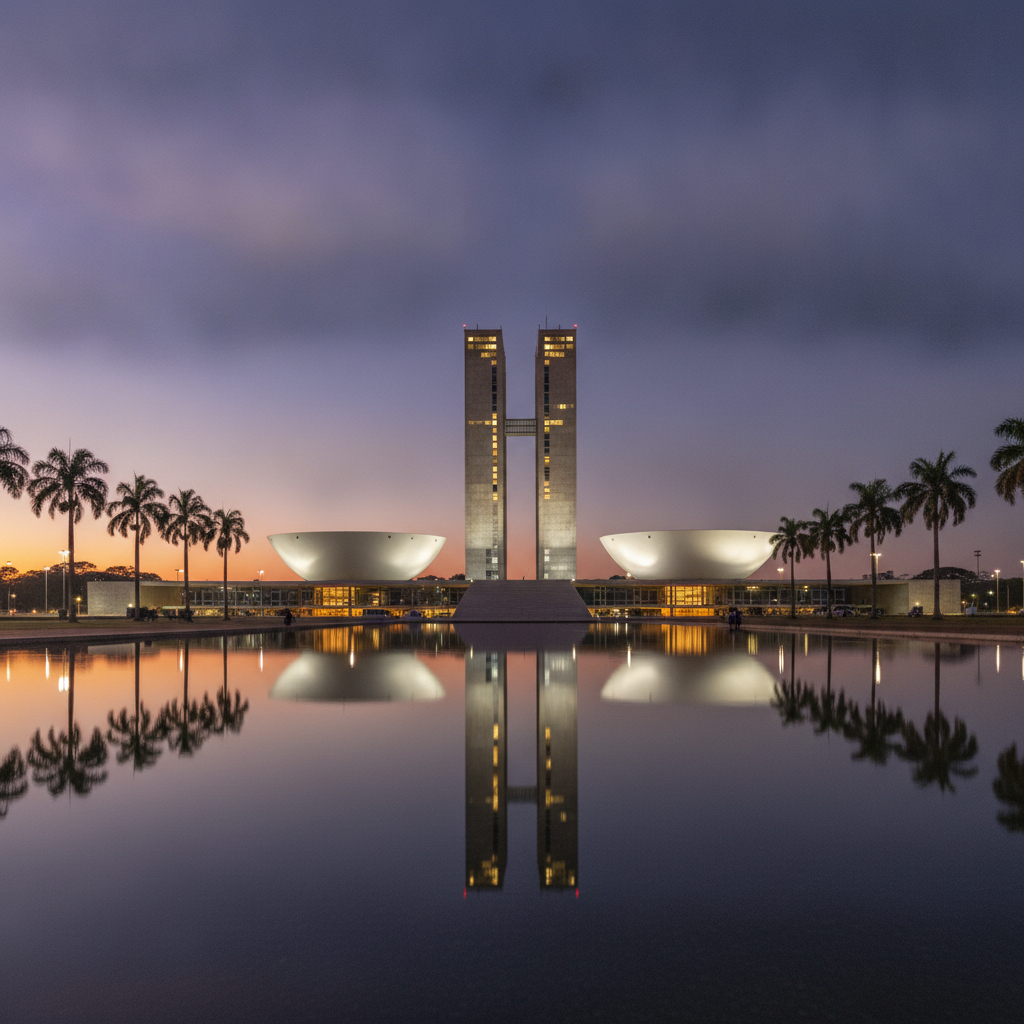
The architectural exploration of Brasilia encompasses the Three Powers Plaza as a built political philosophy, the Palacio do Itamaraty as the finest single Niemeyer building, the Roberto Burle Marx tropical gardens, and the enduring paradox of a planned utopia that achieved architectural perfection at the cost of urban spontaneity.
- 1
Plano Piloto Architecture Tour: The Complete Circuit
The complete architecture tour of the Plano Piloto, which takes a full day by taxi or rental car, covers the Esplanada dos Ministerios with the Congress and ministries, the Palacio do Planalto and the Supreme Court Tribunal Federal facing each other across the Three Powers Plaza, the Palacio da Justica with its exterior water arches, the Itamaraty Foreign Ministry floating above its moat, and the cultural sector with the museum, national library, and theater. The circuit is the finest single day of modernist architecture available anywhere in the world.
- 2
Three Powers Plaza: The Democratic Composition
The Praca dos Tres Poderes, the triangular space at the apex of the Monumental Axis where the Presidential Palace, the Congress, and the Supreme Court face each other in an architectural expression of the separation of powers, is the most conceptually sophisticated urban design element in Brasilia and the space that most clearly expresses Lucio Costa's vision of the capital as a built political philosophy. The sculptural works in the plaza include Niemeyer's abstract sculptures and Bruno Giorgi's Warriors figures.
- 3
Palacio do Itamaraty: The Floating Ministry
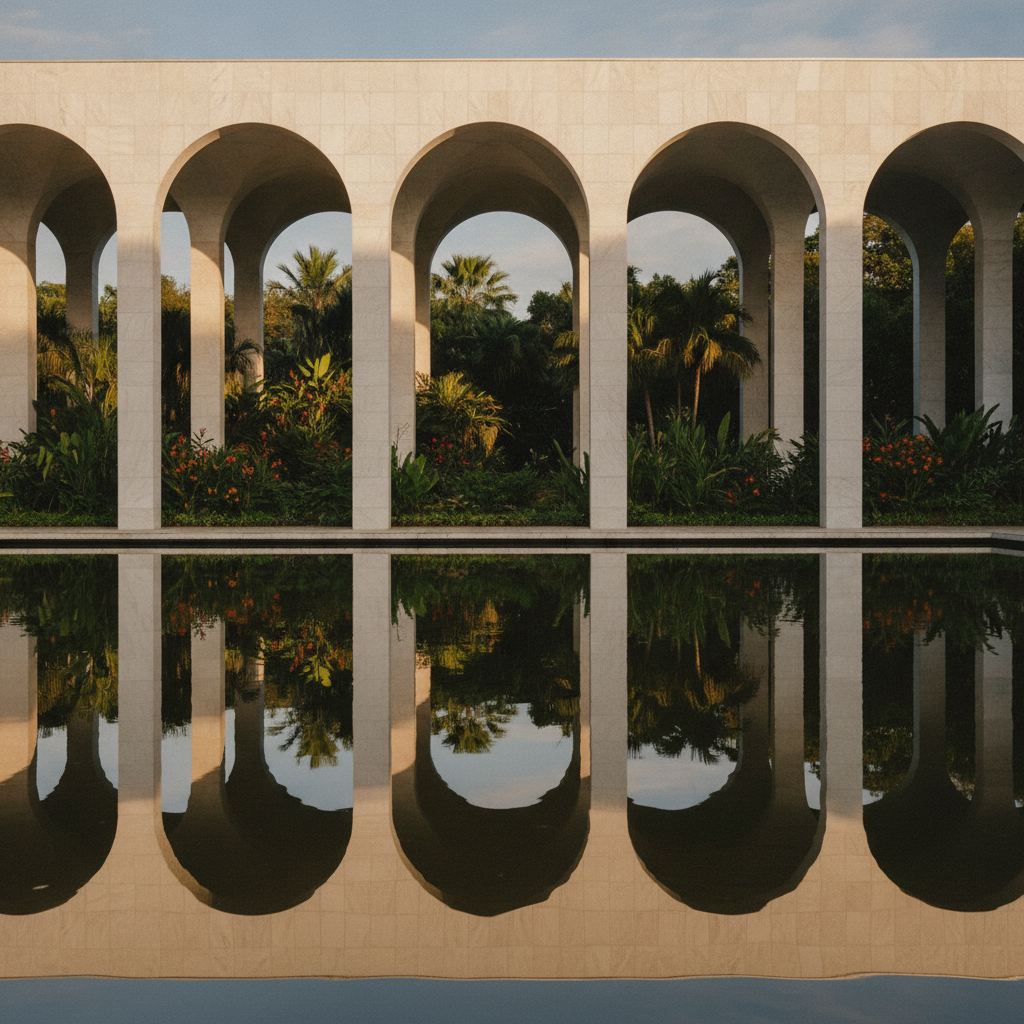
The Palacio do Itamaraty, the Brazilian Foreign Ministry designed by Niemeyer and completed in 1970, is considered by many architects to be the finest building in Brasilia, with the marble palace floating above a water moat and the tropical garden of Roberto Burle Marx visible through the ground-floor colonnade. The Burle Marx tropical garden inside the palace, one of the finest small-scale tropical landscape designs in the world, is accessible on guided visits.
- 4
Roberto Burle Marx: The Modernist Garden Maker
Roberto Burle Marx, the landscape architect whose tropical garden designs complemented the architecture of Niemeyer throughout the Brasilia project, created a new language of tropical landscape design that used the native Brazilian plants, particularly the bromeliads and the cerrado species, in compositions of abstract beauty. Burle Marx designed the Ministry gardens, the Palacio do Itamaraty gardens, and later the Rio de Janeiro Copacabana sidewalk mosaic that is his most famous public work.
- 5
The Planned City Paradox: Order and Spontaneity
The deepest architectural critique of Brasilia, articulated most forcefully by the urban theorist Jane Jacobs whose The Death and Life of Great American Cities was published one year after Brasilia opened, is that the monofunctional zoning of the Plano Piloto creates urban order at the expense of the spontaneous social interaction that animates the sidewalk life of the mixed-use city. The superquadra residents of Brasilia have created their own informal social spaces within and against the formal plan.
- 6
Future Brasilia: Expansion and Challenge
The expansion of the Brasilia metropolitan area, which has grown to more than 3.5 million inhabitants while the Plano Piloto has been maintained at its original planned capacity of approximately 500,000, has created a metropolitan structure of extreme inequality between the heritage-protected utopian center and the unplanned peripheral expansion. The management of this tension between the UNESCO-listed historic plan and the growth of the real city is the central urban challenge of the Brazilian capital.
Walk this route with audio
Stories play automatically as you reach each stop — no tapping needed.
More in Brasilia
Brasilia by Night and Day Trips: Illuminated Architecture, Palacio do Planalto, Pirenopolis, and Chapada dos Veadeiros
Brasilia Culture and Politics: The JK Memorial, Clarice Lispector, January 2023, and the National Theater
Brasilia: Niemeyer's Modernist Capital, the National Congress, the Cathedral, and the Superquadra Utopia
Brasilia Practical Guide: JK Airport, Dry vs Wet Season, Accommodation in the Plan Piloto, and Getting Around