Boise: Egyptian Theatre, Sagebrush Trails and the Semiconductor City
Browse the Egyptian Revival movie palace and Idanha Hotel in Old Boise, hike the Ridge to Rivers 190-mile foothill trail system, taste Snake River Valley wines from Idaho vineyards, learn about Minidoka Japanese American incarceration at the History Museum, plan a Sawtooth Mountains alpine lake trip, and understand how Micron Technology made this mountain city a semiconductor capital.
- 1
Old Boise Historic District
Old Boise, the historic commercial district along Eighth Street and Main Street east of Capitol Boulevard, contains the largest collection of historic commercial buildings in Boise dating from the 1870s through the 1920s. The district was listed on the National Register of Historic Places in 1976. Key landmarks include the Idanha Hotel, built in 1901 in French chateau style and one of the finest early hotels in the Pacific Northwest, and the Egyptian Theatre at 700 West Main Street, a 1927 movie palace designed in Egyptian Revival style following the 1922 discovery of Tutankhamun tomb. The Egyptian underwent a 2.5 million dollar restoration in 1999 and presents independent film and performing arts. The Grove Hotel, adjacent to the Treefort Music Festival's primary venues, anchors modern hotel development in the historic district.
- 2
Boise Foothills and Military Reserve Park
The Boise Foothills, the dry rolling hills immediately north of the city rising to over 4,000 feet, contain one of the most extensive urban trail systems in the American West. Military Reserve Park, a 486-acre public park on the lower foothills adjacent to the Veterans Administration campus, was the site of Fort Boise established in 1863 to protect Oregon Trail travelers and has been a public recreation area since 1942. The park connects to the Ridge to Rivers trail system, a 190-mile network maintained by a partnership of Ada County, Boise, and the Bureau of Land Management that allows residents to walk from downtown streets into sagebrush desert within 20 minutes. The foothills are covered in native bunchgrass, sagebrush, and bitterbrush and support populations of mule deer, coyotes, and red-tailed hawks visible year-round from trail networks.
- 3
Caldwell and Nampa Agricultural Heritage
The Treasure Valley surrounding Boise, watered by the Snake River and its network of irrigation canals developed beginning in the 1880s, is one of the most productive agricultural regions in the American West. Canyon County cities of Caldwell and Nampa to the west of Boise anchor a farming economy that produces the largest share of Idaho trout, a significant share of US dairy production, and specialty crops including hops, mint, and wine grapes. The Snake River Valley American Viticultural Area, designated in 2007, now contains over 60 wineries producing Riesling, Syrah, and Cabernet Sauvignon from vineyards whose continental climate conditions closely resemble the Columbia Valley of Washington. The Western Idaho Fair in Nampa, held each August since 1902, is the largest agricultural fair in Idaho drawing over 200,000 visitors.
- 4
Idaho History Museum
The Idaho State Historical Museum, reopened in 2018 after a 45 million dollar renovation and expansion at 610 North Julia Davis Drive in Julia Davis Park, presents Idaho history from the earliest human occupation through the contemporary era in 60,000 square feet of gallery space. The permanent collection holds over 250,000 artifacts including significant collections of Shoshone-Bannock beadwork, Chinese American immigration materials from the railroad and mining era, and exhibits on the Minidoka War Relocation Center where 9,397 Japanese Americans were incarcerated during World War II. The Minidoka National Historic Site, 130 miles east of Boise near Twin Falls, is administered by the National Park Service and remains one of the most significant Japanese American incarceration sites in the western United States.
- 5
Sawtooth Mountains and Stanley Basin
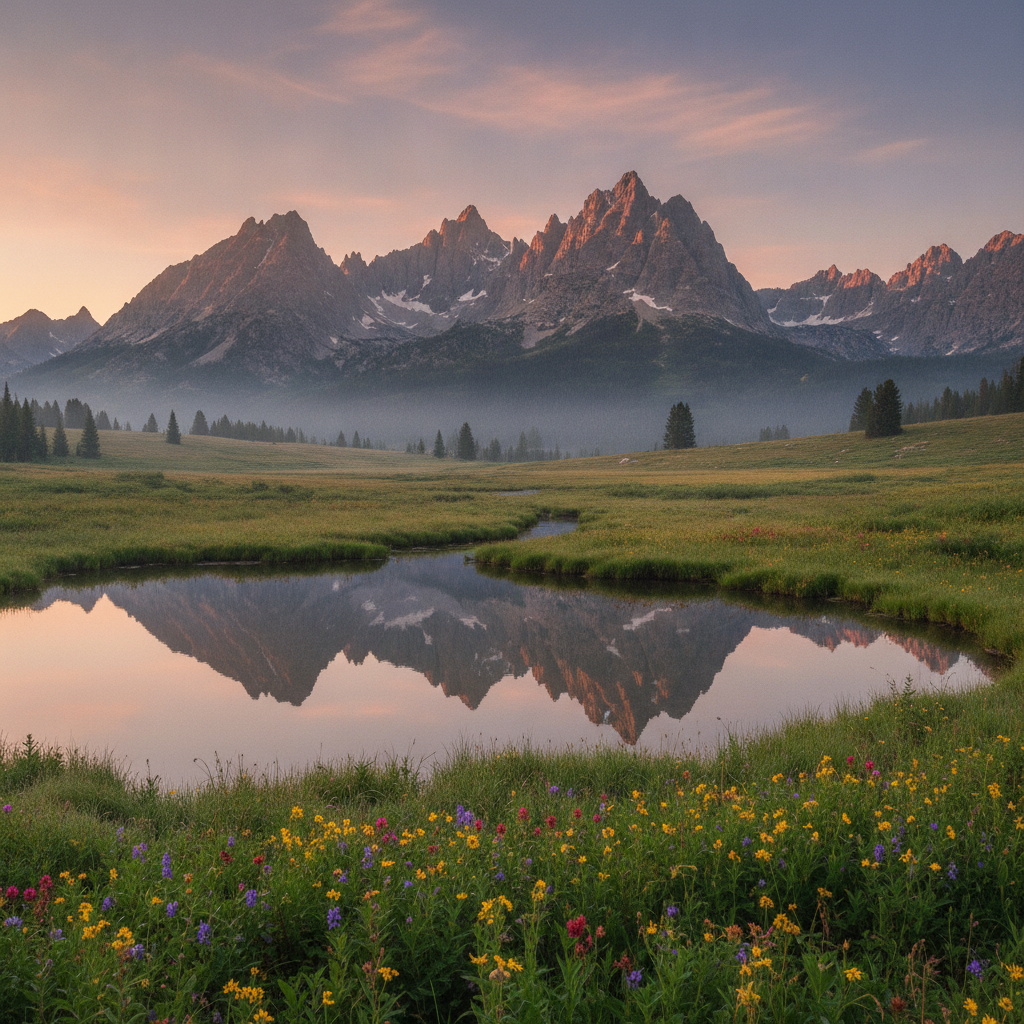
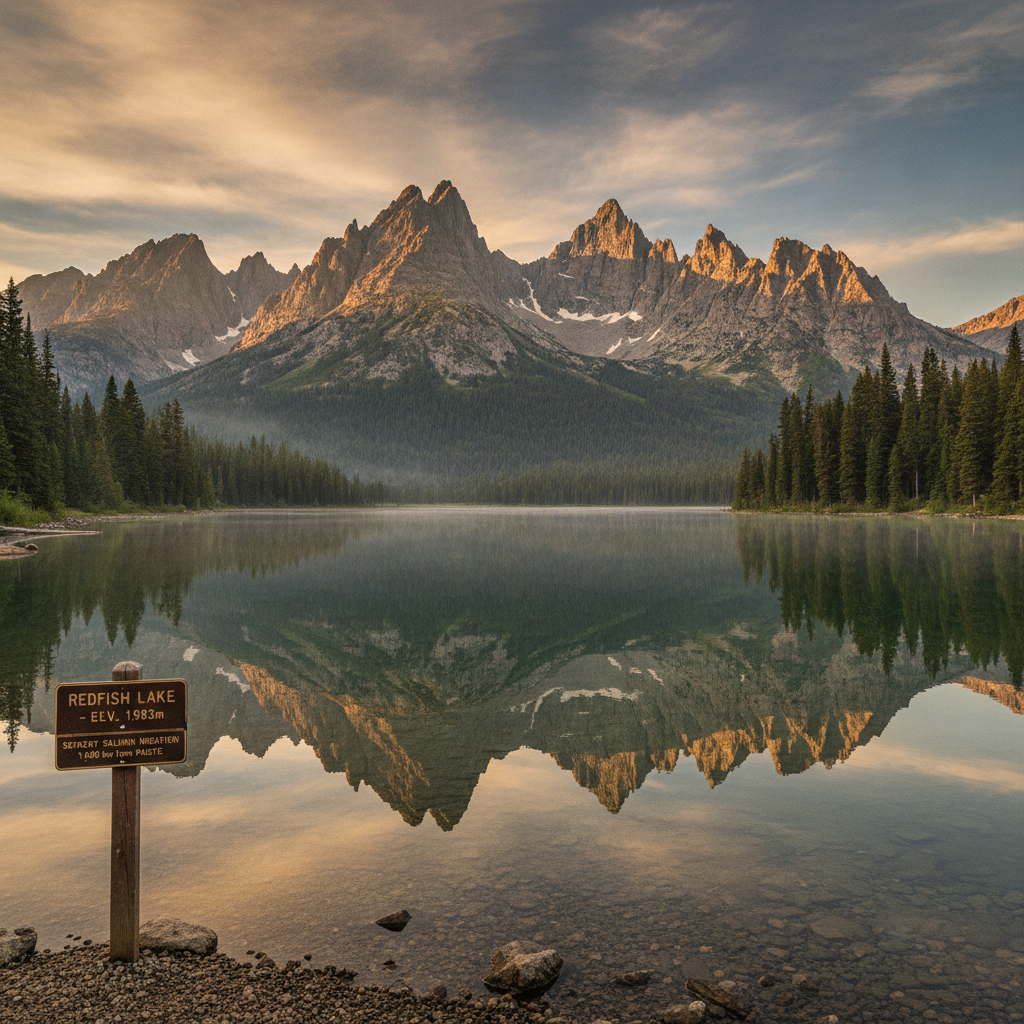
The Sawtooth Mountains, 130 miles northeast of Boise, are among the most dramatic mountain ranges in the lower 48 states, with over 40 peaks exceeding 10,000 feet in a 35-mile long range above the Stanley Basin. The Sawtooth National Recreation Area covers 756,000 acres and contains over 700 alpine lakes, 300 miles of hiking trails, and the headwaters of the Salmon River, known as the River of No Return, which runs 425 miles north and west to the Snake River. Stanley, a town of fewer than 100 year-round residents at 6,260 feet elevation, is the gateway to the Sawtooths and claims the coldest winter temperatures of any inhabited community in the contiguous United States with lows frequently reaching minus 40 degrees Fahrenheit. The White Cloud Peaks adjacent to the Sawtooths were protected in the Boulder-White Clouds Wilderness designated in 2015.
- 6
Boise Technology Sector and Growth
Boise has been one of the fastest-growing metropolitan areas in the United States for over a decade, driven largely by technology sector growth and migration from higher-cost West Coast cities. Micron Technology, founded in Boise in 1978 in a Boise dentist office by Ward Parkinson and colleagues, is the largest semiconductor manufacturer headquartered in the United States and a major global supplier of DRAM and NAND flash memory. Micron employs over 6,000 people in Boise and is the city largest private employer. Hewlett-Packard established a major Boise campus in 1973 that became Hewlett Packard Enterprise. The Boise metro population has grown from 464,000 in 2010 to over 800,000 by 2023. Housing costs have risen dramatically in response, making affordability a central political issue in city and state government.
Walk this route with audio
Stories play automatically as you reach each stop — no tapping needed.
More in Boise
Boise: Salmon River of No Return, Stanley and Sawtooths, Julia Davis Park, Idaho Politics, Eastern Idaho, and Yellowstone
Boise: Treasure Valley Food Scene, Nez Perce War, Lewis and Clark, BSU Blue Turf, Idaho Potatoes, and Basque Heritage
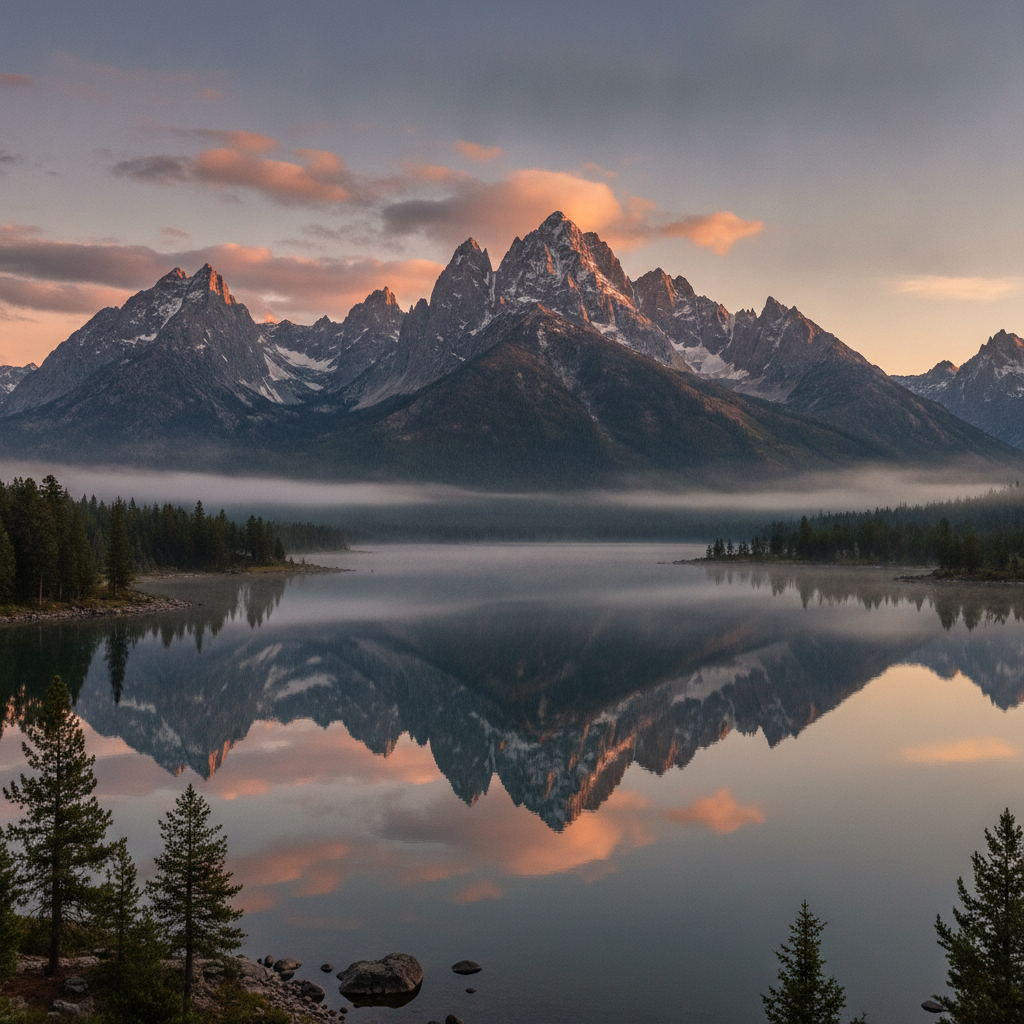
Boise: Greenbelt, Basque Block, Oregon Trail, Outdoor Recreation, Craters of the Moon, and the Tech Economy
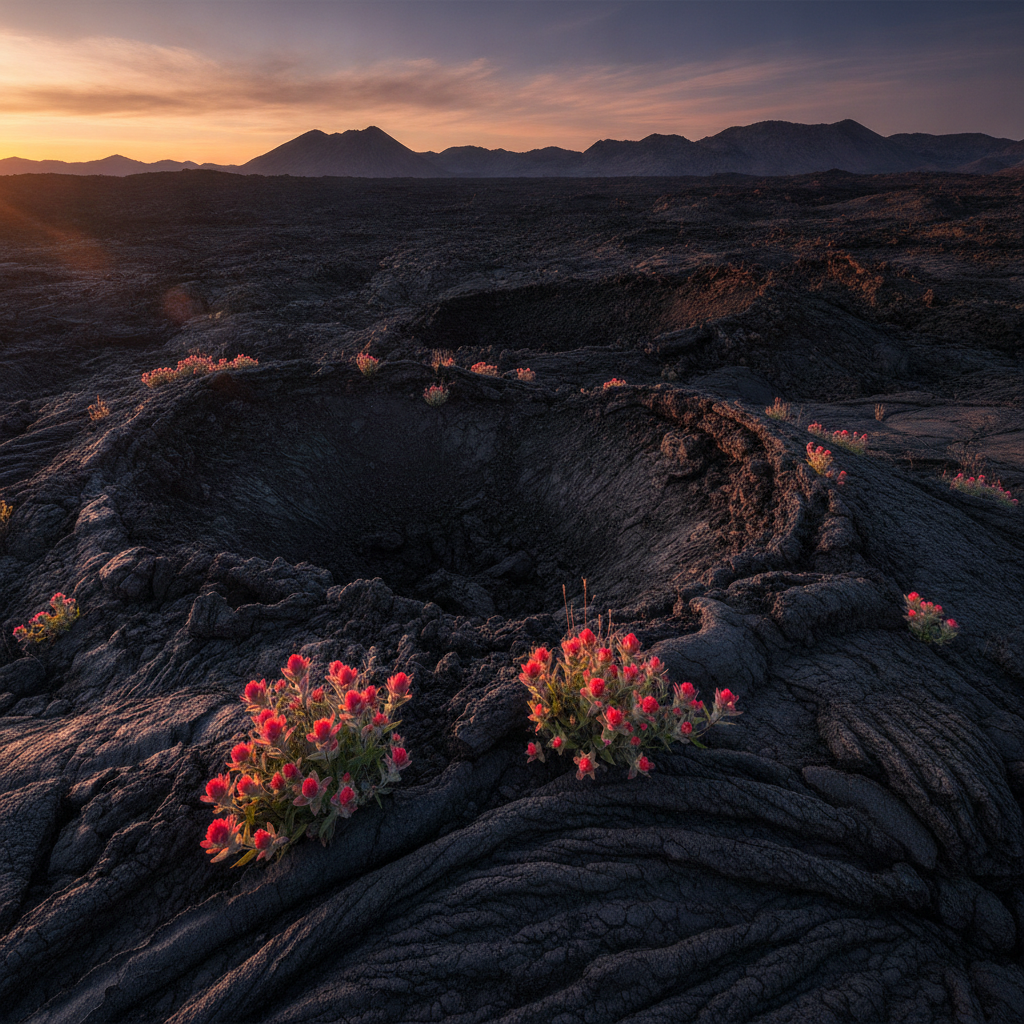
Boise: Astronaut Training Lava Fields, Blue Football Turf and a Food Scene on the Rise
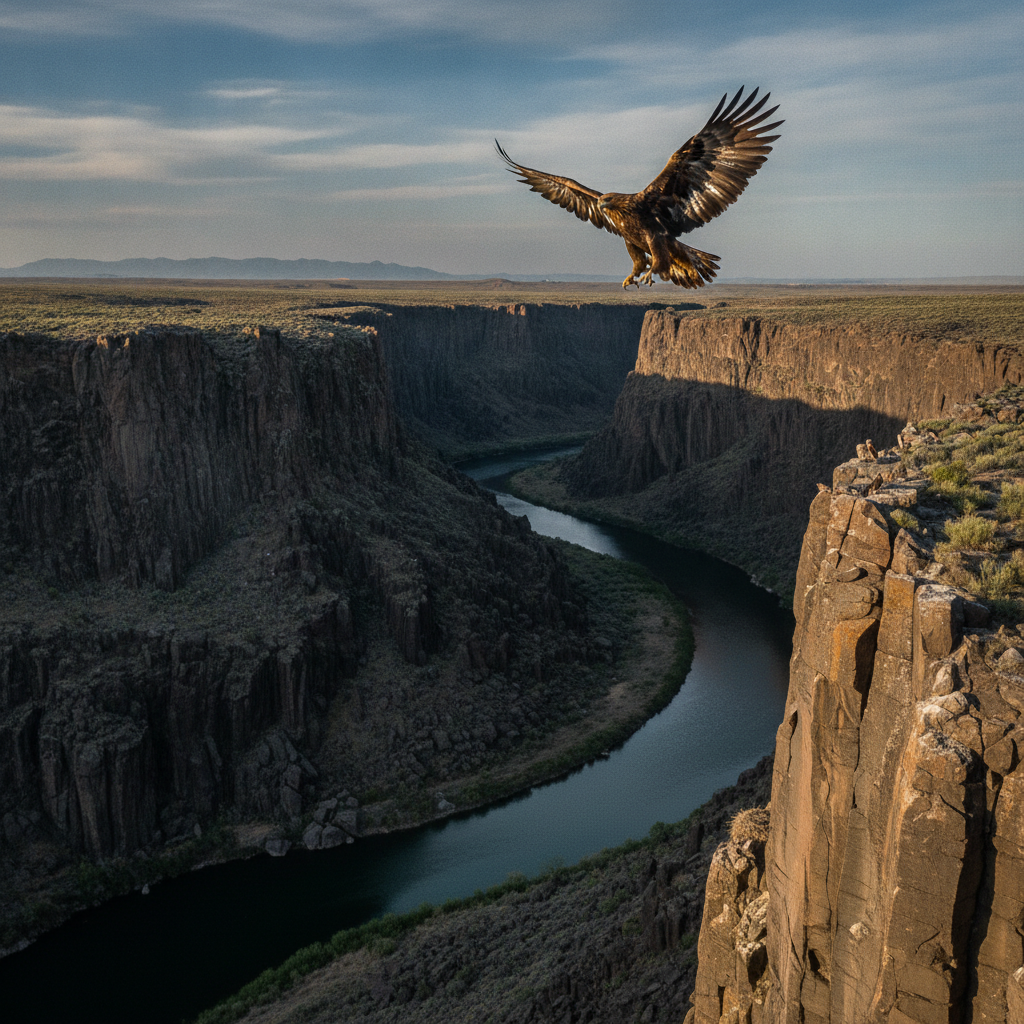
Boise: Snake River Raptors, Sun Valley, Arts Scene, Owyhee Mountains, River Floating, and Practical Info