Boise: Greenbelt, Basque Block, Oregon Trail, Outdoor Recreation, Craters of the Moon, and the Tech Economy
Boise (elevation 874 m, population 240,000 city/760,000 metro, No. 1 quality of life US News 2021 and 2022) is the capital and largest city of Idaho, a rapidly growing city at the confluence of the Boise River and the Snake River Plain that has transformed in 15 years from a mid-sized government and agricultural hub into one of the leading outdoor-lifestyle technology cities in the American West. The city is defined by the 35-km Boise River Greenbelt (2 million annual visitors), the Idaho State Capitol (the only naturally geothermally heated capitol in the US), the most significant Basque community in the United States (15,000 Basque-Americans, the Basque Block on Grove Street), gateway access to the Frank Church-River of No Return Wilderness (2.37 million acres, largest contiguous wilderness in the continental US), and Micron Technology (the only major US semiconductor company headquartered outside Silicon Valley, market cap USD 100B+). The Treasure Valley (the irrigated agricultural basin surrounding Boise) produces 30% of all US potatoes (5.5 billion pounds/year Snake River Plain Russet Burbank), and the Boise metro was the fastest-growing in the United States in 2020-2021 at 3.6% annual growth, driven by California migration and the outdoor lifestyle.
- 1
Downtown Boise - The Greenbelt, Capitol Boulevard, and the Basque Block
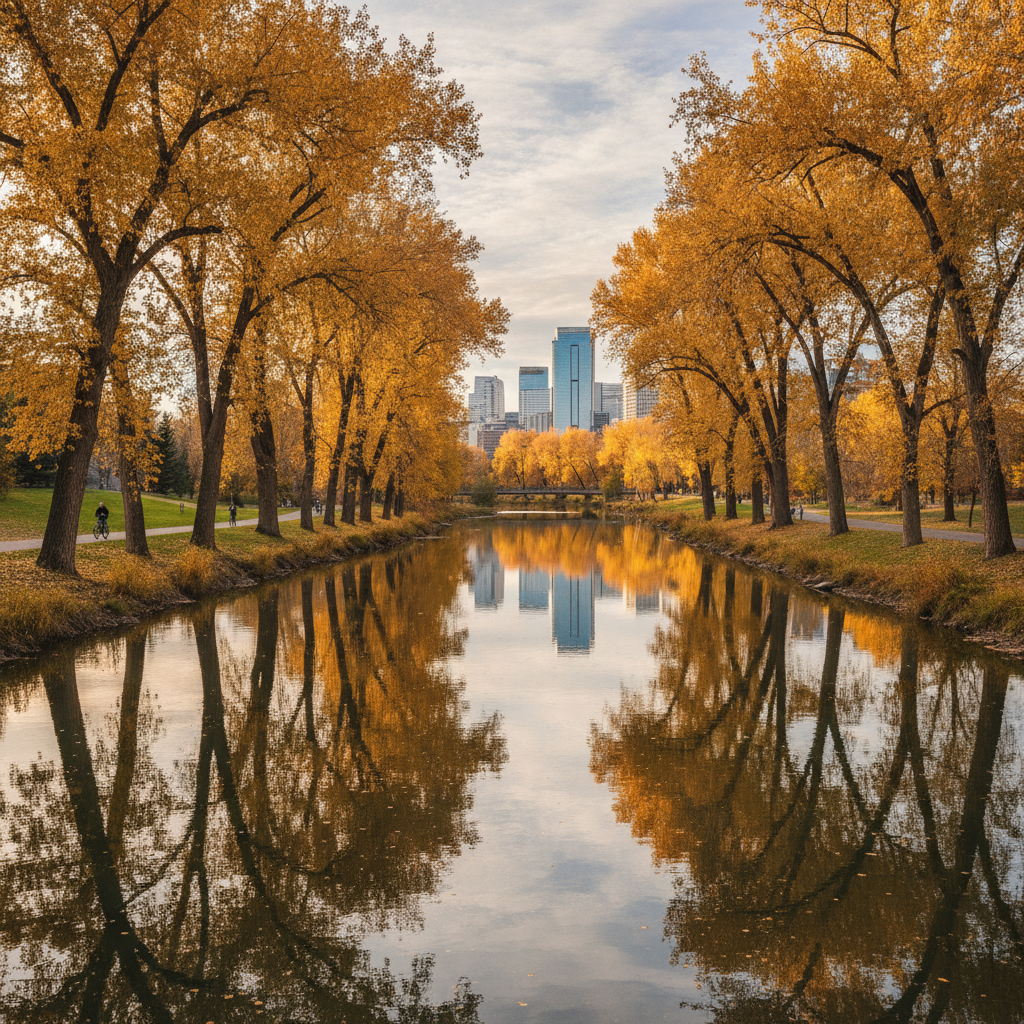
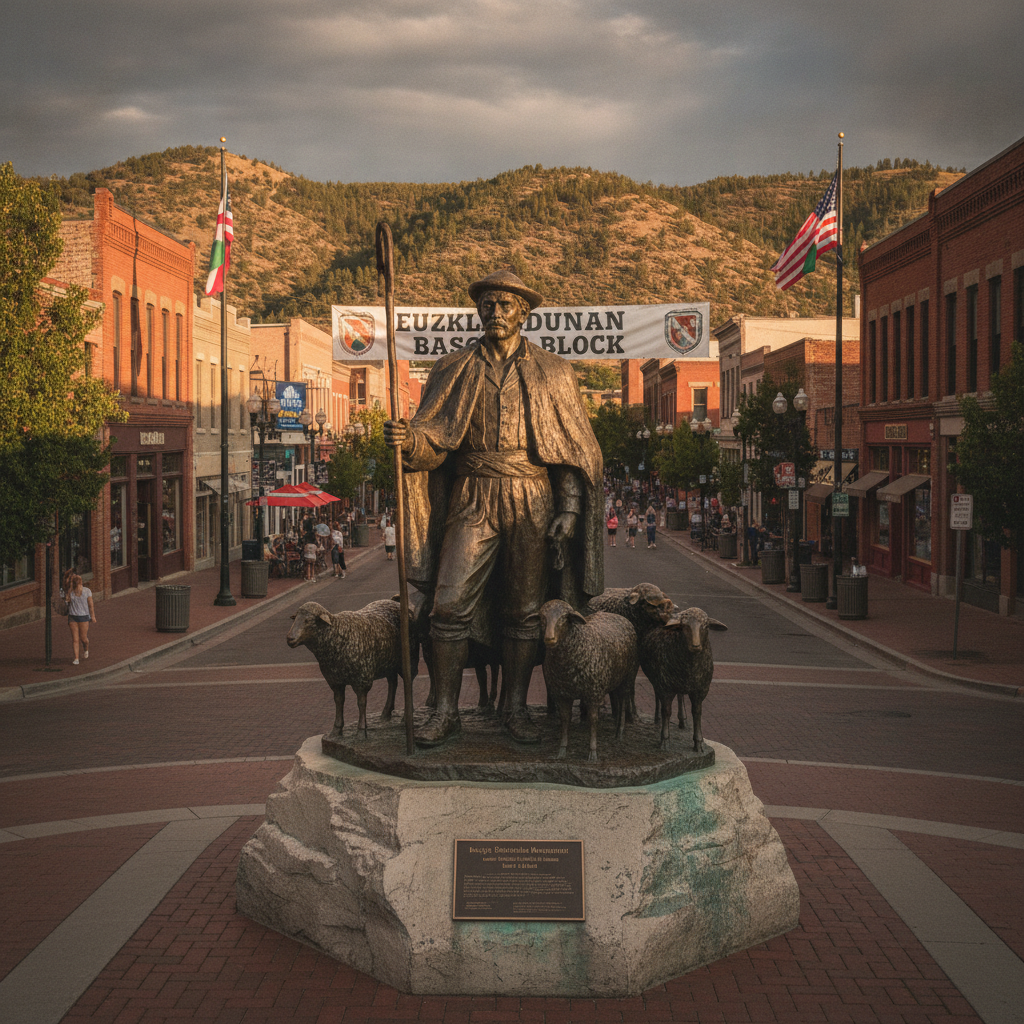
Downtown Boise and the Greenbelt: Boise (population 240,000 city, 760,000 metro) is consistently ranked among the most livable cities in the United States (ranked No. 1 for quality of life by U.S. News and World Report in 2021 and 2022), and the 35-km Boise River Greenbelt (the paved trail running along both banks of the Boise River from Eagle on the west to Lucky Peak on the east, passing through Ann Morrison Park, Julia Davis Park, the Boise Zoo, and multiple neighborhoods) is the physical spine of the city quality-of-life claim. The Greenbelt is used by approximately 2 million visitors per year for cycling, jogging, kayaking (the Boise River whitewater park), and walking. The Idaho State Capitol (at 700 West Jefferson Street, completed 1920, the only naturally heated capitol in the United States, with geothermal heating from the Boise geothermal system -- the city of Boise operates the largest geothermal district heating system in the United States, with 89C water from the geothermal aquifer heating more than 5 million square feet of buildings in the downtown core through 29 km of insulated pipes). The Basque Block (on Grove Street between Capitol Boulevard and 6th Street, downtown Boise): the most culturally significant Basque neighborhood outside the Basque Country of Spain and France, with the Basque Center (at 601 West Grove Street), the Basque Museum and Cultural Center (at 611 West Grove Street), Bar Gernika (at 202 South Capitol Boulevard, the most authentic Basque pintxos bar in the United States), Leku Ona restaurant, and the Boise Basque community (approximately 15,000 Basque-Americans, the largest Basque community in the United States outside of Boise, and the largest Basque community in any American city). The Basque history: Basque sheepherders began immigrating to Idaho in the 1890s to work the high desert rangelands, finding the terrain similar to their home landscape in the Pyrenees.
- 2
Idaho's Outdoor Life - River Rafting, Skiing, and the River of No Return
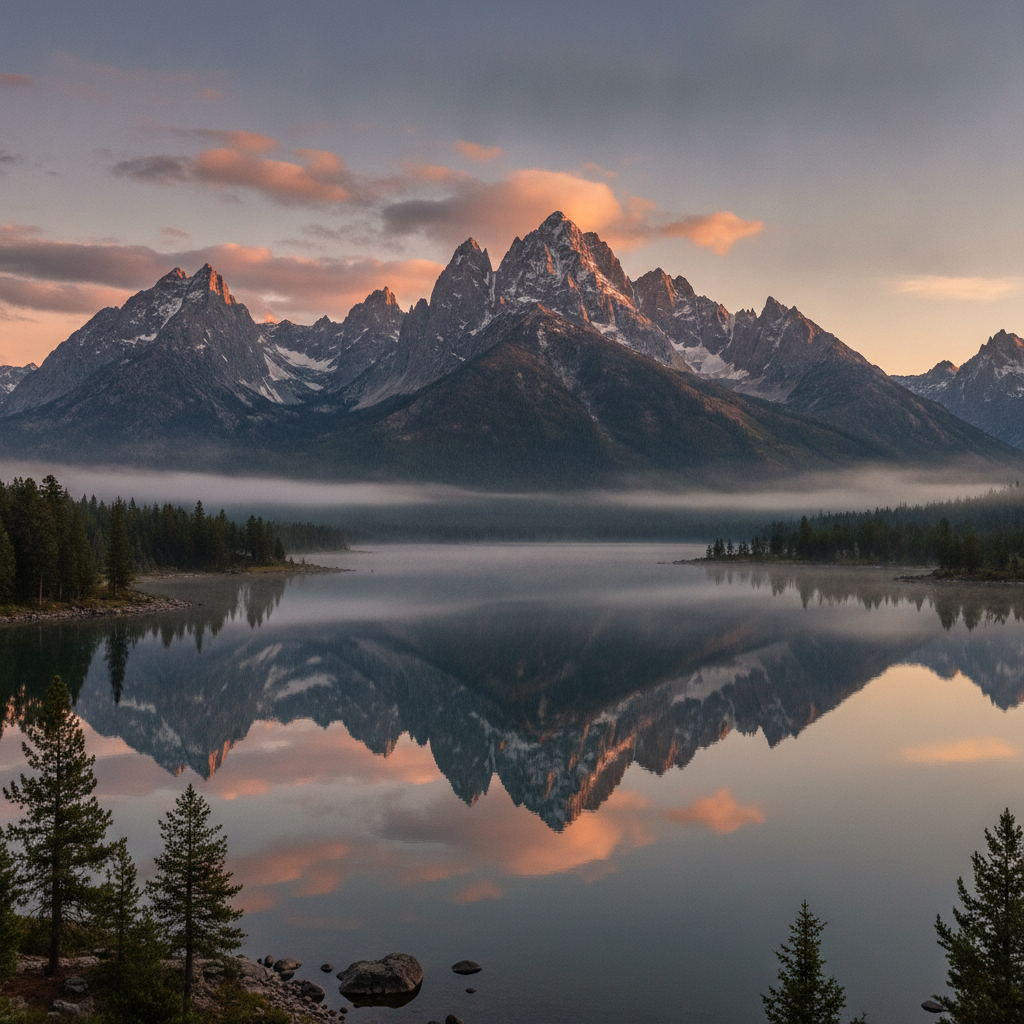
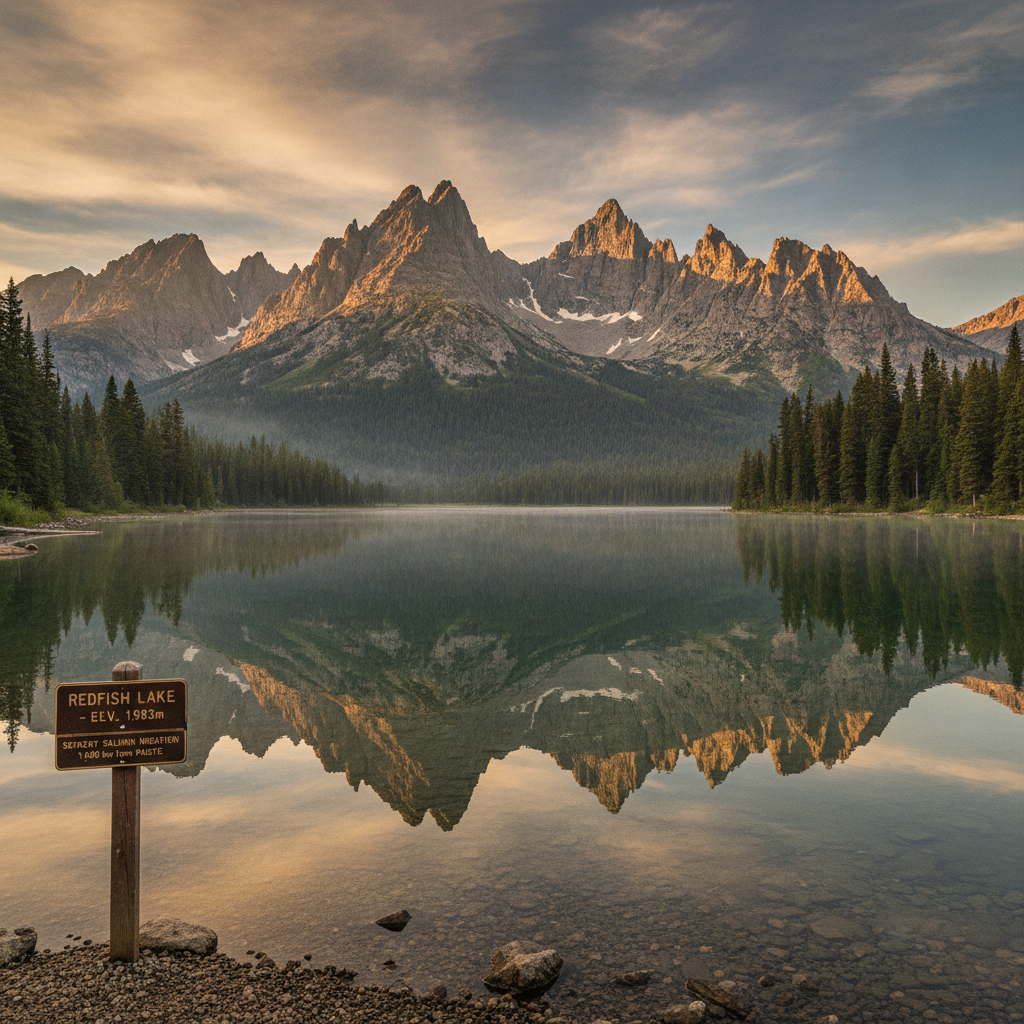
Idaho outdoor recreation: Idaho contains more wilderness area than any other state in the continental United States (4.8 million acres of designated wilderness, more than California and Oregon combined), and Boise serves as the gateway to some of the most dramatic river wilderness in North America. The Frank Church-River of No Return Wilderness (established 1980, 2.37 million acres, the largest contiguous wilderness area in the continental United States -- larger than the state of Connecticut): the wilderness surrounding the Middle Fork of the Salmon River (the most acclaimed whitewater rafting river in the United States, a 145-km multi-day float through a canyon deeper than the Grand Canyon in places, with Class IV-V rapids and wilderness hot springs accessible only by river or floatplane). The Sawtooth Mountains (the range 160 km northeast of Boise, reaching 3,860 m at Thompson Peak, surrounding the town of Stanley at 1,900 m, with 40 peaks exceeding 3,000 m): the most dramatic mountain scenery within day-trip range of Boise, with the Sawtooth Wilderness (217,000 acres), the Sawtooth National Recreation Area, and the Redfish Lake (the alpine lake at 1,983 m, 8 km long, with the Sawtooth peaks reflected in the water -- one of the most photographed mountain lakes in the American West). Bogus Basin Mountain Recreation Area (at 2600 Bogus Basin Road, 25 km north of downtown Boise at 2,000 m, the nonprofit ski resort operating since 1942): the most accessible ski area to a major American city by ratio of drive time to vertical drop, with 2,600 acres of terrain, 800 m of vertical drop, and a 45-minute drive from central Boise -- the mountain where 90% of Boise-area skiers learn to ski. Summer Mountain Biking: Bogus Basin operates mountain biking trails in summer, and the Boise Foothills (immediately north of the city) contain 190 km of singletrack mountain biking trails.
- 3
The Oregon Trail and Idaho History
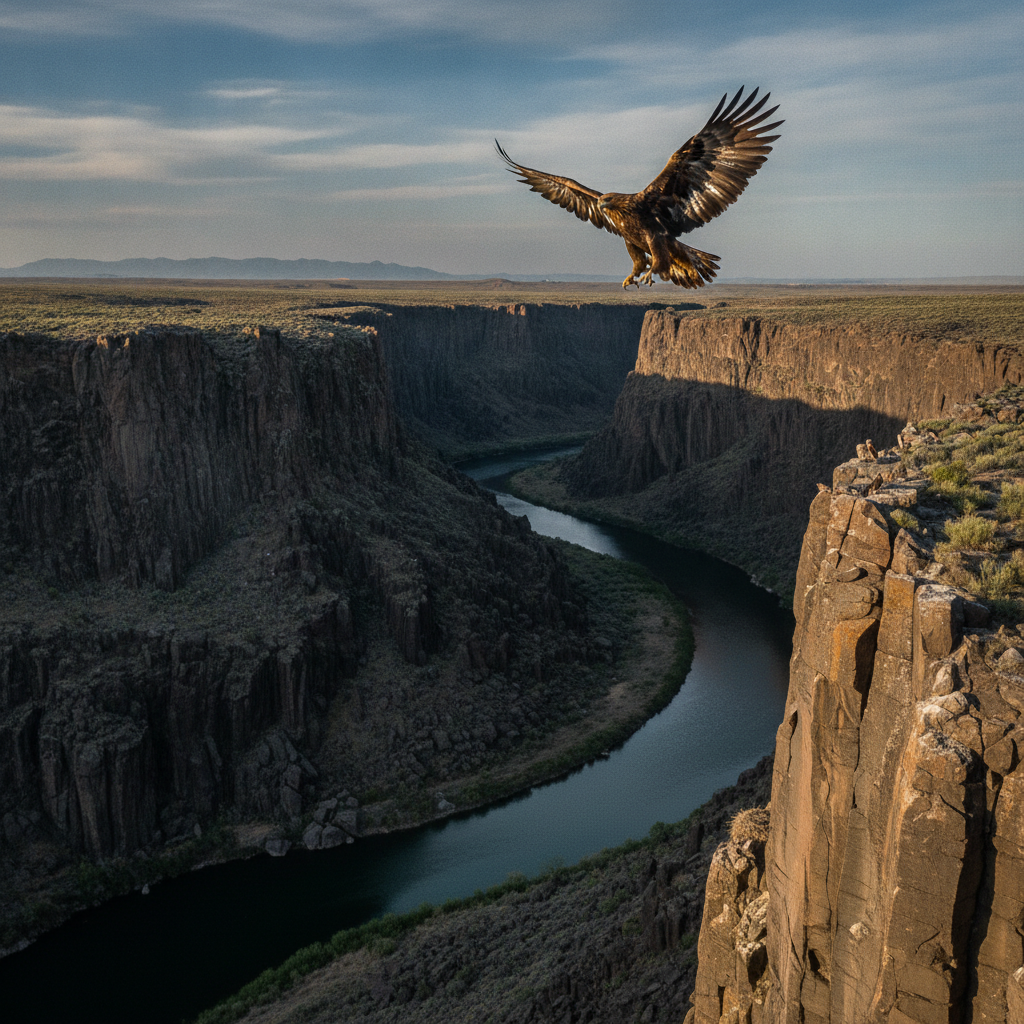
The Oregon Trail in Idaho (the approximately 800-km section of the 3,500-km overland emigrant trail that crossed southern Idaho from Fort Hall (near present-day Pocatello, 230 km east of Boise) to the Snake River crossing at Fort Boise (a fur trading post established 1834 by the Hudson's Bay Company at the confluence of the Boise River and Snake River, near present-day Parma, 65 km west of Boise) -- the most difficult and most deadly section of the entire trail): the route traveled by approximately 350,000-500,000 emigrants from 1843 to 1869 (when the transcontinental railroad eliminated the need for the wagon trail), of whom approximately 5% died along the way (17,500-25,000 deaths, primarily from cholera, dysentery, and accidents). The Three Island Crossing (at Three Island Crossing State Park, 140 East Madison Avenue, Glenn's Ferry, ID, 130 km east of Boise): the most dangerous regular river crossing on the entire Oregon Trail, where emigrants forded the Snake River at a point where three rocky islands (now much reduced by damming) divided the current into manageable channels -- approximately 30% of wagon trains chose to continue on the south bank (the harder overland route) rather than risk the crossing. The Idaho State Historical Museum (at 610 North Julia Davis Drive, Boise, in Julia Davis Park, recently renovated and reopened 2018 with a USD 37.5M expansion): the most comprehensive collection of Idaho history from prehistoric times through the present, with major exhibits on the Oregon Trail, the Shoshone and Bannock peoples, the mining era, and the Basque immigration. The World Center for Birds of Prey (at 5668 West Flying Hawk Lane, 13 km south of Boise, the global headquarters of the Peregrine Fund -- the conservation organization that saved the peregrine falcon from extinction): the facility where peregrine falcons (Falco peregrinus) were bred in captivity and reintroduced to the wild from 1970-1999, increasing the North American population from approximately 324 breeding pairs (1975) to over 3,000 pairs (1999).
- 4
The Treasure Valley Food Scene and Basque Culture
The Treasure Valley agricultural economy: the region surrounding Boise (the Treasure Valley -- the irrigated agricultural basin of the Boise River and Snake River from Boise to Ontario, Oregon) is one of the most productive agricultural areas in the Pacific Northwest, producing sugar beets (Idaho is the 2nd-largest sugar beet producer in the US), hops (Idaho is the 3rd-largest hop producer in the US, after Washington and Oregon), dairy products (Idaho is the 3rd-largest dairy state by milk volume), and the famous Idaho potato (Idaho grows approximately 30% of all US potatoes -- 5.5 billion pounds per year -- with the Snake River Plain producing the Russet Burbank potato variety in conditions (volcanic soil, altitude, diurnal temperature range, and the clean irrigation water of the Snake River aquifer) that produce the highest starch content and the most consistent quality of any potato-growing region in the world). The Basque food tradition: the Basque pintxos (the small bread-mounted appetizers of the Basque Country) served at Bar Gernika (at 202 South Capitol Boulevard, Boise), the lamb stew and chorizo at Leku Ona (at 117 South 6th Street), and the traditional Basque lamb ribs at Bar Gernika represent the most authentic Basque cuisine available outside Europe. The Basque Market (at 608 West Grove Street, Boise): the Basque delicatessen and market selling Idiazabal cheese (the smoked sheep's milk cheese of the Basque Country), txistorra (the thin Basque chorizo), Basque cider, and imported Basque products. The Boise Farmers Market (at 1500 Shoreline Drive, Boise, operating Saturdays April through November, 100+ vendors): the primary farmers market of the Treasure Valley, featuring Idaho-grown potatoes, hops, specialty cheeses, and seasonal produce.
- 5
Craters of the Moon National Monument and Southern Idaho
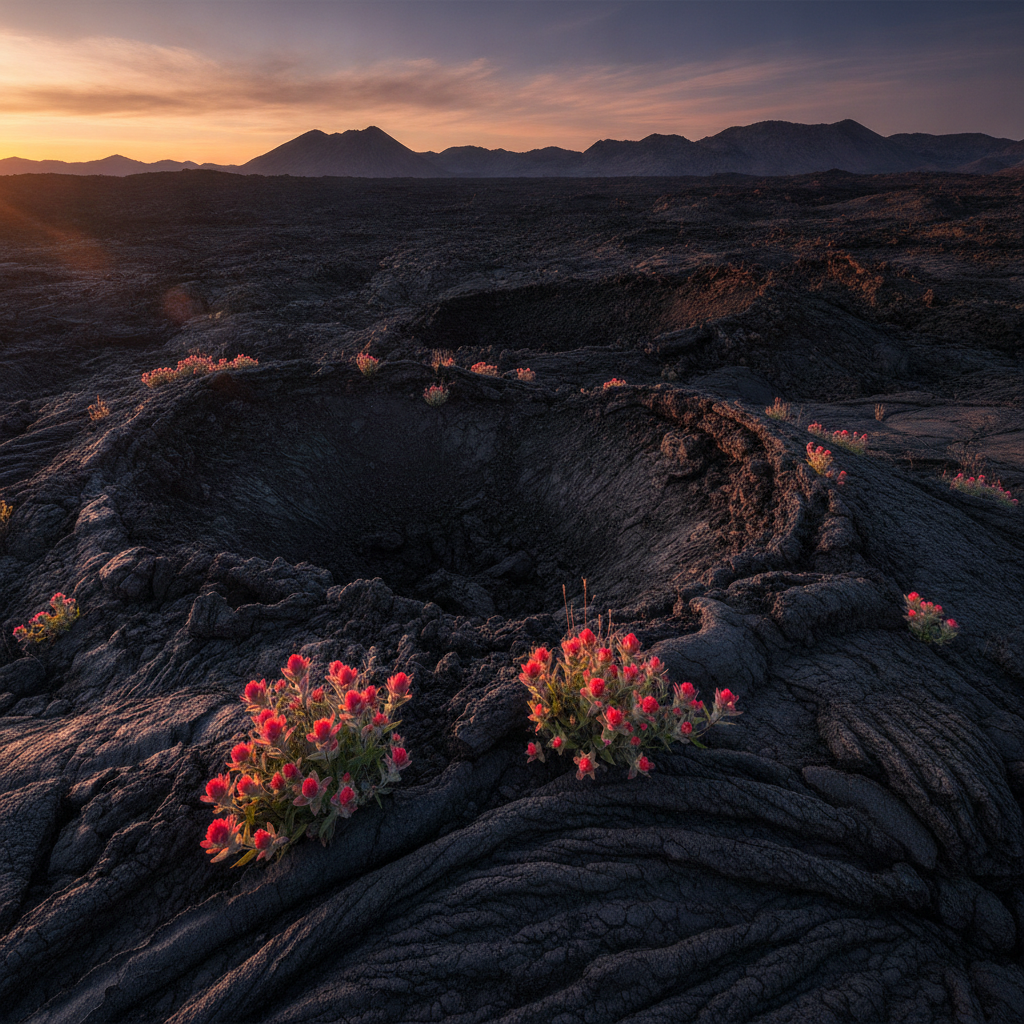
Craters of the Moon National Monument and Preserve (at 1266 Craters of the Moon Loop Road, Arco, ID, 280 km east of Boise, established May 2, 1924): the 742,000-acre monument and preserve protecting the most geologically recent volcanic landscape in the continental United States outside of Hawaii -- a series of lava flows, cinder cones, spatter cones, and lava tube caves produced by the Great Rift volcanic system over the past 15,000 years, with the most recent eruption approximately 2,100 years ago. The lunar analogy: Craters of the Moon was named for its resemblance to the cratered surface of the Moon (visible in photographs), and NASA trained Apollo astronauts at Craters of the Moon in 1969 to prepare them for the geological observations they would make on the lunar surface -- Apollo 14 geologist Edgar Mitchell specifically studied lava tube caves at Craters of the Moon before the mission. The lava tube caves: the cave system at Craters of the Moon (Indian Tunnel, Boy Scout Cave, Beauty Cave, Surprise Cave) formed by the cooling of the outer surface of flowing lava while the interior remained liquid -- when the liquid drained, it left hollow tubes. Boy Scout Cave requires crawling through passages 40 cm wide and is the only lava tube cave in the US national park system accessible without a guide. The Snake River Plain (the 600-km-wide volcanic plain stretching across southern Idaho from Twin Falls to the Oregon border, created by the northeastward passage of the North American Plate over the Yellowstone Hotspot -- the same hotspot that now powers Yellowstone National Park): the most geologically young large-scale volcanic feature in the continental United States, with the hotspot passing northeast beneath the plate at approximately 4.5 cm per year.
- 6
Boise's Tech Economy, Growth, and Quality of Life
Boise as a tech hub: Boise's emergence as a significant technology city began with Hewlett-Packard establishing a printer manufacturing plant in 1973 (the HP Boise facility, at 11311 Chinden Boulevard, Boise, eventually employing 4,500 people at its peak and the largest employer in Idaho for decades), followed by Micron Technology (the semiconductor manufacturer founded in 1978 in Boise by Ward Parkinson, Dennis Wilson, Doug Pitman, and Joe Parkinson in a dentist office above a Denny's restaurant at 2805 West State Street, Boise -- the only major US semiconductor company headquartered outside Silicon Valley, now with market capitalization exceeding USD 100B). Micron Technology (at 8000 South Federal Way, Boise, the global headquarters of the third-largest DRAM manufacturer in the world, after Samsung and SK Hynix): the single most significant technology employer in Idaho, with approximately 5,000 employees at the Boise campus and 40,000 employees worldwide, producing the memory chips used in virtually every computer, smartphone, and data center on earth. The Boise tech ecosystem: HP, Micron, and their supplier and spinoff networks (including Clearwater Analytics, Bodybuilding.com, Bodyblox, and dozens of smaller startups) have created a technology workforce of approximately 35,000 in the Boise metro. The growth story: Boise was the fastest-growing metropolitan area in the United States in 2020 and 2021 (a 3.6% annual growth rate), driven by migration from California (the largest source), Washington, and Oregon -- remote workers and retirees attracted by the lower cost of living, the outdoor recreation, and the climate (2,748 hours of sunshine per year). The housing affordability pressure: the median home price in Boise rose from USD 250,000 in 2019 to USD 450,000 in 2022, the most rapid percentage increase of any major American metro in that period -- a 80% increase in three years driven by the pandemic migration, pricing many long-term Boise residents out of the market.
Walk this route with audio
Stories play automatically as you reach each stop — no tapping needed.
More in boise
Boise: Egyptian Theatre, Sagebrush Trails and the Semiconductor City
Boise: Salmon River of No Return, Stanley and Sawtooths, Julia Davis Park, Idaho Politics, Eastern Idaho, and Yellowstone
Boise: Treasure Valley Food Scene, Nez Perce War, Lewis and Clark, BSU Blue Turf, Idaho Potatoes, and Basque Heritage
Boise: Astronaut Training Lava Fields, Blue Football Turf and a Food Scene on the Rise
Boise: Snake River Raptors, Sun Valley, Arts Scene, Owyhee Mountains, River Floating, and Practical Info