Boise: Basque Shepherds, Geothermal Capitol and North America Raptor Capital
Eat pintxos on the Basque Block, tube the Boise River Greenbelt trail that became a national planning model, walk the geothermally heated state capitol marble floors, catch the Treefort Music Festival, ski the community-owned Bogus Basin mountain, and watch 800 nesting raptor pairs in the Snake River canyon.
- 1
Basque Block and Basque Heritage
The Basque Block on Grove Street in downtown Boise is the most concentrated Basque cultural district in the United States and one of the largest Basque communities outside the Basque Country of Spain and France. Basque sheepherders began arriving in Idaho in the 1890s to work the arid ranges of the Snake River Plain and Great Basin, finding that the landscape resembled their homeland Pyrenees. The community established boardinghouses, social clubs, and mutual aid societies that survive as cultural institutions. The Basque Museum and Cultural Center at 611 Grove Street, opened in 1985, interprets the immigration history and preserves a collection of artifacts, documents, and oral histories. The Leku Ona Restaurant and Bar, established in 1949, and Bar Gernika, opened in 1991, serve traditional Basque pintxos and cider. The annual Jaialdi festival, held every five years, draws Basques from around the world to Boise.
- 2
Boise River Greenbelt
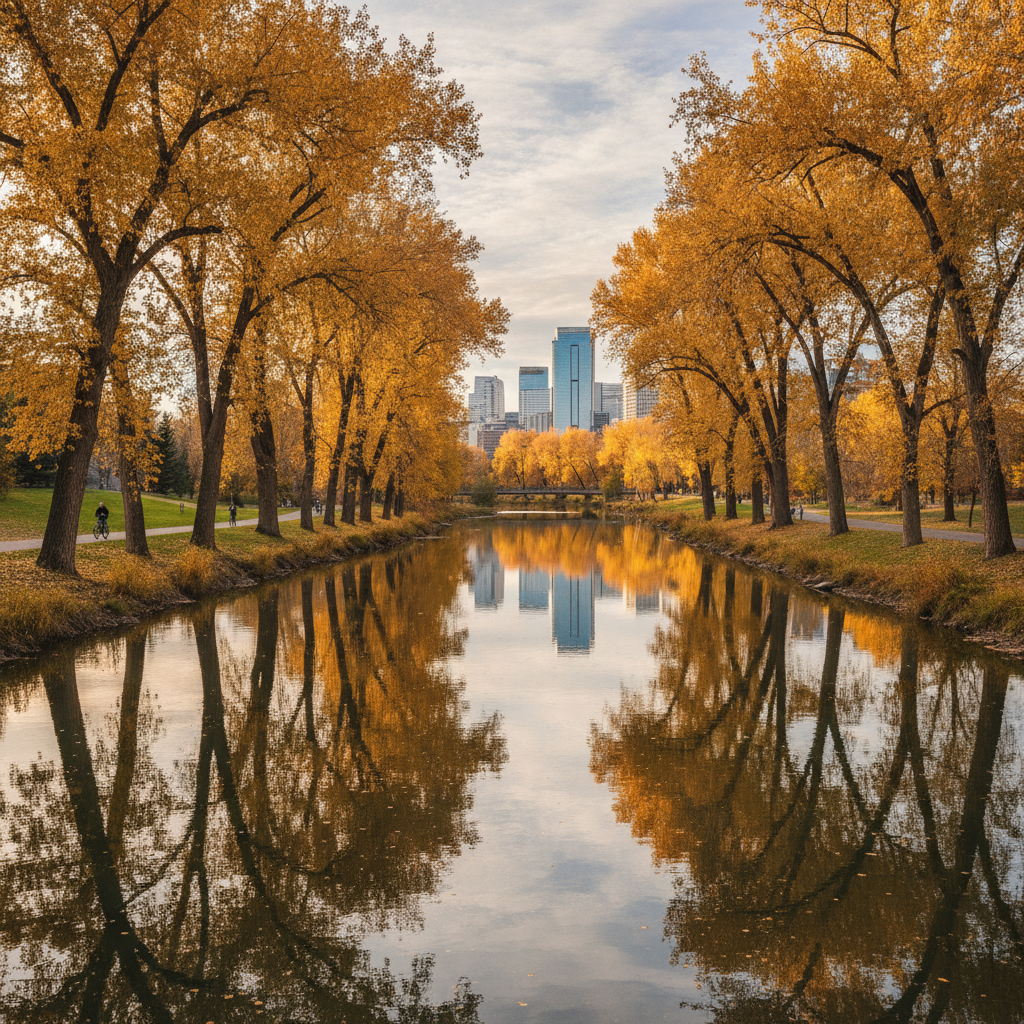
The Boise River Greenbelt, a 25-mile paved trail running along both banks of the Boise River from Lucky Peak Reservoir through downtown to the Eagle Island State Park area, is considered the model urban river trail in the American West and has been studied by planners from dozens of cities. The greenbelt was established in 1969 when the city purchased river corridor land rather than allowing development on the floodplain. The trail passes through Ann Morrison Park, Julia Davis Park, and Kathryn Albertson Park, each with distinct character from formal gardens to riparian wildlife habitat. Floaters tube the Boise River from Barber Park to Ann Morrison Park during summer months in a tradition that draws thousands of participants on hot days. The greenbelt supports over 200 bird species and the river supports a productive Chinook salmon run restored by hatchery programs.
- 3
Idaho State Capitol and Architecture
The Idaho State Capitol, completed in 1920 and designed by John E. Tourtellotte and Charles Hummel in Neoclassical style, is one of only four state capitols in the United States heated by geothermal water. Hot water from geothermal wells beneath the building heats the marble floors and the building itself. The capitol underwent a restoration and expansion completed in 2010 at a cost of 120 million dollars that added underground legislative chambers while preserving the historic above-grade structure. The interior rotunda rises 208 feet and is decorated with four types of marble from Alaska, Georgia, Vermont, and Italy. The grounds contain a statue of George Washington cast from the same mold used for the original in Richmond, Virginia. Boise is one of the few state capitals with no major league professional sports franchise but possesses a strong civic identity built around outdoor recreation and government.
- 4
Boise Art Museum and Visual Arts
The Boise Art Museum, founded in 1931 and occupying its current building in Julia Davis Park since 1990, holds a permanent collection of over 4,000 works with particular strength in American realist painting, Northwest Coast Native American art, and contemporary Idaho artists. The museum expanded with the Gateway Gallery in 2001 and the Cabin Gallery in 2015. The Art in the Park festival held each September on the museum grounds draws over 100,000 visitors for juried fine art sales and live performances. Idaho Commission on the Arts and the Treefort Music Festival, held each March since 2012, add to a arts ecosystem that punches well above what would be expected for a metropolitan area of 750,000. Treefort presents over 400 artists across five days in venues throughout downtown Boise and has become one of the most respected independent music festivals in the American West.
- 5
Bogus Basin Ski Resort and Year-Round Recreation
Bogus Basin Mountain Recreation Area, 16 miles north of downtown Boise and operated as a non-profit since 1942, is the only ski area in the United States that is community-owned. The mountain rises to 7,590 feet and offers 2,600 acres of terrain including 102 trails served by 10 lifts. The vertical drop of 1,800 feet is among the highest for a ski area accessible within 30 minutes of a major urban center. Bogus Basin transitions to mountain biking, trail running, and disc golf in summer. The non-profit model keeps lift tickets significantly below comparable for-profit resort pricing. The Boise Front foothills immediately north of the city also provide over 190 miles of multi-use trails within minutes of downtown, making Boise one of the most trail-accessible cities in the United States relative to its urban population.
- 6
Snake River Birds of Prey National Conservation Area
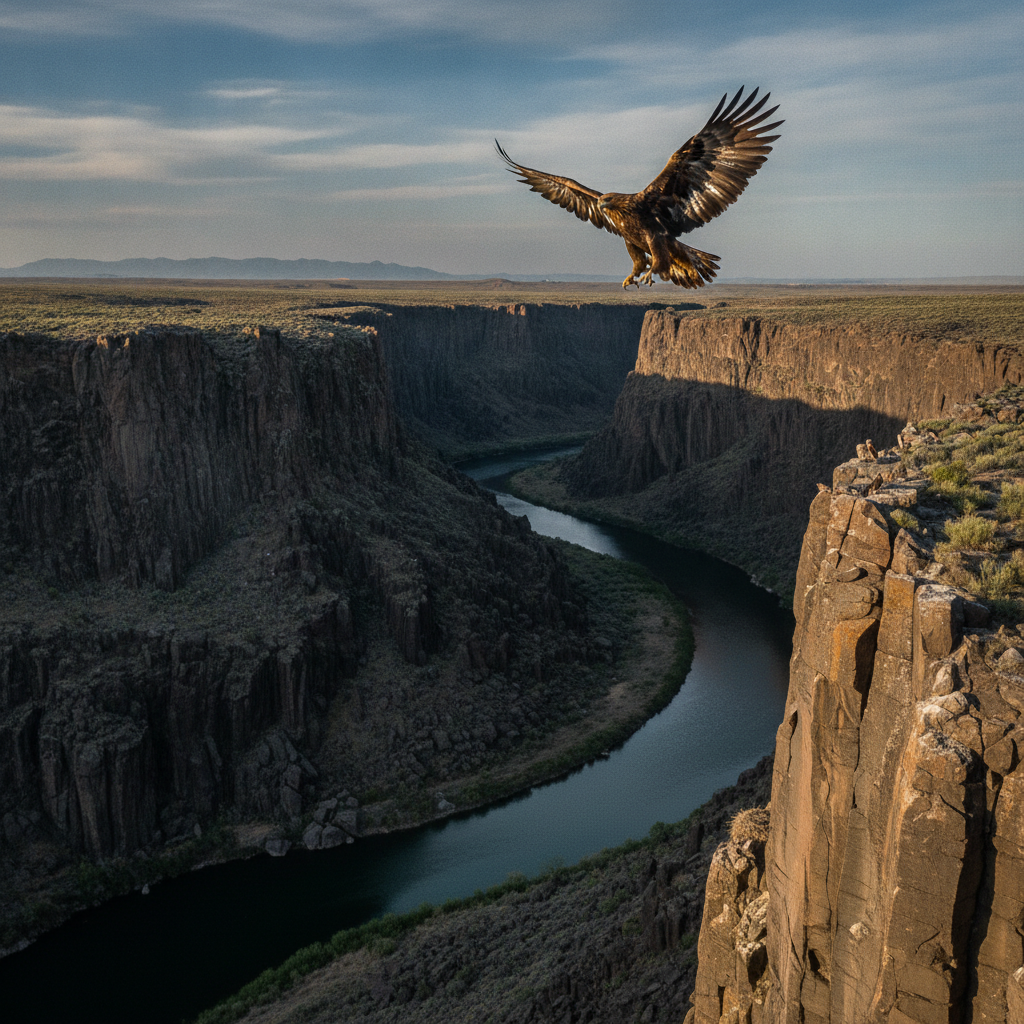
The Snake River Birds of Prey National Conservation Area, 20 miles south of Boise along the Snake River Canyon, protects 484,000 acres of desert canyon habitat that supports the densest concentration of nesting raptors in North America. The 81-mile stretch of canyon hosts over 800 nesting pairs of raptors representing 15 species including prairie falcon, red-tailed hawk, golden eagle, ferruginous hawk, and the largest Swainson hawk nesting population in the world. The Morley Nelson Snake River Birds of Prey NCA was established in 1971 and named for falconer and raptor biologist Morley Nelson who spent decades documenting the canyon bird populations. The adjacent Celebration Park interprets the 5,000 years of human use of the canyon area through petroglyphs, archaeological sites, and interpretive displays on Shoshone-Bannock and Northern Paiute peoples.
Walk this route with audio
Stories play automatically as you reach each stop — no tapping needed.
More in Boise
Boise: Egyptian Theatre, Sagebrush Trails and the Semiconductor City
Boise: Salmon River of No Return, Stanley and Sawtooths, Julia Davis Park, Idaho Politics, Eastern Idaho, and Yellowstone
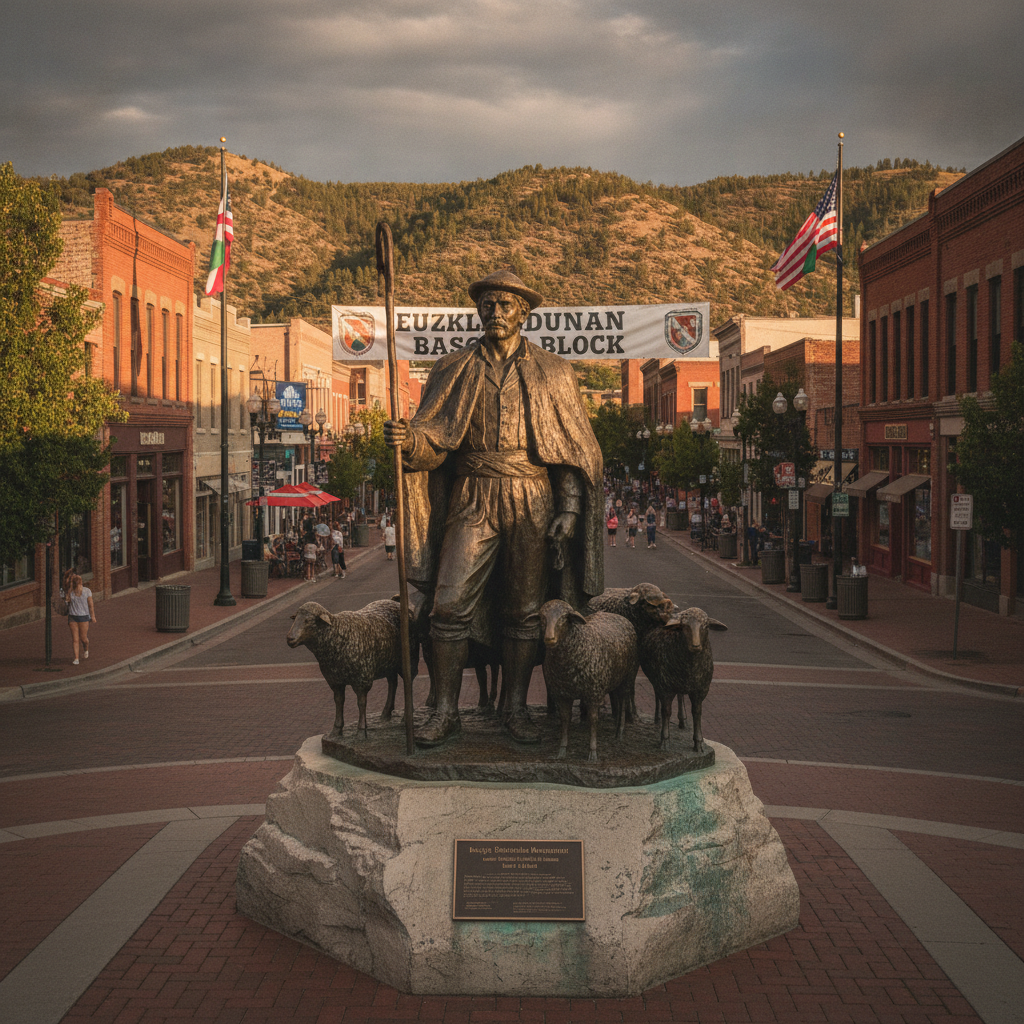
Boise: Treasure Valley Food Scene, Nez Perce War, Lewis and Clark, BSU Blue Turf, Idaho Potatoes, and Basque Heritage
Boise: Greenbelt, Basque Block, Oregon Trail, Outdoor Recreation, Craters of the Moon, and the Tech Economy
Boise: Astronaut Training Lava Fields, Blue Football Turf and a Food Scene on the Rise