Bodrum Underwater Heritage: Uluburun Bronze Age Shipwreck Exhibition, Byzantine Glass Wreck, Bodrum Diving Sites, the Aegean Sponge Diving Tradition, and the Museum of Underwater Archaeology
The Bodrum underwater heritage route covers the Uluburun shipwreck exhibition with the 1305 BC Bronze Age cargo, the Byzantine Yassiada glass wreck, the Bodrum peninsula diving sites, the Aegean sponge diving tradition that George Bass documented, and the Museum of Underwater Archaeology as the most important underwater heritage museum in the world.
- 1
Uluburun Shipwreck: The Bronze Age Cargo
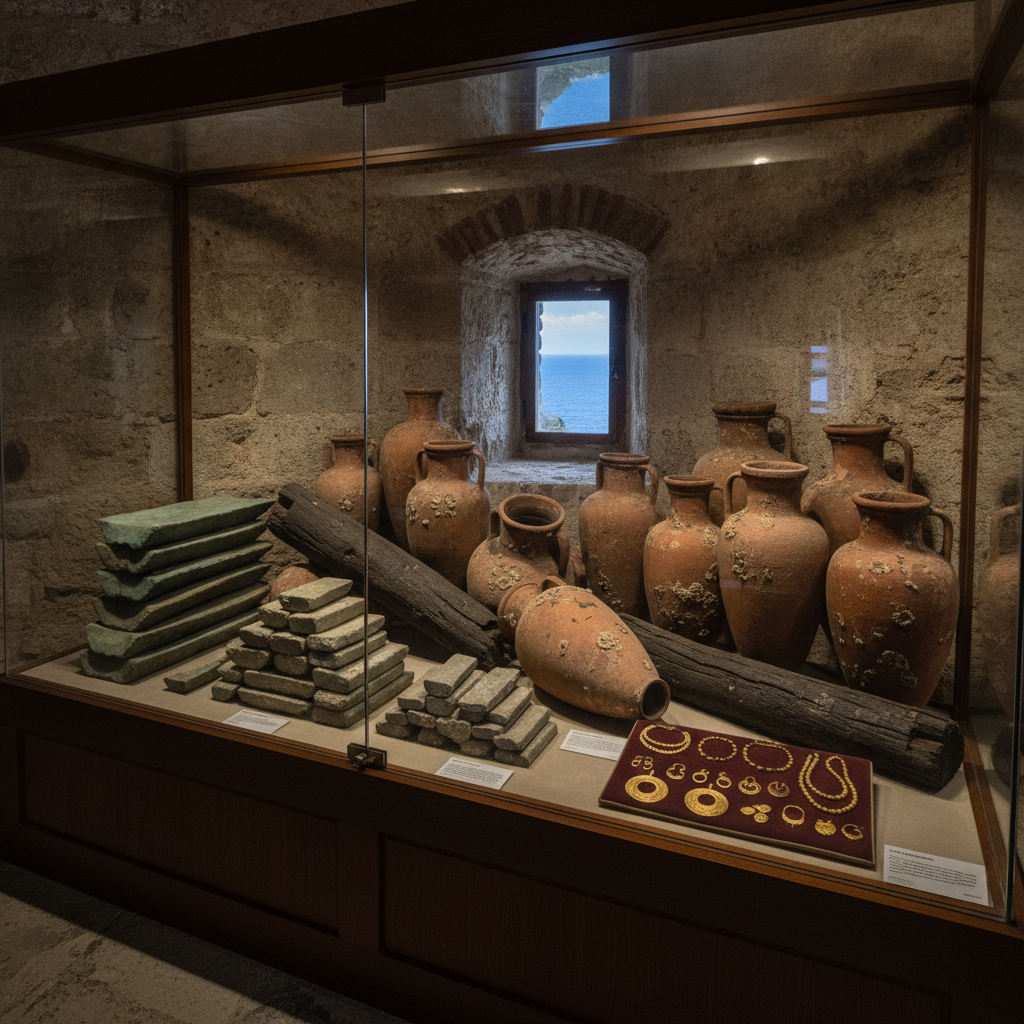
The Uluburun shipwreck, a Late Bronze Age merchant vessel of approximately 1305 BC discovered by a sponge diver in 1982 at 44 to 61 meters depth off the Uluburun cape near Kas and excavated between 1984 and 1994, is the most important single underwater archaeological find in history with the cargo representing the international trade network of the eastern Mediterranean in the 14th century BC: Canaanite jars of resin, Cypriot copper ox-hide ingots, tin ingots, ebony logs from East Africa, Baltic amber, Egyptian gold jewelry, Aegean bronze weapons, and Canaanite merchant tablets. The cargo, displayed in the Crusader tower of the Bodrum castle, is the most completely representative single Bronze Age trade cargo ever recovered.
- 2
Byzantine Glass Wreck: The Yassiada Discovery
The Byzantine glass wreck from Yassiada island off the Bodrum coast, a 7th century AD Byzantine merchant vessel carrying a cargo of glass chunks for recycling that was excavated by George Bass and the Institute of Nautical Archaeology in 1961, was the excavation that established the INA and the Bodrum as the center of scientific underwater archaeology. The Yassiada wreck established the methodological standards for underwater excavation - the photomosaic, the systematic lifting of artifacts, the stratigraphic record underwater - that all subsequent underwater archaeology has followed.
- 3
Bodrum Diving: The Aegean Underwater Landscape
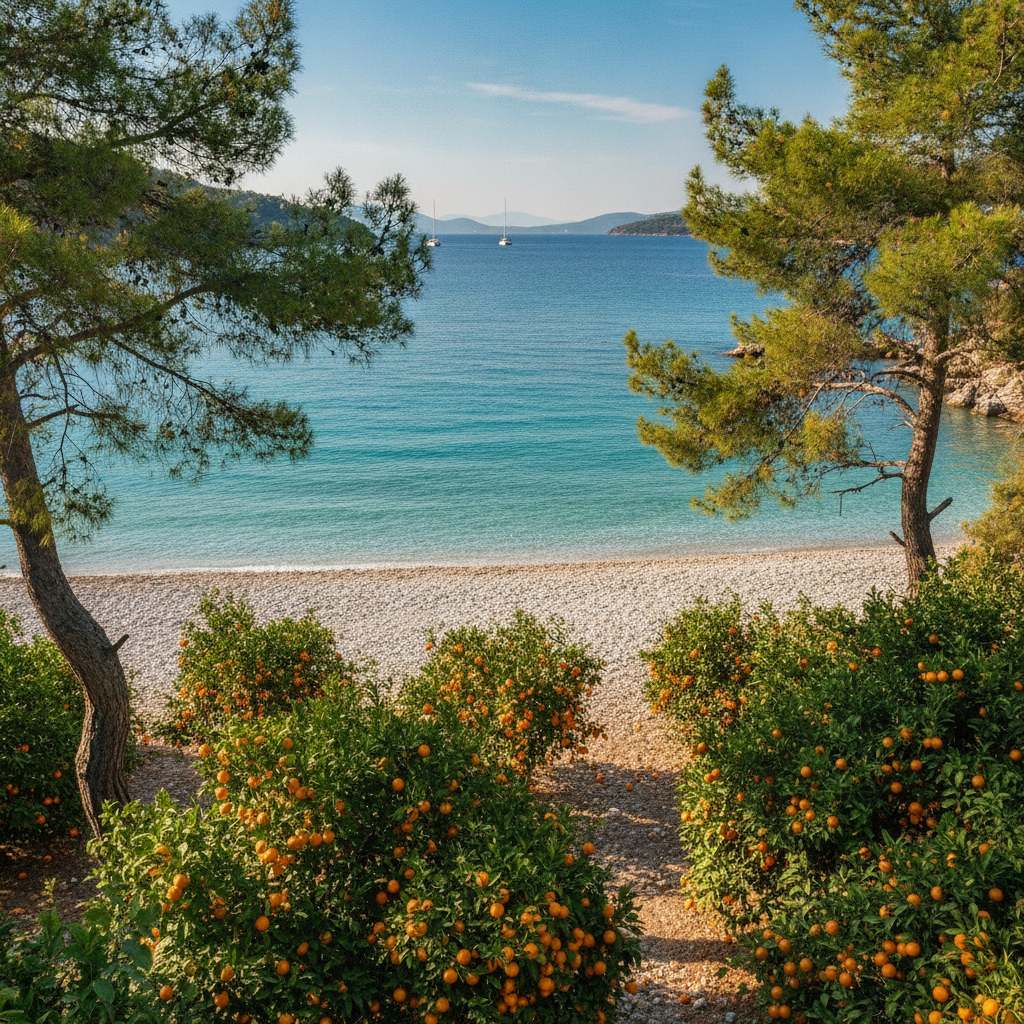
The Bodrum peninsula diving sites - the Uluburun deep dive, the Orak Island wall dive, the Gokkaya Bay coral garden, and the Yassica Island shallow reef - provide the most diverse single diving circuit in the Turkish Aegean with the visibility regularly exceeding 30 meters in the autumn season. The Bodrum diving schools are among the most experienced in Turkey with the INA connection and the long sponge diving tradition providing the institutional background for the most professionally organized diving program in the Turkish Aegean.
- 4
Sponge Diving: The Bodrum Heritage Tradition
The Bodrum sponge diving tradition, maintained by the peninsula fishing communities from the Ottoman period until the collapse of the Mediterranean sponge beds in the 1980s, is the human activity that led to the discovery of the Uluburun and the Cape Gelidonya Bronze Age shipwrecks when the sponge divers working on the deep Aegean floor encountered the ancient anchors and the cargo. The George Bass INA documentation of the Bodrum sponge diving community in the 1960s is the most complete ethnographic record of the Aegean traditional diving culture.
- 5
Museum of Underwater Archaeology: The Castle Collection
The Museum of Underwater Archaeology in the Bodrum Castle, organized in the 5 towers and the courtyard of the Crusader fortification with each tower housing a different period of the underwater Aegean archaeological heritage, is the most important underwater heritage museum in the world and the only museum where the complete sequence from the Bronze Age to the Ottoman period of the Aegean maritime trade can be followed in a single institution. The castle setting, the tower views over the Bodrum harbour, and the quality of the displayed objects make the museum the most rewarding single cultural institution on the Turkish Aegean coast.
- 6
Bodrum as Diving Destination: Practical Information
The Bodrum diving season runs from April to November with the clearest water and the best visibility in September and October. The dive centers at Bodrum, Gumbet, Bitez, and Turgutreis offer the daily boat dives to the peninsula sites and the occasional deep dive certification courses for the Uluburun archaeological site visits. The INA research vessel in the Bodrum harbour is occasionally open to the public for the educational programs that the institute organizes for the archaeological diving community.
Walk this route with audio
Stories play automatically as you reach each stop — no tapping needed.
More in Bodrum
Bodrum's Markets & Aegean Flavours
Bodrum and the Greek Islands: Kos Ferry and Hippocrates Birthplace, Symi Day Trip, Rhodes Connection, the Dodecanese from Bodrum, and the Turkey-Greece Aegean Island Hopping Circuit
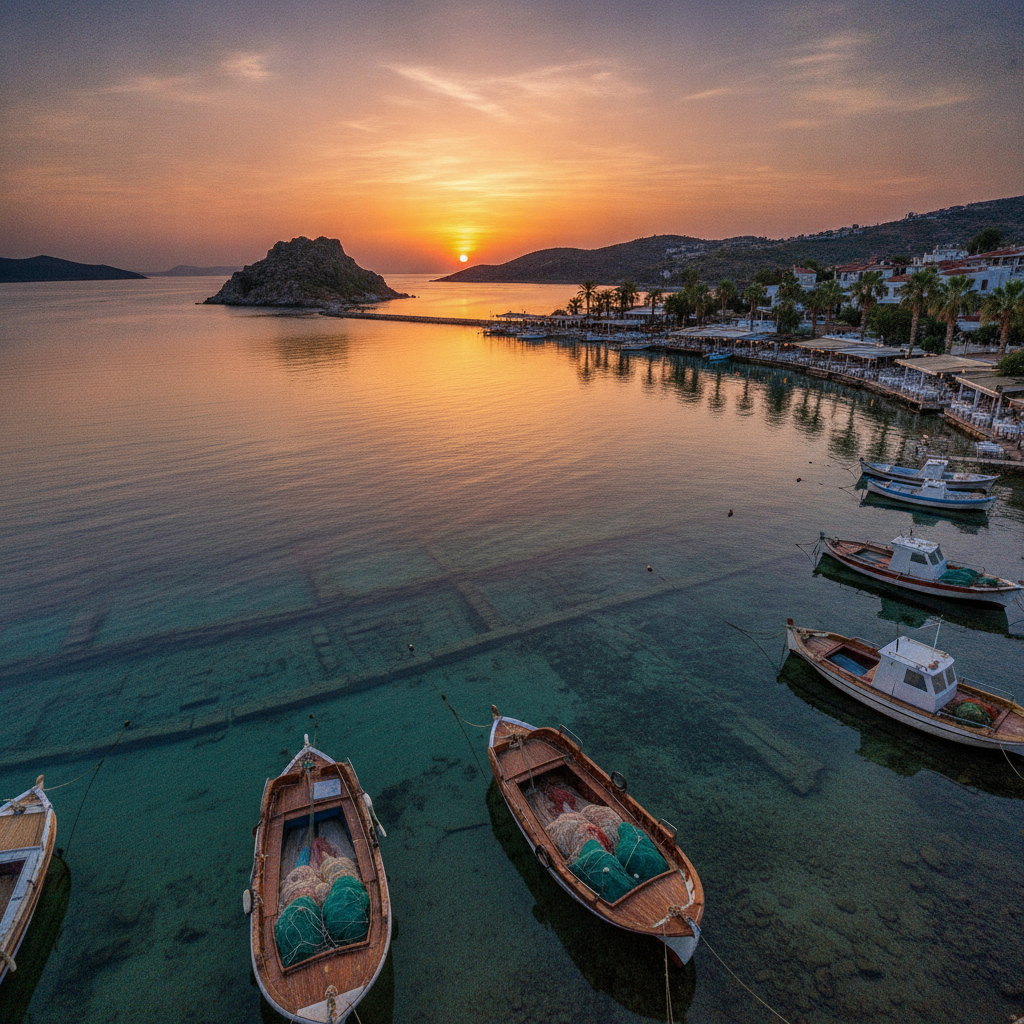
Bodrum Peninsula Villages: Gumusluk Fishing Village and Rabbit Island, Turgutreis Saturday Market, Yalikavak Luxury Marina, Ortakent Wine and Local Life, and the Peninsula Village Circuit
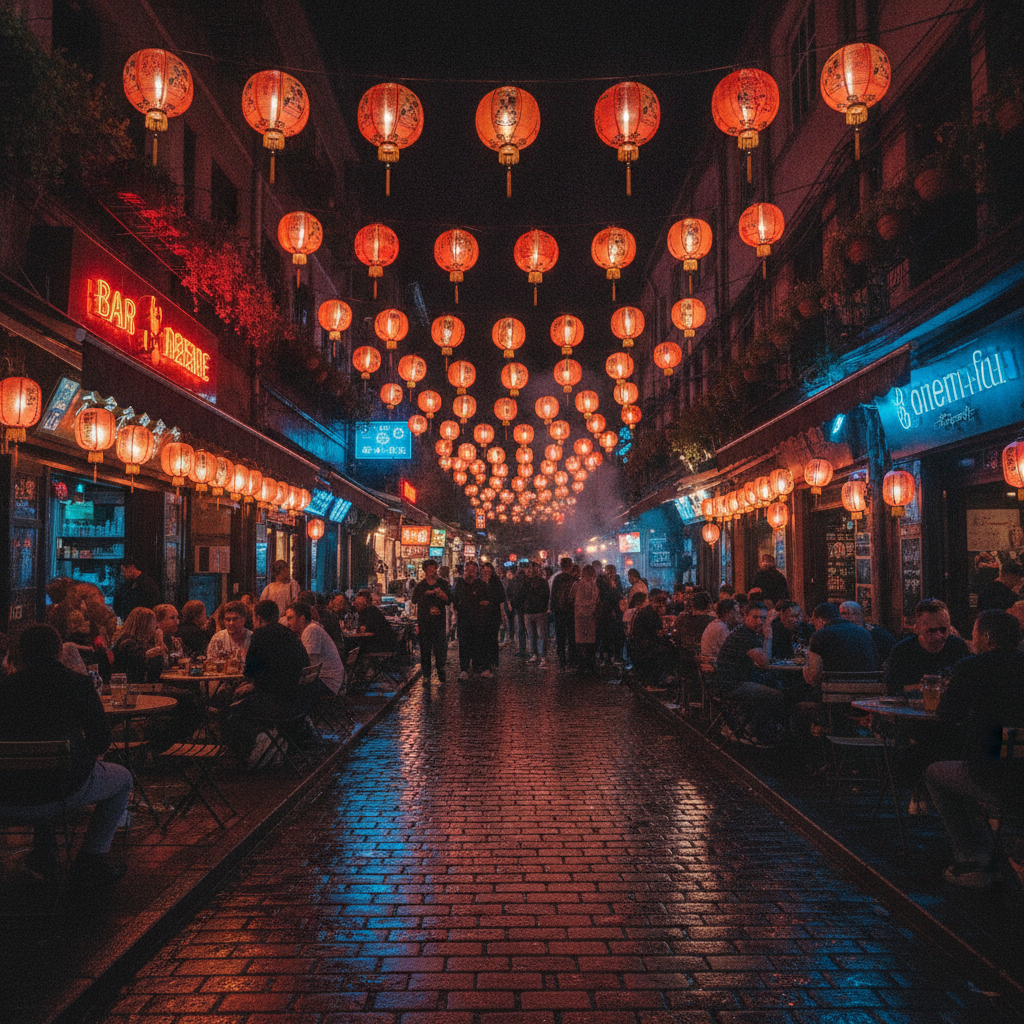
Bodrum After Dark: Bar Street to Halikarnas
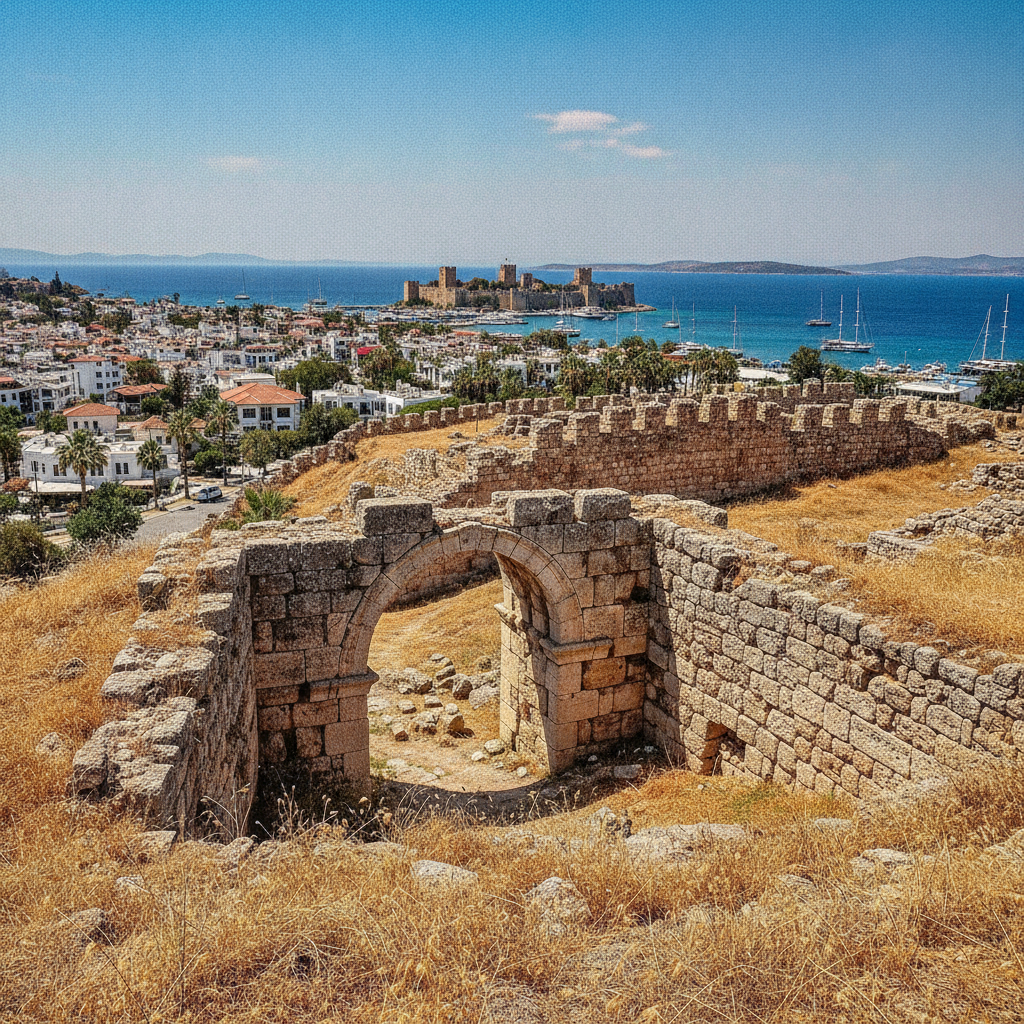
Bodrum History: Herodotus Birthplace, Ancient Halicarnassus and the Carian Satrapy, Artemisia Queen of Caria at Salamis, Mausolos and the Satrap Culture, the Crusader Period, and the Ottoman Conquest