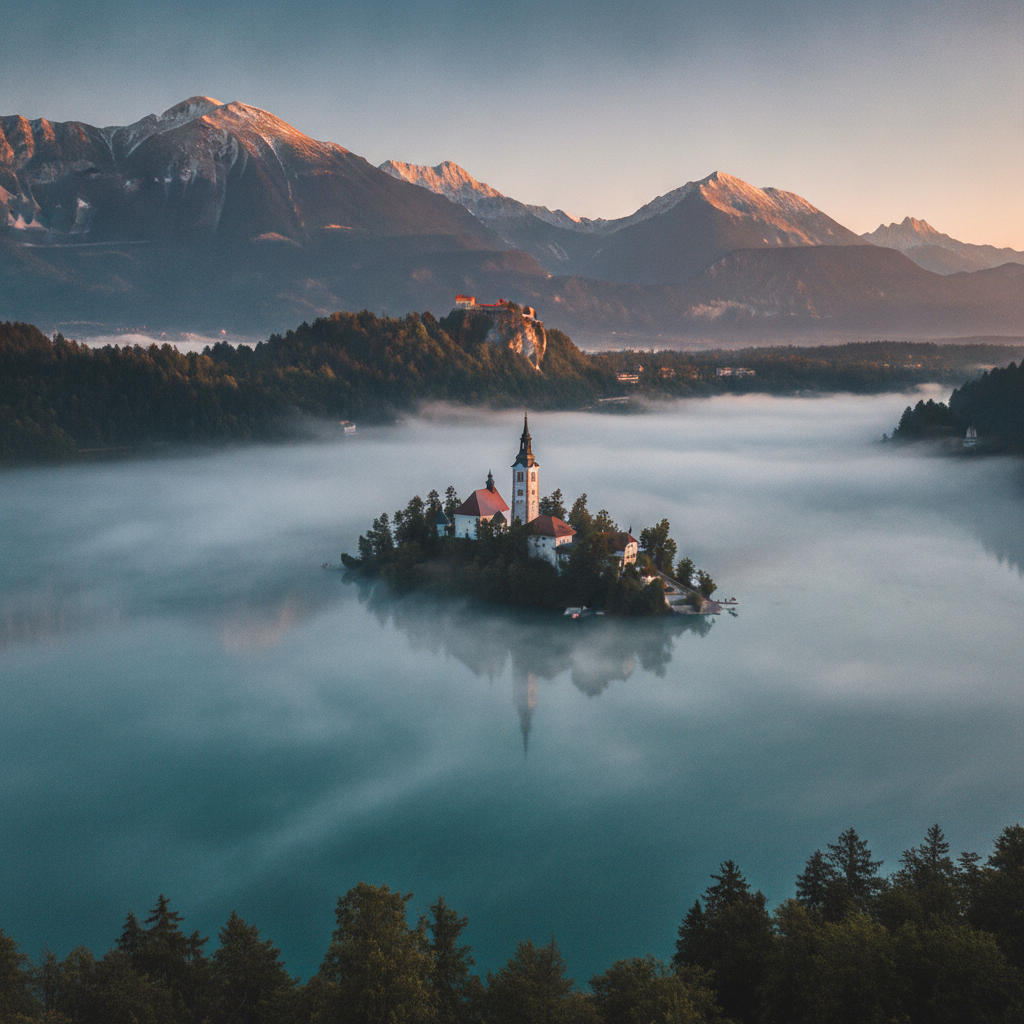
Bled Deep Dive: WWI History, Tito's Villa, Cycling & Slovenia from Bled
Uncover Bled's layers—the Isonzo Front 30 km away where nearly a million men fell, Tito's Yugoslav lakeside villa where Non-Aligned leaders met, the Julian Alps' extraordinary alpine flora, Slovenian gostilna food beyond tourist menus, cycling the Bohinj valley, and using Bled as a 50-minute base for all of Slovenia.
- 1
Bled's WWI History – The Isonzo Front Legacy
The Bled and Bohinj area was just 30 km from the Isonzo Front (1915–1917)—twelve battles between Austro-Hungarian and Italian forces in which nearly a million men became casualties. The Kobarid Museum (40 km away in the Soča valley) won the Council of Europe Museum Prize in 1993 for its extraordinary documentation of the front. The Russian Chapel on the Vršič Pass (15 km from Kranjska Gora) marks where 300 Russian POWs died building the road in an avalanche in 1916.
- 2
Tito's Yugoslavia & Villa Bled
Josip Broz Tito chose Bled as his personal summer retreat, building the Vila Bled residence (now a luxury hotel) directly on the lake in 1947. Tito hosted international dignitaries here—Nehru, Nasser, and other Non-Aligned Movement leaders stayed in the villa. Bled was part of Yugoslavia's prosperous Slovenian north; the lake was accessible to Yugoslav tourists in a way Western Alps were not. The villa's modernist interiors remain largely intact from the Tito era.
- 3
Alpine Flowers & Bled's Natural Heritage
The Julian Alps around Bled host an extraordinary diversity of alpine flora—the Triglav National Park is one of Europe's most botanically rich protected areas. Edelweiss, gentians, Triglav rose (Potentilla nitida), and Alpine asters bloom above 1,500 metres. The lake itself is fed by thermal springs as well as meltwater, maintaining a warmer temperature than pure glacial lakes; in warm summers the lake surface reaches 26°C and is excellent for swimming.
- 4
Bled's Food Scene – Beyond Cream Cake
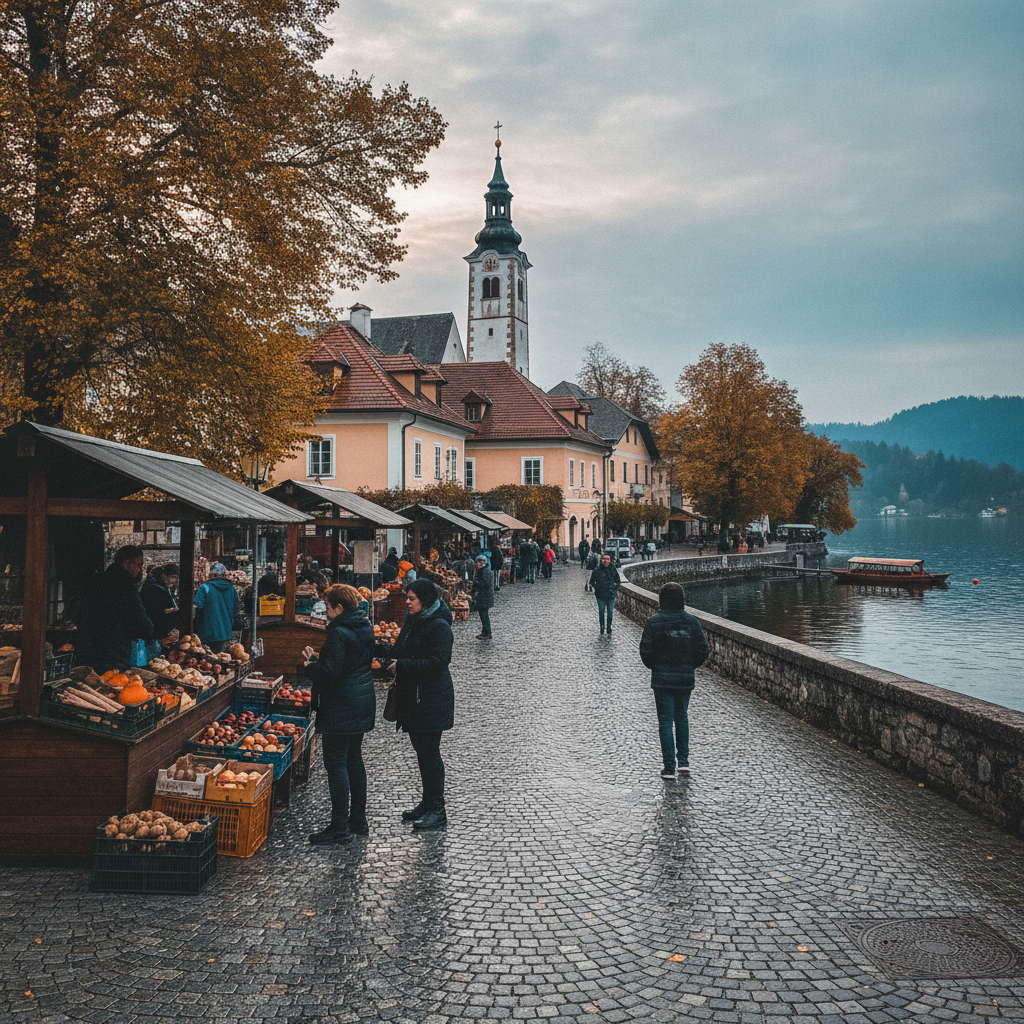
Bled's food scene revolves around the lake views: the Park Hotel terrace for cream cake and coffee, the castle restaurant for Slovenian cuisine (štruklji, game, trout) with the panoramic view. The Mercator supermarket in Bled village is surprisingly well-stocked with Slovenian products. For affordable eating, the gostilne (inns) in surrounding villages serve traditional Slovenian home cooking—roast meats, barley soup, and žganci (buckwheat porridge)—at a fraction of the tourist restaurant prices.
- 5
Cycling Around Lake Bled & the Bohinj Valley
Lake Bled's 6 km perimeter cycling track is flat and family-friendly; bikes can be rented at several lakeside stands. The Bohinj Bike Festival (June) brings 2,000 cyclists to the Bohinj valley for routes ranging from 40 km valley circuits to 100 km alpine challenges. The quieter roads of the Radovna Valley (north of Bled, within Triglav National Park) are among Slovenia's finest cycling terrain—cars permitted but light traffic, extraordinary mountain scenery.
- 6
Bled as a Base for Slovenia
Bled's central position in western Slovenia makes it an excellent base for exploring the entire country. Ljubljana is 55 km (50 minutes by car), Postojna Cave is 90 km (1 hour), the Soča valley 70 km (1 hour via Vršič Pass), Piran on the Adriatic coast 130 km (1.5 hours), and Maribor (wine country) 130 km in the opposite direction. The Slovenian rail and bus network means day trips to Ljubljana are easy and affordable from Bled without a car.
Walk this route with audio
Stories play automatically as you reach each stop — no tapping needed.
More in Bled
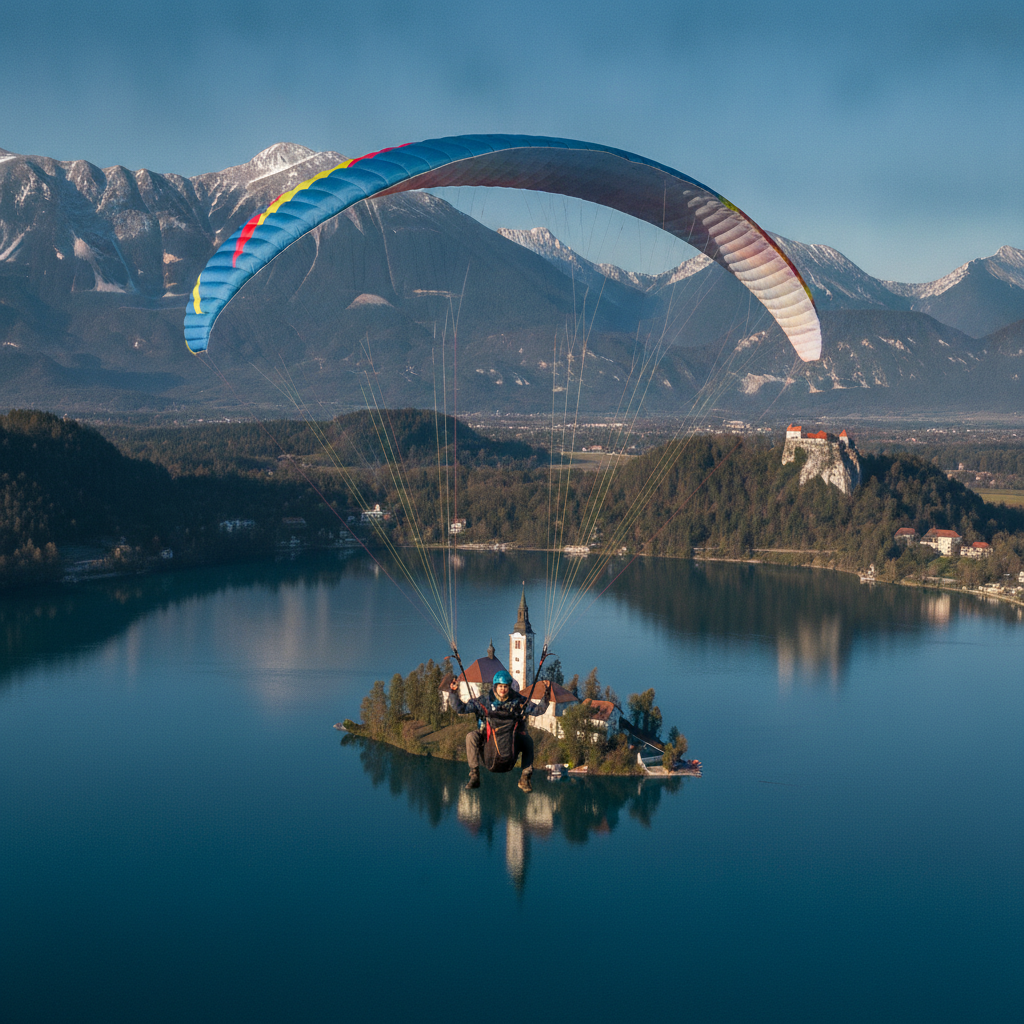
Bled Adventure: Sunrise Hikes, Lake Swimming, Paragliding & Canyoning
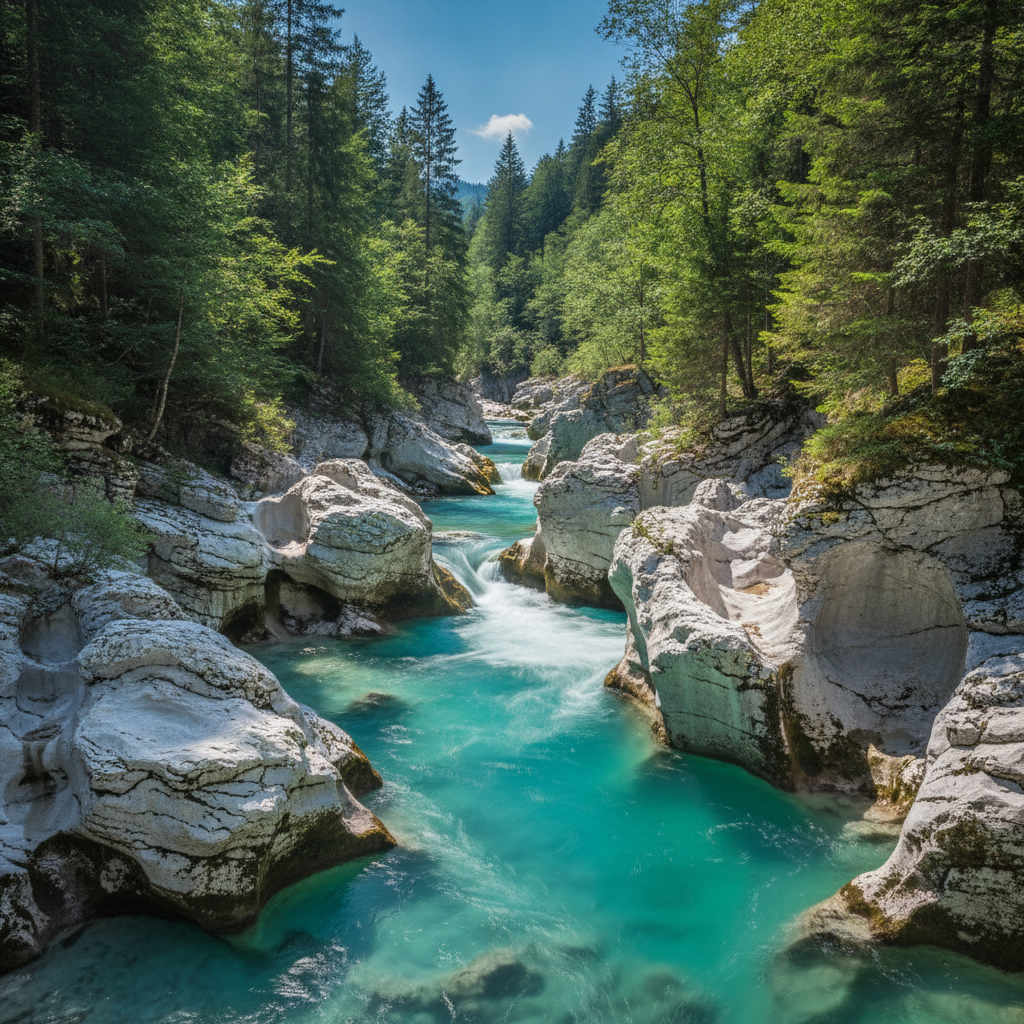
Beyond Bled: Bohinj, Soča's Turquoise Waters & the Sacred Summit of Triglav
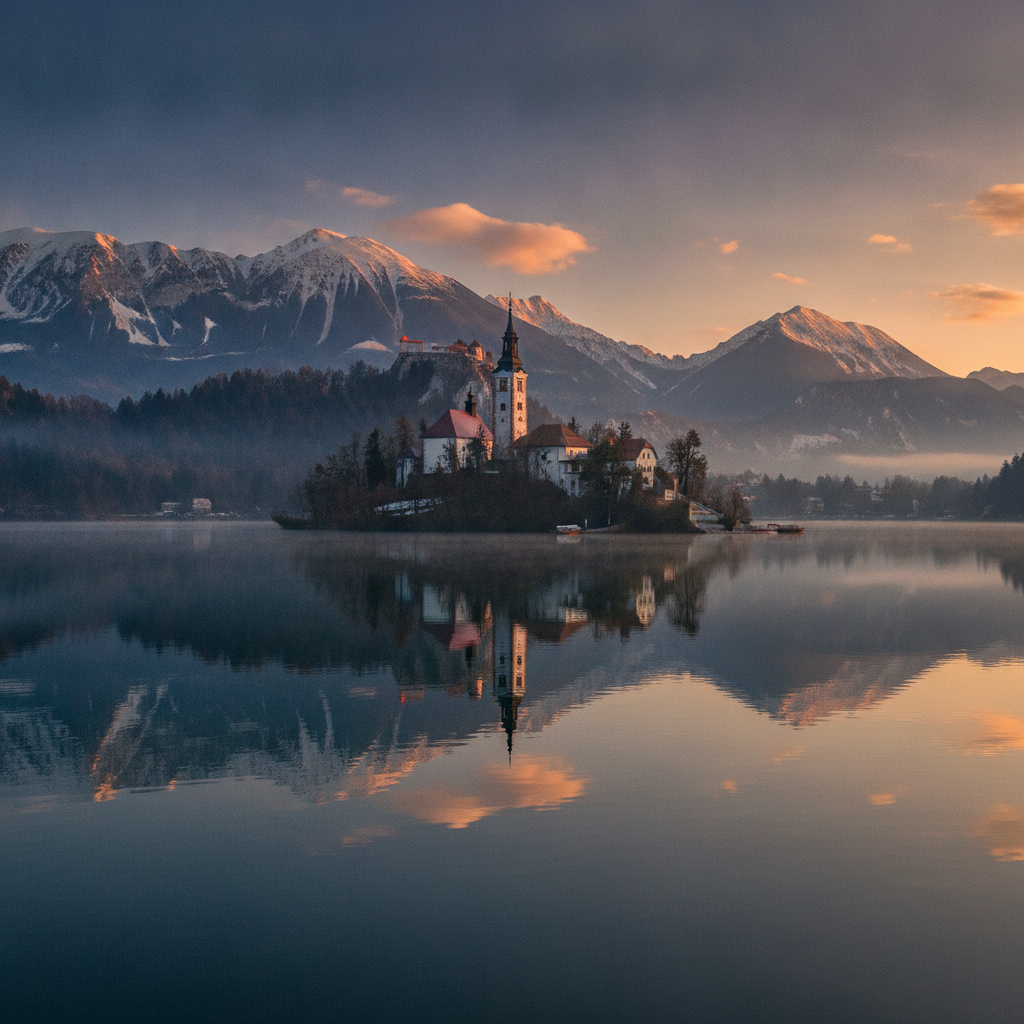
Bled Essentials: Island Church, Clifftop Castle & the Famous Cream Cake
Bled Context: Habsburg Spa Origins, Overtourism & Moving On