Khalil Gibran's The Prophet Has Sold Over 100 Million Copies in 108 Languages Making It the Third Best-Selling Book of the 20th Century After the Bible and the Quran; the Kahan Commission Found Ariel Sharon Bore Personal Responsibility for the Sabra and Shatila Massacre of 762-3,500 Palestinian Civilians; Fairuz Has Been Recording for 70 Years and Is the Best-Selling Arabic-Language Artist of All Time
Khalil Gibran's The Prophet (1923) with 100 million copies sold in 108 languages (third best-selling 20th-century book after Bible and Quran); the Israeli Kahan Commission finding Ariel Sharon bore personal responsibility for the Sabra and Shatila massacre (762-3,500 civilians killed September 16-18, 1982); Fairuz recording for 70 years as the best-selling Arabic-language artist; the Sursock Museum stained glass destroyed by the 2020 explosion; Nadine Labaki's Capernaum receiving a Cannes Jury Prize and Oscar nomination; and the Beirut photography guide with ethical considerations.
- 1
Sursock Museum – Modern Art and the 2020 Explosion
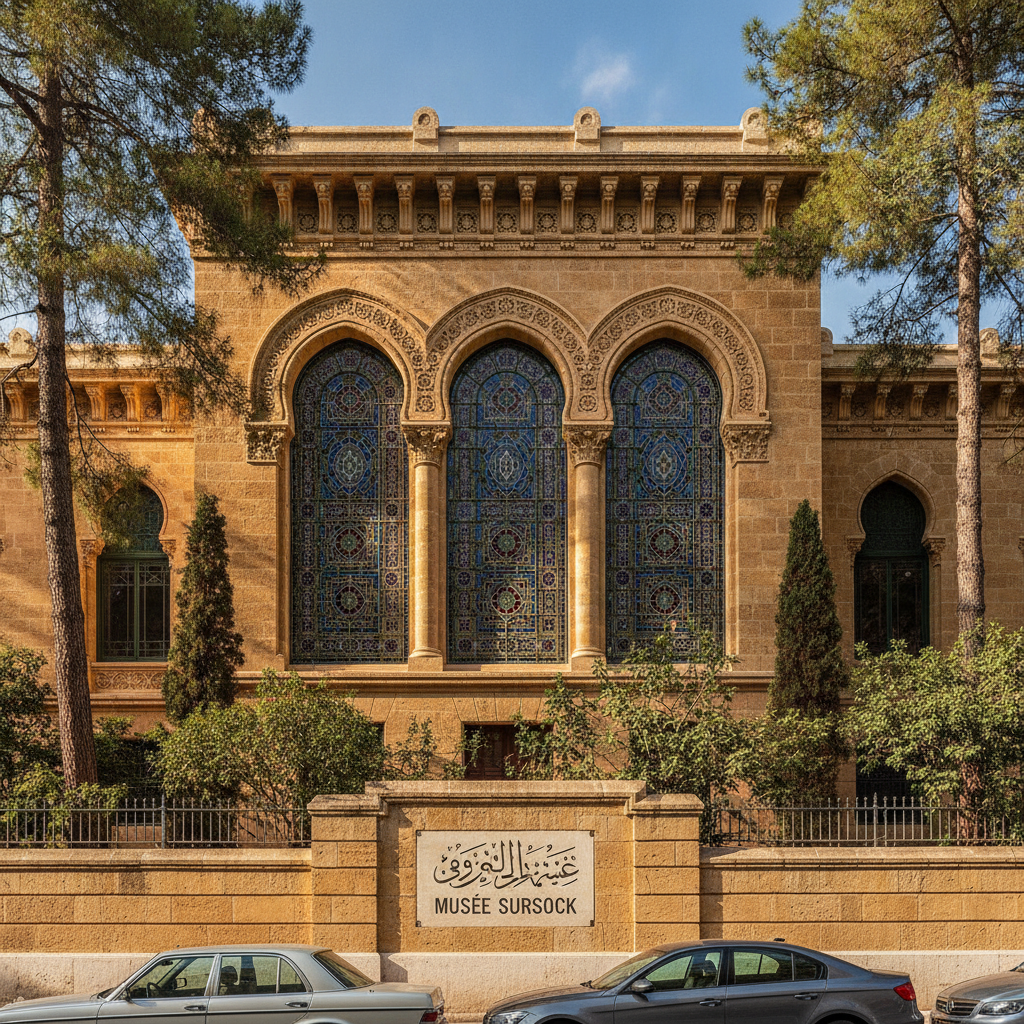
The Sursock Museum (the primary modern and contemporary art museum in Lebanon and the museum most directly damaged by the 2020 Beirut Port Explosion): the museum guide. The history (the Sursock Museum (متحف سرسق) was the private villa of the Greek Orthodox aristocrat Nicolas Ibrahim Sursock who donated the building to the City of Beirut upon his death in 1952: the villa is a late Ottoman-Italian eclectic building (1912) with Italianate arcades and Lebanese triple-arched windows overlooking the Ashrafieh district: the collection (the museum collection includes approximately 5,000 works: Lebanese art from the mid-19th century to the present: international graphic arts and prints: the Fouad Debbas photographic archive of historical Beirut photographs: the expansion (a 2015 expansion doubled the museum space to 15,000 square meters: the expansion was designed by the French firm Jean-Michel Wilmotte: the 2020 explosion (the museum was severely damaged by the August 4, 2020 Beirut Port Explosion: the museum is approximately 1 km from the port: the blast wave shattered all the historic stained glass windows, destroyed the 1912 entrance doors, damaged the roof, and scattered artwork across the rooms: the iconic image of the museum's historic vaulted lobby covered in broken glass became one of the defining images of the explosion aftermath: the reopening (the museum partially reopened in October 2021 after emergency repairs: full restoration of the historic fabric continues: the significance (the Sursock Museum explosion photographs became a symbol of the cost of the Lebanese political class's negligence — the same negligence that allowed 2,750 tonnes of ammonium nitrate to sit unsecured in the port for 6 years).
- 2
Hamra Street – The Intellectual Heart of Arab Beirut
Hamra Street (شارع الحمراء) — the primary commercial and intellectual street of West Beirut: the cultural history guide. The history (Hamra Street (named for a red-soiled neighborhood that was developed as a commercial district in the 1950s and 1960s) became the intellectual and cultural center of Arab Beirut during the 1960s and early 1970s: the Arab publishing houses (in the 1960s and 1970s Beirut was the publishing center of the Arab world: more Arabic-language books were published in Beirut than in Cairo, Baghdad, and Damascus combined: the AUB connection (the American University of Beirut (AUB) — founded 1866 as the Syrian Protestant College — is located at the western end of Hamra Street: AUB has approximately 9,000 students and is the primary English-language research university in the Arab world: the civil war transformation (during the Civil War Hamra Street in West Beirut lost its cosmopolitan character as Christian residents fled east and non-Lebanese Arab intellectuals evacuated: many Palestinian intellectual and literary figures had lived in West Beirut including the poet Mahmoud Darwish (who left after the 1982 Israeli invasion and the PLO evacuation): the current Hamra (the current Hamra Street is a more downmarket shopping street than its 1960s heyday: the primary cafes are the Cafe de Prague, the Cafe Hamra, and the Costa Coffee in the former site of the Wimpy restaurant that was one of the intellectual gathering places of 1970s Beirut: the Modca Cafe (Makkha) — once the most famous intellectual gathering place in Beirut — the UNESCO Cultural Prize winner Khalil Gibran memorial plaque is on a building adjacent to the old Modca site).
- 3
Khalil Gibran – The Prophet and the Lebanese Literary Tradition
Khalil Gibran (جبران خليل جبران) — the Lebanese-American writer and artist (1883-1931) whose 1923 book The Prophet is one of the best-selling books in the history of publishing: the literary heritage guide. The life (Khalil Gibran Khalil was born in Bsharri in northern Lebanon (then Ottoman Syria) in 1883: his family emigrated to Boston in 1895: Gibran was educated in Boston and in Paris (at the Ecole des Beaux-Arts): Gibran lived in New York from 1912 until his death in 1931: the work (The Prophet (1923) — the primary work: a philosophical prose poetry collection in the form of a wise man (Almustafa) answering questions from the people of the city of Orphalese on topics including love, marriage, children, joy, sorrow, crime, punishment, freedom, work, and death: The Prophet has been translated into more than 108 languages: The Prophet has sold more than 100 million copies: it is the third best-selling book of the 20th century after the Bible and the Quran: the influence (Gibran was the primary figure of the Mahjar literary movement — Arabic-language literature written by Levantine emigrants in the Americas: the Mahjar movement produced some of the most innovative Arabic prose of the 20th century: the Gibran Museum (the Gibran Museum in Bsharri, northern Lebanon — Gibran's birthplace: the museum contains his personal studio and collection of paintings: Gibran is buried in the monastery of Mar Sarkis in Bsharri: the Lebanese diaspora connection (Gibran is the most famous member of the Lebanese diaspora — a community estimated at 8-20 million people worldwide compared to approximately 5 million in Lebanon itself).
- 4
The 1982 Israeli Invasion and the Sabra and Shatila Massacre
The 1982 Israeli invasion of Lebanon (Operation Peace for Galilee) and the Sabra and Shatila massacre (September 16-18, 1982): the historical guide. The invasion (the 1982 Israeli invasion of Lebanon began on June 6, 1982 (Operation Peace for Galilee): the stated objective: to push the Palestinian Liberation Organization (PLO) forces beyond 40 km from the Israeli border to end the PLO rocket attacks on northern Israel: the actual scope of the operation extended to Beirut where Israeli forces besieged the western part of the city for 2 months (June-August 1982): the PLO evacuation (an international agreement negotiated by US envoy Philip Habib resulted in the evacuation of the PLO leadership and approximately 14,000 PLO fighters from Beirut in August 1982: the PLO forces were evacuated by sea to Tunis, Cyprus, and other Arab countries: Yasser Arafat left Beirut on August 30, 1982: the Sabra and Shatila massacre (following the Israeli entry into Beirut and the assassination of President-elect Bashir Gemayel on September 14, 1982, the Israeli military allowed Lebanese Christian Phalangist militiamen to enter the Sabra neighborhood and the Shatila Palestinian refugee camp: between September 16 and 18, 1982 the Phalangist militiamen killed between 762 and 3,500 Palestinian and Lebanese Shia civilians (the exact death toll remains disputed): the Israeli commission (the Kahan Commission (Israeli government investigation) found Israeli Defense Minister Ariel Sharon bore personal responsibility for the massacre for allowing the Phalangists to enter the camps knowing they would seek revenge for Gemayel's assassination: Sharon was forced to resign as Defense Minister: the camp (the Shatila refugee camp still exists in southern Beirut — it is still home to approximately 11,500 Palestinian refugees in 2025).
- 5
Lebanese Pop Culture – Music, Film, and the Arab World's Cultural Capital
Lebanese pop culture (Beirut's role as the cultural production center of the Arab world from the 1950s to the present): the culture guide. The music (Lebanese pop music: Fairuz (فيروز — born Nouhad Haddad in 1934) — the most celebrated Arab singer of the 20th century: Fairuz's career spans 70 years from the 1950s to the 2020s: her voice has been described as the voice of Lebanon: her recordings sell more than any other Arabic-language artist: Fairuz's concerts in post-war Beirut (1994 and after) were seen as symbols of Lebanese cultural revival: the Rahbani Brothers (Assi and Mansour Rahbani) — the composers who created the distinctive Lebanese musical theater genre and produced Fairuz's greatest recordings in the 1950s-1970s: the television (LBC (Lebanese Broadcasting Corporation) and Future TV were the most-watched Arabic-language satellite channels in the Arab world in the 1990s and 2000s: Lebanese television drama series and entertainment programs set the cultural agenda for the entire Arab world: the film (Lebanese cinema: Nadine Labaki (born Yasmine village, 1974) — the most internationally recognized Lebanese filmmaker: Caramel (Sukkar Banat, 2007): Where Do We Go Now (W Halla La Wayn?, 2011): Capernaum (Capharnaum, 2018 — Cannes Jury Prize: Oscar nomination for Best Foreign Language Film): the fashion (Beirut is the fashion capital of the Arab world: the Lebanese fashion designers: Elie Saab (born Beirut 1964): Zuhair Murad: Reem Acra: Georges Chakra — the most internationally recognized Arab fashion designers are almost all Lebanese).
- 6
Beirut Photography Guide – Light, Walls, and the City of Contradictions
The Beirut photography guide (the optimal photography locations, timing, and conceptual approaches for documenting Beirut's unique visual landscape of conflict, resilience, and beauty): the photography guide. The Martyrs Statue (the Martyrs Statue (Martyrs Square) with its preserved bullet holes and shrapnel scars: photograph in the early morning (07:00-09:00) before the Solidere security becomes active: the statue from the north side with the damaged torso and extended arm is the primary composition: use a long focal length (85-135mm) to isolate the statue body against the pale sky: the Sursock Museum (the post-explosion damage and restoration: the stained glass window restoration process is currently visible from the street: the historic villa facade with the triple-arched windows: the Gemmayzeh street art (the concentration of post-explosion street art on Gouraud Street and Armenia Street: photograph in the afternoon when the west-facing walls catch directional light: the individual murals: the contrast between restored and ruined buildings: the Corniche at sunrise (05:30-07:00): the fishermen at the sea wall before the morning walkers arrive: the Pigeon Rocks at first light with the city skyline to the right: the Holiday Inn ruin (the 26-story bullet-scarred shell on the Corniche) is visible from multiple points along the promenade: the Downtown contrast (the extreme contrast between the empty luxury of the Solidere Downtown and the economic crisis visible one block away: the empty luxury hotels: the shuttered restaurants: the political graffiti on otherwise pristine marble facades: the ethical note (photographing people in Beirut requires sensitivity: the city has experienced decades of conflict and the economic collapse has caused acute suffering: photographing in Shia areas of the southern suburbs (Dahiyeh) is politically sensitive and not recommended).
Walk this route with audio
Stories play automatically as you reach each stop — no tapping needed.
More in Beirut
Hezbollah Secretary-General Hassan Nasrallah Killed by Israeli Strike September 27, 2024 After 32 Years Leading the Movement; the 2005 Rafik Hariri Assassination Car Bomb Contained 1,000 kg TNT and Triggered the Cedar Revolution Ending Syria's 29-Year Military Presence in Lebanon; Lebanon's 18 Recognized Religious Communities Make It the Most Religiously Diverse Country in the Arab World
Beirut Day Trips: Byblos, Baalbek Roman Temples, Sidon, and Tyre in the Most Historically Dense Single Small Country
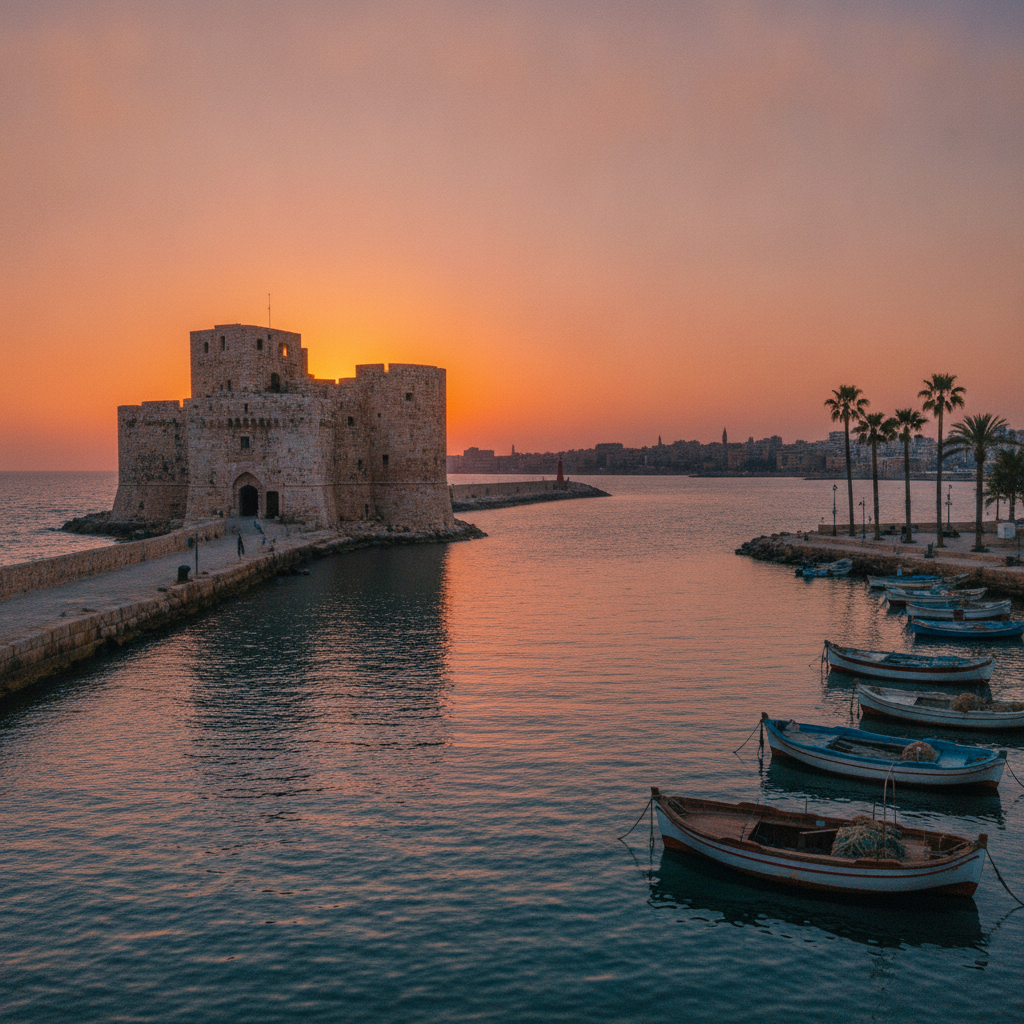
Alexander the Great Built a 60m-Wide 800m-Long Causeway to Reach Island Tyre in 332 BCE and the Sediment Accumulation Has Made It a Permanent Land Bridge Today; the Druze Religion Has Been Closed to Converts and Non-Members Since the 11th Century; the Palestinian Refugee Camp Ain al-Hilweh Houses 80,000 People in 2 Square Kilometers Making It the Densest Urban Area in Lebanon
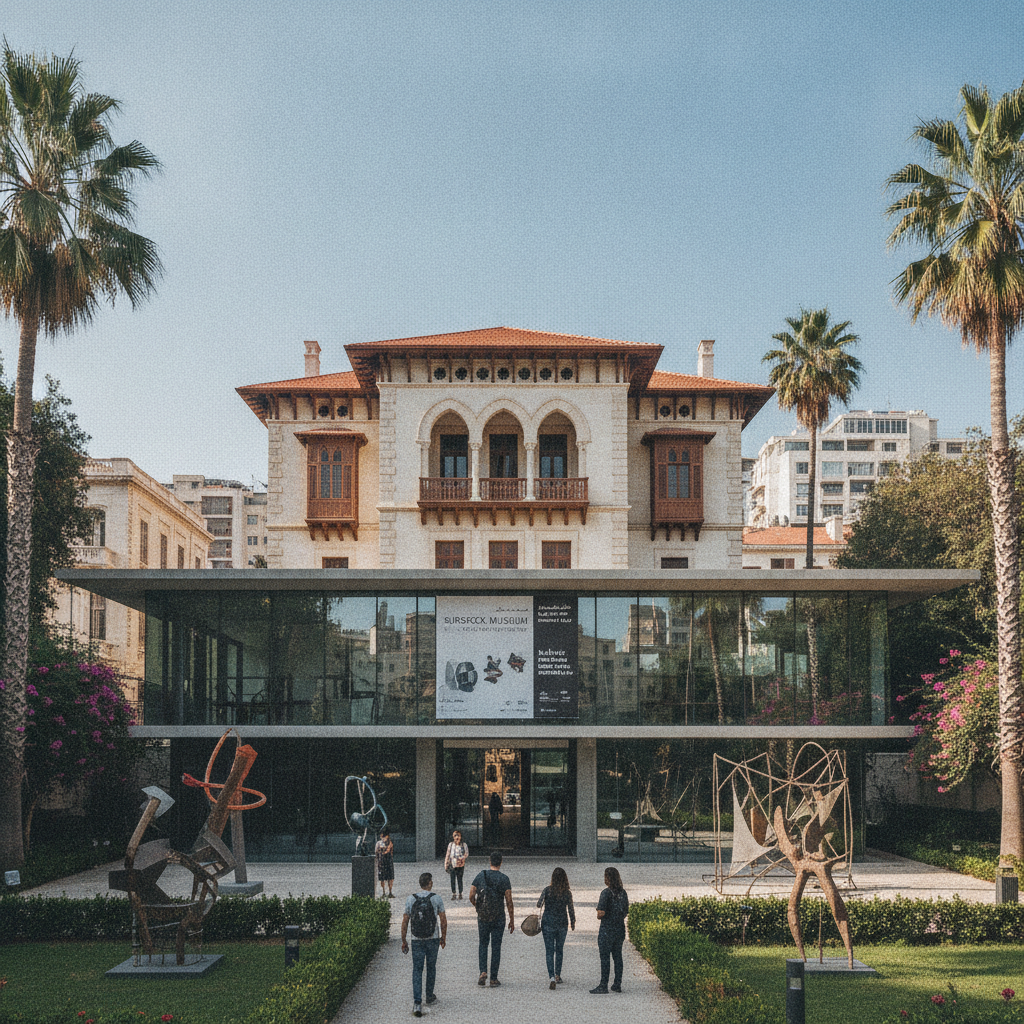
Beirut Arts: The Sursock Museum, the Theatre and Cinema Scene, the Gallery Circuit, and the Most Culturally Ambitious Single Arab Capital
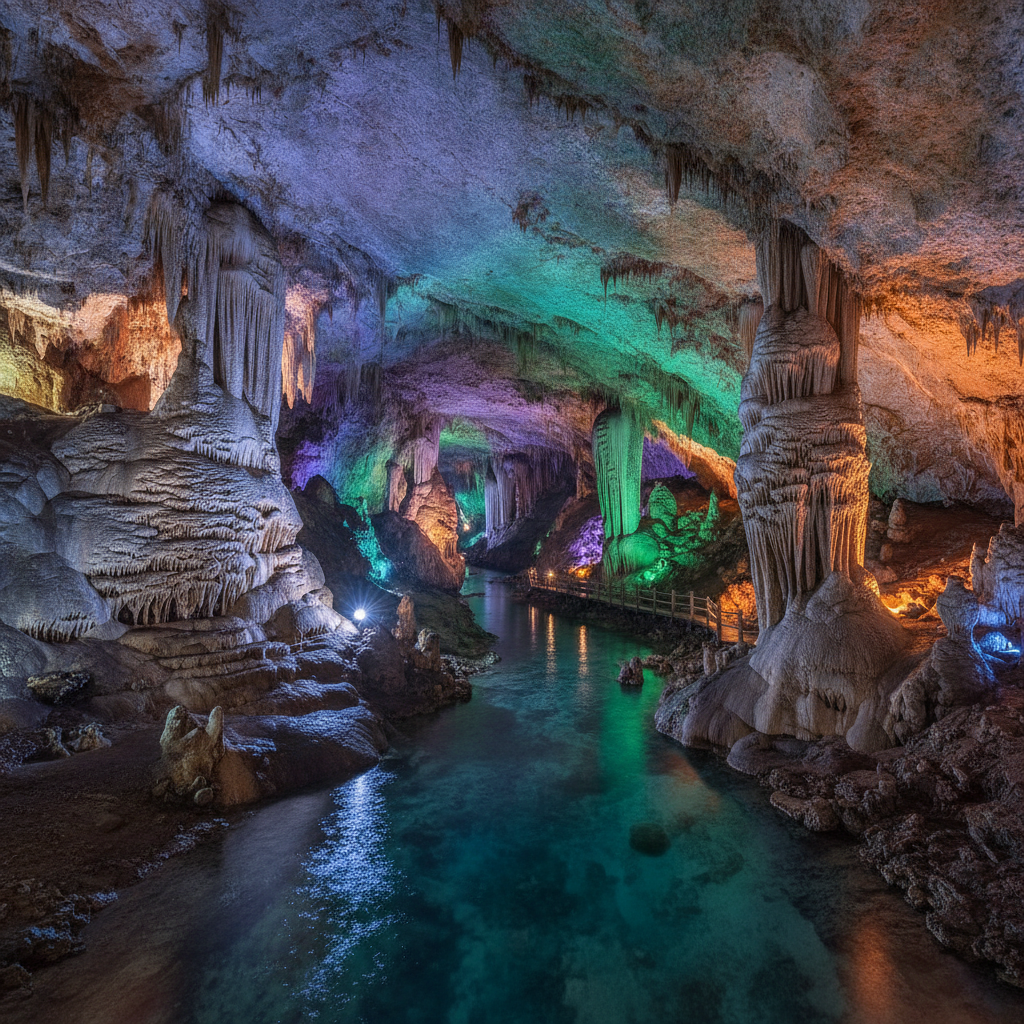
Beirut Region: Tripoli Old Souk, the Jeita Grotto, the Qadisha Valley, and the Most Scenically Diverse Single Small Country