Alexander the Great Built a 60m-Wide 800m-Long Causeway to Reach Island Tyre in 332 BCE and the Sediment Accumulation Has Made It a Permanent Land Bridge Today; the Druze Religion Has Been Closed to Converts and Non-Members Since the 11th Century; the Palestinian Refugee Camp Ain al-Hilweh Houses 80,000 People in 2 Square Kilometers Making It the Densest Urban Area in Lebanon
Alexander the Great's 60m-wide 800m-long causeway built in 7 months to reach island Tyre (332 BCE) now permanently widened by sediment into the modern land bridge; the Druze religion closed to converts since the 11th century with religious texts accessible only to initiated members (uqqal); Ain al-Hilweh housing 80,000 Palestinian refugees in 2 square kilometers; the Cedar of Lebanon reduced from millions of hectares to 2,000 hectares; Beirut's LGBTQ nightlife scene and the Helem organization (first legal LGBTQ rights organization in the Arab world); and the Druze Jumblatt family leading Lebanese Druze politics since the 18th century.
- 1
Sidon (Saida) – Phoenician Sea Castle and Crusader Heritage
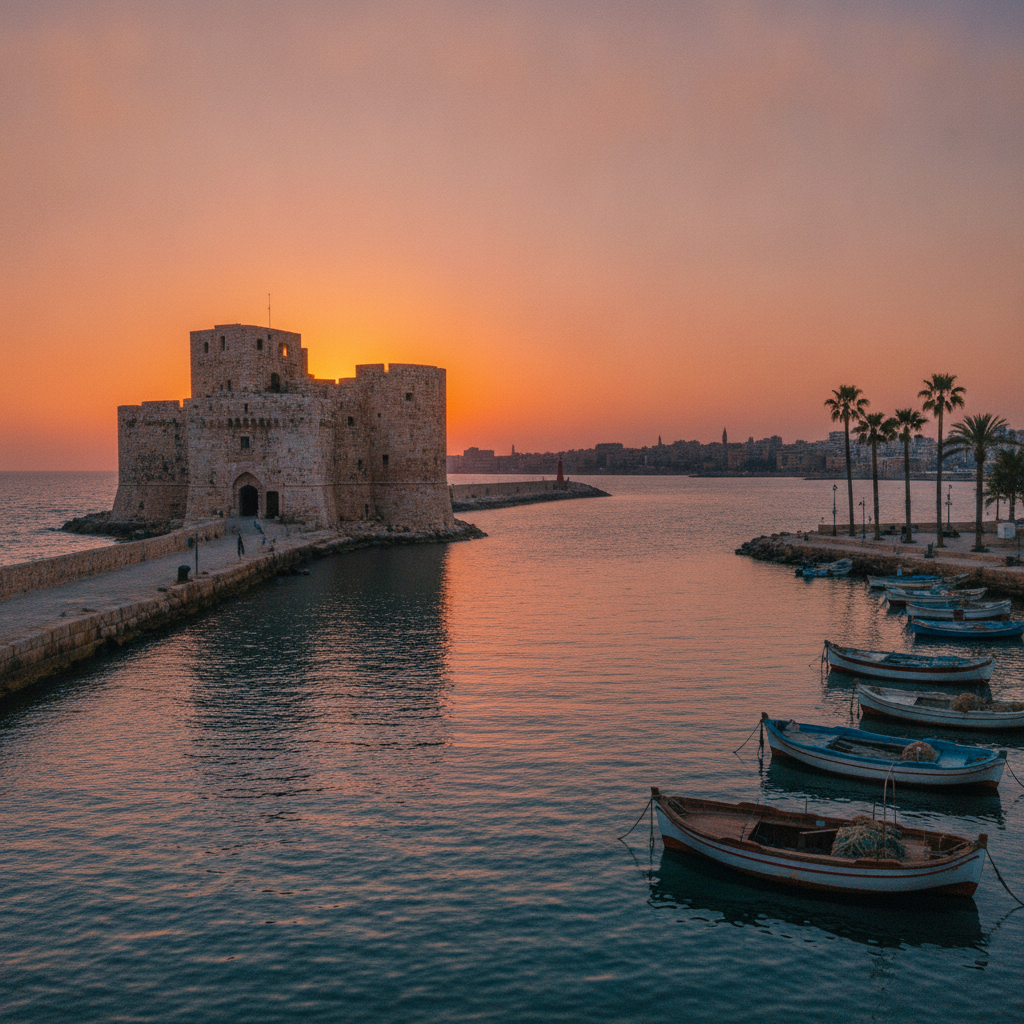
Sidon (Saida, Arabic: صيدا) — 40 km south of Beirut: the third largest city in Lebanon and one of the oldest continuously inhabited cities in the Phoenician world: the archaeological guide. The name (the ancient Phoenician name Sadon (or Sidon) — the city is mentioned in the Hebrew Bible as a major Phoenician city: Genesis 10:15 names Sidon as the firstborn son of Canaan: the Old Testament prophet Ezekiel (27:8) describes Sidon's mariners as among the finest sailors in the ancient world: the Sea Castle (the Sidon Sea Castle (Qalat al-Bahr) — a 13th century Crusader fortification built on a small island connected to the mainland by a causeway: the castle was built by the Crusaders of the Lordship of Sidon in 1228 CE (during the Sixth Crusade of the Holy Roman Emperor Frederick II): the castle was captured by the Mamluk Sultan Baybars in 1291 and subsequently repaired and modified: the Khan al-Franj (the Khan al-Franj (Inn of the Franks) — a 17th century Ottoman caravanserai built during the reign of Fakhr al-Din II (the most celebrated Lebanese historical ruler — the 17th century Druze leader who expanded Lebanese autonomy under Ottoman rule and was executed in Istanbul in 1635): the Khan al-Franj was the primary commercial center of Sidon during the Fakhr al-Din period: the Sidon Echmoun Temple (the temple of Echmoun — the Phoenician god of healing (equivalent to the Greek Asclepius) — located 2 km north of Sidon on the Awali River: the best preserved Phoenician sacred complex in Lebanon: the site includes healing pools used by pilgrims seeking cures from the god of medicine: the museum (the Sidon Museum of Soap — Sidon was historically famous for its soap industry: the Audi Foundation's Museum of Soap (Khan al-Saboun) documents Sidon's centuries-old olive oil soap tradition).
- 2
Tyre (Sour) – The Purple City and Alexander's Siege
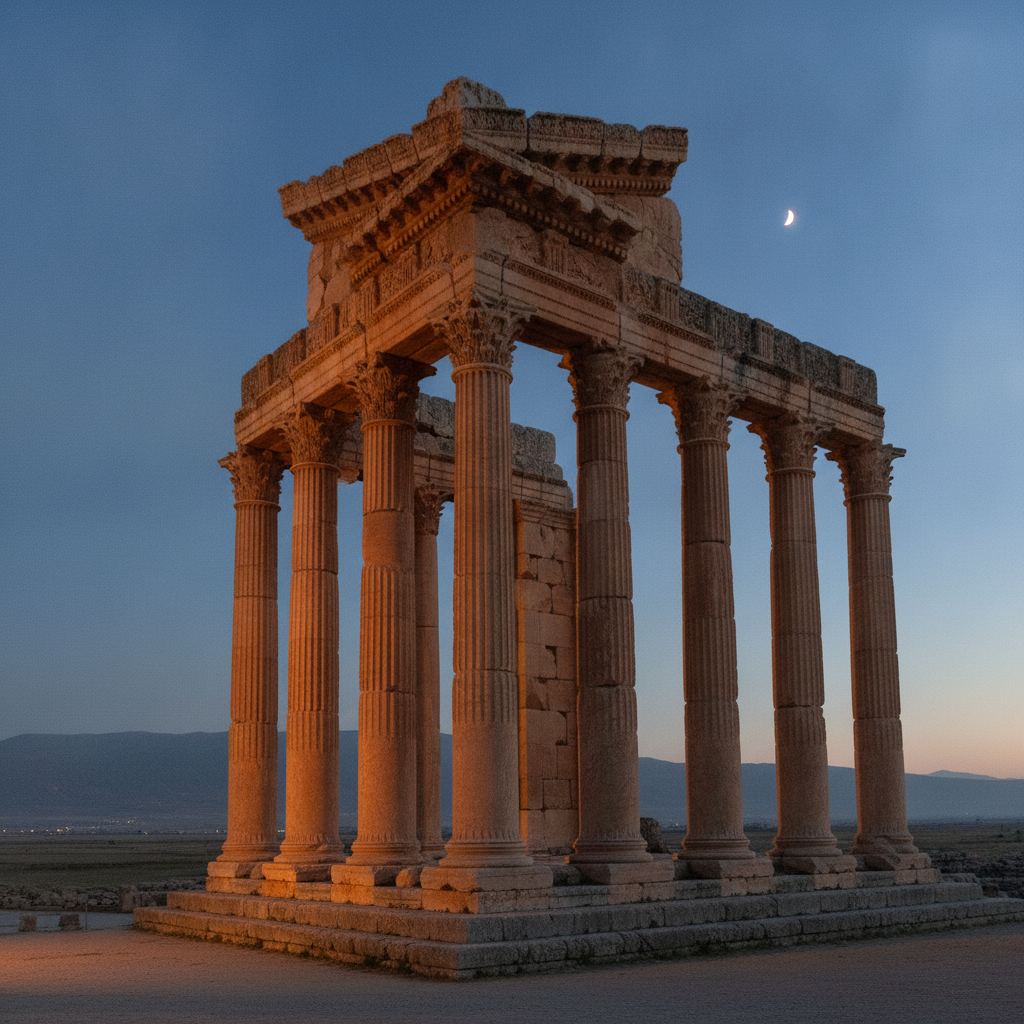
Tyre (Sour, Arabic: صور) — 80 km south of Beirut and 30 km from the Lebanese-Israeli border: the most historically significant Phoenician city and the site of one of the most remarkable military engineering achievements of the ancient world: the guide. The history (ancient Tyre (Phoenician: Sur — Rock) was the most powerful of the Phoenician city-states from approximately 1000-332 BCE: Tyre controlled a Mediterranean trade network extending from Cadiz (Spain) to Cyprus: the Tyrian purple (the Tyrian purple dye industry: Tyre's harbor was surrounded by the decaying bodies of millions of Murex sea snails crushed to extract the purple dye: ancient writers describe the smell of Tyre as overwhelming due to the dye industry: the dye vats are still visible in the archaeological site: the Alexander siege (the Siege of Tyre by Alexander the Great (332 BCE) is one of the most celebrated military engineering achievements of antiquity: the city of Tyre was built on an island 800m offshore: when the Tyrians refused to surrender Alexander built a causeway (mole) from the mainland to the island: the causeway was 60m wide and 800m long — the largest engineering project in Alexander's campaigns: after 7 months the causeway reached the walls of the city and Alexander's siege towers finally breached the defenses: Alexander killed approximately 6,000 Tyrians in the assault: 2,000 survivors were crucified along the beach: the causeway (the causeway Alexander built has been gradually widened by sediment accumulation and is now a permanent land connection — the modern city of Tyre (Sour) occupies what was once Alexander's causeway: the UNESCO site (the Tyre UNESCO World Heritage Site (inscribed 1984) contains the largest Roman hippodrome in the world and extensive Roman-Byzantine necropolis).
- 3
The Palestinian Refugee Camps – Shatila and the 1948 Nakba
The Palestinian refugee camps in Lebanon (the Lebanese Palestinian refugee camp system — the largest Palestinian refugee population outside Palestine and the most legally precarious): the historical guide. The 1948 Nakba (the Nakba (Arabic: catastrophe) refers to the displacement of approximately 700,000-750,000 Palestinians during the 1948 Arab-Israeli War (the Israeli War of Independence): approximately 100,000-110,000 Palestinians fled to Lebanon between 1948 and 1949: the original expectation was that the displacement would be temporary: UN General Assembly Resolution 194 (December 1948) affirmed the right of Palestinian refugees to return to their homes: the camps (the primary Palestinian refugee camps in Lebanon (UNRWA data 2024): Shatila (southern Beirut): Bourj el-Barajneh (southern Beirut): Ain al-Hilweh (near Sidon — the largest Palestinian refugee camp in Lebanon with approximately 80,000 residents in 2 square kilometers — the densest urban area in Lebanon): Nahr el-Bared (near Tripoli — partially destroyed in 2007 during the Lebanese Army battle with the Fatah al-Islam militant group): the legal status (Palestinian refugees in Lebanon have the most restrictive legal status of Palestinians in any Arab host country: Palestinian refugees in Lebanon are not permitted to own property: Palestinians are prohibited from working in 39 professions including medicine, law, and engineering: Palestinians cannot receive social security benefits: the camps (the physical conditions in the camps: the camps were established as temporary shelter in 1948-1949: they have become permanent urban settlements of extreme density: electricity and water supply are unreliable: the UNRWA (the United Nations Relief and Works Agency for Palestine Refugees) provides education and basic services in the camps).
- 4
Beirut's Nightlife – the Arab World's Most Vibrant Club Scene
Beirut's nightlife culture (the most celebrated and internationally recognized nightlife scene in the Arab world — and its resilience through economic crisis, explosion, and conflict): the nightlife guide. The reputation (Beirut's nightlife reputation is built on the concept of the Beirut party paradox — the more unstable and dangerous the political situation, the more intense the nightlife: this phenomenon was documented repeatedly during the Civil War (1975-1990), the 2006 war with Israel, and the 2019-2020 crisis period: the primary districts (the primary nightlife districts: the Mar Mikhael and Gemmayze corridor (Armenia Street and Gouraud Street) — the most concentrated nightlife district in Beirut: the area was severely damaged in the 2020 explosion and partially rebuilt: the basement venues reopened within weeks of the explosion while rubble was still being cleared: the Badaro neighborhood — a quieter residential district with wine bars and small restaurants: the Hamra district — the West Beirut nightlife corridor: the Jounieh highway clubs — the large-scale tourist nightclubs in the Christian suburb of Jounieh: the economics (the economic crisis has created a bizarre nightlife dynamic: venues price in USD while paying staff in Lebanese pounds: the result is that international visitors can access world-class nightlife at extremely affordable prices while local Lebanese workers are paid a fraction of their pre-crisis real wages: the LGBTQ scene (Beirut has had the most visible LGBTQ nightlife scene in the Arab world — with dedicated gay bars and clubs in the Mar Mikhael area: the Helem organization (the first legally operating LGBTQ rights organization in the Arab world, founded in Beirut in 2004): the scene has faced increasing legal pressure since 2019).
- 5
The Cedar Trees of Lebanon – Symbol, Forest, and Ecological Crisis
The Cedar of Lebanon (Cedrus libani) — the national symbol of Lebanon, the tree on the Lebanese flag, and one of the most ecologically significant trees in the Mediterranean region: the ecological guide. The biological profile (Cedrus libani — the Cedar of Lebanon: maximum height approximately 40m: maximum trunk diameter approximately 2.5m: maximum age approximately 1,000 years (with disputed records of 3,000 years for certain trees in the Tannourine reserve): the natural range of Cedrus libani: Lebanon and Turkey (primary range): the Anti-Taurus mountains of Turkey: Syria (very small surviving population): Cyprus (the Cyprus Cedar, Cedrus brevifolia, a closely related endemic species): the historical extent (the Cedar forests of Lebanon once covered the slopes of the Lebanon Mountains from sea level to 2,000m: the total extent was estimated at several million hectares: the ancient harvest (the Cedar of Lebanon was the most prized construction timber of the ancient Mediterranean world: Egyptian pharaohs imported Lebanese cedar for royal barges and mummy cases: Solomon's Temple in Jerusalem was built using Lebanese cedar supplied by the Phoenician king Hiram I of Tyre: the Phoenician merchant ships were built from Lebanese cedar: the deforestation (the combination of ancient timber harvest, Byzantine and Ottoman charcoal production, and goat grazing reduced the Cedar of Lebanon to isolated fragments: the current state (the surviving Cedar forests occupy approximately 2,000 hectares in Lebanon — a tiny fraction of the original forest: the primary reserves: the Cedars of God (Horsh Arz al-Rab) near Bsharri (the most famous cedar grove: approximately 375 ancient trees: UNESCO World Heritage Site 1998): the Tannourine Cedar Reserve: the Shouf Cedar Nature Reserve (the largest at approximately 550 km2): the threat (climate change is moving the optimal altitude range of Cedrus libani upward: the trees are retreating to higher elevations as temperatures rise).
- 6
The Druze – The Secret Religion of the Lebanese Mountains
The Druze (Arabic: Duruz — the most theologically distinctive religious community of the Levant and a key factor in Lebanese political life): the religious and cultural guide. The origins (the Druze religion (Arabic: al-Muwahhidun — the Unitarians) was founded in Cairo in the early 11th century CE: the Druze theology developed from Ismaili Shia Islam but incorporates elements of Neoplatonic philosophy, Gnosticism, and other philosophical traditions: the Druze believe that the Fatimid Caliph al-Hakim bi-Amr Allah (996-1021 CE) was an incarnation of God: the founders of the religion were Hamza ibn Ali and the Ismaili missionary al-Darazi (whose name gave the community its name: the secrecy (the Druze religion is strictly secret — the full theological texts (the Rasail al-Hikma — Letters of Wisdom) are accessible only to initiated Druze (called uqqal — the wise ones): the majority of Druze (juhhaal — the ignorant ones) do not have access to the religious texts: non-Druze cannot convert to the Druze religion: Druze cannot leave the religion: the community (the Druze world population is approximately 1 million: Lebanon (250,000 — concentrated in the Chouf Mountains and the Aley district): Syria (700,000 — concentrated in the Jabal al-Druze/Jabal al-Arab region of Hauran): Israel (143,000 — concentrated in the Galilee and Golan Heights: Israeli Druze serve in the Israeli military in contrast to Israeli Arab Muslims and Christians who are exempt): Jordan (20,000): the political role in Lebanon (the Druze are the fourth-largest community in Lebanon after Shia, Sunni, and Maronites: the Druze community has been led by the Jumblatt family since the 18th century: Walid Jumblatt (b. 1949) led the Progressive Socialist Party for decades: his son Taymur Jumblatt (b. 1989) is now the primary Druze political leader).
Walk this route with audio
Stories play automatically as you reach each stop — no tapping needed.
More in Beirut
Khalil Gibran's The Prophet Has Sold Over 100 Million Copies in 108 Languages Making It the Third Best-Selling Book of the 20th Century After the Bible and the Quran; the Kahan Commission Found Ariel Sharon Bore Personal Responsibility for the Sabra and Shatila Massacre of 762-3,500 Palestinian Civilians; Fairuz Has Been Recording for 70 Years and Is the Best-Selling Arabic-Language Artist of All Time
Hezbollah Secretary-General Hassan Nasrallah Killed by Israeli Strike September 27, 2024 After 32 Years Leading the Movement; the 2005 Rafik Hariri Assassination Car Bomb Contained 1,000 kg TNT and Triggered the Cedar Revolution Ending Syria's 29-Year Military Presence in Lebanon; Lebanon's 18 Recognized Religious Communities Make It the Most Religiously Diverse Country in the Arab World
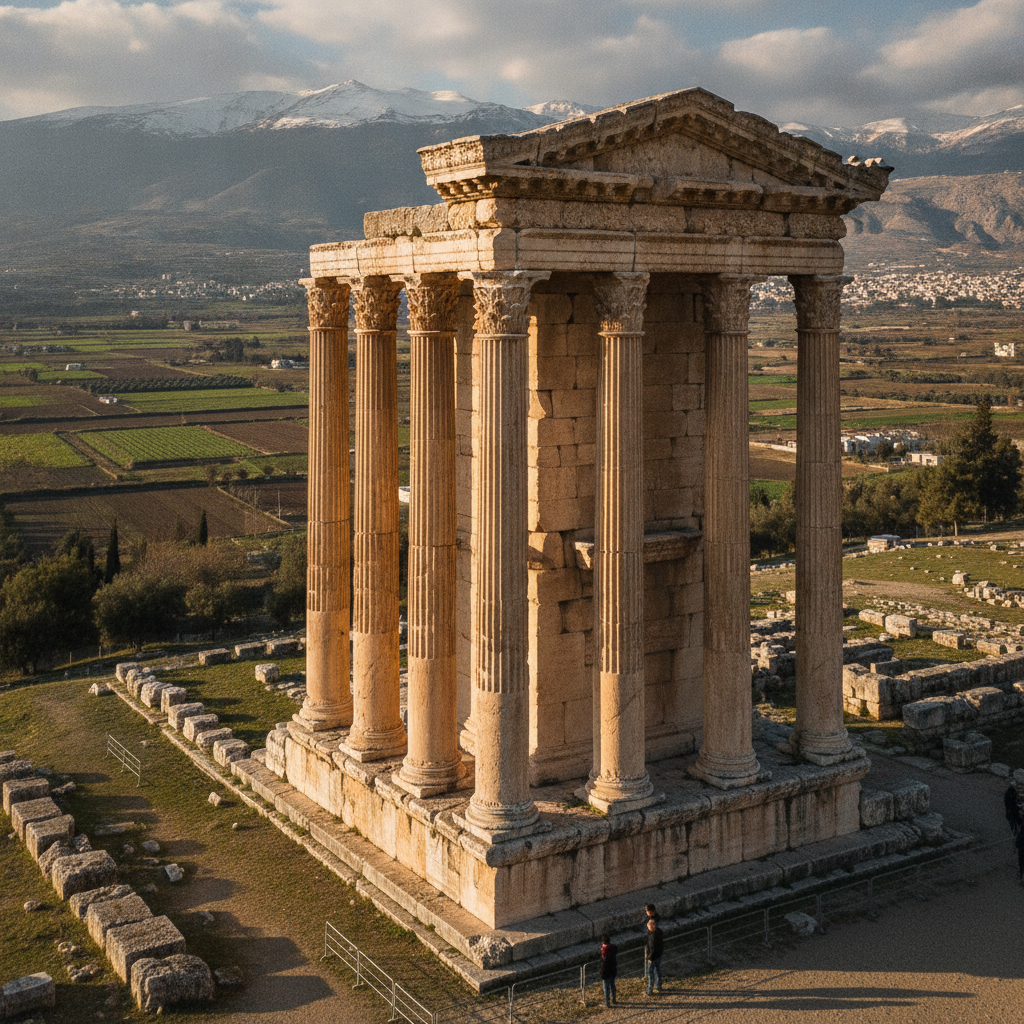
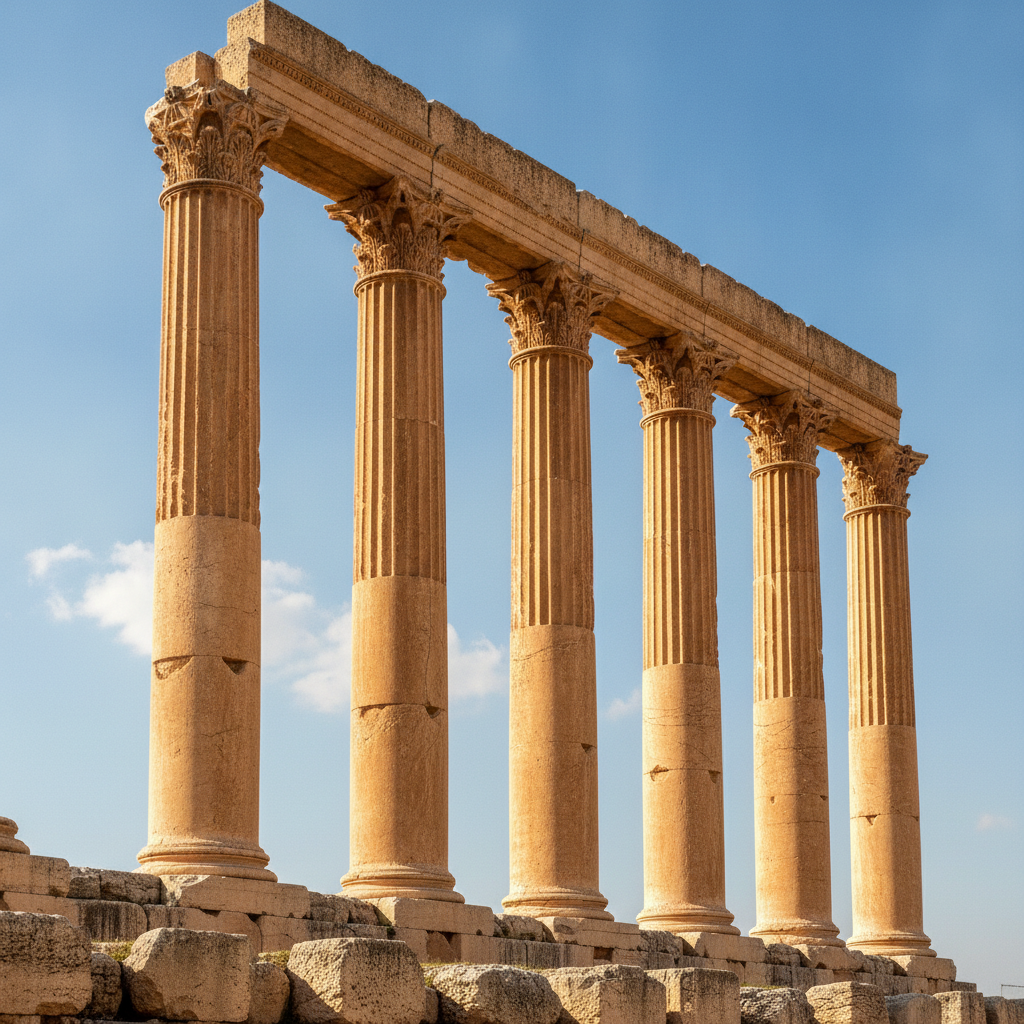
Beirut Day Trips: Byblos, Baalbek Roman Temples, Sidon, and Tyre in the Most Historically Dense Single Small Country
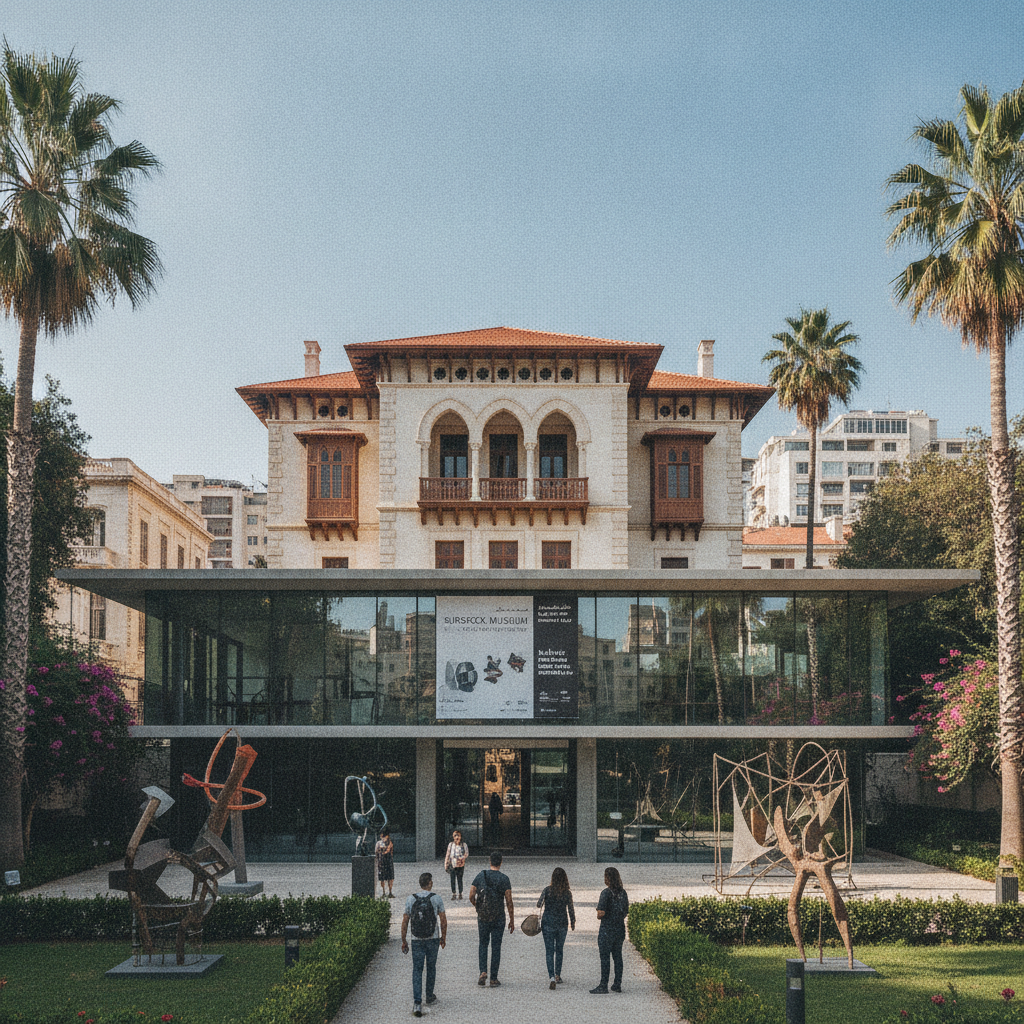
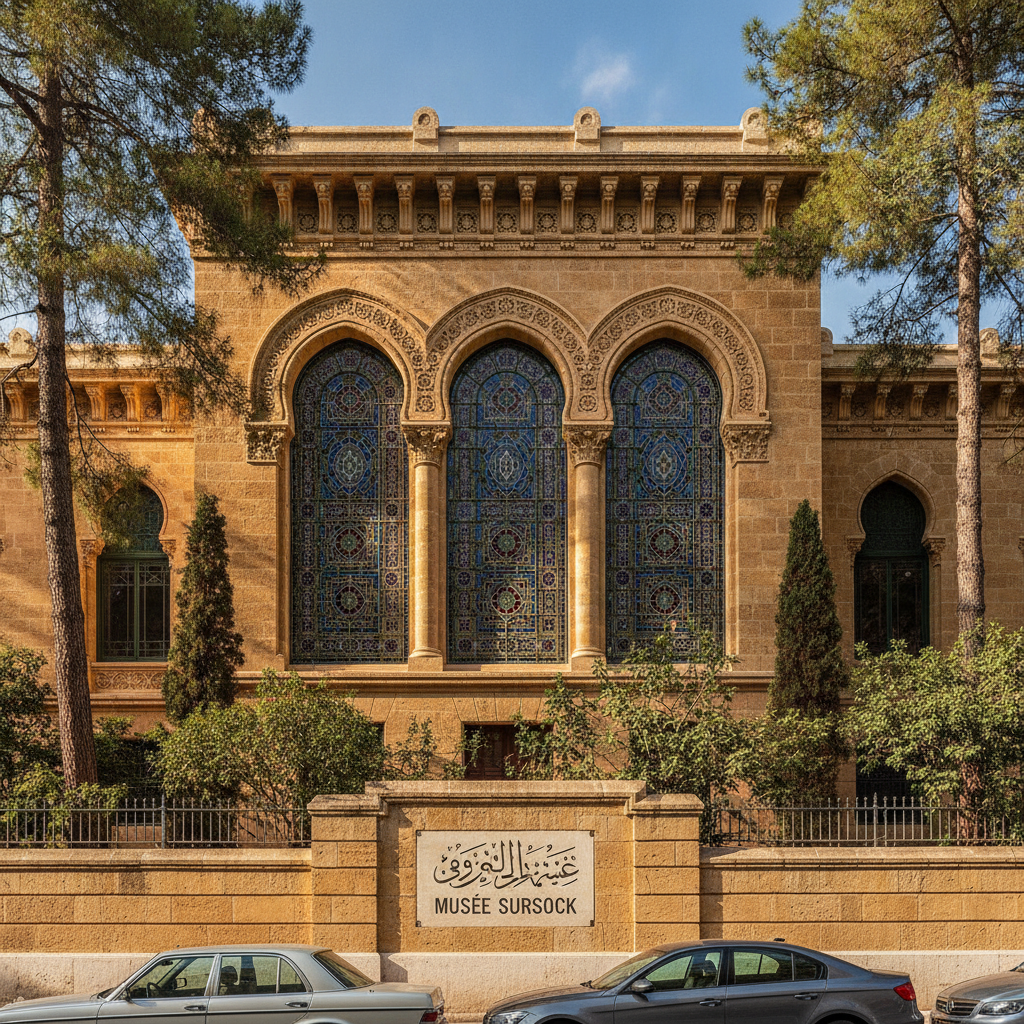
Beirut Arts: The Sursock Museum, the Theatre and Cinema Scene, the Gallery Circuit, and the Most Culturally Ambitious Single Arab Capital
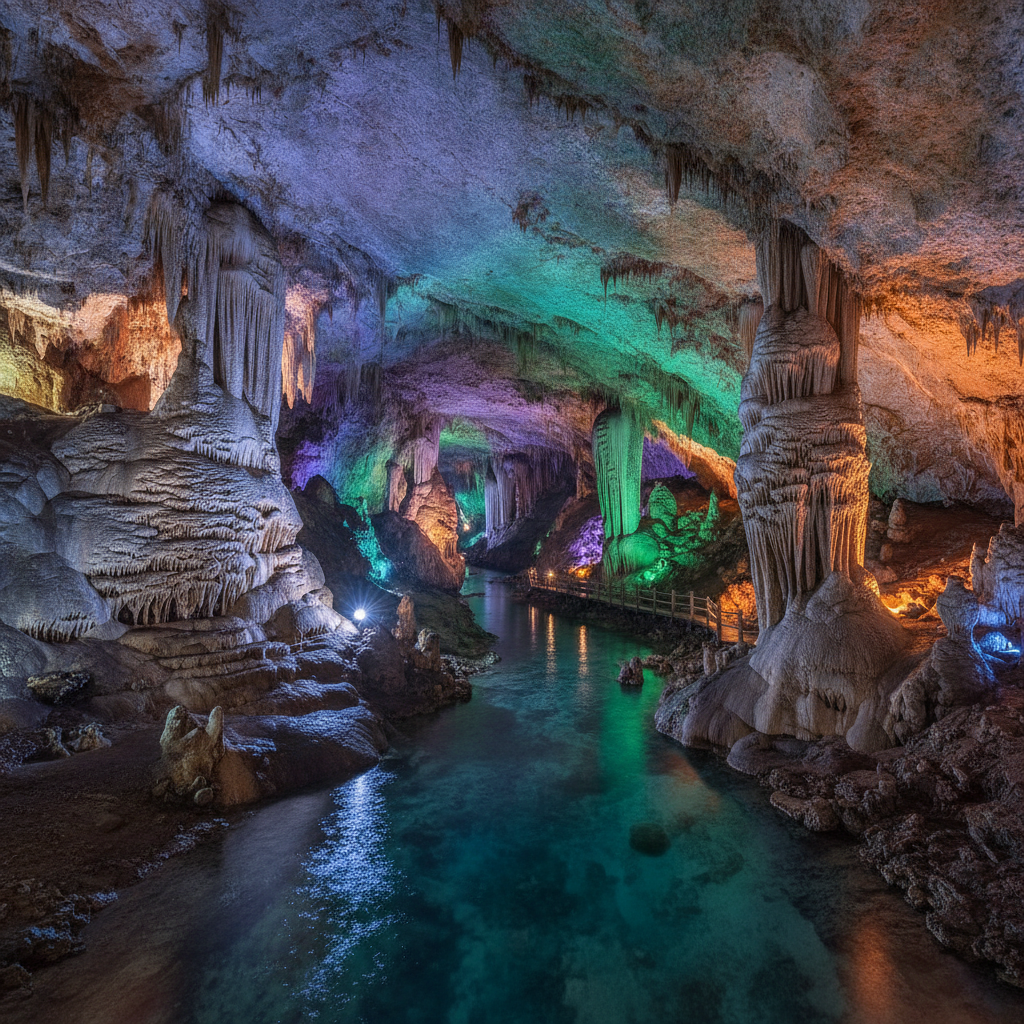
Beirut Region: Tripoli Old Souk, the Jeita Grotto, the Qadisha Valley, and the Most Scenically Diverse Single Small Country