The Phoenician Alphabet (1050 BCE) Ancestor of Greek, Latin, Arabic, Hebrew, and Almost Every Modern Writing System; Baalbek Temple Blocks Each Weigh 800 Tonnes and the Unfinished Quarry Stone Weighs 1,000 Tonnes; Chateau Musar Produced Wine Throughout the 15-Year Lebanese Civil War Without Missing a Single Vintage
The Phoenician alphabet (22 consonants, 1050 BCE) as the direct ancestor of Greek, Latin, Arabic, Hebrew, and almost every modern writing system; the Baalbek Trilithon blocks each weighing 800 tonnes (largest ancient stone blocks in the world); Chateau Musar producing wine throughout the 15-year Lebanese Civil War without missing a single vintage; the Lebanese Civil War's 30+ armed factions and the 1943 National Pact confessional system; Byblos as one of the oldest continuously inhabited cities (7000 BCE); and the Beirut vs Istanbul comparison.
- 1
The Phoenicians – Masters of the Mediterranean
The Phoenician civilization (the seafaring Bronze and Iron Age culture that dominated Mediterranean trade from approximately 1200-539 BCE and whose alphabet became the foundation of almost all modern writing systems): the civilization guide. The identity (the Phoenicians (Greek: Phoinikes — Purple People — named for the famous Tyrian purple dye they produced and traded) were a Canaanite people of the Levantine coast: they did not call themselves Phoenicians — the term was applied by the Greeks: their city-states (Byblos, Tyre, Sidon, Beirut (Berytus), Arwad) were independent political entities that shared a language, alphabet, and seafaring culture: the alphabet (the Phoenician alphabet — 22 consonants, no vowels — developed from Proto-Sinaitic script approximately 1050-1000 BCE: the Phoenician alphabet was adopted by the Greeks who added vowels to create the Greek alphabet: all subsequent European alphabets (Latin, Cyrillic) derive from the Greek: the Hebrew, Arabic, and Aramaic scripts derive from Phoenician through an Aramaic intermediary: the Phoenician alphabet is therefore the ancestor of almost every writing system in use today that is not derived from Chinese: the Tyrian purple (the Tyrian purple dye (dibromoindigo) was extracted from the hypobranchial gland of the Murex sea snail (Bolinus brandaris and Hexaplex trunculus): to produce 1 gram of Tyrian purple dye required approximately 10,000 Murex snails: Tyrian purple was the most expensive material in antiquity — more expensive by weight than gold: Tyrian purple became the exclusive color of Roman emperors and Catholic cardinals: the colonies (the Phoenicians founded colonies across the Mediterranean: Carthage (814 BCE — modern Tunis): Cadiz/Gadir (approximately 1100 BCE — the oldest continuously inhabited city in Western Europe): Palermo: Cagliari: the colony network allowed Phoenician merchants to monopolize Mediterranean trade for 600 years).
- 2
Byblos – The Oldest Continuously Inhabited City in the World
Byblos (Jbail — جبيل) — 37 km north of Beirut: the ancient Phoenician port city that gave its name to the Bible and is considered among the oldest continuously inhabited cities in the world: the archaeological guide. The name (the word Bible derives directly from Byblos: the Greek word byblos (book) was applied to the papyrus writing material that was traded through the Phoenician port of Byblos: the word Bible (ta biblia — the books) derives from the same root: Byblos was the primary port through which Egyptian papyrus reached the ancient Mediterranean world: the ancient history (the first human settlement at Byblos dates to approximately 7000 BCE (Neolithic period): Byblos has been continuously inhabited for approximately 9,000 years: Byblos was the most important Phoenician city from approximately 3000-1200 BCE when it served as the primary commercial partner of Egypt: the Egyptian kings sent cedar wood from the Lebanese mountains through Byblos: the Byblos shipments of Lebanese cedar were used to build the Egyptian Old Kingdom royal barges: the archaeological site (the UNESCO World Heritage Site at Byblos (inscribed 1984) includes: the Phoenician temples (the L-shaped Temple of Baalat Gebal (Lady of Byblos) dating to approximately 2700 BCE: the temple of the Obelisks (Middle Bronze Age): the Crusader-era castle (12th century Crusader fortification built on Phoenician and Roman foundations using ancient stone columns as construction material): the Phoenician royal necropolis (the tombs of the Byblos kings cut into the bedrock).
- 3
The Lebanese Civil War – A 15-Year Conflict Between Dozens of Factions
The Lebanese Civil War (1975-1990) — one of the most complex civil conflicts of the 20th century: the historical analysis. The background (the Lebanese political system established by the 1943 National Pact (Mithaq al-Watani) was a power-sharing arrangement based on the 1932 French Mandate census: Christians (primarily Maronite Catholics) held the presidency: Sunni Muslims held the prime ministership: Shia Muslims held the speaker of parliament: the system was widely considered to favor Christians based on a 1932 census that was already outdated by 1943: the causes (the proximate cause of the war was the April 13, 1975 Phalangist massacre of Palestinian bus passengers in the Ain al-Rummaneh neighborhood: the deeper causes: the Palestinian Liberation Organization (PLO) presence in Lebanon since 1970 (expelled from Jordan in Black September) had created a state-within-a-state in southern Lebanon: the growing demographic imbalance between Christian and Muslim populations: Lebanese Maronite Christian anxiety about Muslim demographic growth: the factions (the war involved over 30 armed factions at its peak: the primary groups: the Lebanese Forces (Christian Maronite): the Amal Movement (Shia): Hezbollah (Shia, formed 1982 with Iranian support after the Israeli invasion): the PSP (Druze, led by Walid Jumblatt): the PLO: the Syrian Army (entered 1976, remained until 2005): the Israeli Army (invasions 1978 and 1982): the Taif Agreement (the Ta'if Agreement (October 1989) ended the Civil War: the agreement adjusted the political power-sharing formula slightly in favor of Muslims but preserved the confessional system: the war officially ended on October 13, 1990 when Syrian forces defeated the last holdout (General Aoun's Lebanese Army faction).
- 4
Baalbek – The Largest Roman Temple Complex in the World
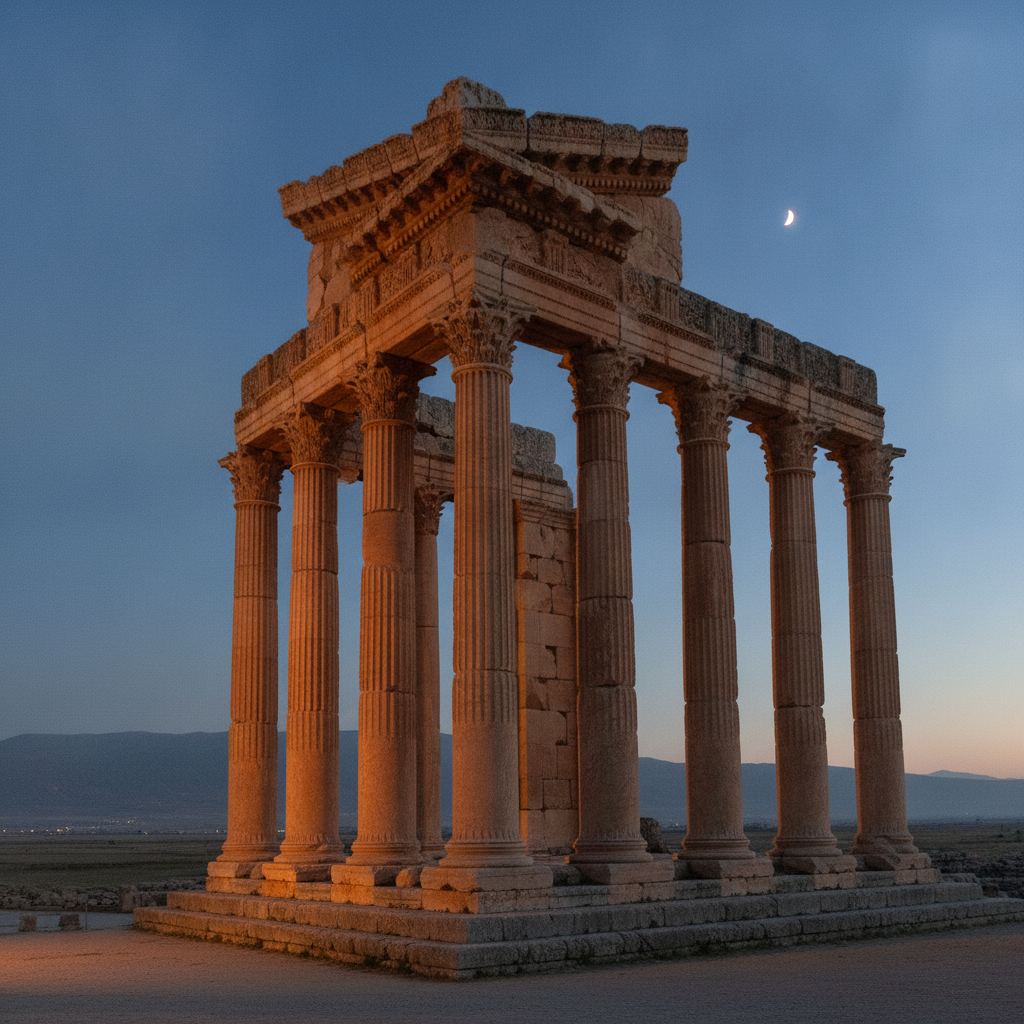
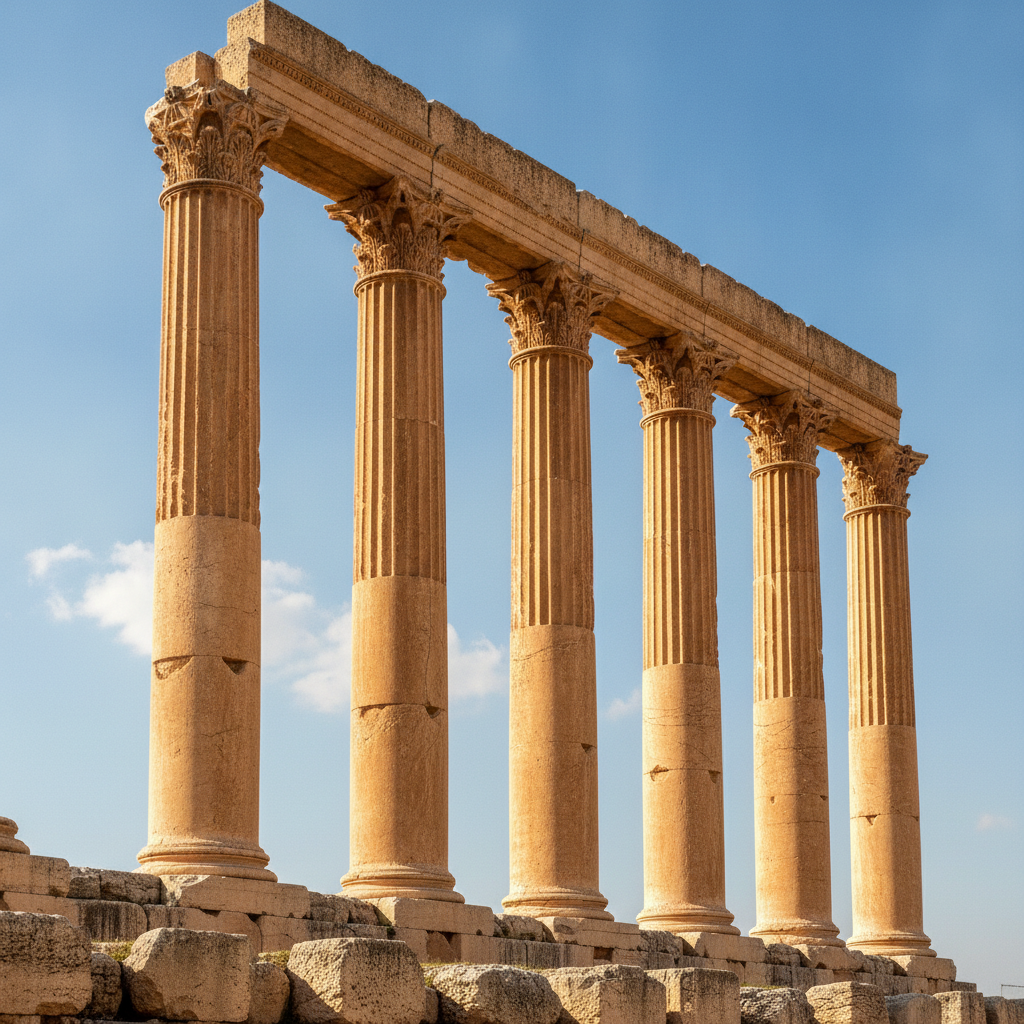
Baalbek (بعلبك) — 86 km northeast of Beirut in the Bekaa Valley: the largest and best-preserved Roman temple complex in the world: the archaeological guide. The setting (Baalbek (ancient Heliopolis — City of the Sun) sits at 1,170m altitude in the Bekaa Valley between the Lebanon Mountains and the Anti-Lebanon range: the complex (the Baalbek temple complex covers approximately 5 hectares and includes: the Temple of Jupiter (the primary temple: construction began approximately 60 BCE under Julius Caesar and was not completed until the 3rd century CE: the temple platform (the Great Court podium) rests on the largest known ancient stone blocks: the Trilithon — three blocks each weighing approximately 800 tonnes (the largest measuring 19.6m x 4.3m x 3.6m): the stone of the pregnant woman (Hajar al-Hibla) in the adjacent quarry weighs approximately 1,000 tonnes and was never moved: the Temple of Bacchus (the best-preserved of the Baalbek temples, completed approximately 150 CE: the interior is 35m wide and 19m high: the doorway (15m tall) is the tallest surviving Roman doorway: the Temple of Venus (a small circular temple approximately 150 CE: partly converted to a Christian church in the Byzantine period: the logistics (Baalbek from Beirut: regular bus from the Cola transport hub in southern Beirut (2 hours each way): the Bekaa Valley (the Bekaa Valley is controlled by Hezbollah in its southern sector and is also a major cannabis cultivation region: the northern Bekaa around Baalbek is safe for visitors: Baalbek hosts the famous Baalbek International Festival (classical music, opera, jazz) in the Roman temple courts each summer).
- 5
Lebanese Cuisine – The Mezze Tradition and the World's Most Copied Food
Lebanese cuisine (the most widely exported Middle Eastern cuisine in the world and the tradition credited with introducing the concept of mezze, hummus, kibbeh, and tabbouleh to global food culture): the cuisine guide. The mezze tradition (the Lebanese mezze (from Ottoman Turkish meze — a selection of small dishes) — the Lebanese contribution to world dining culture: a full Lebanese mezze consists of 20-40 small dishes served simultaneously as a shared table feast: the cold mezze (meze bard): hummus (chickpea paste blended with tahini, lemon, and garlic): moutabel (smoky grilled eggplant with tahini and pomegranate molasses): mutabal is often confused with baba ghanoush outside Lebanon but they are different dishes: tabbouleh (finely chopped flat-leaf parsley, tomato, spring onion, and bulghur wheat dressed with abundant fresh lemon juice and olive oil): fattoush (toasted or fried flatbread pieces tossed with salad vegetables and sumac): labneh (drained yogurt with olive oil and za'atar): kibbeh nayyeh (raw minced lamb with bulgur wheat and onion — the Lebanese steak tartare): the hot mezze: kibbeh (minced lamb and bulgur wheat croquettes, shell-shaped or flattened): falafel (fried chickpea fritters): arayes (flatbread filled with spiced minced lamb and grilled): the main courses: kafta (minced lamb kebabs with parsley and onion): samke harra (whole fish with spiced tomato and tahini sauce): Lebanese wine (the Lebanese wine industry centered in the Bekaa Valley is the oldest continuously operating wine industry in the world: Chateau Musar (founded 1930) produced wine throughout the Civil War without missing a single vintage — one of the most famous wine stories of the 20th century).
- 6
Beirut vs Istanbul – The Two Great Eastern Mediterranean Cities
The Beirut and Istanbul comparison (the two most historically and culturally complex cities of the Eastern Mediterranean — the cosmopolitan Arab city and the city bridging Europe and Asia): the comparative guide. The Ottoman connection (both Beirut and Istanbul were major Ottoman cities: Beirut was the capital of the Ottoman Vilayet of Beirut from 1888: the French Mandate period gave Beirut a strong French cultural overlay that distinguishes it from other Arab cities: the cosmopolitanism (both cities are famous for their cultural heterogeneity: Istanbul (Turkish Muslim, Greek Orthodox, Armenian, Jewish, Levantine Christian): Beirut (Maronite, Sunni, Shia, Druze, Greek Orthodox, Armenian, secular): Beirut had 18 recognized religious communities in the 2022 census — the most religiously diverse city in the Arab world: the food comparison (both cities have exceptional food traditions: Istanbul has the kebab, meze, and baklava tradition: Beirut has the Lebanese mezze, the better hummus according to most food critics, and the best man'oushe (flatbread with za'atar and olive oil) in the world: the 2019-2020 parallel (Istanbul's political situation under Erdogan and Beirut's political crisis of 2019-2020 both involved massive popular protests and long-term economic stress: the architectural comparison (Istanbul's Ottoman architecture, Hagia Sophia, the covered bazaar: Beirut's French Mandate limestone buildings with triple-arched windows, the bullet-scarred Martyrs Statue: the recommendation (Istanbul for historical monuments and scale: Beirut for food, nightlife, and creative energy within a smaller more intimate city: the 2025 situation (as of 2025 Lebanon remains in severe economic crisis but Beirut is receiving visitors and tourism is recovering slowly).
Walk this route with audio
Stories play automatically as you reach each stop — no tapping needed.
More in Beirut
Khalil Gibran's The Prophet Has Sold Over 100 Million Copies in 108 Languages Making It the Third Best-Selling Book of the 20th Century After the Bible and the Quran; the Kahan Commission Found Ariel Sharon Bore Personal Responsibility for the Sabra and Shatila Massacre of 762-3,500 Palestinian Civilians; Fairuz Has Been Recording for 70 Years and Is the Best-Selling Arabic-Language Artist of All Time
Hezbollah Secretary-General Hassan Nasrallah Killed by Israeli Strike September 27, 2024 After 32 Years Leading the Movement; the 2005 Rafik Hariri Assassination Car Bomb Contained 1,000 kg TNT and Triggered the Cedar Revolution Ending Syria's 29-Year Military Presence in Lebanon; Lebanon's 18 Recognized Religious Communities Make It the Most Religiously Diverse Country in the Arab World
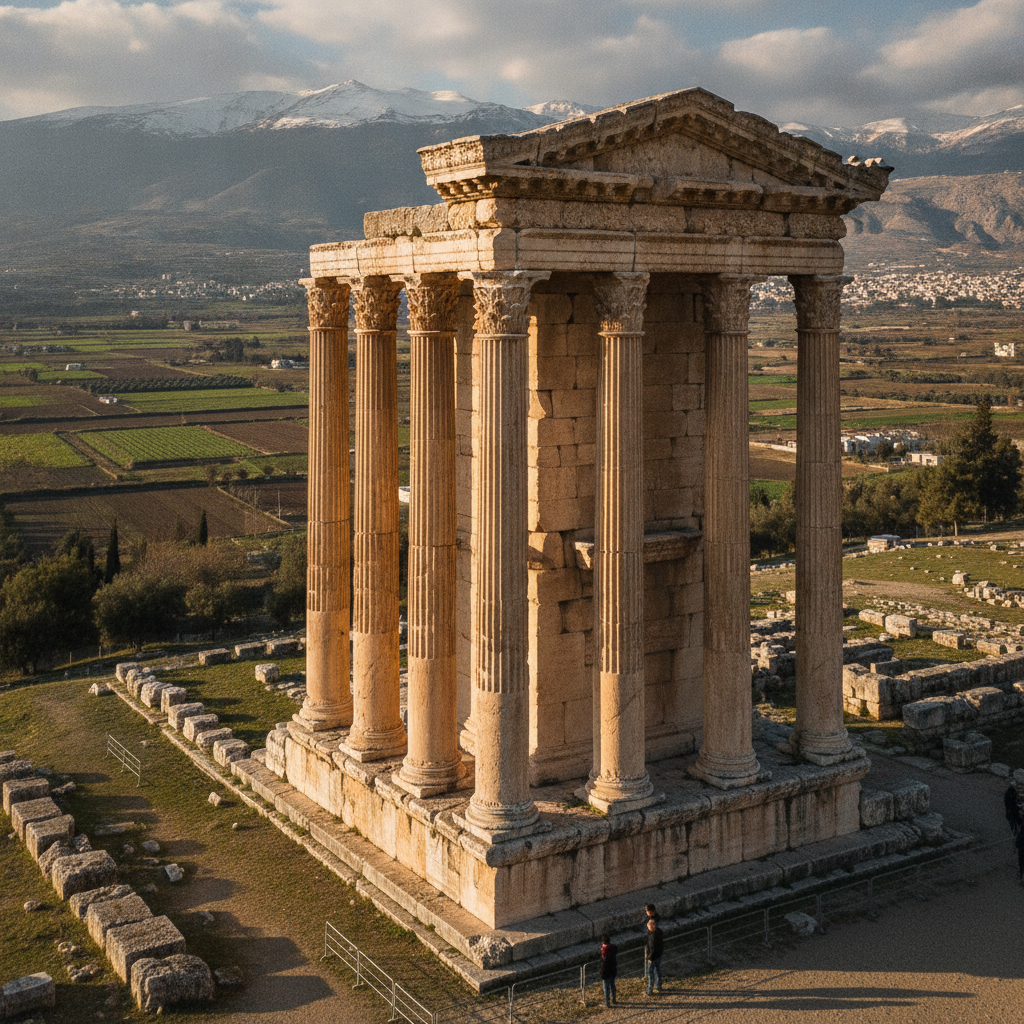
Beirut Day Trips: Byblos, Baalbek Roman Temples, Sidon, and Tyre in the Most Historically Dense Single Small Country
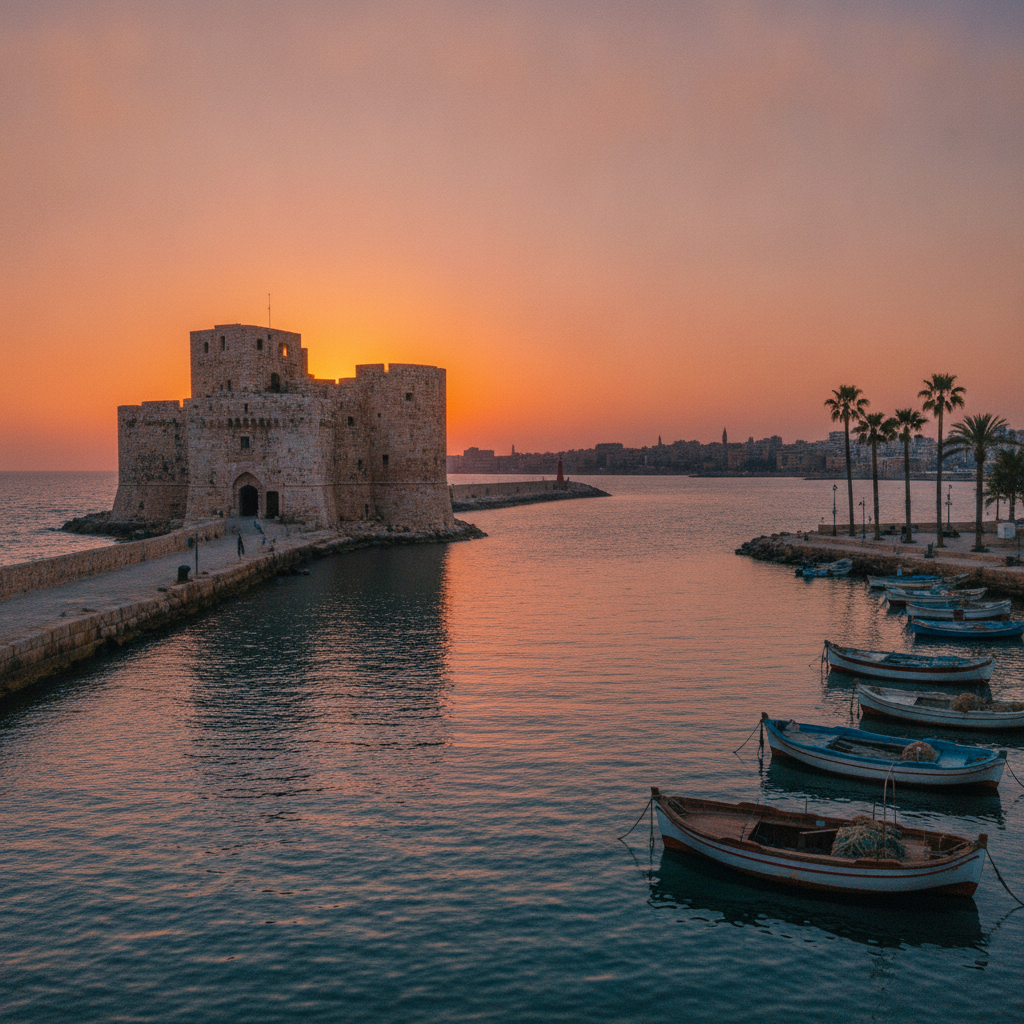
Alexander the Great Built a 60m-Wide 800m-Long Causeway to Reach Island Tyre in 332 BCE and the Sediment Accumulation Has Made It a Permanent Land Bridge Today; the Druze Religion Has Been Closed to Converts and Non-Members Since the 11th Century; the Palestinian Refugee Camp Ain al-Hilweh Houses 80,000 People in 2 Square Kilometers Making It the Densest Urban Area in Lebanon
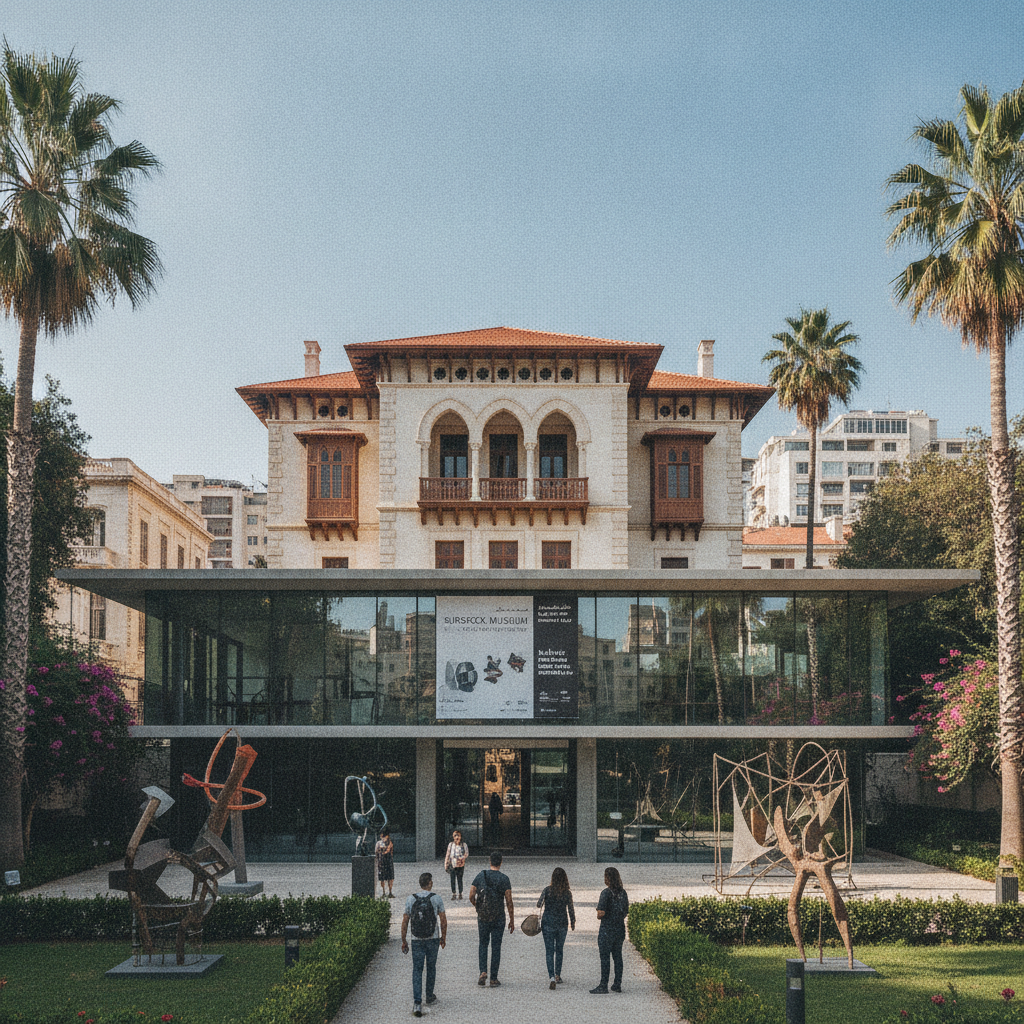
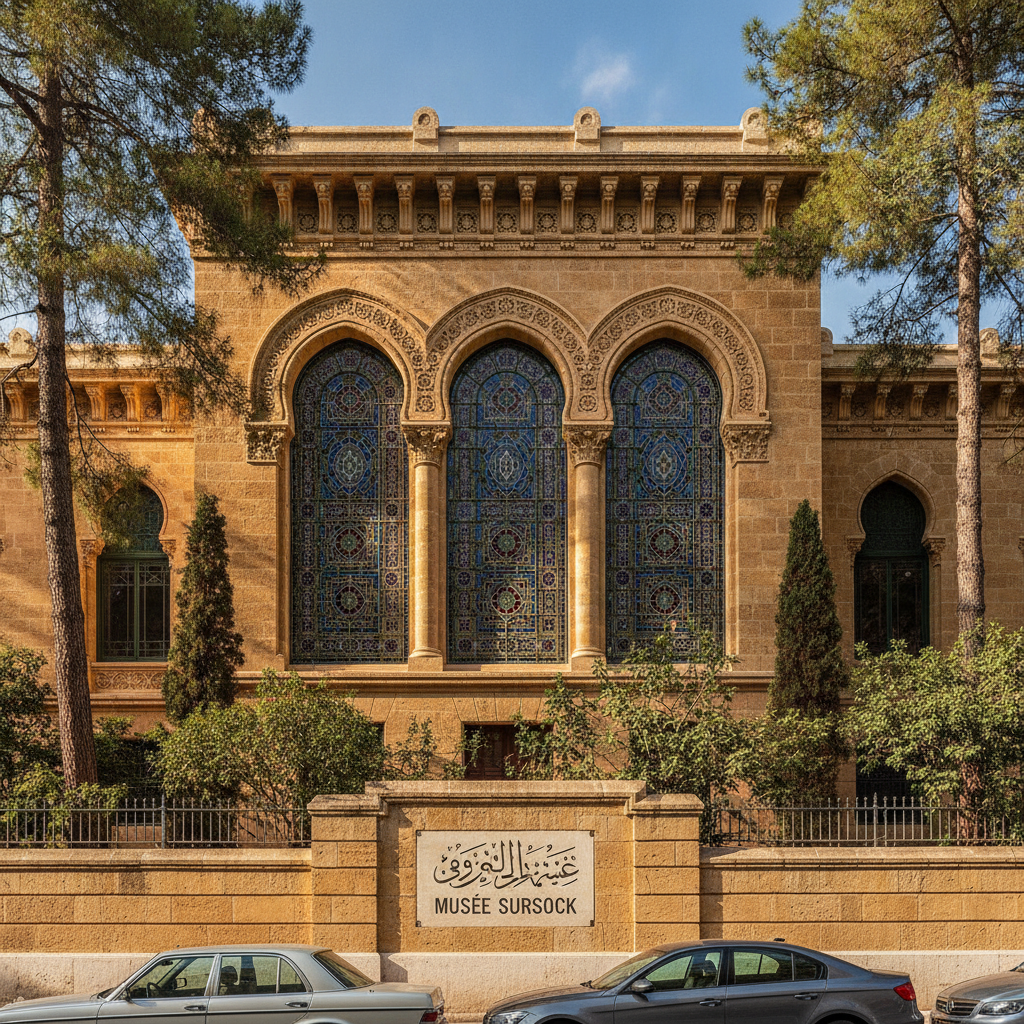
Beirut Arts: The Sursock Museum, the Theatre and Cinema Scene, the Gallery Circuit, and the Most Culturally Ambitious Single Arab Capital