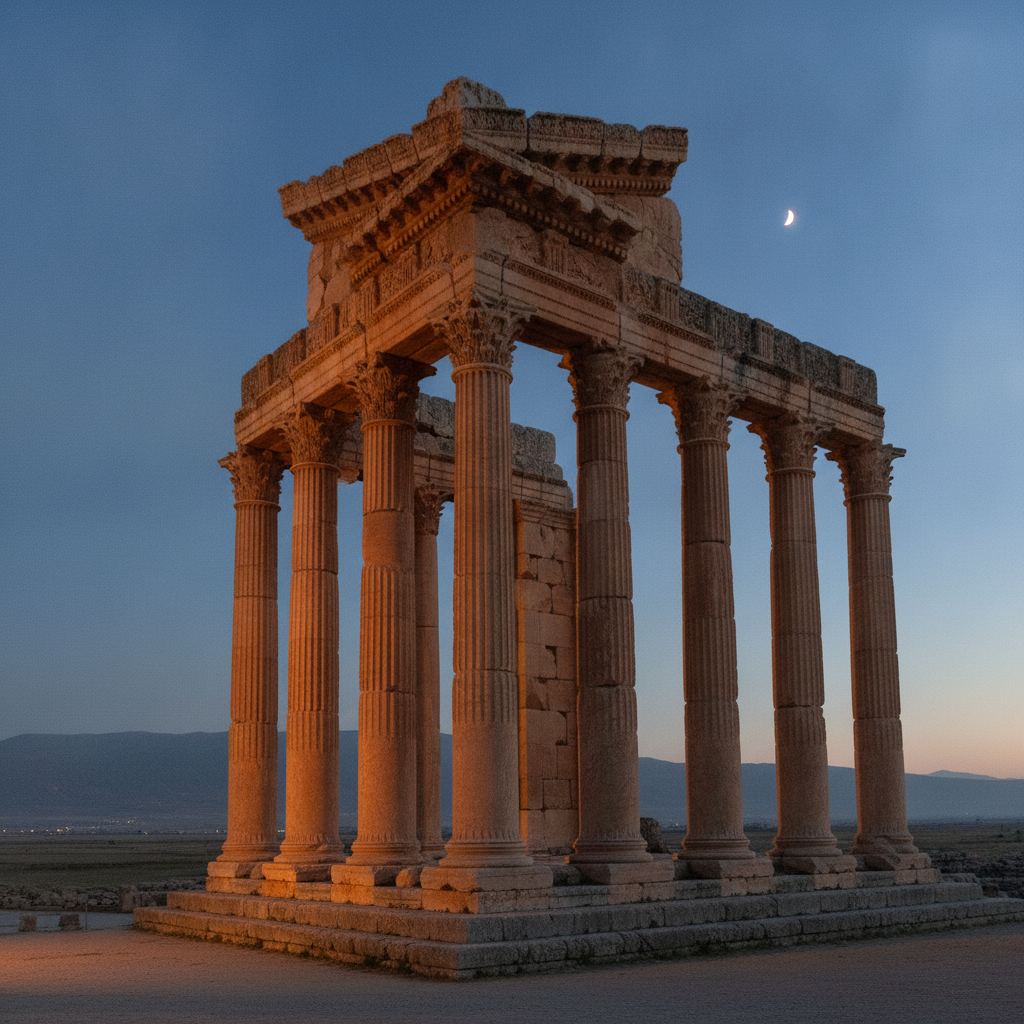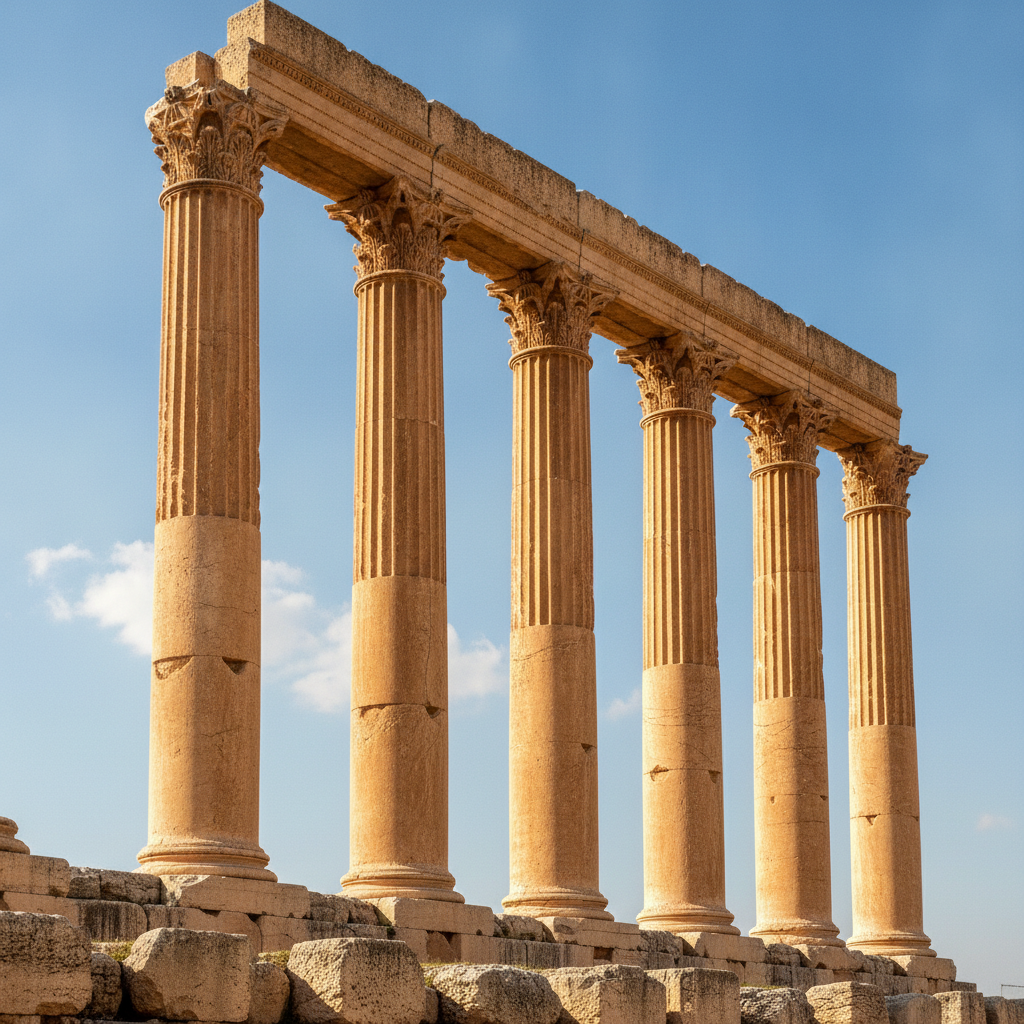
Hezbollah Secretary-General Hassan Nasrallah Killed by Israeli Strike September 27, 2024 After 32 Years Leading the Movement; the 2005 Rafik Hariri Assassination Car Bomb Contained 1,000 kg TNT and Triggered the Cedar Revolution Ending Syria's 29-Year Military Presence in Lebanon; Lebanon's 18 Recognized Religious Communities Make It the Most Religiously Diverse Country in the Arab World
Hezbollah Secretary-General Hassan Nasrallah killed by Israeli strike September 27, 2024 after 32 years leading the movement; the Rafik Hariri assassination car bomb (1,000 kg TNT equivalent) and the Cedar Revolution that ended Syria's 29-year military presence in Lebanon; Lebanon's 18 constitutionally recognized religious communities; the Bekaa Valley cannabis industry producing an estimated 1,000 tonnes of hashish per year during the Civil War; the Berytus School of Law as the primary law school of the Roman Empire; and the complete 3-day Beirut and Baalbek itinerary.
- 1
Hezbollah – History, Politics, and Social Welfare State
Hezbollah (Hizb Allah, Party of God) — the Lebanese Shia political party and armed movement that is simultaneously a Lebanese political party, a welfare organization providing social services, and an armed force designated as a terrorist organization by the United States and European Union: the political history guide. The founding (Hezbollah was formed in 1982 following the Israeli invasion of Lebanon (Operation Peace for Galilee): Hezbollah was created with direct financial and military support from the Iranian Revolutionary Guard Corps (IRGC) with the explicit goal of implementing an Islamic Republic in Lebanon modeled on the 1979 Iranian Revolution: the primary figures: Sheikh Mohammed Hussein Fadlallah (spiritual guide): Sayyed Hassan Nasrallah (Secretary-General 1992-2024): the social welfare network (Hezbollah operates a comprehensive parallel state social welfare system in the Shia-majority areas of Lebanon: the Jihad al-Bina (Construction Jihad) — reconstruction and civil engineering: the Islamic Health Society — hospitals, clinics, and pharmacies: the Martyrs Foundation — financial support for families of Hezbollah fighters killed in combat: the schools and universities: the Al-Manar television station: the political role (Hezbollah participated in Lebanese elections from 1992 onward: by 2006 Hezbollah had become the dominant political force in Lebanese Shia politics: the 2006 war (the 34-day 2006 Lebanon War between Israel and Hezbollah (July 12 - August 14, 2006): Hezbollah captured two Israeli soldiers triggering the Israeli military response: the war killed approximately 1,200 Lebanese (mostly civilians) and 160 Israelis (mostly soldiers): the 2023-2024 front (following the Hamas attack on Israel of October 7, 2023 Hezbollah opened a sustained rocket and artillery campaign against northern Israel from southern Lebanon: the escalation into a full Israeli military campaign against Hezbollah in September-October 2024 killed Hezbollah Secretary-General Hassan Nasrallah on September 27, 2024).
- 2
The Rafik Hariri Assassination – Cedar Revolution and Syrian Withdrawal
The assassination of Prime Minister Rafik Hariri (February 14, 2005) and the Cedar Revolution: the political turning point guide. The assassination (the assassination of former Lebanese Prime Minister Rafik Hariri on February 14, 2005: a massive car bomb (approximately 1,000 kg of TNT equivalent) was detonated in a convoy of vehicles on the Corniche al-Mina near the St. George Hotel in Beirut: the explosion killed Hariri and 21 others and wounded 226: the Special Tribunal for Lebanon (the UN Special Tribunal for Lebanon (STL) established in 2009 to investigate the assassination: the Tribunal indicted four Hezbollah members in absentia: the verdict (August 2020): convicted in absentia Salim Ayyash on all five counts related to the assassination: acquitted three other defendants: Hezbollah denied involvement: the Cedar Revolution (the assassination triggered the Cedar Revolution (Intifadat al-Istiqlal — Independence Uprising): massive popular protests (the largest in Lebanese history until 2019) gathered in Martyrs Square demanding Syrian withdrawal from Lebanon: the Syrian military had been present in Lebanon since 1976 (ostensibly as a peacekeeping force following the Civil War): by 2005 Syria maintained approximately 14,000 troops in Lebanon with effective political control over Lebanese government decisions: UN Security Council Resolution 1559 (2004) had demanded Syrian withdrawal: following the Cedar Revolution protests the Syrian military completed its withdrawal from Lebanon on April 26, 2005 — 29 years after its initial entry: the impact (the Cedar Revolution represented the only successful withdrawal of Syrian forces from Lebanese territory: after 2005 Syria maintained influence in Lebanon through Hezbollah and political allies rather than direct military presence).
- 3
Beirut's Confessional System – 18 Religions and One Government
The Lebanese confessional system (the unique Lebanese political system based on religious community representation — the world's only formally constitutionalized power-sharing arrangement based on religion): the political analysis guide. The communities (Lebanon officially recognizes 18 religious communities: the Christian communities: Maronite Catholics: Greek Orthodox: Greek Catholics: Armenian Apostolic: Armenian Catholics: Syriac Orthodox: Syriac Catholics: Roman Catholics: Chaldean Catholics: Evangelical: Coptic Orthodox: Latin: the Muslim communities: Sunni: Shia: Alawite: Ismaili: the Druze (considered a Muslim community in the Lebanese legal framework though the Druze themselves dispute this): the Jews (historically the 18th community — the Lebanese Jewish population has declined from approximately 6,000 in 1948 to fewer than 100 today): the constitutional basis (the 1943 National Pact (Mithaq al-Watani) established the confessional power-sharing: the unwritten agreement between Maronite Christian leader Bishara al-Khuri and Sunni Muslim leader Riad al-Solh based on the 1932 French Mandate census: the Taif Agreement (1989) modified the formula: president: Maronite Christian: Prime Minister: Sunni Muslim: Speaker of Parliament: Shia Muslim: parliamentary seats divided equally between Christians and Muslims: the critique (the confessional system creates a political incentive structure that rewards loyalty to religious community leaders rather than performance or policy: the system makes reform extremely difficult because any change in the formula threatens the interests of one or more communities: the 2022 election (the 2022 Lebanese parliamentary election was the first since the 2019 Revolution and the 2020 explosion: independent candidates (mainly from the 2019 protest movement) won 13 seats — the largest non-sectarian bloc in Lebanese parliamentary history).
- 4
The Bekaa Valley – Wine, Cannabis, and Ancient Civilizations
The Bekaa Valley (Biqa) — the primary agricultural zone of Lebanon and one of the most archaeologically rich valleys in the Mediterranean: the valley guide. The geography (the Bekaa Valley is an inland plateau running 120 km north-south between the Lebanon Mountains and the Anti-Lebanon Mountains at approximately 900-1,000m altitude: the valley is the northern extension of the Great Rift Valley (the same geological feature as the Dead Sea and the Red Sea): the Litani River (the primary river of the Bekaa — 170 km long: the Litani Dam (Qaraoun Dam) reservoir holds 220 million cubic meters of water and is the primary source of Lebanese hydroelectric power and irrigation: the ancient history (the Bekaa Valley was one of the most intensively farmed regions of the ancient Middle East: the Phoenician cities of the coast depended on Bekaa Valley grain production: the Roman city of Heliopolis (Baalbek) was built at the northern end of the valley to control the key overland trade route between the coast and Damascus: the wine (the Bekaa Valley wine industry: primary producers: Chateau Musar (founded 1930 by Gaston Hochar): Chateau Kefraya: Chateau Ksara (the oldest winery in Lebanon founded by Jesuits in 1857): Chateau Massaya: the cannabis (the Bekaa Valley is one of the largest cannabis-producing regions in the world: cannabis cultivation expanded dramatically during the Civil War when the Lebanese state lost control of the Bekaa: by the late 1980s Lebanon was producing an estimated 1,000 tonnes of cannabis resin (hashish) per year: the Lebanese Red (or Lebanese Gold) was among the most prized hashish varieties in the world drug market in the 1970s-1980s: the Lebanese government has periodically attempted eradication campaigns but cultivation continues).
- 5
Beirut Architecture – Layers of a City Built Five Times
Beirut's architectural history (the multiple layers of architectural identity in a city repeatedly destroyed and rebuilt): the architecture guide. The Phoenician and Hellenistic layers (the ancient city of Berytus (Beirut) was a Phoenician city-state that grew to prominence in the Hellenistic period: the Berytus School of Law (the primary law school of the Roman Empire — founded approximately 200 CE: produced the Digest of Justinian: the school was destroyed by the 551 CE earthquake and tsunami that killed much of the population and ended Beirut's Roman-era prominence: the Ottoman layer (the Ottoman period (1516-1918): the Hamidiyyeh clock tower (1898): the Ottoman Grand Serail (Government Palace — 1884: a massive Ottoman neoclassical building on the hill above the port that survived the Civil War and serves as the Lebanese Prime Ministerial offices: the French Mandate layer (the French Mandate (1920-1943) left the most visible architectural legacy: the triple-arched window (the Lebanese arch — the primary visual symbol of Beirut's traditional domestic architecture): the tree-lined boulevards: the Place de l'Etoile clock tower: the Civil War damage (the Civil War left specific neighborhoods in different states of preservation and destruction: the Holiday Inn (Murr Tower) — a 26-story hotel under construction at the start of the war in 1975 that was seized and used as a sniper position by both sides and has remained abandoned (a bullet-scarred ruin) ever since — the most visible symbol of the Civil War in the Beirut skyline: the post-war reconstruction (the post-2020 explosion architecture of Gemmayzeh and Mar Mikhael — the contrast between restored heritage buildings and modern replacements).
- 6
Beirut 3-Day Itinerary – Corniche to Baalbek
The Beirut 3-day itinerary (the optimal 3-day program for first-time visitors combining Beirut's urban culture with the Bekaa Valley and Byblos): the itinerary guide. Day 1 (Beirut city): morning: the Corniche walk (7:00-9:00 — the Corniche before the crowds: the Pigeon Rocks: the morning coffee at a Corniche kiosk): the Beirut National Museum (9:30-12:00 — the Ahiram sarcophagus and Phoenician collection): afternoon: the Downtown Beirut walking circuit (12:30-14:00 — the Place de l'Etoile: the Roman archaeological remains under glass in Martyrs Square: the Solidere reconstruction: the Ottoman Grand Serail): the Gemmayzeh walking circuit (15:00-17:30 — the French Mandate triple-arched buildings: the post-explosion street art: the Gouraud Street cafe stops: the Armenian Quarter (Bourj Hammoud)): evening: the Hamra Street or Gemmayze restaurant dinner: Day 2 (Byblos day trip): the shared taxi or bus to Byblos from Charles Helou bus station (1 hour): the UNESCO archaeological site (11:00-13:00 — the Crusader castle: the Phoenician temple complex: the royal necropolis): the old Byblos port (13:30-15:00 — lunch at a port restaurant: the old souk): return to Beirut: Day 3 (Baalbek day trip): the bus from Cola transport hub to Baalbek (2 hours): the Baalbek temple complex (10:30-13:30 — the Temple of Jupiter: the Temple of Bacchus: the Trilithon: the Temple of Venus): the Baalbek old city and lunch: return to Beirut 17:30: the Beirut logistics: the Lebanon currency situation means carrying USD cash is essential: accommodation in Gemmayzeh or Hamra from approximately USD 60-120 per night at mid-range hotels.
Walk this route with audio
Stories play automatically as you reach each stop — no tapping needed.
More in Beirut
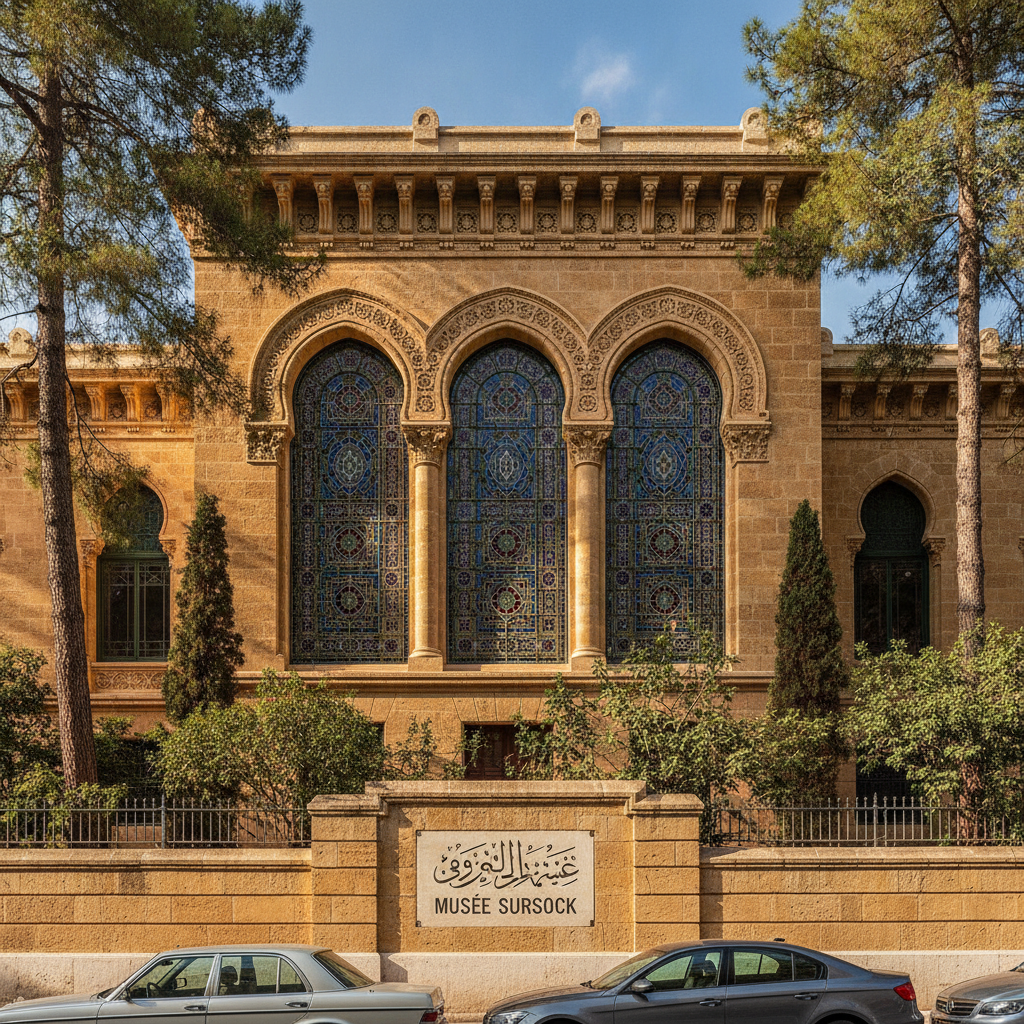
Khalil Gibran's The Prophet Has Sold Over 100 Million Copies in 108 Languages Making It the Third Best-Selling Book of the 20th Century After the Bible and the Quran; the Kahan Commission Found Ariel Sharon Bore Personal Responsibility for the Sabra and Shatila Massacre of 762-3,500 Palestinian Civilians; Fairuz Has Been Recording for 70 Years and Is the Best-Selling Arabic-Language Artist of All Time
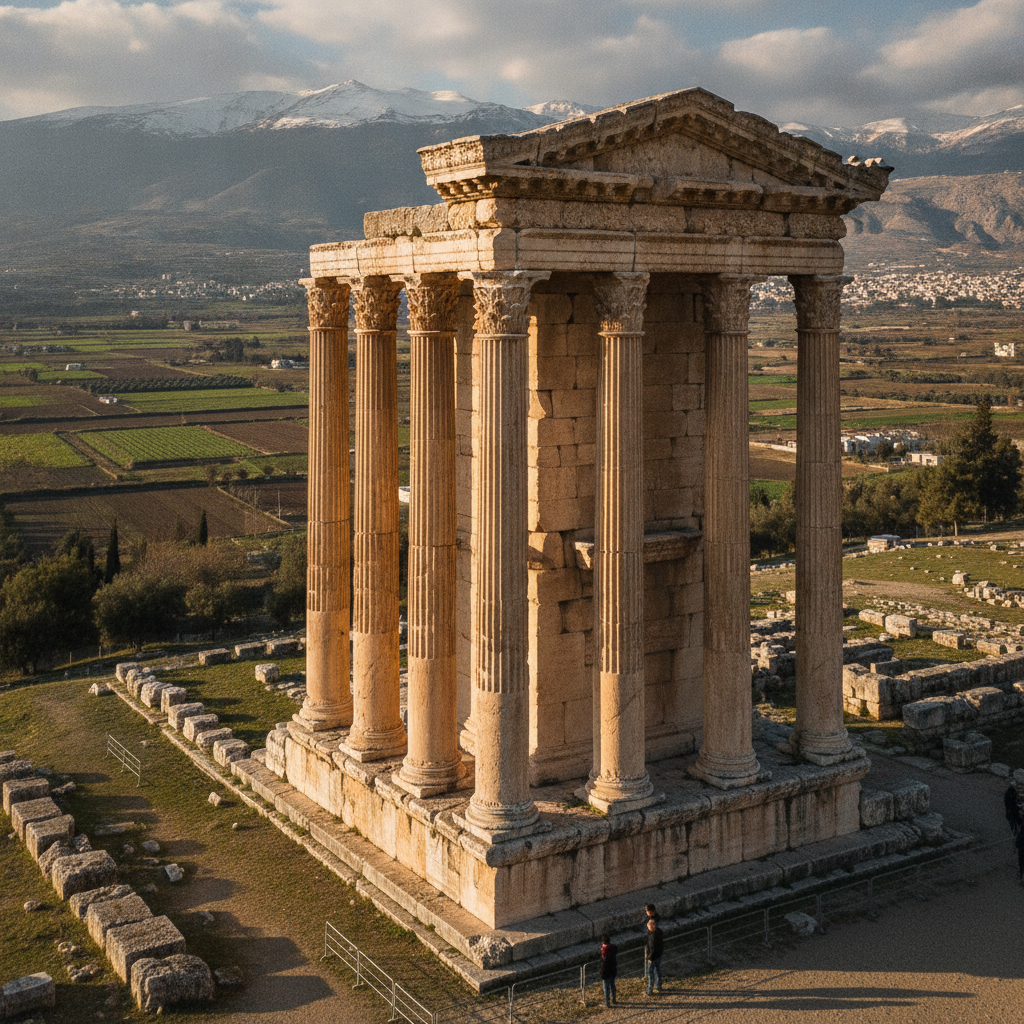
Beirut Day Trips: Byblos, Baalbek Roman Temples, Sidon, and Tyre in the Most Historically Dense Single Small Country
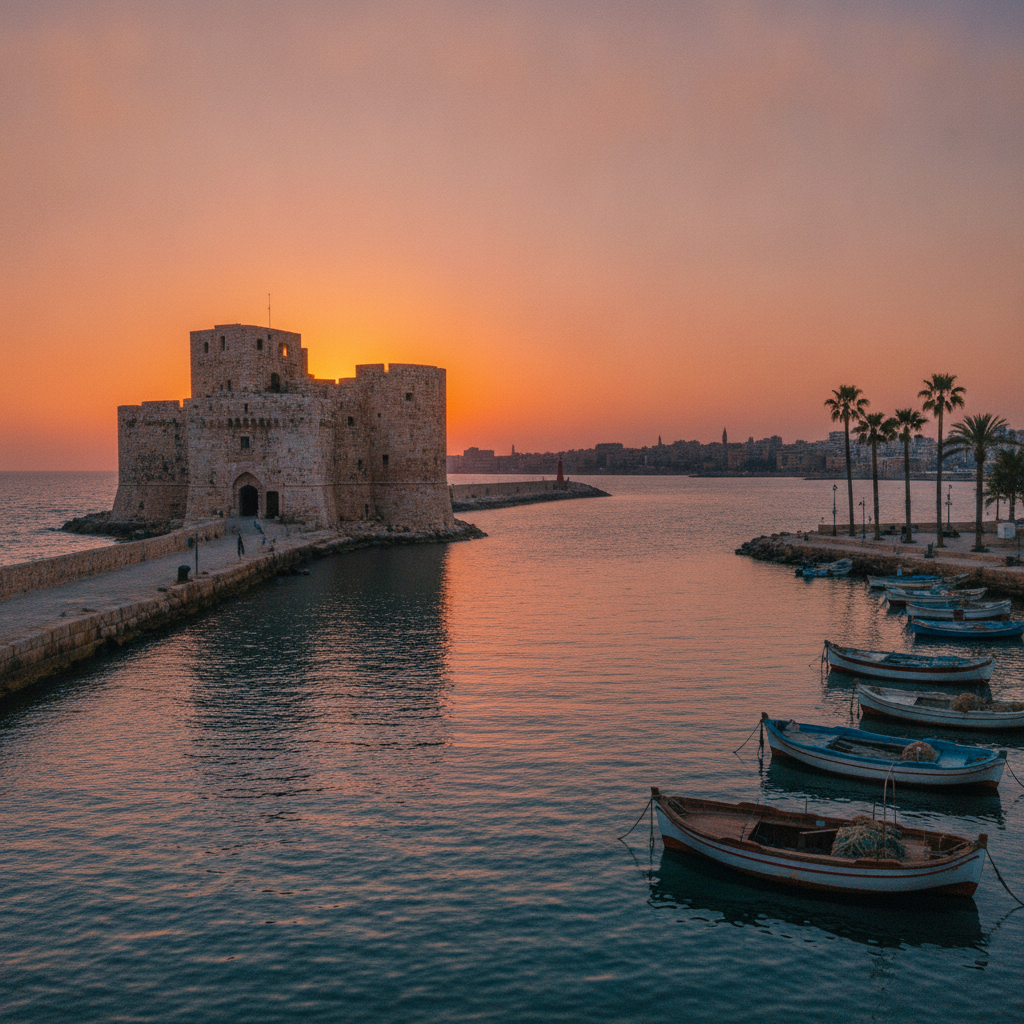
Alexander the Great Built a 60m-Wide 800m-Long Causeway to Reach Island Tyre in 332 BCE and the Sediment Accumulation Has Made It a Permanent Land Bridge Today; the Druze Religion Has Been Closed to Converts and Non-Members Since the 11th Century; the Palestinian Refugee Camp Ain al-Hilweh Houses 80,000 People in 2 Square Kilometers Making It the Densest Urban Area in Lebanon
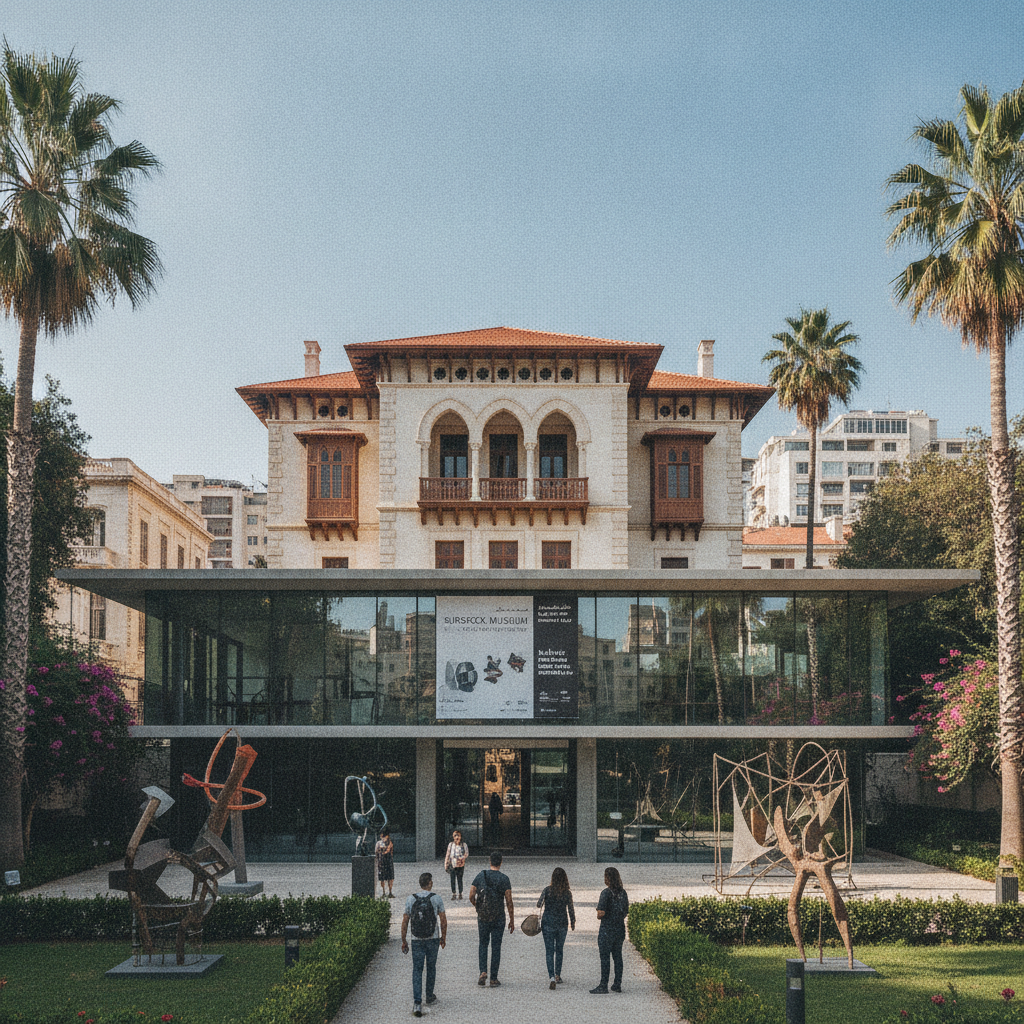
Beirut Arts: The Sursock Museum, the Theatre and Cinema Scene, the Gallery Circuit, and the Most Culturally Ambitious Single Arab Capital
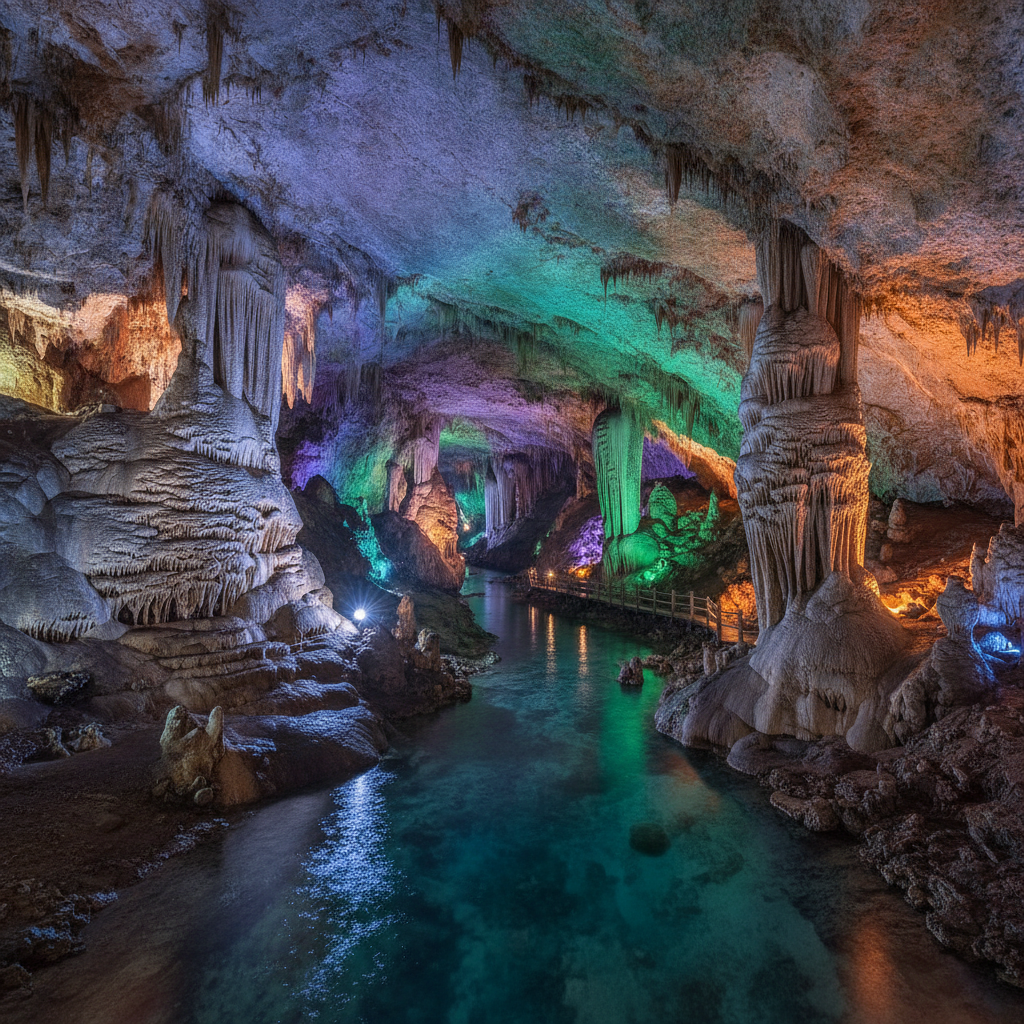
Beirut Region: Tripoli Old Souk, the Jeita Grotto, the Qadisha Valley, and the Most Scenically Diverse Single Small Country