The 2,750 Tonnes of Ammonium Nitrate Stored for 6 Years in Beirut Port Before the 2020 Explosion Equivalent to 1.1 Kilotons TNT, the Ahiram Sarcophagus Carries the Earliest Complete Phoenician Alphabet, and Lebanon Has the World's Worst Peacetime Economic Collapse Since WWII
The 2,750 tonnes of ammonium nitrate stored without precaution for 6 years in Beirut Port before the August 4, 2020 explosion (1.1 kiloton TNT equivalent killing 218 people); the Ahiram sarcophagus (850 BCE) bearing the earliest complete Phoenician alphabet ancestor of Greek, Latin, Arabic, and Hebrew scripts; Solidere's controversial reconstruction of downtown Beirut; the October 2019 cross-sectarian Revolution; Lebanon's World Bank-documented economic collapse; and the Corniche Beirut as the city's primary shared public space with the Pigeon Rocks.
- 1
Downtown Beirut – Solidere Reconstruction and Phoenician Archaeology
Downtown Beirut (the Solidere reconstruction of central Beirut after the 1975-1990 Civil War and the remarkable Phoenician archaeology uncovered beneath): the urban history guide. The Civil War (the Lebanese Civil War 1975-1990, 15 years of conflict involving Lebanese Christian Phalangists, Lebanese Muslim factions, Palestinian PLO, Syrian, and Israeli forces: approximately 150,000 killed and 1 million displaced: the Green Line (the ceasefire demarcation line dividing Beirut into Christian East Beirut and Muslim West Beirut ran through what is now Downtown Beirut: the Solidere reconstruction (Solidere — Societe Libanaise pour le Developpement et la Reconstruction de Beyrouth — the private real estate company created by Prime Minister Rafik Hariri in 1994 to reconstruct downtown Beirut: Solidere acquired land from approximately 120,000 landowners: the company rebuilt the downtown as a high-end commercial district: the archaeological finds (the Solidere excavations 1994-2000 uncovered a complete urban archaeological sequence beneath the destroyed downtown: the Phoenician port 3rd millennium BCE: the Hellenistic city: Roman insulae (city blocks) with mosaic floors: Byzantine church: Umayyad commercial district: the finds are displayed in the Beirut National Museum and in situ under glass on Martyrs Square: the Place de l'Etoile (the rebuilt downtown centerpiece with a French Mandate-era clock tower surrounded by restored Ottoman and French Mandate facades).
- 2
Martyrs Square and the October 2019 Revolution
Martyrs Square (Sahat al-Shuhada) — the primary public space of Beirut and the site of the 2019 Lebanese Revolution: the political history guide. The history (Martyrs Square was called Place des Canons (Cannon Square) in the Ottoman period: the Martyrs Statue commemorates Lebanese and Syrian nationalist leaders hanged by Ottoman governor Jamal Pasha on May 6, 1916 (still commemorated as Martyrs Day): the statue was deliberately left with bullet holes and shrapnel scars from the Civil War as a memory of conflict: the 2019 Revolution (the October 2019 Lebanese Revolution (Thawra) began on October 17, 2019 when the government proposed a tax on WhatsApp voice calls: within 24 hours hundreds of thousands of Lebanese took to the streets in the largest protest movement in Lebanese history: the movement was notable for its cross-sectarian character with Lebanese Christians, Muslims (Sunni, Shia, Druze) and non-sectarian protesters together: the 2020 Beirut Port Explosion (on August 4, 2020 a warehouse containing 2,750 tonnes of ammonium nitrate stored without precautions for 6 years exploded at the Beirut Port: the explosion killed 218 people: injured 7,000: destroyed 77,000 apartments in a 6 km radius: the explosion was one of the largest non-nuclear explosions in history equivalent to 1.1 kilotons TNT).
- 3
The Corniche Beirut – Mediterranean Promenade and Pigeon Rocks
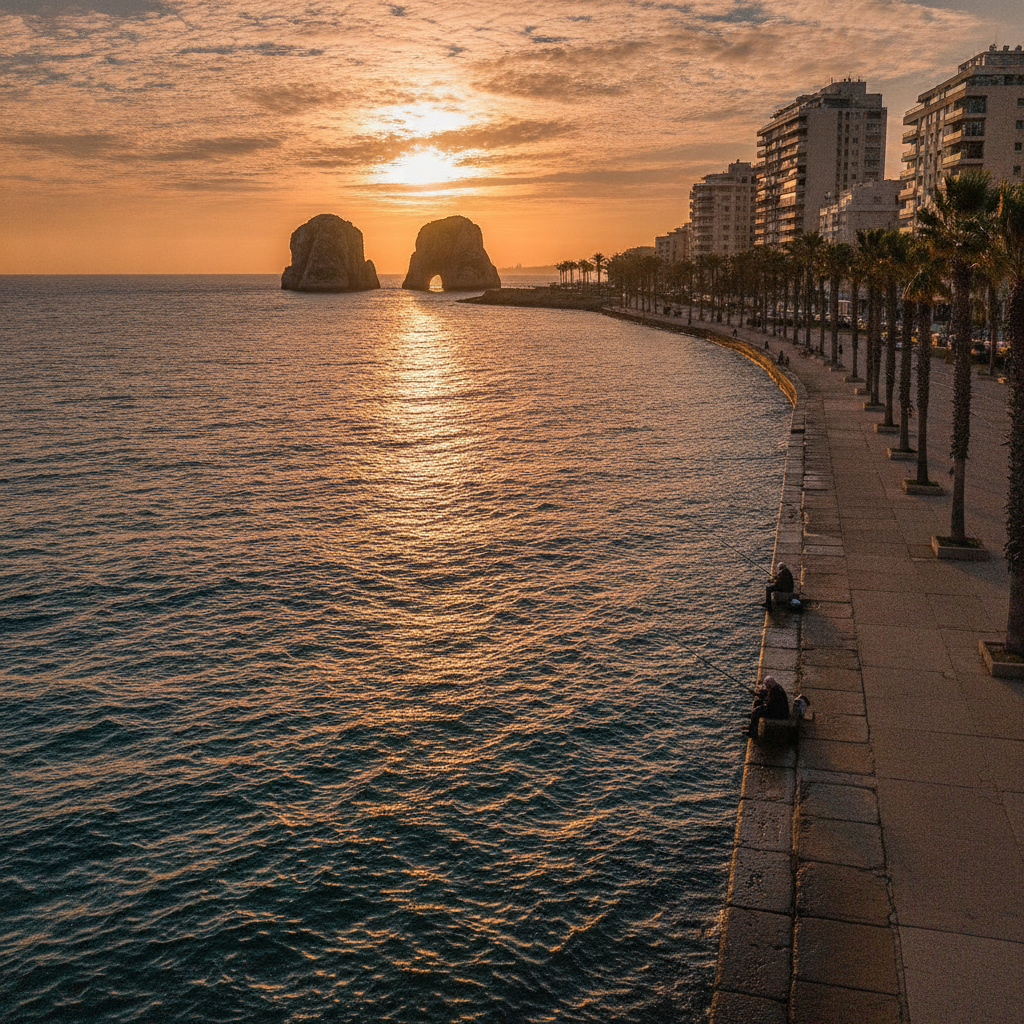
The Corniche (Al-Corniche) — the 4.8 km seafront promenade running along the western Mediterranean coastline of Beirut: the promenade guide. The physical setting (the Corniche runs at the base of limestone cliffs forming the western edge of the Ras Beirut peninsula: the Pigeon Rocks (Raouche Rocks, Sakhrit ar-Rawsheh) — two natural sea stacks at the southwestern tip of the Corniche: the taller stack is approximately 40m high: the most photographed landmark in Beirut: the social life (the Corniche is the primary shared public space in Beirut — a city with few public spaces due to private beach resort culture: the Corniche is used by all segments of Beirut society simultaneously: the early morning fishermen casting long poles over the sea wall: the evening walkers and runners: the ahweh (coffee) sellers with tiny gas burners and Arabic coffee: the political graffiti (the Corniche walls carry one of the densest accumulations of political graffiti in the world — protest art from the 2019 Revolution and 2020 Port Explosion aftermath: the Ramleh al-Bayda (the last public beach in Beirut — a small public sand beach at the southern end: effectively privatized by the adjacent Summerland Hotel — a matter of ongoing political dispute in a city where almost all waterfront access is privately owned).
- 4
The Beirut National Museum – Phoenician Alphabet and Civil War Survival
The Beirut National Museum (Mathhaf Bayrut al-Watani) — the primary archaeology museum of Lebanon and one of the most important Phoenician heritage collections in the world: the museum guide. The museum (opened 1942: the collection spans 1.2 million years of Lebanese history from the Paleolithic to the Ottoman period: the Civil War damage (the museum building stood directly on the Green Line — it was used as a military post by both sides: the staff encased the largest statues and sarcophagi in concrete blocks to protect them from shelling: smaller artifacts were buried in basement storage: the most vulnerable portable pieces went to a vault in the Central Bank of Lebanon: the reopening (the museum reopened 1997 after restoration: the concrete blocks were removed from the statues: the primary collections: the Ahiram sarcophagus (850 BCE) — the sarcophagus of the king of Byblos bearing an inscription considered the earliest complete example of the Phoenician alphabet — the direct ancestor of Greek, Latin, Arabic, and Hebrew writing systems: the Eshmunazar II sarcophagus (470 BCE) — a basalt anthropoid sarcophagus with the longest known Phoenician inscription: the Roman-period mosaic collection from the Downtown Beirut excavations: the Roman glass collection).
- 5
Gemmayzeh and Mar Mikhael – Beirut's Creative Neighborhoods
Gemmayzeh and Mar Mikhael (adjacent neighborhoods on the eastern edge of central Beirut): the neighborhood guide. The architecture (the neighborhoods contain the largest surviving concentration of French Mandate-era residential architecture in Beirut — three- and four-story limestone buildings with the characteristic triple-arched window facades (the Lebanese arch: wide central arch flanked by two narrower arches) that are the primary visual symbol of traditional Beirut domestic architecture: the 2020 explosion damage (Gemmayzeh and Mar Mikhael were the most severely damaged neighborhoods — within 1.5 km of the port: hundreds of the French Mandate-era limestone buildings were gutted by the blast wave: the reconstruction (a mixed picture: some buildings restored by heritage NGOs: others remain damaged shells: some property owners selling to developers who replace old buildings with modern construction: the street art (the explosion aftermath generated an outpouring of street art and graffiti across both neighborhoods with murals commemorating explosion victims: the food scene (the primary food and nightlife corridor — Armenia Street and Gouraud Street — remains active despite damage: the Armenian Quarter (Bourj Hammoud) adjacent to Mar Mikhael — a densely populated Armenian community descended from survivors of the 1915 Ottoman genocide who settled in Lebanon from the 1920s onward).
- 6
Beirut Practical Guide – Currency Crisis, Food, Transport, and Safety
The Beirut practical guide (essential visitor information for Beirut in 2025 during the ongoing Lebanese economic crisis): the practical guide. The Lebanese economic crisis (the Lebanese financial crisis 2019-present — described by the World Bank as one of the most severe peacetime economic collapses since the mid-19th century: the Lebanese pound (LBP) exchange rate collapse from LBP 1,507 per USD (official rate for 20 years) to over LBP 90,000 per USD in 2025 on the parallel market: all practical visitor transactions conducted in USD: the banking crisis (Lebanese banks restricted withdrawals from 2019: most ATMs dispense USD at non-preferential rates or are out of service: visitors should bring sufficient USD cash for the entire trip: the food (the Lebanese mezze tradition: 20-40 small dishes served simultaneously: the primary dishes: hummus, moutabel (smoky eggplant with tahini), kibbeh (minced lamb and bulgur croquettes), tabouleh, fattoush: a full mezze lunch at a mid-range restaurant costs approximately USD 15-25 per person: the transport (Beirut Rafic Hariri International Airport (BEY) is 9 km south of the city center: no public transport from the airport: shared taxi (service, serveece) to city center costs approximately USD 2: private taxi USD 25-35: no metro or tram: the Uber app does not operate in Lebanon — local ride-hailing apps (Allo Taxi, Tirhal) available: the safety (Beirut was safe for tourism in 2025 though the economic crisis has increased petty crime: the southern suburbs (Dahiyeh) have Hezbollah political presence and are not tourist areas: the south of Lebanon near the Israeli border is a conflict zone and should be avoided).
Walk this route with audio
Stories play automatically as you reach each stop — no tapping needed.
More in Beirut
Khalil Gibran's The Prophet Has Sold Over 100 Million Copies in 108 Languages Making It the Third Best-Selling Book of the 20th Century After the Bible and the Quran; the Kahan Commission Found Ariel Sharon Bore Personal Responsibility for the Sabra and Shatila Massacre of 762-3,500 Palestinian Civilians; Fairuz Has Been Recording for 70 Years and Is the Best-Selling Arabic-Language Artist of All Time
Hezbollah Secretary-General Hassan Nasrallah Killed by Israeli Strike September 27, 2024 After 32 Years Leading the Movement; the 2005 Rafik Hariri Assassination Car Bomb Contained 1,000 kg TNT and Triggered the Cedar Revolution Ending Syria's 29-Year Military Presence in Lebanon; Lebanon's 18 Recognized Religious Communities Make It the Most Religiously Diverse Country in the Arab World
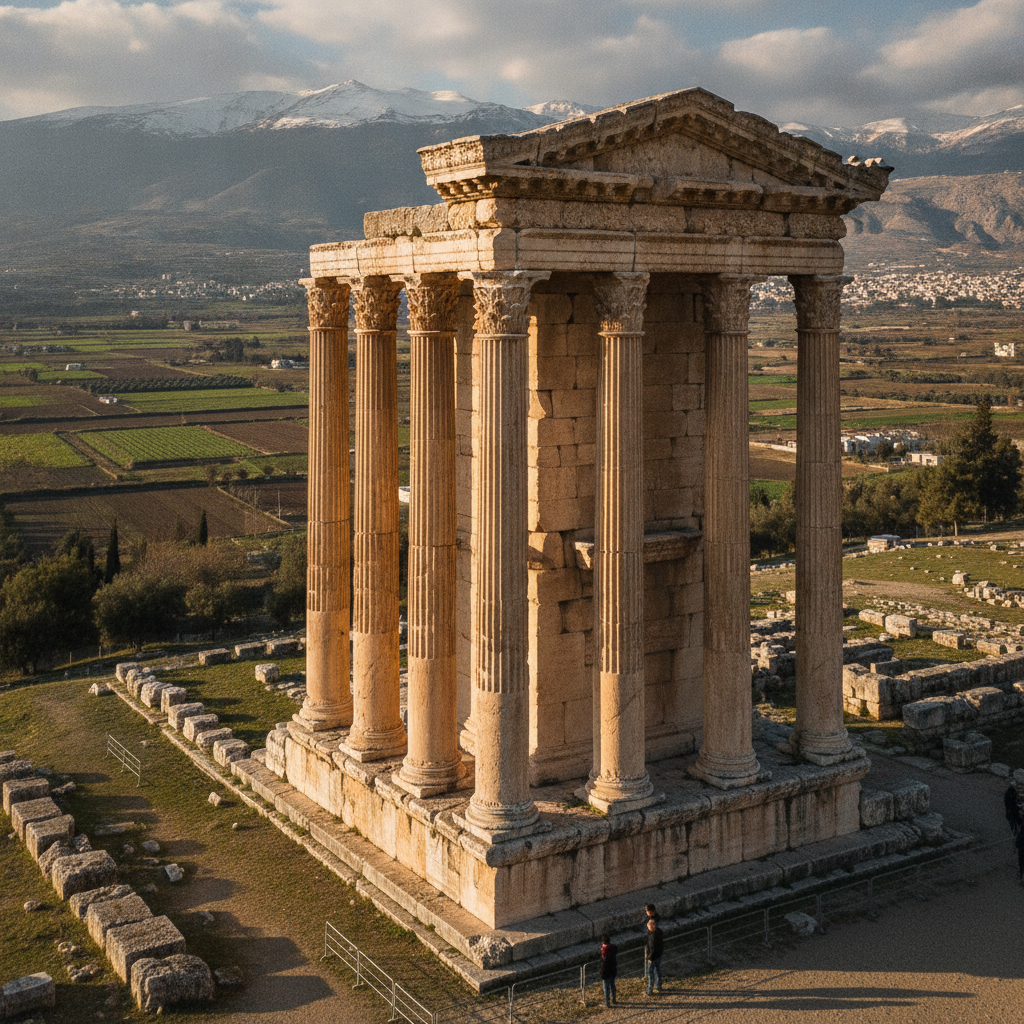
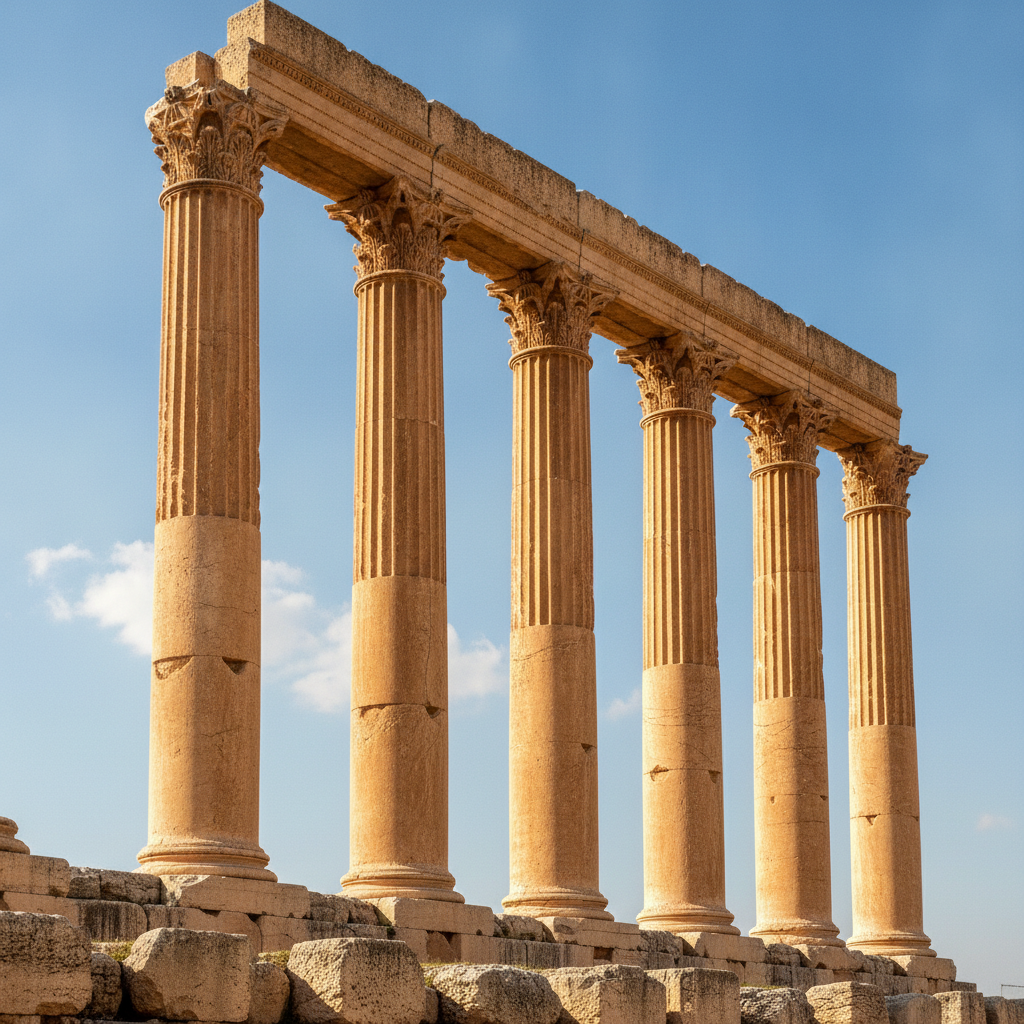
Beirut Day Trips: Byblos, Baalbek Roman Temples, Sidon, and Tyre in the Most Historically Dense Single Small Country
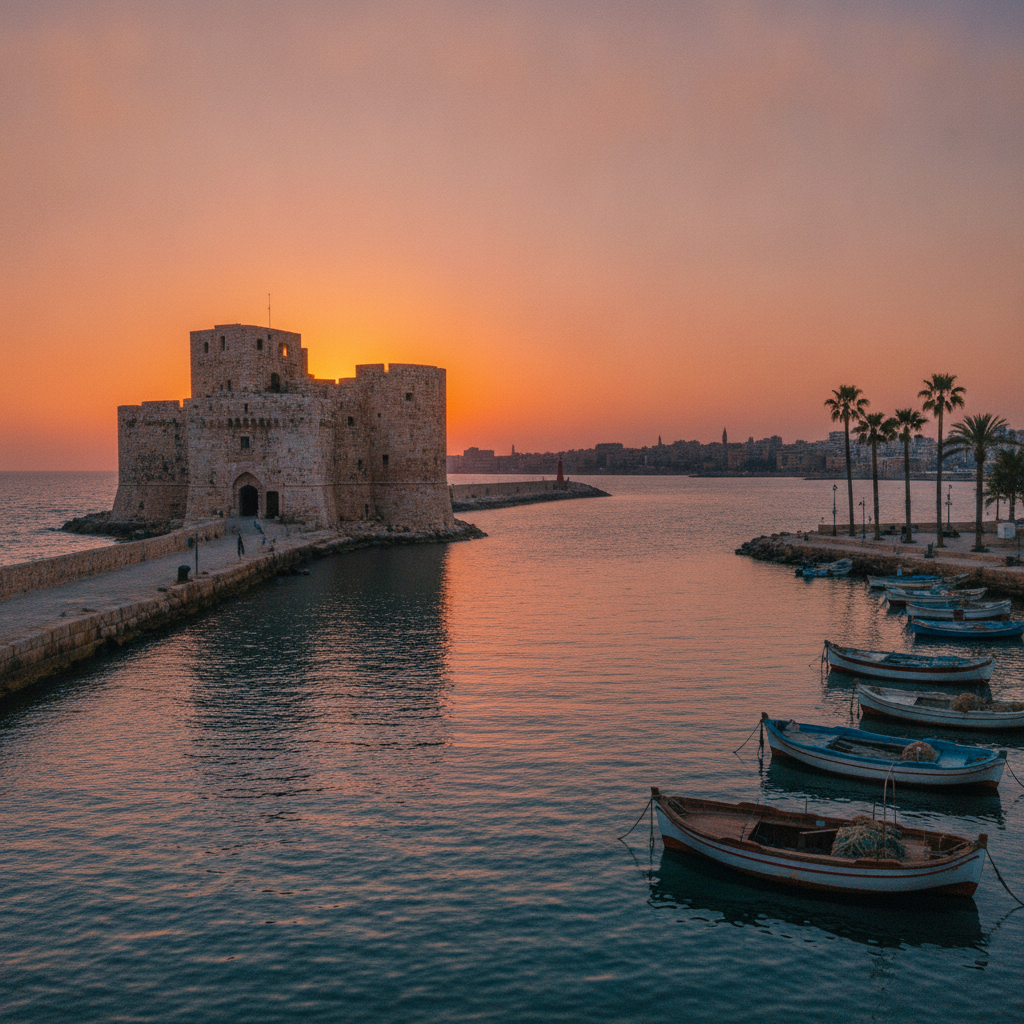
Alexander the Great Built a 60m-Wide 800m-Long Causeway to Reach Island Tyre in 332 BCE and the Sediment Accumulation Has Made It a Permanent Land Bridge Today; the Druze Religion Has Been Closed to Converts and Non-Members Since the 11th Century; the Palestinian Refugee Camp Ain al-Hilweh Houses 80,000 People in 2 Square Kilometers Making It the Densest Urban Area in Lebanon
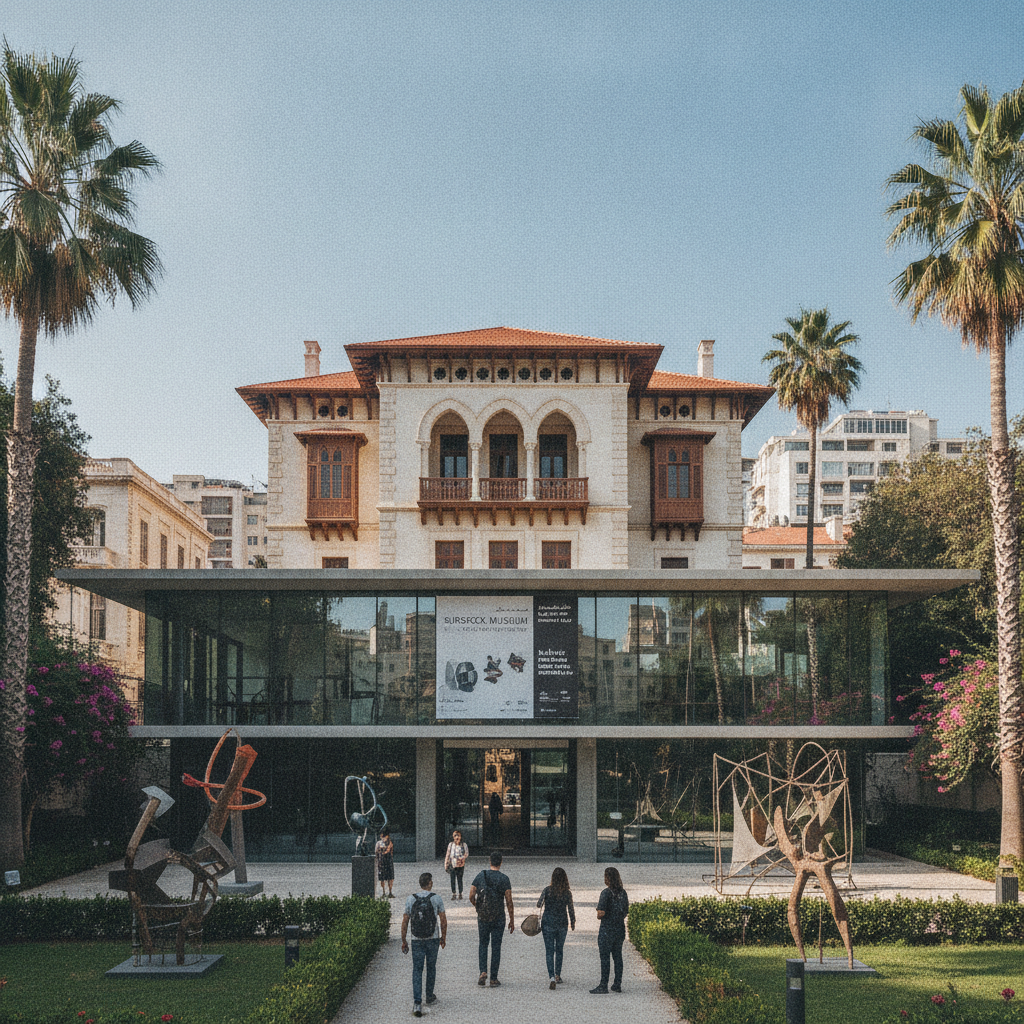
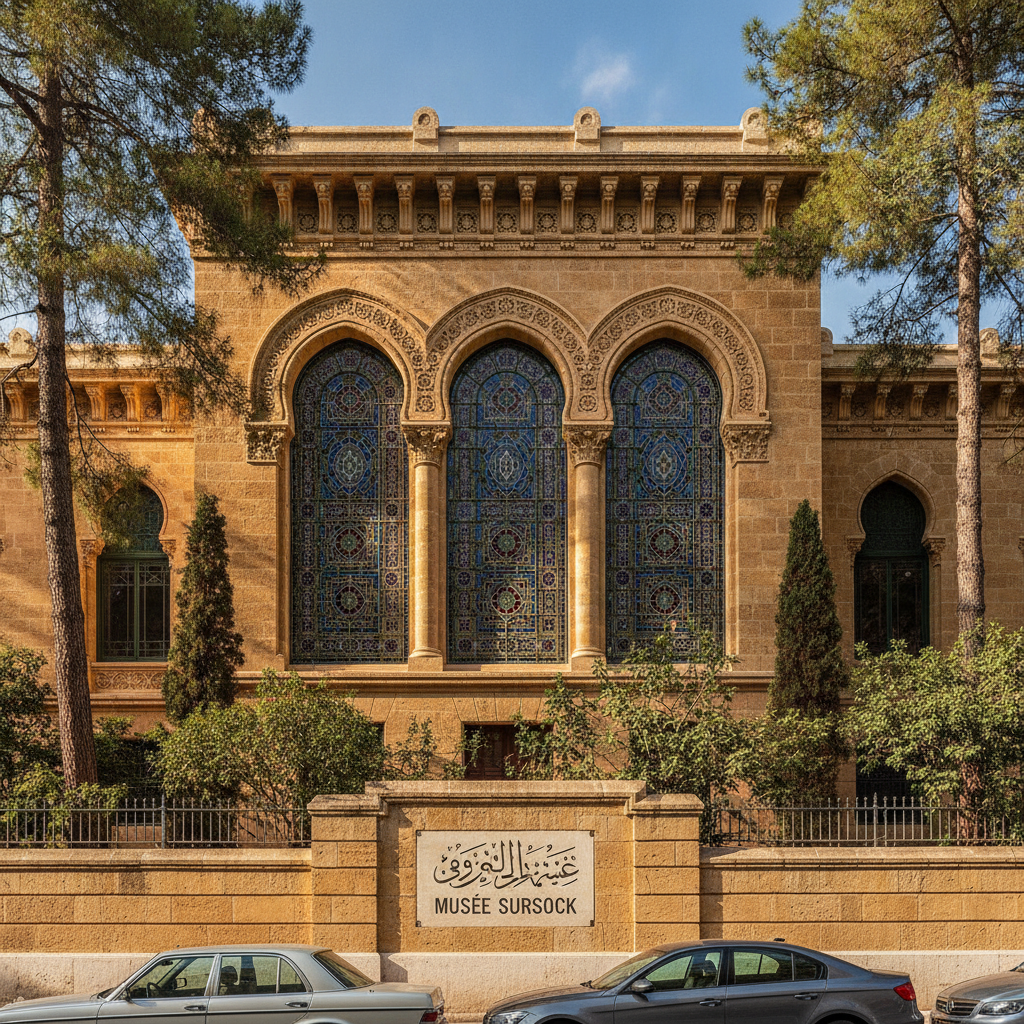
Beirut Arts: The Sursock Museum, the Theatre and Cinema Scene, the Gallery Circuit, and the Most Culturally Ambitious Single Arab Capital