Hutong & Siheyuan — Old Beijing's Courtyard City
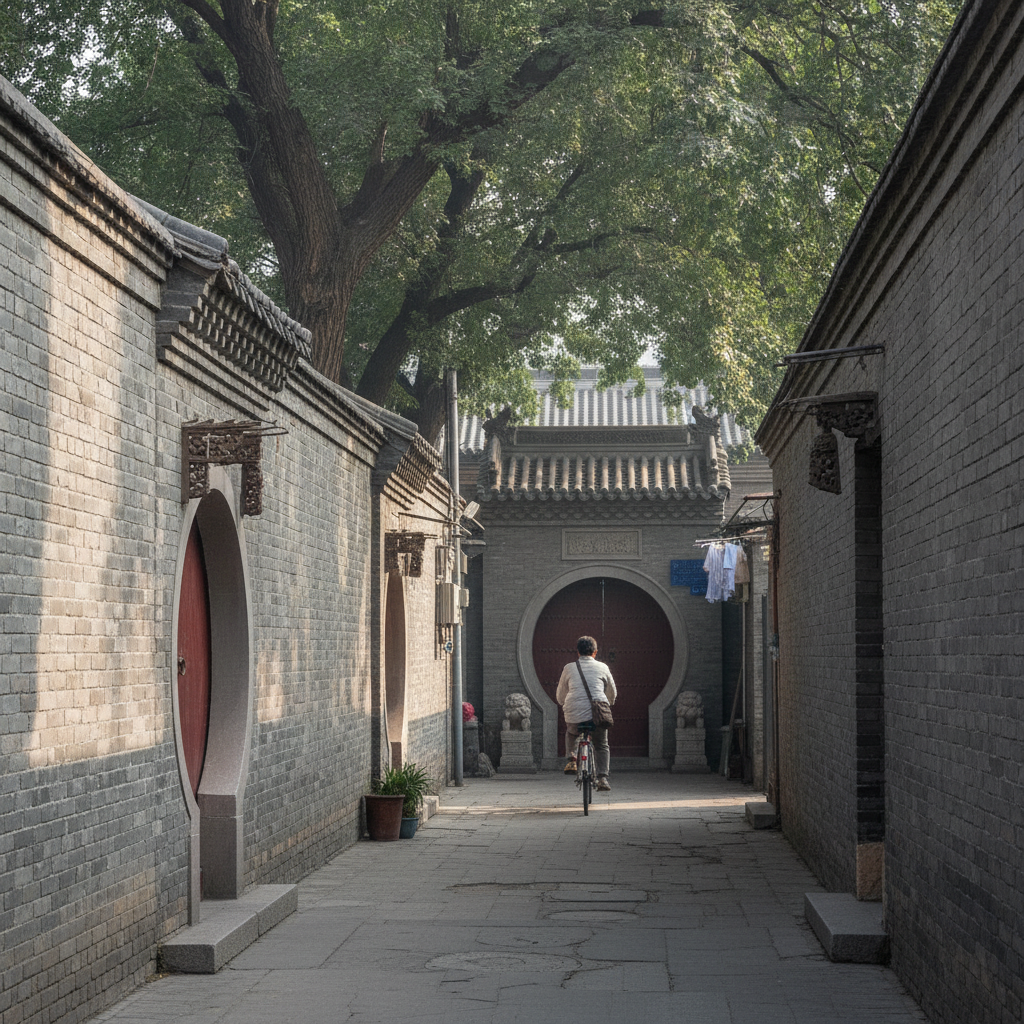
The hutong (胡同 — the narrow alleyways of old Beijing, originally laid out in a grid during the Yuan dynasty (1271-1368) when Kublai Khan's city planner Liu Bingzhong designed the capital Dadu) and the siheyuan (四合院 — the enclosed courtyard house with buildings on all four sides of a central courtyard, the standard form of residential architecture in Beijing for 700 years) together form the historic urban fabric of pre-1949 Beijing, now surviving mainly in the Dongcheng and Xicheng districts.
- 1
Nanluoguxiang — Beijing's Most Famous Hutong
Nanluoguxiang (南锣鼓巷 — 'South Gong and Drum Alley', an 800-metre north-south hutong in the Dongcheng district of central Beijing, running between the Drum Tower (Gulou) and Di'anmen Street — the most visited hutong in Beijing and the most accessible introduction to the traditional hutong environment): the hutong (originally laid out in the Yuan dynasty (1271-1368) as part of the rectilinear grid of Dadu, one of the oldest surviving hutong in Beijing) has been gentrified since approximately 2005 into a tourist and entertainment street, with boutique shops (traditional crafts, contemporary design, vintage clothing), cafes, bars, restaurants, and street food stalls occupying the former siheyuan courtyard house compounds that line the alley; the eight lateral hutong that branch east and west from Nanluoguxiang (the 'eight hutong tributaries' — Mao'er, Ju'er, Shajing, Heizhima, Banchang, Jingyang, Fuguosi, and Qiangu hutong — all dating from the Yuan and Ming dynasties) are less touristic and preserve more authentic residential character; the siheyuan gateway architecture visible along Nanluoguxiang and its tributaries (the drum-stone gate pillars (门墩), the decorative gateway lintels (门楼), and the occasional surviving ornamental inner gate (垂花门)) documents the gradation of social status in the traditional Beijing residential hierarchy.
- 2
Shichahai Lakes — Beijing's Most Scenic Historic Quarter
Shichahai (什刹海 — 'Ten Temple Lake', the three connected lakes in the Xicheng district of central Beijing — Qianhai (前海 — 'Front Lake'), Houhai (后海 — 'Back Lake'), and Xihai (西海 — 'West Lake') — covering approximately 34 hectares of water in the northern quarter of the historic inner city): the Shichahai area (the most scenic of the inner city lake areas, surrounded by weeping willows (垂柳 — the characteristic tree of the Beijing lakeside), with the Silver Ingot Bridge (银锭桥 — Yíndìng Qiáo — the single-arch marble bridge between Qianhai and Houhai, the most photographed bridge in the hutong districts) at the connection point between the two main lakes) is the social and recreational heart of the Beijing hutong area; the Houhai bar and restaurant district (the bar and café terraces that have colonized the north shore of Houhai since approximately 2000, now the most atmospheric outdoor drinking area in Beijing, with views across the lake to the Drum Tower (鼓楼 visible above the rooflines of the hutong to the north)) is the evening entertainment focus; Prince Gong's Mansion (恭王府 — Gōngwáng Fǔ — the 18th-century private garden and mansion of the Qing prince Yixin, Prince Gong (1833-1898), the largest surviving private garden in Beijing (60,000 square metres) and the purported inspiration for the Rong Guo Fu mansion in the classic Qing dynasty novel Dream of the Red Chamber (红楼梦 — Hónglóu Mèng)) is directly adjacent to the Houhai lake.
- 3
Siheyuan Courtyard Houses — Beijing's Vanishing Architecture
Siheyuan (四合院 — 'four-sided courtyard' — the enclosed courtyard house consisting of four buildings arranged around a central courtyard, the standard residential building type of Beijing from the Yuan dynasty (1271-1368) through the early 20th century): the siheyuan (ranging in size and elaborateness from the grand multi-courtyard mansions of the Qing aristocracy (the 'three-courtyard' (三进院 — sān jìn yuàn) or 'four-courtyard' (四进院) compounds of nobles and high officials, with elaborately carved stone gate guardians (门墩), ornamental inner gates (垂花门), carved beam brackets and painted galleries, private gardens, and multiple reception halls) to the modest single-courtyard houses of ordinary Beijing residents) have been heavily demolished during the post-1949 urban redevelopment of Beijing (an estimated 80% of Beijing's pre-1949 housing stock has been demolished, with the surviving hutong area reduced from approximately 6,000 hutong to approximately 1,000); the most intact surviving siheyuan architecture is in the Dongcheng district (the Nanluoguxiang, Beiluoguxiang, and Andingmen hutong areas) and the Xicheng district (the Shichahai and Xisi hutong areas); organized siheyuan tours (some traditional courtyard houses now operate as guesthouses (院子 — yuànzi — boutique courtyard hotels, the most atmospheric accommodation in Beijing) or cultural experience centres).
- 4
Gulou — Drum Tower Neighbourhood & the Historic North Quarter
Gulou (鼓楼 — the Drum Tower neighbourhood in the Dongcheng district of northern Beijing, centred on the Drum Tower (鼓楼) and Bell Tower (钟楼) at the northern terminus of the Imperial Axis): the Gulou area (the most rapidly gentrifying hutong neighbourhood in Beijing, with the most concentrated cluster of independent cafes, bars, vintage shops, and restaurants in a hutong setting in the city) is simultaneously Beijing's most fashionable neighbourhood for young creatives and one of the last areas where a relatively authentic hutong residential environment survives; the Drum Tower (鼓楼 — Gǔlóu — the 46.7-metre red timber tower originally built by Kublai Khan in 1272 as the principal timekeeper of the Yuan capital Dadu — the most impressive surviving Yuan dynasty monument in Beijing) and the Bell Tower (钟楼 — Zhōnglóu — the grey stone Qing dynasty tower 100 metres to the north, housing the 63-tonne cast-iron bell that sounded the hours) together mark the northern end of the ancient Imperial Axis; the view from the Drum Tower balcony (looking south directly along the Imperial Axis to the Forbidden City, looking north over the grey tile rooftops of the surviving hutong — the best 360-degree panoramic view of historic Beijing) is the finest urban viewpoint in the city after Jingshan Hill.
- 5
Wangfujing & the Traditional Beijing Shopping Experience
Wangfujing (王府井 — 'Royal Palace Well', the premier commercial street of Beijing in the Dongcheng district, approximately 800 metres long, running north from Chang'an Avenue (长安街 — the main east-west boulevard of Beijing, immediately south of Tiananmen Square) — the most important shopping street in China and one of the most famous in Asia): the street (pedestrianized in 1999, the largest pedestrianization project in Beijing's history) combines international luxury brands (the Wangfujing flagship stores of Hermès, Dior, Louis Vuitton, and virtually every major international luxury house in China have their flagship or primary Beijing stores in the Wangfujing area) with Chinese department stores (the Oriental Plaza (东方广场 — the massive mixed-use development on the south end of Wangfujing, one of the largest real estate developments in Asia at the time of its completion in 1999) and the long-established Beijing Department Store (北京市百货大楼 — the state-owned department store established 1955, the original flagship of socialist retail in Beijing)) and the famous Wangfujing Snack Street (王府井小吃街 — the covered street food market to the east of the main Wangfujing pedestrian zone, famous for its exotic street food items (scorpions on skewers, deep-fried insects, starfish on sticks) targeted primarily at curious tourists).
- 6
Dashanzi & the Beijing Creative Districts
Beijing's creative districts (beyond 798 Art District, the city has developed multiple creative clusters in former industrial and institutional spaces): the creative geography of contemporary Beijing includes: Caochangdi (草场地 — the artist village northeast of 798, established by the artist Ai Weiwei (艾未未) who designed many of the studio buildings himself and lived and worked here until his detention in 2011, now the most important area for serious contemporary art galleries in Beijing outside 798 proper, with a more underground and less commercial atmosphere than the main 798 tourist circuit), Songzhuang Artist Village (宋庄艺术区 — the large artist community in the Tongzhou district of eastern Beijing, established in the early 1990s when a group of avant-garde painters (the 'East Village' artists) relocated from the central city to the then-rural village of Xiaobao, now the largest artist colony in Asia with an estimated 5,000-7,000 artists resident), and the Zhongguancun Science Park (中关村 — the technology and startup district in the Haidian district of northwestern Beijing, adjacent to Peking University and Tsinghua University — the most important technology cluster in China, the Chinese equivalent of Silicon Valley, headquarters to Baidu (百度), Lenovo (联想), ByteDance (字节跳动 — the parent company of TikTok/Douyin), and thousands of Chinese technology startups).
Walk this route with audio
Stories play automatically as you reach each stop — no tapping needed.
More in beijing
798 Art District & Contemporary Beijing — China's Creative Revolution
Forbidden City, Tiananmen & the Imperial Heart of Beijing
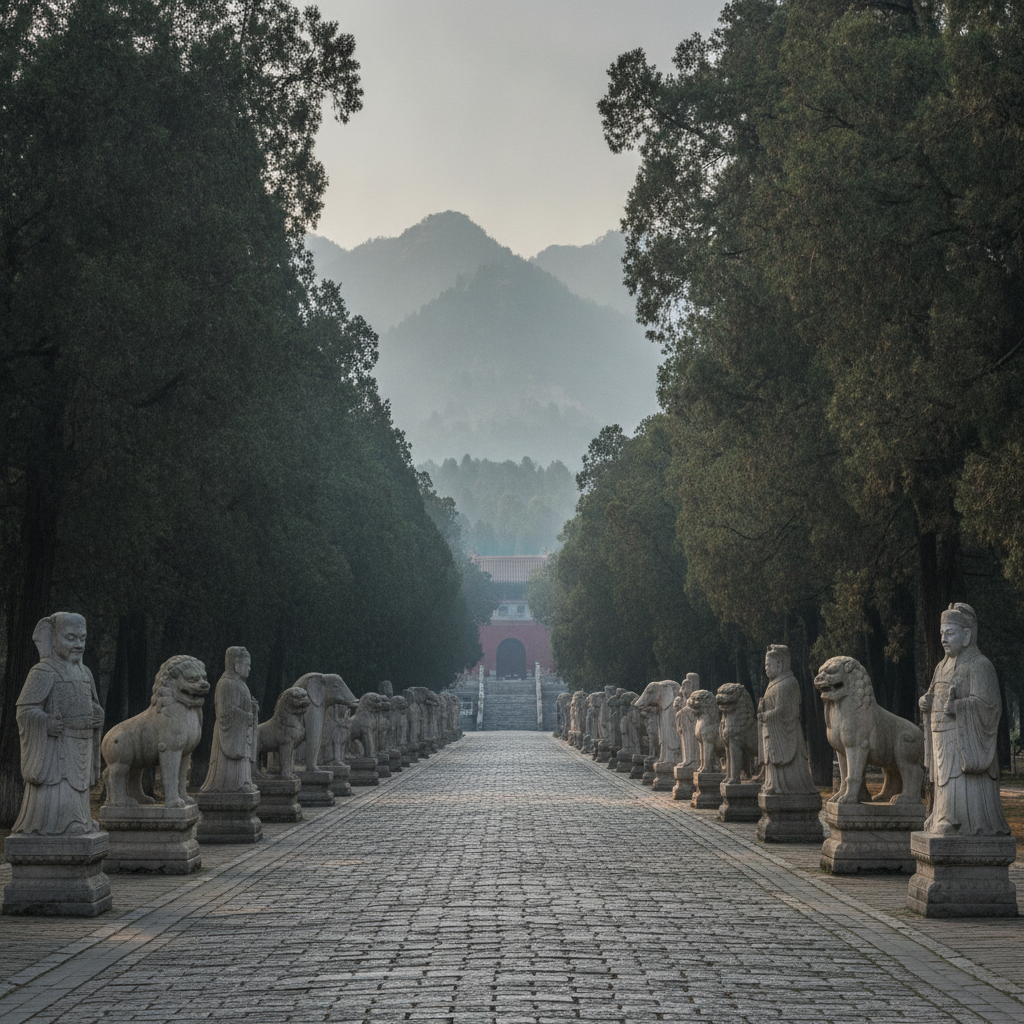
Ming Tombs & the Sacred Way — Beijing's Imperial Necropolis
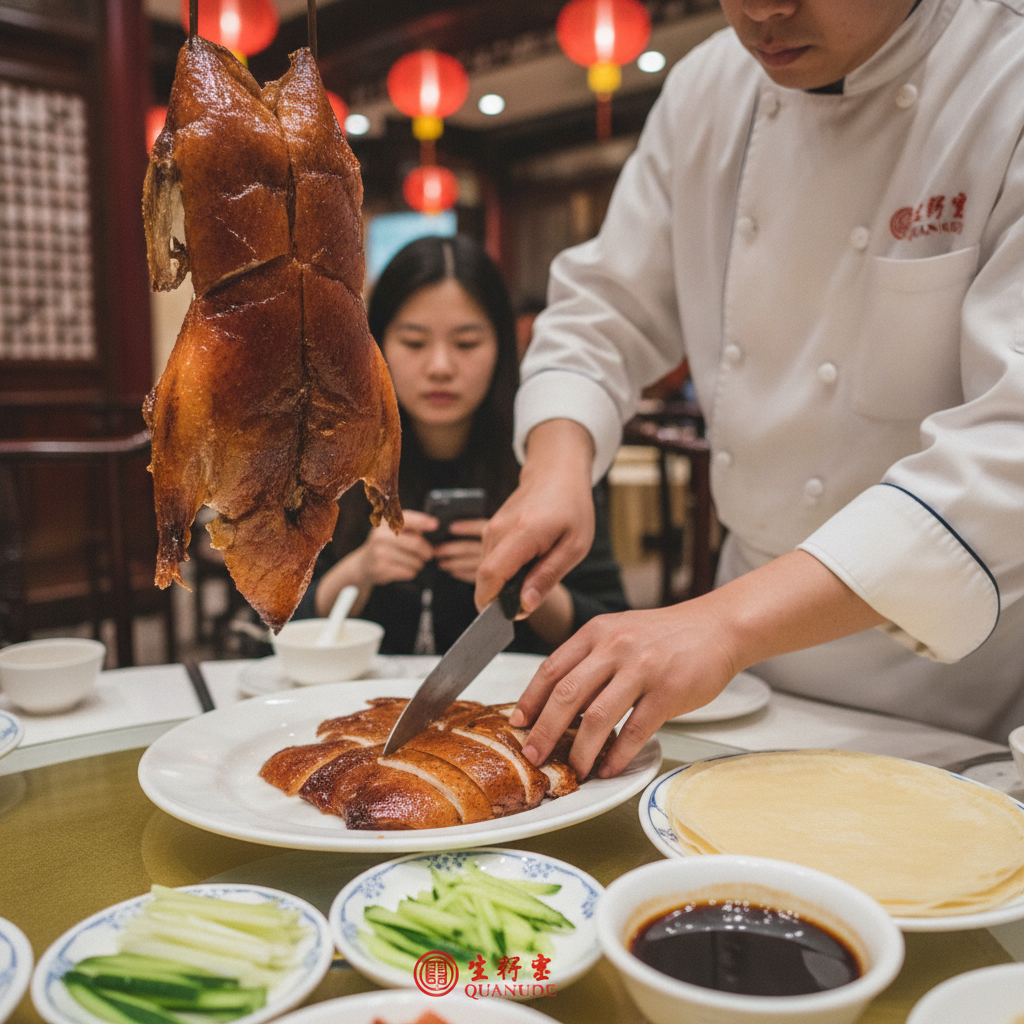
Peking Duck, Jiaozi & the Imperial Gastronomy of Beijing
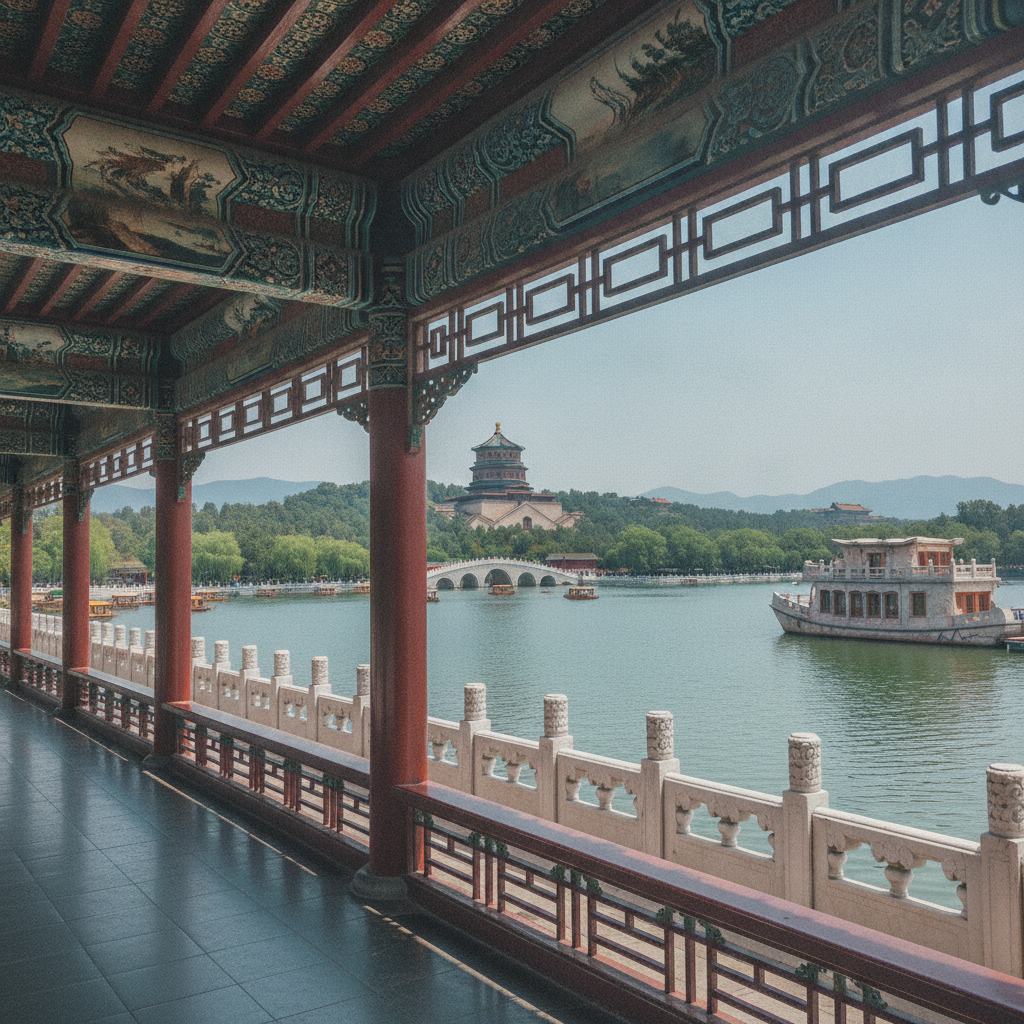
Summer Palace & Yuanmingyuan — Beijing's Imperial Garden Legacy