Bamyan Hazara Culture and Highland Community
Discover the Hazara people of Bamyan — the Mongolian-descended population whose Shiite Muslim faith and distinct cultural identity has made them both culturally distinctive and historically persecuted within Afghanistan, the people of the central highlands who preserved the region's agricultural and pastoral traditions through centuries of isolation.
- 1
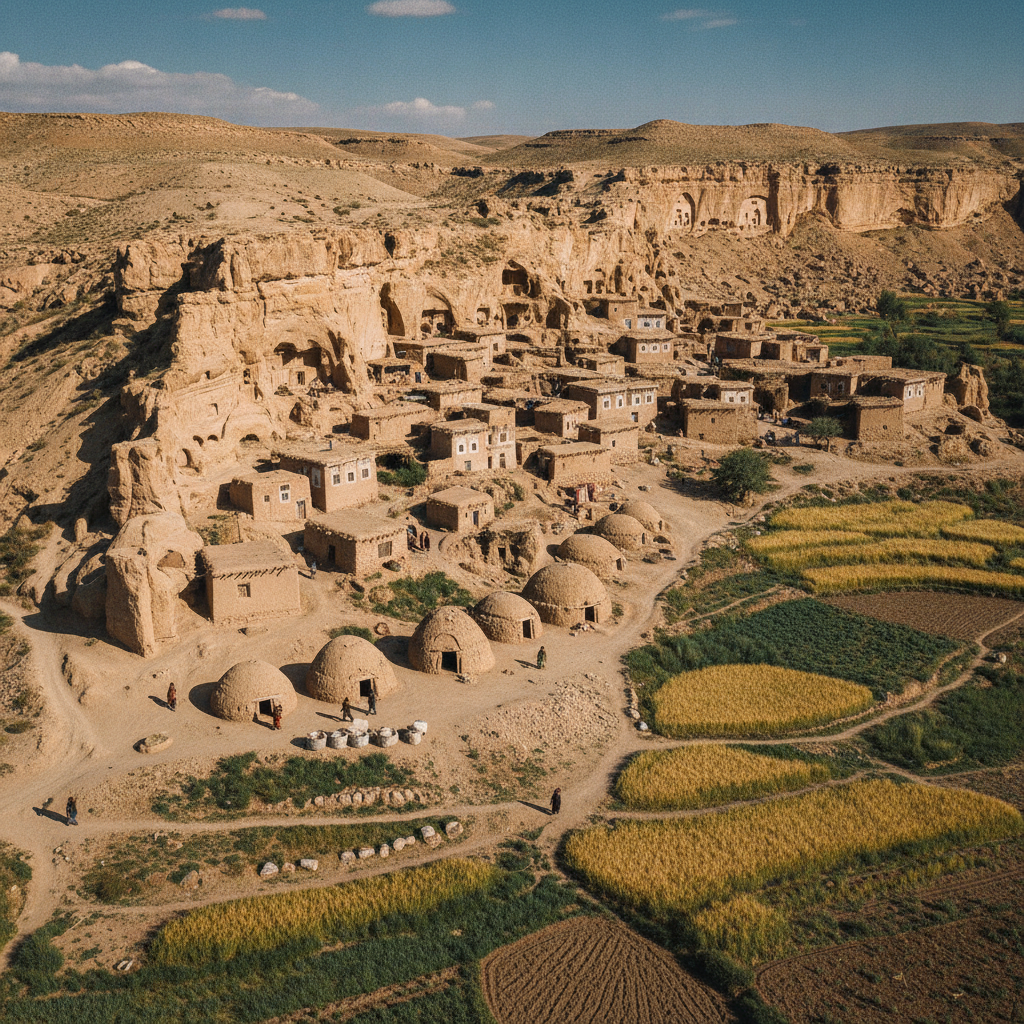
Hazara Village Architecture
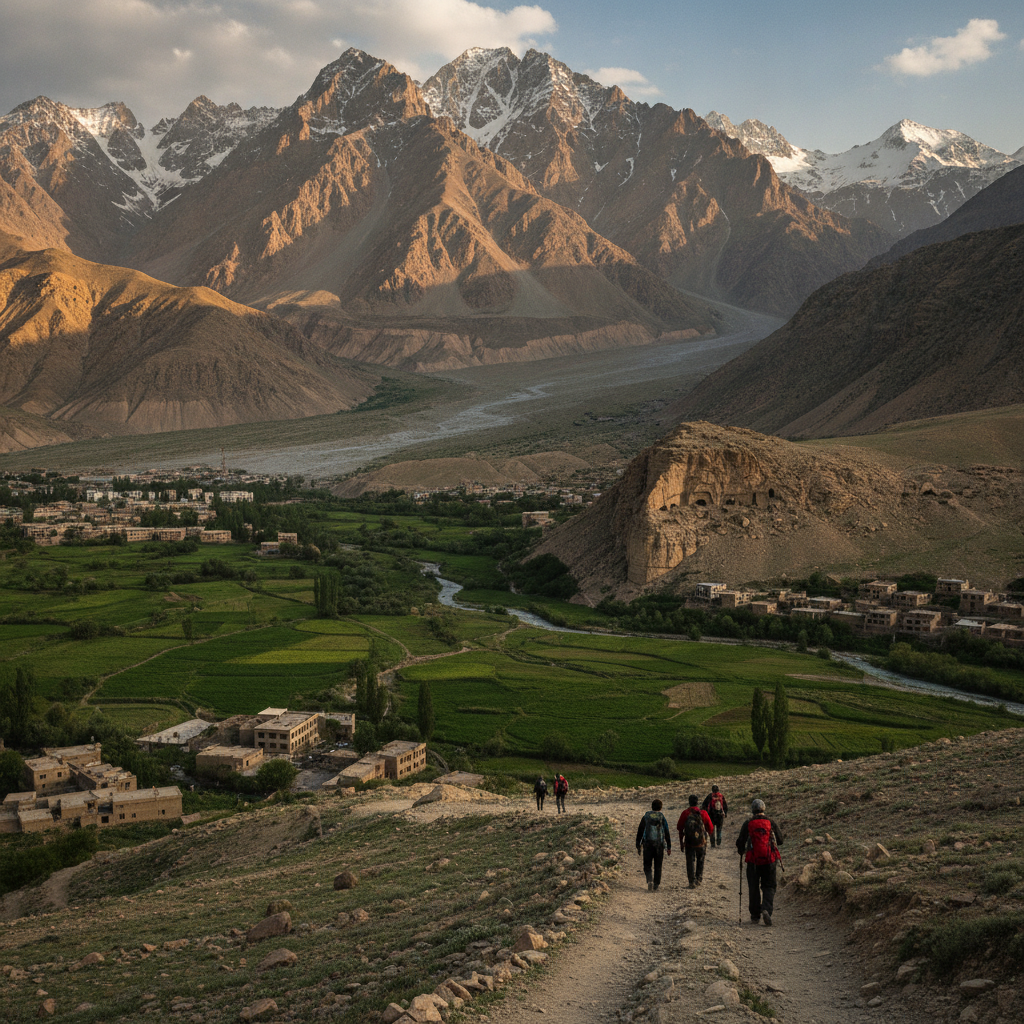
The distinctive architecture of Hazara villages in the Bamyan valley — the flat-roofed mud-brick houses built into the hillsides and cliff faces, the storage rooms dug into the earth to maintain cool temperatures for food preservation, and the communal terraced agriculture fed by the complex irrigation systems of the central highlands.
- 2
Traditional Hazara Dress
The traditional dress of Hazara women in Bamyan — the brightly colored clothing with its distinctive embroidery and the decorated caps worn by women in the marketplace, the textile traditions of the Hazara connecting to Central Asian Turkic and Mongolian heritage in their color use and pattern vocabulary.
- 3
Nawruz Spring Festival
Nawruz celebration in Bamyan — the Persian New Year festival on March 21 that is the most important celebration in the Hazara cultural calendar, the communities gathering for traditional games including buzkashi (goat-carcass polo), music, and the communal meals of samanak (wheat pudding) and other traditional foods of the spring festival.
- 4
Hazara Market Day
Market day in Bamyan town — the weekly market where the farming communities of the surrounding valleys come to trade agricultural produce, livestock, and handicrafts, the market a social gathering as much as a commercial one, the Hazara farmers' interaction reflecting the tight-knit community bonds of the highland villages.
- 5
Potato Agriculture Bamyan
The potato cultivation of Bamyan — the high-altitude agriculture for which the Bamyan valley is famous throughout Afghanistan, the cool climate and fertile soil producing the potatoes that are a staple crop of the central highlands and an important commercial product sold across the country, the fields covering the valley floor in green in summer.
- 6
Oral Poetry and Music Tradition
The oral poetry and music tradition of the Hazara — the dobyti poetry form and the dambura (long-neck lute) music that are the characteristic artistic expressions of Hazara culture, the singers preserving stories of Hazara history and identity in performances that are central to social gatherings and celebrations across the central highlands.
Walk this route with audio
Stories play automatically as you reach each stop — no tapping needed.