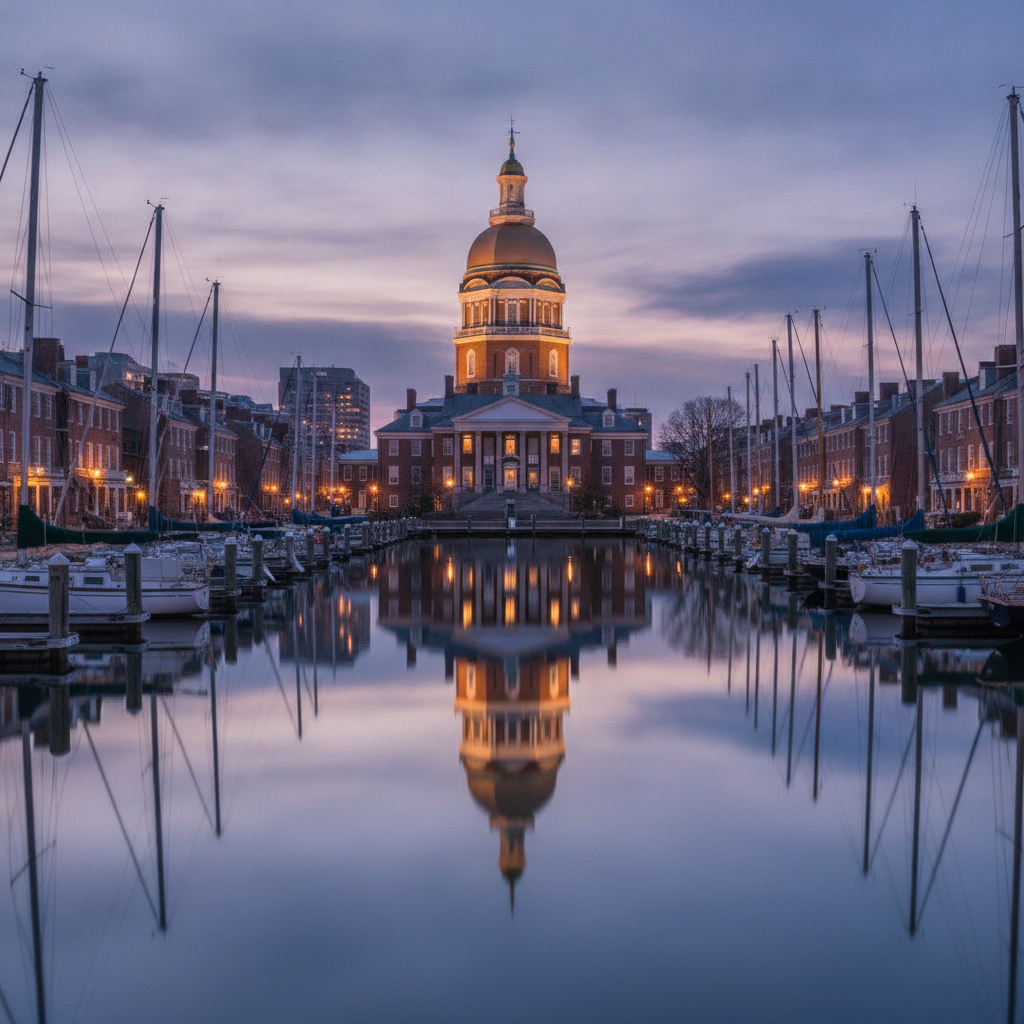
Baltimore: The Ballpark That Changed Baseball, Frederick Douglass Escapes in a Sailor Suit and the First Catholic Cathedral in the US
See how Camden Yards 1992 brick-and-warehouse design became the template for every new ballpark in America, climb Federal Hill where Union artillery aimed at Baltimore during the Civil War to watch the Inner Harbor panorama, follow Frederick Douglass from the Fells Point shipyard caulking apprenticeship to his 1838 escape disguised as a sailor, see the oldest Catholic cathedral in the US designed by Latrobe on Charles Street, understand Cal Ripken 2632 consecutive games at the Orioles park steps from M&T Bank Stadium, and take the 40-minute MARC train to Washington DC or the Acela north to New York.
- 1
National Aquarium and Inner Harbor
The National Aquarium at 501 East Pratt Street in the Inner Harbor, opened in 1981 and consistently rated one of the top aquariums in the United States, draws over 1.3 million visitors annually with exhibits covering Atlantic coral reefs, Amazon River fish, Australian wildlife, and a dolphin pool. The dolphin program has been the subject of animal welfare controversy and the aquarium announced plans to retire its dolphins to a sanctuary rather than continue captive performances. The Inner Harbor development itself, opened to the public in the early 1980s, was one of the first large-scale American festival marketplace waterfront redevelopment projects and became a model for waterfront revitalization in dozens of cities. The Harborplace pavilions designed by Benjamin Thompson, the USS Constellation warship museum, the Maryland Science Center, and the historic ship exhibits at the Baltimore Maritime Museum complete the Inner Harbor complex.
- 2
Charles Street and Homewood Campus
Charles Street, the primary north-south boulevard of Baltimore, runs 12 miles from the Inner Harbor through Mount Vernon, Roland Park, and northern suburbs. Mount Vernon, the historic neighborhood around the Washington Monument and cultural institutions, contains the Walters Art Museum, the Peabody Institute, and rows of 19th-century brownstones and townhouses. The Washington Monument in Mount Vernon, a 178-foot marble column completed in 1829, predates the Washington DC obelisk by 55 years and is the first major monument to George Washington. The Peabody Institute, the music conservatory founded by George Peabody in 1857 and now affiliated with Johns Hopkins, has one of the finest performing arts libraries in America. The Basilica of the National Shrine of the Assumption of the Blessed Virgin Mary, designed by Benjamin Henry Latrobe and completed in 1821, was the first Roman Catholic cathedral in the United States.
- 3
Frederick Douglass and Black Baltimore
Baltimore has profound significance in African American history, particularly through the life of Frederick Douglass, who was enslaved in the city as a teenager, learned to read in secret in defiance of laws forbidding literacy education for enslaved people, and escaped to freedom on September 3, 1838, disguised as a sailor using borrowed seaman papers. Douglass later became the most photographed American of the 19th century and the foremost orator and writer of the abolitionist movement. The Frederick Douglass-Isaac Myers Maritime Park in Fells Point marks the area where Douglass learned caulking skills at the shipyards. Harriet Tubman spent the early years of her life in Dorchester County on the Eastern Shore 100 miles east of Baltimore before escaping north. The Reginald F. Lewis Museum of Maryland African American History and Culture in downtown Baltimore houses the most comprehensive collection of Maryland Black history, including the history of the large free Black community in antebellum Baltimore.
- 4
Federal Hill and South Baltimore
Federal Hill, the neighborhood south of the Inner Harbor centered on the park atop the 80-foot hill that overlooks downtown Baltimore and the harbor, is one of the most popular observation points in the city and was used during the Civil War to station a Union artillery battery aimed at Baltimore to prevent secessionist action. The Federal Hill neighborhood of rowhouses on the slope below the park is a popular residential and dining district. Cross Street Market on the southern slope of Federal Hill is a neighborhood market with fresh seafood vendors, bars, and restaurants. The neighborhoods of South Baltimore, including Locust Point, are seeing significant residential development. Fort McHenry, at the tip of a peninsula south of Federal Hill, is where Francis Scott Key watched the British bombardment in September 1814 and wrote the poem that became The Star-Spangled Banner, later set to music and adopted as the national anthem in 1931.
- 5
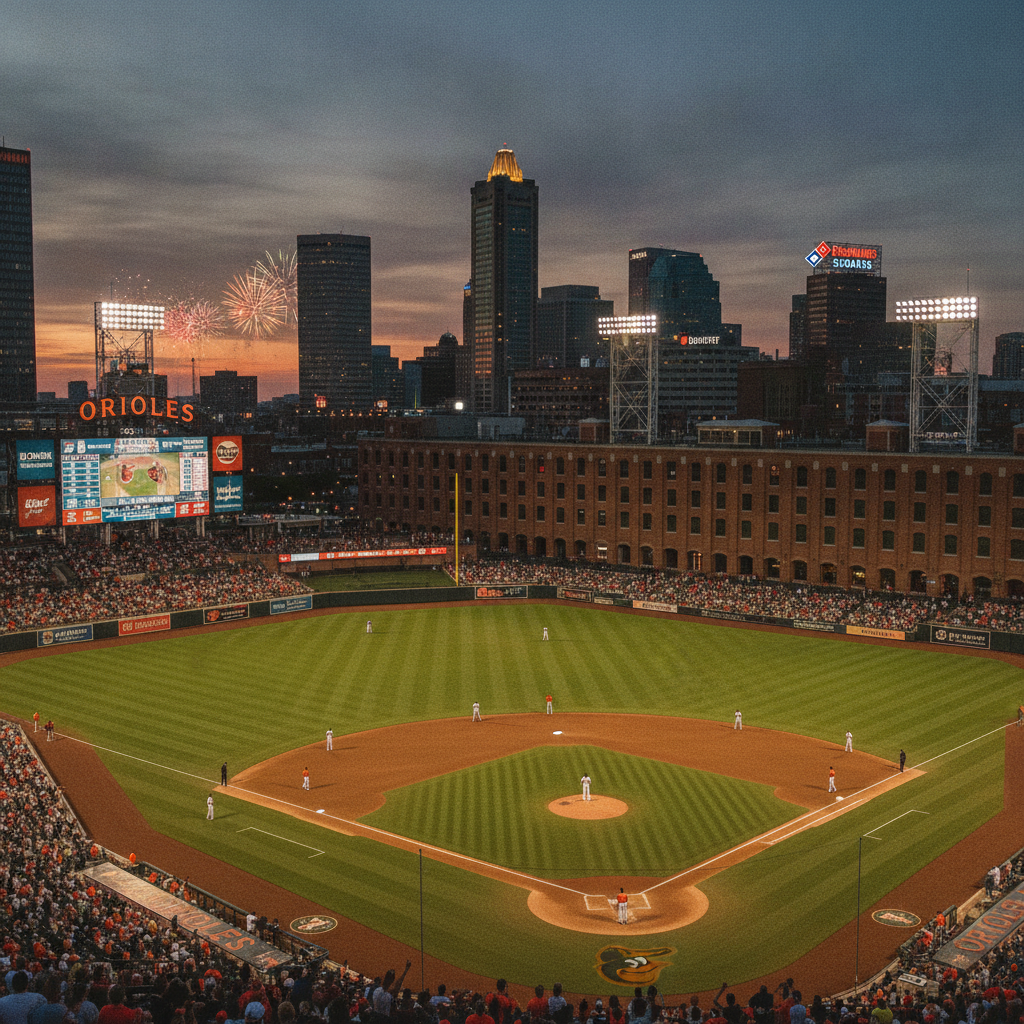
Baltimore Orioles and Camden Yards
Oriole Park at Camden Yards, opened on April 6, 1992, is the ballpark that revolutionized baseball stadium design by introducing the concept of a retro-modern park integrating historic urban architecture into a new facility, making it the most influential stadium design of the past century and the template for every new ballpark built since. The B&O Warehouse beyond the right field wall, an 1898 brick building that once stored freight, is the most photographed architectural element in baseball park history. The Orioles have won three World Series championships in 1966, 1970, and 1983. Cal Ripken Jr., who played 2,632 consecutive games for the Orioles breaking Lou Gehrigs record in 1995, is the most celebrated Oriole and one of the most admired players in baseball history for combining durability, professionalism, and sustained excellence. Camden Yards is within walking distance of the Inner Harbor and M&T Bank Stadium, making Baltimore one of the most walkable sports districts in America.
- 6
Baltimore Practical Guide and Neighborhoods
Baltimore-Washington International Thurgood Marshall Airport, 10 miles south of downtown, is well served by Southwest Airlines and other carriers with connections across the United States and to Europe. The MARC commuter train connects Baltimore Penn Station to Washington DC Union Station in about 40 minutes. Amtrak Acela service connects Baltimore to New York in under 3 hours and to Washington DC in 40 minutes. The Baltimore Charm City Circulator, a free bus circulating through the Inner Harbor, Fells Point, Federal Hill, and Mount Vernon, facilitates car-free exploration of the core. Baltimore is one of the most walkable of the mid-Atlantic cities for core sightseeing. The city faces significant violent crime concentrated in specific areas, and visitors to tourist destinations are generally unaffected. Average July temperature is 87 degrees Fahrenheit with high humidity. Spring and fall are most pleasant. Baltimore rowhouse neighborhoods including Fells Point, Federal Hill, and Hampden offer distinctive accommodation options.
Walk this route with audio
Stories play automatically as you reach each stop — no tapping needed.
More in Baltimore
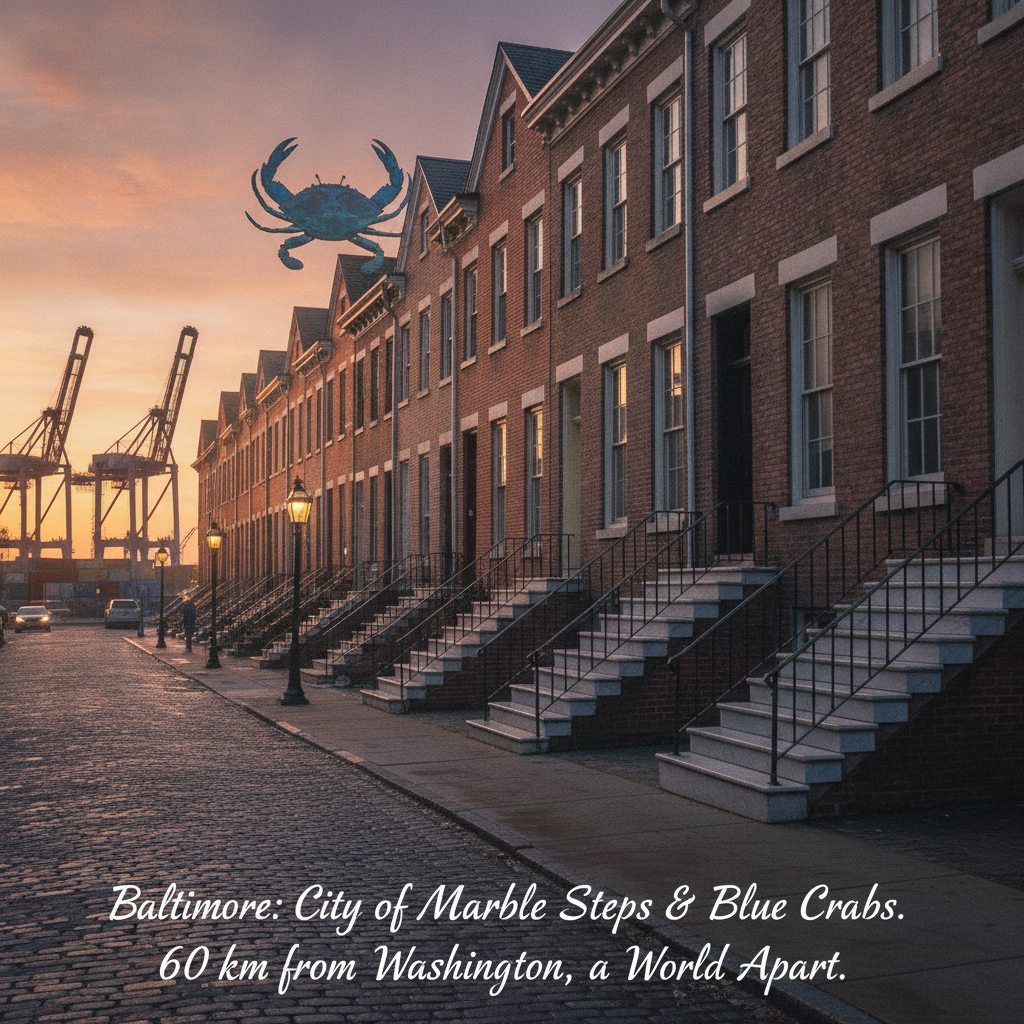
Baltimore R4: Rowhouse culture (70,000 brick rowhouses, white marble Cockeysville stoop scrubbing Saturday tradition, Bolton Hill Patterson Park William Patterson Jerome Bonaparte, Johns Hopkins Hospital 1889 modern surgery nursing), Baltimore music (Cab Calloway Hi-De-Ho, Billie Holiday raised in Baltimore Pigtown, Eubie Blake ragtime, Frank Zappa born 1940, 8x10 Club Federal Hill), Port of Baltimore (largest US auto import port, Baltimore Clipper slave trade, Key Bridge collapse March 26 2024 Dali container ship 6 workers killed largest recovery operation US), Civil rights (Thurgood Marshall 32 Supreme Court cases 29 wins Brown v Board 1954 first Black Justice 1967, Frederick Douglass HS Calloway Holiday Marshall, Morgan State HBCU 1867), Baltimore in film (John Waters Pink Flamingos Hairspray Serial Mom, The Wire filmed on location, Barry Levinson Diner 1982 Rain Man 1988, Sleepless in Seattle), Practical (median home USD 180-200K vs DC USD 600K, MARC train to DC 40min, Acela to NYC 2.5hr, BWI Southwest hub Key Bridge replacement USD 60M 2028)
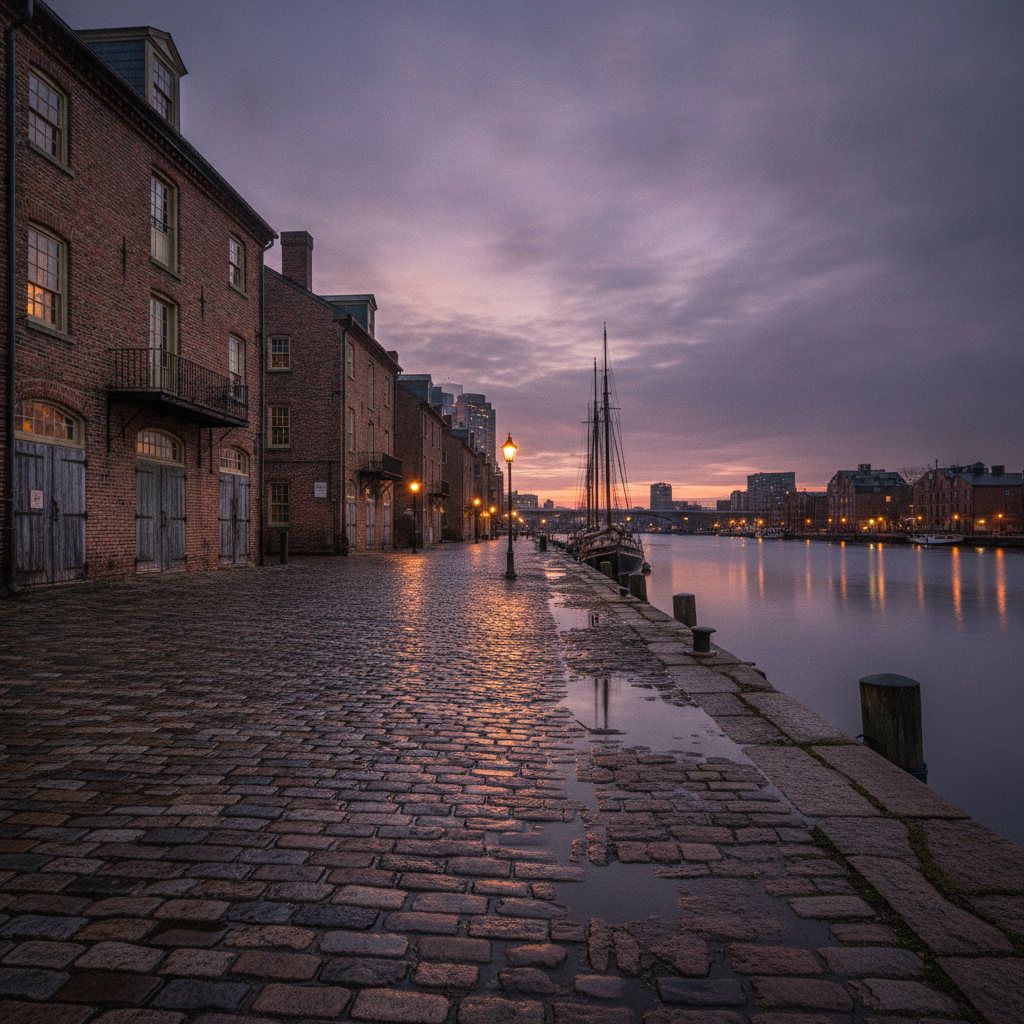
Baltimore: Pope of Trash Homeland, Free Double Warhol Museum and the Freeway That Never Got Built
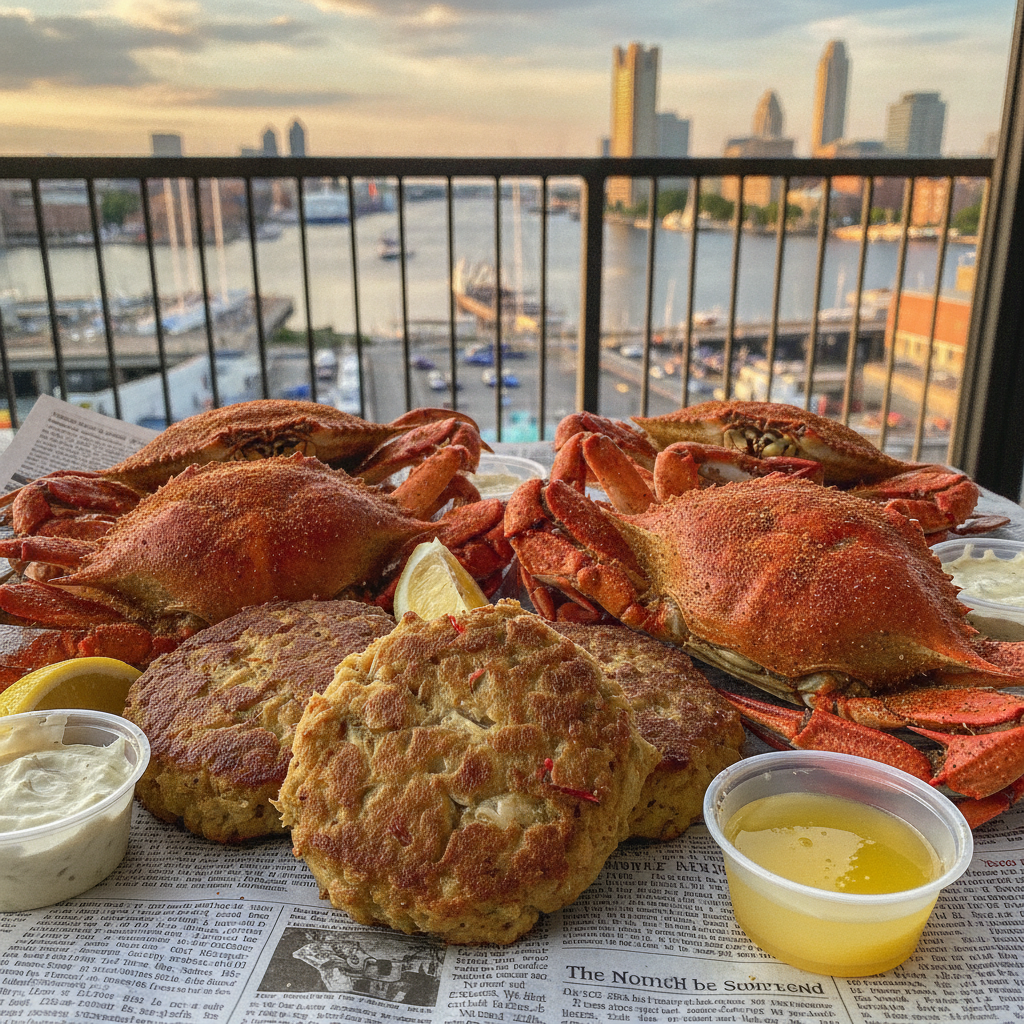
Baltimore: Largest Matisse Collection in the World, Poe Toaster Cognac and the 1782 Crab Market
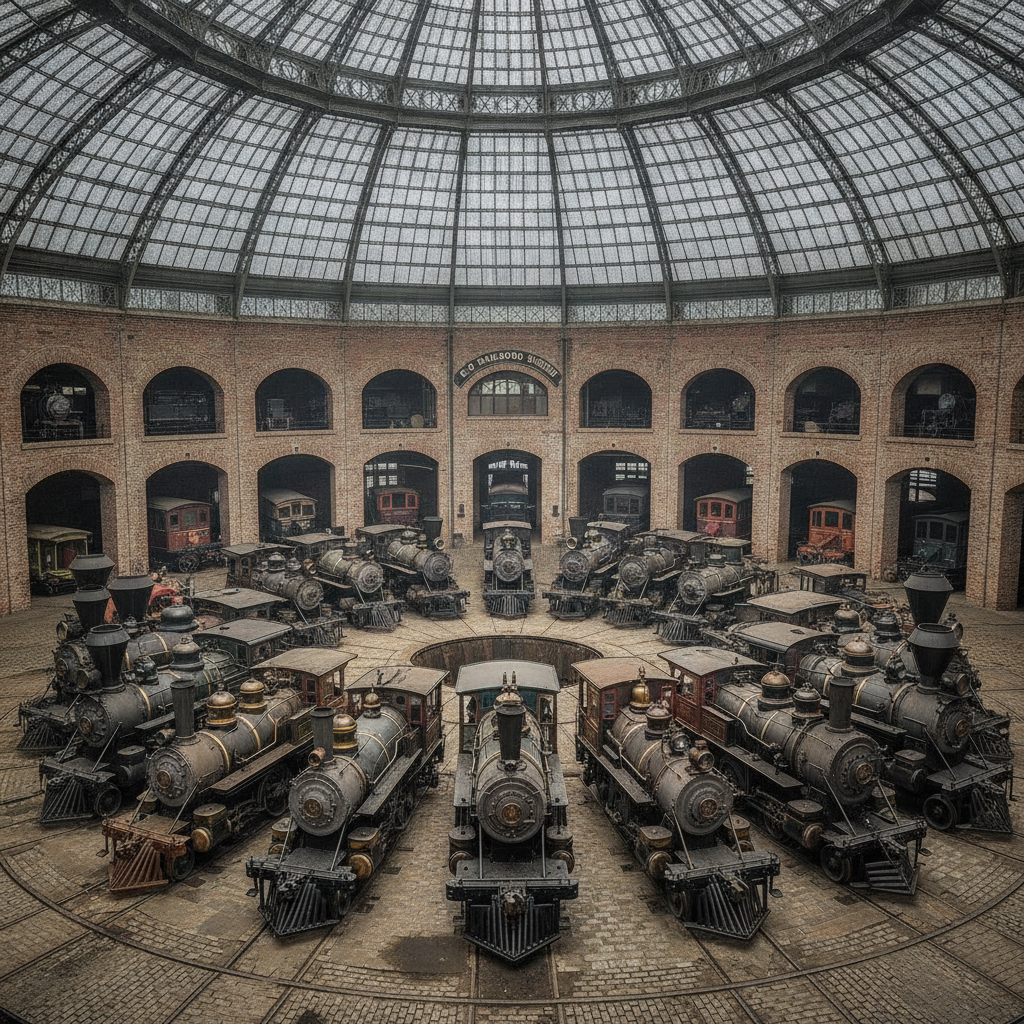
Baltimore R3-R4: B&O Railroad Museum (1827 first common-carrier US railroad, 1884 roundhouse 22-sided largest early railroad collection, Tom Thumb 1830 replica, Lincoln Baltimore Plot 1861), Space Telescope Science Institute (Hubble 1990 James Webb 2022, Applied Physics Lab GPS TIROS-1 New Horizons Pluto 2015), H.L. Mencken (Baltimore Sun 1906-1948 greatest American journalist, The American Language 1919 never out of print, John Waters Pope of Trash Hairspray 1988), African American heritage (MICA oldest degree-granting art college 1826, Great Blacks in Wax Museum, Reginald Lewis first Black billionaire USD 985M buyout 1987, Marin Alsop first woman major US orchestra music director), Chesapeake Bay (largest US estuary 320km, 348 fish species ecological decline restoration USD 6B, Assateague wild ponies 300 years), Practical (BWI Southwest hub MARC train to DC 40min, Preakness Stakes Pimlico May second oldest US track 1870, blue crab season July-September, Artscape largest free Maryland arts festival July)
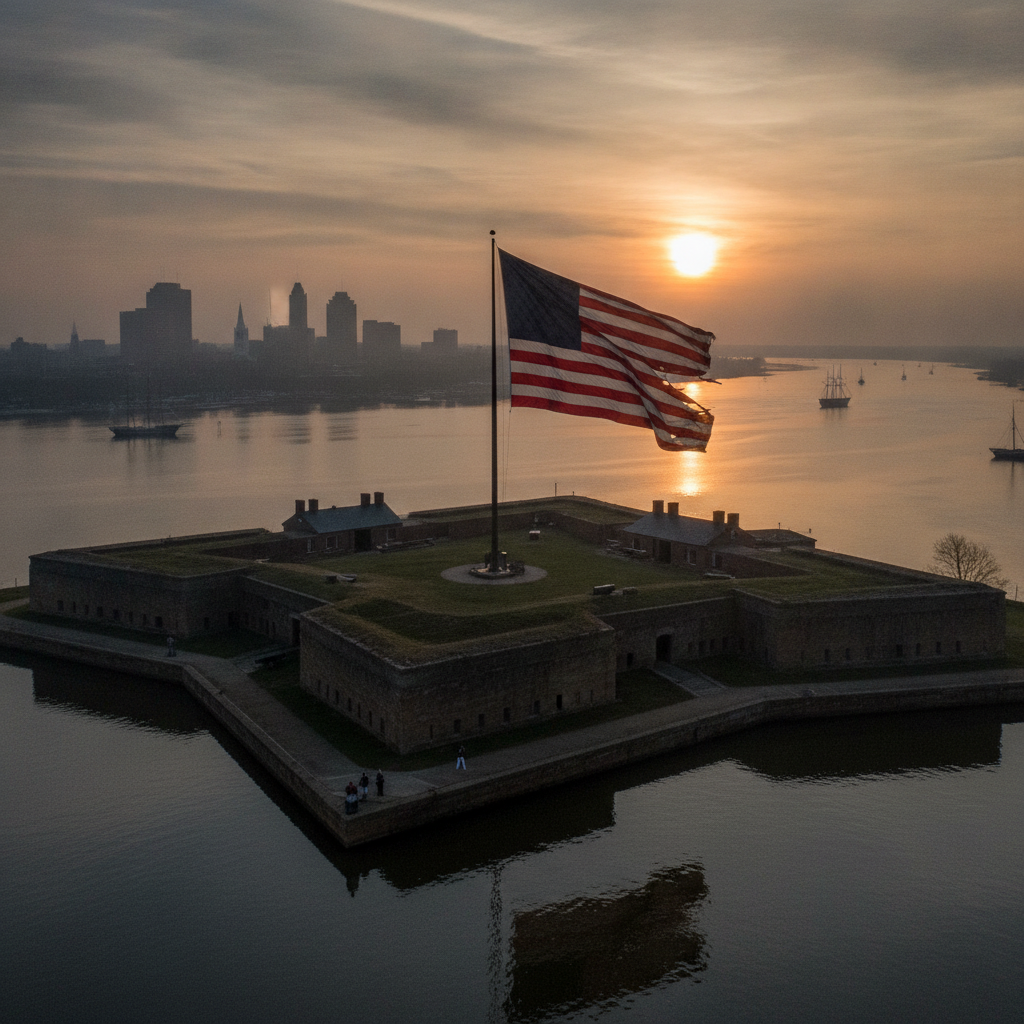
Baltimore: Inner Harbor (National Aquarium, USS Constellation last sail warship, USS Taney Pearl Harbor survivor, American Visionary Art Museum), Fort McHenry (September 13-14 1814 25hr British bombardment, Francis Scott Key aboard British ship writes Star-Spangled Banner, 30x42ft Pickersgill flag now Smithsonian), Chesapeake Bay blue crabs (Old Bay Seasoning Gustav Brunn 1939, Maryland crab cake purist lumped meat, LP Steamers, Faidley Seafood Lexington Market 1782), Edgar Allan Poe (died Baltimore October 7 1849 mysterious circumstances, Westminster Hall grave, Poe Toaster 70 years roses cognac, Baltimore Ravens named after The Raven 1845), The Wire (greatest US TV drama David Simon Ed Burns, Bethlehem Steel Sparrows Point 35,000 workers closed 2012, 2015 Freddie Gray uprising), Practical (Johns Hopkins first US research university 1876, Flexner Report reformed US medical education, Fells Point Federal Hill Canton Mount Vernon, MARC train to DC, BWI airport)