Ubud, Monkey Forest, Tegallalang Rice Terraces & Balinese Arts
Ubud — the cultural heart of Bali, in the cool highlands 25 kilometres north of Kuta — is the centre of Balinese arts, crafts, dance, and spiritual life: the Sacred Monkey Forest Sanctuary, the Tegallalang rice terraces (recognized under the UNESCO-listed subak water management system), the galleries and craft workshops of the Ubud art scene, and the daily temple ceremonies that punctuate Balinese Hindu life all converge in and around this exceptional cultural town.
- 1
Sacred Monkey Forest Sanctuary — Balinese Hinduism and the Long-Tailed Macaques
Sacred Monkey Forest Sanctuary (Jalan Monkey Forest, Padangtegal, Ubud — the 10-hectare nature reserve and Hindu temple complex housing approximately 700 long-tailed macaques (Macaca fascicularis) in a dense forest of ancient nutmeg trees, banyan trees, and other tropical species, recognized as a protected forest and temple sanctuary under Balinese Hindu tradition): the Monkey Forest contains three major Hindu temples (Pura Dalem Agung Padangtegal — the main temple of the dead, Pura Beji — the water purification temple, and Pura Prajapati — the funeral preparation temple), each decorated with intricate stone carvings and regularly used for Balinese Hindu ceremonies; the resident macaque population is considered sacred by the local Balinese community and is cared for by the village; the temples within the forest are draped in black-and-white checked poleng cloth (the traditional Balinese cloth representing the balance of opposing forces) and decorated with stone carvings of demons, gods, and mythological creatures.
- 2
Tegallalang Rice Terraces — The Subak Water System
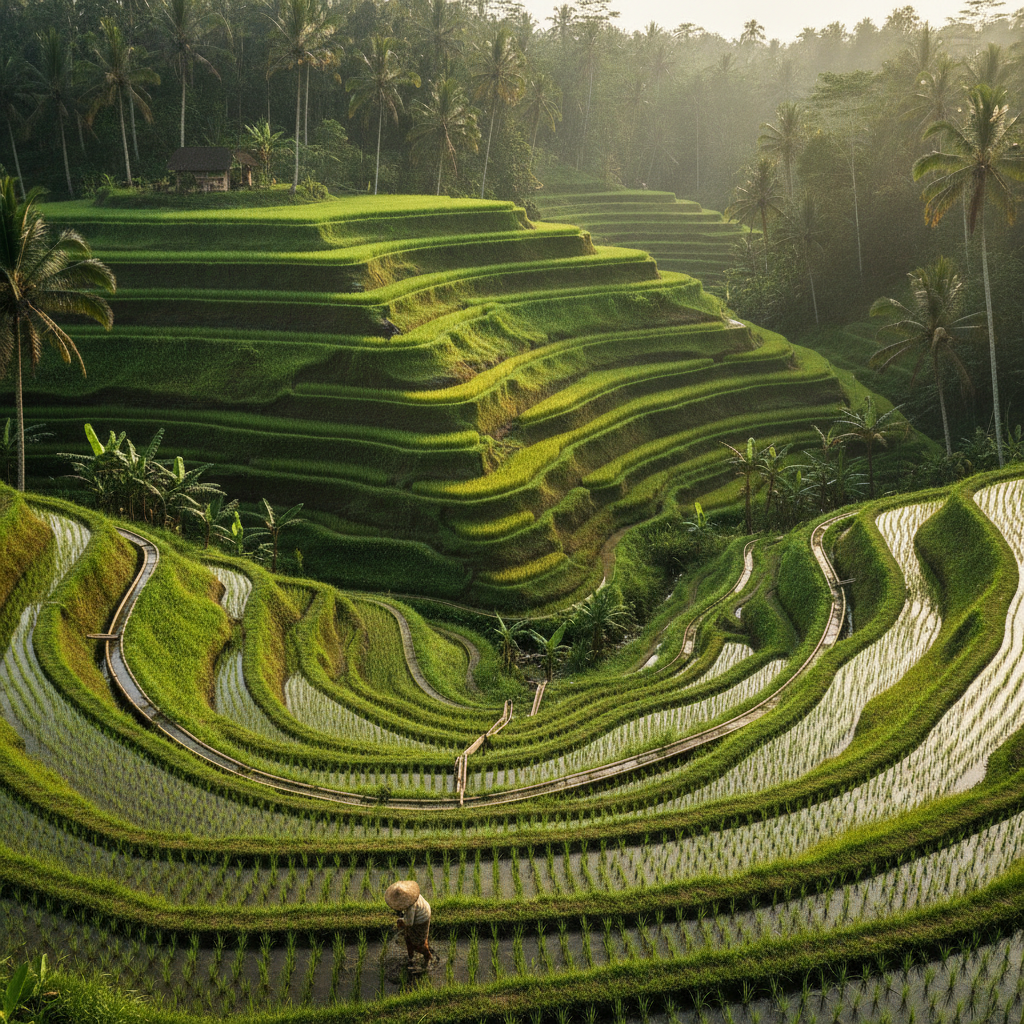
Tegallalang Rice Terraces (Jalan Raya Tegallalang, approximately 8 kilometres north of central Ubud — the most celebrated and photographed of Bali's rice terraces, with the steeply stepped paddies of the Pakerisan River valley providing the most dramatic and scenic rice landscape accessible by road): the Tegallalang terraces are maintained by the traditional Balinese subak cooperative water management system (UNESCO World Heritage Cultural Landscape since 2012, as part of the 'Cultural Landscape of Bali Province: the Subak System as a Manifestation of the Tri Hita Karana Philosophy'): the subak is a unique form of democratic water management cooperative dating from the 9th century, in which farmers from different villages cooperate to distribute water through an intricate system of bamboo pipes, channels, and tunnels from a highland water temple (Pura Ulun Danu) down through the terraced rice paddies to the sea; the system has maintained continuous rice cultivation in Bali for over 1,000 years.
- 3
Ubud Palace & the Kecak and Barong Dances
Ubud Palace (Puri Saren Agung, Jalan Raya Ubud — the traditional residence of the royal family of Ubud, the Sukawati royal house, a complex of Balinese palatial architecture occupying the central intersection of Ubud town): the Ubud Palace is the primary venue for the nightly Kecak dance performances (the 'fire dance', 20:00 each evening in the main palace courtyard — a large group (typically 70-150 men) seated in concentric circles performing the Kecak ('monkey') chant (a.k.a. 'chak-a-chak') while enacting scenes from the Hindu epic Ramayana, accompanied by fire torches and the hypnotic rhythm of the chant without any musical instruments); the Barong dance (performed in the morning at various venues around Ubud) depicts the eternal battle between Barong the good spirit (represented by a lion/dragon-like creature requiring two performers inside a costume) and Rangda the witch queen — the central struggle between good and evil in Balinese Hindu cosmology.
- 4
Ubud Art Market & the Craft Villages of the Ubud Region
Ubud Art Market (Pasar Seni Ubud, Jalan Raya Ubud, opposite the Ubud Palace — the morning market where Balinese artisans sell traditional crafts, paintings, textiles, wood carvings, silver jewelry, and souvenir items): the Ubud region is the centre of Balinese traditional arts and crafts — each village in the area has historically specialized in a particular craft: Mas village (wood carving, particularly the fine-grained work in banana wood, coconut wood, and hibiscus wood), Celuk village (silver and gold jewelry, using the filigree and granulation techniques taught to Balinese craftsmen by Dutch missionaries in the colonial period), Batuan village (the dark and detailed Batuan style of Balinese painting, showing scenes of daily life, mythology, and spirits crowded with figures), and Ubud itself (the centre of the 'Western-influenced' Ubud style of painting developed with the encouragement of German artist Walter Spies and Dutch artist Rudolf Bonnet in the 1930s).
- 5
ARMA — Agung Rai Museum of Art & Balinese Cultural Heritage
Agung Rai Museum of Art (ARMA, Jalan Pengosekan, Ubud — the private art museum founded 1996 by local collector Agung Rai, displaying one of the finest collections of traditional Balinese painting and sculpture alongside significant works by Western artists who influenced the Balinese art renaissance of the 1930s): ARMA's collection includes original works by Walter Spies (1895-1942, the German-Russian artist who came to Bali in 1927 and virtually single-handedly created the international reputation of Balinese art), Rudolf Bonnet (the Dutch artist who co-founded the Pita Maha artists' cooperative with Spies and Ubud Prince Cokorda Gde Agung Sukawati in 1936), and I Gusti Nyoman Lempad (the Balinese master draftsman whose intricate ink drawings of mythological scenes are considered the pinnacle of traditional Balinese art); the museum also offers regular Balinese dance, gamelan, and cooking class programs.
- 6
Campuhan Ridge Walk & Ubud's Natural Environment
Campuhan Ridge Walk (Jalan Raya Sanggingan, Ubud — the 2-kilometre walking trail along the narrow ridge above the confluence of the Wos Timur and Wos Barat rivers, beginning at the Ibah Bridge just west of central Ubud and running north through grassland and coconut palms to the village of Bangkiang Sidem): the Campuhan Ridge Walk is the most accessible nature walk from central Ubud, offering panoramic views over the Wos river valley, rice paddies, and the surrounding hills; the walk is best done in the early morning before the heat of the day (starting at 6:30-7:00am) when the mist rises from the valleys and the light is at its most beautiful; the Neka Art Museum (Jalan Raya Sanggingan, near the start of the walk) has one of the finest collections of Balinese traditional and modern painting in the region.
Walk this route with audio
Stories play automatically as you reach each stop — no tapping needed.
More in bali
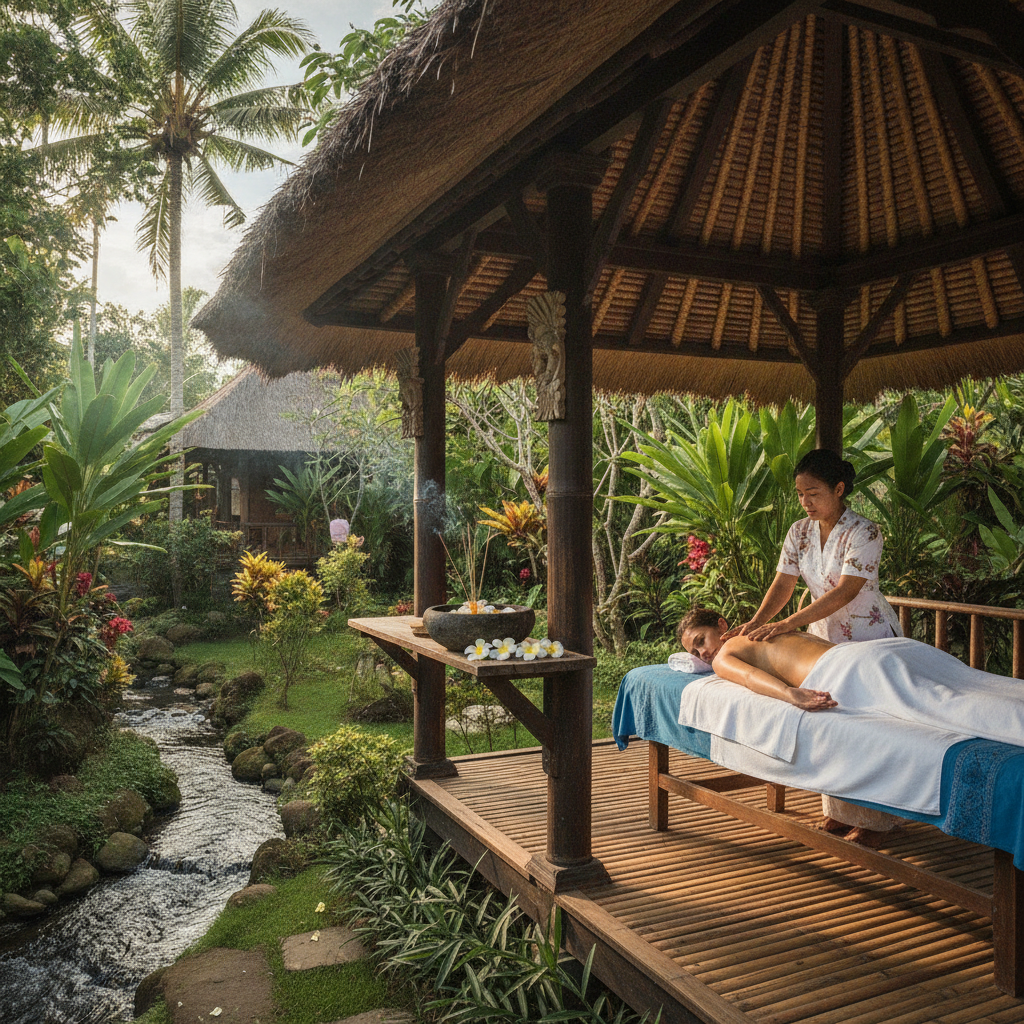
Bali Wellness — Spa Rituals, Yoga Retreats & the Bali Spirit
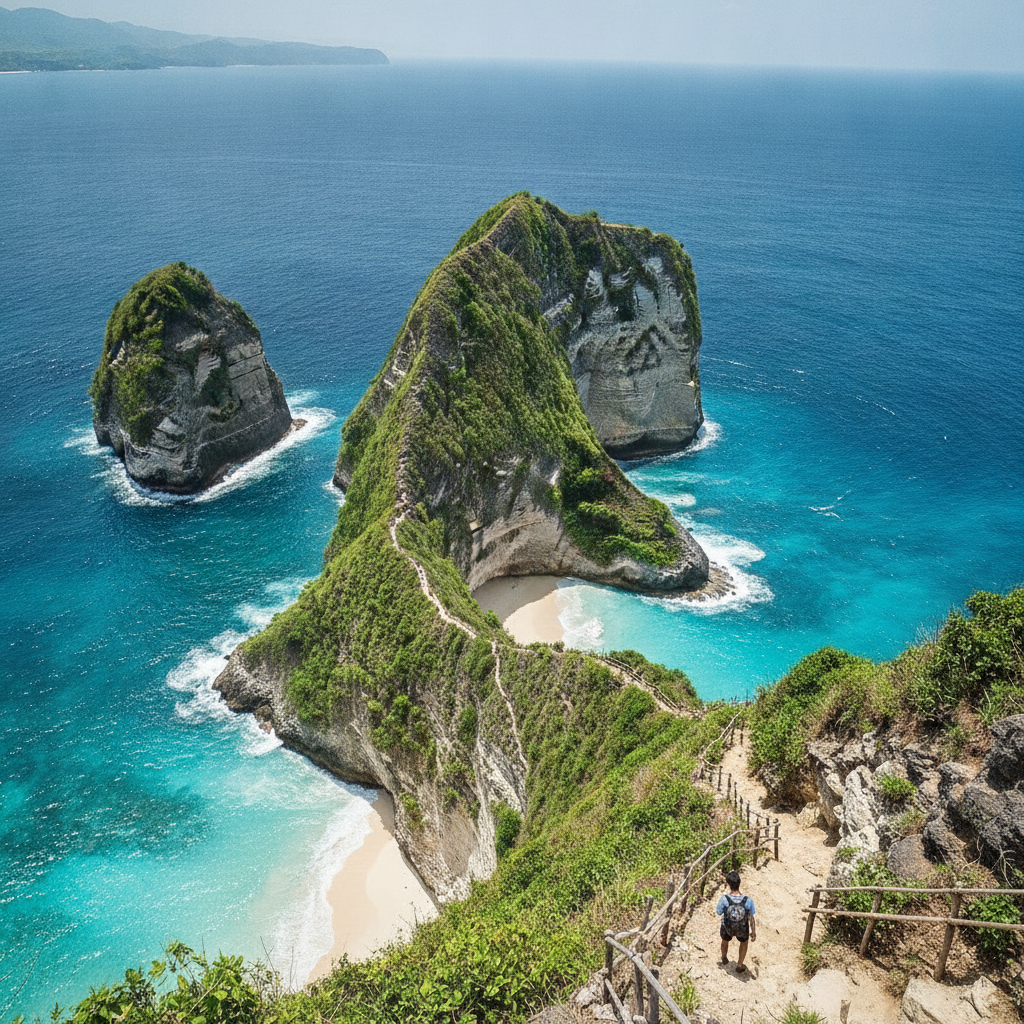
Nusa Penida & Nusa Lembongan — Pristine Islands off Bali's Southeast Coast
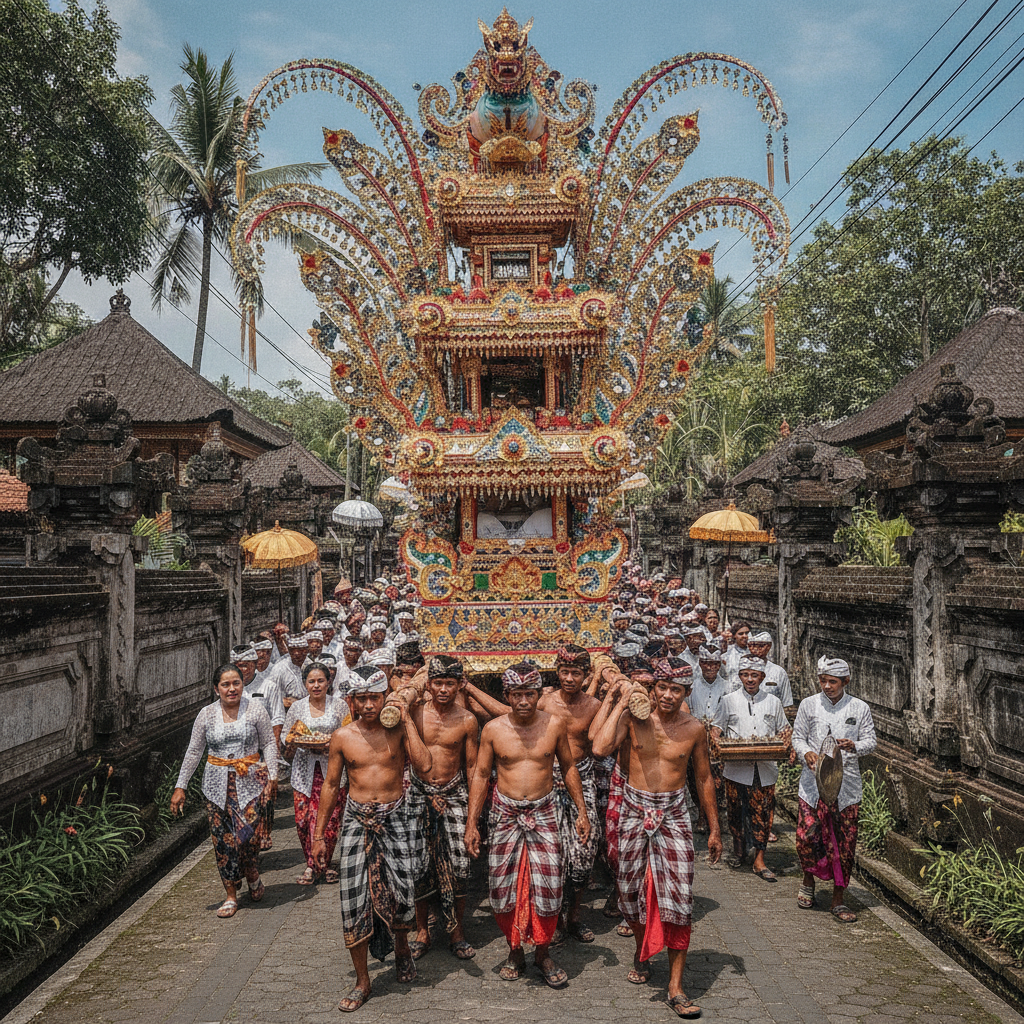
Balinese Hinduism — Temple Ceremonies, Cremation & the Spiritual Life of Bali
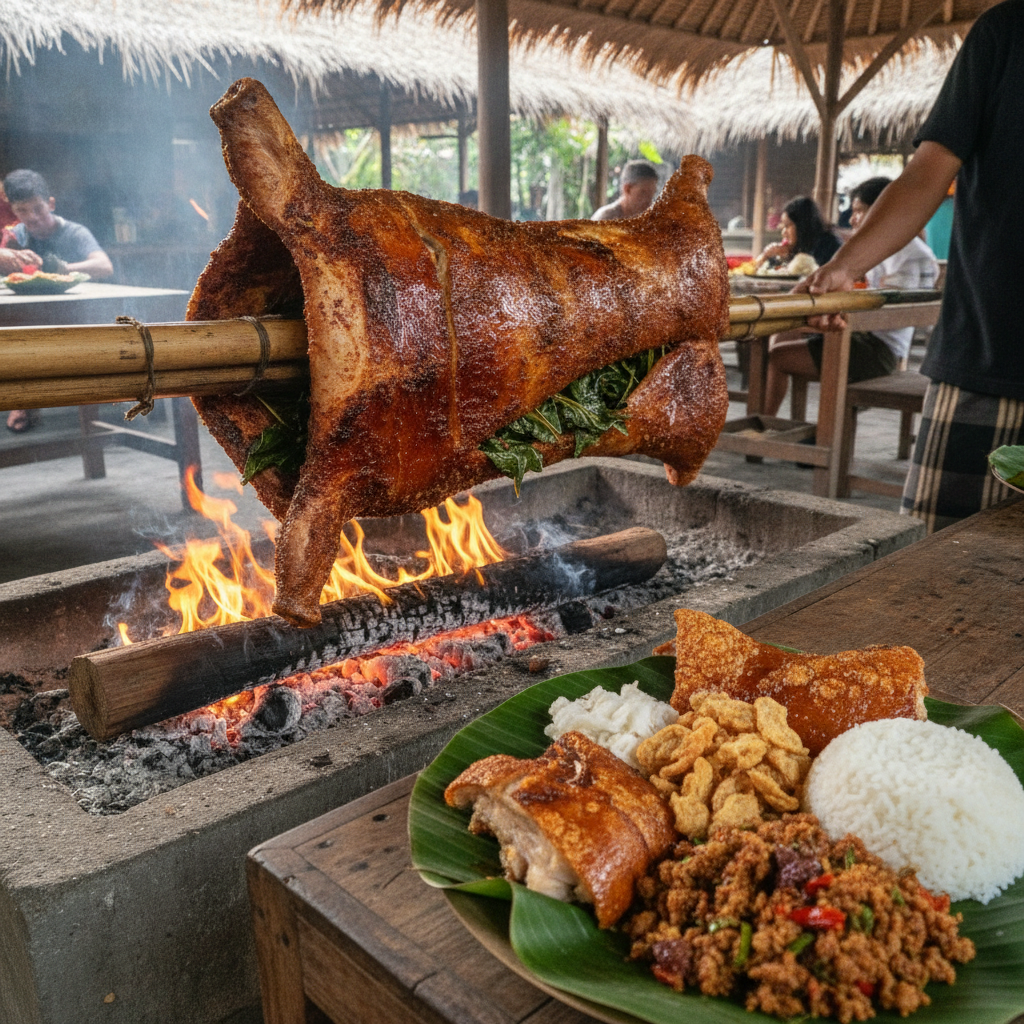
Balinese Cuisine — Babi Guling, Lawar, Nasi Campur & the Warung Culture
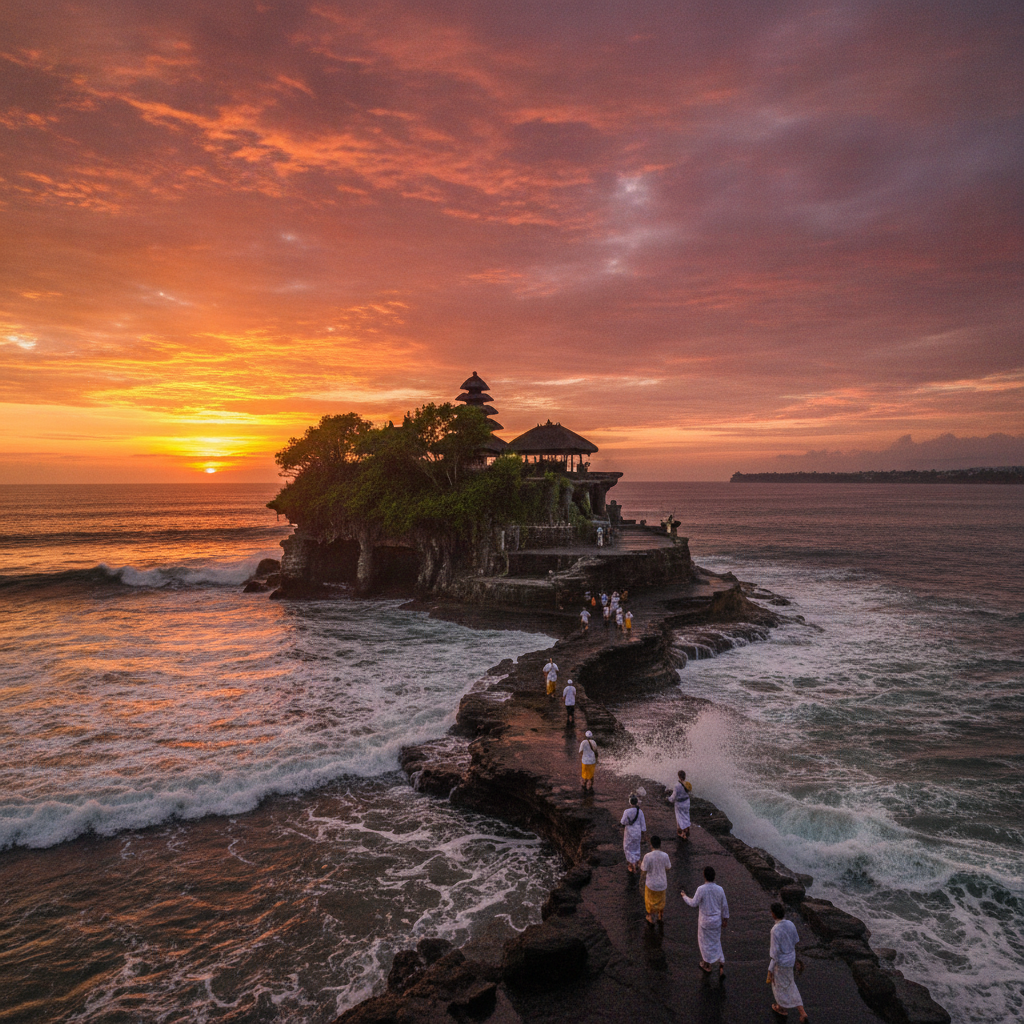
Tanah Lot, Uluwatu Temple & the Sacred Sea Temples of Bali