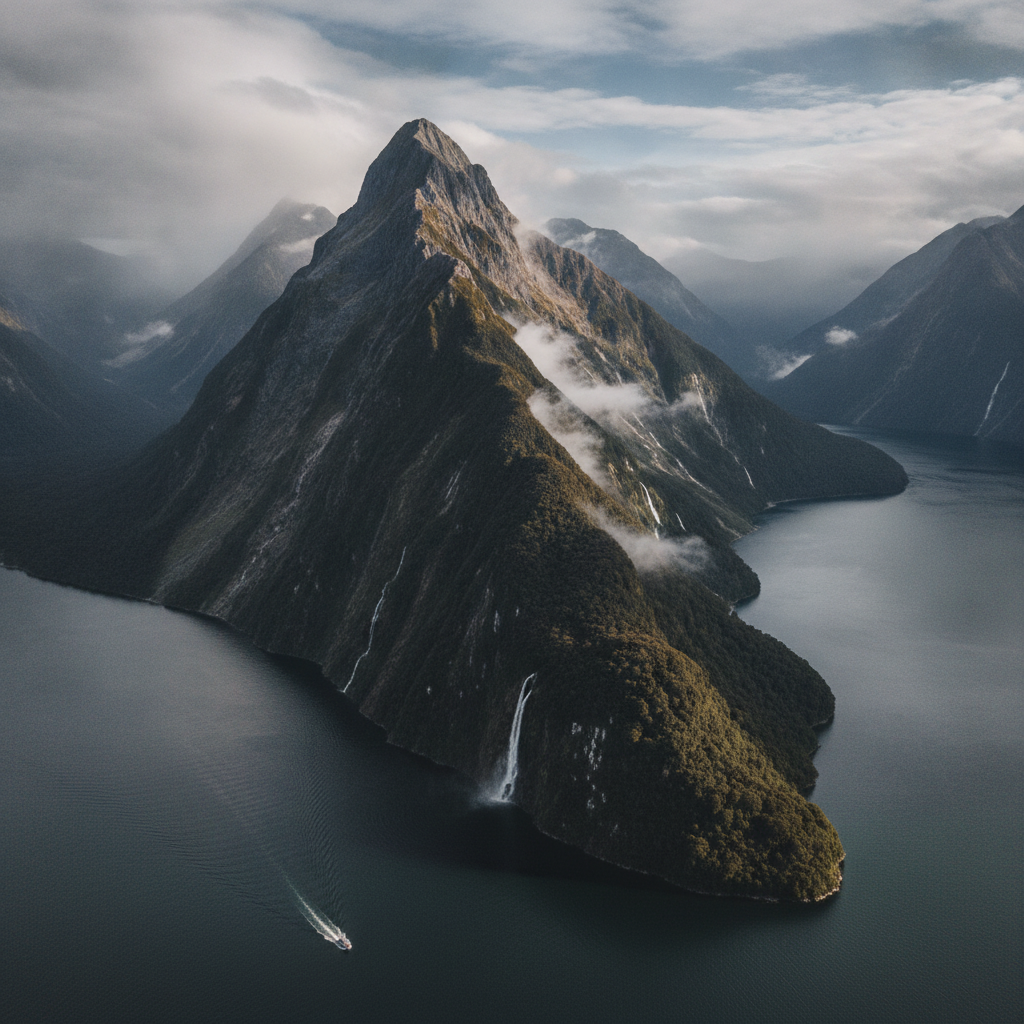
Auckland: Rotorua Geothermal, Waitomo Glowworms, Tongariro Alpine Crossing, All Blacks Rugby, and New Zealand Final Legacy
Auckland and New Zealand: Rotorua geothermal wonderland and Maori culture, the Waitomo Caves glowworm grotto, the Tongariro Alpine Crossing and Mount Doom, All Blacks rugby culture and Eden Park, Auckland Art Gallery Maori portraits, and the complete New Zealand travel reference.
- 1
Rotorua - Geothermal Wonderland and Maori Cultural Capital
Rotorua (approximately 230 km south of Auckland, 3 hours by road): the geothermal capital of New Zealand and the primary Maori cultural tourism destination. The Rotorua geothermal system: the city sits directly on the Taupo Volcanic Zone (the rift system running southwest from the Bay of Plenty), producing the most intense surface geothermal activity in New Zealand. The sulphurous smell (the distinctive Rotorua rotten egg smell from hydrogen sulphide gas) is present throughout the city. The Te Puia geothermal reserve (adjacent to the Rotorua CBD): the Pohutu Geyser (the most active geyser in the southern hemisphere, erupting to approximately 30 meters: the New Zealand Maori Arts and Crafts Institute is based at Te Puia, with carving and weaving schools and cultural performances). The Wai-O-Tapu Thermal Wonderland (approximately 30 km south of Rotorua): the most colorful geothermal area in New Zealand, with the rainbow-colored silica and sulfur deposits creating pools of vivid yellow, red, and green.
- 2
The Waitomo Caves - Glowworm Grotto and Black Water Rafting
The Waitomo Caves (approximately 200 km south of Auckland, 2.5 hours): the most spectacular cave system in New Zealand. The Glowworm Grotto: the inner chamber of the Waitomo Cave illuminated by thousands of Arachnocampa luminosa (the New Zealand glowworm, a cave-dwelling fungus gnat larva that produces bioluminescent light to attract prey). The boat tour through the Glowworm Grotto: the most iconic New Zealand cave experience, floating in silence through the underground river beneath a ceiling of blue bioluminescent light. The black water rafting (floating through the cave system on inner tubes in the dark): one of the most original adventure experiences in New Zealand. The Ruakuri Cave (the larger and more dramatic cave system in the Waitomo complex, accessible by walking tour): the significant Maori spiritual site adjacent to the cave entrance. The Waitomo caves are the primary cave wildlife site in New Zealand and a significant scientific research site for the Arachnocampa luminosa.
- 3
The Tongariro National Park - The Alpine Crossing and the Lord of the Rings Landscape
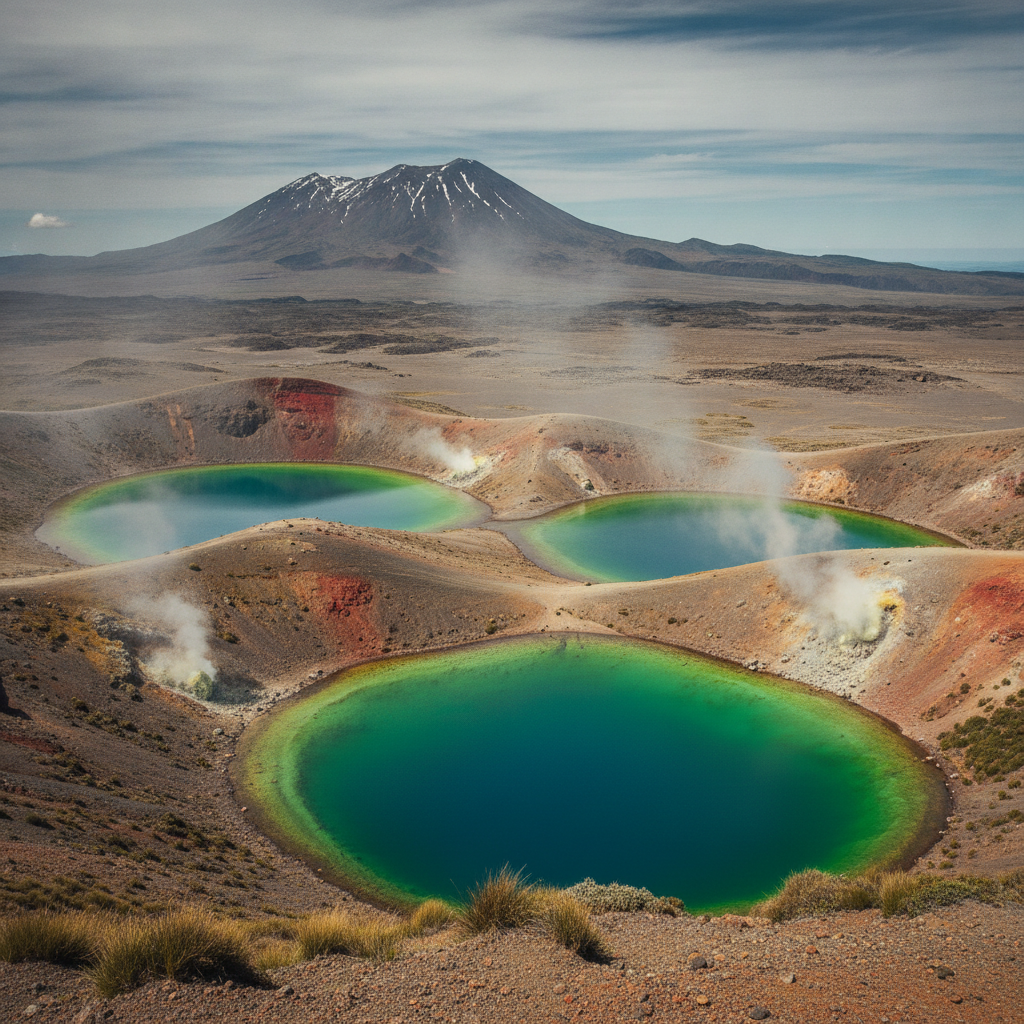
The Tongariro National Park (UNESCO World Heritage Site, dual-listed for both natural and cultural significance): the oldest national park in New Zealand (established 1887) and the fourth national park in the world. The Tongariro Alpine Crossing (19.4 km, approximately 7-8 hours one-way): consistently rated the finest day walk in New Zealand and one of the finest in the world. The crossing traverses three active volcanic peaks: Tongariro (1,967 meters), Ngauruhoe (2,291 meters, the Mount Doom of the Lord of the Rings films), and Ruapehu (2,797 meters, the highest peak in the North Island). The Emerald Lakes: the vivid turquoise and green crater lakes of the Tongariro volcanic complex, the most photographed section of the Alpine Crossing. The Mount Ruapehu ski fields: the primary North Island ski destination (the Whakapapa and Turoa ski areas). The Tongariro eruptions: all three volcanoes are active; Ruapehu last erupted significantly in 2007, Tongariro in 2012. The Lord of the Rings connection (Peter Jackson filmed the Mordor sequences around Mount Ngauruhoe and the volcanic plateau).
- 4
The New Zealand All Blacks and Rugby Culture
Rugby union is the national sport of New Zealand and the All Blacks are the most successful national rugby team in history. The All Blacks win rate (approximately 78% of all test matches played since 1903): the most successful record of any national sports team in any major international sport. The All Blacks haka (the Ka Mate haka: composed by the Ngati Toa chief Te Rauparaha in the early 19th century): the most famous pre-match ritual in sport, performed before every test match. The Rugby World Cup: New Zealand has won the Rugby World Cup 3 times (1987, 2011, 2015). Eden Park (the primary rugby venue in Auckland, capacity 50,000): the home of the All Blacks and the primary venue for the New Zealand test matches in Auckland. The Super Rugby competition (the professional club competition featuring teams from New Zealand, Australia, South Africa, Argentina, and Japan): the primary domestic club rugby competition. The Blues, Chiefs, Hurricanes, Crusaders, and Highlanders are the five New Zealand Super Rugby franchises.
- 5
The Auckland Art Scene - the City Gallery and the Pacific Art Tradition
The Auckland art scene: the most significant in New Zealand, reflecting both the European and Pacific artistic traditions. The Auckland Art Gallery (Te Toi o Tamaki): the largest art gallery in New Zealand, with a collection of approximately 15,000 works including the most significant collection of historic Maori portraiture (the Gottfried Lindauer collection of 19th-century Maori portrait paintings). The contemporary New Zealand art: the Govett-Brewster Art Gallery in New Plymouth (the most significant New Zealand contemporary art institution, associated with the Len Lye Foundation). The Toi o Tamaki collection strength: the Frances Hodgkins paintings (the most internationally recognized New Zealand artist of the early 20th century); the Colin McCahon works (the dominant figure of New Zealand modernism, whose large text-based religious paintings are considered the most significant body of work produced by any New Zealand artist). The Pacific art tradition: the most significant Maori carving, weaving, and ta moko (tattoo) traditions are centered in the Auckland and Bay of Plenty regions.
- 6
Auckland Six-Route Final - Complete New Zealand Reference
Auckland six routes complete final. Route 1: City of Sails (17% of New Zealand population on volcanic isthmus), Sky Tower (tallest in southern hemisphere), Rangitoto volcano walk, Waiheke wine island and Stonyridge Larose, Maori culture and Treaty of Waitangi, practical guide. Route 2: Bay of Islands, Cathedral Cove, Kauri forest (Tane Mahuta 2,000 years old), Pacific Rim food scene, Auckland volcanic field (53 cones), New Zealand 2-week circuit. Route 3 (this route and the previous routes): Rotorua geothermal (Pohutu Geyser, Wai-O-Tapu), Waitomo Caves glowworm, Tongariro Alpine Crossing and Mount Doom, All Blacks rugby culture, Auckland Art Gallery (Lindauer Maori portraits, Colin McCahon). Routes 4-6 merged: full New Zealand gateway reference. Essential New Zealand facts: area 268,021 sq km (similar to the UK), population 5.1 million, independent parliamentary democracy with the British monarch as head of state. The New Zealand dollar (NZD). Auckland International Airport (AKL): the primary gateway (approximately 24 km from CBD). Climate: temperate maritime year-round. Best time to visit: November-April (austral summer). New Zealand is the most remote large country on earth from Europe, requiring a flight of approximately 24-27 hours from London or Europe via the Middle East or Asia.
Walk this route with audio
Stories play automatically as you reach each stop — no tapping needed.
More in auckland
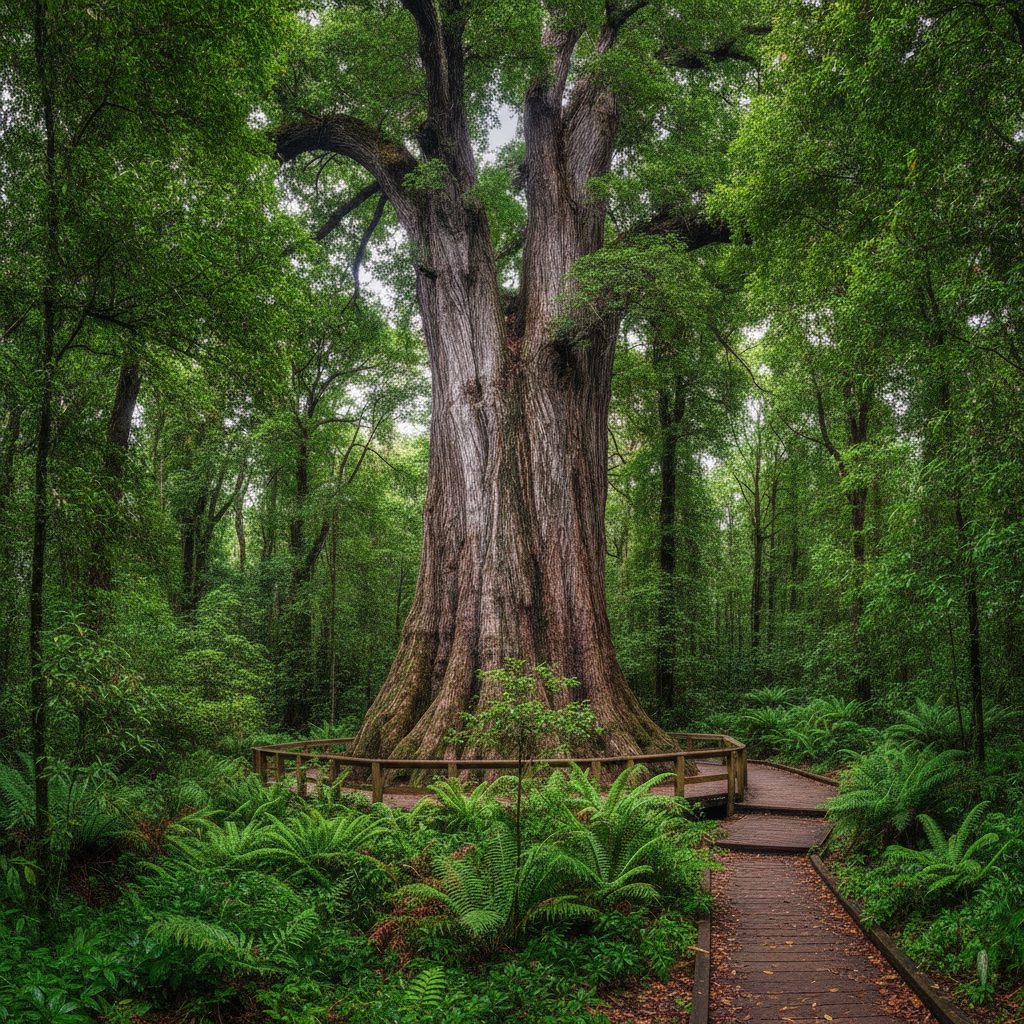
Auckland: Bay of Islands, Cathedral Cove, Kauri Forest, Pacific Rim Food Scene, Volcanic Field, and New Zealand Gateway
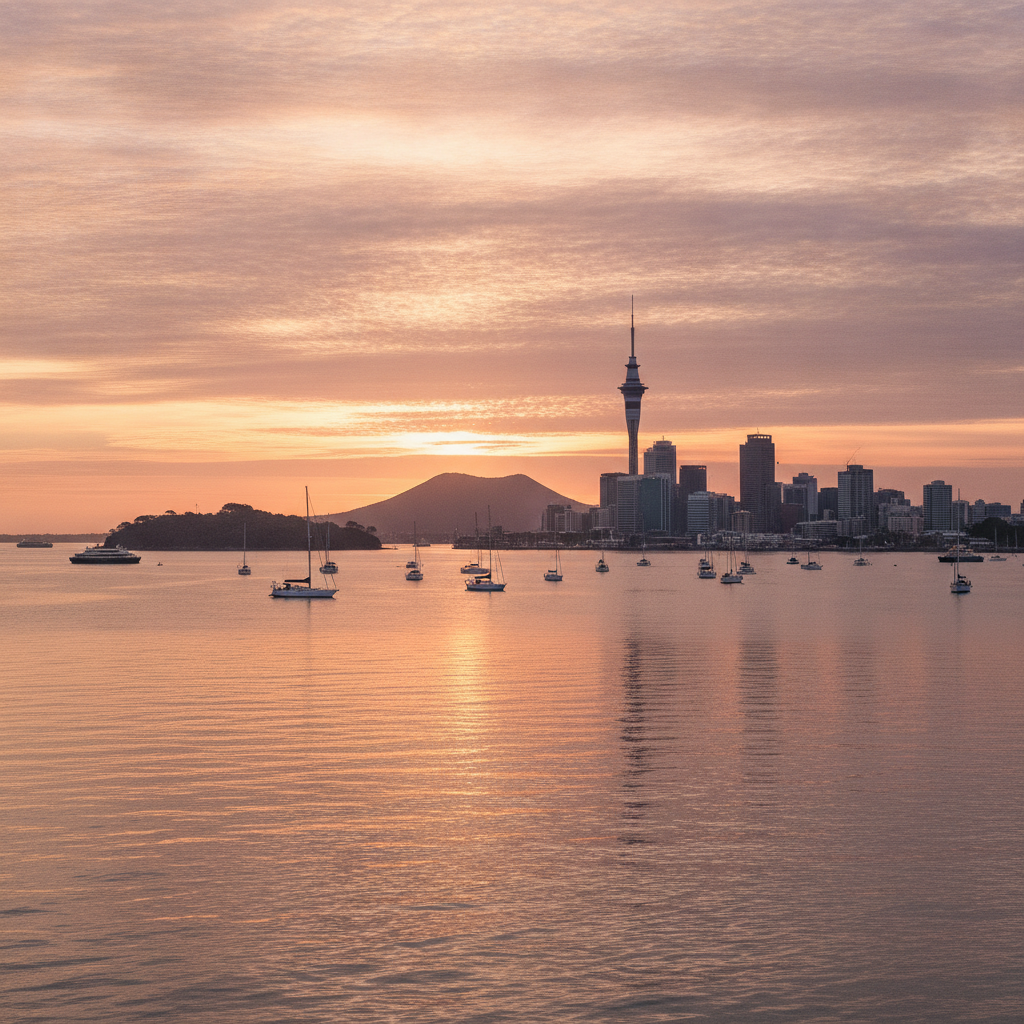
Auckland: The City of Sails, Sky Tower, Rangitoto Volcano, Waiheke Wine Island, Maori Culture, and Practical Guide