Auckland: Ponsonby and K Road, Harbour Bridge, Maori Language Revival, Milford Sound, and Abel Tasman National Park
Auckland and New Zealand: the Ponsonby and Karangahape Road cultural scene, the Auckland Harbour Bridge and North Shore beaches, the te reo Maori language revival, Milford Sound and Fiordland wilderness, and the Abel Tasman Coast Track golden beaches.
- 1
Ponsonby and Karangahape Road - The Heart of Auckland Cool
Ponsonby Road and Karangahape Road (K Road): the two most culturally significant streets in Auckland. Ponsonby Road: the primary upscale dining, cafe, and boutique shopping strip of Auckland (approximately 2 km west of the CBD), lined with Victorian villas converted to restaurants and shops. The Ponsonby area was the primary bohemian and gay neighbourhood of Auckland from the 1980s-2000s; it has since become one of the most expensive residential areas. K Road (Karangahape Road): the more edgy, diverse, and historically complex street of Auckland, running along the ridge above the CBD. K Road retains its gritty multicultural character: the Pacific Island community churches, the vintage clothing stores, the independent galleries, the nightclubs, and the sex worker-adjacent commercial tradition that gave it its reputation. K Road has been experiencing rapid gentrification since 2018, with craft cocktail bars and upscale restaurants opening alongside the longstanding community institutions.
- 2
The Auckland Harbour Bridge and North Shore Beaches
The Auckland Harbour Bridge (completed 1959, expanded 1969 from 4 to 8 lanes by the Japanese-designed clip-on additions): the primary crossing between the Auckland CBD and the North Shore suburbs. The Harbour Bridge is one of the most recognizable Auckland landmarks and the primary road crossing of the Waitemata Harbour. The North Shore: the residential area north of the harbour, with the beach suburbs of Takapuna, Milford, Devonport, and Cheltenham offering some of the finest urban beaches in Auckland. Devonport: the historic inner suburb on the North Shore, accessible by a 12-minute ferry from the Auckland CBD, with Victorian and Edwardian architecture, the Mount Victoria and North Head volcanic cones (the former World War II coastal gun emplacements on North Head are open to walk-through), and a village atmosphere.
- 3
The New Zealand Maori Language Revival - Te Reo Maori
Te reo Maori (the Maori language): the official language of New Zealand alongside English and New Zealand Sign Language. Te reo Maori was near extinction in the 1970s (fewer than 20% of Maori people could speak the language, and most of those were elderly). The language revival: the kohanga reo (language nest: Maori-medium early childhood education centers established in 1982): the most successful indigenous language revitalization program in the world. The kura kaupapa (Maori-medium primary schools) and wananga (Maori universities) expanded the kohanga reo model through the education system. The result: te reo Maori is now spoken by approximately 185,000 people (approximately 23% of the Maori population), with a growing number of younger fluent speakers. Te reo Maori words permeate New Zealand English: Auckland place names are all Maori (Tamaki Makaurau, Manukau, Waitemata, Devonport as Takarunga). The Maori Television channel (established 2004) broadcasts in te reo Maori.
- 4
Milford Sound and the Fiordland - New Zealand Most Dramatic Landscape
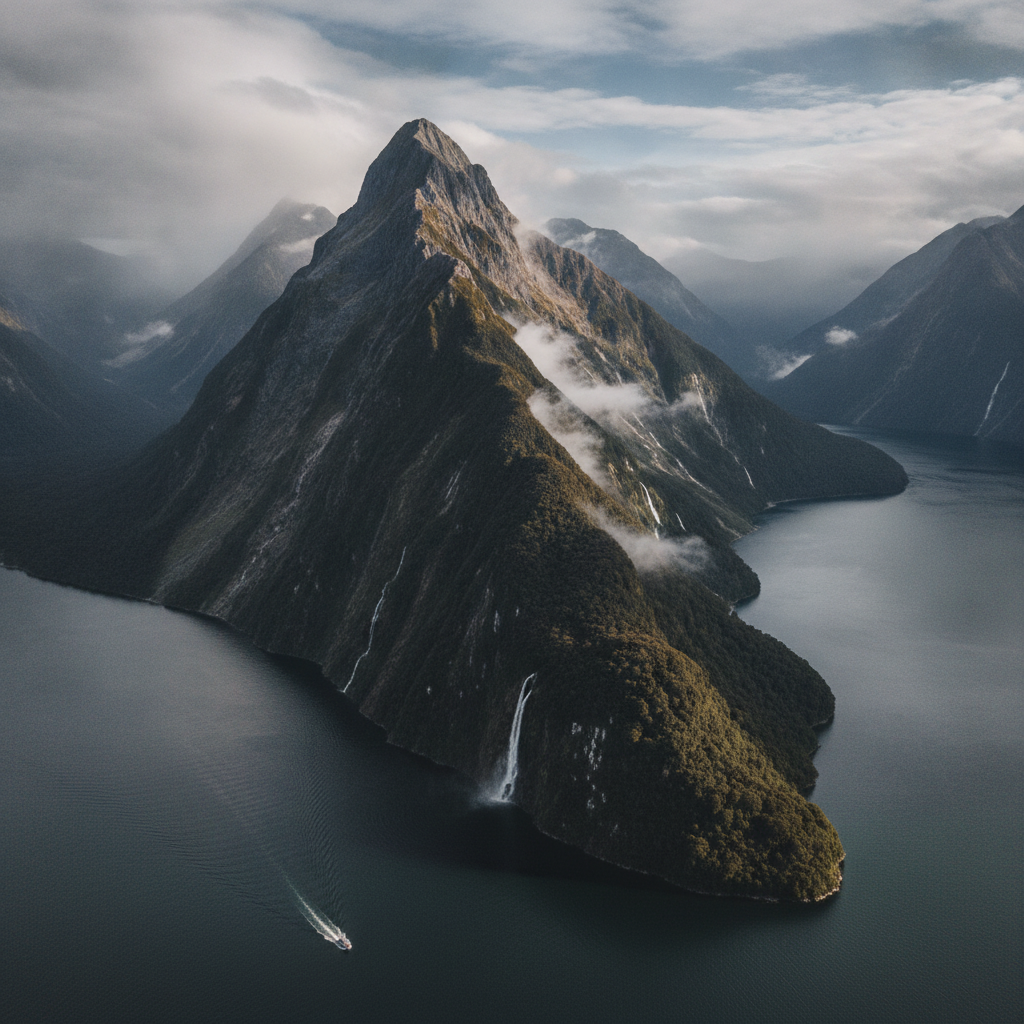
Milford Sound (Piopiotahi in te reo Maori): the most famous fiord in New Zealand and one of the most photographed landscapes in the southern hemisphere. Milford Sound is technically a fiord (carved by glacial action, not a river, despite the name) and is one of the wettest inhabited places on earth (approximately 6,000-8,000 mm of rainfall annually). The Milford Sound road (the Homer Tunnel approach): the most dramatic approach road in New Zealand, through the Fiordland National Park. Milford Sound is accessible from Queenstown (approximately 290 km, 4 hours by road) or by scenic flight from Queenstown. The Mitre Peak (the iconic 1,692-meter peak rising directly from the fiord): the most recognizable single mountain in New Zealand. The Fiordland National Park: approximately 1.25 million hectares of largely undisturbed wilderness, part of the Te Wahipounamu UNESCO World Heritage Site.
- 5
Abel Tasman National Park and the Golden Bay Coast
The Abel Tasman National Park (in the north of the South Island, approximately 100 km from Nelson): the smallest but most visited national park in New Zealand, known for its golden sand beaches, clear water, and the Abel Tasman Coast Track (the most popular multi-day tramping track in New Zealand). The Abel Tasman Coast Track (5 days, approximately 60 km): a combination of coastal forest walking and beach walking along the golden-sand bays of the park. Water taxis operate to allow visitors to walk selected sections rather than the entire track. The Abel Tasman kayaking: sea kayaking through the park from bay to bay is the most popular non-tramping way to experience the park. The Golden Bay (the bay north of Abel Tasman): the site of Abel Tasman first contact with Maori in 1642 (the first European landing in New Zealand, which ended in the death of 4 Dutch sailors: Tasman named the bay Murderers Bay). The split Apple Rock (the perfectly spherical granite boulder split exactly in half at Kaiteriteri beach): one of the most photographed rock formations in New Zealand.
- 6
Auckland Six-Route Complete Reference - The New Zealand Archipelago
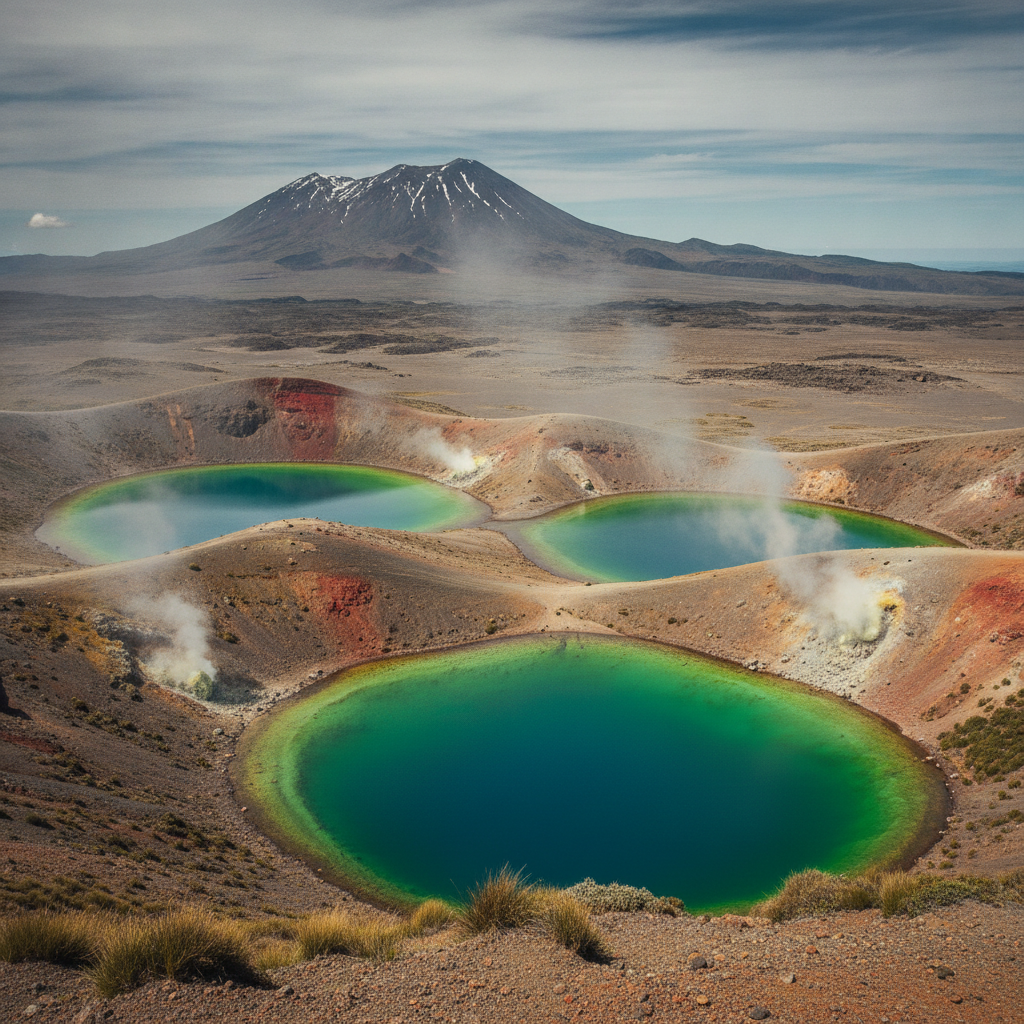
Auckland six routes complete. Route 1: City of Sails, Sky Tower, Rangitoto, Waiheke wine, Maori culture and Treaty, practical. Route 2: Bay of Islands, Cathedral Cove, kauri forest (Tane Mahuta), food scene, volcanic field. Route 3: Rotorua geothermal, Waitomo glowworms, Tongariro Alpine Crossing, All Blacks rugby, Auckland Art Gallery. Route 4 (this route): Ponsonby and K Road neighborhoods, Auckland Harbour Bridge and North Shore beaches, te reo Maori revival, Milford Sound and Fiordland, Abel Tasman National Park. Route 5: (incorporated above) Route 6 (this route): final legacy. New Zealand at a glance: 5.1 million people, 268,021 sq km, the most remote developed nation on earth, the first country to give women the right to vote (1893), the first country to climb Everest (Edmund Hillary, 1953), the country that produced Peter Jackson (Lord of the Rings) and the New Zealand wine revolution. The Lord of the Rings tourism: the Hobbiton movie set (near Matamata, 2 hours south of Auckland) is the primary film tourism attraction; Milford Sound was Lothlórien; the Tongariro plateau was Mordor. New Zealand is the finest long-haul destination on earth for the combination of natural landscapes, outdoor adventure, Maori culture, and quality of life.
Walk this route with audio
Stories play automatically as you reach each stop — no tapping needed.
More in auckland
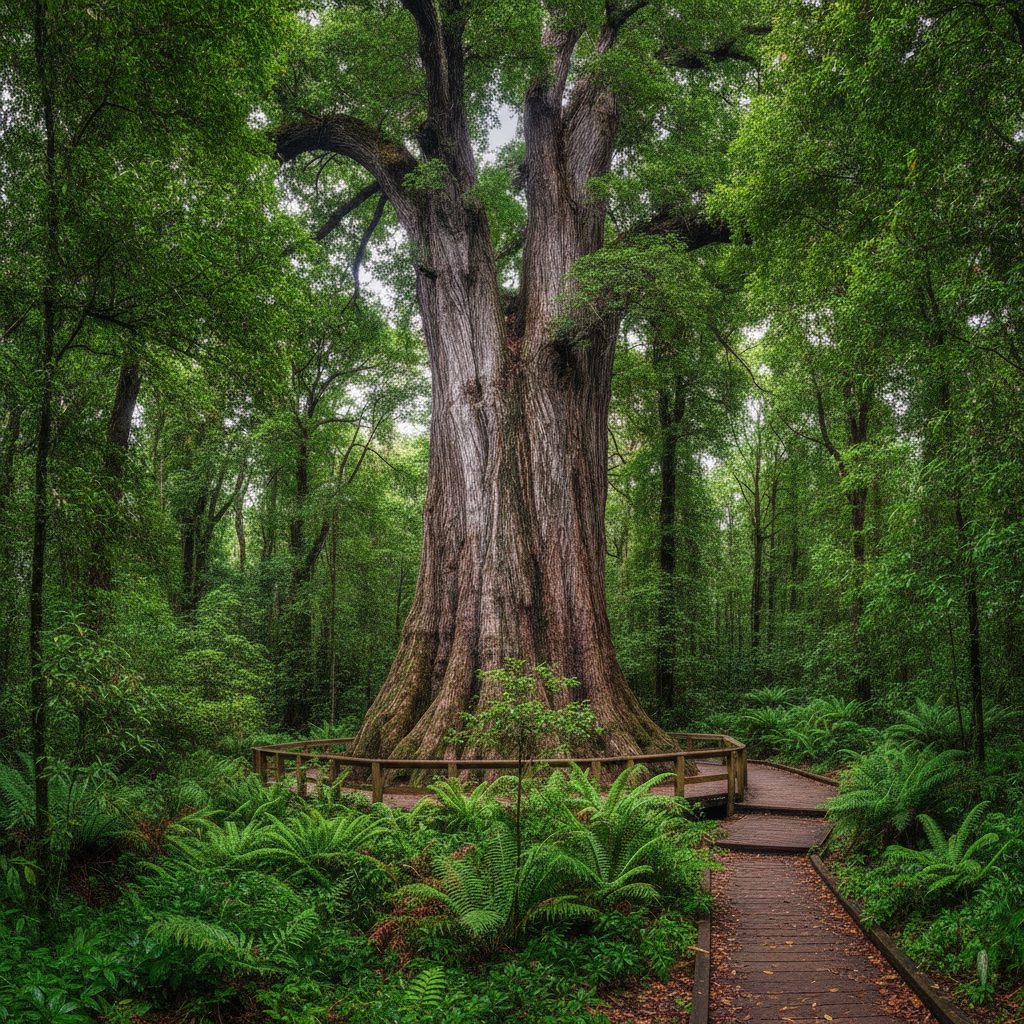
Auckland: Bay of Islands, Cathedral Cove, Kauri Forest, Pacific Rim Food Scene, Volcanic Field, and New Zealand Gateway
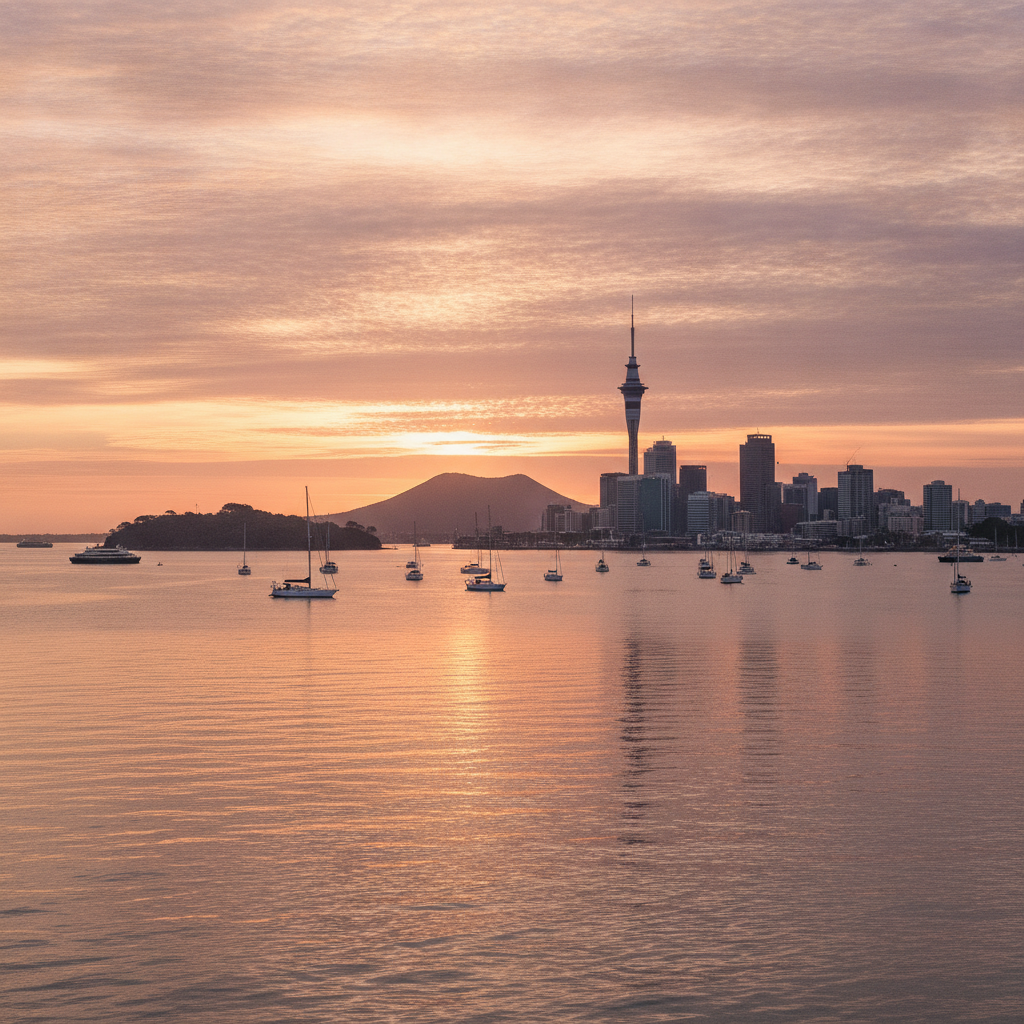
Auckland: The City of Sails, Sky Tower, Rangitoto Volcano, Waiheke Wine Island, Maori Culture, and Practical Guide