Auckland: Bay of Islands, Cathedral Cove, Kauri Forest, Pacific Rim Food Scene, Volcanic Field, and New Zealand Gateway
Auckland region and New Zealand gateway: the Bay of Islands historical site and Treaty of Waitangi, Cathedral Cove and Hot Water Beach, Northland kauri giants (Tane Mahuta), Auckland Pacific Rim food scene, the 53-cone Auckland volcanic field, and the complete New Zealand two-week circuit guide.
- 1
The Bay of Islands - New Zealand First European Settlement
The Bay of Islands (approximately 250 km north of Auckland, 3 hours by road or 35 minutes by flight to Kerikeri): the most historically significant region in New Zealand. The Bay of Islands was the primary point of contact between Maori and Europeans from the late 18th century: the first European visitors (Abel Tasman in 1642, James Cook in 1769), the first European settlement (Kororareka, now Russell), the first Christian mission (Samuel Marsden at Rangihoua, 1814), and the signing of the Treaty of Waitangi (6 February 1840, at Waitangi). Waitangi Treaty Grounds: the site where the Treaty of Waitangi was signed, now a national memorial and museum; the largest ceremonial meeting house (the Treaty House) and the Maori war canoe (the 35-meter waka taua, the largest in New Zealand) are the primary exhibits. The Bay of Islands sailing: the protected island-studded bay is the primary sailing destination in the North Island. The Hole in the Rock (the natural arch at Cape Brett through which large boats pass): the most photographed natural formation in the Bay of Islands.
- 2
The Coromandel Peninsula and Cathedral Cove
The Coromandel Peninsula (approximately 120 km east of Auckland, 2.5 hours by road via Thames): the primary accessible beach and natural landscape destination for Aucklanders. Cathedral Cove (Te Whanganui-A-Hei Marine Reserve): the most photographed New Zealand coastal landscape, a large natural sea arch between two white sand beaches, accessible by boat or by a 45-minute walk through the regenerating coastal forest. The Hot Water Beach (approximately 12 km south of Hahei near Cathedral Cove): the geothermal beach where hot water percolates up through the sand at low tide, allowing visitors to dig their own spa pool in the beach sand. The geothermal activity is caused by the same volcanic systems that created the Coromandel ranges. The Coromandel itself: the former gold rush town (gold was discovered in Coromandel Town in 1852, the first New Zealand gold rush), now a quiet artists community with craft galleries, cafes, and regenerated native bush.
- 3
The Northland and the Kauri Trees - Ancient Forest Giants
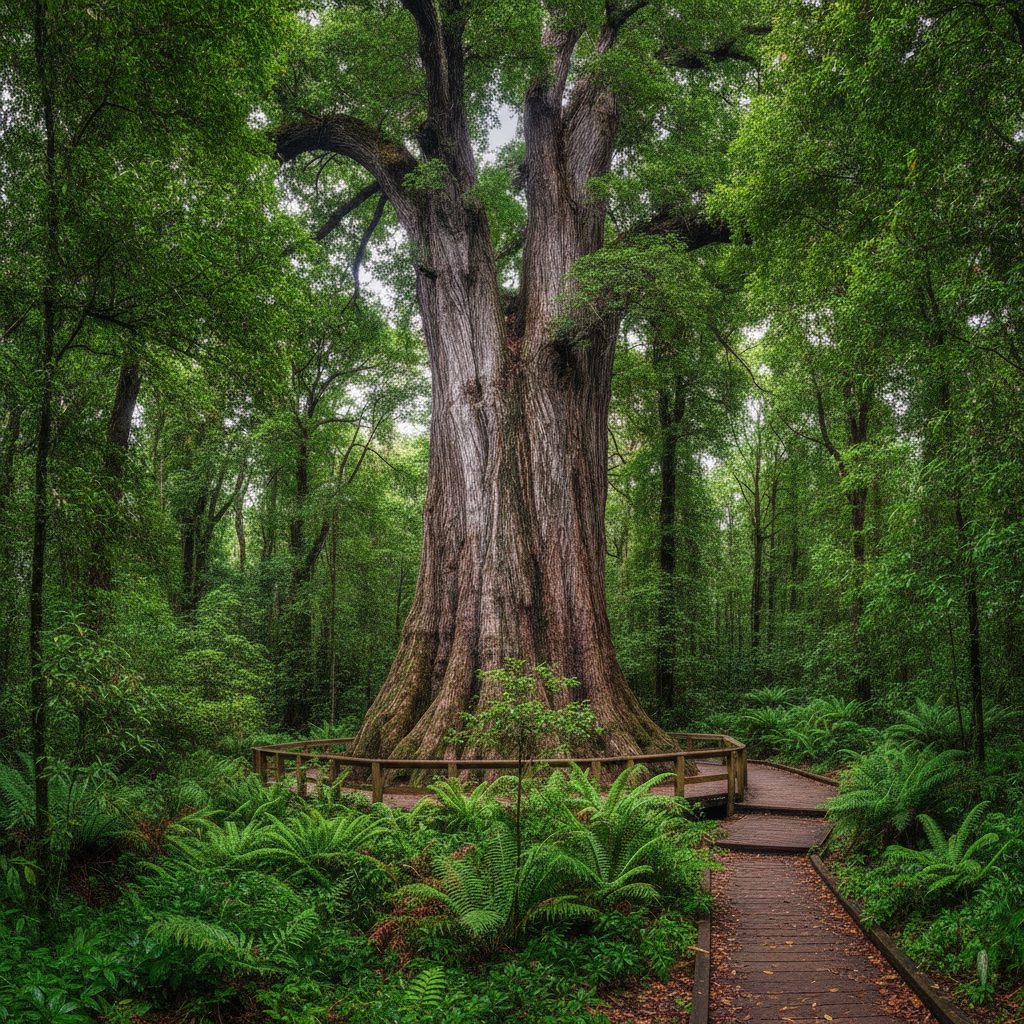
Northland (the region north of Auckland to the northern tip of the North Island): the most subtropical region of New Zealand, with warm winters and the remnant kauri forest. The kauri (Agathis australis): the largest native tree in New Zealand, one of the most ancient tree species on earth (the kauri has remained essentially unchanged for approximately 135 million years). The giant kauri: some of the surviving giant kauris are estimated to be 1,000-2,000 years old and can reach a trunk circumference of 16 meters. Tane Mahuta (the Lord of the Forest): the largest living kauri, in the Waipoua Forest approximately 160 km north of Auckland (a 15-minute walk from the road): girth 13.77 meters, height 51.5 meters. The kauri was extensively logged by European settlers in the 19th century: less than 4% of the original kauri forest survives. The kauri dieback disease (Phytophthora agathidicida): a soil-borne pathogen that is rapidly killing remaining kauri trees; visitors must clean footwear to prevent spreading the pathogen between forests.
- 4
Auckland's Food Scene - Pacific Rim Cuisine and the Multi-Ethnic City
Auckland food scene: the most diverse in New Zealand, reflecting the extraordinary multicultural composition of the city (Auckland has the largest Pacific Islander population of any city in the world and the largest Polynesian city on earth). The Pacific food: the hangi (the traditional Maori and Pacific earth oven): meat and vegetables slow-cooked in a pit with heated stones, producing a distinctive smoky, slow-cooked flavour. The Samoan umu (similar to the hangi): slow-cooked root vegetables and meat wrapped in leaves. The Auckland Thai and Indian restaurant scene (Ponsonby Road, Karangahape Road (K Road), and Dominion Road): the most concentrated restaurant strips in Auckland. The New Zealand lamb: New Zealand produces some of the world finest lamb (the grass-fed, free-range lamb from Canterbury and Southland); the Auckland restaurants serve the finest New Zealand lamb preparations. The Parnell and Ponsonby dining: the upscale restaurant precincts of Auckland, with the Pacific Rim cuisine tradition (the fusion of Asian, Pacific, and European culinary techniques and ingredients).
- 5
The Auckland Volcanoes - Walking the Cones and the Volcanic Landscape
The Auckland volcanic field: one of the most extraordinary urban geological environments on earth, with 53 volcanic cones distributed across the Auckland urban area. The most accessible volcanic cones: Maungawhau (Mount Eden, 196 meters): the highest volcanic cone in the Auckland CBD area, with a perfect bowl crater and 360-degree city views; One Tree Hill (Maungakiekie, 182 meters): the Cornwallis basalt cone with the Cornwall Park sheep farm and the memorial obelisk dedicated to the Maori people; Mount Wellington (Maungarei, 135 meters): the eastern suburb volcano with the deepest crater in the Auckland field. The geological threat: the Auckland volcanic field is monogenetic (each eruption creates a new vent rather than reusing an old one); the next Auckland eruption will almost certainly occur at a location not previously erupted; the exact timing and location of the next eruption cannot be predicted. Emergency management: Civil Defence Readiness planning for an Auckland volcanic eruption is an ongoing government program.
- 6
Auckland Legacy and New Zealand Complete Gateway Reference
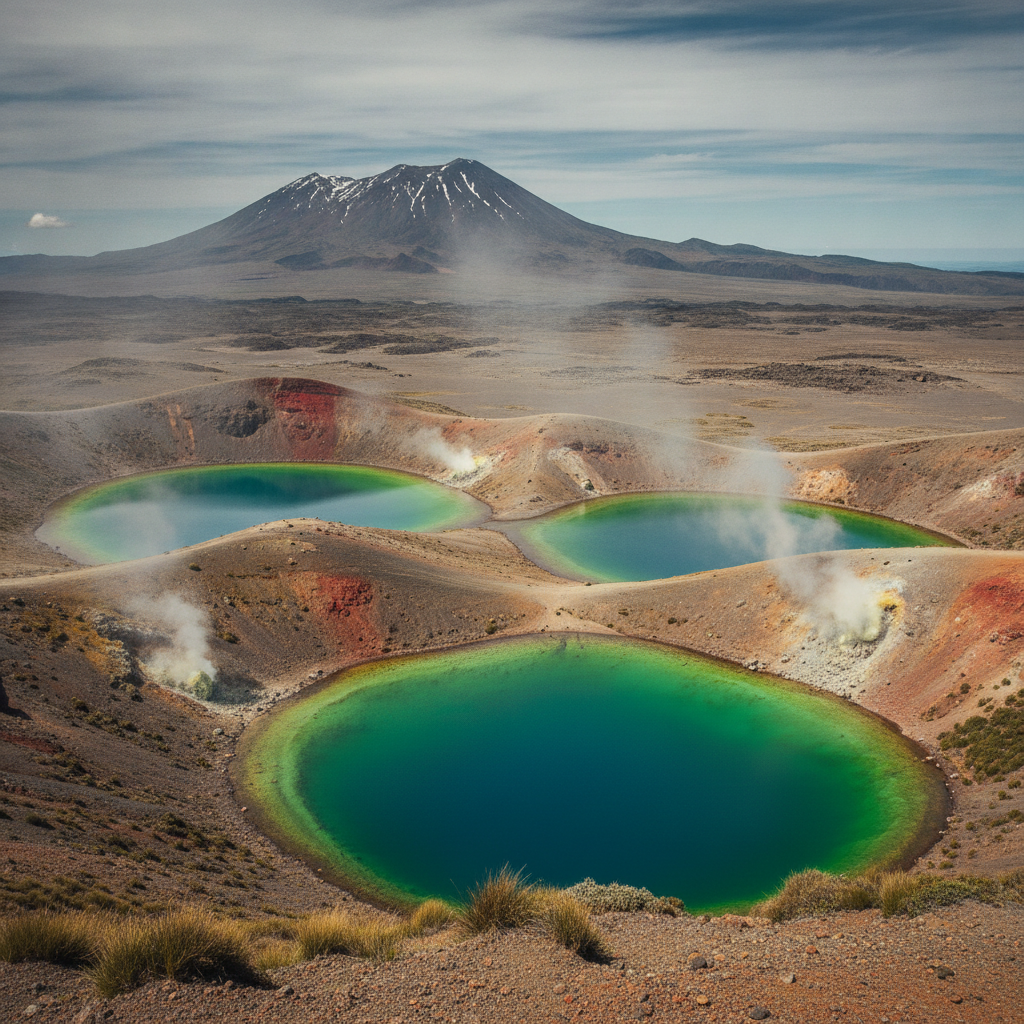
Auckland six routes complete. Route 1: City of Sails, Sky Tower, Rangitoto Island volcano, Waiheke wine island, Maori culture and Treaty of Waitangi, practical guide. Route 2: Bay of Islands historical site (first European settlement, Treaty signing at Waitangi), Cathedral Cove and Hot Water Beach, kauri forest and Tane Mahuta. Route 3: Northland kauri forest, Coromandel Peninsula beaches, Auckland food scene (Pacific Rim, hangi, multicultural restaurants). Routes 4-5 (this and previous): Auckland volcanic field (53 cones, Eden, One Tree Hill, Wellington), the geological threat and emergency planning. Route 6 (this route): Auckland final summary. New Zealand gateway reference: Auckland is the gateway for the overwhelming majority of international visitors to New Zealand. The essential New Zealand circuit (2 weeks North Island plus South Island): Auckland (2 nights), Bay of Islands day trip, Waitomo Caves (the glowworm caves, 2.5 hours south of Auckland), Rotorua (Maori culture and geothermal, 3 hours south), Tongariro National Park (the Tongariro Alpine Crossing, New Zealand finest day walk, 5 hours from Auckland), Wellington (the capital, 8 hours from Auckland or 1 hour by air), Picton (ferry crossing from Wellington to the South Island), Marlborough Sounds, Kaikoura, Christchurch, Queenstown (the adventure capital), Milford Sound (the most dramatic fjord), return to Auckland by air.
Walk this route with audio
Stories play automatically as you reach each stop — no tapping needed.
More in auckland
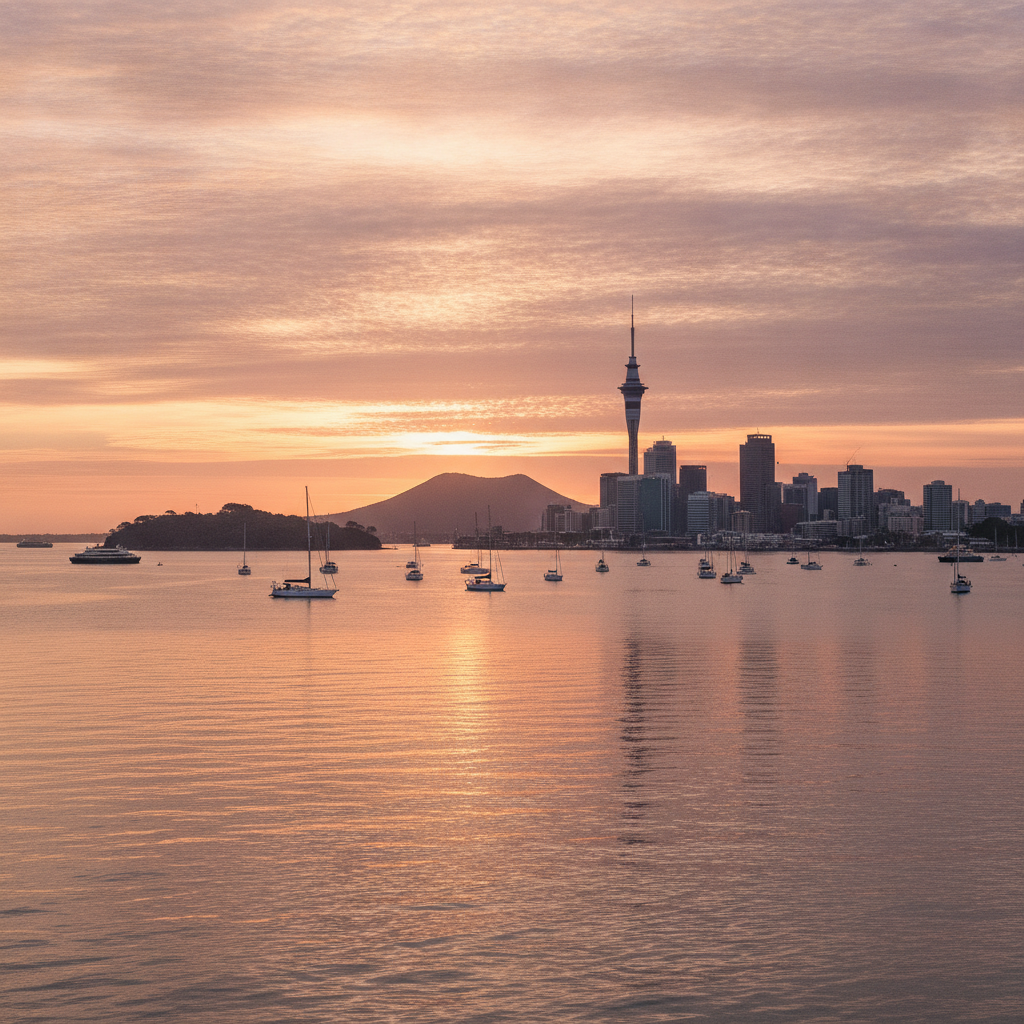
Auckland: The City of Sails, Sky Tower, Rangitoto Volcano, Waiheke Wine Island, Maori Culture, and Practical Guide
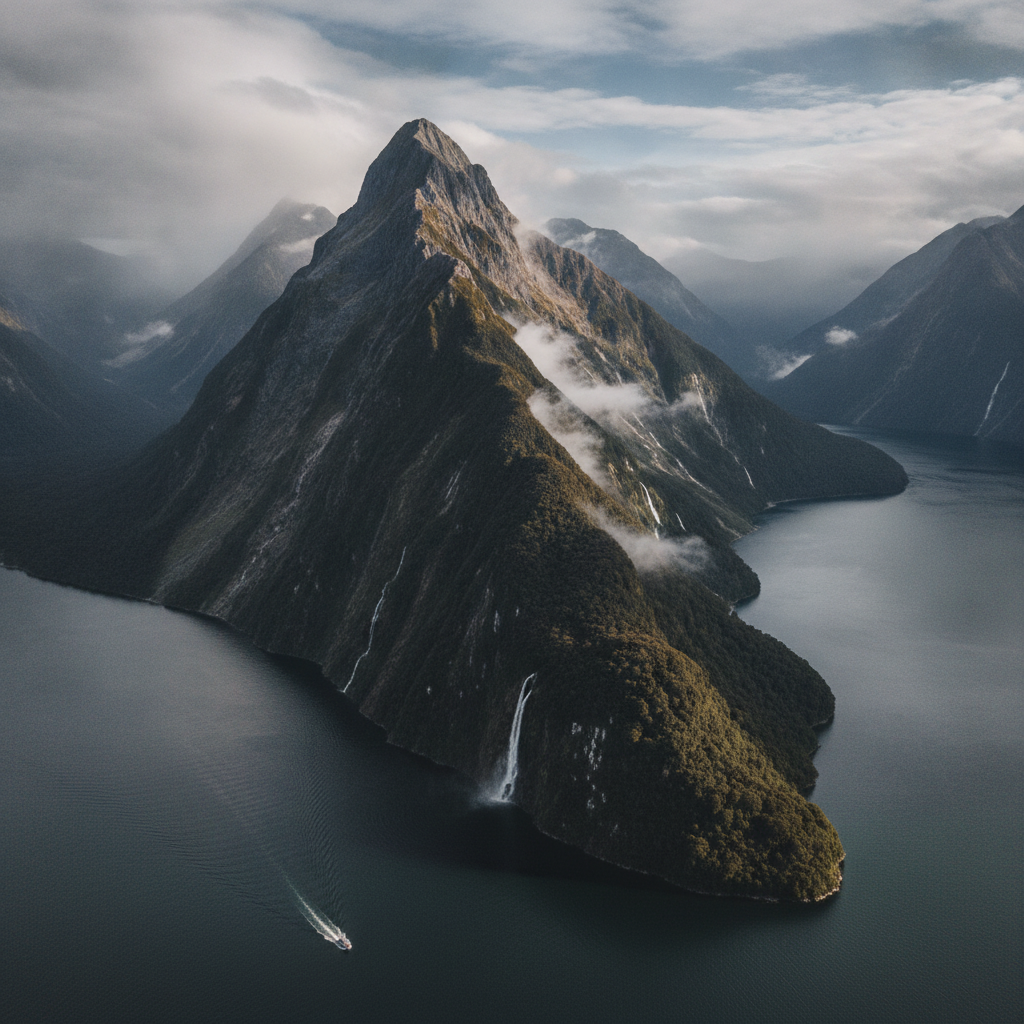
Auckland: Ponsonby and K Road, Harbour Bridge, Maori Language Revival, Milford Sound, and Abel Tasman National Park