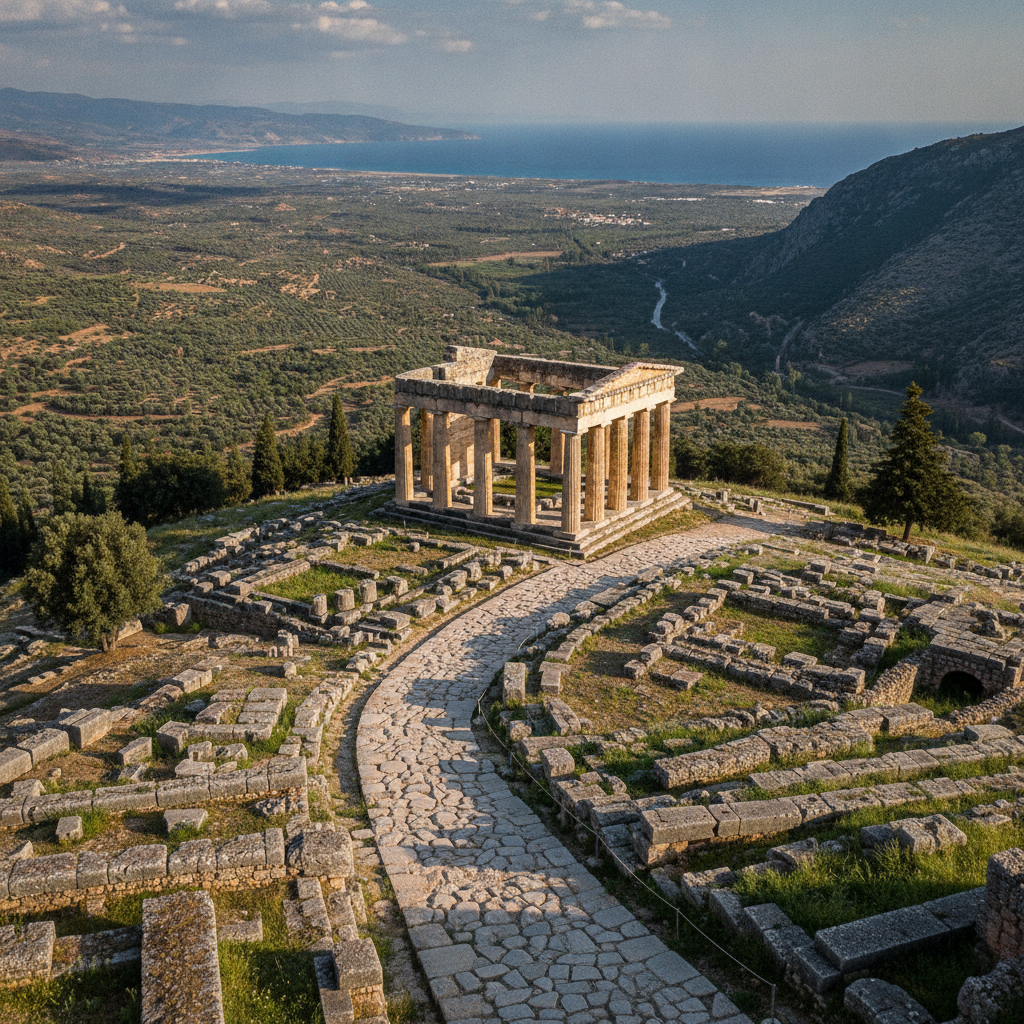
Piraeus, Mikrolimano & the Saronic Riviera: Athens' Ancient Port and Yacht Harbor
Piraeus — 10 km southwest of central Athens and connected by metro (Line 1, 25 minutes from Monastiraki) — is both the largest port in Greece (the largest passenger port in Europe, the third-largest in the world) and an ancient city in its own right, containing significant archaeological remains, a world-class museum of ancient naval equipment, and the most beautiful small yacht harbor in Attica at Mikrolimano.
- 1
Piraeus Main Port & Passenger Terminal
The Port of Piraeus (Λιμάνι Πειραιά) is the largest port in Greece and the Mediterranean's largest passenger port — handling approximately 20 million passengers annually on regular ferry services to the Cyclades, Dodecanese, Crete, Ionian Islands, and the Dodecanese, as well as cruise lines and international shipping. The port was developed in antiquity as the naval base and commercial harbor of Athens from the late 6th century BC; the Themistoclean Long Walls (479 BC) connected Piraeus to Athens proper, creating a fortified corridor 40 stadia long (approximately 7 km). The ancient port had three harbors: Zea (Pasalimani), Munichia (Mikrolimano), and the Great Harbor (the main commercial harbor, still in use). The modern port contains significant container facilities (operated by COSCO Pacific since 2008-2016; the Chinese shipping giant now owns 67% of the Piraeus Port Authority) that have made it the busiest container port in the Mediterranean, handling 5.4 million TEU annually. The Piraeus metro station (Line 1, the Green Line, Athens' oldest metro line, opened 1869 as a steam railway) is adjacent to the main port gate.
- 2
Mikrolimano (Μικρολίμανο / Tourkolimano)
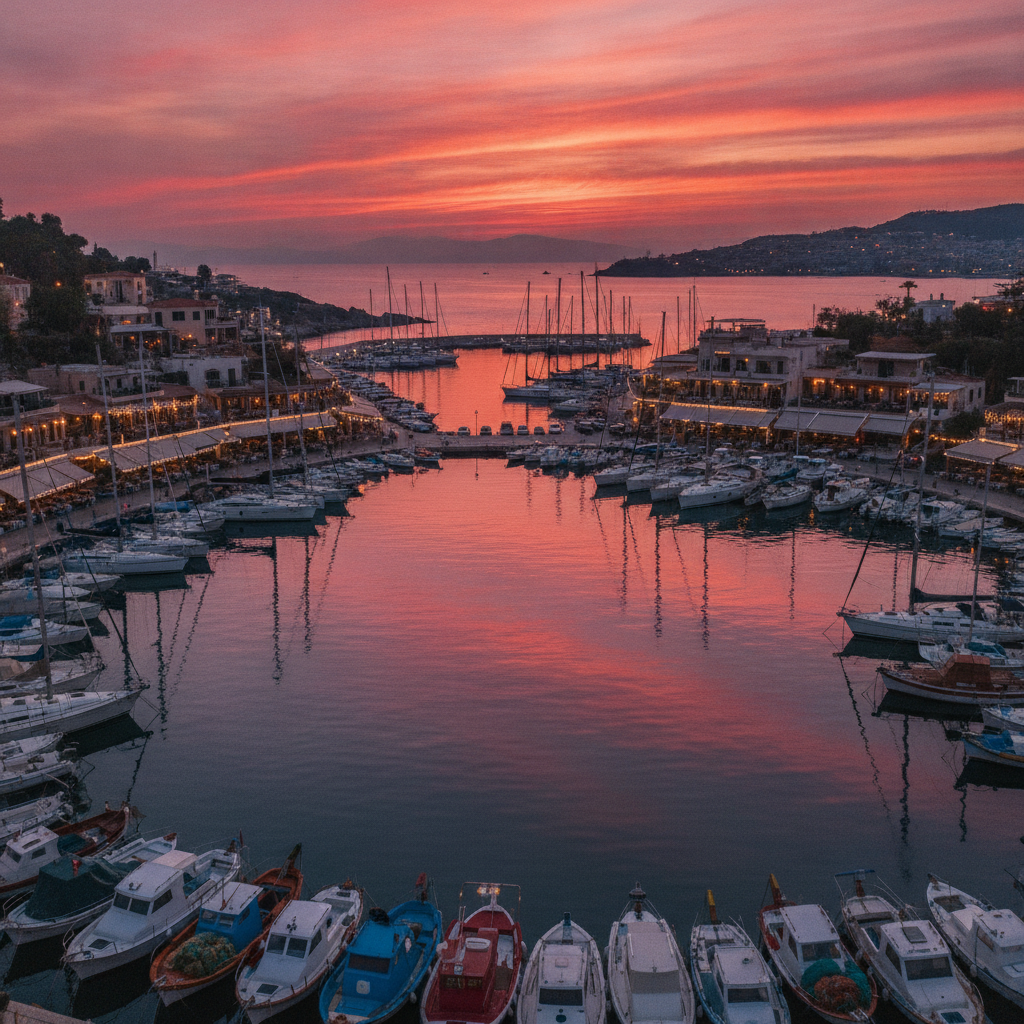
Mikrolimano ('small harbor') — also known historically as Mounichia (the Munichia harbor of antiquity) and colloquially as Tourkolimano ('Turkish harbor', from the Ottoman period when it was a fishing harbor for the Turkish-Greek fishing community of Piraeus) — is a perfectly circular natural harbor approximately 200 meters in diameter, sheltered from the northwest winds by the Munichia promontory. The harbor accommodates approximately 200-250 small pleasure boats and yachts in a tightly packed mooring arrangement; the surrounding semicircular esplanade is lined with seafood restaurants and tavernas that are collectively among the best in Attica for fresh fish, octopus, sea urchin, and Aegean seafood. The setting — especially at sunset, when the boats are backlit against the Saronic Gulf — is the most photographed harbor scene in mainland Greece. Mikrolimano was the harbor from which the Athenian fleet under Themistocles launched to fight the Persian fleet at Salamis (480 BC).
- 3
Archaeological Museum of Piraeus (Αρχαιολογικό Μουσείο Πειραιά)
The Archaeological Museum of Piraeus — a relatively little-visited institution that contains some of the most significant bronze sculptures in the world — is housed in a neoclassical building (1966) near the Zea harbor. The museum's exceptional highlight is the Piraeus Collection of ancient bronze statues discovered in 1959 during construction work on Philonos Street: four large-scale bronze sculptures that had been buried (apparently hidden from Roman looters) in the 1st century BC, including the Piraeus Apollo (late 6th century BC, 1.92 meters, the oldest known large-scale hollow-cast Greek bronze statue — a 'kouros' type but in bronze rather than marble), the Piraeus Athena (4th century BC, a magnificent helmeted standing goddess), and two Artemis figures. These bronzes rank among the finest surviving examples of Greek large-scale sculpture and are displayed in a dedicated room. The museum also contains the largest collection of ancient ship rams (bronze embolon) found at the site of the ancient ship sheds at Zea harbor.
- 4
Faliro & Peace and Friendship Stadium
Faliro (Φάληρο) — the coastal suburb of Athens immediately north of Piraeus along the Saronic Gulf — is the site of the largest event venue on the Athens Riviera: the Peace and Friendship Stadium (SEF, Στάδιο Ειρήνης και Φιλίας), an 18,000-seat indoor arena built 1981-1988 that hosted the 1987 European Basketball Championship, multiple world volleyball and wrestling championships, and basketball events during the 2004 Athens Olympics. The SEF anchors the Faliro Delta zone — a 75-hectare development site (the former Athens Olympic Sailing Center is nearby at the old airport site) that is currently undergoing major redevelopment as the Hellinikon urban park and residential project (on the site of the former Athens International Airport, closed 2001). The Faliro waterfront hosts the annual Mediterranean Exhibition and the Athens Air Show. The ancient Phaleron (Φάληρο) was the main harbor of Athens before Piraeus was developed in the 5th century BC.
- 5
Alimos Marina & South Athens Riviera
Alimos Marina (Μαρίνα Αλίμου) — the largest marina complex in the eastern Mediterranean (1,100 berths, inaugurated 1985), located 14 km south of central Athens — is the primary departure point for private yachts sailing to the Cyclades, Saronic Islands, and the Peloponnese coast. The marina is adjacent to the Alimos waterfront development (cafés, restaurants, beach clubs) and the Alimos archaeological park, which contains the remains of the ancient deme of Halimous (birthplace of the historian Thucydides, ca. 460 BC) discovered during construction of the marina facilities. The coast between Alimos and Vouliagmeni (the 'Apollo Coast') contains the highest concentration of beach clubs and summer restaurants in Attica, and during summer becomes the most animated social space for Athenians who cannot afford or do not wish to travel to the islands.
- 6
Hellinikon Metropolitan Park (Former Athens Airport)
The former Athens Ellinikon International Airport — closed in 2001 when the new Athens International Airport at Spata opened for the 2004 Olympics — occupies a 620-hectare site on the coast between Alimos and Glyfada that is the largest single urban development project in Europe currently underway. The Hellinikon project (developer: Lamda Development, backed by Saudi Arabian and Abu Dhabi sovereign wealth funds; originally approved 2014, ground broken 2021) envisages a mixed-use urban park with residential towers (up to 200 meters), a casino resort (Hard Rock), a marina expansion, sports facilities (including a multi-purpose arena), and 2 km of beach. The main 200-hectare linear park (the Hellinikon Metropolitan Park) opened a first phase in 2024, restoring and making accessible the former airport's two runways as a public green space — the largest new urban park in Europe since the Barcelona Olympic Village (1992). The former airport terminal buildings (one designed by Eero Saarinen, 1960, for the East Terminal) are a contested heritage site.
Walk this route with audio
Stories play automatically as you reach each stop — no tapping needed.
More in athens
Keramikos, Gazi & Thisseio: Ancient Cemeteries, Creative Districts & Democratic Hills
Plaka, Monastiraki & Psyrri: Athens Beneath the Acropolis
Panathenaic Stadium, Zappeion & National Garden: Olympic Legacy and Royal Athens
Cape Sounion & the Attica Coast: Poseidon's Temple Above the Aegean
National Archaeological Museum & Exarcheia: Greece's Greatest Treasures