Atacameno Culture: Pukara Fortresses, Village Traditions, and 10,000 Years of Desert Life
The Atacameno or Lickanantay people developed one of the most sophisticated adaptations to extreme aridity of any human culture, managing water resources, agricultural terraces, and trade routes across the desert for millennia before Spanish colonization disrupted but did not eliminate their way of life.
- 1
Pukara de Quitor: The Pre-Columbian Fortress Village
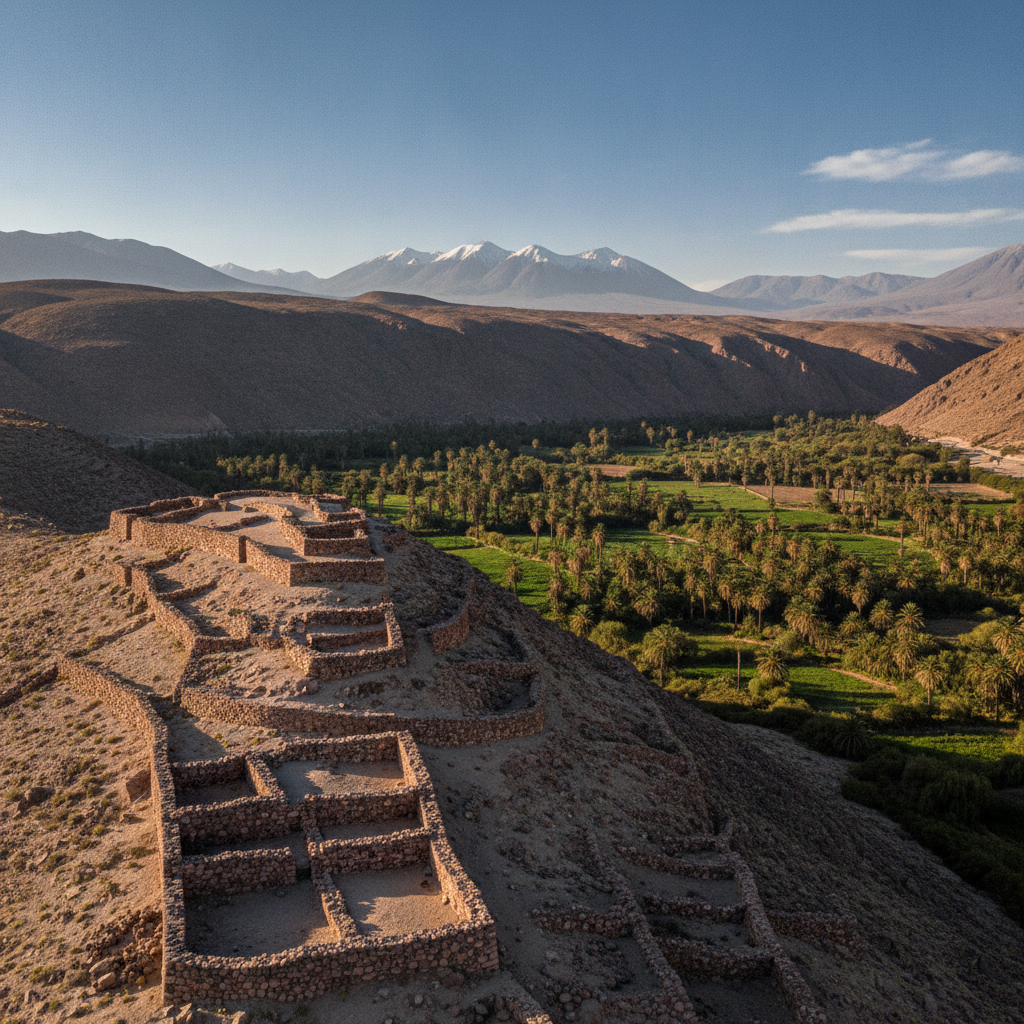
The Pukara de Quitor, a fortified settlement of stone houses and defensive walls built on a volcanic bluff above the San Pedro River 3 kilometers from modern San Pedro de Atacama, was the primary fortified community of the Atacameno people and the site of the Spanish conquest of the region in 1540 by Diego de Almagro. The partially restored walls and house foundations provide a tangible connection to the pre-Columbian civilization that predates the Spanish colonial period by several centuries.
- 2
Tulor: The Ancient Desert City
Tulor, a partially excavated settlement of circular adobe houses dating from approximately 800 BC, is the oldest known permanent settlement in the Atacama and provides evidence of agricultural community life in the desert oasis environment at a period contemporary with the height of the pre-classic period in Mesoamerica. The excavations at Tulor, managed by the Universidad Católica del Norte, have revealed a community of several hundred inhabitants who farmed the oasis and herded llamas.
- 3
Village Communities: Toconao, Socaire, and the Atacameno Oases
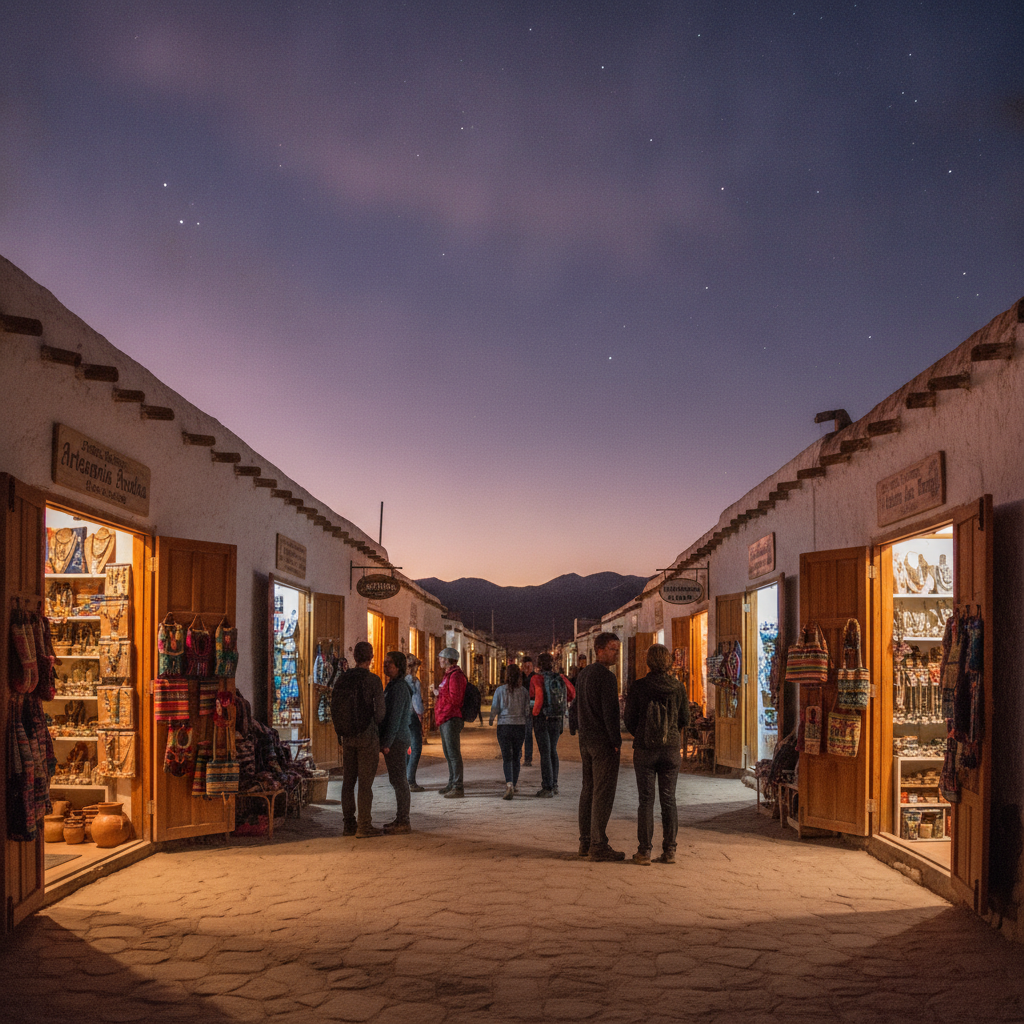
The villages of Toconao, Socaire, Camar, and other small communities in the Atacama basin south of San Pedro preserve the living traditions of Atacameno culture in their adobe architecture, collective water management systems, artisan production of textiles and ceramics, and the agricultural practices of the terrace system that converts the spring water of the high Andes into productive garden cultivation. The Toconao church bell tower is the most photographed colonial structure in the region.
- 4
Llama and Alpaca Herding: The Pastoral Economy of the Altiplano
The herding of llamas and alpacas on the high-altitude grasslands of the altiplano, a practice dating to the domestication of these animals from the wild guanaco approximately 6,000 years ago, continues among Atacameno communities in the high puna above San Pedro; the herders move between seasonal pastures following the patterns of the brief wet season rains that bring grass to the otherwise barren volcanic plateau. The wool, meat, and transport provided by the camelid herds remains significant in the subsistence economy of the altiplano communities.
- 5
Museum of Atacameno Peoples: The Desert Civilization Documented
The Museo Arqueologico Gustavo Le Paige in San Pedro de Atacama, established by the Belgian Jesuit priest and archaeologist Gustavo Le Paige who spent decades excavating the Atacama sites, contains the most comprehensive collection of pre-Columbian Atacameno material in Chile, including mummified human remains, grave goods, textiles, ceramics, and bronze objects that document the sophistication of the desert civilization across several millennia. The museum is essential context for understanding the archaeological sites of the surrounding landscape.
- 6
Salt Trade Routes: The Desert Commerce Network
The Atacama was a node in an extensive pre-Columbian trade network connecting the Pacific coast, the Andean highlands, and the lowland forests of the Amazon basin, with Atacameno traders carrying salt, dried fish, copper, and marine shells across the desert in exchange for the silver, gold, and feathers of the highland and tropical forest peoples. The remains of this trade network are visible in the artifact collections of the desert settlements, which contain objects from distant regions that could only have arrived through systematic long-distance exchange.
Walk this route with audio
Stories play automatically as you reach each stop — no tapping needed.
More in Atacama
Atacama Wildlife: Vicunas, Flamingos, Viscachas, and the Andean Cat
Atacama Desert: Moon Valley, El Tatio Geysers, Flamingo Lagoons, and the World's Best Stargazing
Atacama Geology: Salt Flats, Volcanoes, and the Science of the World's Driest Desert
Atacama Nitrate Era: Ghost Towns, Humberstone, and the Rise and Fall of White Gold
Atacama Astronomy: ALMA, World-Class Observatories, and Astrophotography