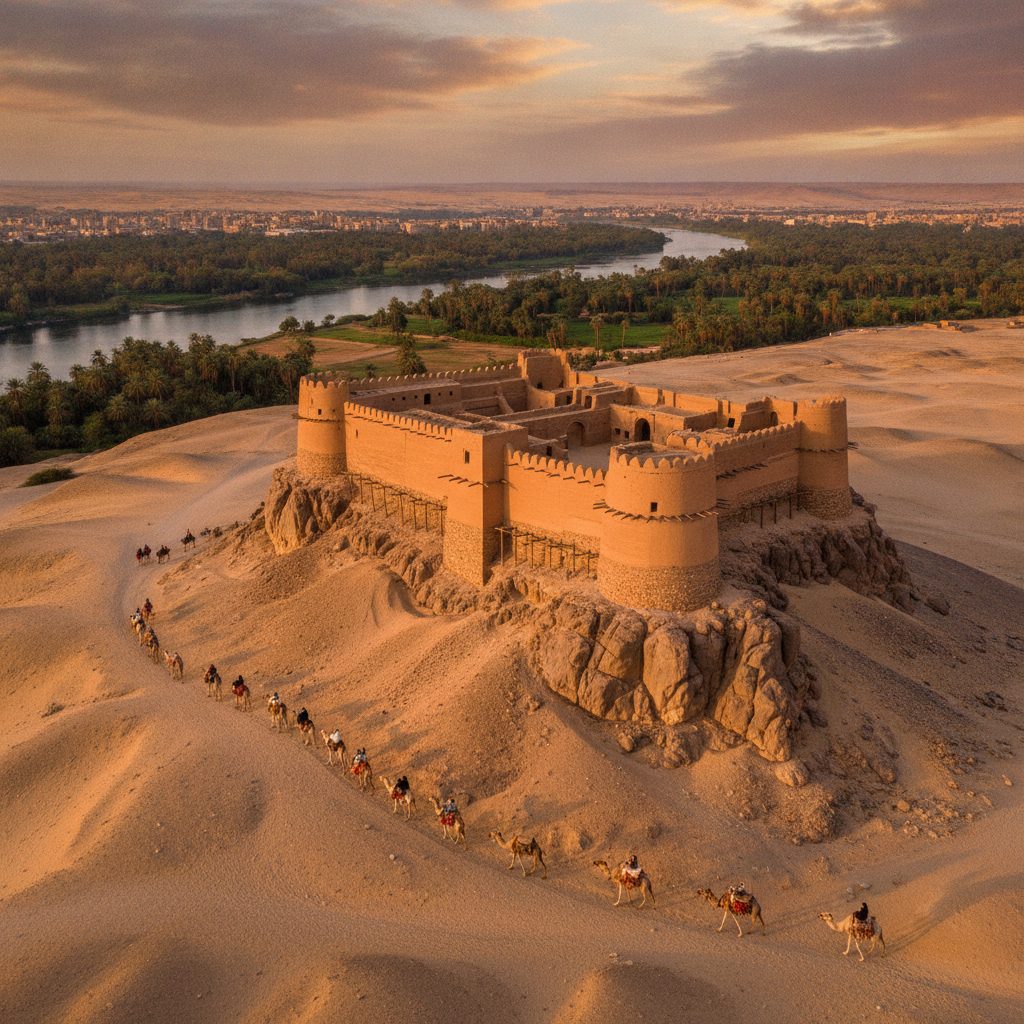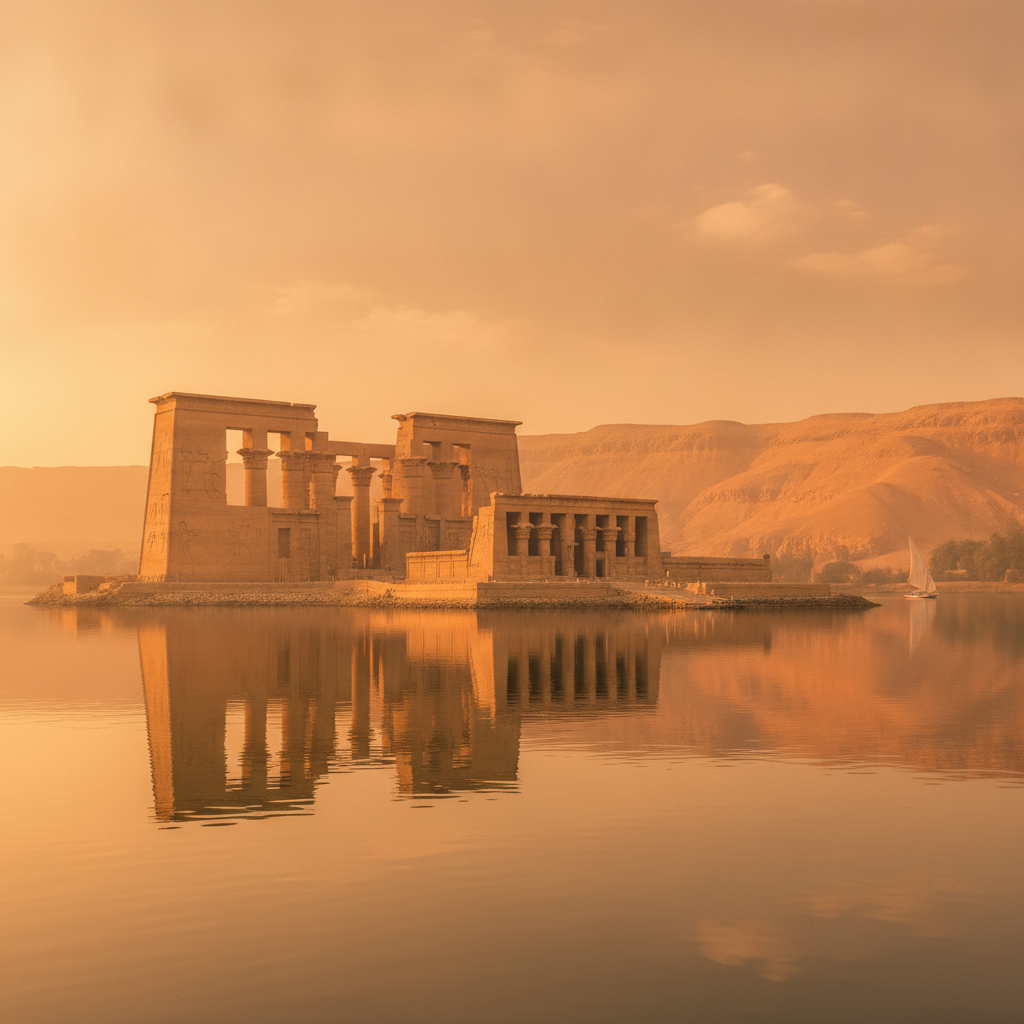
Aswan Practical Guide - Felucca Rides, Sound and Light Shows, Best Season, and Complete Itinerary
The complete practical guide to Aswan: planning the optimal visit to Egypt most relaxed and naturally beautiful city, including the felucca experience, Sound and Light Show at Philae, the Abu Simbel day trip logistics, and the best season for the Upper Egyptian Nile Valley.
- 1
Aswan by Felucca - The Traditional Nile Sailing Experience
The Aswan felucca experience: the traditional Nile sailing boat is the defining mode of transport in Aswan and the most pleasurable way to experience the first Nile cataract. The felucca (the felucca: the traditional lateen-rigged Nile sailing boat with a single triangular sail: the primary working and leisure boat of the Nile Valley since at least the Islamic medieval period: built of wood with a shallow draft suited to Nile navigation: the Aswan feluccas are characteristically white-sailed against the blue Nile water and pink granite boulders). The standard Aswan felucca routes (the 2-3 hour felucca tour from the Aswan Corniche: sailing through the granite islands of the first cataract to Kitchener Island (Botanical Garden Island: a lush island planted with exotic trees by the British colonial administration in the 1890s: now a peaceful botanical garden): past Elephantine Island: to the Agha Khan Mausoleum on the west bank and the Monastery of Saint Simeon: the return via the granite boulders and the Nubian villages). The overnight felucca (the overnight felucca journey from Aswan to Edfu (or Luxor): sailing downstream on the Nile with the current and the north wind: camping on shore or sleeping on the boat: one of the most atmospheric and adventurous ways to travel in Egypt: organized through felucca captains at the Aswan Corniche or through local travel agents). The captain (the felucca captains of Aswan are one of the Aswan social institutions: negotiating for a felucca and building rapport with the captain is part of the Aswan experience).
- 2
The Philae Sound and Light Show - The Temple After Dark
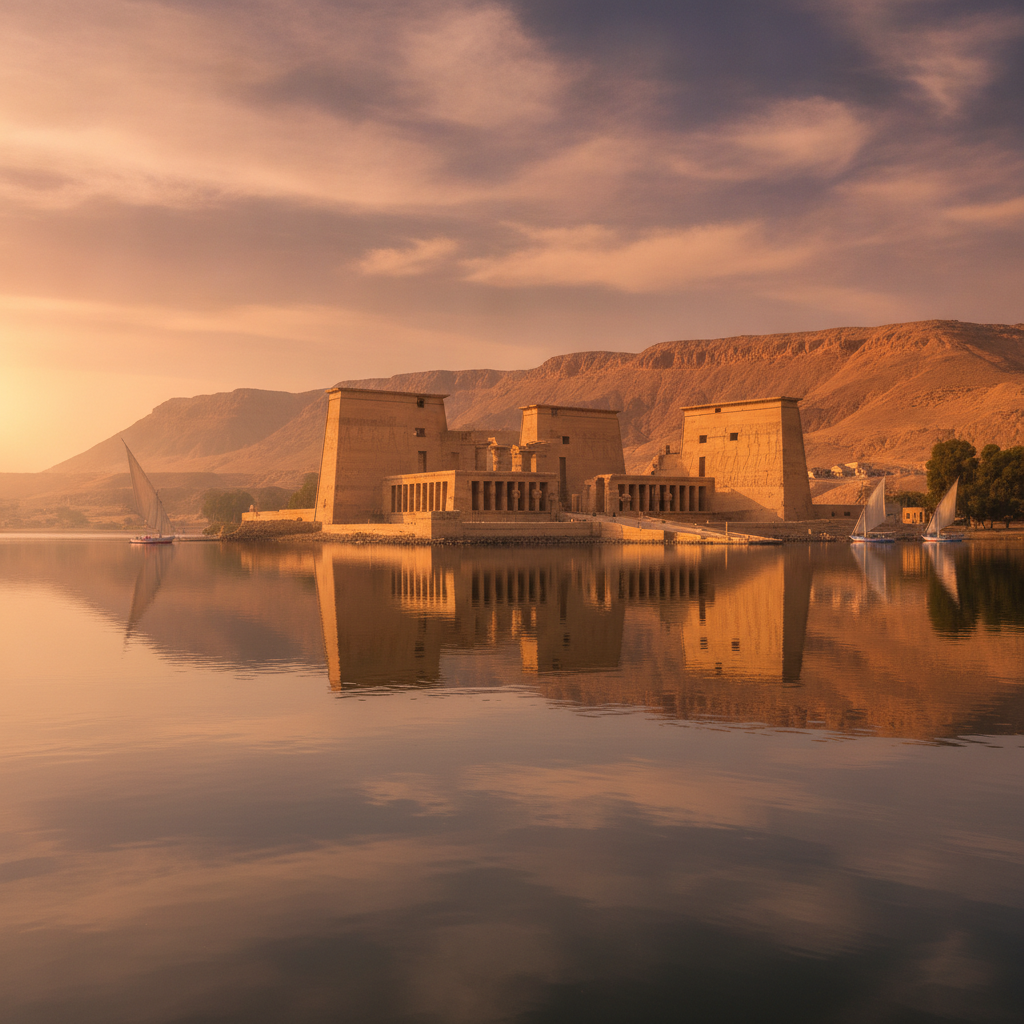
The Philae Sound and Light Show: the nightly illumination of the Philae Temple of Isis with narration of the Isis-Osiris myth: one of the finest Sound and Light shows in Egypt and among the most atmospheric heritage events in the world. The show (the Philae Sound and Light Show takes place 3 times nightly in different languages: English, French, Arabic, German, Italian, Japanese, and Spanish at different evenings and times: visitors board a boat from the Philae landing dock for the short crossing to Agilkia Island: the temple is illuminated progressively as the narration proceeds: the show lasts approximately 45-50 minutes: the combination of illuminated Ptolemaic temple columns, Nile water reflections, palm tree silhouettes, and the narration of the ancient Isis myth creates an extraordinary atmospheric experience). The Isis myth (the narrative (the murder of Osiris by Set: Isis gathering the dismembered body of Osiris and magically resurrecting him: the conception of Horus: the birth of Horus on the island of Khemmis in the Delta marshes: the battles of Horus against Set: the restoration of Osiris as king of the underworld and Horus as king of the living: the triumph of cosmic order (Maat) over chaos (Isfet)): the mythological narrative that underlies all the temple reliefs at Philae). The practical (tickets available at the Philae landing area or through hotels: the show times change seasonally: the evening boat crossing in itself is beautiful: warm evenings (October-May) are the most comfortable: the summer shows are still atmospheric but very hot).
- 3
Abu Simbel Logistics - Fly or Drive, and What to Do When You Get There
The Abu Simbel logistics guide: the two temples 270 km south of Aswan are one of the finest ancient Egyptian sites in the world and planning the visit requires careful thought. The fly option (EgyptAir and AirArabia operate daily flights from Aswan to Abu Simbel (40-minute flight): the round trip costs approximately USD 80-100: the flight schedule typically allows approximately 2.5-3 hours at the site before the return flight: this is sufficient for a good visit to both temples but not for the solar alignment days). The drive option (the road from Aswan to Abu Simbel runs 270 km through the desert parallel to Lake Nasser: 3-4 hours by car: only permitted in police-escorted convoys departing from Aswan at set times (typically 4am and occasionally later convoys): the convoy requirement adds complexity but the road is well-maintained: the early morning 4am departure is required to arrive at Abu Simbel at sunrise for the finest light: the return convoy from Abu Simbel is in the early afternoon). The solar alignment (February 22 and October 22: the rising sun illuminates the inner sanctuary of the Great Temple: these dates attract very large crowds (hundreds of visitors): book accommodation in Abu Simbel (the Abu Simbel Village Hotel or the Eskaleh Eco-Lodge) months in advance and arrive the evening before for sunrise). The two temples (the Great Temple of Ramesses II: approximately 1 hour: the Small Temple of Nefertari: approximately 30-45 minutes: both temples have interior photography restrictions).
- 4
The Best Season for Aswan and Upper Egypt - Climate, Crowds, and Planning
The Aswan and Upper Egypt best season guide: the climate of Upper Egypt, the seasonal variation in crowds and temperatures, and the optimal planning windows for different types of visitors. The climate (Aswan is one of the hottest and driest inhabited places in the world: average summer maximum temperatures (June-August): 40-43 degrees C with regular peaks above 45 degrees C: average winter maximum temperatures (November-January): 25-27 degrees C: the annual rainfall: less than 1mm per year (virtually no rain in Aswan): the Nile breeze moderates the heat particularly on the river and at night). The peak season (November-February: the optimal tourist window: temperatures 20-27 degrees C: maximum sunshine: the most pleasant conditions for walking around the monuments: crowded with tour groups particularly December-January). The shoulder season (October and March-April: excellent temperatures (25-32 degrees C): fewer tourists than peak season: good value). The summer season (May-September: extremely hot (38-45 degrees C): minimal tourists: very low accommodation prices (50-70% below peak season rates): the monuments are virtually empty: visiting at 6am when the sites open and resting during the hottest hours (11am-4pm) makes summer visits feasible for heat-tolerant travelers). The Ramadan factor (Ramadan (the dates vary by year): restaurants and shops may have reduced hours: the evening iftar (fast-breaking meal) and the late-night atmosphere in Aswan are a cultural highlight).
- 5
Aswan vs Luxor - Which Upper Egyptian City to Prioritize
Aswan vs Luxor: the two great Upper Egyptian Nile cities compared to help plan the optimal itinerary for a visit to the most monument-rich region in Egypt. Luxor (the East Bank (Karnak Temple (the largest ancient religious complex in the world), Luxor Temple, the Luxor Museum): the West Bank (Valley of the Kings (64 royal tombs including Tutankhamun), Valley of the Queens, Deir el-Bahari (Hatshepsut Temple), Deir el-Medina (workers village), Medinet Habu, the Ramesseum, the Colossi of Memnon): the most extraordinary concentration of ancient Egyptian monuments in the world: minimum 3-4 days: a busy, working city with significant tourism infrastructure). Aswan (the Philae Temple, Elephantine Island and Nilometer, the Aswan High Dam, the Unfinished Obelisk, the Agha Khan Mausoleum, the Monastery of Saint Simeon, the Nubian villages): a smaller and more relaxed city: one of the most naturally beautiful cities in Egypt: the Nile cataract landscape is extraordinary: minimum 2-3 days: the base for Abu Simbel: the gateway to Sudan). The optimal combination (the Nile cruise (4-7 days between Luxor and Aswan visiting Edfu, Kom Ombo, and the lakeside monuments) combined with time in both cities (Luxor 4 days, Aswan 3 days) is the classic Upper Egypt experience: total 11-14 days for the complete Upper Egypt heritage itinerary). The choice (if forced to choose: Luxor for ancient monuments: Aswan for natural beauty, relaxation, and African cultural depth).
- 6
Aswan Final Legacy - 5000 Years at the Southern Gateway of Egyptian Civilization
Aswan final complete legacy: the enduring importance of Egypt southern gateway as a crossroads between Mediterranean and African civilizations across 5,000 years of continuous history. The essential facts (Aswan: population approximately 350,000-400,000: Aswan Governorate on the east bank of the Nile in Upper Egypt: latitude 24.09 N (the same latitude as Riyadh, Muscat, and Cancun): 900 km south of Cairo: climate: one of the hottest and sunniest inhabited places on Earth: Aswan International Airport (ASW): direct flights from Cairo (1 hour): the Nile narrows at Aswan through the granite of the first cataract before widening into the broad Nile Valley). The 5,000-year timeline (Early Dynastic (3100-2686 BCE): Elephantine as the southern frontier fortress and granite source: Old Kingdom (2686-2181 BCE): the granite quarrying tradition fully established: Middle and New Kingdom: the Nubian wars, trade, and imperial administration: Third Intermediate Period through Late Period: the Napatan and Meroitic Nubian kingdoms: Ptolemaic-Roman: the Isis cult at Philae at its peak: the Philae Temple as the last functioning pagan temple until approximately 550 CE: Islamic Egypt: Aswan as a Fatimid and Ayyubid administrative center: Medieval: the Nubian Christian kingdoms to the south: Ottoman and modern: the 1902 and 1971 Aswan dams: the Nubian displacement and UNESCO rescue). The natural wonder (the first Nile cataract: the most beautiful natural landscape of any city in Egypt: the pink granite boulders, the blue Nile water, the felucca sails, the desert hills, and the Nubian palm groves: a landscape that has moved travelers to wonder since the ancient Greek tourists of the Ptolemaic era).
Walk this route with audio
Stories play automatically as you reach each stop — no tapping needed.
More in Aswan
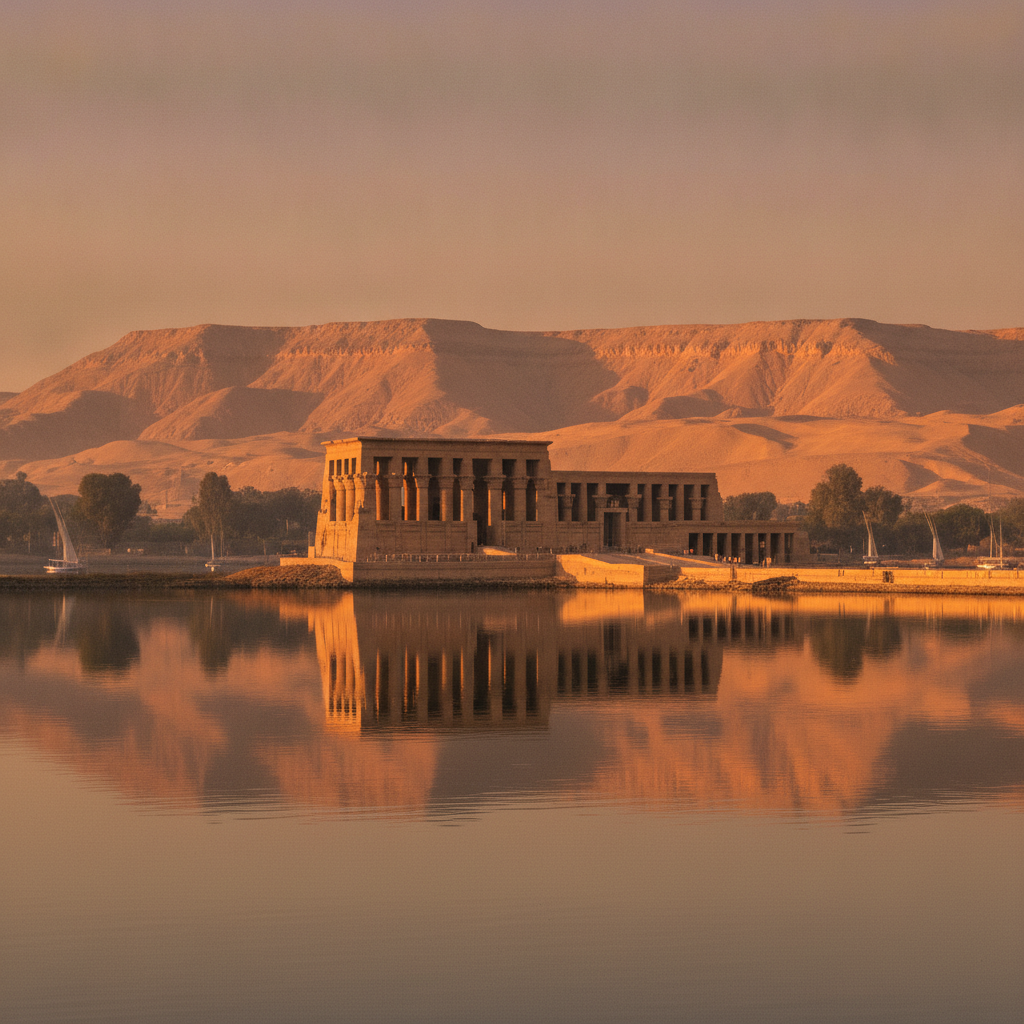
Aswan Complete Reference - Kalabsha Temple, Practical Guide, and the Eastern Desert
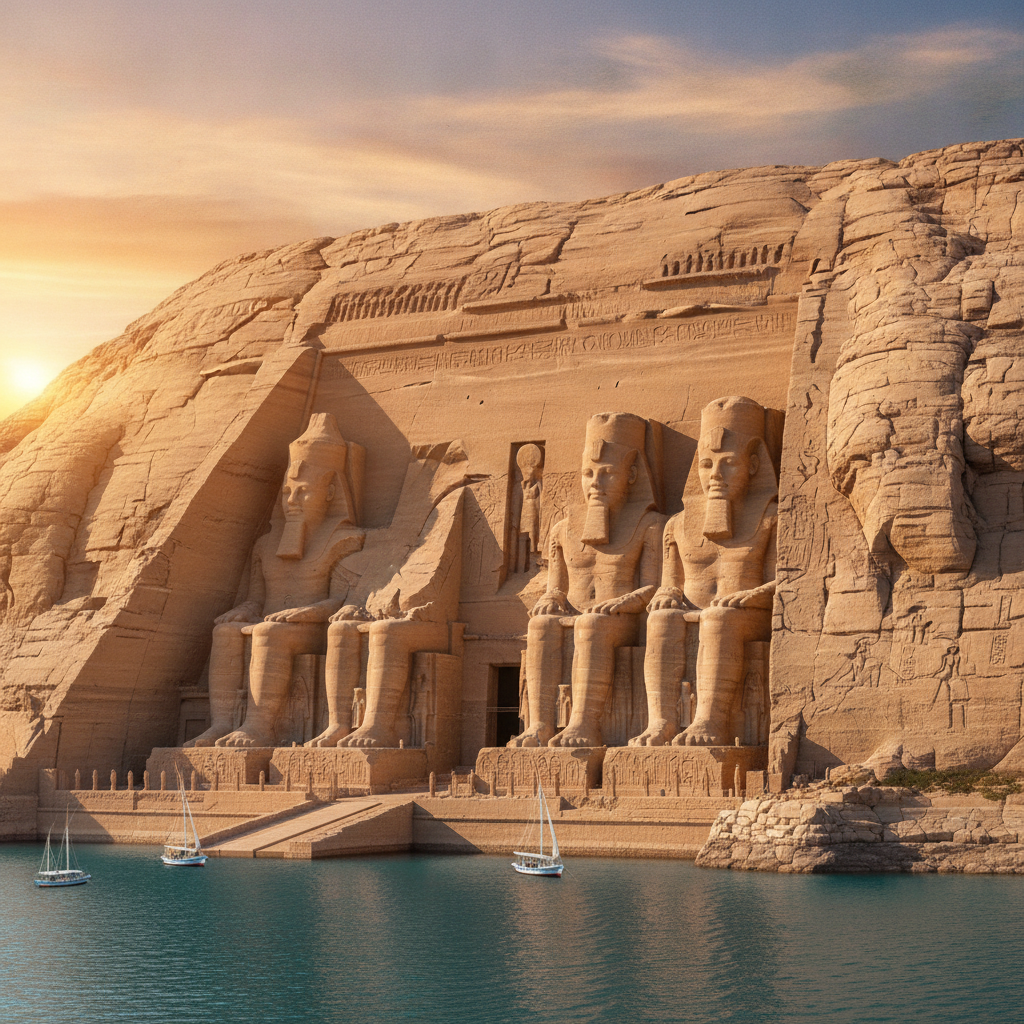
Aswan Essential: Abu Simbel, the Philae Temple of Isis, the Nile Felucca, the Nubian Village, and the Most Dramatically Beautiful Single Nile City
Aswan Complete Reference - Eratosthenes, the Suez Canal, Nile Source Discovery, and Heritage Tourism
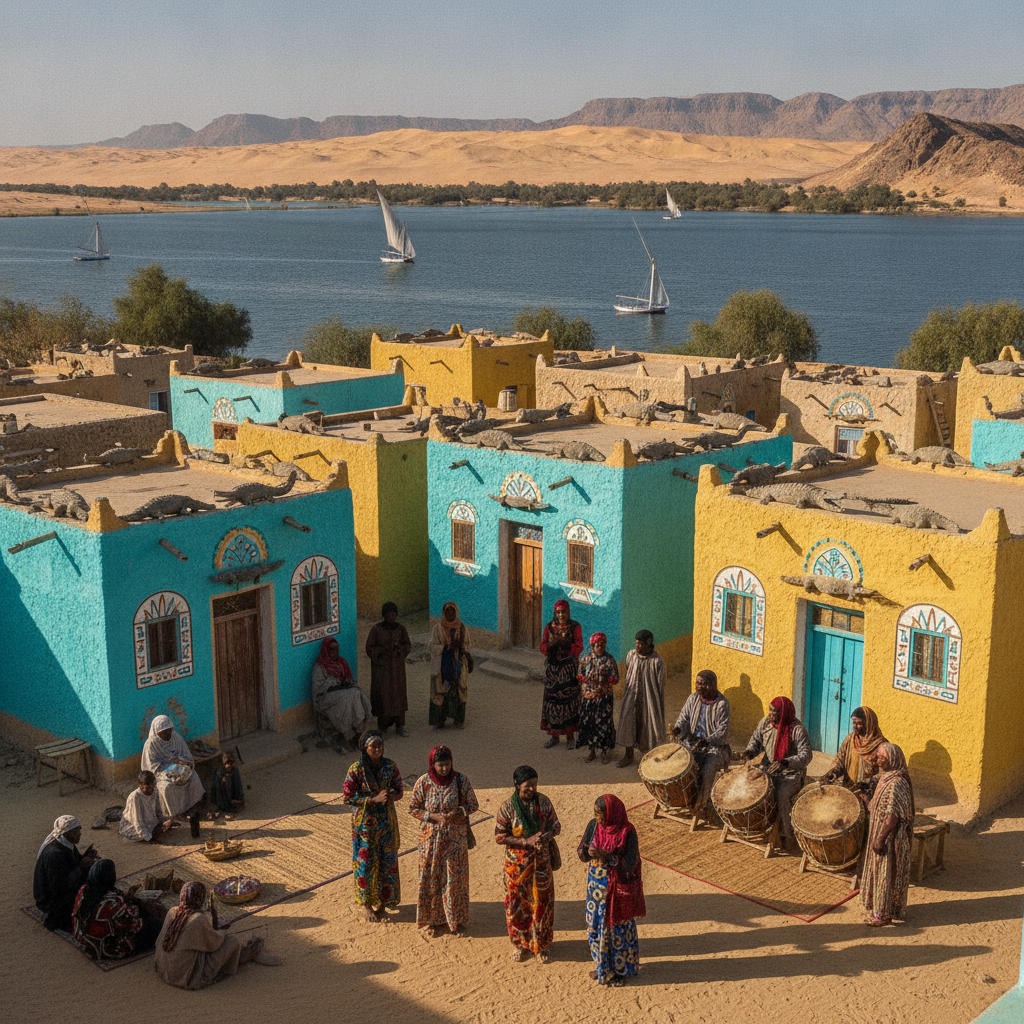
Aswan Nubian Culture: The Nubian Heritage, Music, Food, the Colorful Architecture, and the Most Distinctively African Single Egyptian Community
Aswan Practical: The Airport, Lake Nasser Cruise Booking, Accommodation, Optimal Timing, and the Nile South Circuit