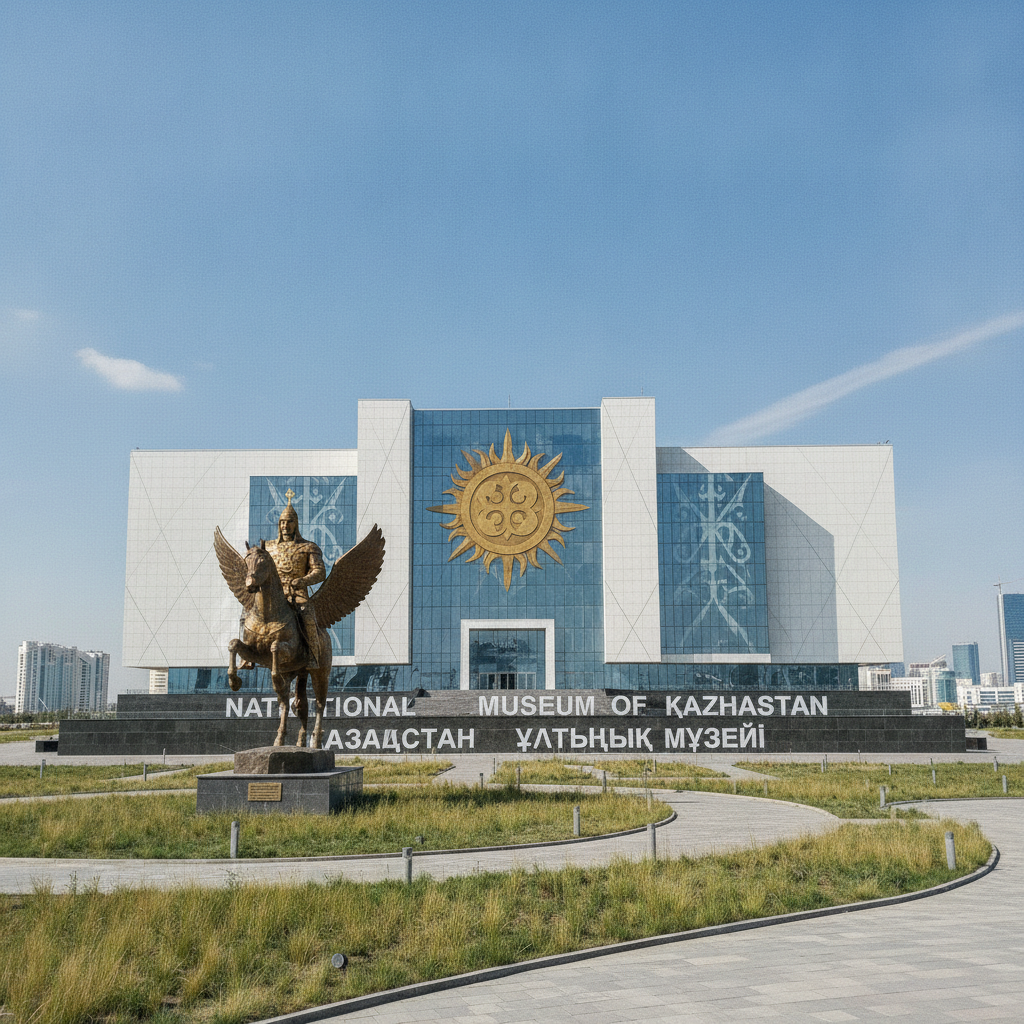
Astana Extreme Winter Climate Life Cold Capital
Experience Astana as one of the world's coldest capital cities — the city where winter temperatures regularly reach minus 40°C and the wind chill of the open steppe makes outdoor life genuinely dangerous for months, the underground passages, heated indoor malls, and the architectural adaptation to extreme cold that shape daily life in the Kazakh capital.
- 1
Underground Passage Network
The underground passage network of central Astana — the heated tunnels connecting major buildings and metro stations that allow residents to move through the city center without exposure to the extreme winter cold, the underground network a practical response to the climate that makes Astana one of the few cities where underground pedestrian infrastructure is genuinely life-saving rather than merely convenient.
- 2
Khan Shatyr Indoor Climate
The Khan Shatyr indoor beach — the artificial tropical environment inside Norman Foster's giant tent where Astana residents can escape the minus 30°C winter to a heated indoor environment with imported sand, wave pool, and subtropical vegetation, the building providing the most dramatic example of how Astana's architecture responds to the climate challenge of the steppe.
- 3
Steppe Wind Experience
The steppe wind experience of Astana — the city's position on the open Kazakh steppe exposed to the Arctic winds that blow from Siberia across the flat grasslands, the wind chill that makes minus 20°C feel like minus 40°C, the environmental reality that the futuristic architecture must address through orientation, wind screening, and the provision of enclosed public space.
- 4
Winter Festival Ice Sculpture
The winter festival ice sculpture exhibition in Astana — the annual event where the extreme cold is turned into an asset, the massive ice sculptures carved in the city's parks and squares during the coldest months, the festival celebrating the winter rather than merely enduring it, the sculptures illuminated at night creating an otherworldly landscape in the frozen city.
- 5
Summer Contrast Extreme Heat
The summer contrast of extreme heat in Astana — the same city that freezes in winter reaching 35°C+ in summer, the extreme continental climate with its 70-80°C annual temperature range creating a city that must be designed for both extreme cold and significant heat, the summer when the city's parks and waterfront come alive with outdoor life compensating for the long winter confinement.
- 6
Soviet Heating Infrastructure
The Soviet district heating infrastructure of Astana — the centralized heating system (centralnoe otoplenie) that provides steam heat to the older residential buildings through underground pipes from central boiler stations, the infrastructure inherited from the Soviet period that makes the old right-bank district livable in winter despite its lack of the architectural sophistication of the new left bank buildings.
Walk this route with audio
Stories play automatically as you reach each stop — no tapping needed.
More in astana
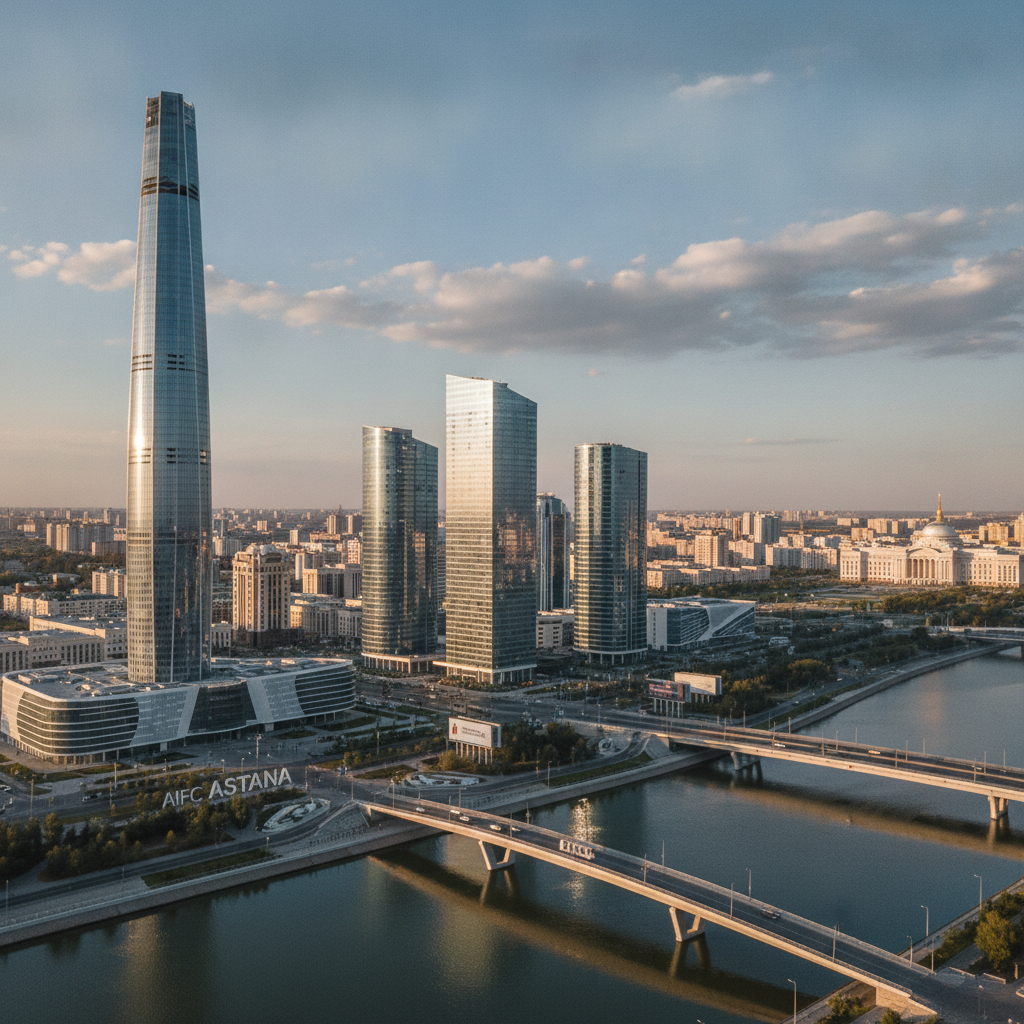
Astana Modern Business Financial Hub Central Asia
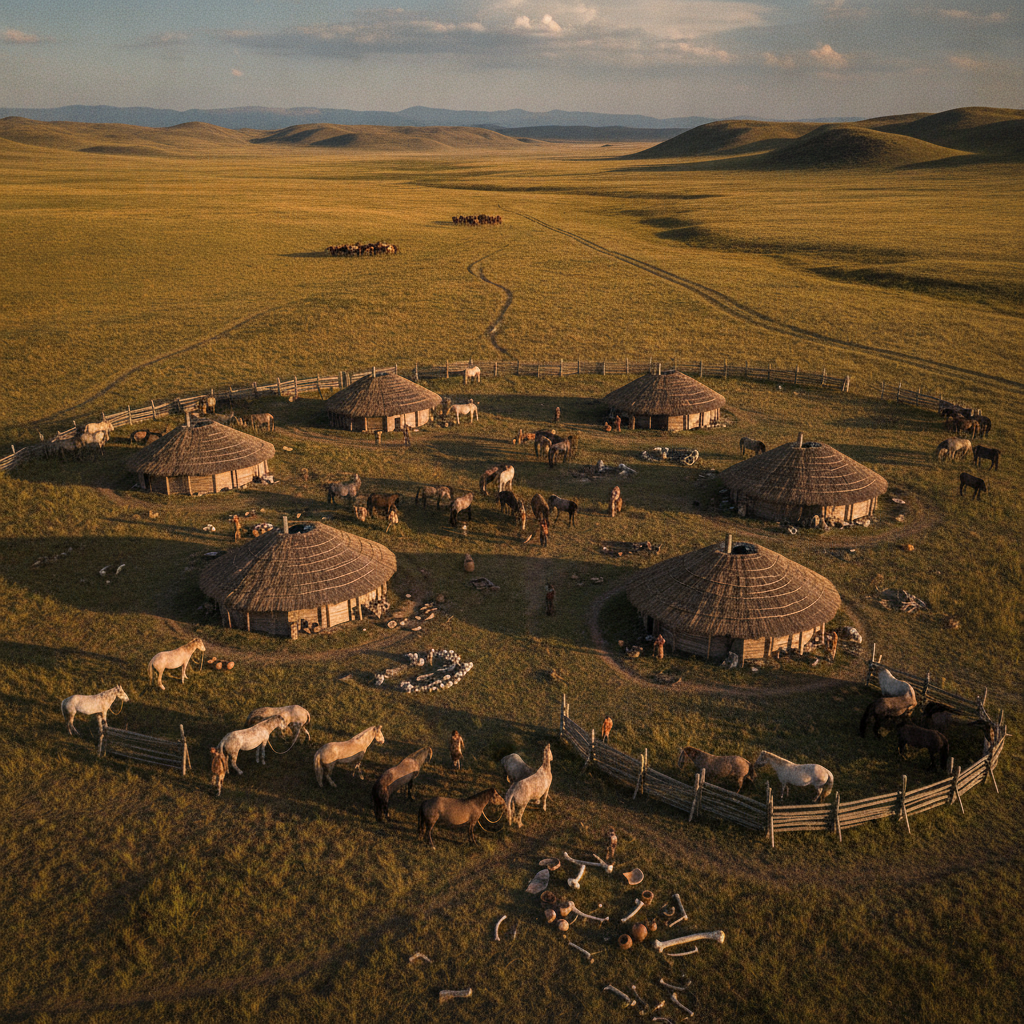
Astana Steppe Silk Road Ancient Trade History
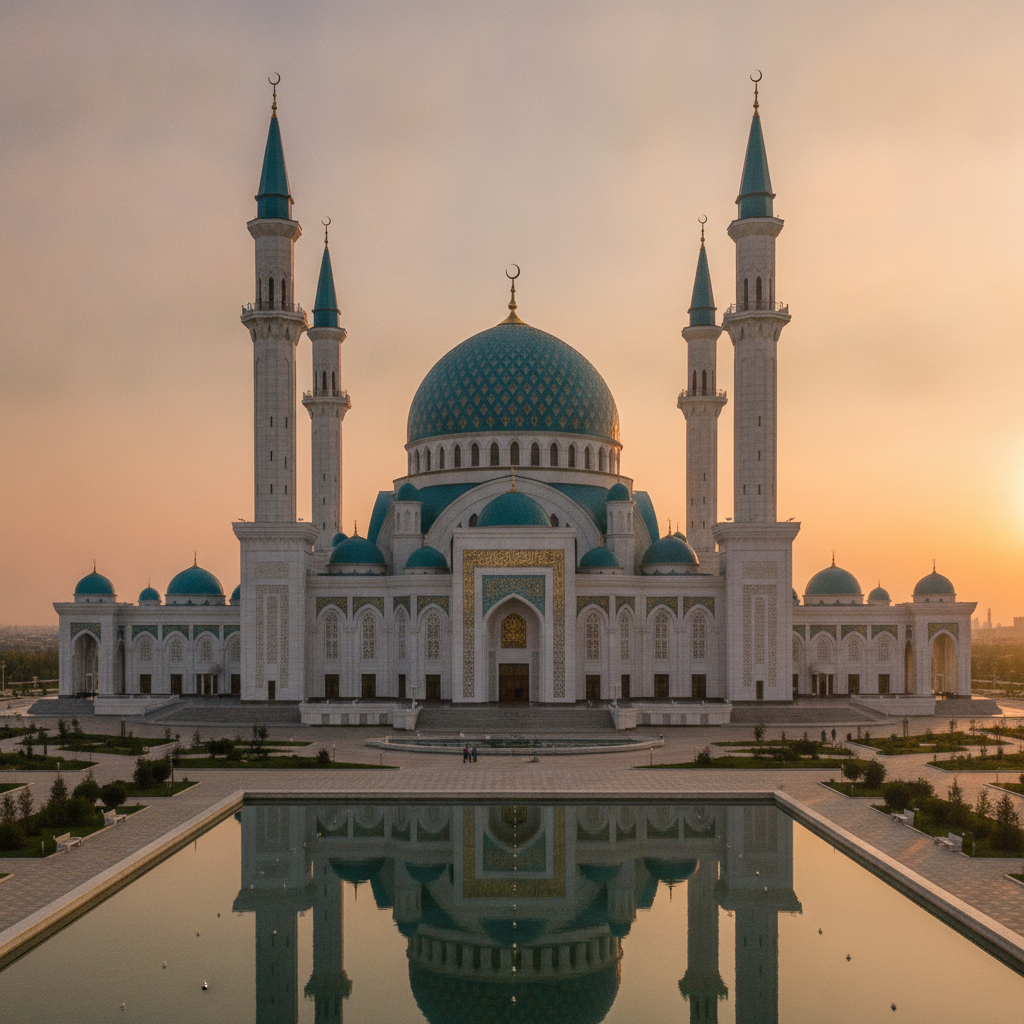
Astana Religious Architecture Diversity Mosques Cathedral
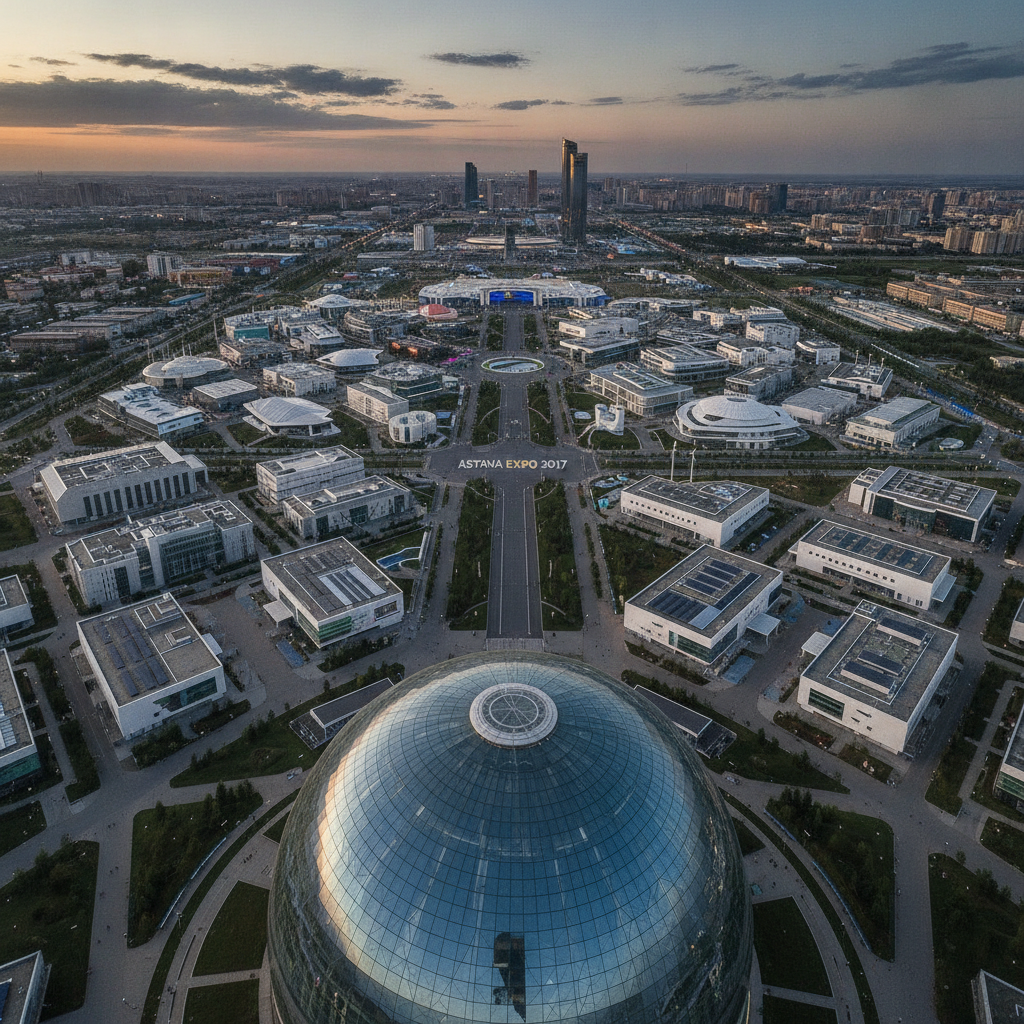
Astana EXPO 2017 Future Energy Innovation Hub
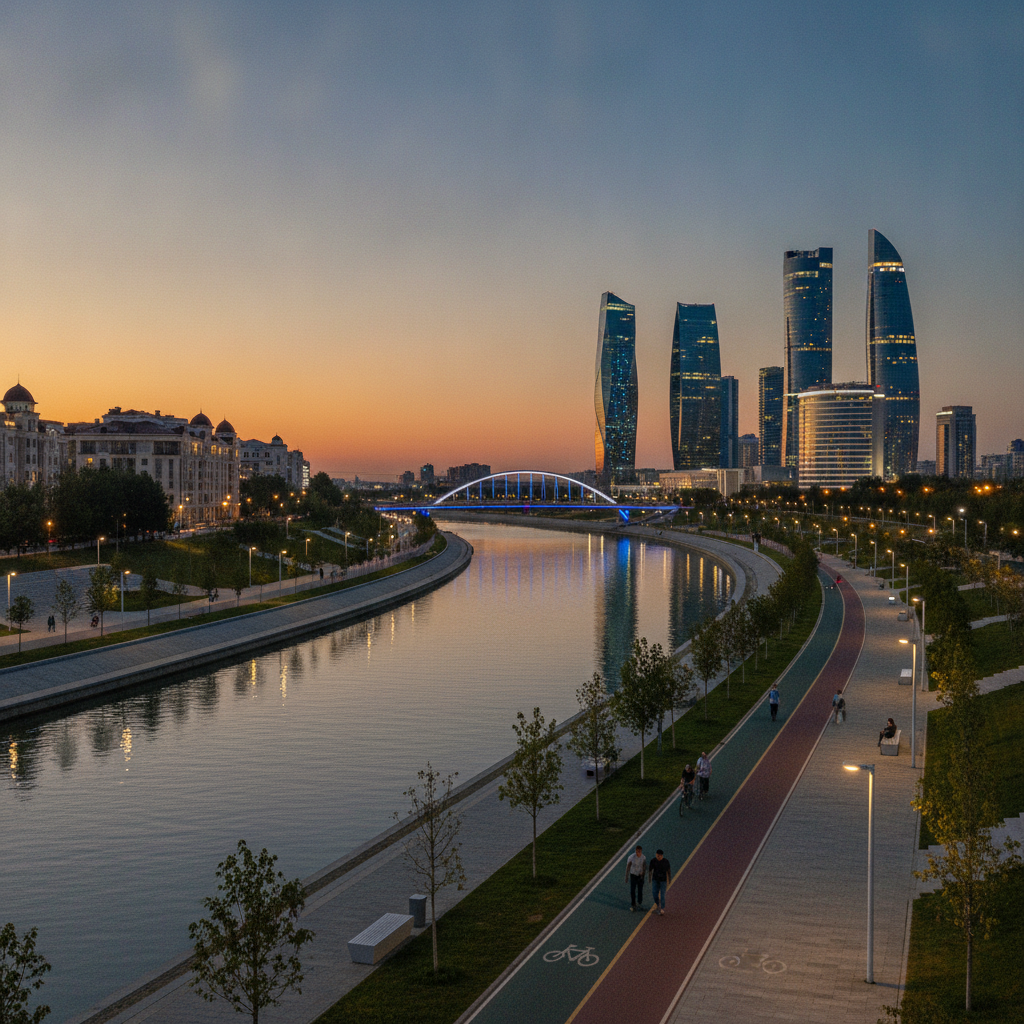
Astana Ishim River Waterfront Embankment