Chuquicamata and Calama: The World's Largest Open-Pit Copper Mine, the Mining City, and the Atacama Industrial Heritage
The Chuquicamata and Calama route covers Chuquicamata as the world's largest single open-pit copper mine and the most economically significant single mining operation in Chilean history, the Chuquicamata company town as the most completely preserved single mining company town in South America, and Calama as the most mining-culture-defined single city in Chile and the gateway to the San Pedro de Atacama tourist circuit.
- 1
Chuquicamata Mine: The World's Largest Open Pit
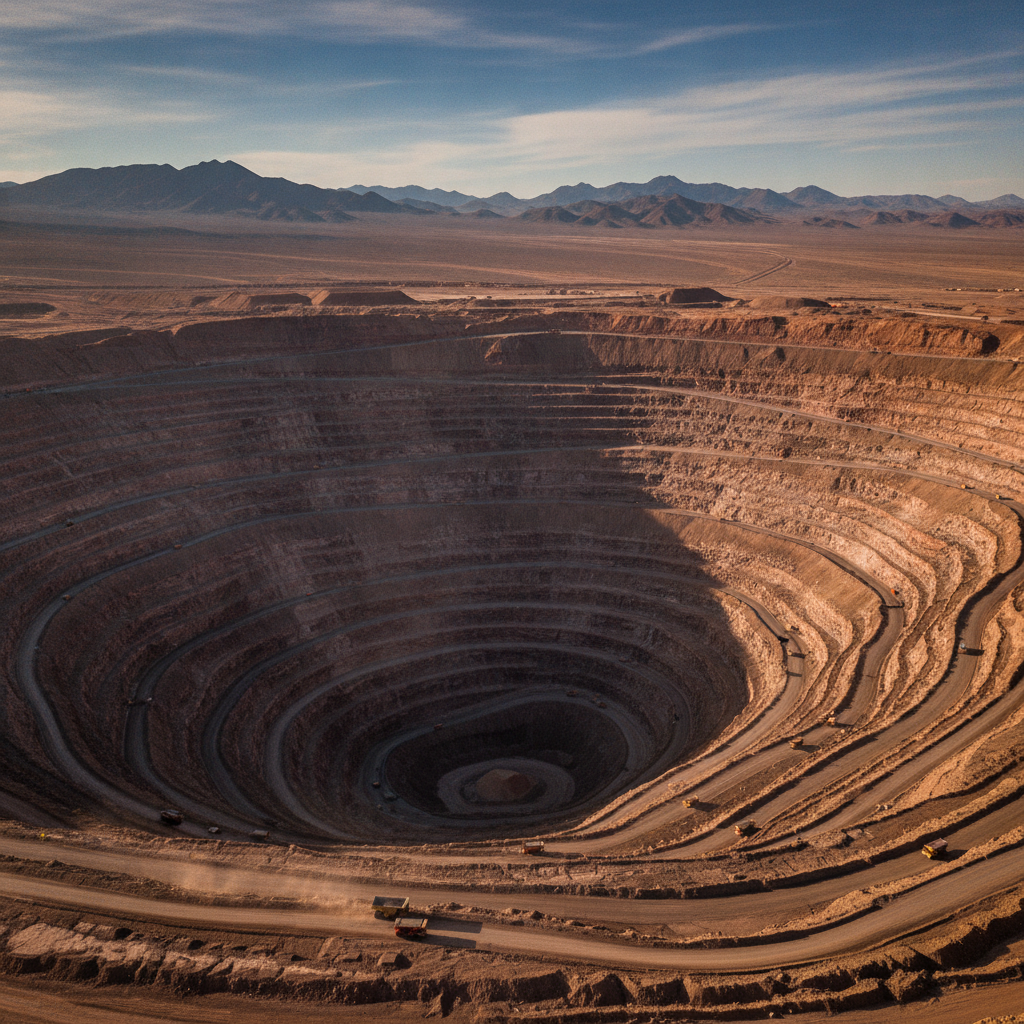
Chuquicamata, the open-pit copper mine 15 kilometers north of Calama operated by Codelco since nationalization in 1971, is the world's largest single open-pit copper mine by cumulative material excavated, measuring 4.3 kilometers long, 3 kilometers wide, and over 900 meters deep in the most visually overwhelming single human-made landscape in South America. The mine produces the single largest annual quantity of copper of any single pit mine in the world, contributing the most economically significant single revenue stream in the Chilean government budget. The twice-daily visitor tours provide the most directly awe-inspiring single industrial scale experience available in Chile.
- 2
Chuquicamata Company Town: The Mining Heritage
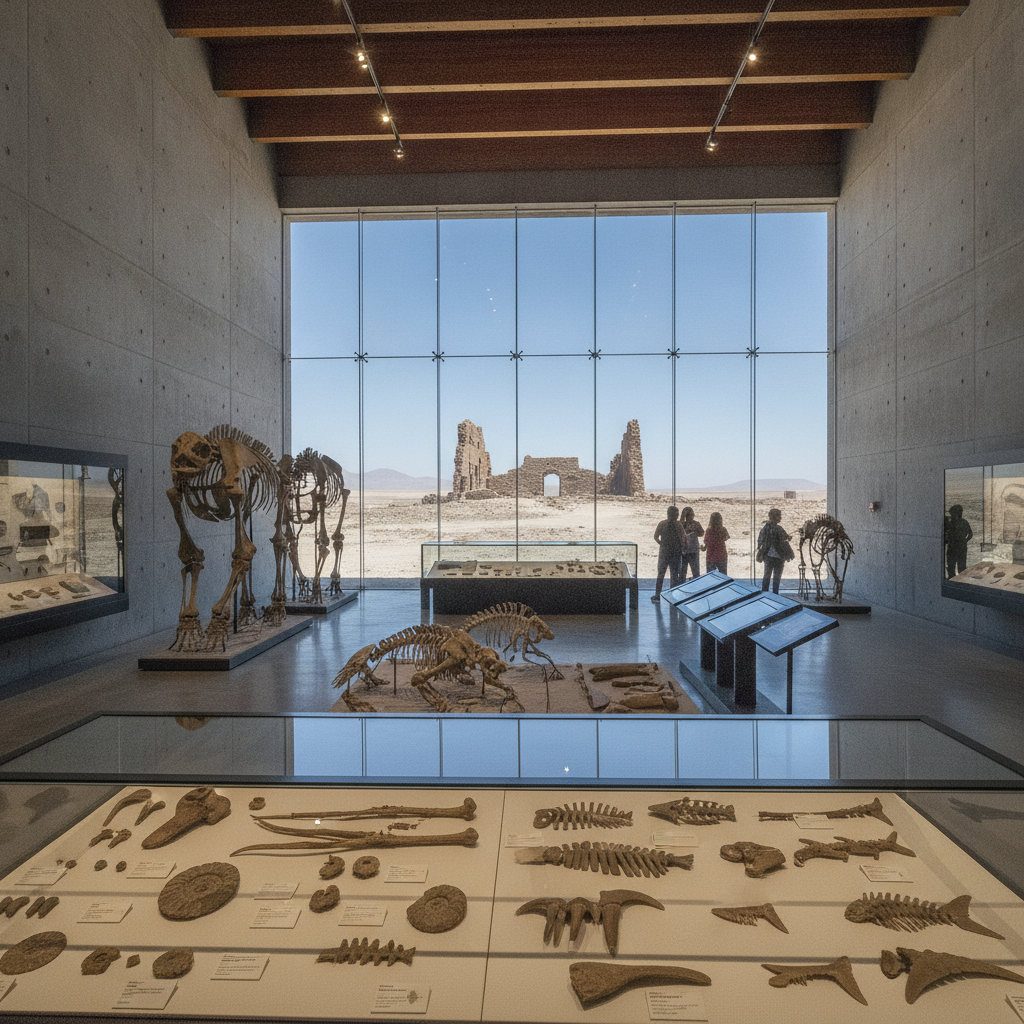
The former Chuquicamata company town, evacuated in 2007 when the expanding mine required the relocation of its 18,000 residents to Calama, is the most completely preserved single copper mining company town in South America, with the intact worker housing rows, the company hospital, the theater, the social club, the school, and the market all standing in the most poignant single abandoned urban landscape in the Norte Grande. The ghost-town atmosphere of the evacuated streets, the murals depicting mining history, and the proximity to the active mine create the most emotionally layered single industrial heritage experience in Chile.
- 3
Calama: The Mining Capital
Calama, the 170,000-inhabitant city 215 kilometers northeast of Antofagasta at 2,260 meters elevation, is the most completely mining-economy-defined single city in Chile, existing primarily as the logistical and residential support center for the Chuquicamata mine and the broader Atacama copper industry in the most economically concentrated single-industry dependent urban area in the country. The Plaza 23 de Marzo, the Calama market with the most diverse single Bolivian-influenced product selection in the Norte Grande, and the nearby Chiu-Chiu pre-Hispanic village create the most culturally varied single city experience in the mining district.
- 4
Chiu-Chiu: The Atacameño Colonial Village
Chiu-Chiu, 33 kilometers east of Calama in the Loa River oasis, is the most historically intact single Atacameño and colonial-era village in the Antofagasta Region, preserving the colonial church of San Francisco (1675) as the oldest single continuously operating church in Chile and the surrounding pre-Hispanic agricultural terrace systems and traditional adobe architecture in the most authentic single oasis village landscape accessible from Calama. The church's walls of cactus-wood construction, the pre-Hispanic petroglyph sites on the surrounding hillsides, and the Loa River oasis vegetation create the most archaeologically layered single village experience in the mining region.
- 5
Lasana: The Pre-Hispanic Fortress Village
Lasana, the 1,000-year-old pre-Hispanic Atacameño fortress village (pukará) 38 kilometers north of Calama in the Loa River canyon, is the most architecturally impressive single pre-Hispanic stone settlement in the Antofagasta Region, preserving over 110 stone-walled rooms on the canyon rim in the most dramatically defensive single hillside position of any pre-Hispanic village site in the Norte Grande. The Lasana pukará provides the most complete single example of Atacameño defensive architecture in Chile, with the most intact single original stone construction and the most panoramic single canyon viewpoint in the Loa River valley.
- 6
El Tatio Geysers Access: The Calama Route
The El Tatio geyser field 90 kilometers northeast of Calama at 4,320 meters elevation, the third-largest geyser field in the world and the most visited single natural attraction in the Atacama, is accessible via the Calama route as the most direct single road connection from the Norte Grande capital city. The 80 active geysers erupting at dawn in the most dramatically high-altitude and most intensely cold single geyser environment in South America, the surrounding altiplano wildlife, and the thermal bathing pools at the geyser field edge create the most complete single geothermal landscape experience accessible from Antofagasta via Calama.
Walk this route with audio
Stories play automatically as you reach each stop — no tapping needed.
More in Antofagasta
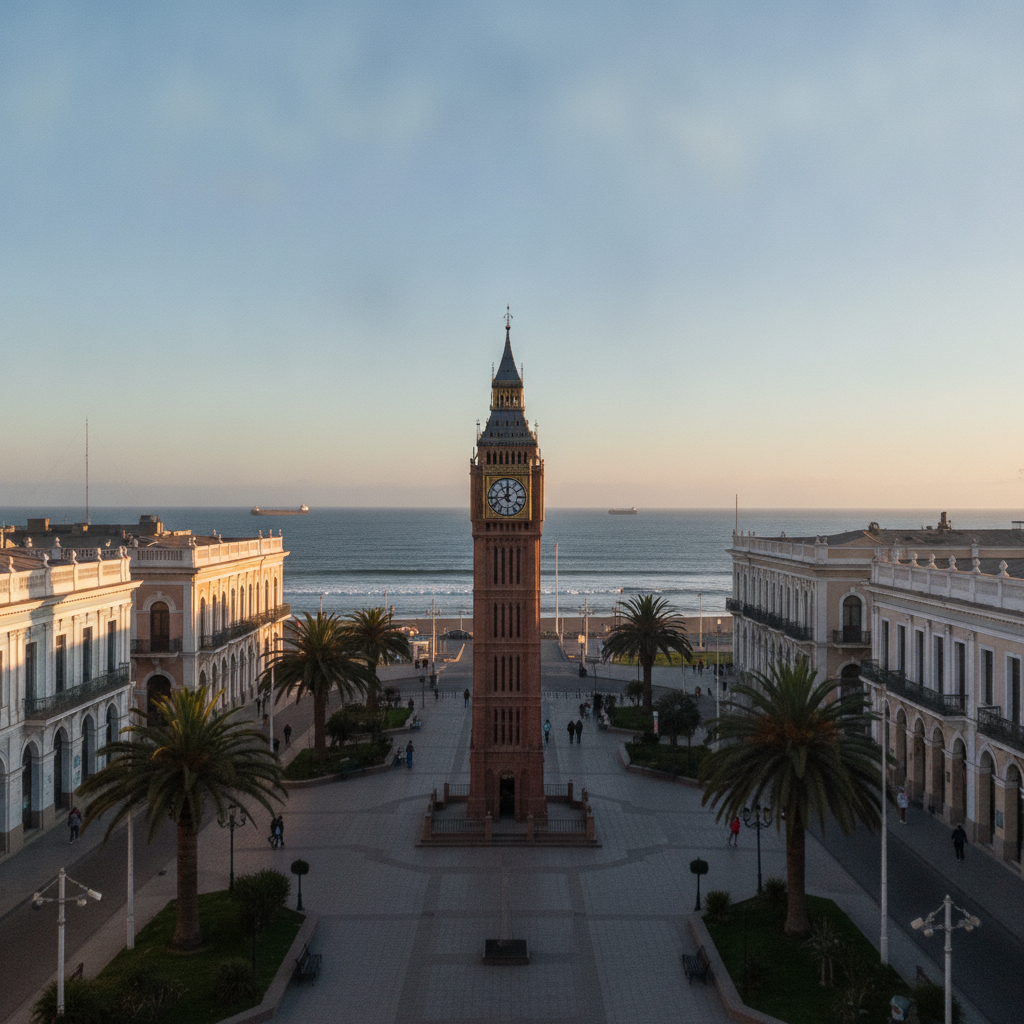
Antofagasta Historic Center: Plaza Colón, the British Clocktower, the Portales Waterfront, and the Nitrate Era Architecture
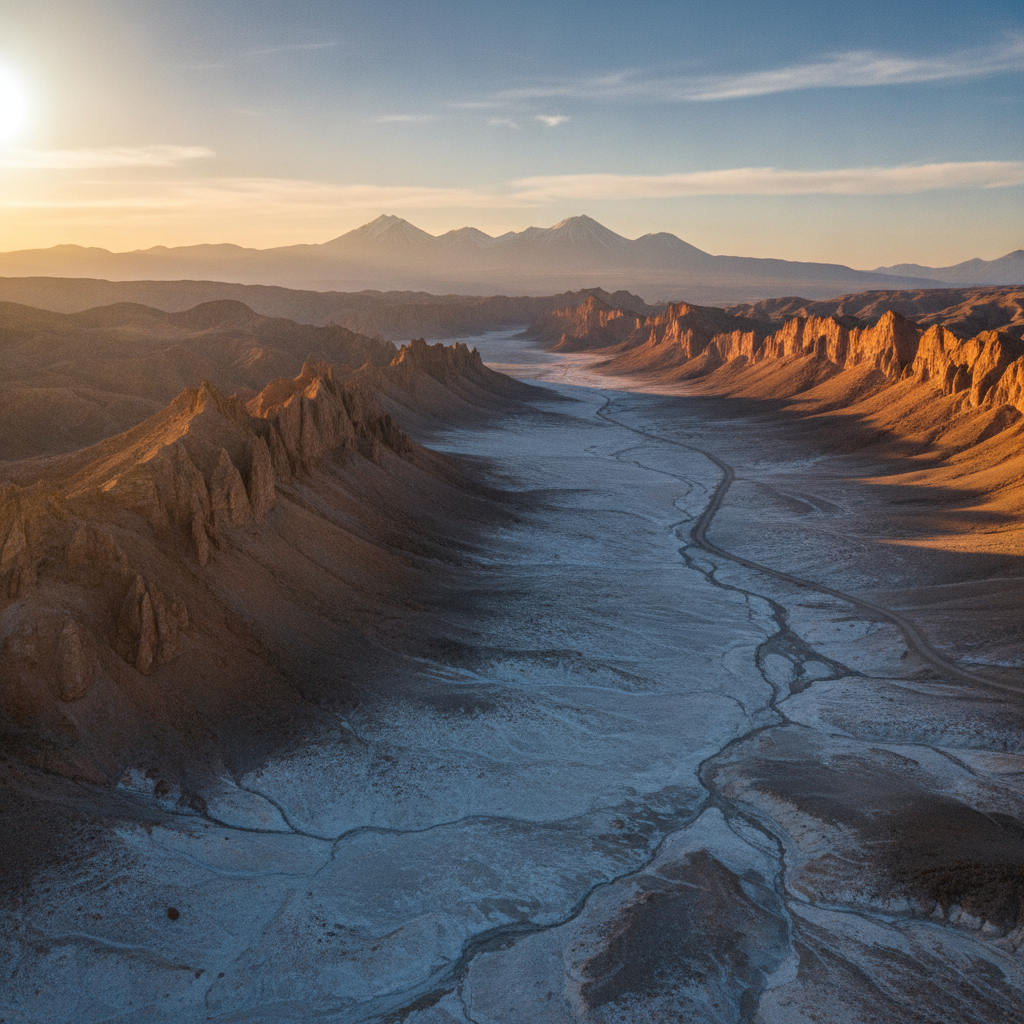
Atacama Desert Interior: Valle de la Luna, the Salar de Atacama, the Flamingo Lagoons, and the Pre-Andean Desert Landscape
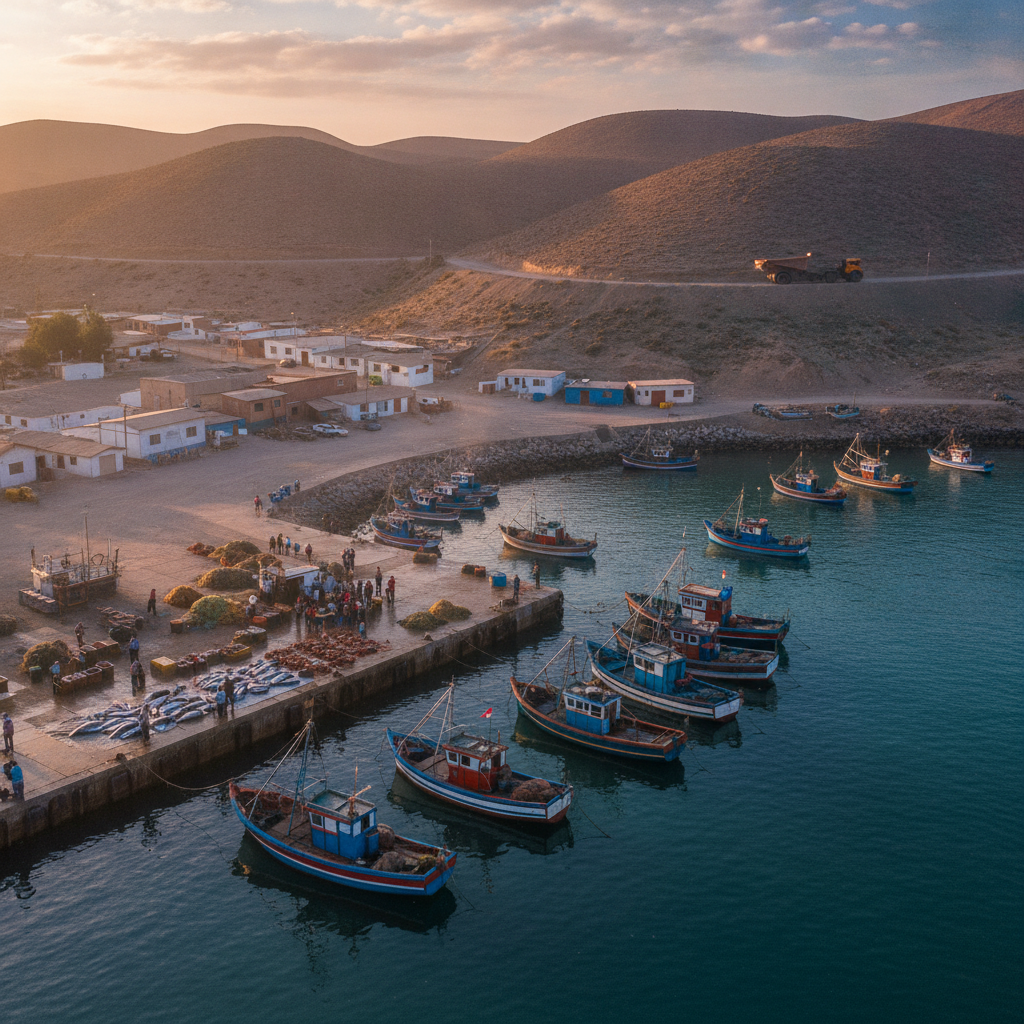
Antofagasta Food Culture: Caleta Coloso Fishing Harbor, the Norte Grande Seafood Tradition, the Port City Market, and the Mining Camp Cuisine
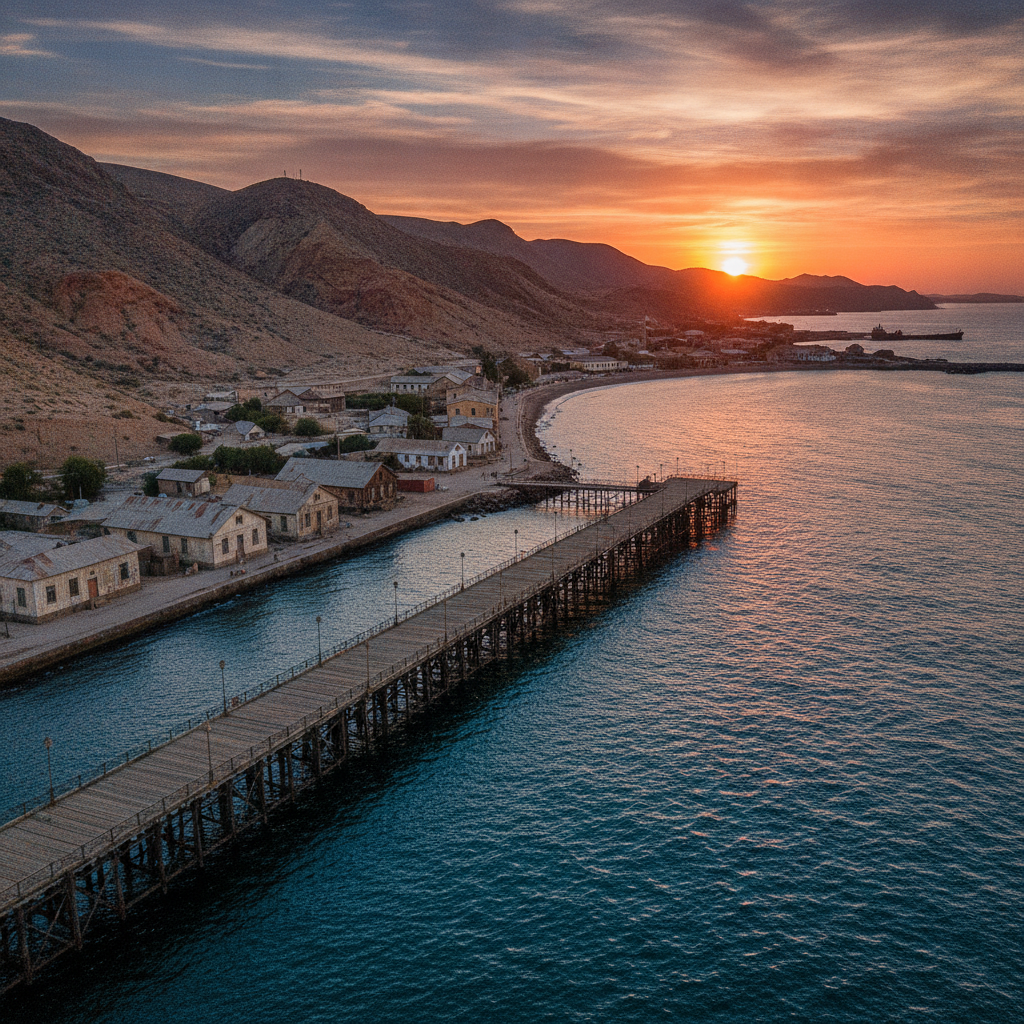
Southern Antofagasta Region: Taltal Historic Port, Paposo Nature Reserve, the Coastal Desert Fog Zone, and the Atacama Southern Wilderness
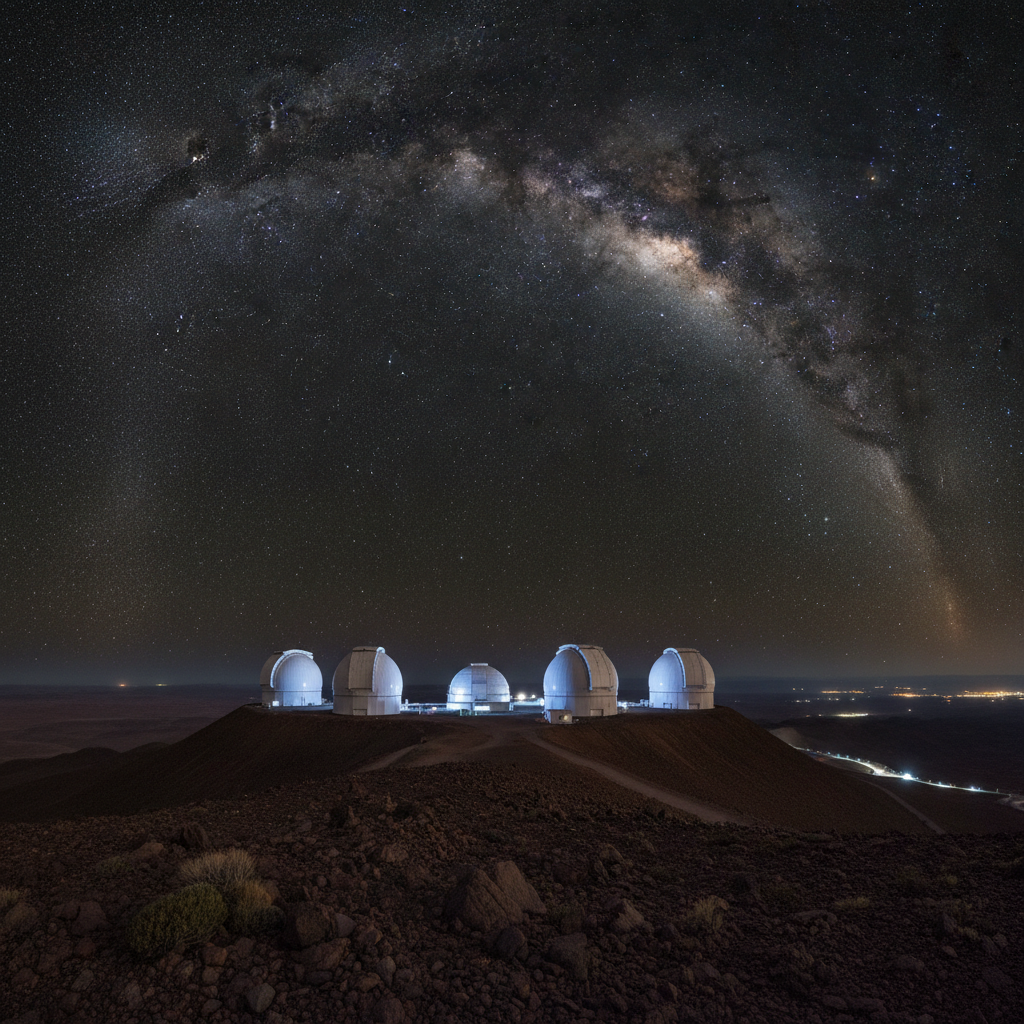
Paranal Observatory: The VLT, the World's Most Powerful Optical Telescope, the Residencia, and the E-ELT Construction Site