Tikal, Copan, and the Classic Maya Archaeological Circuit from Antigua
Antigua is the hub for accessing the major Maya archaeological sites of Guatemala and neighboring Honduras. Tikal in the northern Peten jungle is the largest excavated Classic Maya city and requires a full day of travel from Antigua, typically done as a two-day trip including a flight. Copan in Honduras is the most artistically refined of the Classic Maya sites, accessible in a long day by road. The Quirigua site in the Motagua Valley, three hours from Antigua, holds the tallest stone monuments in the Maya world. This route maps the archaeological excursion options from the colonial capital.
- 1
Tikal: The Classic Maya Capital of the Peten
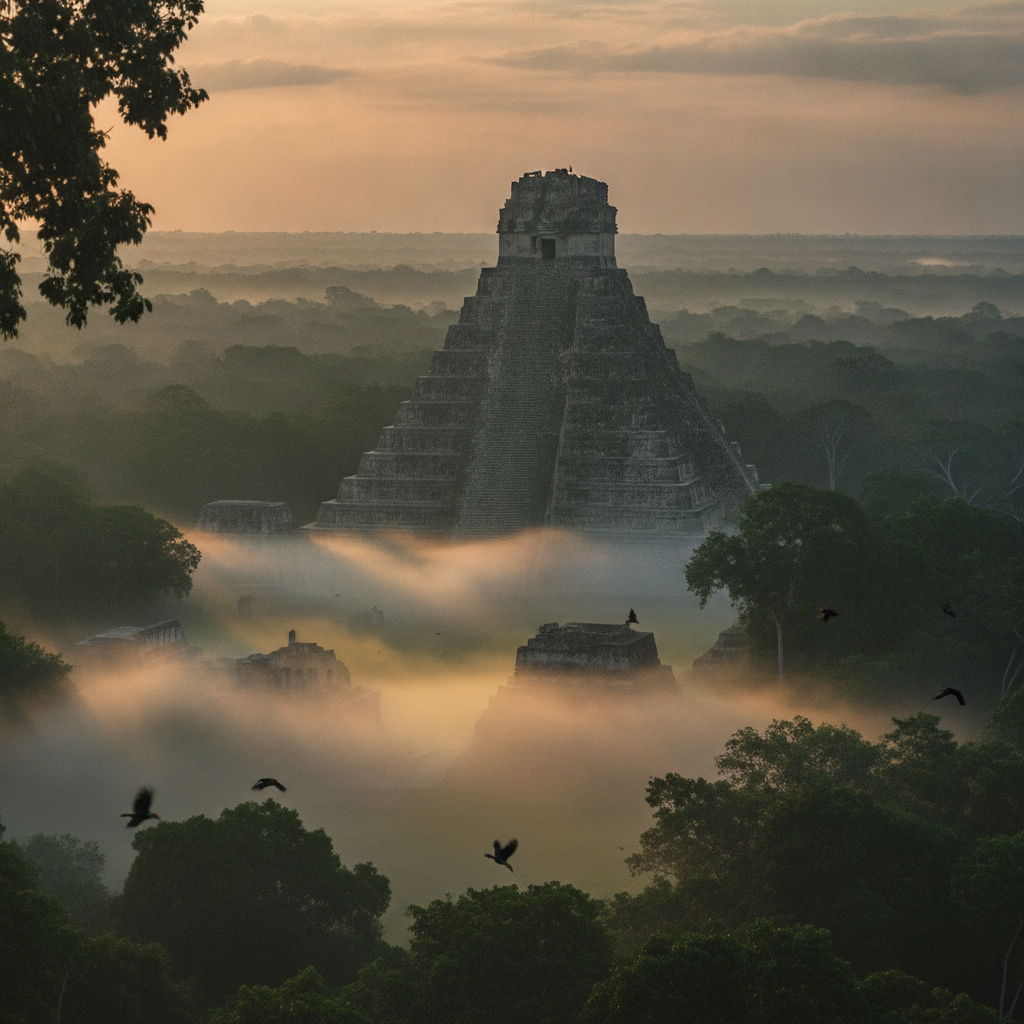
Tikal in the Guatemalan Peten jungle is the most extensively excavated Classic Maya city and the defining image of Maya civilization for most visitors to the region. The site was occupied from approximately 400 BCE and reached its peak between 200 and 900 CE, when it was the dominant political and economic center of the Maya lowlands with a population estimated at 60,000 to 90,000. The six major temple pyramids, the largest reaching 70 meters, rise above the surrounding jungle canopy and are accessible on a trail network covering approximately 16 square kilometers of the site's estimated 100 square kilometer extent. Tikal is accessible from Antigua by a one-hour flight to Flores followed by an hour's drive through the jungle; the two-day format allows a dawn visit, the most atmospherically powerful time at the site.
- 2
Copan Ruinas: The Hieroglyphic Stairway and the Sculptural Tradition
Copan, in the western highlands of Honduras twelve kilometers from the Guatemalan border, is considered the artistic capital of the Classic Maya world. The Hieroglyphic Stairway, the longest pre-Columbian text in the Americas with 2,200 glyphs, records the dynastic history of Copan's 16 rulers. The Acropolis complex, a multi-level accreted royal compound built over five centuries, contains the best-preserved polychrome stucco facade in the Maya world on the interior Rosalila Temple. The sculpted stone heads of the Great Plaza have been cast and replicated in museums worldwide. Copan is accessible from Antigua in a long day by road through the Motagua Valley and border crossing, making it a feasible two-day trip.
- 3
Quirigua: The Tallest Stelae in the Maya World
Quirigua, in the Motagua River valley three hours from Antigua, is a small site by Maya standards but holds the tallest free-standing stone monuments in the pre-Columbian world: Stela E reaches 10.6 meters above ground with an additional 3 meters below. The stelae were carved during the reign of K'ak' Tiliw Chan Yopaat in the eighth century CE, following the defeat of the Copan king Waxaklajuun Ubaah K'awiil, whose capture and decapitation at Quirigua in 738 CE is one of the most documented events in Maya political history. The site is managed by UNESCO and surrounded by a banana plantation, a juxtaposition of ancient monument and United Fruit Company legacy that characterizes the Motagua Valley landscape.
- 4
Iximche: The Kaqchikel Capital and the First Colonial Contact
Iximche, forty-five minutes west of Antigua near Tecpan, was the capital of the Kaqchikel Maya confederation when the Spanish arrived in 1524. Pedro de Alvarado established the first Spanish colonial capital here after a brief alliance with the Kaqchikel against their K'iche' enemies, before the Kaqchikel themselves revolted against Spanish tribute demands. The site preserves the late Postclassic Maya urban plan with multiple plazas, ball courts, and temple platforms in a setting of highland pine forest. Iximche continues to serve as a ceremonial site for Kaqchikel Maya spiritual practitioners, and Maya new year ceremonies and other calendar-related observances are conducted at the site with community participation visible to respectful visitors.
- 5
El Mirador: The Preclassic Giant and the Jungle Expedition
El Mirador in the northern Peten, accessible only by a five-day jungle trek or expensive helicopter charter from Flores, holds the largest pyramid complex in the Maya world by volume: the La Danta complex is estimated at 2.8 million cubic meters, surpassing the Egyptian pyramids. The site was the capital of the Preclassic Mirador Basin civilization (300 BCE to 100 CE), predating Tikal's peak by half a millennium. The size of the Preclassic civilization visible at El Mirador has substantially revised archaeologists' understanding of Maya cultural evolution, showing that political complexity, monumental architecture, and long-distance trade were established earlier than previously recognized. Conservation of El Mirador from illegal logging and looting is an ongoing challenge for the Guatemalan government.
- 6
Practical Archaeology: Booking Sites, Guides, and Guatemala City Connection
Visiting Maya archaeological sites from Antigua requires planning the logistics of each destination individually. Tikal requires a flight booking from Guatemala City's Aurora Airport to Santa Elena and accommodation in Flores or at the Tikal Inn on site; tours leave Guatemala City daily. Copan requires either a rental car or a pre-arranged shuttle with border crossing assistance. Quirigua is accessible by chicken bus from Guatemala City or as a stop on the road from Antigua toward Puerto Barrios. Certified guide services are mandatory at Tikal and recommended at all sites for the interpretive context they provide; the architectural and iconographic complexity of Maya sites rewards expert explanation. The Guatemala City connection is central: most international flights land at Aurora Airport, and the archaeological circuit radiates from the capital.
Walk this route with audio
Stories play automatically as you reach each stop — no tapping needed.
More in Antigua Guatemala
Antigua Guatemala: Colonial Baroque, Volcano Views, and the UNESCO Historic Core
Spanish Language Schools and the Antigua Study-Travel Economy
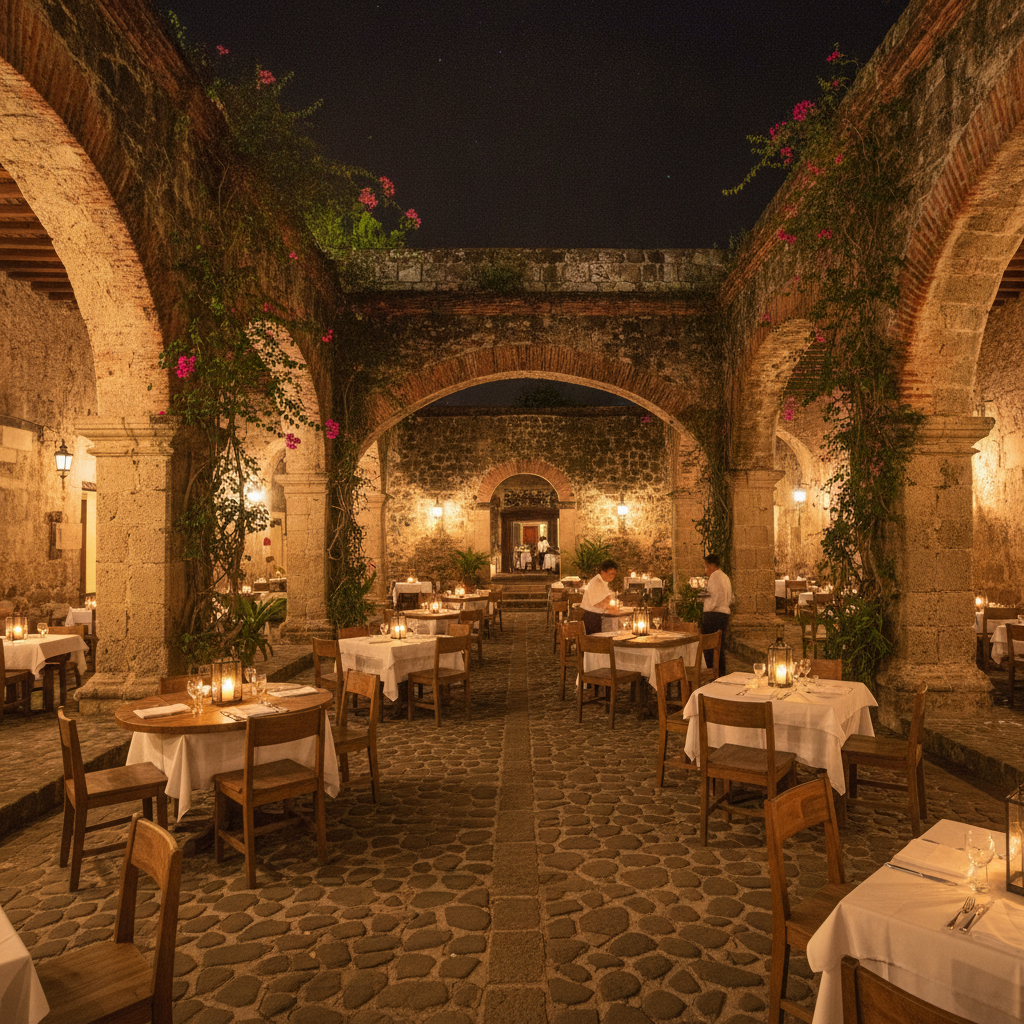
Antigua Food Scene: Coffee, Chocolate, Pepian, and the Restaurant Economy
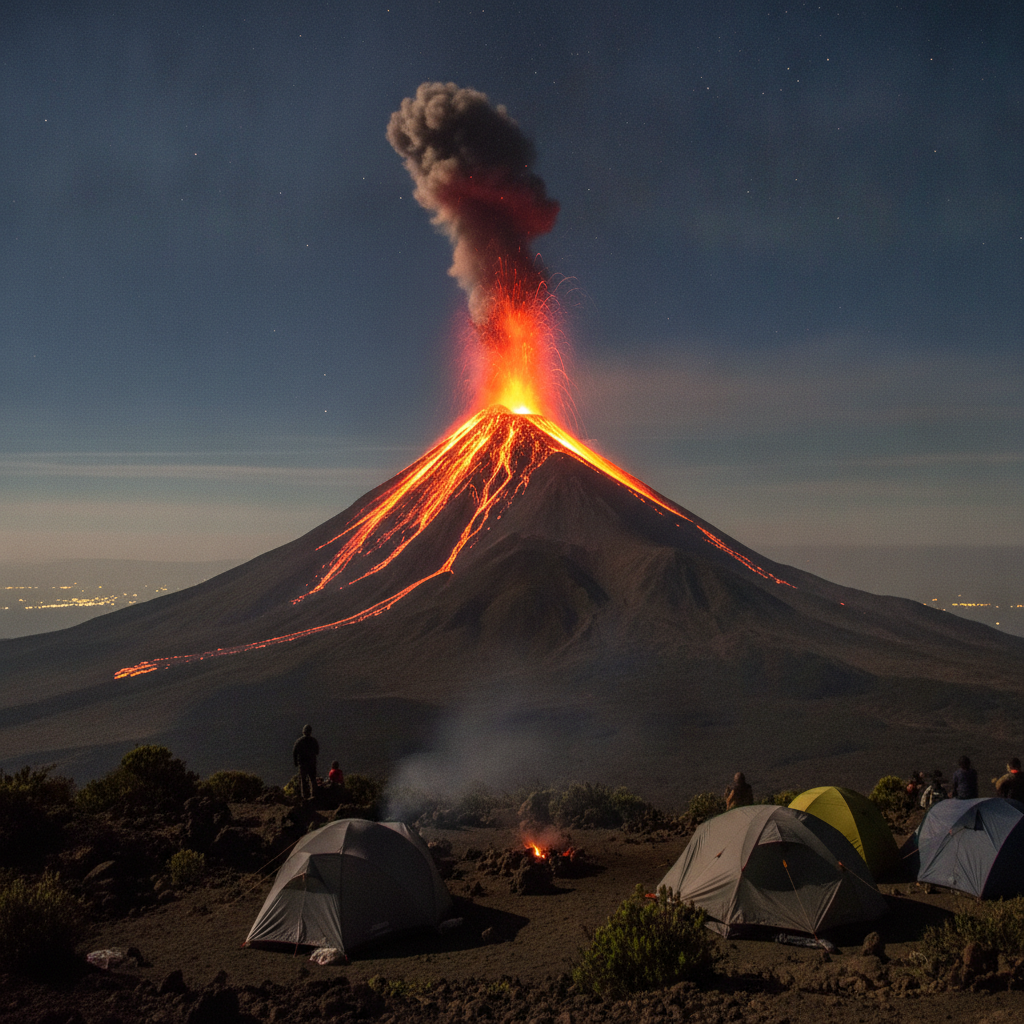
Acatenango and Fuego: Volcano Trekking from Antigua
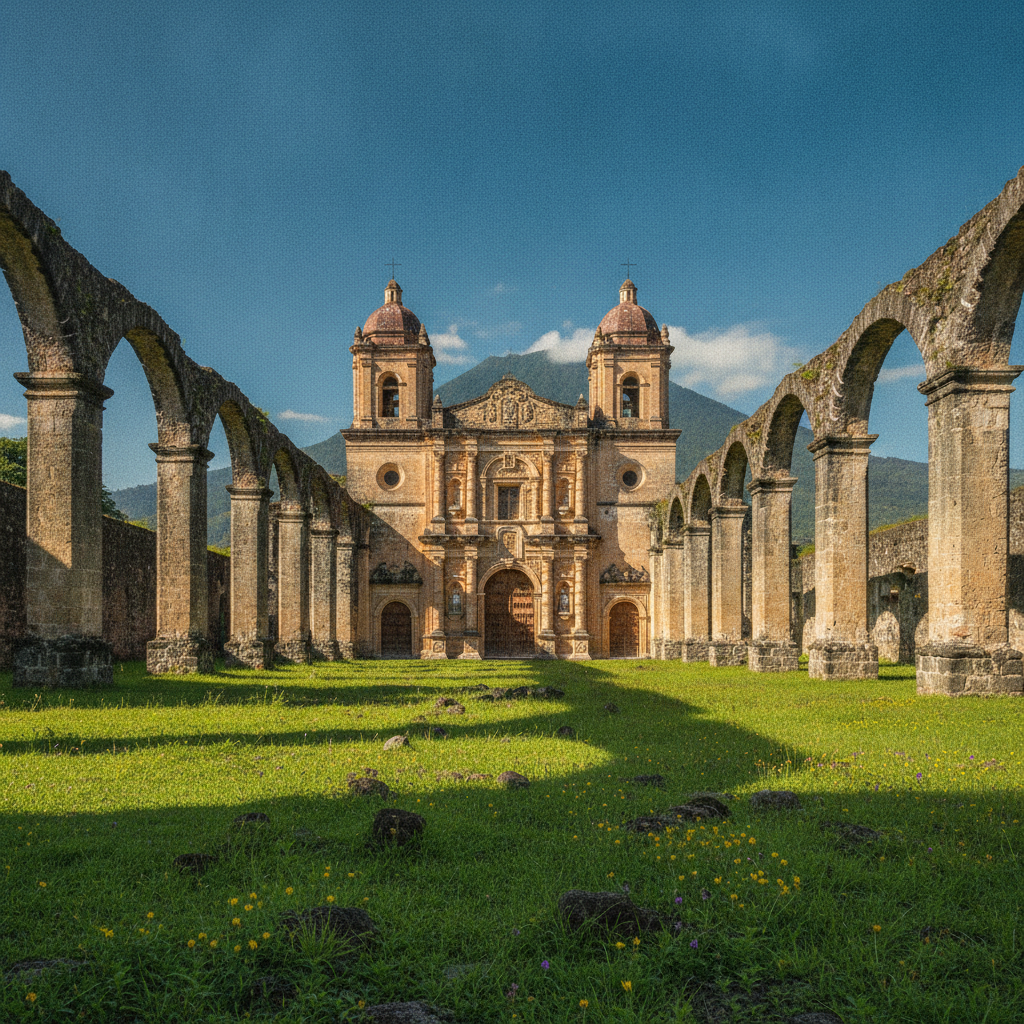
Colonial History: The Kingdom of Guatemala and the 1773 Earthquake