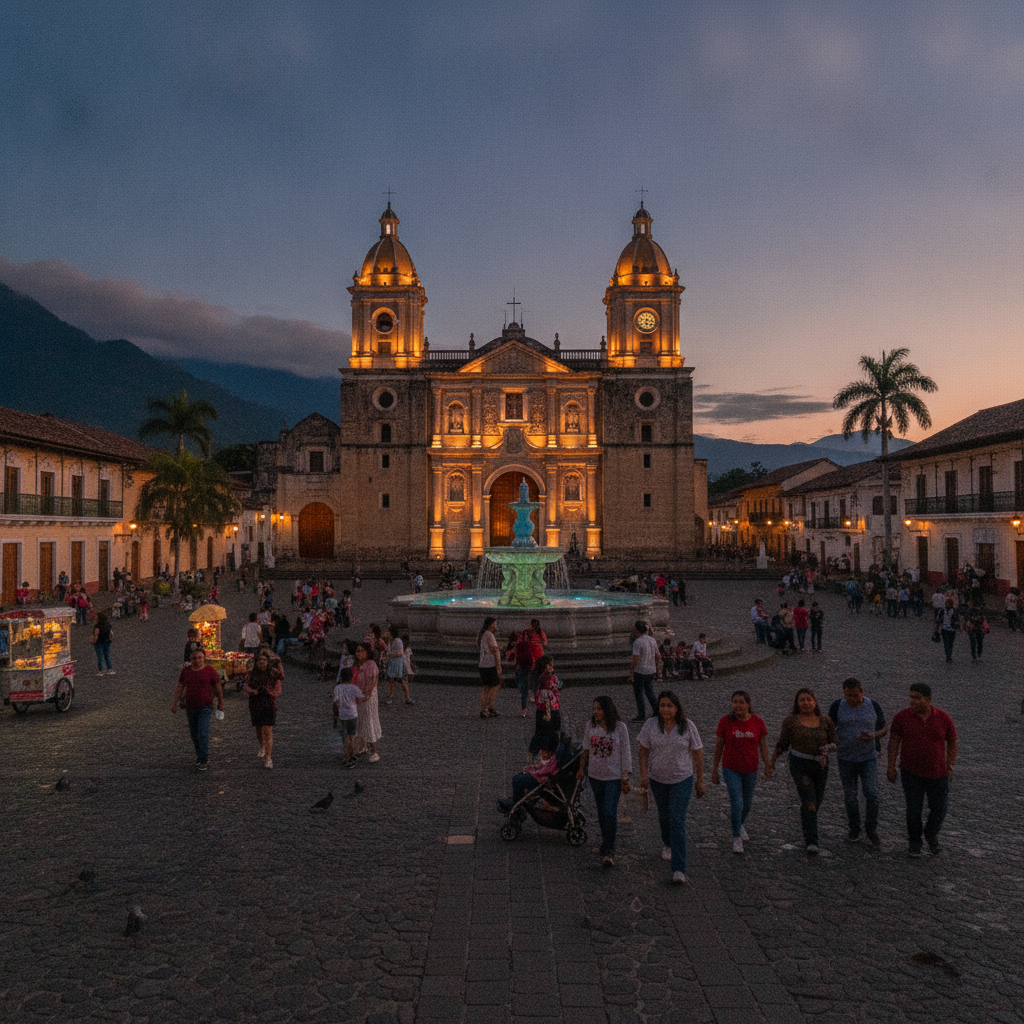
Antigua Food Scene: Coffee, Chocolate, Pepian, and the Restaurant Economy
Antigua has one of the most developed food scenes of any colonial city its size in Latin America. The combination of specialty coffee from the surrounding highland farms, cacao from the lowland Pacific coast farms, a kitchen garden tradition using the volcanic soil of the valley, and a sophisticated tourist and expat market has produced a range of restaurants from traditional fondas serving pepian and kak'ik to internationally recognized contemporary Guatemalan cuisine. This route traces the food geography from the local market to the specialty coffee cafe to the colonial courtyard restaurant.
- 1
Guatemalan Specialty Coffee: The Antigua Valley Origins
The Antigua valley, surrounded by volcanic soil and at an altitude of 1,500 meters, is one of the three principal specialty coffee regions of Guatemala alongside Huehuetenango and Coban. The volcanic soil produces beans with a distinctive body and chocolatey flavor profile that has made Antigua coffee one of the most recognized single-origin coffees in the North American and European specialty market. Several coffee farms in the valley offer tours that walk participants through the cultivation and processing cycle. The specialty coffee cafe scene in Antigua itself is well developed, with roasters using beans from the surrounding farms and the processing infrastructure of the beneficios visible from the road north toward Ciudad Vieja.
- 2
Cacao and Chocolate: The Mesoamerican Origin
Guatemala is one of the original homelands of cacao cultivation. The Maya consumed cacao as a ceremonial drink, a currency, and a trade good across the Mesoamerican world. The cacao growing regions of Guatemala are primarily on the Pacific coast lowlands and in Alta Verapaz, accessible as day trips from Antigua. Several chocolate workshop operations in Antigua walk participants through the traditional Maya preparation of cacao: roasting, grinding on a metate stone, and mixing with chili and spices in the pre-contact style, alongside the contemporary chocolate-making process using Guatemalan cacao. The chocolate economy around Antigua connects the pre-Columbian agricultural heritage with a contemporary artisan market that exports to specialty chocolate shops in North America and Europe.
- 3
Traditional Guatemalan Cuisine: Pepian, Kak'ik, and Hilachas
Guatemalan cuisine is one of the less internationally known but most historically layered culinary traditions in Central America. Pepian, a thick stew of pumpkin seeds, sesame, dried chilis, tomatillos, and meat, is considered the national dish and appears on UNESCO's Intangible Cultural Heritage list. Kak'ik is a turkey soup of Kekchi Maya origin using achiote, tomatoes, mint, and dried chilis that produces a deeply colored broth. Hilachas is a shredded beef stew with potatoes in a tomato and tomatillo sauce. These dishes appear in the traditional fondas and comedores serving the local population and in the restaurant economy targeting the tourist market at vastly different price points; the taste difference is less than the price difference might suggest.
- 4
Colonial Courtyard Restaurants and the Tourist Economy
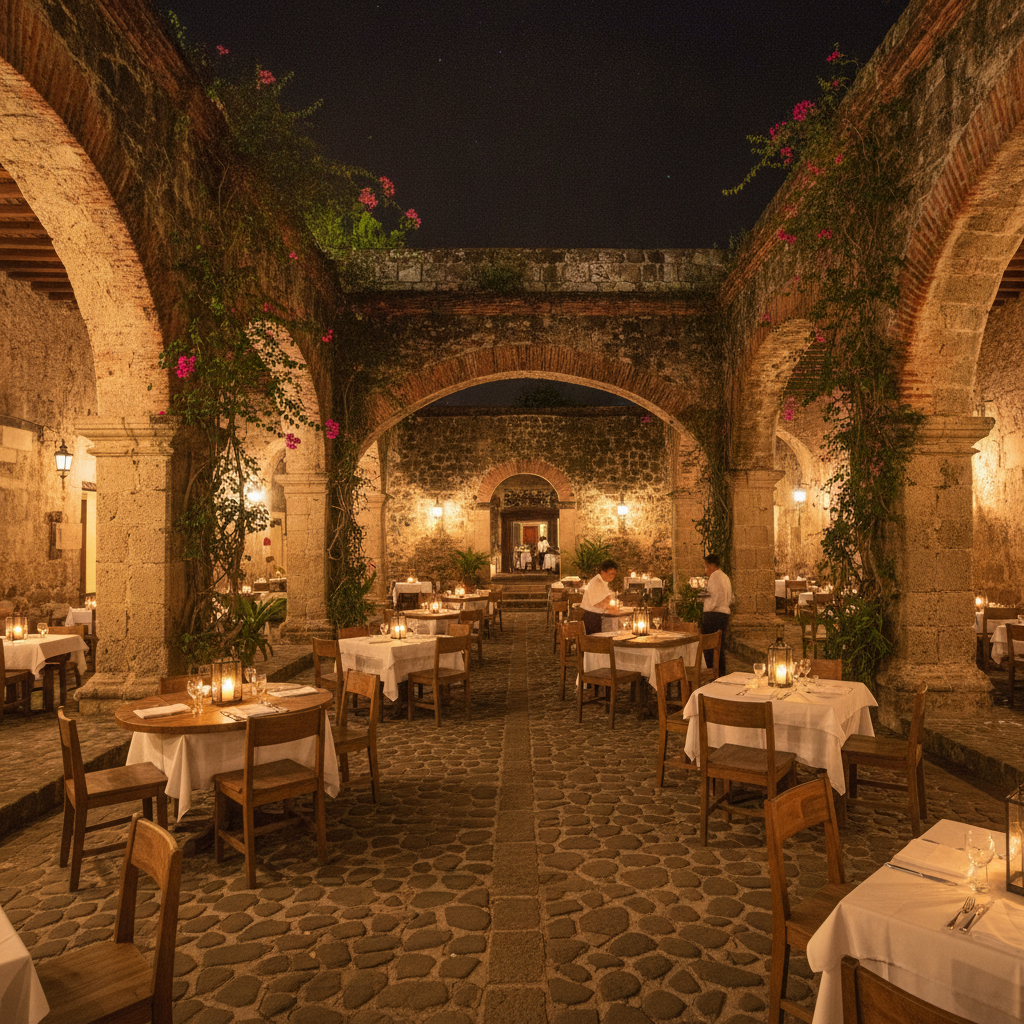
Antigua's restaurant economy has developed around the colonial architecture, with dozens of restaurants occupying restored colonial mansions and offering dining in colonial courtyards. The format suits the tourist experience: candlelit cobblestone courtyards, ruined walls draped with bougainvillea, and menus combining traditional Guatemalan dishes with international options for the North American and European visitors who make up the majority of the restaurant clientele. The price points are higher than in Guatemala City by a significant margin. The best establishments in this category use local produce and highland ingredients; the worst serve generic tourist menus that could be in any colonial city in Latin America.
- 5
Nim Pot Market and the Weaving Economy
The Nim Pot market, occupying a converted colonial house on the west side of the Parque Central, is the largest fixed-price market for Maya highland textiles in Guatemala. The collection spans huipiles from the major weaving communities, Maximon wooden effigies, jade jewelry, hand-embroidered tablecloths, and carved gourds. The textile market connects Antigua with the surrounding indigenous communities whose women continue to weave on backstrap looms using traditional patterns that encode community identity. The economic transaction of the textile market is more complex than a simple sale: purchasing from a specific community's cooperative versus an Antigua-based reseller has different economic implications for the weaving community, and the distinction matters to buyers interested in ensuring income reaches the artisans.
- 6
Chicco Espresso and the Third-Wave Coffee Scene
The specialty coffee cafe scene in Antigua has developed to a quality level comparable to cities much larger and wealthier. Several dedicated espresso bars and pour-over cafes source single-origin Guatemalan beans, employ trained baristas, and serve a customer base of international travelers and the small professional Antiguan community. The visual format of many of these cafes exploits the colonial architecture: exposed stone walls, wooden beams, and interior courtyards provide an atmosphere that enhances the coffee experience. The concentration of coffee quality in a small city is a function of the proximity to the source: the farms in the surrounding valley supply fresh-harvest green beans to local roasters who can offer cup quality that specialty importers in New York or London pay premium prices for on the global market.
Walk this route with audio
Stories play automatically as you reach each stop — no tapping needed.
More in Antigua Guatemala
Antigua Guatemala: Colonial Baroque, Volcano Views, and the UNESCO Historic Core
Spanish Language Schools and the Antigua Study-Travel Economy
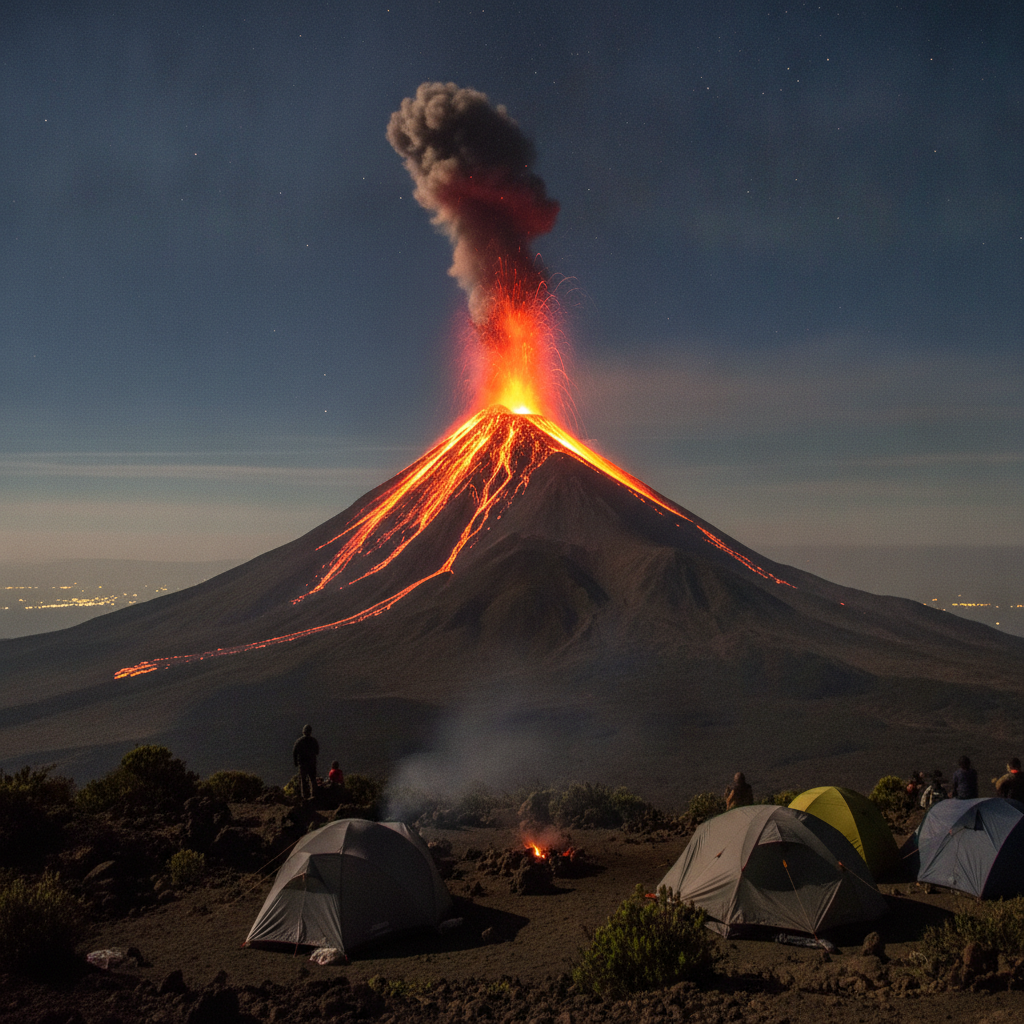
Acatenango and Fuego: Volcano Trekking from Antigua
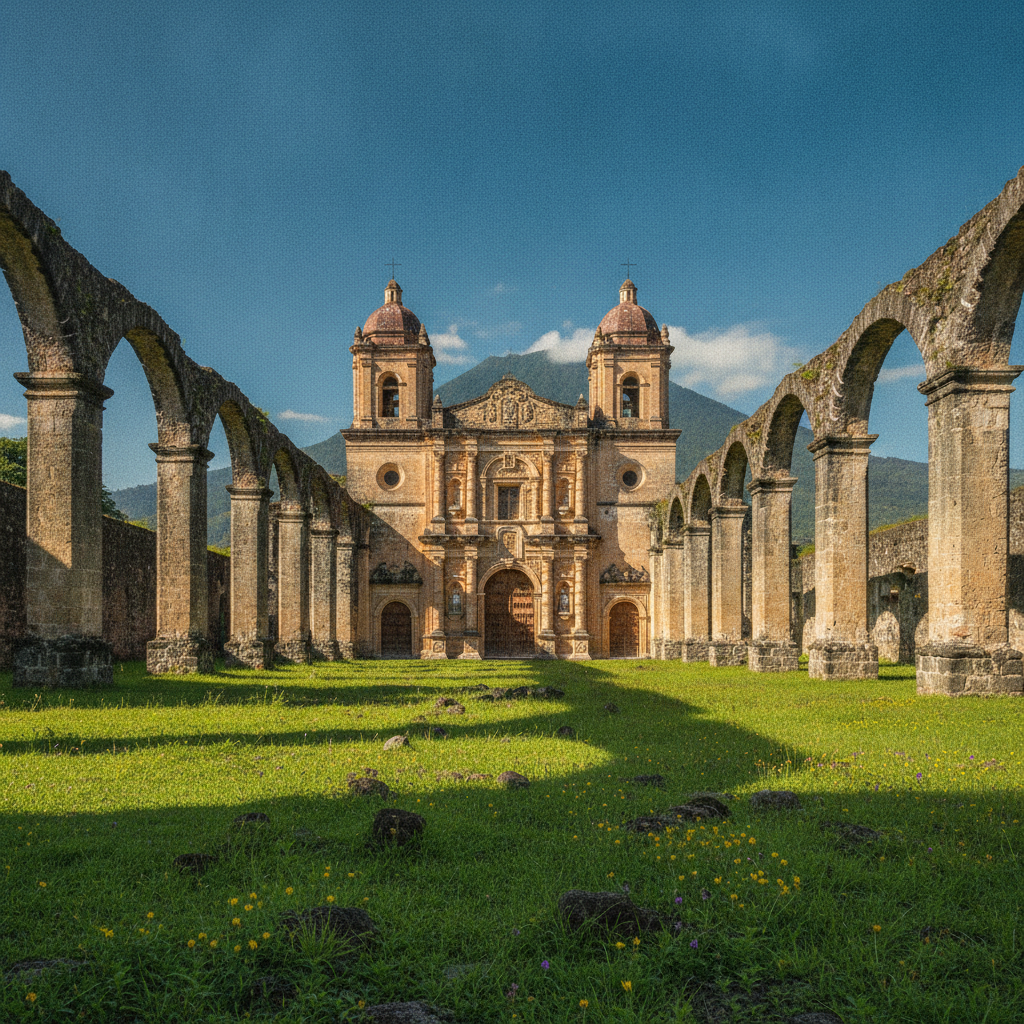
Colonial History: The Kingdom of Guatemala and the 1773 Earthquake
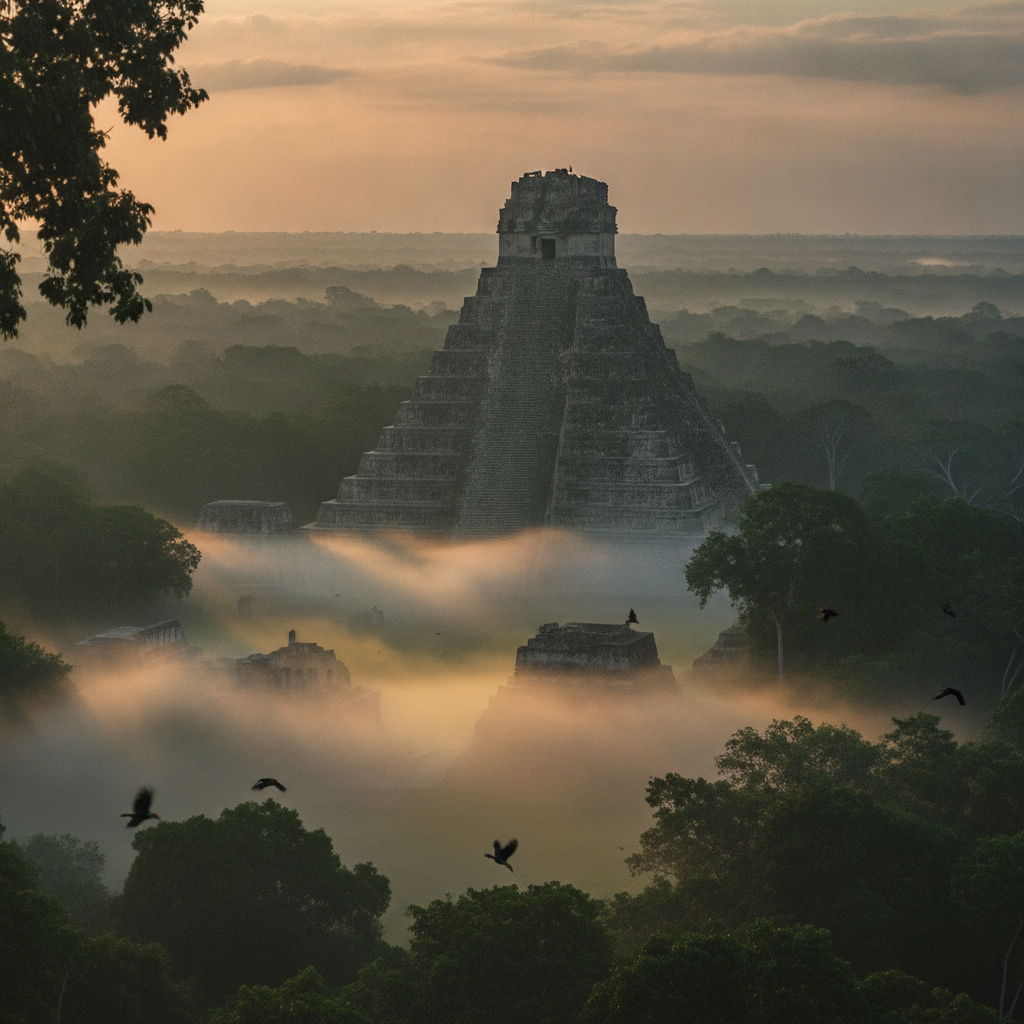
Tikal, Copan, and the Classic Maya Archaeological Circuit from Antigua