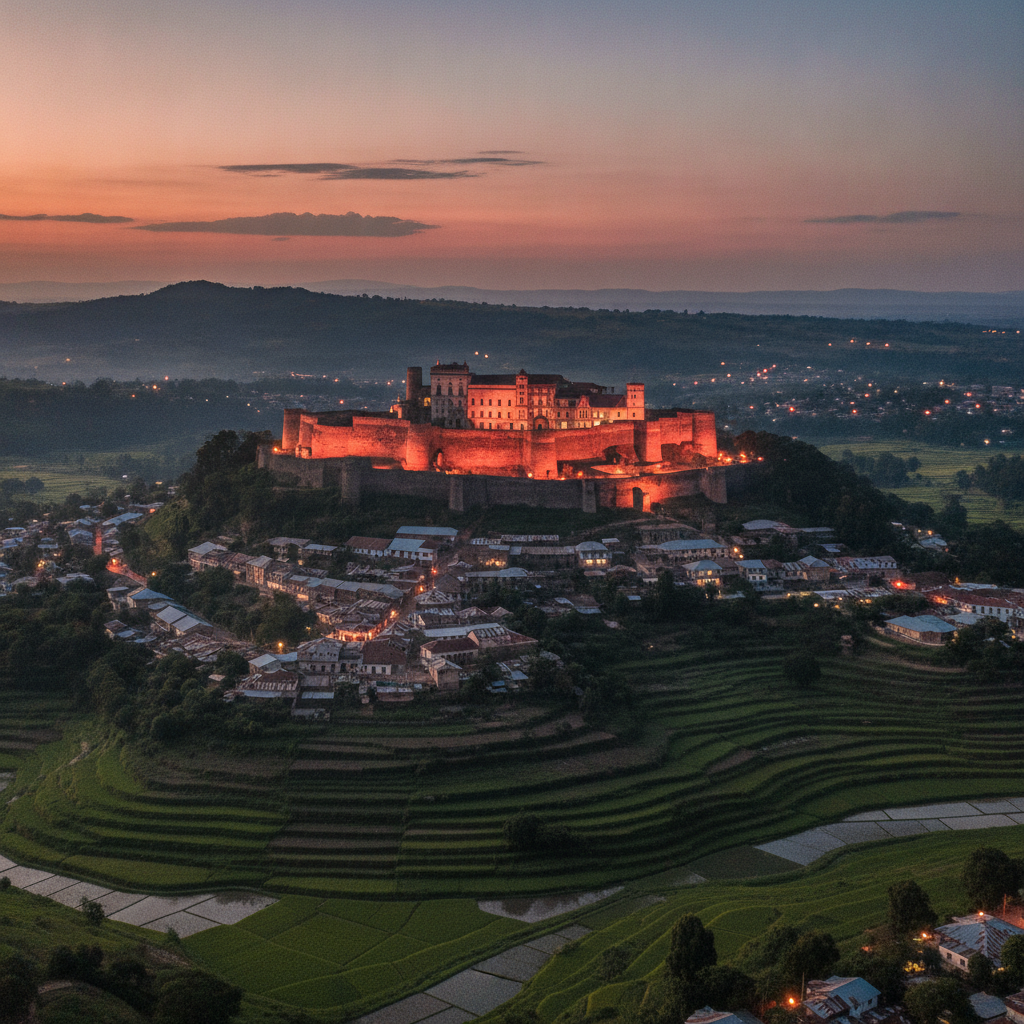
Antananarivo Final Legacy: Zebu Culture, Ile Sainte Marie Pirates, Ravinala, Crafts, Climate Crisis, and the Complete Madagascar Reference
Antananarivo closing routes: zebu cattle as sacred currency, Ile Sainte Marie pirate cemetery and humpback whales, the ravinala traveler palm and medicinal plants, the highland craft tradition, the Madagascar dual climate crisis (cyclones and drought), and the six-route complete Madagascar travel legacy.
- 1
The Zebu - Sacred Cattle and the Currency of Malagasy Society
The zebu (Bos indicus): the humped cattle species that arrived in Madagascar with the Austronesian and Bantu settlers and has become central to Malagasy social, economic, and spiritual life across most of the island. The zebu herds (the famadihana ceremony requires zebu sacrifice; the bride price is paid in zebu; the social status of a family is measured in zebu; the theft of zebu is the most serious crime in rural Madagascar). The dahalo (cattle rustlers): the armed groups of cattle thieves who operate primarily in the central and southern highlands; zebu theft is endemic and the dahalo represent a significant threat to rural security. The zebu as food: zebu beef is the primary meat protein of the Malagasy diet; the Antananarivo butcher market (the Marche du Poisson area) is the primary fresh meat market. The zebu-drawn cart (the charette): the primary transport mode in rural Madagascar away from the paved road network.
- 2
Ile Sainte Marie - Pirates, Humpback Whales, and the Perfect Island
Ile Sainte Marie (Nosy Boraha in Malagasy): the small island (approximately 57 km long, 5 km wide) off the northeastern coast of Madagascar, approximately 55 km from the town of Fenoarivo Atsinanana. Ile Sainte Marie has a history as a pirate haven: in the late 17th and early 18th century, the island was a base for pirates of the Indian Ocean (the pirate republic of Libertalia was allegedly established near here). The pirate cemetery at Ile Sainte Marie: the most significant pirate historic site in the Indian Ocean, with skull-and-crossbones tombstones from the 17th-18th century visible in the cemetery adjacent to the old French church. The humpback whale season at Ile Sainte Marie (July-September): the most reliable humpback whale watching in Madagascar, with the whales breeding and nursing their calves in the sheltered Baie d Antongil. The island beaches (the eastern Plage d Ambodifotatra and the western Baie des Forbans): the finest beach destination accessible from Tana by Air Madagascar flight.
- 3
The Moringa Tree and Madagascar Medicinal Plants
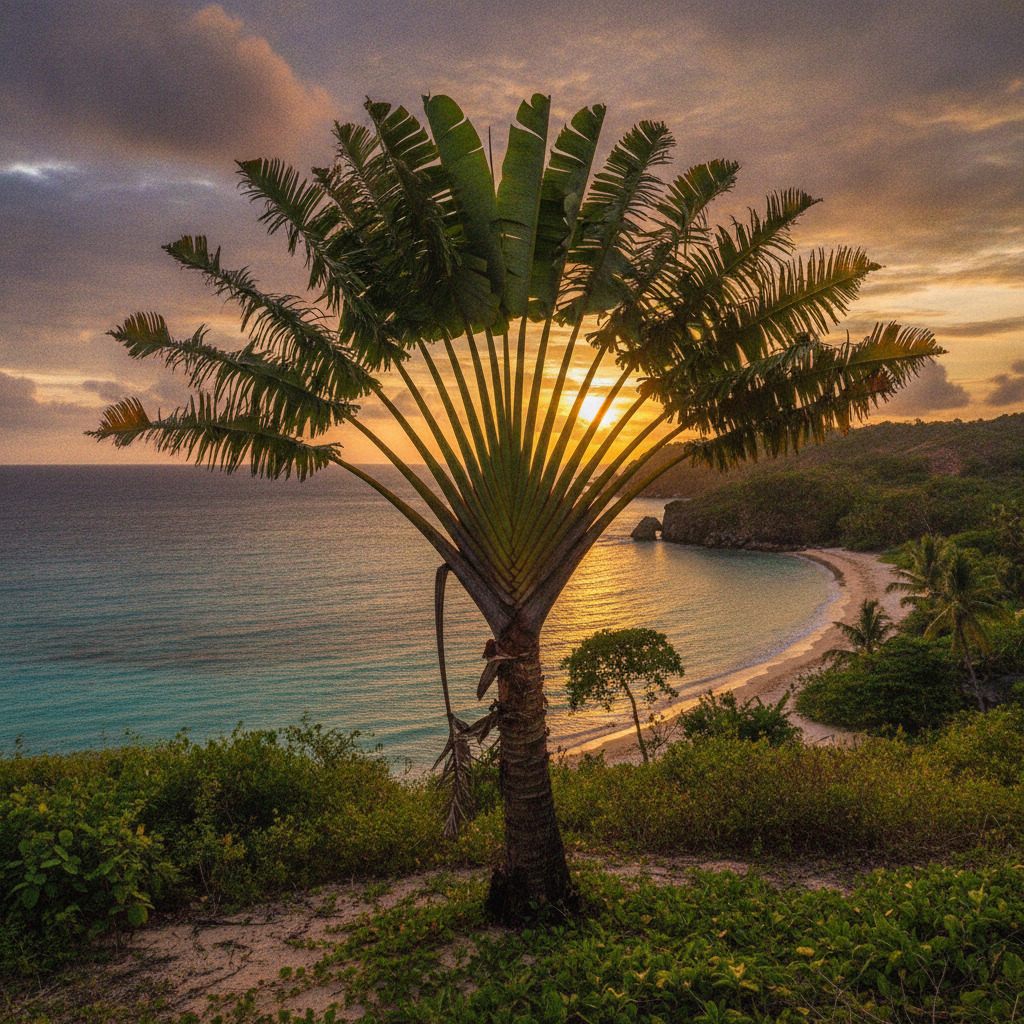
The traditional Malagasy medicinal plant knowledge: one of the richest surviving traditional botanic pharmacopoeias in the world, reflecting the botanical diversity of the Madagascar flora (approximately 12,000 plant species, 83% endemic). The ombiasy (the traditional Malagasy healer and diviner): the primary holder of medicinal plant knowledge and the spiritual authority in rural communities. The ravinala (the traveler palm, Ravenala madagascariensis): the most iconic Madagascar plant, with its distinctive fan-shaped crown of leaves radiating from a single stem; the ravinala is the national symbol of Madagascar (depicted on the Air Madagascar logo). The ravinala in culture: the leaf sheaths collect rainwater, which travelers historically used as a water source. The moringa (Moringa oleifera): originally from India, now widely cultivated in Madagascar as a nutritional supplement (the moringa leaves have exceptionally high protein and vitamin content and are the most nutritionally dense plant food known). The rotra (the breadfruit tree): introduced from the Pacific by Austronesian settlers, a significant carbohydrate food source in coastal communities.
- 4
The Antananarivo Art Scene and Malagasy Crafts
The Antananarivo craft and art tradition: the highland craft economy is significant and diverse. The Ambositra woodcarving (approximately 260 km south on the RN7): the primary woodcarving center of Madagascar, producing carved furniture, panels, and objects using the endemic Malagasy rosewood (the Dalbergia rosewood: legally protected since the export ban of 2013, though illegal rosewood trade continues). The Antananarivo embroidery (the broderie malgache): the European-influenced embroidery tradition introduced by the French missionaries (the Malagasy incorporated European embroidery techniques into their craft tradition, creating a distinctive local style). The Antananarivo painting tradition: a small but growing contemporary art scene centered around the Galerie Zo and the Alliance Francaise. The zebu horn and zebu skin craft products: zebu horn combs, ladles, and decorative objects; zebu skin bags and drum heads. The highland weaving (the lamba: the traditional Malagasy silk shawl worn by the Merina, made from natural silk produced by silkworms cultivated in the highland mulberry trees).
- 5
The Climate Crisis and Madagascar - Cyclones and Drought
Madagascar is one of the most climate-vulnerable countries in the world. The dual climate crisis: northeastern and eastern Madagascar receives 4-6 major cyclones per year (some of the most active cyclone tracks in the Indian Ocean, with cyclones regularly making landfall from December to April and causing catastrophic flooding, infrastructure destruction, and loss of life). The drought of the south: the Androy region of extreme southern Madagascar (the Grand Sud) experiences recurring severe droughts (the 2021-2022 drought was described by the UN World Food Programme as the first hunger crisis caused primarily by climate change rather than conflict, with over 500,000 people facing emergency food insecurity). The climate change impact: increasing cyclone intensity, more irregular rainfall patterns, and rising temperatures threaten both the remaining forest and the agricultural productivity of the island. The food security crisis: approximately 40% of Madagascar children under 5 are chronically malnourished, one of the highest rates in the world.
- 6
Antananarivo Six-Route Final Legacy - The Most Unique Country on Earth
Antananarivo six-route final complete. Route 1: Madagascar fourth largest island (90% endemic species), Rova Merina royal palace, lemurs (105+ species, most threatened mammal order), Malagasy Austronesian-African culture, Ranomafana National Park (golden bamboo lemur), practical guide (ariary, climate, vazaha experience). Route 2: Tsingy de Bemaraha UNESCO limestone pinnacles, Avenue of the Baobabs (Morondava), Isalo sandstone canyons, French colonial legacy and 1947 uprising, valiha music and famadihana exhumation tradition. Route 3: Nosy Be (ylang-ylang perfume island), eastern rainforest deforestation crisis (90% cleared), southwestern spiny forest, Madagascar vanilla (40-80% global supply), sapphire mining and poverty paradox. Route 4: chameleons (40% of all world species), the fossa apex predator (related to mongoose), the RN7 scenic road, the Antananarivo food scene, humpback whales and whale sharks. Route 5: the aye-aye (the feared nocturnal primate with the elongated finger), Andasibe and the indri call (3 km range through the rainforest), Queen Ranavalona I and the Merina monarchy, Malagasy language (Austronesian origin from Borneo), fady taboo system. Route 6 (this route): zebu cattle (sacred currency of Malagasy society), Ile Sainte Marie pirate cemetery and humpback whales, ravinala traveler palm and medicinal plants, Antananarivo craft tradition, the dual climate crisis (cyclones and drought). Madagascar final statement: the most biologically extraordinary country on earth; where 90% of the wildlife exists nowhere else; where the language is related to Borneo; where the lemurs call from the canopy and the fossa hunts at night; and where the oldest human settlements on a large landmass are only 1,700 years old. Madagascar is not Africa; it is not Asia; it is its own world.
Walk this route with audio
Stories play automatically as you reach each stop — no tapping needed.
More in antananarivo
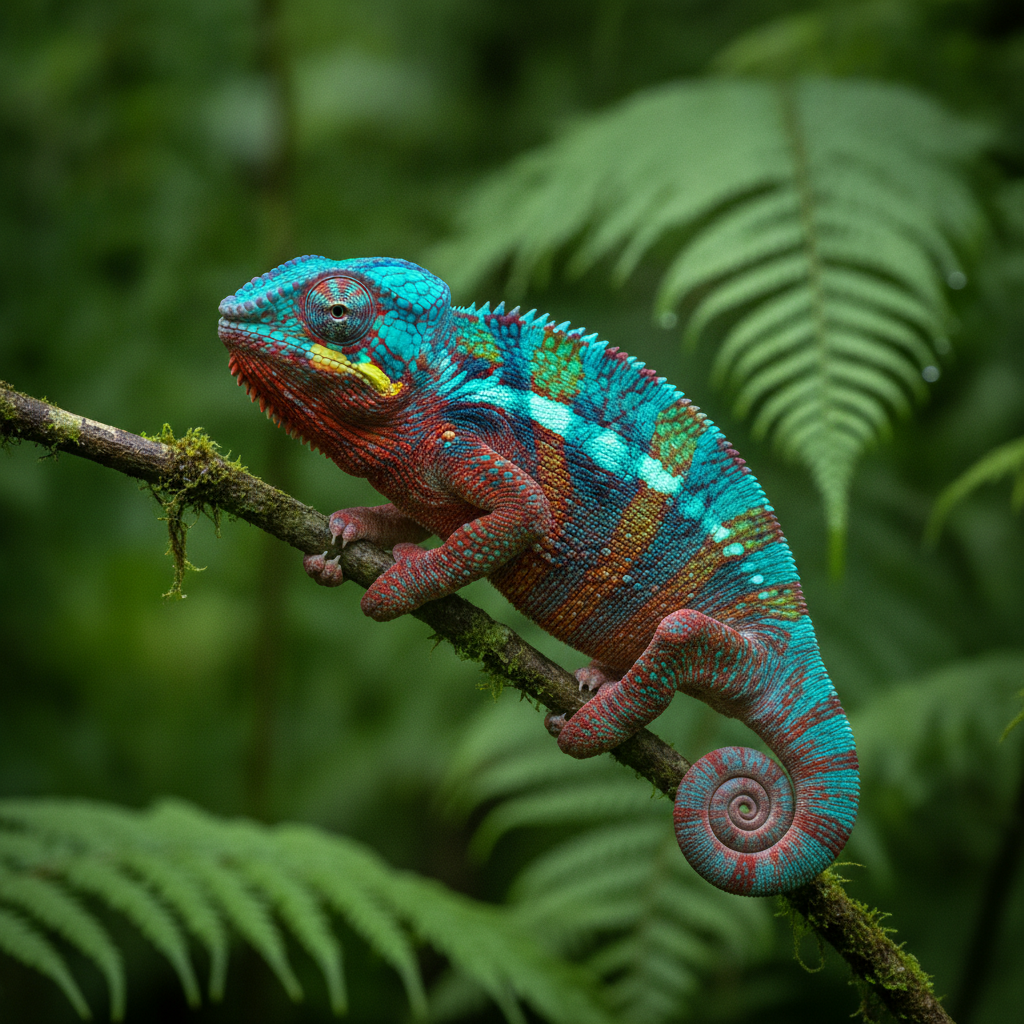
Antananarivo: Madagascar Chameleons, the Fossa Predator, Route Nationale 7, Malagasy Food Markets, and Humpback Whales
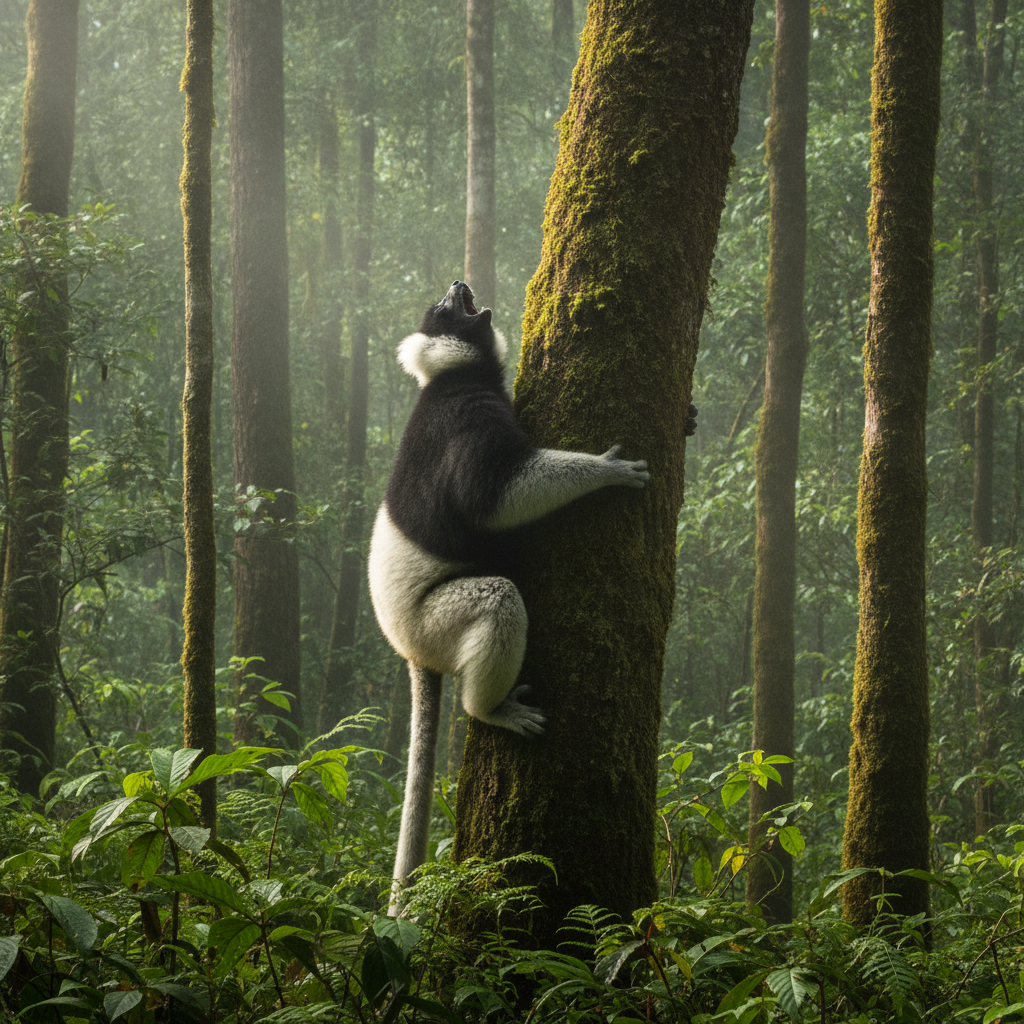
Antananarivo: The Aye-Aye, Andasibe Indri Call, Queen Ranavalona, the Malagasy Language Origins, and the Fady Taboo System
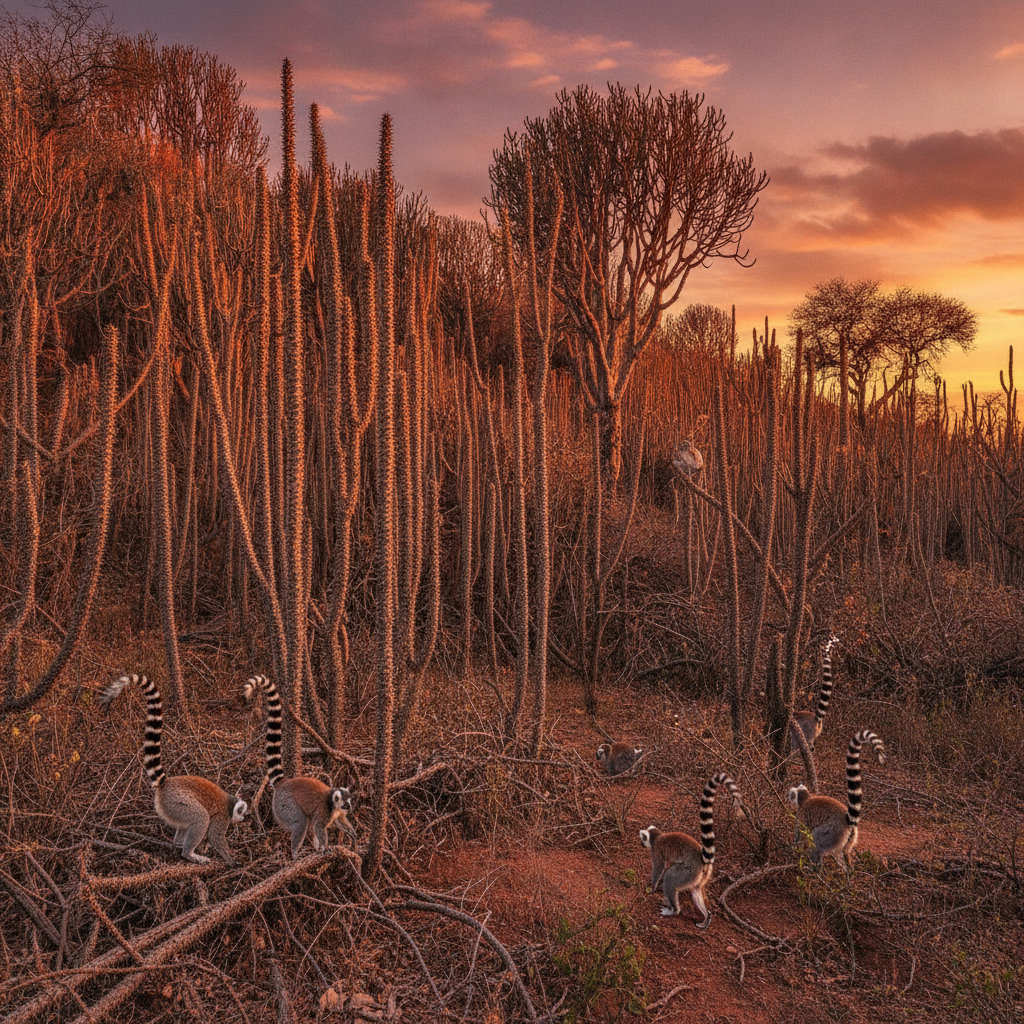
Antananarivo: Nosy Be Beach Resort, Madagascar Rainforest Crisis, Spiny Forest, Vanilla Industry, and the Poverty Paradox
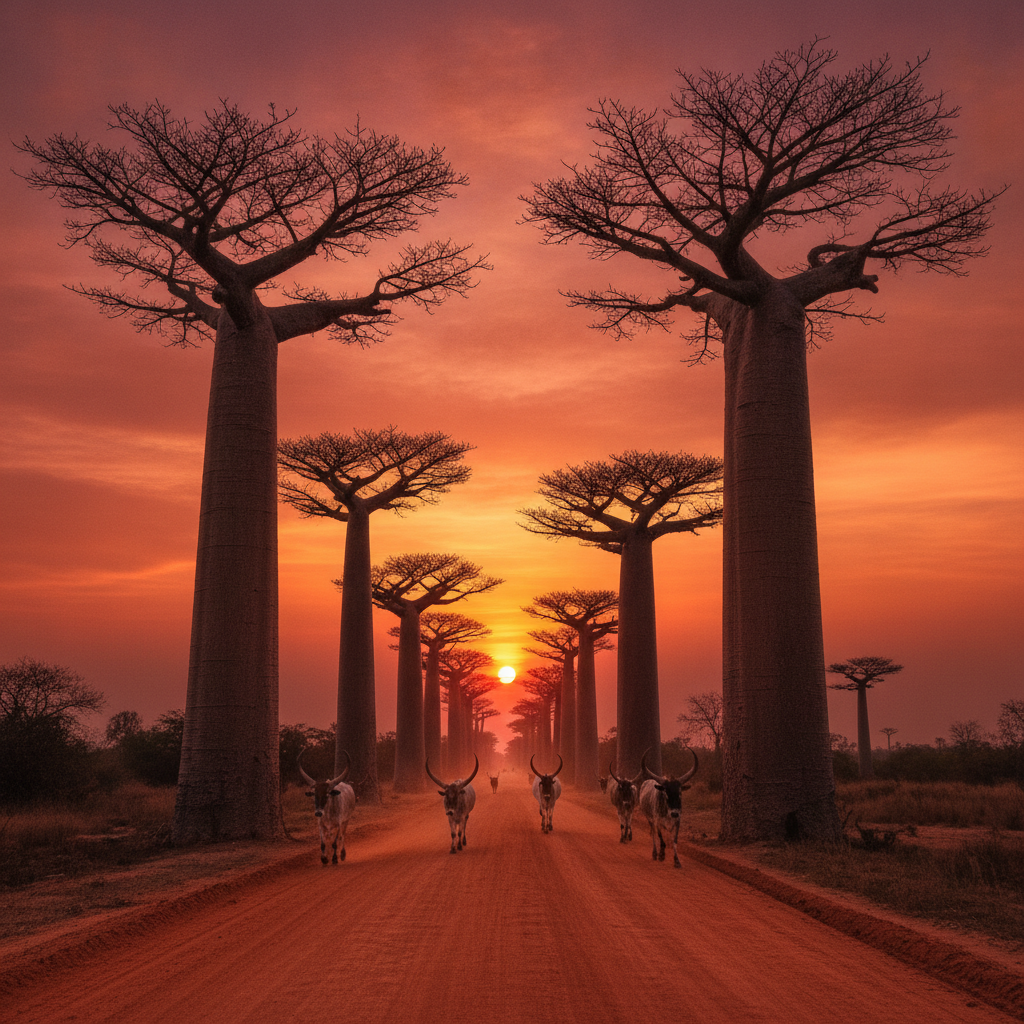
Antananarivo: Tsingy de Bemaraha, Avenue of the Baobabs, Isalo National Park, French Colonial History, and Malagasy Music