Antananarivo: The Red Island, the Rova Royal Palace, Lemurs, Malagasy Culture, Ranomafana Rainforest, and Practical Guide
Antananarivo introduction: Madagascar (the fourth largest island, 90% unique wildlife), the Rova Merina royal palace, the lemurs (most threatened mammal order), the Malagasy Austronesian-African cultural hybrid, Ranomafana National Park and golden bamboo lemurs, and the practical Antananarivo guide.
- 1
Antananarivo - The Highland Capital of the Red Island
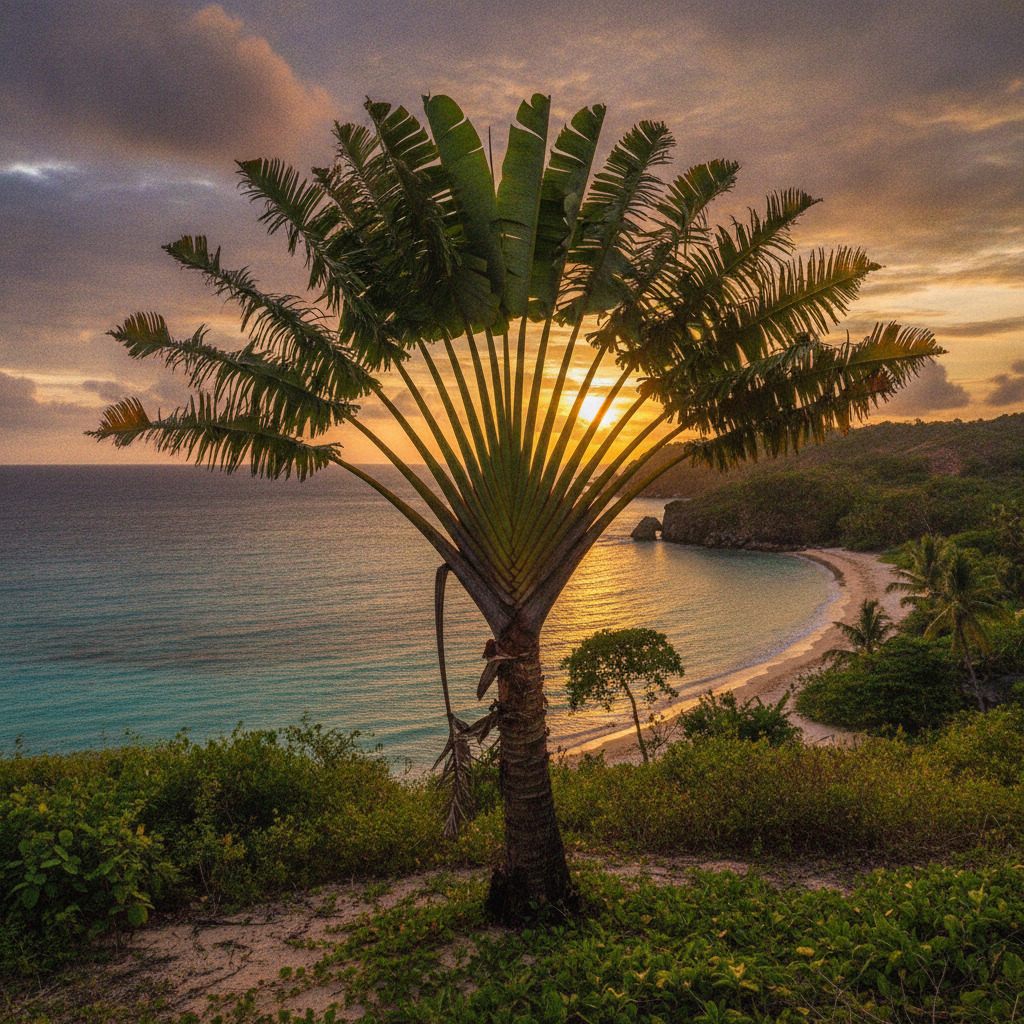
Antananarivo (Tana): the capital and largest city of Madagascar, built on twelve hills in the central highland plateau at approximately 1,300 meters elevation. Antananarivo means the city of the thousand warriors in the Malagasy language (referring to the thousand soldiers who once guarded the Merina royal city). Madagascar (the Grande Ile, or the Red Island): the fourth largest island in the world (approximately 587,000 sq km) and one of the most biologically unique places on earth: approximately 90% of its wildlife exists nowhere else on the planet. Madagascar separated from Africa approximately 160 million years ago and from India approximately 88 million years ago; the total isolation allowed evolution to produce extraordinary unique species. The island was uninhabited until approximately 350-500 CE (the Austronesian (Indonesian/Malaysian) maritime settlers arrived, making Madagascar the most recent large landmass to be settled by humans).
- 2
The Rova of Antananarivo - The Merina Royal Palace on the Hill
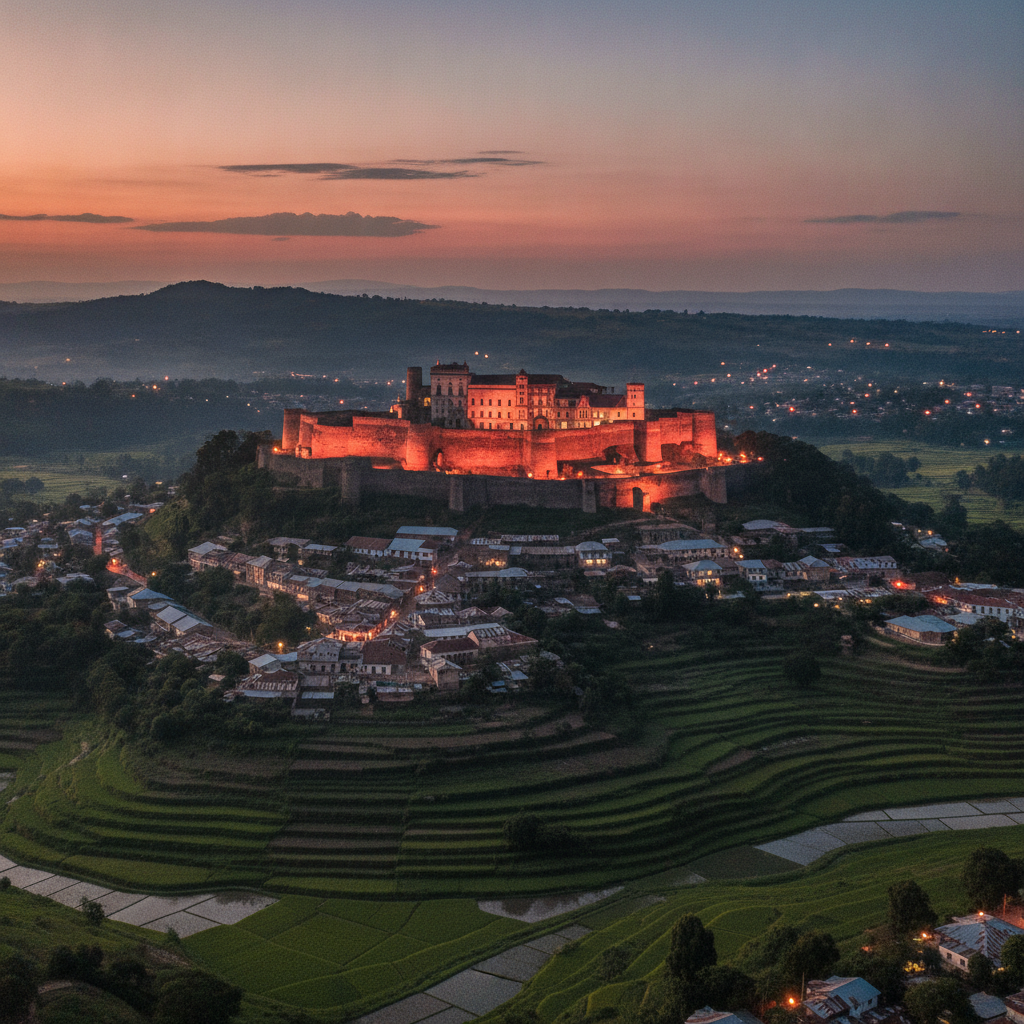
The Rova of Antananarivo (the Rova Manjakamiadana): the historic royal compound of the Merina Kingdom, built on the highest hill of Antananarivo (approximately 200 meters above the surrounding valley). The original wooden palace was built by King Andrianampoinimerina (who unified the Merina Kingdom approximately 1787-1810). The stone palace (the Manjakamiadana: the place where it is good to rule) was built for Queen Ranavalona I in 1839 by Scottish missionary and builder James Cameron, incorporating local and European architectural elements. The palace was burned in a fire in 1995 (caused by arson) and has been partially reconstructed. The Rova commands a panoramic view of Antananarivo and the surrounding rice paddies of the Betsimitatatra Valley (the blue-green flooded rice fields visible from the palace walls are an iconic Tana view). The Rova compound contains the tombs of the Merina monarchs.
- 3
The Lemurs of Madagascar - The World Most Threatened Mammal Order
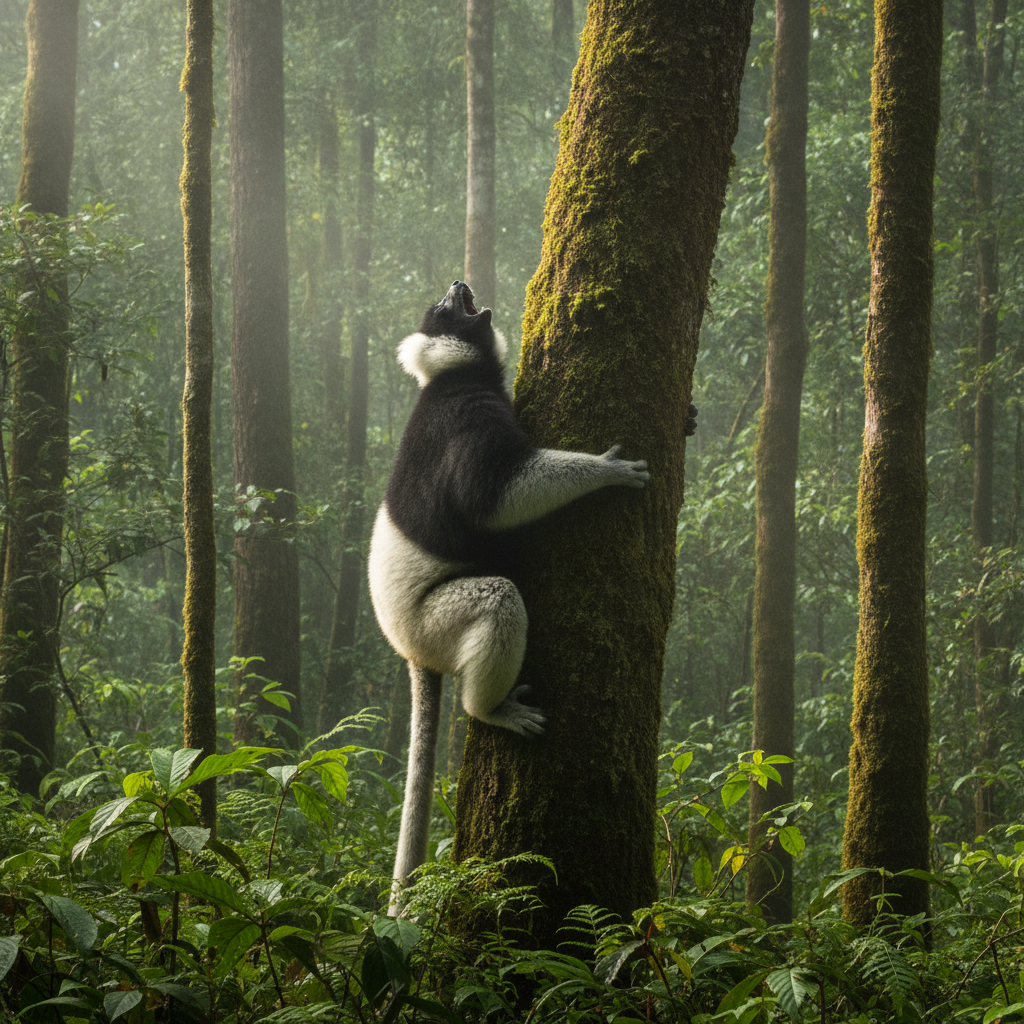
The lemurs: the suborder of primates found only on Madagascar (with minor populations on the Comoros Islands). Approximately 105-111 lemur species are recognized (the taxonomy is disputed). Lemurs (the name comes from the Latin lemures: the spirits of the dead: the European naturalists named them for their ghost-like nocturnal movement). Lemurs are the most endangered group of mammals in the world: approximately 105 of the recognized species are listed as threatened, making lemurs the most threatened mammal order on earth. The iconic lemurs: the ring-tailed lemur (Lemur catta: the most recognizable with its long black-and-white striped tail), the indri (the largest living lemur at approximately 10 kg, with a haunting territorial call that carries several kilometers), and the aye-aye (Daubentonia madagascariensis: the most unusual, with a single elongated middle finger for extracting grubs from bark: considered a bad omen by the Malagasy). The nearest lemur reserve to Antananarivo: the Lemurs Park (approximately 23 km west of Tana).
- 4
The Malagasy People - The Unique Austronesian-African Hybrid Culture
The Malagasy people: the approximately 30 million population of Madagascar are a unique genetic and cultural hybrid of Austronesian (Indonesian, Malaysian, and Pacific Islander) and East African (Bantu) ancestry. The Austronesian contribution: the Malagasy language (related to Malay and Indonesian, not to any African language), the cultivation of rice (the staple crop brought from Southeast Asia), the outrigger canoe tradition, and the oral epic tradition. The Bantu contribution: the physical appearance of much of the population, the zebu cattle culture (zebu cattle are central to Malagasy social and ceremonial life), and significant vocabulary. The Merina Kingdom: the dominant ethnic group of the central highlands, the most politically organized group at the time of European arrival, who unified much of Madagascar under their rule by the early 19th century. The Malagasy concept of fady (taboo): an extraordinarily complex system of taboos that varies by region, clan, and individual, governing behavior from what food may be eaten to which direction a house may face.
- 5
Ranomafana National Park - Rainforest, Golden Bamboo Lemurs, and Hot Springs
Ranomafana National Park (UNESCO World Heritage Site as part of the Rainforests of the Atsinanana: approximately 380 km south of Antananarivo): the primary accessible rainforest in Madagascar for tourists. The park was established in 1991 following the discovery of the golden bamboo lemur (Hapalemur aureus) by the American primatologist Patricia Wright in 1986. The golden bamboo lemur feeds almost exclusively on bamboo shoots containing lethal levels of cyanide; the lemur metabolizes the cyanide at a rate that would kill any other mammal of equivalent size. The Ranomafana hot springs (the town of Ranomafana is named for the thermal springs: rano means water, mafana means hot in Malagasy): the therapeutic hot springs at the edge of the forest. The road from Antananarivo to Ranomafana: the scenic Route Nationale 7, through the central highland plateau and the beginning of the descent to the southeastern coast, one of the most beautiful drives in Madagascar.
- 6
Antananarivo Practical Guide - Vazaha Life, Ariary, and Navigating Madagascar
Antananarivo practical guide. The vazaha (the Malagasy word for foreigner or white person, used throughout Madagascar without necessarily any negative connotation): the term you will be called throughout your Madagascar visit. The Malagasy ariary (the currency, introduced 2005, replacing the franc malgache: 1 ariary equals 5 iraimbilanja): one of the weaker currencies in Africa. The Antananarivo market (the Analakely Market in central Tana and the Zoma (Friday Market) tradition: the original Friday market was once the largest open-air market in the world; the market was restricted in 1975 but the surrounding streets still have the largest outdoor market atmosphere in Madagascar). The Malagasy food: the rice-based cuisine (Malagasy eat rice three times daily as the primary food): the romazava (the national stew of beef and leafy greens), the ravitoto (cassava leaves cooked with pork fat). Climate: Antananarivo is temperate (highland climate: cool nights year-round, warm dry season April-October, wet season November-March).
Walk this route with audio
Stories play automatically as you reach each stop — no tapping needed.
More in antananarivo
Antananarivo: Madagascar Chameleons, the Fossa Predator, Route Nationale 7, Malagasy Food Markets, and Humpback Whales
Antananarivo: The Aye-Aye, Andasibe Indri Call, Queen Ranavalona, the Malagasy Language Origins, and the Fady Taboo System
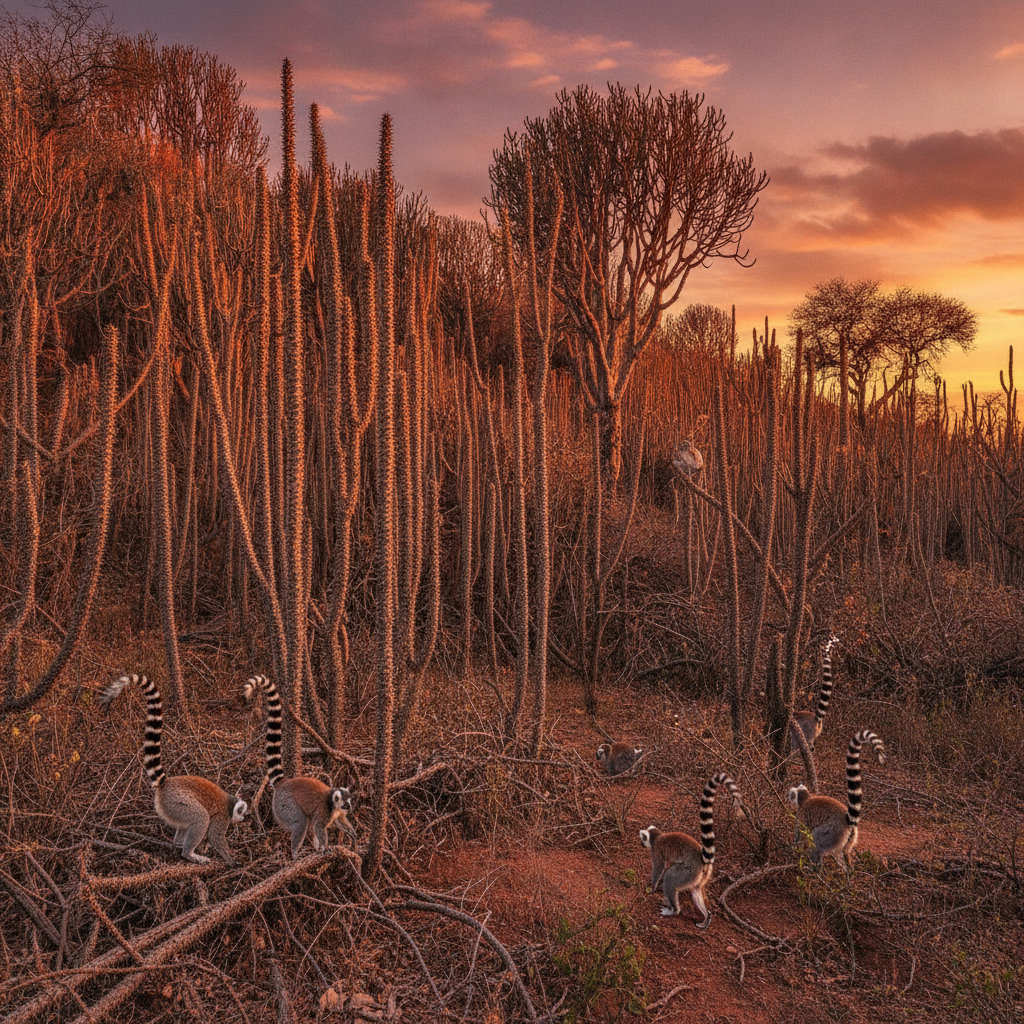
Antananarivo: Nosy Be Beach Resort, Madagascar Rainforest Crisis, Spiny Forest, Vanilla Industry, and the Poverty Paradox
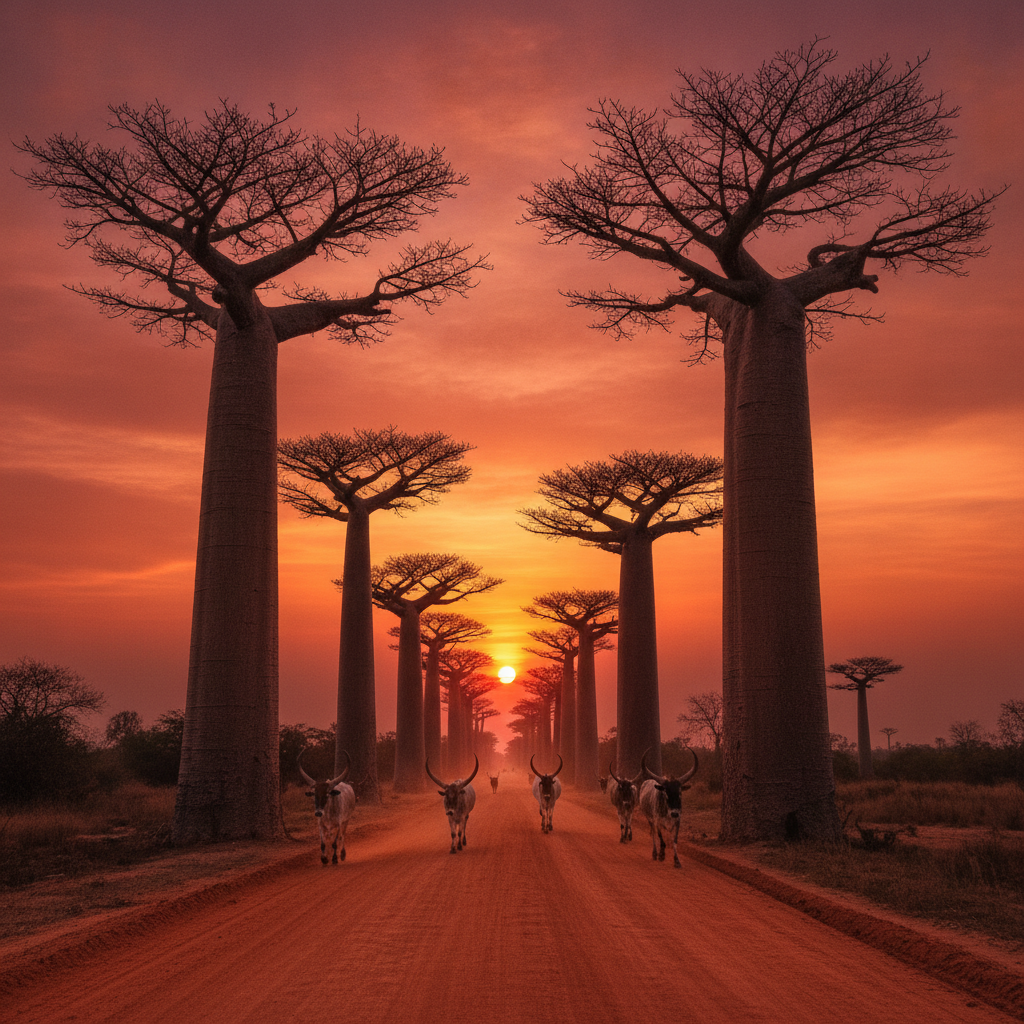
Antananarivo: Tsingy de Bemaraha, Avenue of the Baobabs, Isalo National Park, French Colonial History, and Malagasy Music